
Recordings › Innovation in Islam? | Mufti Abu Layth alMaliki · 3 Mar 2015 › Segment 4 of 6
Is it a bid'ah to pray extra prayers on a fixed day every week?
salaah namaz salaat namaaz as-salah al-salah salawat haj pilgrimage hadj fiqah jurisprudence fikh madhab mazhab school of law madhahib mazahib madhaahib fajar salat al-fajr fajr prayer dawn prayer rak'ah rakat rakaah prayer unit nafal nawafil nafil nafilah nafila voluntary worship masjed masaajid masajid mosque shari'ah shariat sharee'ah maaliki malikite malikiyyah hanafite hanafiyyah hanafi school muftis mubah mubaah mandub mandoob mustahabb mustahab wajib waajib wajibat sunna sunnat sunan prophetic practice bida biddat bidaa dalil daleel adillah adilla proof aya ayat ayaat aayah aayat verse as-salaf salaf al-salih salaf us-salih al-salaf early generations makkah mecca mekka in sha allah insha'allah in shaa allah insha allah inshaa allah alhamdulillah alhamdulilah al-hamdu lillah alhumdulillah alhamdulillaah niyyah niyah niyat niyya niyyat deen al-din ad-deen ad-din ibadah ibada ibaadah ibadat ajr sawab thawab thawaab sawaabRitualisation and intention: why Malikis discourage fixing acts of worship
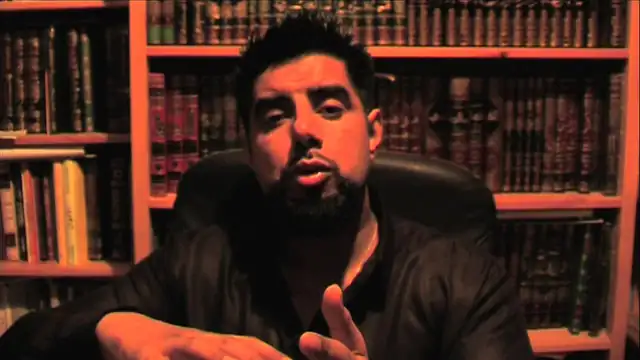 Play from 12:51
The video loads from YouTube only when you press play. Click a time in the transcript to seek.
Watch this part
Open on YouTube at 12:51The player starts at 12:51, the beginning of this part.
This segment12:51 to 23:47 · 10 min 56 sGeneral teaching
What this part covers
machinesummary, machine-writtenFixing a voluntary prayer to a day for convenience is commendable, but fixing it for a religious reason ritualises it, which the Malikis count as discouraged bid'ah.
In more detail
Mufti Abu Layth says this debate ripples through fiqh, with the Maliki madhhab discouraging several practices because neither the Prophet nor the salaf did them, while other schools permit or encourage them since the Prophet never forbade them. He explains that bid'ah concerns acts of worship that become ritualised, and sets out a spectrum from merely permissible acts to legislated ones: unrestricted voluntary acts such as two rak'ahs of nafl at any time, acts tied to a situation such as tahiyyat al-masjid or istikhara, and what the Prophet did consistently and in congregation, which the Malikis call Sunnah, explaining in passing why the two rak'ahs before Fajr are often not classed as Sunnah. If someone fixes an unrestricted act to a time or place, the Malikis ask why: praying nafl every Saturday because it is a convenient day off is commendable and rewarded, but doing so for a religious reason such as the Sabbath ritualises it and makes it a bid'ah. He concludes that a person's intention can turn a good, rewarded action into something discouraged.
Position stated
Mufti Abu Layth says that, from the Maliki perspective, the intention of a person can render their own action from a good and rewarding thing to something discouraged.
“so the intention of a person can render his own action from being a good and rewarding thing to something discouraged and something that should be avoided”
Category: teaching
Kind: general teachingTranscript
machine12:51 to 23:47 · click a time to seek · dotted terms open the glossary
not actually from the Sunnah you see The Messenger of Allah never actually taught us this now we understand your argument of putting these two things separately together however bringing them keeping them separate they may have they end up in the individual virtue bringing them together however you have a new net result which was a practice that is new so this is to give you the background to the debate okay so you now have some understanding that this is where the debate the angle is coming from now you
will see this also and I say a trickle or a ripple effect on this this ideology if you like or this concept this notion right throughout the fifth so on many occasions the Maliki method will consider several things discouraged reason being that the Prophet neither none of the Salaf were upon this practice okay whereas you will see in some of the other schools there are certain practices which are permissible and in fact encouraged because the the angle that they're looking at is yes the
proselytes have don't do these things but he never said don't do them he never stopped you from doing them he never said don't do da in Jamaa so therefore you're not actually contradicting anything and then obviously the broad evidence is about doing good things collectively etc so that is the background to this to this bid our discussion having innovations that do does the Dean cater for good innovations an innovation just to add some another layer to it as I've
explained touched upon before it is a an act of worship we're not talking about non worship actions so they are actions that are brought together as a ritual they are so they are ritualized and it's this ritualization that these methods traditionally were against this whole concept of Vidal husana that they condemn the ritualization so sometimes there may be certain actions which in themselves everybody agrees are good so if you take let's say actions to be a
spectrum and you have those things that begin like let's say beginning with permissibility you can just bless things you can do then you enter the realm of legislated action so if this is a spectrum going all the way right up until it reaches let's say Omo it goes right through Sunnah into obligations now when things begin they will begin with just permissible actions and then it enters the realm of legislated actions what they call a llama will measure all the
these actions are legislated now that the Sharia has in reduce them so now in the first section of the spectrum you will encounter actions that the Sharia has legislated but I mean hi little Kate but without specifying or without restricting if you like so they unrestricted legislated actions so they're like freelancing if you like so it's like saying nothing like praying nothing for Allah for the
sake of Allah praying rocketing 2 rakaat is a legislated action it has been legislated in the Sharia to do so like as an example praying wonderful hasn't been legislated so it's not a legislative act like a person couldn't just say I'm gonna pray one Riccar as nothing this is a voluntary act it is not legislated as a religious act we're not talking about whitter so we're talking about nothing praying a just a voluntary prayer it is not it is not recognized so there are actions which are legislated but they almost like freelancing if you like there's no
specification to when they must be done so nothing now a person can pregnant or whenever they like ok you can pray 2 rakaat nothing whenever you please whether it's 2 a.m. in the morning 2 p.m. in the afternoon however you please if you were to move further down the spectrum you will enter a realm with some of these actions now become specified with certain times so let's say praying to raka every time you enter oh must it it's called the hangar to Masjid or praying to raka if you wanted to do is Tijara or if you wanted to
salat al Hajj a you want to ask Allah for something you pray to you raka this is still in the voluntary realm but it is and it's you've moved from freelancing into something's restricted within some context that it occurs with a situation so they are situational that they're kind of temporal to do with time so you have that so maybe praying to raka before something happens at a given time or after these examples I gave like to hire a Masjid or doing such
and such now these if you move further on you will then get some now which the prof salal asylum I mean there is an overlap by the way by in those some of those recommended arc actions which have been legislated and set and the Sunnah what some people might call sooner harmonica da non emphasized sooner so like the Hydra Masjid will fall under that these will be called musta hab omen doob in the Maliki method okay now and then you've got so now that which the processor Larsen was consistent with in the Maliki had their own type of
definitions to it saying I Sunnah must be that which the proselytism was consistent that he did consistently were also that he preferred in Gemara for example in salah they say mat so not only now rather about Ali he what he consistently did but he also they say other Hara ho Benjamin are that he kind of established it with the Jamaat and hence the Maliki is so that becomes a critical point why then some of them don't consider for example the rocket Al Fatah and we call the the voluntary part of the morning pray we call it fragile
and we call the obligatory parts Subbaiah so further the rocket al furture are not categorized quite often a son now going to the Maliki mother because they weren't offered in Jamaa I'm just that's just some additional information but anyway I'm a point of me mentioning this is if you have the all of these actions on this are recommended as include the rewarded actions but if you were to take the those which were sanctioned and legislated actions that had no specificity about them that freelancing like praying nephal is good
and if you were to specify the time or the day or the location so spatially or temporally you were to add some restrictions they would immediately from the perspective of the Maliki mother be a question mark that why have you done them so as an example a person said if a person was to say every Saturday I will pray to nothing well-paid pretend
nothing or whatever they want to pray so right now the fact that they've said everything they've restricted this action which was a freelance it was a free-floating action with a specific time that's not necessarily a problem but it's a question mark that why the way they answer will determine the outcome of that action if they were to say if asked by the Sharia why have you specified Saturday to pray let's say 10
nothing or 8 nothing or 2 and if they were to say well you know I'm working during the week and I have saturday off I'm relaxing I wake up of don't have much to do another ayah and I want to consistently pray so it's a great time for me to do something and I can do that with regularity then that is a commendable action that is a good thing the Sharia will honor it it will respect it and they will have inshallah what is deemed to have a great reward from allah subhanaw taala for doing so if however
their response because it's not about the answering it's about what's going on in their mind it's about the objectives that makka sit behind what you're doing if they were to say if they the response was somehow ritual it wasn't habitual see the first one was more of a habitual read oh well I'm not working on Saturdays I have a bit of time it's convenience is the key word the operative word fine hamdulillah if however they were to say that the reason is and they were to come up with some
religious reason like well I think Saturday was the Sabbath for the Jews and I think we are more deserving than them to like let's say they came up with any reason but a reason that has really just a teeny that has some form of religion meaning it could be white it could be you know just about held on by a a thin thread but some form of religiosity religion ritualization associated with it if it did that would be deemed a beta the Maliki school would
immediately see that as something which should not be done so the intention of a person can render his own action from being a good and rewarding thing to something discouraged and something that should be avoided so you can see the the jump based on the person's intention now I do recognize that from a Maliki perspective and people may say from the Hanafi perspective in the chef a perspective they're a lot more accommodating for Badal husana which is
Paragraphs overlapping 12:51 to 23:47. Full text on the recording page.
Cite this segment
Stable id, transcript version and tier are part of the citation. Every change to a transcript is logged.Mufti Abu Layth Archive, segment 2015-03-03-S04, auto-transcribed, may contain errors. https://muftiabulayth.org/r/wirt3dxsvd8/s/4/ (accessed 1 November 2026)
- APA 7
Mufti Abu Layth. (2015, March 3). Is it a bid'ah to pray extra prayers on a fixed day every week? [Video, segment 2015-03-03-S04, auto-transcribed, may contain errors]. Mufti Abu Layth Archive. Retrieved November 1, 2026, from https://muftiabulayth.org/r/wirt3dxsvd8/s/4/
- Chicago author-date
Mufti Abu Layth. 2015. "Is it a bid'ah to pray extra prayers on a fixed day every week?" Video, segment 2015-03-03-S04, auto-transcribed, may contain errors. Mufti Abu Layth Archive. Recorded March 3, 2015. Accessed November 1, 2026. https://muftiabulayth.org/r/wirt3dxsvd8/s/4/
- BibTeX
@misc{abulayth-2015-03-03-S04,
  author = {Mufti Abu Layth},
  title = {{Is it a bid'ah to pray extra prayers on a fixed day every week?}},
  year = {2015},
  month = {3},
  date = {2015-03-03},
  howpublished = {\url{https://muftiabulayth.org/r/wirt3dxsvd8/s/4/}},
  url = {https://muftiabulayth.org/r/wirt3dxsvd8/s/4/},
  organization = {Mufti Abu Layth Archive},
  urldate = {2026-11-01},
  note = {Segment 2015-03-03-S04, auto-transcribed, may contain errors}
}
Something wrong here?
Tell us what is wrong and it will be checked against the recording. Nothing changes until a person has reviewed it.
Sending a note needs JavaScript, which is off or unavailable in this browser. Nothing has been sent.
No name, email address or account is asked for or stored, and the inbox does not store your IP address. For rate limiting it keeps an unreadable fingerprint of your connection for 48 hours, and our database provider's own logs record connections as every website's do. Only your note, its kind, the page and the moment in the recording are kept, for review.