
Innovation in Islam? | Mufti Abu Layth alMaliki
salaah namaz salaat namaaz as-salah al-salah salawat haj pilgrimage hadj hadeeth ahadith ahaadeeth hadis hadees ahaadith madhab mazhab school of law madhahib mazahib madhaahib malik ibn anas malik bin anas imam maalik imam malik ibn anas rak'ah rakat rakaah prayer unit imaam prayer leader masjed masaajid masajid mosque shari'ah shariat sharee'ah maaliki malikite malikiyyah hanafite hanafiyyah hanafi school shafei shafiite shafi'i school ijma' ijmaa 'urf fatwah fatawa fatwaa fataawa legal opinion muftis hukm ahkam hukum hukam ahkaam haraam forbidden makruh makruh tahrimi makruh tanzihi disliked mubah mubaah mandub mandoob mustahabb wajib waajib wajibat sunna sunnat sunan prophetic practice bid'ah biddat bidaa dalil daleel adillah adilla proof hasan hadith hasan li-ghayrihi hasan li-dhatihi hasan sahih iman imaan eemaan eeman janna jannat paradise aya ayat ayaat aayah aayat verse tilawah tilawat tilaawah sahabah sahaba sahabi sahabiyyah sahabiyat as-salaf salaf al-salih salaf us-salih al-salaf early generations hijrah hijra hijrat migration makkah mecca mekka madinah al-madinah madeenah yathrib ahl al-sunnah ahl as-sunnah ahlus sunnah ahl al-sunna sunnis ulema ulamaa scholars umma ummat community jihaad mujahid in sha allah insha'allah in shaa allah insha allah inshaa allah alhamdulillah alhamdulilah al-hamdu lillah alhumdulillah alhamdulillaah subhan allah subhaanallah subhanallaah as-salamu alaykum assalamu alaikum assalamualaikum salaams salam alaykum wa alaykum as-salam peace greeting niyyah niyah niyat niyya niyyat duaa duas duaas supplication al-din ad-deen ad-din ibadah ibada ibaadah ibadat ajr sawab thawab thawaab sawaabvideo · 34:28 · 14,000 views · 3 Mar 2015 · 6 segments · Open on YouTube
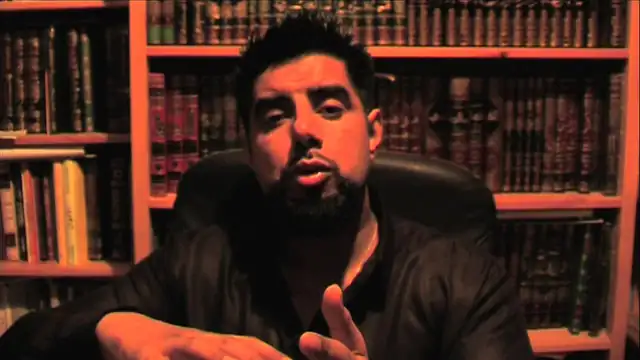 Press play to load from YouTube. Nothing loads until you do.
6 segments
machine6Each block is a segment in time order. Click to open it.All segments · in time order
Transcript
machineauto-transcribed, may contain errors · source: youtube auto · click a time to seek · dotted terms open the glossarysalam ala alaikum wa rahmatu who the ILA oberek Otto Thomas Allen we're taking a look at a question that comes time and time again it is one which people have often written to me about they've asked me they've asked many people and sometimes I've actually even thought that the is there much point into going into this discussion again since it has been repetitively answered on so many different forums on different whether
it's Fattah well this courses and discussions nevertheless the question is on be da that can I shed some light on the understanding of Buddha does it have a division the division of Buddha is that valid so what this means so first of all let me simplify the question what that means is is there such thing as a good and bad Buddha right so and the reason people are asking is that there are certain practices at times which are
considered somewhat controversial they have some controversy surrounding them and they are grouped and classified as a good bit ah so this is where just to give you some background where this is coming from for those of you for those of us who are completely unfamiliar with this topic a bit are linguistically is referring to an innovation an act of innovation within the Deen so we are talking about a religiously innovated matter not something which obviously is to do with the dunya talking about matters of the Deen and
what is the ruling on them now first of all just to clarify the ruling traditionally there has been and I mean by traditionally classically there has been a divergent a kind of split which I suppose has led further down the path increased to some extent and then maybe also reunited the there was classically ace this divergence between the methods the method of Imam Malik Rahim Allah in my
Malik himself is quite vocal on these matters and you have also subsequently perhaps the school of Ahmed Ibrahim but they may be grouped on one side if you like on the other side you will find the school of imam abu hanifa and and also subsequently the school of Imam Shafi now these two camps if you like these two groups the former Imam Malik predominantly especially from the Salaf and and this includes many other people
from the Salaf as well they did not accept a division of Badar so they did not see that they could be anything that the prophets of allah Salem or his companions did not teach us to do with Dean that could be good for us for something for us to come up with something could in no way according to Imam Malik his understanding have some goodness in religious goodness some religiosity about it because that would mean as Imam Malik explains but there
was a path to Jannah or something that would get you to Jinnah which the prophets of Allah solemn did not either he the assumption is either you say suggesting this is from Imam Malik thought and these are his actual words that either you're suggesting that the prophet Elijah was unaware of this path to Jannah or that he was away and they by concealed it from you either ways Imam Malik response is very harsh in a way almost against these enemy type of innovation he describes them all as cool Luba darting
Balala is a misguidance and something which should be refrained from a person however there is a difference I must which is incredibly important that we highlight it is that Imam Malik although he is very harsh against a lot of the bid art in some of his wordings in his Fatah which are documented throughout whether it's the throughout his is his teachings so especially in the mood of one arm in other places wherever his Fatah WA or transmitted the the question is that although his
wording is harsh at times the ruling of that particular bidder or that innovation is quite often just seen as macro it is seen as discouraged it is not described as Haram so they describe it as something it's better not to do as opposed to do but it's not Haram if it is done so this is the distinction now the many of the Hannah Beulah the humbly Illuma also seem to take that trend of the school of Medina in the Mallik
school which was took a very harsh stance if you like traditionally on dismissing any form of innovation and I'm like I mentioned I mean the you can find this for example a very early source will be in ignore Abbas book which he transmits with chains going back to Imam Malik all these rulings where he discusses many of these things about padilla about innovations he provides chains he himself was a maja did also bucket or two she provides references and chains going back you could actually look at the individual
Fatah WA of Imam Malik in the mood of wanna or in the other books like the noir there was yet that that have been transmitted you just have to look up the Messiah ill which are points of controversy these matters and you can see in my Malik's attitude towards them now in the other group you have the likes of imam abu hanifa Imam Shafi'i and their subsequent followers they their understanding what comes through although they don't speak it is allegedly Imam Shafi it does speak on the term be that defining it as
Alvida Abaddon but we're talking about the concept at a greater depth imam abu hanifa as far as I'm aware doesn't directly comment on it as in saying be the eyes of two types or anything like this however his Fatah WA seemed to cater for bida to hasanah so what that means is there are certain practices which although the Prophet Allah Islam did not do them nor did the selleth but because they fall under generic guidelines which are sanctioned within the theme and legitimate
guidelines therefore the action should be also legitimized that that is the debate and I'll come back to the debate in a moment and give it you know some more detail right so in an imam abu hanifa imam shafi'i they feel that these things are there definitely they feel that they not necessarily macro in fact they may be encouraged so you will find that the category of mustahab within the hanafi madhhab many of the things and I'm not necessarily saying everything but there are certain things within the Muslim
category that fall as mustahab that they are recommended to do but they are not sooner so you will see that the Hanafi a divide the categories from Sunnah Muraki desana rare marker dad anon the emphatic son and the non emphatic it will not emphasize Sonnen and then they have recommended now this category totally does not even exist in the Maliki world of faith in the Maliki world effects anything recommended is the sooner a marketer so you've got the son named
after the emphasized Sumner and then you've got a recommended category that is the red marker they according to the manicure now according to the Hannah fear you have the son another regular some the one-off son and then you have a recommended action the question here is how does the action become recommended if it's not from the saamne because if it was from the Sunda even a one-off son then should it not fall under the pseudonym red marker that category and that's because there are many of these evidences that are not necessarily from the Sunnah but they feel that they fall under broad guidelines which are good so
Allah says you know if I don't hate that do good and a loss is what the Avenue a little better that come together on goodness so based on these they have produced certain rulings like let's say - for everybody after Salah to make a dying congregation not this action as an example if I was to use as an example is categorically not from the Sun now I mean the proselytism never practiced things like that neither did the companion in general Anna and I don't when I'm saying this I'm being very I am trying to be as objective as possible in
defining the fact so this is an a an attack or a criticism towards anybody that practices these things I'm trying to tell you so I mean just in case somebody's feeling an urge to almost critique me or criticize me I'm just simply relaying the facts that's all I'm doing right that this was not I mean I'm you know somebody might try to show you a a narration from somewhere that the processor Addison did somehow somebody did some - I honor the people raised there and we're not talking about isolated examples we're talking about a
practice the Salah would take place five times a day in the Masjid of the prophet of Allah Islam the process and we'll never make a custom of raising his hands after do on - Salaam people raising them in fact the hadith intermedia is that the proselytism would immediately leave mostly sometimes he would sit and talk but there wasn't this practice now this is seen as any recommended practice the reason being is that people feel that this falls under like this group of people let's say al imam abu hanifa Ramallah and other people like from the Scheffer yeah they will say well this fault and/or we know the eyes a good
thing and we know that the we are encouraged to do this a broad guideline that what the our know a little bit so the DA is from Bill is from goodness doing good actions now law says collectively help each other to do good actions like in in a group type of mind so now we put these two together and we have a net result of we should make the are together in a collective manner the only problem with this from the other group is that they will say well this is
not actually from the Sunnah you see The Messenger of Allah never actually taught us this now we understand your argument of putting these two things separately together however bringing them keeping them separate they may have they end up in the individual virtue bringing them together however you have a new net result which was a practice that is new so this is to give you the background to the debate okay so you now have some understanding that this is where the debate the angle is coming from now you
will see this also and I say a trickle or a ripple effect on this this ideology if you like or this concept this notion right throughout the fifth so on many occasions the Maliki method will consider several things discouraged reason being that the Prophet neither none of the Salaf were upon this practice okay whereas you will see in some of the other schools there are certain practices which are permissible and in fact encouraged because the the angle that they're looking at is yes the
proselytes have don't do these things but he never said don't do them he never stopped you from doing them he never said don't do da in Jamaa so therefore you're not actually contradicting anything and then obviously the broad evidence is about doing good things collectively etc so that is the background to this to this bid our discussion having innovations that do does the Dean cater for good innovations an innovation just to add some another layer to it as I've
explained touched upon before it is a an act of worship we're not talking about non worship actions so they are actions that are brought together as a ritual they are so they are ritualized and it's this ritualization that these methods traditionally were against this whole concept of Vidal husana that they condemn the ritualization so sometimes there may be certain actions which in themselves everybody agrees are good so if you take let's say actions to be a
spectrum and you have those things that begin like let's say beginning with permissibility you can just bless things you can do then you enter the realm of legislated action so if this is a spectrum going all the way right up until it reaches let's say Omo it goes right through Sunnah into obligations now when things begin they will begin with just permissible actions and then it enters the realm of legislated actions what they call a llama will measure all the
these actions are legislated now that the Sharia has in reduce them so now in the first section of the spectrum you will encounter actions that the Sharia has legislated but I mean hi little Kate but without specifying or without restricting if you like so they unrestricted legislated actions so they're like freelancing if you like so it's like saying nothing like praying nothing for Allah for the
sake of Allah praying rocketing 2 rakaat is a legislated action it has been legislated in the Sharia to do so like as an example praying wonderful hasn't been legislated so it's not a legislative act like a person couldn't just say I'm gonna pray one Riccar as nothing this is a voluntary act it is not legislated as a religious act we're not talking about whitter so we're talking about nothing praying a just a voluntary prayer it is not it is not recognized so there are actions which are legislated but they almost like freelancing if you like there's no
specification to when they must be done so nothing now a person can pregnant or whenever they like ok you can pray 2 rakaat nothing whenever you please whether it's 2 a.m. in the morning 2 p.m. in the afternoon however you please if you were to move further down the spectrum you will enter a realm with some of these actions now become specified with certain times so let's say praying to raka every time you enter oh must it it's called the hangar to Masjid or praying to raka if you wanted to do is Tijara or if you wanted to
salat al Hajj a you want to ask Allah for something you pray to you raka this is still in the voluntary realm but it is and it's you've moved from freelancing into something's restricted within some context that it occurs with a situation so they are situational that they're kind of temporal to do with time so you have that so maybe praying to raka before something happens at a given time or after these examples I gave like to hire a Masjid or doing such
and such now these if you move further on you will then get some now which the prof salal asylum I mean there is an overlap by the way by in those some of those recommended arc actions which have been legislated and set and the Sunnah what some people might call sooner harmonica da non emphasized sooner so like the Hydra Masjid will fall under that these will be called musta hab omen doob in the Maliki method okay now and then you've got so now that which the processor Larsen was consistent with in the Maliki had their own type of
definitions to it saying I Sunnah must be that which the proselytism was consistent that he did consistently were also that he preferred in Gemara for example in salah they say mat so not only now rather about Ali he what he consistently did but he also they say other Hara ho Benjamin are that he kind of established it with the Jamaat and hence the Maliki is so that becomes a critical point why then some of them don't consider for example the rocket Al Fatah and we call the the voluntary part of the morning pray we call it fragile
and we call the obligatory parts Subbaiah so further the rocket al furture are not categorized quite often a son now going to the Maliki mother because they weren't offered in Jamaa I'm just that's just some additional information but anyway I'm a point of me mentioning this is if you have the all of these actions on this are recommended as include the rewarded actions but if you were to take the those which were sanctioned and legislated actions that had no specificity about them that freelancing like praying nephal is good
and if you were to specify the time or the day or the location so spatially or temporally you were to add some restrictions they would immediately from the perspective of the Maliki mother be a question mark that why have you done them so as an example a person said if a person was to say every Saturday I will pray to nothing well-paid pretend
nothing or whatever they want to pray so right now the fact that they've said everything they've restricted this action which was a freelance it was a free-floating action with a specific time that's not necessarily a problem but it's a question mark that why the way they answer will determine the outcome of that action if they were to say if asked by the Sharia why have you specified Saturday to pray let's say 10
nothing or 8 nothing or 2 and if they were to say well you know I'm working during the week and I have saturday off I'm relaxing I wake up of don't have much to do another ayah and I want to consistently pray so it's a great time for me to do something and I can do that with regularity then that is a commendable action that is a good thing the Sharia will honor it it will respect it and they will have inshallah what is deemed to have a great reward from allah subhanaw taala for doing so if however
their response because it's not about the answering it's about what's going on in their mind it's about the objectives that makka sit behind what you're doing if they were to say if they the response was somehow ritual it wasn't habitual see the first one was more of a habitual read oh well I'm not working on Saturdays I have a bit of time it's convenience is the key word the operative word fine hamdulillah if however they were to say that the reason is and they were to come up with some
religious reason like well I think Saturday was the Sabbath for the Jews and I think we are more deserving than them to like let's say they came up with any reason but a reason that has really just a teeny that has some form of religion meaning it could be white it could be you know just about held on by a a thin thread but some form of religiosity religion ritualization associated with it if it did that would be deemed a beta the Maliki school would
immediately see that as something which should not be done so the intention of a person can render his own action from being a good and rewarding thing to something discouraged and something that should be avoided so you can see the the jump based on the person's intention now I do recognize that from a Maliki perspective and people may say from the Hanafi perspective in the chef a perspective they're a lot more accommodating for Badal husana which is
true they are so I'm not denying that difference of opinion that it doesn't exist it does exist and I'm telling you that furthermore I'll even tell you that several central the Maliki method for several centuries did not accept it remained on that understanding of Imam Malik what you find prob possibly around maybe creeping in around the 500-600 Hijri definitely creeping in by the 700 Hijri it's almost about 600 years after the prophet Elijah
you start to see these practices of what are deemed or what is the subject of debate what they call without husana good actions but innovated as in they weren't actions which exactly were done in that way by the Salaf by the Prophet the Companions or the turbine so the question is that you see this coming in around especially around the 6th century hid jury I mean its second sorry about the 7th century 600-700 is definitely there definitely it then becomes moves
on to become very widespread so first it begins being especially within the Maliki world from non existent just maybe you know it's scarce but I mean it might be it's maybe there are some isolated incidents of it it's not something which is so it's not later on prevalent it's not common it's not a phenomenon which is something that you can generally encounter but it starts to increase and then by the 600's it's
definitely there definitely by 700s I would even say becomes the majority practice ok some people what was the reason for this in places like the Maliki world where they had this understanding that with a Hasan it doesn't actually exist I mean Allahu Alem why that was some people had linked it with things like the the plague that struck the world and struck huge parts of the Muslim world as well and how in the absence of finding a cure people felt it was a spiritual I mean cause if you like for which they
were suffering this is one reason that has been offered by people that an and hence they turned to religion returned to Kensing themselves from sin that's an understanding another understanding is that with the fall of the murabba teen and the more hey Dean what you had a lot of them were key expansionist states and empires so they were very I mean they were what was very central to them was the concept of jihad and so they built everywhere they went they had what were known as these type of barracks that they would set up
which they called originally very but the hence they were called the marathon the almoravid within I mean in English and the Mohan's in English for them why I mean now with the collapse of those dynasties a lot of those robots be they contain empty and you start to see that a lot of them are then subsequently taken over and become what are known as areas with throughout especially North Africa or places like Pottsville Andaluz and stuff like this maybe some people say that what assists in the spread of
these practices etc but coming back to the point the around that time this becomes very common them even the molecule amar of the time the majority of them do start to accept these actions and they start to say that we will accept Modar al-hasan a-- so the molecule man do accept it as well and a much later stage almost six seven hundred years after you know in hickory so almost like we're talking at least five you know five hundred years 600 years after imam malik the ulama from the malcolm have a lot of them
turned to accepting these practices what is interesting however though despite the common practice is accepting it they still in the books continue to generally document the practices as macro so if you see the most a sort of Halil if you see the commentaries on it as well although they will give the later day opinion now saying such-and-such said it's okay but they will still mention whenever these practices are discussed so for example recent recitation in Gemara praying in jamar during the ah sorry all recitation in Jamaa I'm making dua in Jamar these
issues are mentioned in the most assertive hello' in other fit books and they will still document them as makrooh actions within the method however we they expand on them they will say however so-and-so said it was okay so they may mention even a ruched felt that you know it was okay or other olomana later on even Arafah another ala ma felt this was fine to kind of do and and it became like I said the common position at a later stage so at a later stage most of the math has pretty much unite if you I say unite there isn't an absolute consensus because there's
always people who have disagreed but a lot more of the methods seem to be in agreement in accepting these actions so that is the the ruling what money responds to it is as simple as that look Badar the division of it there are two opinions right that no and yes the early school of Imam Malik did not accept it for several hundred years the latest Court did accept so these opinions both opinions exist within the Maliki mother
if if you're asking my personal opinion on the matter my personal opinion is that it is always safer to stick with the Sunnah and that was the understanding in Medina at the time of man Malik that is the understanding that I personally adhere to I don't agree in condemning people outright in the actions if somebody is doing or an action which is seen as a battle husana i mean al hamdulillah they feel it makes them it makes life easy for them if they feel that it is some goodness in it for them it's bringing them closer to allah and that is their belief then I'll have
the Lila we respect that we honor it as something which is an aid for our brothers and sisters in Islam as to it does not mean at the same time you have to you are not entitled to hold an opinion which was the opinion of Imam Malik and the early school of the Maliki and this unfortunately I must say is unfortunate that we have seen some people trying to almost hijack the opinion of let of that group saying yes
my daughter has not does exist they hi Jackie and to present the present as the only view in Sunni Islam and that is inaccurate highly inaccurate it's absolutely wrong it's a disservice to the great imam or to the great imams of our ummah like imam ali to contributed a significant portion of his life dedicated to this thing and a huge part of his his teachings focused on things like this way he speaks expensively on bida right throughout his fat hour so to say that nobody within sometimes we do
hear statements like nobody within Alison would deny these things that's not true Imam Malik who is the legend of this Ummah the Imam of the Hydra day and and many who come after him regardless on and sometimes people will say provide me discussions on this from the early Imams and so on you simply just have to read the rulings in the fatwa books so read what for example when you'll speak about called the yard of baka liberal RB don't be people shouldn't just read a sentence and take that out of context
read the actual rulings so when people say over call the yard or what critical RB or even have their bottom may have said when speaking about be the odd that all but it can be of kinds the question is what exactly are they talking about people say cut off he says this he says there are four five kinds and so and he does and so do the other all of Mercedes but then really what kinds because the matters of controversy here the matters that are being debated they actually include those kinds in the makrooh category because they then actually give the rulings on this and they say it's my
crew to do this so don't I'm just saying for people what I feel is unfair is to try to silence the voice of another opinion just because it goes contrary to your opinion look at the end of the day these both have existed right throughout our history throughout the legacy of al-islam the main thing is trying to move forward in in really cultivating mutual respect that is incredibly important
I mean she'll love me allah subhanaw taala give a stove week to practice that to teach it and to convey this this legacy of this theme to those who come after us no subhanallah wa ta'ala I'm nya seafood well below salat-u-salam ll parallel Nam known al madina - hey Rolla come in contact animal salam o aleikum wa rahmatullah wa barakato
Something wrong here?
Tell us what is wrong and it will be checked against the recording. Nothing changes until a person has reviewed it.
Sending a note needs JavaScript, which is off or unavailable in this browser. Nothing has been sent.
No name, email address or account is asked for or stored, and the inbox does not store your IP address. For rate limiting it keeps an unreadable fingerprint of your connection for 48 hours, and our database provider's own logs record connections as every website's do. Only your note, its kind, the page and the moment in the recording are kept, for review.
Cite this recording
Stable id, transcript version and tier are part of the citation. Every change to a transcript is logged.Mufti Abu Layth Archive, auto-transcribed, may contain errors. https://muftiabulayth.org/r/wirt3dxsvd8/ (accessed 1 November 2026)
- APA 7
Mufti Abu Layth. (2015, March 3). Innovation in Islam? | Mufti Abu Layth alMaliki [Video, auto-transcribed, may contain errors]. Mufti Abu Layth Archive. Retrieved November 1, 2026, from https://muftiabulayth.org/r/wirt3dxsvd8/
- Chicago author-date
Mufti Abu Layth. 2015. "Innovation in Islam? | Mufti Abu Layth alMaliki." Video, auto-transcribed, may contain errors. Mufti Abu Layth Archive. Recorded March 3, 2015. Accessed November 1, 2026. https://muftiabulayth.org/r/wirt3dxsvd8/
- BibTeX
@misc{abulayth-WIrT3DXSvd8,
  author = {Mufti Abu Layth},
  title = {{Innovation in Islam? | Mufti Abu Layth alMaliki}},
  year = {2015},
  month = {3},
  date = {2015-03-03},
  howpublished = {\url{https://muftiabulayth.org/r/wirt3dxsvd8/}},
  url = {https://muftiabulayth.org/r/wirt3dxsvd8/},
  organization = {Mufti Abu Layth Archive},
  urldate = {2026-11-01},
  note = {Auto-transcribed, may contain errors}
}