
Recordings › MindTrap with Mufti Abu Layth
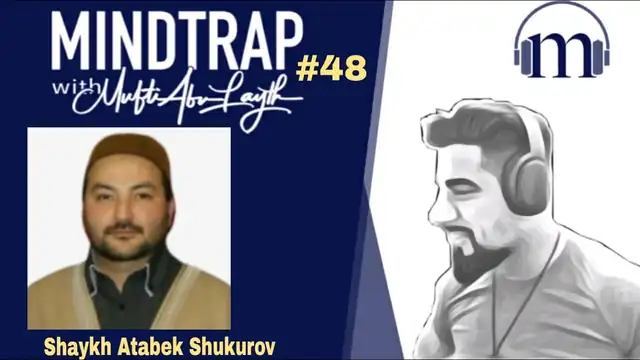
Shaykh Atabek Shukurov | Mortgages, Madhabs & Molvi-ism | MindTrap 48 | Mufti Abu Layth
salat salaah namaz prayer salaat namaaz as-salah al-salah salawat hadeeth ahadith ahaadeeth hadis hadees ahaadith sahih saheeh sahih hadith saheeh hadith sound hadith madhhab mazhab school of law madhahib mazahib madhaahib esha ishaa salat al-isha isha prayer night prayer imaam prayer leader faqih faqeeh fuqaha shari'ah shariat sharee'ah maaliki malikite malikiyyah hanafite hanafiyyah shafi'i shafei shafiite shafi'i school ijma' ijmaa fatwah fatwaa fataawa legal opinion muftis halaal permitted lawful haraam makruh makrooh makruh tahrimi makruh tanzihi mubaah permissible sunna sunnat sunan prophetic practice dalil daleel adillah adilla proof riba ribaa sood usury da'if dhaeef zaeef da'eef da'if hadith muhaddith muhaddithun muhaddithin muhaddithoon hadith scholar kutub al-sittah kutub as-sittah sihah sittah sihah sitta iman imaan eemaan eeman maturidis maturidiyyah maturidite jannah janna jannat jahannam jahanam jahannum koran quraan al-quran surah sura soorah surat suwar soora sahabah sahaba sahabi sahabiyyah sahabiyat ahl al-sunnah ahl as-sunnah ahlus sunnah ahl al-sunna sunnis salafis salafism wahhabi wahabi wahhabism 'alim aalim ulema ulamaa sheikh shaikh sheik shuyukh shaykhs da'wah dawa dawat da'ee in sha allah insha'allah in shaa allah insha allah inshaa allah ma sha allah masha'allah masha allah mashaa allah salam as-salamu alaykum assalamu alaikum assalamualaikum salaam salaams salam alaykum wa alaykum as-salam greeting amanah amana amaanah amanat deen al-din ad-deen ad-dinlive stream · 1:34:28 · 23,000 views · 29 Jan 2021 · 22 segments · Open on YouTube
 Press play to load from YouTube. Nothing loads until you do.
22 segments
machine22Each block is a segment in time order. Click to open it.Latest answers · the most recent segment on 2 topics
Earlier answers and other segments · in time order
Transcript
machineauto-transcribed, may contain errors · source: youtube auto · click a time to seek · dotted terms open the glossaryAll right people. All right. people. All right.
And as always, people. So, I have a treat for you tonight, people. All right. People, people, people. Right, let me bring up right before you. As you can see, Allah Akbar. Look at that. The esteemed guest tonight is none other than the legend, the man, the myth, Shehab Shakarov.
All right. Sheh to the show. Thank you for the invitation. Thank you very much. It's an absolute honor she having you here. I'm just going to do just check with the listeners and the viewers that they can hear us uh all fine. So guys, I'm just this is just an audio check. I don't want these precious words to go uh unheard.
So let me just check if you can just is the volume coming through all fine. I'll just check with uh Facebook and YouTube. Right. So people if you can hear us all fine. [clears throat] So all right somebody says this is an awesome mind trap. All right. See, it hasn't even begun. And there you go. The presence of the sheh himself has done this people.
It's [laughter] all right. Sound is good. Right. So, Sheh Shehab needs no [clears throat] intro people. Those of you that have heard of Bkari, it is from that same region in our times hails all the way from Usbekistan people. That's where the old Bkhara of old is the modernday the contemporary Bkari Shehikh Atabek who spends most of his time many years invested in teaching people uh online whether it's been in person he's been lecturing he's been challenging all
kinds of ideas you know one of the pioneers of uh of rational thought and and reason a voice of reason so she Allah abar Right. You're you're currently for uh people who are not uh uh up to date with your current activities uh your current teaching activities. You're currently still teaching I take it in Manchester now.
Yes. Yes. Um yeah. So basically uh um our main focus right now is on the following things. So basically because we do have two colleges now Mati College which specializes on these religious things. Okay. Yeah. And um uh obviously I think it's quite hard uh part I I would say especially in my life right now because um um do you know um trying to remove all of these cultures and traditions which have been involved and presented as part of religion.
So separating between them and presenting the pure religion of Islam that's the most challenging. Okay. So for for that actually um we are trying really hard. So it's both researching okay and teaching training the students um and the the training is mainly on the principles and not on the fur but on the principles because before setting up the principles going into the fur is just waste of time.
Okay. And the second thing is um trying to um uh uh um uh write a books you know so you know trying to present it. Yeah. And also the second is INA college which is ancient Greek medicine or Greek Islamic medicine. So that's what we're doing and also because of this co thing um I really wanted to participate okay just to I don't know contribute toward this challenge okay so um since um since August since August we're working on this elixia okay so um there are some certain symptoms which we have got isn't it on this co
okay so based on that we're trying to produce maybe some type of elixas just to help out the patient who are involved in you know. Yeah. And so these are main activities that we're doing right now. See you see sheh you make us feel you know us lazy people you make us feel incredibly terrible about ourselves. [laughter] See that's how you ought to be using your time.
Learn learn people learn. But this is not you know you know um you are not I mean we are both in different ways. So on the same way I can say to you that you are making me to be ashamed because [laughter] of my laziness you know because your activity okay on social media is maybe 10 10,000 times more than mine. So you are busy with your own thing and we're busy on you know seeh amazing humble word for those of for those of you that come on you all know I don't need to say but for those of you that are totally familiar the sheh is a hanfih which in
this day and age uh finding hafes who you know are non-dogmatic and they and like finding hannipes who truly represent the freethink thinking of Imam Abu Hanifh is very difficult unfortunately. Uh [laughter] sheh you have you you know this interest into learning about Islam and uh you know studying to become a scholar because you traveled as well you went to Pakistan as well.
Is this something you you know you've had since childhood? Your family's put you into it or what's happened? Is this because this we don't hear much about a person coming from Usbekistan all of a sudden and you know making so much of a stir. So what's the secret here? Um that is quite um interesting point you are raising uh shab um I I may not be um able to give the exact reason but one thing I know my mother is quite religious lady so um she used to tell us a lot of stories you know but she would because we used to live you know in the Soviet Union in which
religion was quite uh problematic so she used to tell us a lot of stories for example there used to be this his name is Ibraim. say and she was she would be referring to prophet Ibraim but she would never say prophet because you know um because of the problem because of the fear you know or there used to be this family with 12 sons and one of them the the youngest or second youngest his name was Ysef and you know and she would be referring to prophet Ysef you know that type of stories so maybe that was one main reason I'm not sure or another thing could be I'm very curious you know um so
I Think curiosity I think it is crucial for the student of knowledge. So the student of knowledge who is not curious I don't think he will succeed. Okay. So I don't think he will be successful scholar. Yeah. Um so I'm not really sure to be honest. What made me to travel all around the world until today? Till today um um um I do find quite a lot of things and um um uh disowning the culture.
Yeah. in which you get involved. I think that is the [clears throat] most hardest part. Absolutely. Absolutely. And you I was going to say you speaking of cultures, you spent uh a certain amount of time in Pakistan as well also. How long did you spend there? Uh nearly 3 years. 3 years. I used to study in Binori town. Look at this. See that connection [clears throat] the ilme connect.
I was in Jamia Benori. I was in Binori town. [laughter] Exactly. Right. Yeah. And in Binuri town I studied from uh 1995 actually. 199. Wow. 1995. From there we have traveled to Saudi. Yeah. Um uh and most of the time. Okay. So the main biggest punch which I have got it was in Saudi.
Okay. Because do you know the majority if not everyone? Okay. Muslims um they uh whatever do you know the culture that they practice they assume that to be Islam of course so that's why so that's why when you present the real Islam for for them you are misguided or heretic understand so that's how I I used to practice Islam which isani culture in Usbekistan but when I came to Pakistan I started practicing Pakistani culture assuming it to be Islam Okay.
But then it did not make sense when you would compare it to the classical texts. Of course. Of course. And then I said the the root of everything of entire Islam is Quran and Sunnah. And the people the country which is most known for Quran and Sunni is Saudi. But when I went there, they had their own games, their own culture presented again as Islam. Did not make any sense, you know. So um I took a time off and it was in Syria where I've spent eight years and that have helped me a lot.
Wow. Okay. So in Syria in Syria I would say it was just I just zoomed out to look back into my experiences of different cultures and comparing them with the classical texts and even comparing the classical texts to even earlier um opinions of the of the scholars. So, and uh I think uh Allah helped a lot in in Syria. Yeah. Where where were you studying in in Syria?
In Mah, do you know inus you know the um branch of Alzar University Mahhat but in the evening evening uh branch. Wow. You see there that's another crossover you know I I was in Damascus. What is is this is this a route? Is that is that what [laughter] that was? Wow. It's amazing, isn't it?
That how What years were you in? I was in Damascus in the years 98. Yeah, I was in 98. Yeah. No way. Wow. We were in Damascus 98. Yeah. 2006. No way. So So check this out. I I was there. That's so mad. I was there 98 99 then I went to Pakistan. Then I came back in 2001 for a brief a couple of months, 3 months.
And then I then I came back for another visit about 1 month in 2003. Wow. So you were there. That's amazing, isn't it? Just uh we could have probably been at the same restaurant or something. I I used to teach some British students, you know, in in Damascus. Ah right. Okay. I used to teach. Yeah. Yeah. And and actually a few of them now very famous, you know, with multi-million followers.
Yeah. Yeah. Yeah. I taught them. and some of quite a few of them. Okay. Like sheh Islam or I'm not I'm not going to I'm not going [laughter] to mention Yeah. Yeah. Yeah. Yeah. Fair enough. She is very humble. But you know at that time at that time she Damascus you know in the late '9s it was this kind of hub wasn't it? Everybody was going to Damascus. It was it was paradise for the students of knowledge you know.
It was paradise for student of it's exactly that period you know late 90 and early 2000. So you know unfortunately all of that is gone now. Yeah that all unfortunately I mean may Allah give its people peace. But at that time I remember there was you know there was this this kind of the road to Damascus phenomenon and everybody was anybody who was interested in learning the dean was heading there.
I mean sheh N used to be there. Imam Z Shakir was there. There was um just so many people that even from the UK whether you're going to have Shehak Shami went there, she went there, Sheh Aslam went there. There's um I mean it's amazing even though maybe people didn't know each other so well there. Some of them probably did, some didn't. But it's amazing that the paths kind of crossed, you know, how uh Wow.
It's it's just an amazing thought. SH uh out of curiosity I want to actually ask a minute ago uh random question here about you're in Pakistan you speak udu then or you understand ud yeah yeah I do bothh [laughter] so people if you're speaking in front of udu and you you try it just remember he's clocking you he's [laughter] like he's like a he's like in his mind he's like [laughter] right so yeah and you know here this
thing about culture this is so entrenched I mean it's entrenched everywhere but I feel that in the UK especially and the west but the UK especially uh Islam comes to us about I would say 95 97 98% even I would say really comes to us from two broad kind of cultural spots.
One is the Indopac thing, Pakistan mainly and then maybe some India, some Bangladesh like that. But that kind of strong Indopac tradition and the other is Saudi Arabia. Yeah. And it's these two things that are feeding through [clears throat] our entire understanding almost the cultural. So as somebody who even though you've spent time in both of those two places Yeah.
But you see when people look at you or meet you and they you know she shukurov now people okay so he's not Pakistani he's not Saudi and you know you're challenging all these cultures you're you're and and you're championing Hanfi at the same time. H how's that been? because that that just sounds like, you know, you're going to get a lot of people upset. [laughter] Yeah. Yeah.
Um I don't know. I mean, uh obviously uh because I by myself was part of this movement, isn't it? Cultural movement. Exactly. So, um I did experience everything on my own skin, you know. So, I know how painful is when someone challenges the thing which you practice as religion, you know. So but I was lucky that it was myself who have challenged myself you know so whatever I used to practice inbakistan assuming it to be Islam when I came to Pakistan I saw everything there and then I I I have challenged myself saying whatever I did there that
was wrong and so so it was easier for me to turn okay but but when it is for example um especially uh in our time uh the imams of and hadith it is the scholars of subcontinent. Mhm. So someone from Usbekistan comes and challenges those scholars. So um people uh um people will um uh uh look at it as by misery you know saying look you are just no one from Usbakistan and you are challenging our imams you know.
So that type of reaction you know that type of reaction. So uh because that you know that assumption of um uh I'm from subcontinent and we are the imams of the world in Islam you know and then this uh uh uh young man comes from the excommunist country and stands up. Okay. So I I don't think they can take it. So that's why uh quite a lot of you can say um disturbing you can say reactions will be received you know from them which which are excuse which because I know how difficult is um to uh to be challenged what you think to be as Islam you know
so I know how difficult how painful okay but yet we do have um quite uh quite a lot of open-minded people who are willing who are willing to look and test and accept if is true you know if what you're presenting is true so those people those people are making me to continue to you know they are the ones who are motivating I see but but the thing is because people might still see you as like like when you're preaching to people you're not sorry they might see you they see that you're obviously from an entirely different culture which we don't even people don't know too much about the Usbekcki kind of people and
their cultures and and you're teaching them uh you see because the reason I'm saying this let me just clarify the the let me add a caveat people that is that look you see to me I challenge people but one okay they're going to think well okay he's this but I look weird to them whatever but then I say oh but maliki you see so to them I'm calling to something not what they're calling to because I'm saying look oh leave all that Here's the Malik.
See, you are saying, "No, no, we're still going to talk and all the Haya and all the Hannfi books, but the end result looks very different." You know, I don't have to have a long beard. You haven't got Exactly. You know, you trim your beard. This now would you see it's going to rile them up even more because it's going to make them think cuz I'm saying to them, look, yes, I know Abidin says you have to grow a big beard, but I'm not a Hannfi.
I don't care about, you know, but you're saying, "No, I am a Hannfi and Hannfi fig doesn't even have to say that." So, it's it's like so h how's that been because that because because uh I'm uh I'm uh my main thing is this there should be some something which is low constitution. Yeah. And everyone is equal including Abu Hanifh himself. Okay. And going through the history all of these scholars and coming to everyone you know.
So um so we are all hanafist we try to implement or apply the law or constitution which is the principles principles of our imbuif you know so some of us while applying they miss out some certain details so they come to wrong conclusion understand so for example because you are mentioning the issue of the beard okay of course so our principles necessitate that it is mubah our principles Okay.
Understand the principles. Yes. Yeah. Okay. Sure. Both principles necessitate that it is. Okay. However, according to the it is okay. But uh uh but then um for example the scholars of subcontinent okay they had mixed principles with hadith you can say texts and then they came to conclusion that it is waj okay so I think it was about five six years ago I said it is incorrect conclusion and um and and then I did demonstrate okay so
obviously I didn't go far um with demonstrating how uh keeping b is muba because that then I I would have to discuss about the principles because when I when I say that it is people already panicked enough you know I said I'm just leaving to them at this point and I'm not going further for thei principles you know because based on the principles it is just mubah okay but you see but they're going to say so here's the typical hafi thing they're going to say well you know these people He never said it is waj.
It's only the scholars of subcontinent. They are the ones who said it is waj. But sheh come on in mad he does say that you know that whatever is beneath to trim that doesn't he say it's haram to cut. No no no no. Yeah. So they take it from from this point and the actual text is coming from. Okay. So what does he say? But in terms of shaving the beard as Okay.
So uh um he mentioned quite strange words something like uh mahan you know. Yeah. Yeah. He says and he says and don't look at these kind of Moroccan scholars who shave it. Yeah. Like women. Yeah. Yeah. So so [laughter] look look right now we have two things. We have and we have understand and each of these are motivated by totally different things. So, so for example, you cannot say because shaving is uh haram.
So, you cannot say because of that keeping is w you understand because not taken from the um uh do you know keep do you know the hadith which advises of you know to keep the bid but is taken because of which is totally different motive you know. Okay. Interesting. Yes. So means keeping is sunnah but shaving is haram.
Why? Because it is imitating the women. Understand? But then uh in the past I did explain how that conclusion is incorrect also. Okay. I think it was five six years ago. Yeah. Yeah. Yeah. Several years ago. So I have I have spoken about this. Why is it sunnah? I gave all of the quotations from um okay by so and also in terms of um the reasoning okay so the reasoning was baseless also when they say it is imitating the women okay so but anyway it was while back so anyway what what I'm trying to say is they have to be low
and low everyone should be equal in front of the low okay and if someone for example extracts or applies the um principles incorrectly. So we have to apply it correctly and highlight where he got it wrong. Do you understand? So everyone in my understanding everyone are equal in front of these principles. Sure. Principles.
I mean what I recall she is um you see a couple of when I say couple it's probably your your ribba thing first. What has it been now your fatwa about 7 8 years 10 years or was it about mortgage? Yeah about mortgage. How about 9 years? Um I think about uh seven years I would say about seven eight years ago.
But but that was publicly but like privately I was teaching you know in kuduri classes. I think I did uh speak out about it in 2009. So that is 11 years. Yeah. Because I right. So we I don't know if you recall, she but cuz we met um I think it must have been about 2007 or eight or something in Birmingham once.
Yeah. So 2006 actually. Yes. Yes. Uh so that time I think you'd you you were still settling in. you you'd come and so I remember meeting you then and we had a very interesting discussion on philosophy and we spoke you you you spoke to me about and the the and and I have to say people that it was actually then in 2006 and I you know that I was quite confused with this concept of how um you see because takes the 10 intellects of Aristotle and accepts them and obviously goes on and I was confused
because you have this you know this uh the the first kind of uh this intellect and I remember asking you that look sheh how do how do you reconcile this how does this work and you know scholars and you explained that look well the Islamic way is kind of seeing it almost like angels and you know like the angel Gabriel or something like as a you know they're seeing it with these parallels and uh and I remember you explaining that to me we were sitting at uh uh at Shaaban's house actually and it was but I still recall that and mashallah so benefits look at that people look at those look how long how time flies but then after something
like uh I think several years so it must have been about 8 years ago you kind of uh metaphorically you kind of blow up this whole uh you know with the mortgages thing everybody's talking about you that this this sh has issued a fatwas challenging muaki and challenging uh all these people and people like who is this guy and everybody's kind of like became wo like he was there and it's just huge.
going back to that time she so you decided to go public uh so at that time so about maybe I think it's been about 7 8 years um so what was all this about the ribba thing I mean obviously it's about saying ribba is not haram but for people cuz you come at it from a different angle cuz so what's what's your angle on this ribba thing so [clears throat] so it's again the same thing you know um the principles should be implemented correctly so if there is some stiff exemption So that exemption also should be involved you know.
So all of these nuances if you apply them you get the correct uh conclusion you know. So anyway just uh I think I think it is agreed upon between all of the schools of thought. Obviously you are Maliki maybe you you will comment on this point from the Maliki school of thought. So if someone gives you money and dictates and instructs you what to do with it.
So he's not giving you [clears throat] it's not a loan because he's still in charge. Understand? For it to be loan, you have to be fully free with it. So the person who is giving it to you, so he should not be instructing. He should not be um telling you what to do with it. This is more like wala. This is like it's an agent. Yeah. Because he's telling you, so he's giving it to you and saying go and buy that specific house.
M but look if you you are not allowed to buy another house okay and if you mess up with these funds if you do something that we're not telling you we are uh we have right to sue you in the court so means you are not free with the money it's just pure tok so whenever there is no loan they we we cannot we cannot talk about um usery we cannot talk about ribba So ribba will be only you take money and as a loan and you are free to do whatever you want and you pay it back
with extra only that is um that is uh ribba. So the angle so just for the people in case you didn't follow what the sheh was explaining is that you see [clears throat] the normal understanding that people have is that ribba the banks you go to the bank ask for a mortgage they give you this loan and you're paying back more.
Now what the sheh has highlighted is actually there's a delineating factor. There's something that separates this. This isn't just like a loan. You are the bank is acting as an agent because you know it's not this money that is just you can do anything with it. You've got to buy a specific house and it's a specific thing. So this is called this this agent acting as an this agency is called wakala in the shar.
So these people uh are they are wakil this is tokil is is the verbal noun and you are then so the angle of loaning is kind of removed but sheh people would then argue and as they did that look but you're still paying back the you know more than the initial so the person is selling the house for 100,000 you end up paying the bank back let's a couple of hundred thousand.
Um so what about that angle? Yeah. Yeah. Obviously that is called means for example let's um you want to buy a car but you don't have a money. So you and you will go to the seller saying look I will buy it but in several installments okay the seller says look forget about it you have to pay me straight away. So means either everything in you know cash or either you are not buying uh um the car.
So then you will come to me because I have a money. So you will say to me please can you buy this car and I will buy it of you but in installments because the seller is not willing to sell it for installments but he wants to get paid at once because you have the money. So go and you know buy the car, pay at once and then sell it to me.
I will pay you the money in installments. So that's what technically is happening. So it's so it's technically there's tokil and then there's also a bay going on to kind of yeah to to to buy it back. Okay. So that's the that's so that's those of you that didn't understand that. So just what the sheh explained is that you see you set an agent but you haven't got the money.
This is the agent's money. They are investing it with the understanding that you will now buy it from them for the new price which is this ribba price uh or sorry what people will call a ribbar price but which is this new interest and the technical term is in the Sharia used with where you have a project a joint project and you all can make profit from it.
But sheh people will say people will say that is this not just uh you know just going around in circles finding loopholes and uh you know just uh calling something by a different name is it not you know in the famous you know you know it's like is this not just a changing the names and the entities the same people would would argue that yeah I I think I think uh I will argue you this is what you are saying is applicable you know with me against others so I will say to the people it's not
it's not it is and you guys are calling it by different name to make the halal into haram do you understand because what what what makes for example look I will call you palm tree mtis you are palm tree okay but does me naming you change your um your real essence no you are human Do you understand? Yes. Of course. [snorts] So means by looking at you, we have to give you the correct name.
Mhm. So we have to look into technicality what's happening. So technically it [clears throat] is Toky. But people but people would say out of curiosity people would say that look a bank is an institution which gives out loans. Yeah. Uh so everybody knows that that's what a bank does. If you were doing this with a private person, you know, it's okay, fair enough.
You know, he could be an agent, he could be something. But a bank is known for loans. I mean, they advertise it. Look, we give out loans. So, so they would say, well, then isn't this aren't we just it's not we're just giving it names. We're just going by what they are saying. Yeah. Yes. So, it's the same as for example, you go to the pub and it's and [laughter] everyone knows. You're going to tell you're going to tell everyone about that. That's [laughter] That's our little secret.
You know, for example, someone goes to the pub, [laughter] okay? And then me and you, me and you will say, "Look, everyone knows that pub sells alcohol." No, no, no. Beside alcohol, they also sell, for example, potato, mashed potato. Understand? So, just because one of their products is unlawful in Islam, it does not mean that the other products are also unlawful. Do you understand? So mortgage and loan it's two separate thing definitely they give loan some of them are but some of them are not ribba okay but also they do mortgage so mortgage is okay and and this was something you
wrote an open letter to if am I am I mixing that up that's what I recall so yeah yeah yeah it was uh so what what what's that all about how did that go yes so basically uh basically it was um was it 2008 or 2009 maybe during the during the lecture I did clarify because they have asked me about the mortgage so I have clarified whatever we were discussing now for example and then they said no you know there is big number of scholars they said it is haram so then I just went into um um into just
looking into the scholars who said you know whatever ever they have presented and the main person washmani okay and as far as I know he is the person who is known to be the main uh jurist okay of Islamic finances based on school in our time he's the main person okay so then I understood that this fatwa is mainly coming from yeah obviously I do respect him okay because he's on the age of my father.
Okay. And also his service to Islam and for the students is just undeniable. Okay. Of course. Um you have been in Darum in Karach. I visited I visited it. It's a great they've got a massive place people here. Yeah. When I used to study there it was you know it was yet building you know it was not finished but yet it was good. It was still very comfortable. So so anyway he's very glorious person. Okay. in terms of like looking after the uh students.
He has that father character. Okay. So very kind and very loving and caring for the students. So I love him and respect him. Okay. So on that way I have written an open letter. But before that I saw him I met him in person and it was 200 uh I think 2008 I would say. Mhm.
Uh 2008 or nine. Yet we used to do this um channel. Do you know uh your question answered YQA? We used to do it. It was 2008 or 2009 most likely. Yeah. So then I met him in um in Blackburn Darlum. Okay. Okay. And it was just very tight uh gathering of the amanas and we had that dinner. So in in that uh in that meeting I just approached him. Okay. So I just wanted to talk to him about this issue just to just to clarify what I'm saying and just to have his opinion.
Okay. But then um uh one of the uh teachers of the Darlum interrupted. Okay. Saying oh um it's not good to talk about these issues. Now we he's our guest and we are having food and letting you understand that and then after the after the meal misab said just send me your profile where you have studied etc and just send it to me and based on that I will have a look okay but obviously you know how difficult to approach the mutis you know it's very difficult yeah yeah yeah yeah so much so much protocol and and all that kind of stuff yeah yeah yeah and also um each scholar
in our time there will people in in between. Okay. So they will have their own you know agendas agendas etc. Yeah. So that's why I I said I have no any other way but except you know writing this open letter and open letter is still available on my blog. So I said shab I really respect you. I I really appreciate whatever you have done for the Muslims and especially for the students etc.
uh and with regards to the uh mortgage uh I just wanted to present my point of view and I want to uh I want to know what you would say and then I have presented very short maybe I don't know um uh two pages A4 format maybe very short text but but but then um and then uh uh um I have got confirmation that uh um uh through two different sources that my letter was uh uh you know placed on the table of the you know twice.
Okay. Wow. Did he did he ever respond? No. No. But then his students I don't know if it's his direct students and I'm not really sure if he asked uh them to get involved. Um the response was quite unacceptable. Okay. you are doing this. Yeah, it's quite uh but I appreciate because it's the same problem Mutis as we mentioned you know the culture is to be religion so if you challenge them on that you are challenging not the culture you're challenging the religion exactly reaction yeah reaction was quite uh uh and then non like um you know after reading whatever they have written
okay um so I I I thought it's do you know this prank prank do you know prank Yeah. Yeah. Yeah. Yeah. So, so I thought it's just prank on me. Okay. Okay. And so after this they will say ah yeah we just we were just joking [laughter] but it was serious. They were serious you know. Oh how come that you just um for me it didn't make a sense. Okay. The the reaction it was very harsh.
because from the scholars you know um and um it was I think um from the first generation students of Muisab or maybe second generation but I don't think it was Muisab ordered them to do it. Okay. But the reaction was quite emotional and um abusive. They were using uh strange language actually. I think it's still available there.
Okay. So oh heretic making that speaking of culture do you think though in all honesty somebody like Miyaki even if even if let's say he read Mui Taki read your thing and felt that you know this makes you know what he thinks that you know what he's actually speaking a bit of sense let's say or it makes sense do you think he could ever be in a position to publicly ever say that because don't you think people would go mad if he said something like that?
Um you know obviously there are several points you know first of all um it was confirmed that uh two of his students they did place my letter on his table and the second thing um I met him in his office you know it was 1994 maybe okay [snorts] um um he um he he had about 10 15 books in front of him you understand and and he was typing something and the this there was this uh I think um uh this person from journalist maybe from do you know Jang you know the Jang yeah so I think so he was
questioning taking like interview interviewing him okay so she was not even looking at him you know but he was typing something and you know so he was that busy okay so um uh but what I what I mean is that not the let's say let's hypothesize that he did read it And he did even agree. Let's say he even thought, you know what, what is saying makes sense, you know, but in all honesty, could somebody like Maki ever public publicly accept that?
I don't think he could. But I'd like your thoughts because what what do you think? Could he accept that? Yeah. That you know what she is saying makes sense? Um well um as I told you previously he has that father character you know so that's why um and I don't know everyone has his own point of view okay and also we should remember that he's not only pure academic he's also politician and also he was part of this financial um institution okay funded by HSBC do you understand so he's not fully academic Do you understand?
No, of course I understand. So for example, let's suppose that um um so so um wisdom necessitates for him to keep consideration of all of them. Of course. Of course. And also um and also in in my second letter and it was my letter was not to to the but to all of these people who reacted in a nonacceptable way.
So in the obviously because uh in in the first one because I was talking to that senior scholar. Yeah. Okay. So I made it very mild. Okay. So I almost made it just question. Okay. Okay. Even even though it was like a report I was stating but I made it in in the form of question because of his age and because of his like a level etc. So because of all of that but the second one I made it very explicitly I made it statement with loads of proofs you know.
Yeah. So so just hypothetically speaking if saw it so I don't think he he he said it's necessary to even I mean if he thought that it was right I don't think he said that there is necessity to confirm it because the proofs were sufficient to prove itself. Yeah. Yeah. But Allah knows because I the reason I say that is because I remember I was in Karach when Sheh Mu Takisab wanted to go public with saying photographs are halal.
Yeah. Now this I can't remember now. It must have been like 2002 or 2003 or maybe it was two it was between I think it was 2003 or 2004. But he so I remember he wanted to do this but so the way he did it was he said I'm going to hold I'm going to host a conference just for the elite ama of the world.
So by that what he meant was the sorry the elite Indoac ulama. So he got the big hot shots to all fly down. It was a three-day conference. Books and books on these tables nothing else. doors locked. Uh they had some international shakes flying from Malaysia and so on, but not many Arabs, but just more so um a few in I think Malaysia etc. stuff like that.
And then 3 days of them reading the fatwa of Abidin and these people saying, "Oh yeah, but you know, it's still haram." And so on. And then at the end of this uh little drama, does is he says okay so the nata the result is after 3 days of listening to all your cases I think it's safe to say that this isn't clear that it's haram so this is how he kind of he had to do all of that to say and then he in following months or
whatever a year later said publicly yeah you know the photos fine whatever uh nowadays everybody says it because photos have kind Everybody's got social media now, but at that time, but he had to do this just for photographs. Can you imagine like ribba I he it would be like uh walking into a minefield. He I don't think his sectarian affiliation would allow him because you have to remember he has a huge uh because most people are invested in their sect.
Yeah, if if they're a bundi, they're invested in the if they're invested in. This is obviously something that places you uniquely that you're obviously not part of a a sect. Um unless unless you are and you haven't told us, hidden hidden hidden [laughter] you're recruiting us, you know. Um it's it's just really really good thing that right now we're discussing you know so because unfortunately unfortunately a lot of Muslims just lay man um whenever they find some scholar even in the past they think that he's
purely academic independent which is not the case. Yeah. Over 99% of the times scholars are not fully academically independent. Okay. So they are scholars but also they are politicians they have their own audience and um maybe they could be dependent on the salary also of course understand. So all of that will put some limitation on their tongue also.
So many things which they know they may not speak out because of these affiliations political or sectarian or you can say financial dependence or so. So uh I think it brings back the um if you remember in 2006 we have discussed if you remember I told you that um my main position is early hafi school and I want to um restore it if you remember it.
Yes I do and I I I said to you that I don't think you'll be able to I remember [laughter] yeah no but obviously do you know Abu Hanifam he's 100% pure academic and fully independent. Yeah. does not depend on anyone regardless like political affiliation or even financial because he was multi-billionaire okay he used to maintain the scholars and the students of not of entire kufa okay so very rich person merchant so which made him to express his opinion so that's why I think um um uh one of the things which have attracted me to the early hani
school you know so definitely um the scholars of our time they will be limited especially if um it is the scholars who uh they belong to very very you can say uh close-minded or lockminded um schools of thought I'm not going to mention any of them but we do have quite a lot of them isn't it of course of course majority outright majority of scholars unfortunately are very dogmatic but you know Imam Abu Hanifh uh I I've said and I've said this previously when I've been asked about him was unquestionably a legend of a man
but he was amongst the champions of the voice of reason but I have said that I felt as well like how you're saying that there was almost you see his madhab later on became the opposite of of him um but going to the early people you know because when you mention Imam Abu Hanifh and he's you know he's thinking out the box he's thinking he's giving fatwas like People are saying to him, "Oh, I can't, you know, my Arabic isn't good." And he's saying, "Well, you know, read it in Persian." You know, far, reads in your salah.
Read this. Read that. And, you know, for his day and age, radical radical fatawa to help people make the dean easy. But you see the early school is there, do you feel there's a hijacking that takes place early on? I mean, I know the Sahiban, you know, Abu Ysef rises to power, Imam Muhammad, uh, what's what's going on? Because there's there's people like Imam Zufur who is, you know, been with Imam Abu Hanifh for so many years, you don't really hear about him.
And I remember you once mentioning about some other Hannfi as well that have been kind of sidelined. They were from the early school. I mean, tell us a bit about that because that sounds very interesting. [laughter] No, no. I think I think you want to um you want to provoke the second wave of these um reactions. I think [laughter] naughty naughty mutis. Um this discussion is very interesting and it's going to take a time.
Um normally for for how long time do you hold this um this type of um um we're we're with you. We're holding your hand. You walk we are with you. [laughter] No, no, don't because it's it's nearly 1:00 in the morning, you know. Uh, right. Yeah. I mean, okay. Normally, I mean, we've got plenty we've got plenty. I think we've got plenty of time, but if you're feeling tired at some point, we can wrap it up, and whenever you say, you just give me the signal, blink twice, and I'll be like, "Okay." Yeah.
Yeah. Yeah. Because because um really we do have quite a lot of very very um interesting topics but for that I have to be fully fresh you know. Okay. Sure. But there is this the reason I asked about the Hanfi thing is because I have said previously that look I feel that um there w there was power struggles that took place in early in the Hanfi school. Um obviously I imam Abu Ysef rises to become the the chief judge of the entire Muslim world.
Um I don't see in Abu Ysef the the same personality of Imam Abu Hanifh even though I'm sure he's you know he's a great scholar but I don't see that kind of champion of reason the way I Abu Hanifh was. No obviously I immaradis. Yeah, because I and you see that muhad for me he's similar to Ahmed Hal obviously I do consider Ahmed Hal as the best ever muhadi seriously the best ever muhadith yeah best ever mu hadith before I used to think that Im Malik is much more above
Ahmed in hadith okay in but but but [laughter] Malik is higher not in hadith because Malik has got many other time to disconnect. [laughter] Yeah, I Malik has um has um many other knowledges you know. So because of that he's polymath but Ahmed Hal is mono you can say monotype you know okay and if you know for example to and quite few of other specialies they do not cons the early ones they do not consider the you know as isn't it?
Yeah. Yeah. Okay. So because his even opinions is and even you know his own uh you know you have the great humbly he it's it's actually transmitted by humbly is that it's him it's kalal who gathers his madhab and makes 100% isalali actually you know but ahmed hal he was great muadith okay top muhadith without any doubt okay sure yeah but obviously for example but I im malik he was very strongly inclined towards hadith but he was mushed you know in all fields
of course of course whereas um whereas I he was top hadith but in terms of reasoning he very critically you know negatively speaks out about the reasoning so why why why we should class you classify him as like a faky and you know the you know he's very critical of uh but then it's weird because his mab is kind of a bit skitso because sometimes they full on musla.
Yeah. Yeah. Later later scholars they are the ones who made that you know just diverted you know. Yeah. But for example in terms of Malik. Okay. So I im Malik himself initiated all of these principles you know because he was he was a very intelligent person but Ahmed Muhammad he did not initiate most of these you know principles but it was done after him you know by his followers but by him he was top scholar even in one of the um one of the conversations he says that um when even
in the field of hadith he says we were unaware of until came to Iraq. I have right now. Yeah. Yeah. So which which makes him you know however he's the best mu hadith ever in especially by reading you know going through his mad. Okay. So now because I'm preparing the next book okay so it's just incredible his knowledge of hadith.
Hadith means you know um um uh collecting the hadith of course that only I I've had a little uh uh um I've stirred a little thing on the musnet. I have a small clip as well which I've called Musnet gate uh where I've argued that the the Musnad of Ahmed isn't really the Muslim of Ahmed but it's uh yes is the one that's putting it together.
Not even Abdullah but it's the one taking it from him. But I don't know if if but that's something maybe if if you have thoughts or later on some other day. No no no I think I think let's let's let's discuss the Musad because um um um Musnad clarifies not only the hadith but it you know gives us the clear shape of Ahmed Muhammad his Muslad.
through Musnad we can read the actual personality of Im Ahmed you know so I think definitely we should um so it it will give us very strong messages one is the high rank of Ahmed in hadith mhm okay and he's um not very high rank in in you know do you feel that the the Muslim of Ahmed was Imam Ahmed's book or is there a bit obviously He he left it.
No, no, no. Because it's his draft, you know. So, let's suppose that I will be going to my teachers to write the knowledge, you know. Mhm. So, that was that. So, it's exactly it's his draft. Okay. You do feel it's his you do feel it's his draft, though. Okay. You feel it's his okay. Sure. Sure. Sure. because I I had my my theory was that it wasn't his that the people and I feel it wasn't even Abdullah's but that they taught hadith and Kat comes along and he rises on the back of this by claiming it was a book.
Uh but yeah that's so that's the whole um you know it's like a that's good point. That's a good point. However, however, maybe maybe only the radical point which I will make today. Okay. So, according to both according to both the mainstream musta as well as the Mustah Muslim Ahmed is not authentic cannot be authentic. Okay?
Because do you know the um um do you know even Ahmed Hal by himself makes this statement. Okay. was saying uh someone came to him asking oh imam I uh found this uh this page filled from the book of fan and fan can I copy it and transmit it so he said no understand so wijada but then which yeah yeah so it is wijada but look it looks like that very fine level of wijuada because let's suppose I im bkari stands up okay and one page falls down you see Bkari and you see do you understand it is but very
but it's not yeah yeah yeah so Ahmed says no don't do that but then he leaves Musl exactly on the same level okay and then Abdullah comes okay and copies that and more than that he introduces quite a lot of you know a hadith from himself also do you understand so it became so according to both it cannot be authentic do you understand so yeah no that's actually a very good point actually wow I never thought of that point.
That's very intriguing. That's very good for that. But but however, it is very rich. I would say um it um um it uh clearly clearly explains the very very high level of Ahmed Muhammad in hadith. Okay. Firstly, but secondly also it it shows that he does not give much respect to other subjects for example such as reasoning and you know and other principles of the you know but main inclination is to because to the extent that he says uh do you prefer a weak hadith over Yeah.
Yeah. [laughter] Yeah. So speaking of hadith that you know according to principles are problematic Bkari gate this whole thing of Bkari not being you know there being question marks around Sahil Bkari we're not saying throw it away but we're saying that there's question marks it's not this gold standard that people have made it you you've also been a champion of this idea as well and in fact before I even did my Bkari gate we met up uh probably about uh 8 months before that you you'd come to Birmingham and we spoke and you actually piqued my
interest in the topic by telling me about look the manuscripts and Nasafi and there's problems and uh so I mean despite what you know if you could say your thoughts on this because people generally refuse to accept that there's any qu any problems any question marks with Bkari despite all of this evidence uh what's going on here what's going on she yeah you know obviously I am as a follower of early school okay so I can clearly um uh confirm that it's it's not secret okay so many books have been
written even in the past centuries um in that Imam Bkari has raised quite a lot of points against Abuhanifh you know he's he was criting the appearance of Abuhanifh based on the narrations. Do you understand? Yeah. But then the later abasi period it was mainly the aari understand. So which backed up all of these books.
So they needed to appoint uh you can say um uh uh so they had to um canonize some certain collections. Okay. Okay. Yeah. And and obviously um we as Hanafis we cannot be the the highest champions in the you can say movement. Okay. uh because shafes will just finish us off um in [laughter] less than you know in less just in one book they will just ruin our uh positions you know based on assar because our school is not based on assar okay but mainly
based on Quran and assar is just clarify it's the source which clarifies Quranic statements so that's why um so so anyway that's why um even As Hanafis we became you can say because of this um abbasi period we were just forced okay to you can say our school into the movement okay so now for example um the man is also okay and even mul you know the subcontinent so all of them became more or less so for so so that's why it
created a ground for us to accept that these six books are the highest And Bkari is the the even the highest one. But this statement is not statement. It is the you know statement. Okay. Or which is coming from Salah for example and you know those scholars. Okay. But by that time um you would hardly find any uh real Hanafi scholar.
But um the only the Hanafi you can say um Hanafi I'm sorry Hanafi school was limited only in the Furu. But what about it was neglected long ago. you know they you know maybe the do you know um Halwani maybe he was the last scholar and and that's like a thousand years ago you know some I imagine yeah so like time of you know so it's nearly 900 yeah so but the rest you know the latest they were just in okay so how many drops should fall when you are washing the you
know and when you are holding is it one thing or two fing you know that furu fura just stuff. So people that just just to clarify to you what see in case you kind of missed this point that what the sheh is highlighting is that you see these schools have foundations upon which they're built and how what they have like personalities and uh they have identities to them. So you have schools which are built on reason.
Okay. And the Hanafi school Imam Abuhanifh was built on reason. Immalik's school as well is from the Ali as well. But you see what role does hadith play in your school? So to these mabs, Hadith didn't play an important role in the school. There's a difference. Sunnah did. So you had the Quran which they used and the Hanafis and the Maliki said Sunnah and hadith are not synonyms.
There they may be an overlap but a sunnah was what the prophet was the practice and a hadith is just what somebody once documented. Now what's happened is the sheres were about no no it's all about the hadith the documents. But in the centuries that followed people seem to have shifted towards becoming kind of crypto sharafies without realizing it without realizing it.
So that's the that's the kind of uh [clears throat] Yeah. So because when you think about it, it's weird that you have today Hanifies at the forefront of defending dogmatically Sahil Bkari even though their madhab goes against Sahil Bkari on most of the things. Yeah. Yeah. [laughter] Yeah. Yeah. And even even when Imam Bkari was in Bkar obviously you know the um Abu Hass Kabir Ab so all of them were still there you know so he has produced his book about the you know Mhm.
it was written against us. Yeah. Okay. And in the center of Hani school do you understand? Yeah. And even Sah Bkari so immaris you know clearly criticizes saying yeah. So those those of you that don't know within Bkari there's at least uh 33 or uh points where IM Bkari will say and some and someone has said and this someone and then what he'll do is after he says that he'll give a like a fatwa and then he'll criticize and rip it up and say this is against the sunnah and against
that someone is imbu. Yeah. Most of the time. Yeah. Most of most of the time. Yeah. Yeah. So, and also and also so basically um that's why based on the hafi school. Okay. So, um maybe we should say we should say that either Assar of Im Muhammad or the Im of Muhammad is the most authentic hadith collection.
However, this Shafi you can say school became widespread. Mhm. Okay. Assari style. So that's why even now say it is bkari is the most authentic but based on our school it should be one of either or by the narration of Imam Muhammad the most authentic collection of hadith. Yeah. And you also you know with Bkari you also there was the manuscript issue which I've already highlighted in my videos as well and all of that but you also raised this issue of wijada today.
Yeah. And that was an issue I didn't actually highlight or speak about much. But so for people that ain't familiar with this, what was this issue that you'd ra it is by consensus. Okay. By consensus of the scholars, wij is um does not even reach to the level of understand. So it cannot be authentic.
Okay. Um but uh so so all of the hadith in our time is by wijada. M. So just to just to ex caveat that people with the definition there that look uh wij is basically where you have not had a book of hadith or something being taught to you. You've just gone and picked it up. So like you go to your bookshop and you pick up a book. This is called wija.
Now in the past it was actually forbidden in most cases for you to just pick up a hadith book, go away and start teaching it. This was Yeah. Yeah. Exactly. Exactly. And also as you have mentioned mutis there is very specific condition of the val of the wijada. It will be wijada if you find the the copy of the book which is written by scholar and you recognize the you know the handwriting handwriting of the scholar but if you do not recognize so it's not even wijada you understand so now we are far away you know but look my main point when I have raised this
issue it was because do do you remember these people killing one another apostasy do you remember yeah of course yeah so look my main point was you guys are killing committing bloodshed without having any single basis. Oh, what about this hadith in Bkari who anyone who chances kill him? Okay. So then I say two problems. First of all, hadith necessitates that if some Christian becomes Muslim, kill him also.
You guys never accept it. So it means you are rejecting your own hadith. First problem. The second problem your hadith is wijada. Wij is not even it will be wijuada if you guys recognize the handwriting of Bkari but no one means it's not even wij so based on what you are killing the people that was my main thing you know yeah because you see what I had highlighted in my bkari gate thing when I was asked why this thing against Bkari I said you see traditionally people learned Islam from their from their madhab but what's happened in the last 1 200
years with the Salafi dwa is people are saying look well let's get rid of mabs and learn uh our from bkari now the problem with that is that one you've thrown the whole mabs away and two you are now saying you see because when you present a fatwa like if I gave you a fatwa of Imam Abu Ysef and you might say well okay fair enough MUI but today it's you know 2021 and the day and age has changed.
So Abu Ysef isn't around today. I'm going to change the fatwa. But when I say to you, oh the prophet said this, you see now that it changes the game that the landscape has changed because people are like, well, wait a minute. Are you you know, are you on the same level as the prophet. So this is this is the nasty thing that the Salafies did. Yeah. Yeah. Yeah. Yeah. And and also unfortunately um this um hadith is spreading.
Hadith is like raw material you know. Yeah. Okay. So as I im Malik who actually mentioned that hadith is not is not valid except from the fukah and it is not valid except for the fukah. Yeah. Wow that's a yeah very interesting point. Yeah. So means top he should not be interacting with the hadith you know but he should you know collect it and pass it on but he should not be interacting with it because he's not you know and is not for example who studies for example or a couple of books but I Malik was talking about the people on his
level only so you you should give the hadith for those people who can understand. Yeah. Okay. And you had that saying transmits it as well. I think Exactly. Yes. Yes. Yes. You it becomes a source of misguidance. They say but exactly but now it is just translated published and given to the public access you know so anyone open the bkari and anyone you know find the hadith of killing the apostate.
So now everyone will become that killer you know. M but this type of a hadith should not be given away to the people like that. And what's interesting is the early hanafies actually challenged that didn't they? They said that look you don't kill the apostate and imanif said you don't and and you know will write about look the women you don't kill them because you know and so on and yet today hanafi will implement by you know blasphemy laws like in Pakistan they'll have the the famous cases so I mean what the hell it's just upside down you know in terms of killing the apostle in hi school we
have two two opinions okay so the abuhanif so they transmit two statements. So the first statement is followed supported by the early. Okay. So apostasy does not instate um uh uh any punishment. Okay. Regardless for both of the genders. And the second uh uh narration is transmitted from Imam Muhammad. [clears throat] Okay. Female will not be punished but male will be punished.
But that was but that was the point. You see the distinction would be because from the male there's a threat that he could be this could be a revolt. Yes. Which the realah was the actual the cause for that hook. Yeah. Yeah. Yeah. Yeah. Yeah. And obviously the haf they took the potential threat as valid.
Okay. But early early Zafar and those they said no it's it's not potential but it should be actual and it's not because of changing the religion. So even if someone is Muslim and he's causing threat so he should be punished. Yeah. So this they saw this more as like treason or social instability not about the religion. No no no exactly that what was the case.
Yeah. But then later han they became like more like a shi inclination. So it became very widely spread. Yeah. I mean the the early hanafi is another masala that's quite notoriously they're known for is the little speaking of the pub. Yeah yeah yeah. So the having a little No, no, no, no, no.
Look, it's our secret. You should not, you know, speak. Sorry, sorry, sorry. After after the after the discussion, we'll just go out there. You know, that's later on. And we're going to open a special bar me and [laughter] so this which you are mentioning it clearly clarify that Abu Hanifh was Qurani orientated because a hadith show you know show that all of that is haram but Quran does not support that.
Do you remember the meaning because Quran specifies only if you remember? Yeah yeah of course but other things taken from the hadith. So it again confirmed that Abuhanifh was mainly Quran orientated scholar you know of course and in this in this issue for example contradicting with Quran so he he just disregarded them. Yeah that's an amazing point. I mean you see people put the topic you know it's not about the topic it's about the way of thinking.
Yeah. Like just look this is such a controversial topic. Yeah. Alcohol. Now think about it. Look how controversial it is today. How controversial do you think it was in the time when the which is only likeund and so many years after the prophet I mean it would have been so contentious. Yeah. And in that time I imbuif which is used in the Quran refers specifically to wine.
Yes. So wine is haram. But what about other intoxicants? If they are mildly fermented, they're not actually, you know, they have a a very low percentage of alcohol in them, the chemical alcohol, they're not like wine and so on. So what today I suppose beers and things like this, but he said that where's the to say it's haram, you know, looking at the Quran and the Islamic principles.
So he said, "Well, if you know you drank an average glass or two glasses of of this particular drink and it doesn't really two glasses doesn't really get you drunk, then that shouldn't be haram." Yeah. Yeah. Uh and you can imagine the stir. This caused a huge stir, didn't it? Huge backlash for the the hanafies. I think two 300 years they still faced, you know, this for two 300 years.
Yeah. Yeah. No for example in our time for example ibuprofen and all of them liquid for example quite a lot of liquid medicines so it will have some certain amount of alcohol for example yeah so Abuhanif would say it's it's mouba actually because it doesn't intoxicate you actually yeah wow but it's just the way of what I what I want is don't f don't focus just on the issue try and get into the mind see how is this imam thinking he was ahead of his time and Yeah.
Speaking of Imm Abuhanifh and his companions, she is there a a favorite that you have from his companions because you quoted Imam Zufur a moment ago. I'm just curious if No, no, I I don't I do have quite a few actually, but I would just give you Imam Zufar. Imam Zufur my main source of uh you can say why why so why Imam Zufur? uh because uh um uh in when you read the biography of Abu Hanifh he only gave main like to teach and to judge I mean to I mean make a statement about the issues it was zufar okay and even when Abu Ysef went
and started teaching Abu disliked that you know yeah so u it it show for example look you know uh which one of your students has better knowledge. So when you specify that he is uh my succeed so you know what you're talking about isn't it? I trust Abuhanif and Abu Hanifi authorized Imam Zufur to teach and to spread knowledge.
Okay. And he was sending him to the very um you can say uh big missions you know to spread the knowledge and it it would be only Zufar. Okay. On the same way, for example, recording the Hanafi school, it would be Afia, his senior student. Who? Aia. Aia. Okay. Wow. Yeah. So So that's that's a a woman. Afia. Yeah.
No, no, it's not a woman. Okay. I thought you I thought you had a I was like Afia because it's usually a woman's name. So um um we do assume that it was it was male. Okay. Okay. Yes. Okay. Wow. Okay, because I thought I was about to say I'd never heard of this. Uh because look look Abuhanifi is very intelligent person. Okay. Um he's not naive and he's not heless. Very intelligent person.
So he would choose who can teach and who can record the mas. Of course. Of course. So I strictly follow that because it's the knowledge of Abuhan. Only Abuhanifh knows who can take it and pass it on accurately. Okay. Fair enough. That's my main main uh source you know obviously I take from others but not as like 100% certainty but just to compare you know.
Mhm. But Zufar is the main transmitter of the hadith of the what what about this thing of the main the six books are written by Imam Muhammad and Im Muhammad he really is only what with Abuhanifa 3 years 2 years or or is he ever with him or is this even some people because I've read somewhere I've read some people say he was never yeah when Abuhanifa died he was teenager you know yeah so obviously Um um so as I said previously I imam Zufur because um Imam Zufar was already senior senior student
you know um spent quite long time. Yeah. And in some of the places Abu Hanifh would um prioritize him you know above himself also. Wow. So yeah so like almost like friends. Mhm. Okay. But definitely Abra was the teacher but treating him almost like a friends understand and and even though those of you that don't know Imam Zufar a great Imam of the Hanfi he is mentioned in a lot of books by the way but he's but he's kind of mentioned as a tertiary or secondary at best kind of like you know they might say occasionally Anzu said this.
Yeah. But so why the the sidelining was that just politics and rivalry or was there some something else? There was there was um so that's why I I I asked you if we can just make a separate uh Oh, right. just dedicated to the Hanafi Madab. Okay. Wow. Because it's at least about two and a half or three hours [laughter] only focusing on Juar, you know. So, and Okay. That's that's sure.
So, there's a lot of politics right there people. Speaking of immif people attribute to him this book. Yeah. Yeah. Um what are your thoughts on that? No, no. Definely has written. Okay. And some parts of it we can still find in these five six books which are transmitted from him. Okay. But there are quite a lot of additions from other people also into these books cuz my understanding was that it was some other scholar that wrote I think uh one of the or yeah and and it's later on
later and it's put back like you know it's attributed to Im so it is but but beside that um some genuine scholars they try to restore the the the lost book you know. Okay. However, beside that there were some other people also adding into it, you know, in the later generations. In the later Yes. So, so that's why um we cannot trust Akbar like 100%.
But yet there are quite a lot of chapters which are genuinely from you know which is very consistent with his principles. Okay, fair enough. you know with the Hanfi thing I know I know we can discuss the whole thing some other day inshallah but out of curiosity there's you know you had with in Imam Abu Hanifh's time you had the bal this this region which is modernday probably Iran Afghanistan yeah Turkmanistan that kind of this bulk region now today that's not heard of from the Islamic sense like prestige but in the past in the past like in Abu
Hanifa's time they he had huge you know he had such a huge influence there some of his key students but these people are never mentioned or never they've been kind of sidelined or no no it's like mainly mainly these mahm I bu you know like humbly orientated scholars so they were spreading the the knowledge mainly okay so that's why we uh um uh hardly hear from others, you know, especially Zufar and his crowd.
Okay. And the others. I see. Yeah. But but um anyway, um speaking of Zur, speaking of Zufur, did he have a book? Um yes, he has written quite few books, but uh we do not have any of them in full form, but only as like a parts, you know, we are still lucky to find these parts, you know, transmitted by other uh scholars in their books as like chapter here, chapter there.
But full books lost nothing. Move this up. Um I'm I'm not uh charging my laptop. So I think now I will just go off. [laughter] Well, is it about to die? Is it about to disconnect? Do you have a charger? Do you have a charger? It's it's I think upstairs. Uh upstairs. Yeah. I mean if you could you get because I just want to some people are posting some questions. I just wanted to put their questions.
I think I I will have something about two minutes maximum. Two three minutes. 3 minutes won't do justice to these bare that are [laughter] maybe we can meet up maybe next week or week after inshallah. Sure. Okay. Maybe if you can just take copy these questions and past your work. Sure. I mean we've got Cool. Okay. I suppose people that's all we can get of Shehab today.
Unfortunately the charger is not there. [laughter] Are you sure? If you can run and get it, she run and get it. But if if it's difficult, it's entirely up to you. Okay. So, um Okay. So, let's let's take I don't know. I mean, uh let's take Do you think you can I mean, if you if you want to get It says It says 15 minutes, but I don't know.
15. Okay. Okay. People, I tell you what, let's take Let's see. It might hang on for about 10 minutes. You never know. And then if it collapses, you know, the sheh is still safe and sound. People, I tell you what, let's take some of your questions. She uh people because of your comments, some of the questions have gone up. You can repost them. I'll I'm going to put them back to the sheh, whilst they're posting the questions, I wanted your thoughts quickly on uh you know, you had a debate with our beloved Sheh Ass.
Uh uh the thoughts because that really kind of blew up as well. This whole uh I wouldn't sh I don't know. Uh did you watch it by yourself? Uh At the time it's I've kind of forgotten it now to be honest but at the time I did watch it. Um I don't know in that case why you are calling it as a debate. It was not a debate. It was some type of like a discussion but it wasn't it wasn't it wasn't discuss because you were presenting your case.
He would it was game you know it was some type of game you know because look um um it was uh very unacceptable you know because my uh proofs and my statements were there for 2 years. Mhm. Okay. But yet they made me to you know waste my first 20 minutes. Okay. And then none of my uh points were um tackled.
But as was speaking about I don't know uh yeah you are talking about our scholar is it shahill or someone yeah it hurts us well your your is not isa time we're talking about I don't know he was talking about everything but not about the issue you know okay so so um I don't know I mean I don't I don't call it um I don't call it as um a debate but I call it I lecture and in between when I was uh just relaxing he was speaking I don't know
about Pakistan maybe about and few other things but and then I would go back and continue my lecture so it was not debate it was my lecture only yeah now that that that's exactly the reason why and also and also um um I don't know did do you know him did he ever study I mean because um in there he didn't even know the difference between you know I taught him that and [laughter] he didn't know the difference between you know okay what did he what did he get wrong on the waj thing no I don't you can just watch it it's still there okay I don't know the person
on this level why he would come to to debate you know [laughter] yeah and also I asked uh the main person I know the main person who was going and collecting signatures you know I I wanted him to home but he never came you know just got the signatures okay on this stupid paper and disappeared okay and this this other person his name is Khalid or whatever and they said we are coming but then Khalid didn't come I know in person you know okay so none of them for example came to me speaking to me privately but oh debate but then when they came he was talking
about Shahul you know and I never insulted Shahal you Shaf scholar good scholar you know average scholar I don't know what is why he would be part of isha time I don't know and and that was a very long it was about four or five hours or something wasn't it the the whole I'm not sure to be honest it it was quite long I remember I from what I recall it was quite long so okay because that became a huge thing people that don't know what that was about this Isha Masah what for the people that don't know what was the underlying issue that you were presenting?
So do you know the places in which we do not have the time of is time of is according to Abu Hanifh uh when uh so after sun um we have this um uh um we have this redness we call it shaf after redness we have whiteness. Mhm. Okay. Oh it is closing now. So this after whiteness disappearing isha time comes.
So that does not happen in the summer in the UK. So infi school we have two opinions. First opinion says we do not pray. Second opinion says we pray as means after but as okay. So I said based on that we can pray in the summer we can pray is I'm sorry and in row time is not time is not there.
Order is still there. just keep the order and you can play pray all together in the you know straight after sunset or you can make it just before you know sunrise or in between or you can spread them away. M so that was the thing based on these two opinions and and you had and you showed the posted all of that I posted from their you know and from all of that but then they insisted on the fatwa which is we have to we have to split the the night into seven that's position and even malikes do not make but they go with the
closest city isn't it closest country yeah exactly closest country Yes. Yes. Mhm. Yes. So, and then I clarified you guys are following Shafi school which is still good but infies X Y Z. Oh, is that is that why you asked him that I thought you were she? Because in the debate you say are you? No, no, no, no, no. It's not that. But he later admitted that he uh spread this thing that he is Shafi because there were Ethiopian people in Birmingham.
So he wanted them to come to learn from him. So he you know sent the message to the people that he was Shafi. Seriously? Yeah. [laughter] Yeah. Yeah. But after the debate, he admitted that, you know. Wow. Wow. Your beloved As [laughter] you know. Yeah. This is obviously he's handsome young man. Okay. But I don't know. I mean, and these type of issues it should be beginner student of knowledge should know, you know.
Yeah. But coming to the debate about is okay. time of and not knowing the basics of what are you doing in here [laughter] I don't know you know and is not even used by hanafi in no he's right so I mean I think I think the hanafi might claim him as well but but he doesn't give fatwas in like they don't have his fatwa in fataw hindi they don't have his no they don't use his no um no No no no no no what what he was saying that he heard someone that I insult I never insulted him you know.
Oh right okay okay. He heard from people that so he said it hurts us because you are insulting scholar from subcontinent and we're from subcontinent. Why are you mentioning this in there? No still there. It is still there you know. Yeah because that's that's an irrelevant point. Like even if that was the case somebody insults a scholar. Like look, I've I've kind of mocked and joked about and sometimes and I've done stuff, but obviously I say I respect them as scholars, but I've I've cracked a few jokes now that could offend people.
But look, isn't your granddad I mean I as a Muslim have as much right to him as you do, you know? It doesn't it's not your personal family. Isn't a personal family member? No, I did. I never insulted you know and is good book. It's quite average book. Yeah. Move this up now is going wrapping up. Well, people, right, that's all we could get of the amazing the man, the myth, the legend, Sheh Atabek.
We do appreciate you coming out today, giving us this time, giving us I know you're very busy and it's been very difficult to arrange even this I swear because she is incredibly busy and I think let's inshallah we got to do a follow-up. We'll I think it'll be amazing people, right? You've been awesome. I know you posted a lot of questions here uh but you know we just didn't really get round to them. Inshallah maybe you should you should just copy them questions and next time we'll just Sure.
And next time we'll kind of do them in person. People if you're not I'm sure you all are already following Shehabek on his social media. If you're not get on there do it follow him. Uh right sheh once again Shukran for for taking your time out today. if there's any final closing uh uh you know words you want to say to um thank you Mu it's it's great pleasure to accept your invitation.
Yeah. And um uh inshallah definitely we'll catch up. Okay. So we'll have to discuss at least about two things, isn't it? So Mad Ahmed and uh and also the also questions. So inshallah definitely we'll catch up later. Definitely. Yes. People if you haven't already got she's book right. We never got around to speaking to him. Trying to put it in front of the camera. There it is. Right. So I know it keeps going off. There it is. Right.
So people you can find it. It's on Amazon but it's also it's called this is the first one Hanfi principles of testing hadith. It's for all the hannfi out there. Uh and not just hanafies but definitely for the hanafies you can get it and do get that once again and people take very good care of yourselves. Over and out folks.
Over and out.
Something wrong here?
Tell us what is wrong and it will be checked against the recording. Nothing changes until a person has reviewed it.
Sending a note needs JavaScript, which is off or unavailable in this browser. Nothing has been sent.
No name, email address or account is asked for or stored, and the inbox does not store your IP address. For rate limiting it keeps an unreadable fingerprint of your connection for 48 hours, and our database provider's own logs record connections as every website's do. Only your note, its kind, the page and the moment in the recording are kept, for review.
Cite this recording
Stable id, transcript version and tier are part of the citation. Every change to a transcript is logged.Mufti Abu Layth Archive, auto-transcribed, may contain errors. https://muftiabulayth.org/r/rtwywca2-pq/ (accessed 1 November 2026)
- APA 7
Mufti Abu Layth. (2021, January 29). Shaykh Atabek Shukurov | Mortgages, Madhabs & Molvi-ism | MindTrap 48 | Mufti Abu Layth [Video, auto-transcribed, may contain errors]. Mufti Abu Layth Archive. Retrieved November 1, 2026, from https://muftiabulayth.org/r/rtwywca2-pq/
- Chicago author-date
Mufti Abu Layth. 2021. "Shaykh Atabek Shukurov | Mortgages, Madhabs & Molvi-ism | MindTrap 48 | Mufti Abu Layth." Video, auto-transcribed, may contain errors. Mufti Abu Layth Archive. Recorded January 29, 2021. Accessed November 1, 2026. https://muftiabulayth.org/r/rtwywca2-pq/
- BibTeX
@misc{abulayth-rtwyWCa2-pQ,
  author = {Mufti Abu Layth},
  title = {{Shaykh Atabek Shukurov | Mortgages, Madhabs \& Molvi-ism | MindTrap 48 | Mufti Abu Layth}},
  year = {2021},
  month = {1},
  date = {2021-01-29},
  howpublished = {\url{https://muftiabulayth.org/r/rtwywca2-pq/}},
  url = {https://muftiabulayth.org/r/rtwywca2-pq/},
  organization = {Mufti Abu Layth Archive},
  urldate = {2026-11-01},
  note = {Auto-transcribed, may contain errors}
}