
Mufti Abu Layth & Ustadh AbdusShakur Brooks: A discussion on Maliki Fiqh
salat salaah namaz salaat namaaz as-salah al-salah salawat pilgrimage hadj fiqah jurisprudence fikh hadeeth ahadith ahaadeeth hadis hadees ahaadith tafsir tafseer exegesis tafasir tafaseer musafir traveller musaafir safar malik ibn anas malik bin anas imam maalik imam malik ibn anas imaam imams prayer leader masjed masaajid masajid mosque maaliki malikite malikiyyah maliki school fatwah fatwaa fataawa legal opinion muftis hukm ahkam hukum hukam ahkaam haraam mubah mubaah fard farz faraid fard ayn fard kifayah fardh sunna sunnat sunan prophetic practice jahannam jahanam jahannum koran quraan al-quran as-salaf salaf al-salih salaf us-salih al-salaf early generations madinah madina al-madinah madeenah yathrib 'alim aalim ulama ulema ulamaa niqaab burqa burka purdah parda face veil in sha allah insha'allah in shaa allah insha allah inshaa allah ibadah ibada ibaadah ibadatvideo · 39:45 · 14,000 views · 9 May 2014 · 7 segments · Open on YouTube
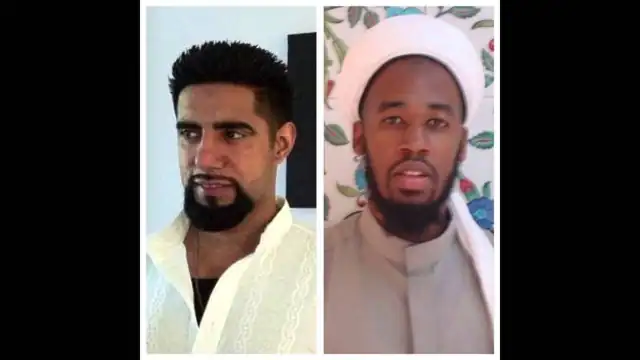 Press play to load from YouTube. Nothing loads until you do.
7 segments
machine7Each block is a segment in time order. Click to open it.All segments · in time order
Transcript
machineauto-transcribed, may contain errors · source: youtube auto · click a time to seek · dotted terms open the glossarythe question I was gonna ask you you know in you know in uh in Dr dear's quote Yeah uh in or even yeah yeah the difference between and right have you paid attention to any of the differences between the usage of the term okay I mean what what are you what would you be kind of alluding to what type of differences are we speaking about no like do do you distinguish between the two of them from in the Maliki books for example if you go into if you go into basically any commentary
whether it's whether it's whether it's even um what's the other one the one of okay if you you you you see comes a few pages later M go back when you go back you see the what book are you referring to yeah so when you go when you go four four five pages back in in yeah any commentary any commentary because the m is going to be disgusted disussed and then when you turn a couple Pages then you're going to
get okay so what what distinction are you kind of highlighting ask no I'm asking I'm asking you like the distinction have you ever came up do you do you recognize any distinction between the two I mean the the thing is that usually where you will get uh they will discuss the Mas of in as like what they call you know where you will be kind of uh uh where the woman would be kind of covering over her nose and kind of leaving the eyes and the the kind of nikab as we have it now they will usually discuss that in either like the
old section or especially in the Salah as the the and the and other people have kind of highlighted now then where people have said um things like if there is FNA which some have kind of highlighted that and they've said or you know if there was and stuff like this if that's the distinction that you mean is that the distinction that you mean or no I'm referring to the distinction of the fact you see when you look at the for example
mentions right okay he mentions that and then he mentions that it's a right but the goes I mean they they both mention it as yeah now now why are they mentioning that as is important like what okay the of that before even the Maliki started to bring this have you came across anywhere else where this ill is coming and why it's explained why are I mean I tell you who mentions it very well is also in his he goes over the I mean the whole book is just based on a and the whole
thing about looking and And he as well I mean he'll go over all of these type of things and highlight these opinions and explain the same type of thing it's that you see by default you see that Maliki ma by default doesn't recognize the face as part of the a now neither does the Han by default U now there's some differences amongst the how they see things in the Han but these two Ms see that by default the woman's face is not part of the now what that means is that by Quran and
Sunnah it is not proven that she has to cover the face and in fact it's actually perhaps even proven the contrary uh now where people then speak about s like if there was F now in that case a woman should cover the face now many have said that many have uh they've said that look if there's FNA and stuff like this and and obviously these are now safeguarding measures the the fact that they even highlight to if there is FNA demonstrate that they are recognizing that by the this is not part of it yeah
everybody yeah I would say that's that see that's exactly what it is now so they say which means right so technically speaking we we we wouldn't say if there is FNA we would say if there's then even if there's then that FNA would occur but they don't say that if there's yeah is referring to not because you're only fearing it you're not you're not saying it is we don't say you see if that's the case then you see that would contradict the Hadith in sah Muslim about when the
prophet Sall alaihi wasallam is uh with and he's staring at the woman and he keeps eyeing her up and down up and down he mentions in the and and he keeps going up and down looking at it and the prophet just moves his face and when they go he says and he questions the prophet why did you do that and he says well I just feared that maybe the Shan you know I saw shab and a shaba and maybe that the Shan would kind of play tricks with their minds now if this was an obligation then the prophet would have clarified the point that this is actually Haram that since there's
even of or that you know like this element of this like building on this van I'm not I suppose unless you mean uh hello can you hear me hello hello
but just kept getting disconnected some reason my lights lights keep cutting out I don't know exactly okay yeah you're saying about the yeah so but I mean coming back to the point what is that you see if what we're saying is that if there is FNA um and a person wishes to cover the face uh like the woman covering the face in the face or in the situation of FNA I mean there have been obviously many have said that um now the thing would be though that would once again be restricted to certain things about what exactly we talking about in
terms of the FNA and oh but they've defined it no say that again sorry they've defined what they're referring to when they refer to FNA I mean what what what do you mean by what have they defined what's the they defined what what see what they're referring to when they when they mention the term FNA yeah in the fact that right and then they put the opposite as those women in which there's no so if we even read the we understand it a girl who yeah she's a she's a young girl then the is there because she's a but if
she's yeah right then there's no you see but to to be honest like that now would obviously negate the whole oh sorry can you hear me hello hello I think uh I don't know if it's on your end no it's my end it must be doing something with electricity because it just keeps block blanking
out so yeah sorry so so we're saying that you see the thing is that this if we say that look um this F of which they speak is or the thing is that this the fact that men being attracted to women through their faces is a standard definition I mean that men will always be attracted to women by looking at them so this now negates the fact that wait a minute so through the Hadith where the Prophet sallallahu alhi wasallam is speaking because if this principle was to be General as you're suggesting then it would apply to almost every single situation yeah but you see there's a
diff you see there's a there's a there's a difference because you see like they split the women in into we find this in our in many different what I'm saying is that this would apply to every almost every reasonably young woman this would just apply to so if you're if we're following this distinction which you're suggesting of the shaba then that means that when the prophet the fact that the prophet never stipulated this no no but see now this is where the problem lies because you see that's that's one thing you see it's very diff one of the problems too is to
makeas on later times with on the time of the Prophet Sall it's not but we have n no yeah I get it you have nus but the same would be said for example the prophet sallallahu alai wasallam yeah stipulated that for example don't prohibit your women from going out to the mid yeah but in spite of that in spite of that's what's there then we're going to have to accuse theah of making error because prohibited the women from going to the m he didn't actually he didn't he didn't he said that if it wasn't for this Hadith I would have yeah so he didn't prevent them and he only told his own wife not to so he said that if it
wasn't for this Hadith and even AA said that oh if only the prophet Ali wasallam knew what the women were up to but this is her compared to the of the Prophet alaihi wasallam okay no but you see that's that's the difference because what we're saying now is what say that obviously when we understand that when the prophet sallallah alaihi wasallam was order when when the prophet was giving those commands right then we we obviously understand that there were some that were to be understood on implementing that Sunnah just like for example Abu hanifah prohibited the women
from I mean prohibited the people from uh cutting the camels because of the because of the fact that he knew that the people weren fulfilling the condition so however the case is the difficult thing for us to do is to go back and make no but we have also text so let's say let me quote to you here you see here is from that uh one of the quotes from IM Malik and then he mentions
and it says then following on from that so IM Malik speaking about also says then he follows on also quoting who says that it remains this is
is actually so this and this is also it follows on by saying you also see the same thing that it's for a man and a woman for what is it for a man to look at the face and the hands of a woman also quoting from that's the that's no but they're speaking about in a situation where you're eating with them and also from the F of IM Malik that she can sit with her husband's friends and eat then also he
quotes and he says and that's also his his that he brings as well I mean there I'm not saying that some people okay but you remember that if you come across in uh if you also come across in uh he mentions uh he mentions this uh he mentions this and he says what what is that the that IM Malik is referring to is for a meaning the
woman who is old no it isn't it isn't because the thing is that it's very clear the actual n of the is clear oh that she eats with the husband's friends oh who sits with her and then he goes on to mention yeah now the to say that you see if im Malik was referring to the a think about it now he's being asked a question as clear as this apart from the fact that this follows on with many of the major of the ma like baji andd actually
endorsing it also so so it's not just a clear fwa taken out of context with nobody commenting actually goes on to say later on he will say that the fact that you see because this is another Masala that one is okay she doesn't have to cover the face one is looking at the face he then highlights later on in the text as well that the fact that Allah has told them that they don't need to cover their faces if you say looking at the face is forbidden it is suggest in that Allah is indirectly doing uh kind of supporting so he says so therefore
we clearly understand that looking at the face is permissible now if a person felt himself that he should look away then that's obviously up to him and that's been transmitted from as well who ma transmits from him that uh it's up yeah ah okay now what you have to realize here is we know the protocol that applies to ma right no I mean regardless of the MA's type of transmission no no because I'm saying transmitted from that there's in regard to the of but when we
read is talking about the when there's no F why because the which we all agree with the between us and some other is the whether or not the command of the that was put upon the wives of the Prophet sallam also applies to the in general that's the no because the have said you see like these that are just quoted to you now like who says that it is does not include thisd does include what the face it does
not include the face that's saying the when you from theat of this is where the of the starts the of that comes down in the Quran we know that it applies to the we know that the does this does this go to apply to the in general and those that say it does will say because the is because the says in order in order to purify you so the a would include the wi of the Prophet not that's not our view that's the view of the people who hold that everything the thing is that yeah yeah exactly the malikia say that it
doesn't apply to like women the face is not part of their yeah it's not that's right that's why Always mention when they talk about they say they add they always add that after that that says even if it's not F because the fact that it's not doesn't necessarily necessitate that it doesn't be covered because another they always add that at the end no but who does because these people haven't that I've said IM Malik's fat doesn't say that himself neither does baji neither does I mean neither
does I mean these are some of the most major that have set foot in the maab I mean neither does uh what is it some of these other texts that we've been quoting okay but the M that we're discussing they're not this mesal that they're talking about isn't it application to F how do we know that if we look at so you're saying like generally if any young woman right looking at her face would I mean most women it would result in some type of male or like people would find it reasonably of some attraction now therefore that would be a generic rule then it wouldn't be an exception I'm
saying for what I'm saying is the rule that they mention is and they refer to the M for for example ahed ahed in his mentions it and he says that you know he says that it's from the of the women go out uncovered when you and he and he distinctively split but hold on wait he distinctively split the into and that's what you find across the across the board whether it's any commentary of the we say there's two types meaning if if there's no fitner meaning she's older then no then you know we're not going to go to the extreme and say it's across
the board we say no but in the case where it's no but who is making this distinction who's making this who's what making what distinction this this distinction of saying this was the position ofab and we found all the later Scholars for example when we go back it wasn't those that I've just quoted and they're from the yeah yeah but what I'm saying to you is what you're mentioning is what other have mentioned they're not talking about the m they're talking about the general rule for example we will agree for example after uh if you have if you have a copy of MIM look what look what
after aftering and him ageing to what said about the of the not being yeah Bing because the this m talking you see but then this is now going to be the opinion of some versus the opinion of but the they all agree upon is by Quran and Sunnah it isn't ordained okay now the rest is going to be some interpretations saying that look guys I think you know what you should just do this anyway because there's going to be not not necessarily because the interpretation is obviously based on
other and for example in in the of IM Malik the in our of IM Malik is that if you pray yeah with something in your stomach and you're holding it back then your prayer is invalid that's the statement of IM Malik no but that's not necessarily like because IM Malik in the M says that if no but IM Malik in the himself says when he says he says that if it does not he says then it's okay that's in the and he says only if it takes his attention away from Salah that he no longer can
concentrate on the Salah then his Salah would be invalid but that's not the the M that's why they made that would actually still be the maab if you understand it like that no but that's not how no because that's not how it came down to us how it came how it came down through the through the nus we understood it to be that in the case if it prohibits him from doing a waj then his prayer becomes inval yeah because the thing is that look Imam Malik himself is saying that like I I mean to me it's reasonably clear in the M he's saying they're making I okay but the earlier said they're making they're making like the I don't know you see if you're saying in the sense of just
clarification I don't think it's a in because imik himself is saying that look it doesn't invalidate the Salah he says but if if the thing is if it takes away like if it takes away the fact that you can't if that no I'm saying if a person becomes occupied in his mind and occupies him but this is now not a there's a clarification isn't it there's a difference between a whe I mean okay but but that's okay fair enough that's besides the point here but the thing is that you see also you're
going okay for example within the Maliki we also have things like uh the rulings when it comes to stuff like between the woman and her slave and stuff like this she doesn't have to cover her hair she doesn't have to do stuff like I mean very you see when you see IM Malik's fatawa regarding the concept of hij they are relatively speaking much more relaxed than the other MBS his understanding of what this and neither has he ever himself in fact his fwa seemed very clear in the sense that the woman doesn't cover the face that's what it uh you know the fwa we
have from the IM himself which then fall in line with the Quran and Sunnah rulings as well okay then you see that's another thing you have to keep in mind because you see if we put things in the perspective why he wouldn't talk about it then if we talk about the position of the malakis in regards to women coming out of their houses they weren't going out except for you understand so who who says that I mean you can find that way in no I mean we like you you find clearly in the books of Hadith that the women were coming out they were in the marketplaces even the fact that I mean you see several of these here's the difference now that would be under the
assumption that we have the ability to make from the primary sources without going through the the then we're taking upon ourselves to go back and prove him as correct no but even like people like AB Ali where he speaks about like for example women leaving the home and do they need a m if they're going on a long journey and stuff like this and he says that if woman is going in a caravan he says he says that we don't he says to me he says she he goes if she's going in a caravan she doesn't need to be with women nor men she can be on her own he
says now that shows that the bad by default has no problem and this and they weren't speak no and that that means women going out in the bad wasn't a problem anyway because he yeah no because he himself is saying that look if she goes in a Caravan this is no problem because according to me that is like the ballet because she's not becoming a traveler when you're moving with no but in the no but he's saying her going out on her own for a non Noni thing this isn't about because he didn't mention he does mention because the thing is they're not speaking about they've already discussed
Haj in when he speaking about oh can a woman go out because the malikia agree that she can go out for things like to do Hajj just a group she doesn't need to she doesn't need a m so they're not discussing that so he then goes further to highlight well what about in regular Journeys and what about without a m going far and wide so he then highlights that point saying that he says that if she was he says that this was to do with the you know like any harm behing her and stuff like this and so on and then he says but if she was she was going the he says and then
he says he says she doesn't need to be he says she doesn't need to be with a neither he says and he says that this in the he says and this is just the same as her going out into town now the point is that to take this yeah we going to how we interpret it's the the Caravan no but how we saying from what point of view is it like B because we're not going to find nus that say she a woman can just leisurely go out in public and just leisurely walk around so why not though what what would be the nus to say it's Haram I'm not talking
about the I'm not talking when I talk I'm not talking about the nus that we're going to find in in for example in I'm talking what we're talking about here is in the Malik School say that woman can yeah I mean the thing is look the Malik are upon the M that generally I mean this is what is has been promoted many other have have stated that the is that okay now the thing is that we and I know there's some but that's what the general Malik have gone with now the is that they will go out when there and they've been going out ever since like why is that the how is that the that is
what they write in the books of that that is the the is that women go out no that the yeah in things that aren't that in things that aren't no but no the thing is everything is M unless the texts make exemptions okay what what I'm saying is amongst the Malik from the Malik there there hasn't been any prohibition from Leisure from women going out of their house leisurely that's what I'm saying because at the end of the day there hasn't been any prohibitions all what I'm saying at the end of day if we're all going to go back to the nus then we're we're playing on the cardich had after the fact that the senior of our already spoke so what I'm saying we're going okay so let's take a
look at where they so for example they comment on theith in of where he goes to visit her they comment on the Hadith of uh what's his name where the Prophet sallallahu alaihi wasallam is advising um um is is it fa to do with staying at the house of abdah first of all he says then he mentions Abdullah makum and so on that when you look at all of these in these texts another text they speak of the the Casual mixing when you look at can I ask you something yeah yeah yeah are we when we're talking about of the protocols of
the for example theoc yeah but the protocol is this because he says he says that we go to the of the Prophet no what I'm referring to is okay we have the we have the degrees of had right I mean I mean you have the ml then you have the I mean this isn't to do so much with you see the thing is this no but my my point is coming to my point is coming to is if we're giving fwa in the name of the Malik right for argument St then are we going to be bound to the protocols that came down to us yes or no what I mean by
protocols meaning we can't deny that we fall under the lowest degree of scholarship I mean it's not it's not something we can deny like otherwise we're going to put oursel up to the level of KH and and so on and so for so what I'm saying is the protocols of that have come down and the means of transmission and what we rely upon for you see because I mean is this first of all you know you're suggesting that this is like totally agreed upon some type of set of rules that have come down they haven't like this what I'm getting what I'm getting down to is what are the works that are to be relied upon for fatwa as opposed to because we don't you don't go back to um Hadith books for
fatwa you no you do you do as well you do as well no no what I'm saying is we'll go there to draw some extra clarification and get more on on the subject but I mean when we say when we say for example an auor okay what fatwa are you basing this on what no I'm asking you what I'm saying is when we just follow me because like no I don't mean the fatwa basing the fatwa fatwa on I mean what are you basing this on that women are not allowed to go out oh I mean it's it's all over m in section if you go to the of talking about the fact that women going out the conditions for
women going out to the m to pray oh but that's different it's not talking about generally going out it's talking about the congestion and the actual what people do on eat and they and people even discussed that today I mean the same thing yeah I mean that's the same thing that we're talking about what people were doing in a Masid or in a Mah and the benefits that was having upon things like or the harm upon other people who had gone to pray it's very different to just generally going out when we see things like when you're going to look at things like the chapters of visiting the ill when you're going to look at things like just going
out the when you're going to where are any of these fatawa from the from let's say beginning with the Imam coming right down that we're basing this on because the the is that they can go the Quran andah clearly demonstrates that the women used to go out we in the school of Medina are taught that we take from the Sunnah that is one of the things that we are known for this is one of the things that IM Malik constantly emphasized and many of the people coming after him in the M clearly emphasized we go to the
Sunnah to take our now if so you mean so you mean to say that we're supposed to go back to the primary sources no but like what I'm trying to say is if you had let's say you have all these fwa of all these speaking the contrary then you can come and suggest that you can then say look oh I've got a long list here of 25 names of beginning with Imam Malik himself going through all the top Don of the maab who have all agreed upon this matter and now why are you disagreeing with this because the maab has stated this and we don't see any difference but
what you're doing you're not bringing any fatwa you're bringing a fatwa to do with worship now not to do with casual and you're suggesting that the m is against this what do you mean by casual what you said leisurely like for leisurely activity going out that is not the same as worship because worship the have discussed this about should women be going to the Masjid or not as a different masah in the sense of the pros and the and the cons for that generally going out we see that the Quran and Sunnah doesn't prohibit we
don't outside well visiting the we right no visiting a no visiting the sick is is is a worship no but it's not it's not from it's not even it's not even from theat it's not even from theat I'm saying worship is worship yeah but it's not from the haat no but what I'm saying to you is you're saying for example Leisure Leisure yeah mean by Leisure yeah I mean how how would you you describe even if it's like let's say a woman wants to go for a walk right now you bring me fwa of the beginning with IM Malik coming down through to the m saying that a woman
wanting to go for a walk is Haram I you know you bring that to me with some names of solid of this m coming down beginning with the IM beginning with the IM coming right down here's another thing everything that we have in terms of the bust of theab like the bust of theab you're going to from the IM all the way down which means if we're talking about from the IM all the way down then we're also going to have things in the med that don't that don't show up no but the thing is we have principles for all of these things laid out like we have the guidance from the Quran and Sunnah explaining things now if you
don't have a ruling like let's say haven't spoken about this but we see this used to casually happen in the time of the Prophet Sall alaihi wasallam we see used to casually happen even after right now the question is well well okay so what what where does it say it's prohibited because you know that it's supported by the Quran and Sunnah it's actually supported by the overwhelming principle that now unless you can bring clear conclusive evidences and fatawa of like the stating this like when you saying you're referring to let's say begin with IM Malik and coming down okay I'm saying is for example so IM
here's a question can a woman go out for a walk right now you bring me fwa from beginning with the IM coming down right that have said it's Haram for her to go out and I will then look into this ma like oh right okay now we've got a problem right now we have there is nothing to say that that is Haram a woman can go out for a walk if she wants to go out for a walk she can go out for a walk there is so what I mean now is when you're saying from IM Malik are you would you you negating like okay let's say let's bring it from the IM you bring it from any of the any of the M bring it from any of the students I'm not
suggesting you bring it from any of the Rat you bring it from the Don of the M okay you bring it from people like what is it you bring it from people like you bring it from people like you name him Abdul wahab aladi whoever you want to take it to you bring it further down whether it's going to be or coming down then we're going to have to investigate what seems to be going on right now this is
just I mean from the Quran and it's like it so you're saying so okay so you're saying that um uh for example what am I what am I thinking so you're saying that the the basis of this the basis of this fwa is on the principle of meaning in other words there's no Su for no who sus for against it in other words from the not just that not just that the fact that you see we first of all we have principles like that secondly we have clear guidance demonstrated by the prophet Sall alaihi
wasallam and the salaf that this was the General Norm that this used to take place so we now have clear guidance on this matter the thing is now if you're going to oppose that if you're going to oppose it principles yeah if you're going to oppose it then okay let's well if you're going to say look listen okay I don't want to just go direct to the Hadith I want to take it from the M as in I want only clear clear fwa from the maab then okay bring these clear fwa beginning with the IM coming down bring them where they have said to and in response to this question that can a woman go for a walk because she wants to go for a walk
that know it's Haram okay can a woman go for walk and if any of these beginning with IM Malik or the top Don okay but remember again you keep saying beginning with imik not everything is is so sometimes but then okay then no no wait wait no but wait wait wait wait sometimes you have the in the in the we mention in our books yeah that in the case where IM Malik doesn't have a and then those in the based on us off the because they're qualified to do that and then but then what we will look we will look at this Masala in the sense of if let's say you just say oh by the
way I admit let's just say if you do come up with a fatwa which firstly I don't think you will be able to find a fatwa for can a woman go for a walk no she can't it's Haram but let's say you did and you said by the way here's a fatwa said by she let's just say a random she like she Zari right he gave this fatwa now if it's a person and it's not clearly documented throughout the maab it's just a scholar has said this we will invest okay will accept it it's admissible and we will investigate it and we'll investigate the the the stances which come against it yeah well I would agree with that because is from anything that comes from got to be okay
I mean or let's say even if it's from the point is that if you do bring a fatwa okay we'll then at that stage we'll okay take a look at it and then we'll explore it in contrast with what other people that have challenged it and then we'll see where we stand because right now is no fatwa like this so that we're discussing anyway so there's no fatwa that we're discussing so there's no point just hypothetically suggesting things so let's if we have a fatwa then we can contrast it with contrasting opinions all right have you have you come across the between concerning the IM who allows his wife to go out
uncovered right uh the Imam who goes who allows his wife to go out uncovered okay I mean refer me to it inshallah give me the the reference for it and I'll I'll take a look at got of know it comes there's a difference of opinion whether or not it's permissible to pray behind a fasic or not that's one of our but the sound opinion is that you can right we don't we don't say that although it's an opinion from Malik it's not it's not to relied upon can I uh be ever so you know what I've got to actually get to a radio show right and I'm actually running
actually a bit late for it already it's just I really want to kind of talk to the first time I was kind of talking to you so I thought well it'd be a pleasure to really spend a bit of time I'm just going to actually have to phone them now to tell them just hold just you know like play something whilst I get there um and can we continue inshallah um we'll do what kind of camera are you using uh I'm just using a HD uh what is it uh it's a Microsoft One live cam I think it's called oh I got one it looks a bit clearer than I got okay this is live C all right sh so inshallah we don't let me tie up we'll talk again inshah remember me in your kind it's
been a pleasure speaking subh with all right take care noway
Something wrong here?
Tell us what is wrong and it will be checked against the recording. Nothing changes until a person has reviewed it.
Sending a note needs JavaScript, which is off or unavailable in this browser. Nothing has been sent.
No name, email address or account is asked for or stored, and the inbox does not store your IP address. For rate limiting it keeps an unreadable fingerprint of your connection for 48 hours, and our database provider's own logs record connections as every website's do. Only your note, its kind, the page and the moment in the recording are kept, for review.
Cite this recording
Stable id, transcript version and tier are part of the citation. Every change to a transcript is logged.Mufti Abu Layth Archive, auto-transcribed, may contain errors. https://muftiabulayth.org/r/hcscudhd8bu/ (accessed 1 November 2026)
- APA 7
Mufti Abu Layth. (2014, May 9). Mufti Abu Layth & Ustadh AbdusShakur Brooks: A discussion on Maliki Fiqh [Video, auto-transcribed, may contain errors]. Mufti Abu Layth Archive. Retrieved November 1, 2026, from https://muftiabulayth.org/r/hcscudhd8bu/
- Chicago author-date
Mufti Abu Layth. 2014. "Mufti Abu Layth & Ustadh AbdusShakur Brooks: A discussion on Maliki Fiqh." Video, auto-transcribed, may contain errors. Mufti Abu Layth Archive. Recorded May 9, 2014. Accessed November 1, 2026. https://muftiabulayth.org/r/hcscudhd8bu/
- BibTeX
@misc{abulayth-hcscudhD8bU,
  author = {Mufti Abu Layth},
  title = {{Mufti Abu Layth \& Ustadh AbdusShakur Brooks: A discussion on Maliki Fiqh}},
  year = {2014},
  month = {5},
  date = {2014-05-09},
  howpublished = {\url{https://muftiabulayth.org/r/hcscudhd8bu/}},
  url = {https://muftiabulayth.org/r/hcscudhd8bu/},
  organization = {Mufti Abu Layth Archive},
  urldate = {2026-11-01},
  note = {Auto-transcribed, may contain errors}
}