
Recordings › On Current Events
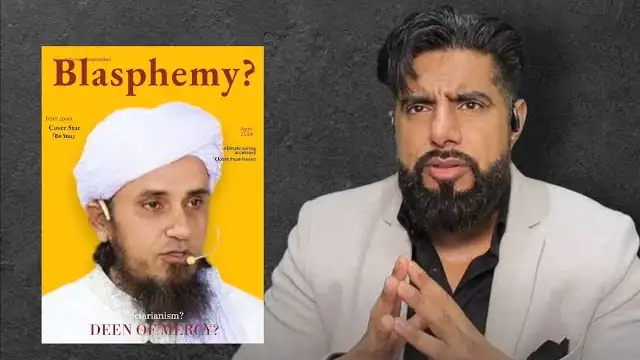
Deen of Hope NOT Hate - Mufti Tariq Masood | Mufti Abu Layth
hadeeth ahadith ahaadeeth hadis hadees ahaadith muftis dalil daleel adillah adilla proof koran quraan al-quran ayah aya ayat ayaat aayah aayat as-salaf salaf al-salih salaf us-salih al-salaf early generations aalim scholar ulama ulema ulamaa salam as-salamu alaykum assalamu alaikum assalamualaikum salaam salaams salam alaykum wa alaykum as-salam greeting niyyah niyah niyat niyya niyyat al-din ad-deen ad-din religion rahmah rahma rahmatvideo · 22:31 · 16,000 views · 29 Sep 2024 · 5 segments · Open on YouTube
 Press play to load from YouTube. Nothing loads until you do.
5 segments
machine5Each block is a segment in time order. Click to open it.Latest answers · the most recent segment on 4 topics
Earlier answers and other segments · in time order
Transcript
machineauto-transcribed, may contain errors · source: youtube auto · click a time to seek · dotted terms open the glossaryalaykum folks I want to deal with a question and that is to do with the the writing the orthography how we write the script of the Quran in the mus let it be clear that there are no mistakes categorically in the Quran or in the mus and the mus is the written Quran we call it mus in Arabic and the the study of how it's put
together the writing of any language system um is the orthography so and in Arabic we call itas theas now many of you may be familiar this has become a bit of a topic because there is a very popular Pakistani uh Muti I'll just bring Muti Tarik masud now who is from I believe Karachi Pakistan and
whilst away on a tour I think of Canada he gave a speech and in his speech he said some things I've not heard the full speech but I've seen some some of the clips that are viral where he is praising he's attempting to praise the prophet sallallahu alaihi wasallam but whilst doing so does it in a way that is it's you know it's not only counterintuitive but just outright inaccurate and
wrong he he gets carried away in what he's trying to say and he says that during the lifetime of the Prophet sallallahu alaihi wasallam um be he says that the prophet uh did not know how to read and write and therefore relied on the scribes of his time and he would tell the scribes to write down a verse and some of the scribes at times may have written it inaccurately in terms of grammar so they've kind of got the script
wrong but the glory of the Quran is such that it's been preserved even with their orthographical mistakes so even with their uh scriptural errors the Quran has been preserved with that so and then this has triggered an entire um many of you may be aware um you know a whole Fiasco where now people have come out saying he is blasphemed against the prophet and and as many of you are aware the the culture the extremist culture in in parts of Pakistan is to then kill and execute so
he's now afraid for his life he's still um he hasn't gone back to Pakistan yet and a lot of people have come out and they've discussed this now so firstly I want to highlight this thing of saying that they should Islam is a dean of Mercy okay the messenger of Allah sallallah alaihi wasallam came as a mercy for the entire worlds all worlds especially for believers you
know he so compassionately loving and merciful and this Dean is an extension of the messenger that has reached us and we then are embassadors of the messenger sallallah alaihi wasallam the prophet said I have only been sent to perfect good character the Quran teaches that you are upon the best the highest of great
character that this we this Dean is one of Love ease and mercy that that give good tidings do not scare people away you know make things easy that is a so this call for uh this kind of bloodthirsty call to say that whenever somebody you know makes a mistake I mean let's be clear that muik
Mas clearly was 100% wrong in what he was saying clearly I mean first of all there are no grammatical errors in the Quran secondly okay the the prophet sallallahu alaihi wasallam according to fair enough the majority opinion is that the Prophet uh did not read and write but there are substantial who have felt that he could read and write though although he was not somebody that would do that and one of the leading Scholars um of of Muslim
Spain Abul W Ali almost from a thousand years ago he dedicated an entire book to that um called and he brought evidence and showed that but this is not the the point that could be an ILY uh disagreement people could say you know hold one position or another but this thing that the the prophet was unaware of people writing down mistakes and then the Quran being preserved this was categorically wrong he was uh clearly mistaken and he said that you know you
could tell by the dictionaries of the time the first real dictionary comes Generations after the prophet it's authored by KH ahed ahed alidi the teacher of cway and it's called there were no dictionaries so to speak the dictionaries followed the Quran so just to be clear on that that said when people make mistakes it does not mean that they are Blas feing even if they get it wrong even if it's horrendous that's not their intention you know there is a famous
Hadith that the prophet says that a person he loses his camel in the desert and and he's almost dying of thirst and and he has all of his uh equipment and and his food and drink on this camel and and it goes missing and he and he's stranded and just as he's on the brink of Despair he he sees his camel and he's so EX static with joy he he's you know he runs up to it he Embraces it and he thanks Allah and he's so you know overcome with this Ecstasy of joy that he says Ya Allah you know uh
you know and he gets it wrong he's trying to say that you know truly you are my Lord I am your person he says you are my person I am your lord the Propet said this in a that this is what his Lan his his tongue ends up saying you see it doesn't make it kufur in the sense that they didn't intend to say that so we have to be careful that when somebody says something even if it is utterly wrong and inaccurate they all clearly
made a mistake or whether it's a difference of opinion or whether it's a minority opinion or whether it's just completely off the mark like this that the prophet you know was unaware of these mistakes the point is the person saying it is saying it in a context where they're somehow trying to praise the prophet now it's come off um you know it's on its head but what the context is they're trying to praise the prophet in saying look even though the prophet was somebody that didn't read and write he
he he brought the world to education and so their intention is good although they you know they may miss the mark and get it wrong so to just jump up with this person is a cfir they've blasphemed they are a mad this is unacceptable this is not the way of this thing okay what I want to do is also I want to show as well I'll show you this actual masalah this matter that Mi T Mas has brought up there's a particular
verse of the Quran from that that we will seize them by their for loocks on the day of judgment and whether this is primarily referring to Abu jahal and then other people by extension but before this I just want to say that you know there mu T Mas Sab and other people have come out and they've made videos now saying that look I didn't mean this and for blasphemy one must look at intention now and that is absolutely
true in that sense but what is is a shame is that all of these elements in society historically played a part in creating this extremist culture you know you um you I mean you there was a famous case of uh the the murder of Salman tasid he was a Pakistani Governor I believe or
something now he was killed at the time by his own security guard mtas Kadri and this was hailed a victory because allegedly Salman tasir had blasphemed Salman tasir went publicly his videos are still I think on YouTube saying I wouldn't dare blaspheme I would never say anything I was questioning a particular blasphemy law of the government of Pakistan I was never ever I would never as a Muslim dare say anything about the prophet I love the
prophet he's saying this time and time again yet when he was executed all these denominations in Pakistan celebrated this execution and they including you know all these groups including the the the had the diis the pr everybody they said well you know if anybody blasphemes he deserves death including at that time Muti Tarik Mas and this is I I don't know how long ago
is it something like is it seven years 8 years ago something this uh incident and making public videos saying that you know made a public like his videos were there where he was saying I take full responsibility if anybody blasphemes kill them there and then I take full know this clip now it is true that after that in a few years after he um he changed his
stance on this but it just goes to show that you know w we have no idea how much we are damaging the dean with our words that this is an AM that Allah has entrusted us with and you know and and blood is sacred in the eyes of Allah and so many years of drumming this into the public that just kill people kill people and then you know now God forbid it's come home
to roost and may Allah protect you know theik Mass sa and his family and protect anybody but just I think in the last few weeks there was some public person was executed in Pakistan uh under just the the the premise of blasphemy I think there were two incidents that the need to take it upon themselves to they have a responsibility to drum this into the public to to make them understand that this de is a de of Rah not just when it
falls on them and they're stuck now you know uhoh I'm in trouble so I'm going to now get AMA to come out and say this and I'm going to justify as an Alim or a Muti but what about all the poor individuals who are getting executed nobody's speaking for them because they don't have to speak for them they don't have M to speak for them they and and this is part of a broader backdrop a culture that needs to change that this is a dean of Rah a de of Mercy
you know drum this into the people repetition repeat it educate educate educate right and I wanted to bring up with that um this so you can see here that this was that's this was the verse
from that if he should he not refrain we will seize him and you can see the there is written with Ania now this in Arabic is known as an emphatic noon so you would either write it as a or you would write tan because it makes the same sound Tan in Arabic which means having the an in unow it means making a noon sound you know wi comes from the word to
make a know like like the at the end so and this is a the most authoritative book of grammar in the entire uh you know Islamic World known asab the student of Ahmed the first person to author the dictionary so he's from the era of the salaf and you you can see here that this um it begins with this is the noon that comes as an emphasis and
you'll see there that he actually brings within under this discussion the verse and you can see there he's writing it with the noon that that's how it that's how people would assume to write it he's saying but the actual grammar he does bring is there that in the and this if you've um if you've got the actual book yourselves or for right sorry alab and that's in the fourth
volume here it's actually it begins with that so it says um it says and he begins this and you can see um as he goes into this discussion you've got what if you had a and you stopped on it how would it be read and he
says that this is of one origin he goes right through through this mentioning that he says that that's what you do if you're stopping on it you would say if you wanted to say but you stopped on it so you don't then pronounce the noon you turn it into an alif
and you can see that there um he's mentioning the I'll bring it up on this as well I'll just put that down there that you've got um right
right so you can see that there I'll if I bring this up there right at the bottom that you would say if you intended one person and you decided to stop on this so this is the actual grammar okay so this is not um this is the most authoritative text written within Arabic um called Al and he highlights that that the
actual grammar of the orthography you know the how to write it would have been traditionally speaking when you stop on this emphatic no it's almost like an an exclamation mark like that so think of it like exclamation How we have rules of where can you put a full stop but if you're using an exclamation mark then you don't use a full stop and so on so similarly these if you were using this uh this this emphasis of saying like um you know go for example but now I wanted to
stop on it I'm not carrying on I would say so with an alif so that is how the verse is actually written with that top in there so it is the same thing and that is actually the traditional way of writing it now as time developed and generations became much more a writing people they popularly started to write it the other way so this is actually the traditional way inab how we write this especially if we stop on it now that was just to clarify the masah
the most important thing here is that this theme is one of Love and Hope okay the prophet sallallahu alaihi wasallam is he is and Allah is always and we must spread this message of Love whatever we do and I really want to just finish on this thought that that we don't realize sometimes and I
include myself in this that what damage we may have done already with our words you know I I we all have to take ourselves into account for that that what have I said in the past you know how have I not in the best of ways that I've dealt with things that I've said things I wonder how that has you know become stained this beautiful Message of
Islam that all of us have to take that responsibility Allah bless you all and really Allah enable us to spread love and peace a mean
Something wrong here?
Tell us what is wrong and it will be checked against the recording. Nothing changes until a person has reviewed it.
Sending a note needs JavaScript, which is off or unavailable in this browser. Nothing has been sent.
No name, email address or account is asked for or stored, and the inbox does not store your IP address. For rate limiting it keeps an unreadable fingerprint of your connection for 48 hours, and our database provider's own logs record connections as every website's do. Only your note, its kind, the page and the moment in the recording are kept, for review.
Cite this recording
Stable id, transcript version and tier are part of the citation. Every change to a transcript is logged.Mufti Abu Layth Archive, auto-transcribed, may contain errors. https://muftiabulayth.org/r/hmurvu2c9yq/ (accessed 1 November 2026)
- APA 7
Mufti Abu Layth. (2024, September 29). Deen of Hope NOT Hate - Mufti Tariq Masood | Mufti Abu Layth [Video, auto-transcribed, may contain errors]. Mufti Abu Layth Archive. Retrieved November 1, 2026, from https://muftiabulayth.org/r/hmurvu2c9yq/
- Chicago author-date
Mufti Abu Layth. 2024. "Deen of Hope NOT Hate - Mufti Tariq Masood | Mufti Abu Layth." Video, auto-transcribed, may contain errors. Mufti Abu Layth Archive. Recorded September 29, 2024. Accessed November 1, 2026. https://muftiabulayth.org/r/hmurvu2c9yq/
- BibTeX
@misc{abulayth-hMUrvU2c9YQ,
  author = {Mufti Abu Layth},
  title = {{Deen of Hope NOT Hate - Mufti Tariq Masood | Mufti Abu Layth}},
  year = {2024},
  month = {9},
  date = {2024-09-29},
  howpublished = {\url{https://muftiabulayth.org/r/hmurvu2c9yq/}},
  url = {https://muftiabulayth.org/r/hmurvu2c9yq/},
  organization = {Mufti Abu Layth Archive},
  urldate = {2026-11-01},
  note = {Auto-transcribed, may contain errors}
}