
Hadith Studies; Class 2 - Terminologies Part 1 | Mufti Abu Layth
hadeeth ahadith ahaadeeth hadis hadees ahaadith tafsir tafseer exegesis tafasir tafaseer madhhab mazhab school of law madhahib mazahib madhaahib malik ibn anas malik bin anas imam maalik imam malik ibn anas imaam imams prayer leader shari'ah shariat sharee'ah maaliki malikite malikiyyah fatwah fatawa fatwaa fataawa legal opinion muftis hukm ahkam hukum hukam ahkaam haram haraam sunnat sunan prophetic practice raawi ruwat rijal akhirah akhira aakhirah akhirat hereafter jahannam jahanam jahannum koran quraan al-quran surah sura soorah surat suwar soora sahabiyyah sahabiyat madinah madina al-madinah madeenah yathrib 'alim aalim ulama ulema ulamaa in sha allah insha'allah in shaa allah insha allah inshaa allah alhamdulilah al-hamdu lillah alhumdulillah alhamdulillaah hamdulillah subhanallah subhaanallah subhanallaah barakah barakat barkat baraqah blessing amanah amana amaanah amanatvideo · 1:16:44 · 3,400 views · 28 May 2015 · Open on YouTube
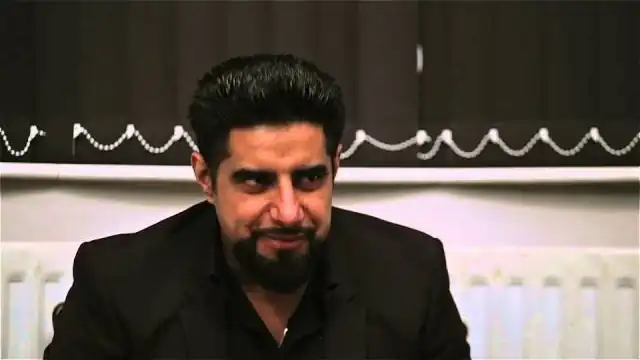 Press play to load from YouTube. Nothing loads until you do.
Transcript
machineauto-transcribed, may contain errors · source: youtube auto · click a time to seek · dotted terms open the glossaryRight. Alhamdulillah. [Music] for now.
I'm going to explain. We have beganulith in the last lesson. What I want to do, what is the purpose? Let me give a quick objective. I want us to have some familiarity with the terminologies, the the technicalities, the nmanllete of the hadith world. So when people categorize hadith, what are the words that they use?
Why do they call it that? What what is the definition or the criteria for a hadith to meet a particular category? And what are these categories? That's what I want us to have some understanding of. I want that to be a means to us studying hadith. This I mean in this where where we where we are doing this, this is not a means to an end.
Although maybe you know in certain places or in other I'm not sure the circles people may be studying and then enhancing their knowledge upon oral hadith and taking it layer upon layer upon layer and then maybe looking at and doing all sorts and that in itself is a science but for us this is a means an relatively brief means to an end.
So we want to understand what are these categories getting of but also taking into consideration look many of the people are not actually like or in that on that scale or they're not heading in that direction so some things may be a bit too overwhelming for them. So let's do this in a palatable digestible way. So we began previously the reason I'm telling you that what makes what that sheds light on this not being text dependent okay because we it is not necessary for us to be covering a particular book what is necessary is the
notion the concept the the understanding so although we did take a look at some of the work or the previous lesson we took some understandings from uh in his but we've alhamdulillah we've benefited from there we're going to now take a look at the definitions and categories from Makin's book I will just briefly introduce him and go through his book this is something it's a lot more swift it's it's written quite I say simply not simplistically so it's not simplistic
text it's a simple text it's brief it's called a reminder that it is almost a reminder for somebody at an elementary stage and it is a point to take heed from for those who are at more of an advanced stage. That's what he's calling.
Once we've done this, the aim is we can maybe look at another text that I've mentioned where where we can have a quick quiz as well. cover the text the poem have a quick quiz on what is the understanding of these words. So hopefully by if we can cover this today the whole textb he says towards the end of it that he finished it within obviously in the 9th century hij where he or the 8th century he passed away in 804 hij but um during his time probably
didn't equate to in our sense but still with the same word, with the same name if you like or the same noun. We will hope to inshallah if we can maybe complete this within two hours as well of our time, you know, following the in his footsteps by doing so. Obviously, he'd probably be thinking, "What the hell?" If he found out we're going over his book, he'd probably be like, "Anyway, so any questions before we
cough?" No, no cough. Okay. Right. Okay. Let's Anybody know anything about him? I know Doc knows something about him. Go on. What do you know? Anything you know about him? He was a very very well respected senior schol and I know that he authored a very voluminous commentary on good good Muslim guy.
He's a good guy. He's one of the good guys. I got almost a bit concerned when you said he wrote a luminous prolific writer. I almost got concerned. We've we've heard some of your j in the past but okay. So now here is this is his name Ahmedari.
As you can see, we are uh obviously trying to bring to life the literature of all of the heritage of Islam, not just the school of Medina. For anybody that gets curious that why do they only stick to Mahaliki texts, it's just usually because they're just so awesome, but but sometimes we try to include everybody and give, you know, we don't want anybody feeling left out.
So this is a an awesome text as well brief text but by this scholar goes by the or went by the he's abs he's also known as but he's popular as al-qn the reason he actually had this name is that when his father had died he and his and his mother remarried he was brought up by somebody who was known as al- mulakin and whether that was because of his profession or not a mulakin is somebody that does give uh instruction
as in teaches it could be teaching and things like this but he became known as through his stepfather and he was from the the great of hadith and legendary scholar of hadith in ash Andelus. So his although he wasn't from Alandaloo but his origin they you know they say he was of an andalooi origin although he was born and passes away in alah in Cairo.
Okay. Uh they say he authored almost or around 300 texts. Subhan Allah. We, you know, we hardly get the time to, I don't know if we could ever read as many texts in our life, let alone author them. Anyway, some of his texts, his major works.
Um, that's a commentary. That's a more linguistic work, a book explaining some of the the the slightly more difficult words within the Quran.
his commentary on Bkari which has already been alluded to by also know we obviously you can see his contribution um which we don't hold against him.
his he has a book which is in print which is also in print. He says that this he he kind of summarized the text we're going through now we will be going through he summarized from his mna he says um he has a book calledam and that's always an interesting topic what was specific to the prophet sallallahu alaihi wasallam there is actually a huge uh or scope for a discussion and debate on what was actually specific to the prophet sallallahu alaihi wasallam and what was
general Um there some matters are discussed and debated. Muslim bkari hadith book the book those hadith a commentary of those hadith which Muslim has kind of increased upon Bkari in. Okay Malik a grammatical text.
Now this book of his um is is a very brief book. They say traditionally in just uh sorry just in four simple pages really um it reaches people through a script showing that that's where it may have taken off really in the m uh it was in the bamage of aladashi wadashi is a famous skull from alwadash but the
the books in which people write um let's say things like the Jazzat or they write things like this is you know my my collection of Asani and Jazzat and stuff like this different people have had different names for them over the time so some people quite popularly call them um they they will call them things like let's say a th and that's one name for them that you still see around today the th of some of somebody um the Andeluces used to have a term called barnamage which contrary to maybe those who don't know then you see because barnami today
is used in Arabic to mean a program and I must say traditionally I actually I mean I'm interested like many years ago before learning this I thought bamage was an a ribicized word that wasn't actually Arabic, but it was taken from I thought it was more of a contemporary word that was taken from like program like they call bra or brahage program or whatever.
This is what I thought until I had a while back come to learn that that was actually what the and used to use and we're talking like 700 years ago 800 years ago uh when they were writing their collections for jazzat and stuff like this. Okay. Anyway, so so that's um this book does have a commentary for those who seek it by Alawi.
I'm sure maybe others have commentated on it as well. But Sakawi is known as okay if anybody's interested. Now, right, he begins with aud mentions imam is not you know I mean many people were
given that title by people it's not um specific to any although any one scholar or so although it may have become a bit more popular with certain people at a later stage. So he begins by saying so he begins by saying after doing his now obviously we know from the hadith
In any matter that has some importance or significance if you do not begin it withman or in other by praising Allah then it is something which is removed or cut or deprived from and blessings. Okay. So this is aith says that the beginner can begin.
He says, "I've taken it from the okay which I've mentioned before that's his book that so he's saying that theith are really as far as we're concerned of three categories. Do you have this text in front of you?
No. Okay. Okay. He says what is sound from and from it you get from this category you get the the category known as which is what does Ali mean?
Yeah it means the agreed upon which are the the books the hadith from the from both of them as in the hadith which both of them have agreed upon. So what's this definition again? That which is sound from any um harm or any criticism in its chain and in its content.
But what what has he not actually elaborated on here? What what what So what else is a condition for sah? cuz he's summarized it to such extent that one that it's not actually um it's quite a strange you know definition that it hasn't covered some key conditions like yeah so exactly so I mean he's done no the angle I suppose is implicit but really what were the five conditions for we did last lesson
of the narrator of the narrator the precision no hidden okay but what else with the narrator righteous yeah okay so the the justness the property of the narrator the righteousness then the what in Arabic the oddities and the last one.
Yeah. Noah, no defects. So these are the five. What is the what's the the poem? [Music] So that's um in a poem form but it says that the is what is it there is noah no and it is transmitted
by people who are just and precise five conditions to be fair the rest he starts to become reasonably comprehensive in their definitions the for some reason he didn't um give it a a comprehensive definition. Uh but never the important thing is that we know what it is. Alassan.
Okay. Tell me about Hassan. Anything? Well, there is some sort of weakness in it. That's why it's not okay. There's something that's dropped it. Mhm. So, it's something that's a way of looking at it.
That's saying it's a weakness. The other way of looking at it is that we're not saying there's a weakness in it, but that it lacks the strength. I mean, it may be just the same thing, but I'm just saying there's it there's another way of looking at it that it's still good, but it hasn't reached the level of sa where it should reach.
So, they say that the narrators may have lacked may not be as precise as the sah narrators. So, they're slightly weaker in the they're not weak. This is why I'm saying maybe that's not the best way. They're not as strong or as precise as you know for it to be totally solid rock solid but at the same time they're not necess they're not weak either.
So okay he says what the the chain is weaker than the or less he says less than the in terms of its memor in ter of its memorization and its perfection. And then he says he says uh that it basically the sahi category does cover this meaning that these hadith but it goes beyond.
So it's like it's got all the conditions of the sahi like the sah has all of these conditions but the sah is more imprecision. That's what it's that's what he's trying to say. Okay. Then he moves on to what does mean? Weak.
Weak. All right. Is that you? Yeah. With the Arabic, right? Weak. Something that is weak. Right. Give me a definition. What are we talking about in sense? What is the the problem? One of the my memory loss. Precise memories.
Yeah. Okay. Good. Good. What you're saying is it's got a problem in it. Um it's it doesn't meet the conditions of Saha. It doesn't. Some people he's actually said here What is not one of the above two?
He says and then there's up to even 80 different categories of I mean what he's about to go into what he means is there's different ways of it being there they could be as um just quickly said memory loss amnesia there could be other things you know they could and we'll go through certain things there could be you'll see some people lost their memory like you said some people lost their books in this day and age I suppose some people lost their hard drive.
That's like or the USB. The phone got stolen. Okay. So, so anyway, right. So, all of these that could mean that damn there goes their their transmission cuz people in the past were transmitting from books as well. They weren't just all walking around like just dons, pure dons of, you know, like they when they were transmitting hadith, they were writing them down, keeping them at home as well.
So they had like books and books of this is what I transmit. Then all of a sudden somebody might have come and you know stole their books or they might have lost their books or their house burnt down and then all of a sudden this person who was doing it before now unfortunately he's he's struggling. So this is why and we'll take a look at those people. Anyway, is anything that isn't and as how does say
that he says and anything which drops below the of Hassan is and it is many a category involved in that. Okay. Um, right. Okay. What what does Muslim mean?
We covered this in the previous lesson. Um, in this or if you want something that's like lean on it, you rely against it. Okay. is has I think it has two meanings. One is when you arrange all the hadith according to the companion that narrated it and the other one is basically saying that right okay yeah I mean because really it's just it's just saying a hadith that who's the chain of which is connected back to the
prophet sallallaihi wasallam some people have then debated that is can you call aith a muslim um generally ally um many people have as well. So from you even see what that they with the exception some people like and seem to say know that the should really be something which is sound.
Many other people have said well the chain is connected even though the chain is weak. I suppose that's a debate that I mean is it still connected if it's weak because in essence those links don't exist but I mean at face value it's a connected chain as opposed to a missing link in it of an obvious missing link.
Okay. Right. So is a connected chain even if even if it goes up to the prophet sallallahu alaihi wasallam or whether it stops at the sahabi but it is still the chain is connected the chain isn't interrupted okay Now,
okay. Now, what's the reaches? Yep. Something that goes to the prophet sallallahu alaihi wasallam. So, they say that something which is connected back to the prophet sallallahu alaihi wasallam chain goes back. So if we're let's say we're quoting a hadith.
Yeah. Now here's an a hadith. Now if we say from Malik and Shahab and Salim an Abdullah an Omar obviously Abdullah here being Abdullahn Omar from Abdullah Omar from Omar from the messenger of Allah sallallahu alaihi wasallam that he said search and such and such that is more or less the same as yeah so that would be you see a mus is a broad generic term meaning that that is actually connected.
It's going back. It is that it is actually. So this is why sometimes some of these terms there's a huge overlap in them. There's nothing really um you know sometimes significantly different the in the sense it can go back to a companion rather than a prophet or whoever basically it's just connected. That's what it's usually it's going back to the prophet sallallahu alaihi wasallam. the is but is when they're saying you see usually you'll see this term a lot more used because when they say something is it depends on the angle
that they're coming from when people say this is they usually are saying that for a reason means it's going back to the prophet now if I said that same chain from Malik from uh it wasn't but from Shahab from Salim from Abdullah from Omar and I stopped there right okay the chain is still mutas is still a connected chain but it's not going back to the prophet sallallahu alaihi wasallam it's not when people say oh and this has been transmitted
this has been transmitted what are they trying to say it's coming from the prophetam it's coming from the prophet Why do you think they might say it like that though? If I say this and it's coming aith is because for example you can you can narrate from the Sahabah by assuming that they've got that from the prophets.
So this way is actually definitely coming from the but okay but why why do you think yeah you're right but why do you think people might be writing like that in some texts they're saying oh and this comes in a hadith or and and here it has been transmitted because that hadith have variations exactly because some people somewhere have posited the question that this is it goes back to the sahhabi it doesn't go back to the prophet as you can see there has spoken.
The thing is when somebody says it like that like oh this has been transmitted they're coming at it from an angle that they're already anticipating that some people oh you're going to probably question this assuming that I'm talking about a you know like a but it's actually transmitted as well because usually that hadith may have many variations which are which are not and they may be more popular Even so this is why it's so it's the angle that people are coming from.
When somebody says it's it doesn't necessarily mean that they're debating it's they're hoping it's but usually when they're coming at you with oh this is usually another question that they're trying to deal with that you might be have an expectation that oh that that's and they're saying no no this is actually transmitted. Okay. So n if can it be as well?
No. Uh [Music] I suppose I suppose but I mean generally the assumption would be see when the opposite of the mut the is the which is what we already said the chain being connected. You see in that from that perspective a person would be arguing about the chain like somebody is trying to argue the of it.
So if somebody said where you're reading in a text oh but that's uh that's text is I mean that hadith is a person might respond by saying no it's actually transmitted in this book. He wouldn't respond by saying it's transmitted because that's not the answer to that question like that's obviously dealing with an entirely different question.
Could a hadith technically a hadith that is means it's being transmitted back to prophet. So technically it could be that they could be look much before. So let's say Imam Malik is transmitting but Immalik misses and we're going to see is and stuff like this where a person is missing earlier on in the chain but I'm quoting the rest of the chain correctly and I'm taking it back to the prophet sallallahu alaihi wasallam. So it is still but being doesn't necessitate it being okay.
So it's more about what's your point in saying it. So when somebody says oh this is this is they're attacking the chain. So you would probably or the person would respond by saying, "Oh, but it's also in this book. It's connected in this book." I mean, you wouldn't respond by saying it's in that book. Because that's not the it doesn't make much sense. Okay.
Well, we've done kind of. So, what is a companion? Yep. Right. Now, the interesting thing he says, let's read his definition. Okay, now this interesting.
So basically a is aith or an that just goes back to the sahhabi. It can be in his actions. It can be in his statements. It can be him saying something or him doing something. Now the example is let's say the the statement of right. What does tudu mean
like from siada? Oh, [Laughter] so so before you become a like a say a a a leader. So take knowledge before you reach that status. Now when you look at that that's an example that's from Omar there's many statements from that that then because there statements they're going to be now it can have two
angles to it okay it can be but we're giving it okay and but we're not giving it what do I mean So we're assuming that he's taking that from the prophet. Exactly. Now right now the thing is that this could be
that that assumption. Why are we having that assumption? It could be that he begins by saying oh we used to do this in the time of the prophet. So although he hasn't said there that the prophet has said this but there's an assumption you've made a leap there's a right that there's an assumption it could be that he says that we used to be commanded to do this but he doesn't say who commanded him we used to be forbidden from doing such and such but he doesn't say who he's talking about
or he says is the sunnah was such and such is it because sunnah could also mean that the linguistic sun like it doesn't have to mean you know because at the end of the day the they were Arabs I mean they did used to speak and this was the their language remember for them you got to remember as well for them these words were not like just for us technical words only used for when we're talking about Islamic rulings they had these words in everyday language as well [Music]
as the poet says. But the thing is so they had this it could be when they say and the sunnah was such and such sun of who? Sunnah of your people, sunnah of your tribe, sunnah of your sunna of the prophet. What what are you talking about? The assumption many will give is that it's the sunnah of the prophet. Can it can it also be is it something like when the Sahab say something they couldn't know like about the afterlife or something.
That's also yeah this is also one of the the things that that people say well how else could he have known this unless he took it from the prophet sallallahu alaihi wasallam all of these are things which are but remember it's not categorical it can be challenged so a clear example give me a clear example that is challenged
holding the hand Allah Oh, that was the one that he says he but he says that that we were commanded to do this that we used to place our hand above the other hand. Now then even the Rawi says that I believe that they says um his thing the actual wording is he says
he says I believe he intended by that the prophet How does that add strength to his statement? Because it's a command from the prophet rather than so it's obvious. So the person is saying I believe that he intended by his statement we were commanded.
I believe that we were that he was uh that we were commanded that I believe that he intended by that statement the prophet. So it adds strength that okay so this is a statement how and in the opposing direction how does it add weakness to it doesn't know certainty could have been anyone if it was if the word was common at the time true it could have been any that's the question but why does it add more why is there more of a question mark but now that he's actually said it I don't that
I believe that he who he would have meant by that is he didn't specify. Yeah. But this this is one of the the later Rawi. So it's not the first the other one saying I believe that he would have been meaning I believe that that is intended with it. The prophet exactly and he's so early on.
So if he is saying that that that is and he's using the the term that is yeah like an unknown term like I believe that that's being taken back then to the prophet and he's so early on that would mean that when people use such words they don't always talk about the prophet then otherwise why would he have to say that so even Hajar says in that thing that this one statement ment of his kind of almost put water on the whole thing really because it
if it wasn't for that this would have been sound as in it is still sound by its chain but is it a he says that this statement kind of jeopardized the conclusivity of this statement of this hadith and that's in Bkari anyway so moving away that's in argument whether or whatever. But coming back to here
now the the thing is sometimes they say the is a bit more of an elaborate a generic term which I think he'll yeah he is going to cover it next anyway. Right. That is talking about just something else we'll come to in a moment. This He's saying when it it stops with who?
With the so it doesn't stop with the sahabi. It stops with the then it is okay. And it can be these things can be what is the purpose of transmitting from the like that like that they used to do this. What is the purpose of that? be they took the action from the exactly and also it is from the principles of the school of Medina.
It is from the principles of the school of Kufa that they consider oh sorry especially Medina uh that they the Kufu the school of Kufa actually disagrees on this but that they consider the actions of the to be a as well because they believe that their religious type of actions were only taken from the Sahabah who were then taken from the prophet sallallahu alaihi wasallam.
It is a debate. Um I know generally that Abu Hanifh did not accept it. His famous statement about them that he said and so that you know they are men and we are men Allah.
[Laughter] They are men and we are men. What a statement though. statement that's a what the murdan that's a Bollywood thing I mean the this is but but this that's because I imbuif himself is debated to have been from the whether he is or not uh there's there's huge debate about whether he actually did make the list uh perhaps maybe not or whichever way you want to see it he definitely didn't in terms of learning whether he did in
terms of baraka or not is another debate that whether he saw a sahabi they all accept he never learned from a sahabi because he only began to study at a later age himself but he was still early so in his time many of the were still in his time so he's kind of so to him they they're still contemporary people and when people are contemporary and they're around then it's all real isn't it it's It loses sometimes that halo effect because you see the other the real humanness of the other person.
So as he said when they said to him what about the statement of fan why didn't you take it he was a he said Allah look at that as says Allah says just because I went quiet says my adversaries were misled by my silence I'm fooled
Sorry, just to ask you, you said it can transmit an action. Obviously, does that have like a number of people doing the same action that makes it sound or is it just one person? No, I mean it could just be one person. I mean there could be multiple people but it's some madhabs give legitimacy to it like as in they see this as a within the obviously if you were if this was a cross madhab debate then it wouldn't carry weight with the other mhab and that wouldn't be admissible in that debate then because it doesn't carry weight with them.
So with IM and the who question even the fatwa of a sahabi to be a they don't really accept it as a and they have some very valid points actually on on the arguments what they consider it is they say it's something which is it gives it sheds light and guidance but it's not a conclusive matter and and you can see where they're coming from.
So whereas the other mabs all agree on the fatwa of the sahhabi being a huja for them except the but if you were to be having a discussion or a debate with the school there wouldn't be any point in bringing the of the I mean you could bring it as but there's no point bringing them as isolated evidences because they're not really according to them it doesn't hold that weight.
So okay So what does that mean? connected. There's a missing link in the chain somewhere, right?
Is this in in contrast to this? Yeah. No, this Yeah, this will be in mutasil is in contrast to uh so connected broken or Yeah. Muslim musn is a very generic term when they say something is musnet back to the prophet sallallahu alaihi wasallam. I suppose in a way they're usually using it to kind of generally Allah but my understanding is they're trying to kind of show it as a as well re it's not
usually the debate is the debate is this is the debate that some people like like I mentioned and some people they've said that musn should only be used for terms which for a hadith which are sound so if you said that is a mus that it would carry weight in saying that it's a and a but the problem with that is some other people um you know didn't agree with that definition so it you know it kind of I suppose because there isn't almost an a unanimous understanding but generally that's how
they use I suppose obviously is very uh popular in his presentation of things So, so right. Okay. Talk to me people. What's a what's a
which one? Say that the prophet said but without the name of the companion who said it. Exactly. So is where to send to kind of let something flow to float in a way you just let it go and that's what the has done he's just let it go direct to the prophet sallallahu alaihi wasallam without mentioning the sahabi now sorry it does there's quite a few maras is the plural there's quite a few maras Um, it also be that the is missing and the
Sahab is mentioned, right? But then it wouldn't be then it would just be either or something, you know, it's got somebody missing in the chain. Um, now let's give you an example. Um, he's saying in this it says Maliknam. I think what he meant to say is Malikam.
But anyway, that in this type of transaction of meat was forbidden that there was ribba involved in if a person kind of had a transaction with is a live animal with meat and so on and there's a debate around that but anyway this hadith is saying that the messenger of Allah sallallahu alaihi wasallam did this have never reached The messenger of Allah sallallahu alaihi wasallam is obviously a great though considered the greatest by who
by Ahmed obviously one of the the seven dons of Medina that were known as the fah the seven you could say magnificent seven but you're just going to think of Jackie Chan's movie so or was that lucky seven was it but anyway the lucky seven anyway so The thing is the what they call the the seven heavy weights heavy weights of Medina.
All and and and from all of them the top the most heavy weight of was talking about [Laughter] right. So the thing is so su and and he was also I mean he had he he learned from many sahaba right who he kind of but what was another key feature of his when I say feature I mean something about his life that gave him great access to hadith he was the son-in-law
abuer he was the son-in-law of abuer so you can see that proximity and that closeness to gain hadith and he is also one of the principal um one of like I don't know if it's if we can say like the founding fathers but one of the key people that defines what becomes known as the school of Medina.
So Imam Malik often follows in like his footsteps. He's obviously one of the Sabah anyway the seven you know heavyweights of Medina but this is but he's an influential one that always not always but quite often I imam Malik is quoting and he's always giving him preference so that is a that hadith is an example now I im says that we don't accept any rea to be sah because there's a person missing the ruling generally is that the mural can be used
that if there was let's say you had a musnad being transmitted and on the other angle you've got a murul being transmitted then if it's the same type of incident then this mul can be used. Okay. If you've got a somewhere to back it up, I suppose that may be obvious from some point.
According to the school of Medina, the Maliki school, and according to the Mul is a anyway, they accept Mul. In fact, the Hanaf go to the extent to rate it in their books above a go, you think you've seen complexity. They say you think you know what confusion is.
Wait, wait till you see the stuff we're on. They say this. So they in their fit books rate a uh a mul above a musnet. So everybody's kind of like everybody is really perplexed that how do you figure this because they whilst the whilst they're trying to say this isn't even acceptable. These guys say forget acceptable it's above a musl they accept it they generally they not only do they accept it they accept it above in theul fit books it may be a matter of debate among somebody but in theul fit books they say it's above a why do they do that is there must be a reason
yeah there's always a reason when it comes to and it's not what you might think Pakistani ancestry it's not the it's not the nab that was going around. Everybody was just passing a cup around, right? But this go on then, Fad. Go on then. Right. So, look at this. This is so why they say that is here's the logic.
It's actually quite interesting. What they say is that when the when he goes direct to the prophet sallallahu alaihi wasallam, then he's taken the burden of responsibility for you. So you don't need to check it. Whereas if he gave you the chain like or the person gives you the full chain then you need to authenticate it.
So the responsibility is on you to verify that the hadith is but when he just says don't worry about it. The prophet sallallahu alaihi wasallam said so then he's taken the responsibility. So now you can just relax and say look well the responsibility is all yours. Wow. So that is actually the argument behind it. So obviously the Malakia obviously don't agree with them on that point but they agree with them that Mul is acceptable.
Um because the Malakia see it from the point that he's obviously a great person and it's a matter of trust. They're not saying it's above a musnet. Obviously, they don't make that leap of they lacked a bit of that confidence in saying going that far. But uh but they said that it is still acceptable. Imm he accepts no he rejects except then he kind of makes this has this caveat where this which is almost a bit of a contradiction because he says except the of
because I had them verified and they were all sound right but u the thing is well in a way you see you kind of defeat your principle by saying that because you saying well this person was okay because you had trusted in him is just as Malik knowing those of Medina saying that these people have said it so it's it's fine. So you either go with trust or you go with objectivity.
You can't have it both ways. Is it is it again is there like a number of example if there's like multiple different people saying the similar thing then that would be strong. Yeah. I mean but according to the view the lens it wouldn't be a hadith if it's not connected.
So although it may be points of consideration but it's not unless the chain is unless it's a they want a but the oh according to the malika the chain doesn't have to be connected at all like that but it has to but how many for example say you've got like from the he says something and there's an action based on it would that one person be enough or does it does it mean okay we're going to have to have a certain number according to the mali They do say I mean I think they slightly exaggerate the point of the in saying that his thing is a
they do say in the books although how truly they mean that Allah but I mean they do say in the books that his thing is a huah um so it doesn't have to be in like a democratic thing like with numbers it can be what at the very least it's a precedent it's a legal precedent so within the Sharia. Exactly. For somebody to build on it and to use it right now, okay, here's another point.
What is the H? Let's say there's a Sahabi. Let's say there's many Sahabah who perhaps did not hear all the hadith from the prophet sallallahu alaihi wasallam. Is that true? Yeah. There's many there's going to be many Sahabah who learned things through other Sahabah. Is that not true? So when they say the prophet sallallahu alaihi wasallam said this but they probably never heard it directly either it.
So why is that not a mul? Because a sahabi is still missing. You wouldn't know. True. We wouldn't know. But what? Let's say we do know. Well, let's let's impose the hypothetical question because we know it would have occurred just through our logical understanding. It would have been necessary for it to have occurred. Why then how do we bypass that dilemma?
But then they only say I submit to so and so. So you find that chains but let's say for example Abu is transmitting something but we know he came to the prophetam in the year seven hij but he might be talking about an incident a bit before. So we know he may have heard this from someone but he's not saying who in that hadith. This isn't still grouped as a mul.
Why is it because it it was definitely from a sahhabi and they're all trusted? Is it because the answer the Sahabah have a category called that the Sahabah are by the by their category all certified as just that Allah says in the Quran when addressing those who are the companions of the prophet If Allah is pleased with them, then who is anybody that comes after?
So they have their seal of approval from Allah. From the heavens above, I don't use above in a literal sense there just for the No, I'm just saying from the heavens above, they have the their seal of approval. Therefore, we don't need to approve it. Even if a sahhabi is transmitting from a sahabi that's missing, it's still a sahi and I'm considered a musnet.
So tell me what what's what question does this beg? I want you to even see that's the standard I'm raising you guys to that not only do I want you to guess the answer, I want you to guess the next question that's coming up. Like for example, you could not exactly but I mean going back to our what question does this beg
now learned it begs a question but when you said what you said I thought the is this is about the companions are all sound right so we reject the narration not because we don't think he's but because there may be a mistake somewhere right but what's the question the question raise the question that is the question that you're on it so what's the say what's the question oh I let you answer you may you see you're giving the answer to the question that should be coming you're thinking two steps ahead I'm training you too well
I need to tone you down slightly Okay. Okay. This then begs the question which is Muad. Exactly. So what's our problem with Mul? So what's your problem with Mulad? Right. So what is the problem? Because if we're saying the and is transmitting from the prophet. So what if the Sahabi is dropped but the Sahab are allul anyway.
So what is the problem now? The response himself isn't a sahabi. Okay, but but let's say the sahabi in the chain is missing cuz this t doesn't reach the prophet. So the sahabi is missing. But what's the problem? It doesn't matter which sahabi it was cuz sahaba are all accepted anyway. So what's the problem with accepting a chain where the sahhabi is missing?
But this entire scenario is hypothetical that a companion may have he didn't direct you and instead he heard it from another companion. No, no, that has happened in many cases the companions have heard from other companions. So come on that's that's obvious obviously where they're living around the prophet then not all of them are there all the time when something's going on in a chain where we assume well this companion may not have actually heard it himself directly but I mean he that that has occurred many a times that has occurred but the thing is coming back to the mul this question here now there can't be a problem but there is a problem because we don't because hadith isn't considered by the
to be because it's not so why is it not Muslims? Why is it not connecting when it doesn't matter who like we could put any Sahabi name in there? They're all so what's the problem? The memory or things like that. So there can be just but the Sahab depend on who the term it was what you mean as in whether he met that he met the Sahab expand what are you like say for example Marco Polo Marco Polo Marco Polo He he narrated a hadith from a companion but he never met any of the companions that's connected to that companion.
So he's narrating the hadith but the companion's main name isn't mentioned so you wouldn't know. No, but you know when they do they know who they met from. They learn from I think what you may be saying what are you saying right? I think what you may be saying is how do we know that he is actually transmitting from a sabi?
What if he's transmitting from another say, but why? Well, it could be that he's heard from another tab. You heard from a sahabi. It's not necessary that he he's not saying by the way I heard this from a sabi. I'm just not mentioning his name. It could be that he heard it from his contemporary somebody studying with him.
So because of that, we don't have that certainty. Whereas the sahhabi was in the time of the prophet. So even if it was from another person, it was from a person with the prophet. So it was a sahhabi. So it bypasses that point. Okay. So that's that was the question that uh was coming next. The answer to which doc had already told just the question he was wasn't too sure on but he provided the answer.
Okay. So right now right the iss for those of you who understand Arabic two people missing from the chain so it's but it's quite severe.
Okay. Yeah. So it's it's it's basically broken. It's but it's a a strong it's more strongly broken as in there's at least two links in the chain missing. Okay. So if uh Abu Musa al- Mazari here was for example transmitting Yi and Abihi from his father but there were two people missing in the chain like let's say so the thing is you've got no so you've got like not just one and they don't have to be in the same place
by the way they don't have to be two people consecutive they could be separate they could be together. They could. So that does happen. Does it have to stop at two? What if there's three people missing? Would we still call him? He says, "Oh, yeah." So, so aith is what? By definition a broken chain.
is at le is broken. It fits on the least of its definition which is at least one link broken in the chain. That's because the definition the word means broken. By the very least of its definition, it has to be broken in one place. Correct. Right. So it could include more, but by the very least it is usually just broken in one place.
is something that is broken in at least two places. So is specifically saying that the Sahab is not mentioned. He's not saying but he isn't mentioned. Yeah. Yeah. So that's it. So but is not necessarily it doesn't mean two people are missing. Yeah. So is something that is two people are missing. Okay. So as an example, let me give an example.
Uh I Malik says in the has reached me reached me. It has reached me. These are known as the balat not the b theat theat of Imam Malik. So the balat of Imam Malik are the things that he says have reached me in the where he says he's reached me.
Imam Malik goes straight to the prophet sallallahu alaihi wasallam sometimes. So it doesn't so it's in fact quite often when he's saying he's reached me he's saying it's reached me from the prophet which reached me from this person. So the that's my Malik says that's reach he goes what's your reach forget that in his Malik saysman he's reached me from looks what what's your reach you can reach that's what you call network coverage so
the thing is so I im Malik says reach me from Abu Hur that the prophet said that a servant had his rights in food and clothing and so on. But this hadith is there's at least two people at least how do we know there's two people missing in that chain quite generations.
Exactly. There could be more but by the very least there's two. So from Imam Malik from a sahhabi there have to be two. It has to be okay. Now in other than the malik this hadith is actually connected that it's from Malik from Muhammad from his father from abse hadith do end up being connected in other narrations.
What is the suspended suspended? Excellent. Um, anything that has from the beginning of its chain, it has one or more missing. Usually, usually is with just usually it's like there's no chain to it.
It's just a hadith there. So he just says before what are the popular not the poetry of Bkaris. So I imari whenever he begins a chapter he has several a hadith just as as almost as like subheadings. So says okay chapter of for example voodoo is like this and then he'll just have a saying of let's say Abba saying the prophet did this did this did this and then the hadith begin.
So these one or two that he begins that he puts in the beginning are known as they're just suspended. There's no chain to them. So I mean how are you supposed to know whether they're or not? That's the thing. Now so from the beginning of the chain for it to be the actual definition he gives here from the beginning of the chain one or more are missing.
But popularly when they're found usually they're just entirely suspended. But um that's what he gives. Um okay, right. Talk to me people.
So in the chain I missed the last word but in the chain the word an is used that is connected. It is connected. So an means what in Arabic from from yeah like on the authority like this person from this person from this person who an from him like that. So when you're transmitting something you say oh and I heard it from like that. Oh but there could be deadly in it. Yes. So we're going to come to that now.
So when you see a chain most a hadith are probably transmitted like or many let's say many a hadith are transmitted like this unfan what is the problem with and that's why it's called by the way okay it's a bit difficult you can practice it okay so what is the problem withan
It's or what's the sorry what's the potential for problem with I was going to say it's very general so you're just saying it's from such and such but it's not saying that you heard it directly. See that's the problem. How do you know that the person isn't blacking slightly or or he isn't missing people out?
Because when he's is he lying like if now if Ma said, you know, Doc said something and I just say Doc said this, leave him out. Have I lied? I haven't lied. I'm I'm saying the truth, but I've just decided to leave a person in between out of the, you know, out of the chain of transmission.
Why might people want to do that? Elevate their own status. Elevate their own and also more importantly, elevate the chain and the hadith. Because it might be that our learned friend Yal Mazeri falls short on some of the on some of the conditions, God forbid, right?
Of some of the conditions of property or something. So if I was to go direct, but the problem is I haven't heard this direct. But if I was to just leave him out, I haven't lied, but I've gone direct to the source quoting him implying to the listener that I have heard it from him. But I'm just going and so but generally and the perception what is the common you know when you look at it the common understanding is it or it is it is connected generally by
perception unless you have fear of now this is obviously something which you shouldn't Now, okay. So, he's just given the the definition of it here.
The thing is actually comes from the word to cover something up that you you're kind of like you're putting you're trying to make something I don't know trying to cover up and camouflage some defle defect that is present. Now, when you first learn about it, you might think, "What the hell is that even allowed?" Like, is that how can you do?
Because it sounds like obviously there's there's ulterior motives or it sounds like, but yet there have been some very big don and scholars and people of transmitters who have been from the mudin. Any coming to your mind?
Don't they say about Sufanai used to dol and a few I mean there's like so many there's books written on but the thing is is of two categories generally I mean it might be of more sorry broadly speaking they put it into talking about last time I bkari when he said and then said he's said he's missed out that But criticiz that's um says that so because criticized Imkari
said yeah so they're saying he's trying to imply yeah and then say yeah he has missed but I think some people have questioned that has he missed him out or not but this but you're right but he the Bkari if he is doing that he's doing a sly an ultra sly one in the sense that you know like he's just saying this person said without even saying from him in the normal way like he's just beginning by saying on him on him from him from him from him that and that hadith is obviously the one on music
now and that's because that is the only soundest and the reason why he may have done that is perhaps he wanted to demonstrate the impermissibility of music and that was probably the only one he could find as strong enough to squeeze into the sah because he had tight rules for his but the problem was he was hearing it from somebody who was maybe not. So he does a I'm not saying anything bad but isn't that quite sneaky dodgy?
It sounds dodgy, doesn't it? It is tadis and the word dodgy are like but the thing is that you see tadis jeopardizes a chain because this is why if a person is known like if he's from the mud or they've got now they've got databases in books of who the mud were because they were caught out. So the mud are in books and known as mudin.
So if a mudalis even though he may be a pious person transmits something as it's straight away okay I stand corrected corrected me right it's there's uh two categories of the le okay Battle.
Something wrong here?
Tell us what is wrong and it will be checked against the recording. Nothing changes until a person has reviewed it.
Sending a note needs JavaScript, which is off or unavailable in this browser. Nothing has been sent.
No name, email address or account is asked for or stored, and the inbox does not store your IP address. For rate limiting it keeps an unreadable fingerprint of your connection for 48 hours, and our database provider's own logs record connections as every website's do. Only your note, its kind, the page and the moment in the recording are kept, for review.
Cite this recording
Stable id, transcript version and tier are part of the citation. Every change to a transcript is logged.Mufti Abu Layth Archive, auto-transcribed, may contain errors. https://muftiabulayth.org/r/yc37ril_uv4/ (accessed 1 November 2026)
- APA 7
Mufti Abu Layth. (2015, May 28). Hadith Studies; Class 2 - Terminologies Part 1 | Mufti Abu Layth [Video, auto-transcribed, may contain errors]. Mufti Abu Layth Archive. Retrieved November 1, 2026, from https://muftiabulayth.org/r/yc37ril_uv4/
- Chicago author-date
Mufti Abu Layth. 2015. "Hadith Studies; Class 2 - Terminologies Part 1 | Mufti Abu Layth." Video, auto-transcribed, may contain errors. Mufti Abu Layth Archive. Recorded May 28, 2015. Accessed November 1, 2026. https://muftiabulayth.org/r/yc37ril_uv4/
- BibTeX
@misc{abulayth-yC37ril-uv4,
  author = {Mufti Abu Layth},
  title = {{Hadith Studies; Class 2 - Terminologies Part 1 | Mufti Abu Layth}},
  year = {2015},
  month = {5},
  date = {2015-05-28},
  howpublished = {\url{https://muftiabulayth.org/r/yc37ril_uv4/}},
  url = {https://muftiabulayth.org/r/yc37ril_uv4/},
  organization = {Mufti Abu Layth Archive},
  urldate = {2026-11-01},
  note = {Auto-transcribed, may contain errors}
}