
Prayer and Purification Q&A | Mufti Abu Layth
wudhu wudoo wuzu ablution al-wudu wudhoo ghusal ritual bath ghusul gusl salat salaah namaz salaat namaaz as-salah al-salah salawat sawm roza siyam rozah saum haj pilgrimage hadj aqidah aqeedah aqida creed aqeeda aqaid fiqah jurisprudence fikh hadeeth ahadith ahaadeeth hadis hadees ahaadith sahih saheeh sahih hadith saheeh hadith sound hadith madhab mazhab madhahib mazahib madhaahib jam' al-salah jam bayn al-salatayn jam' al-salatayn musafir traveller musaafir safar malik ibn anas malik bin anas imam maalik imam malik ibn anas taharah taharat tahaarah ritual purity tayamum tayammam tayamam dry ablution fajar salat al-fajr fajr prayer dawn prayer maghreb magrib salat al-maghrib maghrib prayer sunset prayer sajdah sajda sujood prostration tashahud tashahhudh imaam imams prayer leader witar salat al-witr witr prayer janazah salat al-janazah namaz-e-janaza janaza prayer janazah prayer funeral prayer ramadhan ramzan ramazan ramadaan masjid masjed masaajid masajid shari'ah shariat sharee'ah maaliki malikite malikiyyah hanafite hanafiyyah shafi'i shafei shafiite shafi'i school qiyas qiyaas fatwah fatawa fatwaa fataawa legal opinion muftis hukm ahkam hukum hukam ahkaam halal halaal lawful haraam forbidden mubah mubaah mandub mandoob mustahabb mustahab waajib wajibat farz faraid fard ayn fard kifayah fardh sunna sunnat sunan prophetic practice dalil daleel adillah adilla proof riba ribaa sood usury sanad isnaad asanid chain of narration shirk shirq mushrikin polytheism kalam ilm al-kalam kalaam jahannam jahanam jahannum koran quraan al-quran sura soorah surat suwar soora chapter ayah aya ayat ayaat aayah aayat tilawah tilawat tilaawah sahabah sahabi sahabiyyah sahabiyat hijrah hijra hijrat hijri madinah al-madinah madeenah yathrib shiah shiite shi'i twelver ithna ashari ulama ulema ulamaa nikkah nikaah nikah nama nikahnama marriage talaq talaaq triple talaq divorce in sha allah insha'allah in shaa allah insha allah inshaa allah alhamdulilah al-hamdu lillah alhumdulillah alhamdulillaah hamdulillah subhanallah subhaanallah subhanallaah as-salamu alaykum assalamu alaikum assalamualaikum salaam salaams salam alaykum wa alaykum as-salam peace greeting niyyah niyah niyat niyya niyyat duaa duaas supplication adab aadaab adaab etiquette ikhlas ikhlaas deen al-din ad-deen ad-din rahmah rahma rahmat ajr sawab thawab thawaab sawaabvideo · 2:05:05 · 7,800 views · 19 Apr 2017 · Open on YouTube
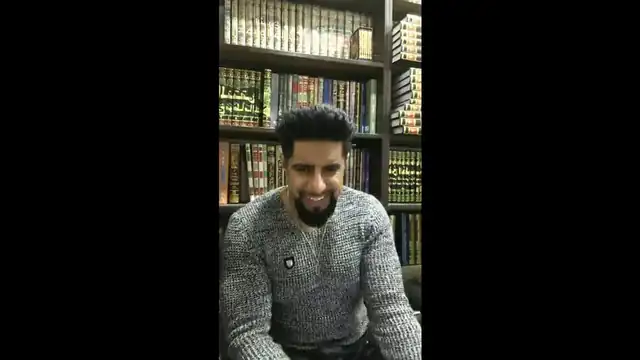 Press play to load from YouTube. Nothing loads until you do.
Transcript
machineauto-transcribed, may contain errors · source: youtube auto · click a time to seek · dotted terms open the glossaryall right so all right
personal trainers in the house Ahmed people let me H right
so I'm just trying to bring up these questions all right so all right people regarding the timing I I have a whole different time set
going on in my mind it never really correlates with reality so I don't know I don't know whether it's super optimism or it's just uh nevertheless I was I'm not even entirely sure if we're going to really be able to pull this off today uh in the way I wanted to because another issue was my daughter had drained the battery on the iPad so I'm not sure if it's going to really last I've tried to put it on charge and you can imagine the complexities in trying to then balance out an iPad God
damn anyway let's take a look at some of these right the backdrop to this is a lot of people have been asking um for like they've expressed an interest in wishing to become part of the school of Medina okay the the Maliki so in line with that a few people have kind of they've asked for a while they've said look uh now that you know I want to become Maliki I want to be part of the school of Medina what first of
all what does that even mean being part of this and one of the most Salient apparent um phenomenon that come to mind is the prayers so how would I pray why how how is it different so we had put together a prayer video Salah video which you can uh find on now on Facebook and YouTube so we enact in it uh we go over the Salah issues and enact a or of Salah uh we give some definitions touch up on some differences of opinion
and then also cover some subsequent related matters like um matters relating to the matters relating to some intricacies of Salah so so we discussed all of that in the video it's under an hour it's probably about 50 minutes I think if you haven't seen it and you take an interest in these things then definitely do take that time out and do see that it's definitely um going to be of some interest to you in line with that I
do also want to um prepare a kind of uh beginnner kit if you like for people who wish to Embark upon the uh this upon the school of Medina this journey to discovering the school of Medina um so what does that mean it's Monday it's not quite Monday but uh so what I so in line with that I would like to inshallah prepare certain resources make them available for people but I think um in in following up from this um Salah video I'll be I'll take
some questions I'll answer them today people have already submitted some questions and I'll answer them uh I get that it's late so a lot of people might not want to uh or in this part anyway uh log in but at least they have an opportunity to uh have some answers before doing that I'd also like to answer what is a mhab okay what is this uh when we say School of Medina or when we say these things what does that mean because there's a lot of talk recently about stuff like this now I have done certain videos on this in the
past now we have to understand a a mhab is a perspective it's a way of looking at what Islam is saying when we say Islam we mean Islam applied anything to do with Islam applied as in it's an uh a practical Islam that is okay so f is any aspect that is enacted or that is not simply a belief so you have theology which is to do with
what you believe what we believe uh we don't necessarily act on it so believing Allah is one doesn't is not an I mean whether technically I'm just just trying to keep it very simple is not an action um technically I mean I know people might get into this whole thing is thought and action or not but I'm not trying to delve that deep right now I'm just trying to it ain't that deep fam so right now I'm just trying to say well look it's you've got something at a mental level and you've got something which is then
practiced so the first pillar of Islam I suppose it has the verbalizing aspect to it which you but beyond that at a belief level it's abstract and then you have things which you practice now anything that governs that looks atum Salam and anything that looks at um how we practice anything in Islam is called f and the things that then pass the the the way we interpret and give rulings
this is a school of law or this is what we call a m or a okay now you have to understand in the time of the Prophet sallallah alaihi wasallam differences had already began anybody who tells you anybody who tells you right that uh the anybody who tells you that look it's one the one Islam there should always be one perspective is either unfortunately mentally or is just conning you right they are either deluded themselves I I I'll add a
third a middle layer they're either mentally handicapped unfortunately and so may Allah Mercy on them they don't understand the complexities of the world or two they uh are deluded right uh or three that they are simply conning you because that's not how the world works okay the world Islam is is full of diversity from the very get-go it's had diversity so in the time of the Prophet sallallah alhi wasallam a good example is in the time of the prophet sallah am uh when the prophet said to certain uh
to his companions okay I'll meet you all in B uh uh in B in this place and then he said listen nobody pray until we get there right now so they said that's fine now obviously it's it's like think of it like this like we all get in our cars and we all drive off yeah think of it like that obviously they didn't do that but they did a similar thing got on their horses horse back camel back whatever and just broke off into and just went their own way and just got there that's exactly what it was like so naturally you're going to get some
people who are going to take more time than others so there starts to be some a delay and people think oh my God we're going to miss the time of uh and this this Hadith is inkari by the way now so the so a group of people say well what should we do so now they start discussing amongst themselves and think about the prophet has gone way ahead he's he's gone they're on Route so it's like we're stuck at the Spaghetti Junction the
m6 Junction 6 one of the worst Junctions in the country not too far from the gym we go to so the thing is now imagine we're stuck there now so people they start having this discussion that what should we do so some of them say well what do you mean what should we do the prophet clearly instructed us look and this is an it's not only a command it's an emphasized command so those of you that know Arabic if I say that's just a normal command but the
moment I say oh and IM is in the house people all right shout out right so the thing is now if um you see if I say that's simply a command but when I say it can either be the of and it can either have be have a sh on it or not this is an emphas this is like saying God damn nobody I mean nobody it's like that that's the equivalent I'm trying to
make you understand the equivalent so the prophet said nobody better pray except in that place now the thing is they said look it's very clear the prophet has instructed us he has instructed us of okay now the thing is how can a god somebody just uh yeah somebody just obsessed with anyway I'm not going to get distracted so the thing is
look uh to the person asking uh if why am I why you know these people they still get so obsessed don't they with these uh uh left hand thing can you read that you well it's reversed isn't it well I wonder why anyway right so the thing is um the [Laughter]
the why are all your books backwards fear Allah right so that's got to be the best comment of the day that is right so the thing is now so imagine you've got a clear Hadith from the prophet Sall alaihi wasallam can you go against this Hadith we've got a clear Hadith the prophet has not only said it he said it with emphasis he didn't just say hey don't don't I don't think you should pray don't don't like with emphasis so the thing was well they said look this is very clear
we're going to pray we don't care if we miss because the Prophet said don't pray ass unless you're in that place another group of the companion said ah but what were his objectives they said his objectives weren't that we should miss his objectives were he said that trying to make us hurry up he
said what he meant was by saying this I'm he's using religious speak so we can hurry up and we don't take long now look at what they were doing the prophet had not only given an instruction he had emphasized the instruction that but yet they were going Beyond his words they were saying nah but but what do you think he really meant he didn't even mean anything to do with religion now let's look at the he
didn't even mean anything to do with religion he just simply used religious rhetoric so we hurry up now so a group of this group the latter group prayed and the former group said no the prophet emphasized we stop with the word we do not go into the mean we do not go into abstract action we do not go into then they get to the destination they tell the prophet sallallahu alaihi wasallam and the prophet does not correct nor invalidate another he
doesn't say you were right you were wrong he simply says that if one of you tries to do in the de you try to arrive at an answer and they say is it is exhausting Your Capacity to arrive at to arrive at the Commandment of Allah in this particular thing so the prophet said if one of you does then uh Muhammad Abdul in the house people any of the mash that come on have
to give him a shout Abdul was one of my Compadres when we used to study in Karachi Pakistan all right right so the thing is now um so this thing right now the prophet Sall alaihi wasallam he said look if you doad if you make a mistake you'll still get a reward and if you get it right you'll get double the reward here disagreed that is a somebody who does ever wrong or is he always right and that's a difference of opinion amongst the scholars but they all agreed
that a much will have have a uh a will be rewarded in his action what's more important than all of that right now is to show you people the perspective the perspective of thought that some people had an Outlook where they were saying that the words of the Prophet this religious speak was only a way to seek an alternative instruction that the prophet was was simply he was using religious uh rubric religious words but just trying to get us to do
something we shouldn't always stick with the meaning the literal the text but we should try to see the the objectives of what the prophet s wasallam was trying to get us to do so the thing is now this is what mhbs are like mhbs are schools which basically they are an Outlook at the Sharia some are more literal than others some are more kind of uh holistically concerned so when you look at certain
schools like the school of Medina the school of kufa so Imam Malik IM Abu hanifah they were generally more concerned with the holistic meaning of the Shar they were more concerned with things like um Everything Has there has to be consistency right through otherwise we've got a problem Houston we have a problem that's what it was like so the thing is you see if one thing was out of place then there's a problem so it's like when the Hadith
comes ah tell you ice people ice nothing quite like it so the thing is now you see so when the Hadith comes which is in sah Muslim that the woman asks about either doing the Hajj on behalf of her father or better still when she asks uh when the uh when the child asks not child but when somebody asks that can they fast on behalf of their father and the prophet sallallahu alaihi wasallam says yes the problem here is that the prophet doesn't say yes he
says uh if your father had a debt would you repay it and the person says yes and then the prophet says well then the debt of Allah is more deserving that you pay that so he didn't clearly answer yes he just he answered in this kind of parable if you like now the thing is here at the school of Medina and the school of kufa they they said said well this is a problem because we have no other parallel in the Shar where you can do something on behalf of somebody else so you can't pray on behalf of somebody
else so you shouldn't be able to fast on behalf of somebody you can't do wo on behalf of somebody else you can't do certain other things so some fasting has an alternative to it which is a kaf which is a debt so you can pay and so this must mean that you can pay on behalf of somebody now the consistency holistic consistency is not necessary the exception is a new rule in itself that's an Outlook some people are like this so I'm trying to show you the differences in the schools of law in the way they look at
things then you could say the hanafi and the Maliki although they are similar in wanting holistic consistency they further split the Maliki maab is very concerned with Mas with welfare and making sure that welfare is always Paramount uh it believes in um exercising freely its right to derogate and make exemptions from the rulings based on welfare the Hani maab does I mean it exercises it but not as freely as the
school of Madina so you start to see a difference um in Outlook so these schools of law are like personalities they're like people and sometimes your personality will correlate it will gel with the personality of a m and that people is awesome when that happens that this kind of in look at that look at the word inam right that's I'm talking about Jam when it jams with through in Jam that
this it really puts you at Harmony okay now I have to say that I personally uh the school of Medina was something that the more I learned the more I saw this inam this kind of Haron har this harmonizing kind of element with my own nature so I saw it kind of really wow that this is how like sometimes imagine I was learning a ruling and I've not yet arrived at the answer and I've just thought well you know what I would think this is how this ruling ought to be and now I'm reading up on it I realize that
the school of Medina is often in line with what I would have thought anyway I'm not saying that has to be necessary with everybody but I'm just giving an example there is this in Jam sometimes that's what I'm talking about so that's what MBs are these they were after the Prophet certain companions had outlooks they stayed in regions and they taught their students who then kind of uh taught their students who started to codify this in early Islam although there was traveling and there was a Cosmopolitan kind of culture but it wasn't as vast as it became later on later on this culture became incredibly
Cosmopolitan so in the early days it was still easy to recognize MBS by regions so the people of Medina had a particular way of looking at things the people of Iraq had a particular way of looking at things around Imam Sha's time things start to change a bit so the Sala I consider the Sala to be the sahab their students and their students the and the so Imam Shafi doesn't actually make that he meets some of them that that kind of ends with Imam Malik's generation but he's Junior to them but he meets them but he's not part of them so he doesn't meet any of the the
actual now the thing is in IM Sha's time so he's born 150 hij he's actually born the year Imam Abu hanifah passes away um now during that time as he's growing up the Abid kind of culture there's a lot more migration taking place so people start to move away from this um I mean some people do stay with this whole we're sticking you know with this is Medina this is kufa but there's a lot more Metropolitan thought taking place and Imam Shafi also in i' I've done a video on this before and you can it's a
discussion between me and Muti uh mtas of New York where I discuss some of the reasons why I think what led Imam shaf to his thought of dere regionalizing F where he felt uh F should not be reflect a region and we can just go straight to the like the ultimate Authority should no longer be the region it should be just this chain isnad and that's an a a kind of radical shift that takes place almost you can call it a cernic a moment really like how cernus kind of shifts this whole thing to do with um the astronomy
it's it's in that way it's such a shift within uh the thought of F and Juris Prudence within Islam anyway moving on people the thing is so that's what mhbs are mhbs within themselves have great diversity as well so the school of Medina had many sub schools in fact it's probably one of the most diverse mhbs that we have today because there was the original sub School of Medina where Imam Malik's immediate students remained and there was Iraq uh became a sub School you had people like a is who was a Don one of my favorite all-time favorite uh Scholars
really he he infused life into the school of Medina in Iraq and produced some Legends I mean he set up the school of Medina in Iraq for at least another 200 years after him um absolutely love him is uh now the thing is uh so so you have that school of Medina he has some very peculiar positions in Salah actually and and the Iraqi school does and and him as well and one of them and some people have been asking is about a and not covering covering the and stuff like this has nothing to do with Salah according to uh the Iraqi Maliki
especially and that it's it's a separate independent obligation that Muslims have which is nothing to do with their Salah so if a person even prayed naked technically his prayer would still be valid although he may be committing a sin if uh there were people present and stuff like this so he had a very different way of looking at things um so so you had this kind of subschool this IRA School you had the Egyptian sub School you had the M the marar and the andeles and the span Spanish kind of Muslims and these were all Maliki sub schools that had a very different way of looking at things so
you start seeing a lot of the andeles were very kind of had this hadii hadii approach a lot of the Iraqis had this usii approach because they lived with a lot of uh hanafis and things like this and and you start to see this whole but there this huge respect with each other they don't diss each other's opinions now so I'm trying to show you this diversity there's an interesting question here what is it that makes you have allegiance to one M people have asked must I follow One MA okay now
[Laughter] ah the thing is you see must I follow one maab this is an interesting question first of all as far you see we're going to have to zoom out and then zoom in okay when we zoom out from a Quran Sunnah perspective obviously Allah hasn't told us that we have to follow one M it's ridiculous to claim that Allah has told us to do that
right because that would just be dumb okay Allah has not told us that you have to follow one M neither did the prophet tell us and anybody who claims that is one of those three categories I told you before right so the thing is no it's not an obligation from the Shar perspective if somebody didn't follow maab they're not sinful okay that doesn't you know that's not that would i' just be lying if I said that okay so and anybody who says that is is like I said before is one of those three that it's it's not true right okay but should you follow a maab is a different
question right following a maab is the only way to have a consistent holistic understanding or a learning of the dean like you couldn't really learn Islam without going through a particular M it's the example I like to give is that of uh imagine an alien came to planet Earth and was told you have to learn law so the first question that comes to your mind is who's law British I mean there isn't even a thing called British law it's English and Welsh and Scottish law right so the
thing is well do do you learn English and Welsh law uh do you learn uh French law do I learn American law within America what state am I going by uh because they have variation in law and do I learn Chinese law so if an alien came to Earth and was told you German law Germanic law if somebody was sent to Earth and said you have to learn law with a capital l how do you do that so the only way you can do that is you take one of the legal systems as your base you learn what law is through that one legal system and then as you become
qu uh you have more indepth knowledge of it you start to contrast that with other legal systems so imagine you said okay I'm going to base this on the English legal system that's my base law that I'm going to learn now I will contrast that with other laws as I'm kind of developing my knowledge that's the same thing with Islam you couldn't say oh just learn all of it it doesn't make any sense because they all disag agree so you have to have a base and then you can contrast so anybody who's taking Islamic applied
Islam seriously needs to learn a maab in order to have a consistent and sound understanding otherwise they wouldn't know what they're practicing so that's as far so it's so anybody who says to you I've never studied a maab then the truth is and I don't affiliate myself to a then the truth is that they either don't really have an in-depth knowledge of so if you ask them in-depth issues in Salah uh they wouldn't really know the answer or they do just follow a book written by somebody so they're not following a
tradition of let's say a thousand years of this particular school but they just following let's say I just follow whatever binas said Orin said was pretty much in line with the H but okay I just follow what albani said and and that's it so they're still following but they have a book but they just have a book written 20 years ago as opposed to a book written 1,000 years ago so it's still it's still do you understand but this is nothing to do with sin I don't believe these people are sinful that would be silly and that would be just you
know attributing lies to Allah you know Allah says do not say this Isam and lie and attribute lies to Allah Allah has not said that's Haram so I don't have the right to say that's Haram but it would just mean these people either don't have an in-depth knowledge of stuff or they too are just following somebody without accepting the the name so that's that's how how it is okay the other thing is that most now I I want to re do I should I follow a maab your common Muslim common Muslim
out there who is not regular Muslim who is not really if we want to use the word practicing he doesn't usually pray he doesn't usually he might do an jum praise e fast his Ramadan or she fasted Ramadan that kind of has respect for Islam that Muslim is of two types okay one type is the one that never really will gain an in-depth they they're not too interested in the details of Islam right they they're interested in just the ritual aspect of Islam so for
example the rights of Passage like if I was to get married I would want aab to come and read the nikah if I had a child I'd want somebody to come and bless the child if I uh whatever that means but uh if I was going through a talak I'd want to know okay how do I do this um if somebody died I'd want somebody to come and read the janaza uh that kind of stuff uh in my life when I go grow older I don't mind doing Hajj uh I fast Ramadan you know and I pray mywi sometimes that kind of Muslim uh who at a mental level I mean that's the majority of Muslims but I mean at a but
the one at a mental level who doesn't who finds himself and I'm not saying this to diss them I'm just saying this as a descriptive data who finds themselves disinterested in the kind of intellectual offerings of the religion like they don't find they're not interested in religion at an intellectual level they see religion just for ceremonies and rituals for these people mhbs are irrelevant they don't they carry no bearing these people do not need to follow maab they do not need to claim allegiance to a maab they do not need to do anything like they it's okay for them that whenever they
need a ceremony they will just reach out to whoever is available so you know whoever that's it I'm just going to reach out to that person whoever is Within Reach and I will say you know if you can come here and help read this nikah for me or if you can uh you know that kind of person who occasionally seeks like I said before Redemption because they're guilty of sins whatever the these people do not need a m they don't even really need to be told that you happen to pray according to the Hani maab or because they will pray According to some M
because you have to pray According to some but they don't even really need to be know that because it makes no difference to them in fact many of these Muslims will feel uncomfortable if you tell them you belong to something called a maab cuz they think you will be recruiting them into some kind of a sect so they will feel very uncomfortable with that thought so for these people there's no they do not need a MB and you do not need to impose the maab on them okay you can make life as easy for as possible for them or if they want to be as difficult they can go whichever way they want right now the other thing then
there's a group amongst like that's a a band or within this spectrum of regular Muslims then there's another band within the spectrum of Muslims who who don't really pray who don't really do things I mean they do oneoff kind of prayer but they have an interest in what the religion has to offer uh at an intellectual level like they are fascinated they want like they they find it this kind of Engagement that they want to know they may not pray five times a day they may they may be trying they may like to want to pray five times
a but they are also interested um at right there you go people blocked him right so the thing is now so the these people who have an interest in the dean for them a mhab is can be important I mean it can play an important role it gives them that Alle it gives they can have an
allegiance to a MB they can uh start to learn more about a personality of a MB they can start to feel that inam with a maab feel that kind of harmonization that they're harmonizing with this maab they can do that okay so for these people to claim that for them to say I am Maliki I belong to the school of Medina I am Hani that's all cool and to tell them that that's fine that these this category of people what then makes them part of that mhab one is okay that their choice maybe it's their choice
maybe it's the fact they naturally grew up in that family but most importantly what makes any of us part of any maab is our own self pledged allegiance to a particular school that's all it is so when we say um like if somebody said look I belong to a foot I I support particular football group I I don't watch any sport so I'm not going to really give any examples I don't know who's who in the football world but the thing is if if somebody said I support this team let's
say in Birmingham there's a team called Aston Villa now if somebody said I support Aston Villa what does that mean does that mean that they must have watched every sport must go to all of their things does it mean they must play like the way they play does it mean they become clones of these people or does it just mean that they have this passion and allegiance that they have pledged so that's what um that's in essence what it really is it doesn't mean you become a clone it means you have this Allegiance with so when
somebody says look I'm with the school of Medina or I'm a hanafi or I'm a this that's their pledged allegiance it if they decide to disagree on a few hand you know on a number of issues a handful of issues it's no big deal this is still as somebody asked me you know oh I'm hanfi but I want to do this in this way or I'm Maliki I want to do this in this way can I do this I said hell yeah you can the dean of Allah is incredibly vast and more vast than that is Allah's mercy so let's not try to
um constrain you know it's like somebody it's like that bedwin said to the prophet sallu alaihi wasallam you know may Allah have mercy on you to the prophet and on me and and nobody else and the prophet said you know you there's something so incredibly V and you've tried to constrict it just and yes previously uh right okay I'm I'm sorry the sport team analogy probably didn't get I don't know if it gave uh okay what about nationalism nationalism maybe identity because you pledge an allegiance to a particular maybe E I don't know I mean you can come
up with your own examples but the point is when you pledge an allegiance to something so imagine I it could be like let's say there's a celebrity that you like let's say there's an actor a famous actor that you like it doesn't mean you become a clone of that actor it doesn't mean or if there's a celebrity or it could be any celebrity a sports or a a a film industry or or I don't know whoever it doesn't mean now if that person likes a seven up you have to drink Seven up what I'm trying to say is Allegiance does not equate to symmetry okay
it more equates to Passion so where you place your passion it's not about you become a clone people today think oh when you're in the hanafi maab I've locked him in I've got him got him it's like you know you've got in now there's no getting out just relax people yeah you know like I'll give you an example there there'll be something like and a f book like let's say I don't know a fi book may contain something like 40,000 m in the like an expansive one
let's say 40 to 50,000 M even if you cover 10,000 M within so you disagreed on five so you disagreed on 10 so you disagreed on 20 that's negligible I mean you concurred on over you know 9,000 990 I mean what you know that's so my point is that it's it's not symmetry people think that subordination submission is symmetry that you become a clone and you just reflect entirely no you you bring something you know you can
choose on little issues anyway so I hope I wanted to get that out the way um to clarify that yes you can um [Music] yes you can uh um you know take different M from different people and know selecting ease and I'll do something on this much lat uh later on inshallah in in much better quality but this is a dean of ease and choosing ease is not following desires okay following desires is debunking religion altogether if you were to follow your desires you
know people say oh uh can I combine the prayers oh my God he's following desires uh I don't think you fully understand what desires are because you must have some boring bloody desires if your desires are telling you to pray I mean you have not seen the Wild Side my friend if your desires are telling you that I know I'll combine the prayers like oh my God that's my desires I me you've got nothing to worry about my friend in life if that's what your desires tell
you what Imam Malik's teacher said now that was desires when Imam Malik's teacher was asked he said if you saw me in action he said you would think you would think this person doesn't even believe in Allah you my friend for wanting to combine prayers and thinking that is desires or wanting to I don't know can I uh some people say I want to wipe over socks or I want to do this this isn't desires this what kind of
pathetic nerd like desires are they I mean it's that's a shame that's like you haven't even I I can't even go so you know people who drop all this kind of guilt trip they try to Guilt Trip people oh my God you f desires oh my God oh my God all they're doing all they're doing people is exercising control and the irony is they are actually exercising their desires to exert control on you so be weary when people start doing all of that kind of stuff because the irony is when they tell you to not do things like
that that is following desires they in essence are actually following their own subcon conscious desire to exert control on and Authority on people that's all they're doing at a subconscious level anyway now let's get on to some of this question and and I'll conclude that section with a Hadith of the Prophet sallallah alaihi wasallam which is in mus of ahed that he said and he said it three
times he said the best of your Dean is that which is of ease the best of your Dean is that which is of ease the best of your Dean is that which is of ease and he said in another that this Dean this whole Dean is ease right um so and and I'm not picking on any particular M when I'm saying these are the words of the Prophet Sall alaihi wasallam okay I give you the words of Allah that Allah says in the Quran that Allah does not want difficulty with you while you
and Allah Allah wants ease for you this is what Allah has said in the Quran this is what the messenger of Allah s alhi wasallam has said so then people say oh he says the dean is of these I don't say Allah said it the prophet said it they say oh but if it's of ease then I don't want to you know the the problem is people they take the argument and absurd them like oh they I don't want to pray they I don't want to pray they I don't want to pray look really okay don't pray I you're not doing any favor on me by praying but secondly the thing is really out of all
of your day what what is that not EAS you know two of is that is that really that four mandatory prayers of is that really so comp I mean what is it because this is obviously naturally eases aess within reason I get that but that is ease I mean I I would think I'm a very easygoing guy and I would assess that as ease you know that's not asking for 5 minutes out of 5 hours is not really much
so ease so people say oh my God oh my God you see this this whole Legacy is is our Dean so when you find something based on Mas when you know when I gave these uh sometimes I've given fwa people have asked me about certain things combining prayers and I've given certain rulings and people flip I've only given rulings what Scholars within Islam have already said from the Golden Era from the Sala okay right okay can Salah be done sitting without any reason except feeling lazy no it
cannot okay because one of the obligatory actions uh within Salah you have certain obligatory actions and they are the actions are like standing is one R okay uh obviously standing out of R getting out of sujud and the final sitting okay and so so that's the Mandatory Actions and then you have uh the verbal uh verbalize certain kind of verbal actions if you like and that is the T the recitation and the Salam okay so these are the mandatory uh action by recitation I mean the recitation of
fa right so Omar giving a proper shout out there shukran shukran got to say you know these these surnames Al see this is like one of the classical you know like the classical of these kind of solid surnames looking for okay what I didn't you didn't know what Dragon Ball super was I I don't know what Dragon Ball super is I'm sorry it is a cartoon okay containing shik okay gets better so um is it it's
an anime could you tell me if it's allowed to watch or not you can watch it okay there's no big deal I mean by watching a cartoon you're not going to become a mushrik it's all right people chill out let's not superimpose Islam on cartoons as well now for God's sake it's going to really right this thing of can cotton wool socks be wiped in woodoo now the majority of the people did there is a split the majority did not feel that you could wipe over kind of uh just cotton or regular socks they restricted the ruling to leather socks okay
especially the school of Medina was quite strict in that other schools were less strict the hanafi school was uh less strict because Abu yusf and Muhammad said it doesn't have to be leather it could be anything as long as it's thick enough to kind of walk in um and the irony is today a lot of people made a big deal in fact there's a I would uh recommend that there's a very lengthy explanation given to this by uh Salman yunas and it's on his Facebook page so you can check it out he gave very lengthy kind of index depth analysis uh because highlighting
obviously this issue and within the Hani maab especially that yes Imam Muhammad and are IM Muhammad and abuu so in thei when they say they talking about uh Abu and abuu and when they say they're talking about Abu and IM Muhammad and if they say they're talking about IM Abu hanifah and IM Muhammad that's the kind of nomenclature people the terminology the tag names right so they tag them so the thing is now uh the H maab has been Mo most lenient out of all the mabs on
this matter um and they have also allowed other things like wiping over the for women and they've allowed things like that and um andam was obviously very lenient on that as well he says that he doesn't believe that there was any clear restriction so the debate on this is uh you see what it is is that the prophet sallallahu alaihi wasallam never said explicitly and in a very clearcut authentic that you cannot wipe on any socks other than Le he never said it like that what happened is uh that the
prophet had said that sorry the prophet led by by example now he wiped over leather now and then in some rat over uh you know they say Joan uh but then they say but these Jan had you know there's some in the but the most authentic RI narrations are over leather socks so what the sahaba sorry what the general Scholars did is they said since this is a r this is a dispensation we're going to restrict it to its description so so
it came in so the real ruling is to wash your feet and the prophet wiped over leather socks we never authentically could verify he wiped over any other sock so we're going to restrict it to leather socks that's the kind of the the the the mechanics that that was at play other people said well actually did he do that because leather socks happened to be the general thing that was available or that made sense in his time uh or did he do that for a
religious reason now some people said well he never highlighted that this was for a religious reason therefore it should apply to any socks and this is the discussion that IIM goes into so he says even if socks were made out of anything even glass or even he says if you made them out of anything that their socks and the prophet wiped over them so what's the difference that he his socks were made out of this your socks are made out of this and that is the thinking that some of these Scholars have taken um you see my point is that although the school of Madina generally has been probably the most strictest on
this issue out of the MBS that look as amazing sh in our time like people like IM our legendary uh State Side Maliki Muti right who has given fatwa as well in line with other people as well saying that look if that if it was to create um convenience for you like if you were struggling at work and obviously that feeling of having to wash your feet in the sink is very inconveniencing for for many people and and it's inconveniencing on a different level for some people so
if that's the case he said look you can just wipe over regular socks um obviously people like Imam web are esteemed qualified mutis and these kind of fatwas I would endorse that as that fatwa creating ease for people saying that look if people want to do this then you know fine look that is the these Scholars have said this this isn't this is how they interpreted the Quran and the Sunnah it's not something which you know people will say oh this is following desires that is not desires my friend desires is getting high on cocaine and drinking
alcohol that is desires is forgetting the world is immersing yourself in deep sensual kind of gratification that is desires this is not desires my friend right okay this is a ruling um personally I do feel that uh somebody asked a question about tum I do feel that tum is an alternative where people struggle to to do wo uh and my understanding I do exercise perhaps more freedom as have many of the Malik as well exercise more freedom on being able
to do tum than other schools and other people do okay so I would feel if a person struggled and it was going to create difficulty or if a person you know like sometimes if you go to people who go to the gym a lot or they work out sometimes they could easily they're prone to things like athletes foot they could get athletes for easily uh or they might have it and they're recovering from it things like this are valid reasons to do tum in my understanding okay now I know in Morocco in many of the mid right and this is a practice even today in many of the masjids in
Morocco that older people uh because they they struggle to slightly to be able to reach their feet and to raise them and wash I don't mean like old as in scile old and crippled like old like that I mean just old elderly that's all senior people and in many of the masjids they just have stones and these old people just go in and do T and this is a known practice in several of the masjids in Morocco in fact I love the fact that in Morocco almost all masjids seriously I totally love this point even musas you could walk into a Masid in the airport
they all have a stone there to do I I totally love that fact I would actually feel that look it is easier to uh it is permissible if a person was struggling to do wo that they can do but I mean I also respect uh other people's views in saying well you know they're not going to resort to things like T what they would say is uh I mean sorry I would respect other people's views uh who say in this M you can wipe over socks okay I mean that's you see that is also a fatwa
in within our heritage within our Legacy so let's not freak out people all right okay let's take uh uh my question if some food item is stuck between the teeth before Salah but becomes free during Salah does it impact uh and does size matter right so the thing is the point is I've answered this actually in uh a video to do with in one of my fast and fous videos on uh on on S
that food that gets trapped between the teeth and they said in the past like anything like a pea-sized kind of food that got stuck something like this if you swallow that that does not impact the Salah and neither does it even break your fast okay according to the school of Medina see how much they base things on welfare now that's actually Breaking All the Rules just because this is a highly probable event obviously having a whole Burger stuck in your mouth I just got some food stuck in my mouth uh right is not going to really uh
count it is going to break your Salah if you've got like a if I've got a milkshake here that's not going to really uh count right now how do to get rid of was was how to get rid of was was just don't use the verb was say had been I think what he meant to say was waswasa okay the thing is look uh
if you feel the urge to repeat wo before every prayer I would actually tell you that look make sure do anything to avoid do anything to avoid waswasa OCD people avoid it like the plague I'm being honest that these these thoughts are the negative ref they kind of they're like almost a negative symmetry of addictions so addictions make you act out and OCD makes you act out but uh OCD is to do with rituals and obviously addictions more to do with chemical imbalances in
the brain but the they have a very similar nature I remember going to one psychology Workshop dur when I was doing my psychology degree dedicated the whole day event was dedicated on research um showing comparisons between addictions and obsessive obsessive compulsive uh disorder so this whole thing of having OCD so what I would say right so what I would say is that avoid OCD like anything and I know it's difficult to avoid at times but if you feel the urge to do woo do not do
woo right if you think uh did I break my woo you have not broken your woo the is commanding you to carry on if you're in Salah and you think uh uh uh did did I break did I look it one is you clearly bro obviously you go to the toilet to relieve yourself you clearly broken your woodo one is you're thinking oh did I oh I felt some movement oh I felt a little uh I'm not sure did my bowels make a sound or did you know you're not certain ignore these things people and avoid them avoid them like the plague do not act out on them okay because they only
get bigger and bigger and they consume you and the amount of people that get in touch with me seriously I felt sorry I feel sorry for some people I spoke to an individual who who for the wrong reasons takes an hour an hour an an hour and a half having to do right having to take a shower having to take uh and I don't mean he's chilling out in the shower that's obviously if you chill out in the shower that's different but he's doing this it will take him an hour to do things like that or to do wo would take him literally like 45
minutes and he would take like a whole night time to pray because you would have to stop praying in between and right so the thing is uh so the whole point is what would you it's not that it's not that he's praying so much it's just he's having to repeat his prayers so avoid these things like the plague people do not give into Wasa I would actually say you are commanded by the Shar to ignore that do not think oh what if my Salah wasn't accepted it's accepted you carry on okay
and I would prohibit and forbid these people from acting out on their OCD cuz it goes crazy seriously right another good question by im here about Del is Del now you see this is one of the many catastrophes that occurred within the school of Medina seriously one of the many catastrophes that was in my understanding completely misconstrued and you know sometimes when something begins and now it's just too late it's like now we've done too much
now so H let's just go with it now let's just roll with it people it's like well it's it's like one of those scenarios that's exactly what happened what does Del mean Del means a wiping or people translate as a rubbing God damn the amount of damage this masah has done to people and this follows on from the OCD Masa because this has led into to immense OCD development of OCD uh it's it's it's led to OCD on steroids with people people
what does D mean d actually means like okay so like this I'm wiping over right so this people is a wiping over right what is OC it's not OCB OCD is obsessive compulsive kind of thoughts disorders where you get like a mental disorder that uh you you constantly you know you get people that are obsessed about these kind of it's usually to do with rituals or hygiene like did I wash my hands did I wash my hands did I wash my hands or people who do W do and say oh I think I left a spot no I think I still left a spot and then they go they're about to
pray and they go I think I left a spot they go and then they're praying and then they second recer and they go I left the spot you know it's a it's it's literally is a curse for for these people so they have to they have to fight it you have to you have to do the opposite okay whatever your
uh okay so you have to do the opposite of whatever your OCD is asking you if it tells you oh I think I broke my woodoo did I break my woodoo did I no you didn't ignore it but I think I felt a movement I don't care if you felt a goddamn movement ignore it right you must ignore you must you are commanded to ignore okay seriously I I it's it's cancer that's what it is and then you get people who get this OCD with things like T oh I think I divorced my
wife it's sounds funny but it's it's a nightmare I'm serious for these people they go but I thought about it I'm not sure if I said it I said people stop it stop it right because the thing is look she's married to you she's your wife don't worry about it your Nik said stop thinking has it broken has it broken has it broken for God's sake the only thing broken is your mentality you need to fix it okay stop stressing yourself out I know some people Unfortunately they converted to Islam and they were normal before they
converted to Islam and now they are victims of hyper OCD in with their W and and seriously M saying my love I'm not sure if we are together and then then he says no we are we are definitely I think no no don't worry about it no perhaps uh no no then [Laughter] again you see now that's the kind of person you would love to make payments to you if that was the kind of person
paying you and they think you know what did I really make that payment let me make it again they go you know what did I really make that payment though I don't think I did you know and make it again then they go to sleep they wake up in the middle of the night did I really make that payment I would love that person people if you're like that get in touch with [Laughter] me right so the thing
is right so some of these questions let me get through some of these questions so is this wiping over right so you wipe over now you have to understand Imam Malik said about now people this thing turned into a mini catastrophe and IM Malik did not mean that right Imam Malik was asked a question right about a guy or a girl sitting Riverside I'm not saying together like that but I mean either a person a person
let me desexualize it right so a person uh is sitting at a river bed this is the question that he's asked and they've got their feet paddling in the water so they they kind of their feet are in the water and they're just sitting there so imagine now this person decides to do wo so this person does woodoo but they don't wash their feet their feet are in in the river and they just paddle them they just go like this and they get up and they go off so they asked IM Malik is that
okay now you see Imam Malik here was trying to highlight the importance of a ritual and he said look no paddling your feet is not the same as doing wo that look let them wipe over let them do woodoo as you wash your feet just get some of the water and wash it over this gave birth to D and B boy it had an avalanche effect Imam Malik was not trying to create This Disaster that that it turned
into he was simply saying highlighting the ritual which I which makes sense to me I'm sure it makes sense to many of you look you know it's like it's like if I was like let's say I don't know like let's say this is a shower I've got the shower on now and I'm not in the shower but I'm just leaning and the shower happens to be washing my arm like this it's just falling on my arm and then I say hey let's go I say hey did I do woo on my arm now I would say no because you were just chilling like this so you were just sitting at a Riverside just paddling your feet that's not W so do
Allah says you know you know so the thing is look Allah is saying do these things and your feet wash your feet so just wash them so you see now I end so what im Malik had said was that is the so people said okay there's a difference between the verb in Arabic to kind of just dip in or to paddle to kind of dip immerse your feet or your body part into water and between and to wash so what's the
difference so if I ask you for example imagine this was a cloth or imagine I've got to wash this blanket now so somebody says can you wash this for me so I say yeah look here here's some water and I put it in the water and I take it out I go there you go now the person's going to say uh bro I asked you if you could wash that please you see so what im Malik was saying is that people make a distinction between just an immersion and between a washing so when you're going to wash your feet wash it like when you're going to wash this they mean like wash it with
your hands don't just say Mercy now this with your hands right turned that's what Del means but what im Malik meant was in a natural way so what people started to do was they start to understand ah d a rubbing a rubbing you mean right so so some people try to to rub I mean for God's sake don't rub your hand like don't rub your body parts like that like you're bloody burning them it's not a Chinese burn kind of thing going on here so the the point is look this then led to obsessive thoughts oh no I think I
missed a bit I think I missed a bit I think I missed a bit then like oh I need to rub for for surely I need to rub now for and and the Malik here disagreed amongst themselves on these matters right so some of them just said so some of them started to count d as a separate thing and they did this to contrast against some of the other mhbs who said oh you can just immerse your feet or immerse your body and that's enough and that was the Hani mhab said it's enough you know like if I like the Hani M said oh if you fell into a world and got out that's it W's done so the malikia said no the ritual
element must be there so this is what was this Masa of D was all about so I would say to people look yes I totally agree and I'm with Imam Malik and I totally endorse that understanding that there is a distinction between immersion and washing I I recognize that distinction some people may disagree with me that's fine I would say but keep it natural you know when you was like when I say do you wash your face when you wake up you wash your face do you wash your face by going like this like just no most people will wipe their face
it's natural do you rub the hell out of your face no you don't I mean okay most people don't I think right I don't but the point is so just keep it natural don't get obsessive don't get and and some of the seriously this has become a mini catastrophe so I would say look avoid any obsessive stuff when you're taking a shower the same thing D this is just a natural wiping it's not a it's not this obsessive kind of thing okay so just to answer that
is yes but in this context meaning to distinguish it from Just immersion just being immersed plunging into water now washing so D is W so as much as to make the verb washing a real verb okay you know I swear some people might as well use sandpaper and the way they uh is it okay to take a shower for janaba yes you can take a shower for janaba just shower up and you know the way the fuk have said in the past look
oh watch over this make sure you get between all the you know all these parts and you don't miss a part and look this is yes it is true but keep it all natural you have to remember the people who embraced Islam in the prophet's time the prophet told them hey go do wash take this he said to them you know take this bucket of water you know he said to them take you
know and and they would go and they would just they wouldn't get obsessive about like oh and let me do this and oh but I think I missed a bit and I think I did this and look just wash naturally how do you think the sahaba used to do it they they weren't like spending an hour under showers I mean they didn't even have that kind of water available they just didn't a natural do you know let me tell you something do you know what the prophet Sall alhi wasallam used to do out of right out of which is a measurement a scale this people you know if you put both hands together this people is approximately
what the scale a mud was called okay a mud mud that's one mud right they say that the prophet Sall alaihi wasallam would do wo with a mud amount of water now how's that how about that how about that so the thing is look seriously that's what the pro we would like think about it that's what we throw on our face that mud and four or maximum five of these is what makes one right five of these maybe tops what
is that going to be what a liter most 1.5 L what is it going to be really that that's it four some people said five that's what the prophet would use for you do his whole with that now tell me how the you going to get this obsessive kind of thing because it wasn't obsessive it was just it was just natural look just just throw water over yourself you're under the shower just wash the main thing is you've washed alhamdulillah praise Allah all is done right so you don't need to be and I
would actually advise people to avoid being obsessive can you delay M uh Salah if food is uh is served uh yes you can and and the Hadith the prophet Sall Al wasallam said that begin with food the Hadith said and according to that people like actually said it was Haram although I wouldn't go to that extent because he said the prophet commanded it but what I would say is that look um stream not sure what stream means what do you mean by
stream can I leave the stream right so so the thing is uh so so you can do that has a time as IM Malik said I know the Malik have a difference of opinion but I go with what im Malik says in the his own book where he says and he says and the of is as long as hasn't come in it is still time for okay so that's fine so you can delay M uh prayer to eat food that's that's fine or you can pray and do that and either ways and right sorry there was a
question here is the saliva of unbelievers impure good question um right okay according to the school of Medina life necessitates Purity remember that principle people life necessitates Purity that all living things are always by default pure that's a principle to remember another principle All Things by default are always permissible right so the default categorical ruling for everything is
permitted unless strong compelling evidence can prove otherwise and all living things are pure now based on this in the school of Madina every animal is pure whilst it is alive it is only the the carcass the dead animal the cad of a dead animal which is deemed impure but all living animals are pure including pigs now this is going to be surprising to some people but a living pig is not impure according to the school of Medina according to IM Malik Accord it is not impure a dog is not impure I know according to the other
schools so according to the Shafi school and the Hani School pigs are impure and dogs are impure as well according to IM sh and I believe Abu YF uh and some of the hania right so but the point is uh according to the school of Medina all living things are pure so if it if I'm just saying I'm not saying you're going to be around pigs but if you were just to give an example and pig sver was on your hand it's not actually impure it may be unhygienic but it's not impure that is the school of Medina human beings are pure Muslim non-muslim they are pure their
sver is pure their tears are pure the the their sweat is pure I'm not talking about urine or defecation or things like this I'm talking I'm not talking about waste like that but I'm talking what the body natural bodily fluids that are produced and excreted so tears sver sweat things like this of animals of anything that is alive is always pure all right okay okay so uh I'm trying to restrict this to issues to do with Salah and purification right
and right now there is W can be done as one I mean it is one ra according to the majority of the MS wi is one ra but the debate is should it be preceded by two generally Imam Malik did emphasize strongly about reading to na before reading the Witter and that is generally the shaf school although if you do just pray one Witter on its own it's still one Witter it is fine okay it is still it's not a sin or anything like this okay so it is accepted and that is what people like great sah like mu used to do
one wi when he was asked by just one Witter on its own when he was asked by abas people tried to complain about him to AB he said indeed he is some who has immense knowledge of the dean so the thing is uh you can Witter is generally prayed one on its own although the scholars do encourage obviously they did encourage a lot that you pray tuna before it in the hanafi school uh yep okay your question on wit and the thing is the Hani school it's done as three now the the prophet they say that he prayed one three five and went on which obviously nobody's
going to do today so uh the point is theia do three religiously and to them W is like okay it's and from the malikia who's a student from the student of the malikia he kind of seems to go that way a bit with them and almost S as well a bit you know seems to be a bit hanifi on this uh but the thing is so they feel it's almost a sin to miss with according to the other Ms according to the school of Medina in generally it's not sin to miss with although you should pray with if you're feeling lazy at least pray one uh
and that's fine okay now does it have a so when you are praying one when you get up from r or before going into R Kun is a prayer where you kind of are uh it's a prayer of sincerity to Allah uh that's what it actually means to kind of like Allah says that stand for Allah with kind of devotion commitment and is that commitment that devotion so there's a du a Dua of and there's a few Allah you can read that one that's a popular one IM Malik did like that one there's the other
one these are all kind of the Mal and the generally do not recognize these in it's only the hanis that do the Sha recognizes in Witter in Ramadan only and the Maliki some said maybe okay in Ramadan but most of them didn't recognize this in wit at all they recognized this in the morning prayer in believe it or not and they say that you can do this either before R going into r as the do or coming out of and
says that is all absolutely f whichever one you choose to do okay now is it necessary to do this in it's not necessary uh it's a lot of Malik do do it uh some people like the person who transmits from the M was adamant that no you don't do it and in fact his Masid in CA in Cordova in Muslim Spain traditionally was a m that remained on the practice of not doing this uh it's up to people I mean all of that is permissible personally I don't um do that I mean I don't do I mean I don't mind doing it but I don't generally do it
in that are very strict about doing this in in their prayer and they kind of can make a big deal if you if you if you miss it out uh that I've seen in certain in practice in certain masjids and things like that right now okay so I hope that answers uh right could you explain I've explained the wit what what is the max amount of impurity allowed on clothing when praying okay now this is interesting because the Malik sh the thing is the Malik uh right
have a a huge difference of opinion when it comes to impurity within Salah they have one opinion one understanding which is transmitted by the student of IM Malik asab that is is that removing impurities is only a Sunnah it is not an obligation for Salah now that might shock many of you uh so don't freak out but that is and the Del they use is like the Hadith of jiel that jiel came and told the prophet that oh you had this impurity uh on your shoe whilst you're praying and in his Salah the prophet removes his
shoes and the other people behind him uh she Ram Ram is awesome so you know may Allah preserve him the thing is now um so the sahaba remove their shoes as well but the point is that uh that none of them were asked to repeat their prayer So based on this ashab transmits in the school of Medina that removing the impurities is just a Sunnah I mean it's it's a Sunnah you ought to do but it's just a Sunnah uh so if you had impurities on your
clothes it wouldn't actually invalidate your prayer although you ought to remove it that's one understanding um as to the verse by the way there's a verse in the Quran that was right uh now this verse in the Quran where Allah says to the prophet that stand and preach to people and warn them and purify your clothes they responded by saying that this Surah was Maki this Surah was one of the earliest suras that was revealed to the
prophet sallallah alaihi wasallam um yeah so this was one of the earli suras as you see so the Allah saying about the prophet being wrapped up in the cloak that stand and warn the people and purify your clothes they said that well this couldn't have been a ruling to purify clothing because Salah wasn't even mandatory if Salah wasn't even mandatory in mecah at that stage how could have purifying your clothes been mandatory because woo wasn't even mandatory so they said a lot of the say it
means it either means purify your heart or it means purify your outlook as in become pure that pure presence so this is how they answered that the other view is the view of uh transmitted byn wahab the other student of Imam Malik who says that it is always an obligation if you carry any impurities your Salah will be clearly categorically invalid it doesn't no excuses right no retreat no surrender it's you're out that's it right that's his understanding
uh that's transmitted by and I suppose um they look at Broad understandings of just Purity that you know where Allah is saying about just general understanding there's no clear um verses but just general versing like you know you know take your kind of adornment with every Masid Masid here means time for Salah now okay and then you have the third understanding transmitted by IIM which is the one which I would uh endorse and it is the popular view that is taught in most of the books like you're going to get in
and other books within the school of Madina uh that it is that you should remove impurities as long as you have a capacity to do so which includes time and accessories so for example uh so you have the capacity the means to do so so if I've got impurity here but how the hell do I wash it I've got nothing to wash it with and the time is running out then that's okay or if i' you know for example I don't have any water here or I don't have that kind of water to wash this right now or I don't have whatever
the situation if I don't have the means or adequate means then it's you can forgo it so you should do it as long as you have the means and as long as you are aware so if I was unaware and then I find out later on Hey listen oh my God you know what am I doing with all this impurity then in that case if I was unaware then it's fine so as long as you are aware and you have the means and capacity to do so then you should remove the impurity what about tiny impurities tiny impurities right so where do we get
tiny impurities from right so the thing is like let's say I'll give you an example and a lot of people ask this like if you're going to the toilet right so if you're standing up to take to relieve yourself to take a leak right which by the way according to the school of Medina is not an issue okay there is not an issue to stand up and take a leak okay in fact in the Hadith there is a Hadith that the prophet sallallah alaihi wasallam stood and relieved himself right so it is actually fine I know the hanfi school consider it
discouraged and they can look down on it and see this as a but the M IM Malik when he's asked in the he says he says there's no problem with it he they ask him can can a person you know can he can of urinate while standing up and he said what's he said as long as he's obviously not going to be completely splashing back on himself he said what's the issue so this is not a um so but let's say you you do stand up and urinate and there's some um what can we say shrapnel it backfires slightly I mean there's there's going to be some kind of uh
um you you may get some tiny levels of uh uh of I don't know if the drops they're not going to necessarily be drops but you you you you'll get some kind of tiny splashes maybe coming back on you on yourself this uh right this what you see is um this is negligible so is who I quoted earlier on the dawn of the Iraqi school I you know I find him he was an amazing uh personality by the way uh now also from the teachers of
people like Imam bukari and stuff like that he was and one of the legends of Hadith and Arabic grammar in his time now he is's fwa on this is very clear which he says that uh he says he says whatever kind of like flies back like you get tiny kind of uh splashes kind of coming back uh of uh and he says you know like and he describes it and you get like this like almost needle head sized kind of flashback I mean it's coming it's it's kind of coming back splashes tiny splashes like that he says is is
negligible and you ignore that okay missed fine missed or whatever or actual tiny splashes that you might get is fine okay these things uh you do not need to go OCD about them you can ignore them um and so and I would advise as well you know when you if a person goes to relieve themselves don't worry I'm not going to advise any but about the way you do that but what I'm going to say is once you've finished and you've kind of you can just clean with things like uh you know you can just clean with things like uh tissue paper you obviously water is all uh I mean I'm I'm talking about
urinating it other than that you should always try to use water uh but let's say you urinating you did just use tissue you couldn't use you didn't have water or whatever it is better to always you know to use water but if you can't uh now don't or either ways even if you use water but don't become obsessive afterwards how would you wash yourself standing up I can't give a demo but I'm
sure the point is you C but anyway the point is that look do not become obsessive about um uh about afterwards having some kind of recurring droplets or stuff like this okay do not uh do not kind of like you know you get some people they will think afterwards um oh my God I think I think a drop of urine has now come out in my in my shorts or come out in my and and they'll start checking don't do this kind of stuff okay stop it that even if
a drop or two drops or whatever came out it's negligible okay this kind of stuff I'm just saying do not get into this habit of becoming OCD like that obviously take care to clean yourself but don't become obsessive over it that's my point okay because I think that's important I get asked a lot of questions about stuff like that um right okay I'm not sure what um somebody had asked a question Rachel about explain what a shift is in women's appropriate dress in Salah I didn't really understand this question and she said a Hadith mentioned
the word word shift and I did ask for what that meant um oh right okay so it's right so what that's talking about is uh somebody kind of translated it so what that's talking about is the Garment so when the prophet Sall alhi wasallam somebody saying I know your password I have multiple passwords on my pH by the way multiple different layers of passwords to get into something else you need another password right so the thing is um
now right so it's just the prophet was just describing like an outer garment that the women wore a bit like a kind of like a a loose I don't know like a loose kind of overdress I I don't I'm not good with the names of dresses and things like that so I suppose a bit something looking like an Altera I guess like that just hangs and it covers everything the prophet was just saying that that's fine I mean the main thing is that she's covered okay how many days are we allowed to shorten our prayers for when traveling um okay you're allowed to shorten the prayers in the school of Medina for four
whole days excluding the day of arrival and day of departure so four whole days in the middle all right so that's um okay if that um answers that two and a half weeks at a time right okay if you're staying away from home 2 and 1/2 weeks at a time uh then I think uh no you can't shorten for that kind of amount but if you were traveling in between somewhere on those days so for example you're staying somewhere and now one day you've got to travel to another town you can shorten then but
what you can do is combine if that's going to make create ease for you combining does not require the distance that uh that's only for shortening what defines traveling in Islam okay now people have said all these things like 48 miles and 80 kilm or 36 miles or 20 something uh in my understanding what I would say is look the prophet never specified a a kind of
mileage the prophet didn't say that look um let me chill a little right the prophet didn't say look uh if you go this many miles or that then this is going to be um um it's going to be you can shorten or you're now a traveler or you're this they just described some journeys of the prophet and they said oh when the prophet traveled between this place to this place he shortened so we measured that and it happened to be and happens to be this and and they measured it back one B is four far and or you know three far and one far is
this this this and that's how they kind of measured it I would say that look whatever is a journey you do have many Traditions from some of the Sal sahab who would shorten even if they went on a three M Journey uh they would go for three miles and say it's a journey I would say look what you would call a journey like let's be honest like if I was going to drive into the city center I wouldn't call that a journey so I mean what would and I do agree's definition of travel is on point I agree with that his Rec and his point
on this I it's is his whole research on this is very good it's very impressive uh the thing is that look whatever is a journey so if I was going from Birmingham to centry I would consider that a journey right you know it may it's not 48 miles or 40 whatever miles but I would consider a journey but if I was going from one part of Birmingham to another part of Birmingham I probably wouldn't consider that a journey but if you going from one part of London all the way to the other part maybe you would consider that a journey I mean I hate London traffic anyway but I'm just saying people probably would consider that so it comes back to your
understanding okay of what you would consider a journey if you don't want to be held by these understand if you don't want to it's your call but if you don't want to make that call then you can just take these measurements that people have given people have said you know 48 miles 36 miles whatever something like you can take one of these uh generally a popular one that you you find is 48 miles um you can take that okay um can I pray in a vest when you're praying you can pray in a vest yes that's absolutely fine uh the day of departure and day of
arrival be prayed for uh when I answer that question uh no they can become uh they can be shortened so in essence it's six days but two sorry six but two of these are not whole days so you've probably got the midday so you started to shorten and you probably left in the evening or whatever so these two days on your journey you can shorten them and four whole days in the middle okay I know that hanafi school is much more relaxing and giving on that although they're much more
stricter on the distance and stuff like that so the hania do allow uh you know they will allow somebody up to 15 days and uh but then they have other very strict conditions and stuff like this but this is the popular view this this whole kind of like you have uh four whole days okay so you can pray in a vest that is okay but you shouldn't dress down for Salah Salah like if I was now if Salah time I just pray like this if I happen to be my vest I would pray my vest but what I wouldn't do is say oh it's Salah time take this off and then just pray my vest that shouldn't it shouldn't happen like that
okay how important is stillness in Salah right okay Stillness here isn't Stillness as in standing still Stillness in means and I do answer that in the in the in the video where I said it's about performing something wh and kind of correctly adequately and with some Tranquility so when you're standing you've kind of stood straight you know if I'm like like like this I'm standing up now you know like imagine I had to get out of and I just went and straight into Su that's not standing up stand up it doesn't actually mean you can't move in Salah
you can move it doesn't mean Stillness doesn't mean it means more that the posture becomes complete with some Tranquility does moving more than three times nullify the Salah no it doesn't okay your Salah is fine you can move more than three times I know in the Sha if you move three times or in the Hani maab it invalidates the prayer uh in the Malik no you can move but as long as it still looks like you're in prayer like obviously if you start to do some kind of like then you you you're not in Salah but if somebody was to look at you like if you stepped forward and moved up to
fill a gap and then imagine you moved again but it was obvious that you are still in Salah then that's fine okay what is the ruling on F Salah that is missed at its appointed time should it be offered as or as long as it's bees the world can it be offered as normal no look it is if it's beyond its point but you just pray as normal there is no separate intention for you're just still praying fud yes it's youve missed the time but you just pray as you wake up just pray when or as soon as you obviously if you woke up you know what as soon as you can like obviously if you woke up you needed the toilet I don't mean you just wake up and just pray but as soon as you can once you've woken up
just pray um somebody saying I wrote you a question about the Godfather I'm not sure what that meant actually can you fast during Ramadan if they are diabetic they can fast if they can make it if they choose not to fast they have that dispensation and uh I've answered that in my fast and vicous uh can you cross someone in front of them whilst praying yes you can cross them but you know this distance of not Crossing somebody is only to the point of their sujud it's not like in front of them in front of them them so people haven't explained this very well so people think
right oh in front of this person but in front of them means what would take up to the point of where they would do SJ so you shouldn't really do that because it's very distracting unless it was necessary right so um don't obviously if a person's praying you know you pass right immediately in front of them you shouldn't really do that because it's bad manners and it it distracts the person's Salah um and you shouldn't do that out of respect for the person praying so but if you walked I don't know like 2 m ahead of like so from where their feet are to 2 m that's plenty of
space um is there any special reward for using a prayer mat uh no there's no special reward the malikia the school of Medina was big on praying on natural surfaces so this is why you see in some of the Maliki Masid they have uh straw mats because it's a natural kind of um it's natural but I mean it's good if you can pray on something natural but if you don't you can just pray normal on carpet or whatever you don't have to um pray on a Mah so to speak on a Prayer mat prayer mats are not significant in any way
um is it allowed to clench the fists during s yes I mean you you can clench the fist you can leave them open even when when I tend to do I I mean I I kind of do where I place my hands on top uh I tend to clench that but I suppose there's no actual ruling but I I tend to clench it and I tend to put my hand on there in the Maliki the school of Madina if you are going to fold your arms it says according to Maliki as he transmits it's however it comes together so it's you place your hand on you can place in theth in that the prophet would place it
on his that it was placed sorry on on the on the so I place and this is the the forearm you can do which means to hold um obviously the do it below the naval um you can do sad which is to just let the hands go if you're going to do sad normally it's to you would open the hands I would advise normally to do that but if you were kind of like I don't know like trembling or something and you needed to close them I suppose you could periodically close them but generally the the practice is to leave them open okay but it wouldn't invalidate your
Salah or anything if you uh if you did that okay um is it is there and Dua after the in the first um of the other four other than no there's no uh so you just read and then you get up if it's not your final just like how the Hanan so somebody's asking in the t is it okay to do the clenched fist with the folded fingers resting on the thigh like the hanafis would and move the finger like this as opposed to the Maliki way which
is like this a bit trigger happy all right so the thing is we move it like that really the malikia and so as you can see finger just plays placed on the middle finger and but the the others they kind of do it this way now women would do the same uh but if you if you choose to if you want to do it the other way there's no big deal I mean in the Malik some people don't even do that they don't even move the finger they just leave the hand out so if you want to do it the other way there's no big deal this is a minor uh minor act within Salah it's not a highly strongly
emphasized action right somebody asked why do why do R uh R is raising the hands before R and coming out of Ru I did explain in the video that you see when you're going to begin your Salah the the malakia usually raise them about there somewhere so it's not up there like the hanis although there's no big deal but they just do it naturally to something like this and in the Salah if you're going to do it's usually a bit lower they disagree amongst them themselves should it be like this or like this right so between s
and there's a difference of opinion on how it should be uh so you might get some of the people doing it like that I I tend to just if I do do Ru so I'll tend to just do it like that that's within the Salah obviously to start the Salah is a bit higher that's all uh but it's all about keeping it natural if you choose not to do the that's fine uh it's all uh you know it's all from the to do it or not to do it the Maliki School of Madina is not fussed on these things at all uh somebody said is sperm from the man impure does it make the prayer invalid this is an interesting question
because um you see the Maliki M generally there's a difference of opinion the Maliki M generally seems to have gone in line with the Hani m in saying it's impure generally speaking although and I think one two of the scholars kind of questioned uh this and they seem to be appear to be more in line with the shaf school in saying that sperm is is not impure it's pure that by default all naturally excreted kind of fluids are pure unless proven otherwise that is the Sha and the um my personal understanding is in
line with that I don't consider sperm to be impure um but I mean the popular understanding within the school of Madina and that's what kind of imbi kind of leans towards uh and some of some other Malik F have kind of in the kind of leaned towards in in their criticism of this masalah but generally the popular opinion that people go with is that it's impure and you should you need to wash it um does it invalidate the the prayer once again that will come back to the first thing I would say generally wouldn't in my understanding because first of all I wouldn't consider it
impure anyway but uh it would come back to the quantity because even impurities small amounts of impurities are negligible but I mean unless you've got a in which case why the hell haven't you watched it so right do you have to move your finger during tah no you do not have to move it uh but it's recommended and you move it right through till the end so as soon as you begin right through till the end that's it so it's till then uh does the ruling of touching the opposite spouse with uh opposite uh sex with
desire and the consequent outcome of wo being invalidated appli to one spouse also the Maliki maab have a they say this is to do with desire so if you were touching uh in an indulging sensual sexual way and it then the woodoo would break okay but if you just happen to touch and it wasn't then the woodoo doesn't break unlike Thea which says categorically all touches invalidate even if it's accidental and unlike the hanafis which say no touch whatsoever I can invalidate I like
they would do it's very strong but the malikia take a middle and the reason they do that is because they have the Hadith that the prophet Sall alaihi wasam said whosoever touches his private parts let him repeat his W um of the Hadith of but then they also have the Hadith of the Prophet Sall alaihi wasallam like when he would pray and AA says that she would sometimes be lying in front of him when he was praying and then when he would come down because uh she says the the houses never had lamps in them at that time so it would be dark so the prophet would reach out as he's coming out and you he'd kind of scope the
ground in front of her so if he touched her uh uh she would move her legs and he would do suud he would do s that so this touch didn't invalidate neither in the other Hadith uh that Aisha says she woke up and she was looking for the prophet it was dark so she moves her hands about and she says and I ended up touching his holding on to his foot and he was and I found I could tell that he was in SJ that his his feet were kind of resting and he was in s that so this didn't invalidate the prophet's prayer in any way so the malikia Drew this Middle Ground of saying it's to do with desire which makes a lot of sense if the prayer time is almost
finish for a particular prayer and has no and one has no option but to pray around infants prayer be valid of course you can pray around infants Oh you mean if they've uh soiled a nappy well if I mean that's fine as long as it's not absolutely perceptible I mean you know if you got a nappy right in front of you that you're going to headbutt as you as he go into sujud then just remove that other than that it's okay inshallah if the Imam is praying quickly and has performed the final Salam without you having even finished the T what would you do you would do your Salam as well the prophet said in the Imam has been placed so that you
may follow him if the Imam does his Salam then you do your Salam okay can you elaborate on the audible recitation during the night prayers can I read out aloud to such an extent that only I can hear yes you know this thing of reading out aloud this has unfortunately become another OCD thing look the the audibility of Salah is fine I mean I would say look don't make it too much of a big deal right if you're reading out like imagine I was just reading to myself you can read aloud like ald that's obviously allow but I could just be reading like ald you know I know what I'm reading
like silent would be like this I mean I'm absolutely silent reading aloud just going there you go I can I can I can hear myself whether it's through the conduction within or through actual audible that's fine you don't need to yell and you know sometimes you get some people they'll come and they'll stand next to somebody and they'll start
going and they like I my Salah will be invalid unless it's loud enough for these people to be disturbed by it's not true tell us more about the rulings of the traveler I think I did yep um I think have have have we finished all the questions y um I think so yep so I believe people we've done quite a few questions shukran uh let's see anything else here when you're following the Imam do you stop the finger and wait for the Imam to do Salam you can carry on if you want you can go all the way if you finish you can make any other Dua you can ask Allah for anything Dua for those who don't speak
Arabic can be in any language you can just ask Allah for anything you can say Allah really wanted that iPhone you can ask for anything it's not you shouldn't feel embarrassed to ask Allah I know in the Hani Ma you can't the Dua in thei have to be from the Quran ornah um in the Maliki they can be anything and the Sal would say even if we wanted an apple and not an Apple iPod but even if you wanted an Apple iPod you could still ask but they say in theith you know even if you're going to ask for a or if you're going to ask for something uh you can just make
Dua you know you can ask Allah whatever you want okay and you can keep moving the finger the Hadith says that the prophet Sall alai wasam would move his finger he would make Dua WS with it oh damn what's the ruling for talking in Salah some people answer the phone right okay you're not allowed to answer your phone in Salah so I'm not allowed to
go yo what's up hello there not allowed to do that right so the thing is uh but what you can do is uh you see Talking is in the school talking any forgetful accidental talking is Forgiven right any rest any vicker speech is okay so imagine you sneezed and you said alhamdulillah oh I'm in Salah you thought that's okay is okay um
you can't any they do allow as well the malikia allow believe it or not school of Medina do allow to rectify the Imam Salah you can actually speak although I wouldn't advise that because it lead to a lot of confusion so like it happened in the time of the Prophet when the prophet finished at two ra and they and somebody got up and said uh you know how can we only pray two so the prophet didn't tell them to oh we've broken the Salah he just carried on from where they left off so to fix the Salah you could technically like if if if somebody was praying and and you said like imagine you got up for the fifth
Raa and you said that's the fifth and the person sat back down but I would advise just doing like Subhan Allah or allahar because the saying it in English or saying it in another language or saying something like that's the fifth it's going to lead other people to think oh my God your salah's broken because according to their maab it has broken it's going to lead to a lot of confusion but you can't answer the phone okay
uh do I have to pray like the Hani IM in my mosque or can I pray the Maliki way when we pray in jamat you can pray however you want there's no um um I mean they're not actually some okay right there's no restriction I mean it's not too different I mean I know the hand obviously they're probably going to freak out if you do s they going think you're a Shia but the thing is so just be weary let them know um so right uh some people don't move their mouth fine I mean you don't you know if somebody's going to say they're going to pray however look people don't get obsessive the prophet wasn't going around saying checking
people is your mouth moving your mouth's moving a bit too much is your mouth you know some people they have to move their mouth so much like it's like what the hell are you doing some people you know just be natural if if for you it's like if for you it's just be natural keep it natural that is really big in the school of Medina I heard that there should be some light whilst praying we shouldn't pray in darkness what I mean that's just for attention like you shouldn't close your eyes when praying because you should
focus I know people think it helps them focus more but you actually end up end up daydreaming and imagine you know going off with your imagination so if you've got light yeah let let there be light but obviously in that time in the prophet's time they never had Lighting in their houses as AA says she says she couldn't see anything as pitch black the prophet was pranking um so no needed after right I think I've answered that right I did answer any
type of uh ejaculation or orgasm does does require okay ritual kind of washing so that's for men or women is covering of the here because AA is asking a woman I'm taking that's for a woman that you're asking uh it is generally a f um according to the normal understanding oh I take I'm not sure whether this question is to do with regular stuff or to do with Salah I I assume it's to do with Salah right so the General understanding is that it is a within
Salah according to people like and some of the Mal I did mention that they felt that these these rulings were independent of Salah and just happened to overlap with Salah so Salah would still be valid they felt uh but you might be sinful for that as a separate thing or not um so they they they answer this hypothetical question what if a person prayed in the dark on their own but happened to be naked so they felt that this was a disrespect to the Salah but the Salah in itself it was not mandatory to be covered as that was a normal what they called Islam that was
an Islamic obligation and not a of Salah that said that's not the majority view the majority view within the school of Madina is that it is an obligation of Salah so it doesn't need to be covered if a woman's hair becomes uncovered in the Salah then that is part of her extended AA it's not the core AA therefore um I mean if she covers it back up uh the Salah is fine
okay right people I think does moving right I think I've answered all of these now right so inshallah all right people I'm going to leave you to it right I hope that's been of some help uh ever so sorry with uh if uh one with a bit of the you know not being able to get to maybe some questions that some people had maybe messaged me and you know but I've tried to answer everything I could uh if there's any issues feel free to give me a shout you can reach out to me if you're if you haven't watched the video watch it people do continue your own personal research if you do have
this passion for the school of Medina then definitely it's one of the most awesome in my understanding I I have an incredible passion for it so I would advise everybody definitely it's the Way Forward uh that's according to me people may disagree so I would say always do your own research do kind of read into things like this if you want to uh if you haven't watched my video on Salah you can watch it uh you can follow it you can pray like that hopefully this would have added some help I've done a a lecture on YouTube called the the school the way of Medina in the 21st century I think it's an audio it is a bit long but it it gives you the detail and the backdrop to the school of Medina and
what makes it unique um um there was also one slightly linked called Islam in the 21st century you can watch them both anyway uh if you have any other questions feel free to you can shoot them up to me on Facebook Twitter um I'm going to get Twitter a bit more live by the way I mean it's it's it's just got to get more active on the and on Instagram inshallah but you can add me inshallah follow me share like it share it do all of these things man don't worry about it people that's what I'm saying inshallah and I'll leave you all till Monday inshallah remember me in
your kind duas and take very good care of yourselves
Something wrong here?
Tell us what is wrong and it will be checked against the recording. Nothing changes until a person has reviewed it.
Sending a note needs JavaScript, which is off or unavailable in this browser. Nothing has been sent.
No name, email address or account is asked for or stored, and the inbox does not store your IP address. For rate limiting it keeps an unreadable fingerprint of your connection for 48 hours, and our database provider's own logs record connections as every website's do. Only your note, its kind, the page and the moment in the recording are kept, for review.
Cite this recording
Stable id, transcript version and tier are part of the citation. Every change to a transcript is logged.Mufti Abu Layth Archive, auto-transcribed, may contain errors. https://muftiabulayth.org/r/rqu4enqvbei/ (accessed 1 November 2026)
- APA 7
Mufti Abu Layth. (2017, April 19). Prayer and Purification Q&A | Mufti Abu Layth [Video, auto-transcribed, may contain errors]. Mufti Abu Layth Archive. Retrieved November 1, 2026, from https://muftiabulayth.org/r/rqu4enqvbei/
- Chicago author-date
Mufti Abu Layth. 2017. "Prayer and Purification Q&A | Mufti Abu Layth." Video, auto-transcribed, may contain errors. Mufti Abu Layth Archive. Recorded April 19, 2017. Accessed November 1, 2026. https://muftiabulayth.org/r/rqu4enqvbei/
- BibTeX
@misc{abulayth-RQu4ENQVBEI,
  author = {Mufti Abu Layth},
  title = {{Prayer and Purification Q\&A | Mufti Abu Layth}},
  year = {2017},
  month = {4},
  date = {2017-04-19},
  howpublished = {\url{https://muftiabulayth.org/r/rqu4enqvbei/}},
  url = {https://muftiabulayth.org/r/rqu4enqvbei/},
  organization = {Mufti Abu Layth Archive},
  urldate = {2026-11-01},
  note = {Auto-transcribed, may contain errors}
}