
Recordings › MindTrap with Mufti Abu Layth
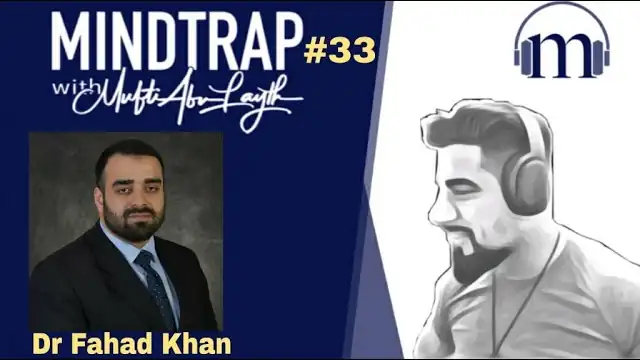
Dr Fahad Khan | Realism, Resilience & Relationships | MindTrap with Mufti #33
zakah zakaat zakah al-mal zakat al-mal obligatory charity fajar salat al-fajr fajr prayer dawn prayer takbir takbeer takbirat takbeerat imaam imams prayer leader udhiyah qurbani qurbaani udhiya udhiyya kurbani sadaqah sadqa sadaqat sadqah voluntary charity masjed masaajid masajid mosque maaliki malikite malikiyyah maliki school qiyas qiyaas ijma' ijmaa muftis haraam forbidden sunna sunnat sunan prophetic practice riba ribaa sood usury iman imaan eemaan eeman shaytan shaytaan iblis iblees shayateen shayatin satan devil akhirah akhira aakhirah akhirat afterlife jahannam jahanam jahannum koran quraan al-quran sura soorah surat suwar soora chapter ayah aya ayat ayaat aayah aayat 'alim aalim ulama ulema ulamaa ummah umma ummat madrasah madrassa madaris madrassah religious school nikah nikkah nikaah nikah nama nikahnama talaq talaaq triple talaq talak in sha allah insha'allah in shaa allah insha allah inshaa allah ma sha allah masha'allah masha allah mashaa allah salam as-salamu alaykum assalamualaikum salaams salam alaykum wa alaykum as-salam peace greeting baraka barakat barkat baraqah blessing niyyah niyah niyat niyya niyyat amanah amana amaanah amanat al-din ad-deen ad-din ibadah ibada ibaadah ibadat ajr sawab thawab thawaab sawaablive stream · 2:32:17 · 3,600 views · 25 Jul 2020 · Open on YouTube
 Press play to load from YouTube. Nothing loads until you do.
Transcript
machineauto-transcribed, may contain errors · source: youtube auto · click a time to seek · dotted terms open the glossary[Music] let me first and foremost just have a quick sound check just to see that the sound is coming through fine um let me just check with mechente on youtube on facebook alright what is going down saying salaam from amsterdam here from dutch touch mandem you doing it you do and it didn't we already sound is good awesome people we have another amazing guest tonight i'm just going to
bring the profile picture right before you allahu akbar look at the profile picture our esteemed guest tonight dr fahad khan all the way from chinatown people chinatown chicago usa uh an expert in psychology from a clinical and islamic perspective to share his thoughts his insights his research his theories and some fascinating advice for life people from bringing it right in assalamu alaikum dr
salaam allah alaykum for being with us on mind trap tonight for having me with peter pleasure i'm just uh just to see it just as i'm bringing you in your your webcam there it's awesome but the other one the usual one has just shrunk so doc for our viewers uh who may not be too familiar with you tell us a bit about yourself
uh just a bit a bit about your background where you're currently at what you what you do uh just to bring our all of our amazing viewers up to speed with some of your interests and and background oh sure um so i uh my name is i was born and raised in kashmir in the pakistani side of kashmir and when i was 10 years old i came to the us then i went back to finish my hifs my father uh was an imam here in the us in the masjid in chicago for about 24
years he still teaches quran and then i went on with my quote secular studies and i was pre-med for a little while i decided to change sciences my master's in psychology and then my doctorate in psychology i also study arabic and islamic studies on the side and i work with the center and hani center is the largest provider of muslim mental health in the us in north america and we have several offices here in the the us and one in canada um and so i'm a deputy director here i also do clinical work here
we do research and training here as well um so there's a lot of need here a lot of demand and we're just trying to you know play catch up with all of that i'm also active with the international association of islamic psychology as well as the institute of muslim mental health um so do try to do as much as i can within the realm of most mental health and islamic psychology you can say you're doing it doc you're doing it you're doing it what an introduction people what uh right uh you know there's a lot of discussion uh it's it's almost the flavor of
uh of of our times really to speak about mental health there's a lot of uh you know you go on social media a lot of people are speaking about it doc they're trying to say well you know uh we need to speak more about it we need to create an awareness we need people to be comfortable with uh their emotions we need to kind of not pick on people for being uh depressed we need to there's a lot of this isn't it's almost fashionable to an extent now to kind of speak about this is it really uh as bad as one would assume when they go on social media or is that just
as somebody that's dealing with actual clients coming through the door what tell us about i mean behind the scenes is it really as bad as what people would assume because if you look at social media you think for god's sake half the world is is struggling is it or what tell us your your inside stock yeah no i mean i think i think it is pretty bad i i do think there is a certain hype that gets created you know because there it is certain like words and certain cliche things that people talk about um i also think that when you start focusing on something uh that then that becomes the focus of
our attention and it gets you know um exacerbated so for example if you look at trauma right trauma is a big thing people talk about getting triggered and whatnot i mean whenever something traumatic happens in my hometown where i was born in kashmir it was an earthquake in 2005. you know 100 000 people died including my father-in-law and so you know if you go and visit the people there um you'll see that most people are not though they don't have ptsd they have some effects of trauma here and there but why because it doesn't get highlighted as much after a trauma majority of the people will move on and they'll be back to their normal selves
there's going to be a you know i would say about 10 to 20 percent who will probably have ptsd because they were you know they it hit them harder or it was they're more sensitive and then there's going to be 20 that actually grow from trauma there's post-traumatic growth but because we're so focused on the the 20 that have ptsd then you start thinking every time there's a trauma it's going to be ptsd and then you get people that actually don't even have ptsd they developed the signs because of the focus not because they were actually going to have ptsd so you're right about that i think there's definitely like a higher emphasis but the fact remains that here at felida center right now we have a wait list uh you know we have a shortage of staff you know and there's a lot of people coming through with a lot of problems
um and so part of my job is to refocus them and say look look at the good things here look at the positive sides of this you don't have to focus on the negativity it's human nature almost to focus on the negative thing but you know to try to change that a little bit and khalid center is the largest muslim center that deals with mental health issues within the u.s is that correct or
i think not only from a muslim mental health perspective meaning um if you look at any place that treats muslims with mental health problems but then also from an islamically integrated psychotherapy approach which is our specialty that we actually uh integrate islam into practice and um where it's unique in that sense that there's not many places that actually do that doc let's jump right into it one of the key issues that people are all struggling from speaking about what i just asked when you go online you see everybody kind of speaking about it especially young people that is depression i mean this is something which you know
so many generations back it didn't even have a term uh i mean it didn't really you know there was no term i mean for depression you know people might say well he's sad you know it's not and obviously with that comes this whole phenomenon what is the i mean is that is that something you're encountering a lot first of all and then i want to kind of get a bit into this but is that something you know you're seeing clients often and you're seeing people you're seeing the public especially muslims um is this a huge is a huge percentage like 50 of
what you're dealing with depression so majority of it is actually anxiety but depression and anxiety can kind of like piggyback off each other so it's they're almost always present together um but i will correct you though i think the i think depression has always been there and i think even it's been addressed at least even from an islamic perspective i mean before we went live we were talking about abu dhabi right he's talked about you know this it was referred to as melancholy back in the day but i think what has happened is that the the clinical depression or the severe form of depression uh uh was not as prevalent and this goes back to what we just talked about i think there's probably more emphasis
on it so even when something happens i've had people for the viewers yeah a muslim scholar that spoke on issues of psychology in almost a millennia almost a millennia before it's kind of discovery in the west did he speak of depression did he yeah he's talked primarily about anxiety but he went through all of pretty much all the major uh issues depression because depression and anxiety are the two big ones right if you look at the general population um you know and then you have uh disorders that get categorized under them right so like if you go to the mood disorder category you have
bipolar disorder and depression and so on then you have if you come into the anxiety-based disorders uh you used to have like even ocd and ptsd under that because the symptoms are very similar right so depression and anxiety that's like a very you know common phrase but i think before it was more like clinical depression and then okay no depression but now it's like you have the spectrum and and now because because the availability is there like people and places are available people come for help even if they have a little bit of depression a little bit of problems um so and sometimes like you were saying i think earlier it's like when you come in and you might have a little bit of depression but then might if it gets
highlighted then it might even turn into like clinical depression so it's not always like the best idea like sometimes it helps to deal with other problems because all these uh all these because sometimes you see the issue or the the issue here the issue let's just say as it is right the issue i find as a person and certain people and it may be you know sometimes politically not so well to say these things but i find that you see there unquestionably there are legitimate cases and there's people suffering but there's also with a label comes a kind of um like people jettison
a sense of responsibility or a sense of you know they'll just be like i i've got depression you know like uh you know it's like that it becomes an excuse or is i mean people may kind of fault me for saying it becomes an excuse because they may say no it's you know how can you say that it's legitimately there um i mean there's this i understand this the severe kind of absolute you know people are debilitated i understand stuff like that and like you said there's a spectrum but then there's going to be so much on this spectrum that it's just people kind of lacking motivation
and they're lacking um uh and and then now they've also got a legitimate excuse that actually this is something clinical and mental you know it's it's okay to just be like that don't worry just sit back and you know it's okay i mean and and sometimes i'll crack jokes i crack jokes about anything but people do get offended but uh you see i feel that are we over spoon feeding a younger generation and but thereby kind of like almost debilitating them to some extent am i am i open to it no no no i think you're i think you have
a point you're a valid point but here's the problem like let's talk about suicide right so if somebody says i'm suicidal i want to kill myself sometimes people ask a question well don't say just hang in there for a moment no pun intended that's like i don't mean it like that but you know it's hard to tell right like what is that person doing it for attention is it attention seeking behavior is it really like they're actually suffering from a legit problem same with depression the problem is it's hard to tell right it uh and because there's there's so much value to life now than there was before
um you know like even if you look like little children i mean you'd be surprised to hear that kids in in this preschool age are actually talking about suicide you know what i mean um and i thought this was just something like bizarre but i mean i've heard even people like that i know personally like little kids that have said things like that so it's hard to tell like the last thing we want is we just take it lightly and the person actually has a real depression and now they're you know they're not functioning or they end up hurting or killing themselves or somebody else um so from that perspective i think that we have to be cautious but yes you're right i mean i think that uh but it's not just
us who are spoon-feeding or it's the society as a whole and so you know like what can we change or how how will the whole society change so that we can have a real conversation about these things rather than you know just one side and pulling the the narrative towards that because there was i remember there was a program that the bbc did a while back many years back in fact they did it when i was still studying my psychology degree and our lecturers were discussing it with us and it was to do with uh dyslexia and they were stating and and the program was very controversial it was stating that dyslexia a myth
and what it was showing was that like they got several children who were all diagnosed uh to be dyslexic and they gave them i think if i recall correctly because it's been like maybe 14 years since i've watched this or maybe something like that about 13 12 years at least right so i think they gave them six months of intensive training so teachers worked with them and they they gave them all these booster classes and all these things uh the the special um classes but at the end of it they were just as capable as everybody else
and it they they could you know read and write just as well as the counterpart and it was kind of showing that well it wasn't saying that it's a myth in the sense that nothing is there that's a problem but they were kind of showing that it's not necessarily a lifelong condition um if it's kind of if there's interventions in place but i think the program it wasn't it was aired on the bbc it wasn't obviously done by the the people i'm not saying it's a bbc kind of project but it was aired on bbc on one of the bbc channels and it and it there was a a wave of kind of criticism
that was kind of her daddy and obviously got a lot of slack and people were like what the hell and you see then the problem is there's a lot of politics involved as well because i remember our professor telling us that look like without he wasn't kind of taking sides but he was saying look you can't the fact that dyslexia has a whole uh you know this huge funding this huge kind of there's a there's a lot of money a lot of there's a huge industry that's on the back of that condition as well and when somebody you know waves a question mark at that there's a lot of things that are being questioned now like should the government even be
giving funding should and you you are you see there's so much politics at play as well even though you this program may have just been an innocent kind of research done and said well here it is but it ties into all these political aspects um yeah so i mean in a similar way i see um not i see but i'm i'm asked that's why i was asking the question about things like depression which are so common uh or commonly claimed amongst young people and i'm not saying that they're not experiencing something they are but sometimes i think well like you got countries like let's say pakistan
which we spoke about a while back and you know you wouldn't get i said i suppose over there if somebody said it that you know some kid just sat around not saying that this is justified or some young person sat around not not justifying this but they probably just get a slap and they just get up and get on with it and then they'll just be like you know it's like i went to a madrasa with 3 000 probably students in karachi none of them and the statistically they ought to have dyslexia then they ought to have there ought to be so many with learning difficulties
given that high number but yet they all kind of come up because they don't have that leeway for those excuses but obviously this is very very controversial to even say something like this i get that but sometimes i just wonder no i so you bring out a valid point which is that look do we over diagnose people we do there's a certain pressure especially here in a capitalistic society there's a pressure to do certain things a certain way if you go to a doctor and the doctor doesn't give you medicine
it's almost like it feels wrong you know like no there has to be something you know if you come to psychology like if somebody comes to me and let's say they have insurance if i don't have a diagnosis the insurance won't pay you know it's unfortunate but then you know this person has insurance if they don't pay am i going to charge this person so sometimes they'll put like small diagnosis you know just to kind of justify it and then if person who's diagnosing or who's assessing comes in a certain agenda you know one of the most commonly misdiagnosed issues with children is adhd right i mean it gets misdiagnosed all the time i've had kids misdiagnosed as in it gets
over-diagnosed or under-diagnosed not over-diagnosed yeah um like for example screen exposure causes the body to go into a state which almost mimics adhd symptoms right so you know so you uh you can't focus as much if you're uh impulsive uh you're hyperactive because the brain is in this uh you know fight or fight mode and so uh you go to a psychiatrist or you go to a doctor who's not trained they're going to say oh that's adhd let's put them on medication now you take any normal person we all have distractions that we're dealing with right we all have difficulty focusing
you give me adderall or give me methamphetamine any kind of amphetamine i'm going to have i'm going to have greater focus parents are like oh look see he had adhd and now he's taking medications and he's fine my approach with those parents and my approach in general is that look let's not worry about what he has and what we need to do about it like to fix him how about we take the approach of this is who he is okay he has difficulty focusing or he has difficulty reading he must have strength there are things that he's really good at yeah right and so use that to his advantage and help him you know further explore that so he can become a productive part of this society
that's really it so if he has adhd okay so what okay what are we gonna do about it right instead of medicating him which certainly you have the option and you have the right to do that and in certain cases it's almost necessary because there's no other treatment um that might be more effective but you know let's instead of doing that if your kid has i had adhd and i was pre-med for you know many years and then it i didn't even know what was wrong with me like i was i was thinking like why can't i sit and study for six to eight hours six days everybody hours that's i think you want to ask six to eight minutes
right so you know people it was like it was it was hurting me and i was i was even getting sad at times like man i can't do it right my my parents want me to be a doctor i cannot sit in focus for that long um and so you know i think what should have uh what the approach should be is that um if the kid can't sit and focus for more than say 20-30 minutes then don't put him in a place or a program or don't do that much and it's okay if somebody doesn't get straight a's or you know gets a doctorate degree it should be fine yeah i think that like people are different it's this kind of culture that people are kind of different they've got different talents different you know that he might be somebody
that's really drawn to the arts or drawn to poetry you're drawn to you know it could it doesn't have to be somebody necessarily drawn to that kind of academic work isn't it because that's another thing with this education system it's designed really just to make you equip you to be enough for industry like and everybody is assumed to be well we're going to create you as kind of okay this is the academic it's not vocational it's not really dealing with other you know this and society as a whole human beings they're not going to be really your kind of
you know book type of people if you're going to take 100 people out of them come on like when once they grow up how many of them are like that they're not like that so yeah i feel that the system is somehow designed in a way to kind of handicap people from from the get-go uh and then they can't keep up with it and then there's uh pressures but you know linking staying with this topic of young people and mental health there is an there is a a stark difference in what you mentioned earlier on about uh
young people and suicide rates compared to older generations like the generations of people are slightly older now but when they were younger so if we're going back to like the 90s even the 80s or whatever the suicide rates now and i get the fact that there's a larger population but still per capita the way it is there seems to be a much greater uh rate of suicide what are the factors behind that because that's something it's so scary that i young people unquestionably have like you said a much greater value for life today there's much more opportunities many more opportunities today than they were
in the 90s or in the 80s yet and luxuries and amenities and so yeah people are taking their own lives yeah um i i think that there's a lot of factors there right so uh the way we conceptualize suicide is that the biggest factor to suicide is uh depression plus hopelessness right um and i would also add in that mix lack of resilience okay so we unfortunately live in a time where we don't have the resilience i mean even in adult right forget about the kids for a second like if you and i are talking and let's
say the technology stops working we're going to get frustrated right you know like sometimes to a point where maybe your head is going to start hurting or you know you're going to be like man you know i hate this this was actually playing up today before we were sitting here for a while i was like god damn what's wrong with this prime example exhibiting yeah it causes it this happens regularly i mean they did research on on social media and they found out instagram was the one that causes most amount of depression or is correlated with most amount of depression and it's because you're making these comparisons in your head constantly you look at your friend like oh look how
happy he is i'm sad look at his car so much speaking of instagram did you uh on that note with instagram did you watch the black mirror episode that was dealing with the kind of instagram parallel where and where he explains that not the one where he explains um it's where somebody ends up taking somebody hostage and there's this situation but yes yes but the point is in there he mentions when he's on this retreat that they have teams dedicated to create like at this hyper addiction and there's like whole teams dedicated to it wow
yeah because before watching me you know tick tock is a big thing right so you know um the i mean i have tick tock i i you know occasionally i'll maybe go on it just for fun but man if you go on it and you start scrolling i mean time flies like you don't even know what tell me about it and i always feel i feel like ah after that like even with instagram like you i'll sit there sometimes and before i know i've just been like sucked in like you know i'm like going through or or i'm just watching something watching and then it's like an hour's gone i'm like oh
yeah yeah and and the other thing is that with with these like tick tock is like what 60 second videos right so this idea of like being constantly entertained um you know if you if you compare movies right action movies old batman movies versus like the the recent marvel i mean every few uh uh seconds there has to be a joke or something that's like ah you know like just get you if it gets a little bit boring somehow people are not going to be entertained so even that stimulation it has to be constant isn't it yeah that translates into life too right like you're you're in your marriage or
you're at work and you're like man today i'm bored i need something new you know i need a new iphone or a new update on the iphone or you know in my marriage i'm not happy today well you might not be sad either right but just because you're not entertained or happy or stimulated you know then you're going to be like all of a sudden like depressed right those are the two things that you're going to look at yeah but i mean you see a lot of this coming to that thing of resilience this kind of like willpower this kind of like that this inner fight to kind of keep going why
is that why is that less than because is that not just tied into the survival instinct and is that not something innate that instinctually we all have the will to survive so why is that perceived to be less in younger people what what are some of the some shed some light on this dog i i think that previously in the previous generation the same survival instinct was there but i think it was mitigated more through exposure right so like my father when he was younger he he tells me the stories like he would have to get up before fajr
to go like get wood so they could burn the wood and they could like you know have breakfast right that was like important they had to do it right now nowadays i think the approach is that let's not even expose our kids to something that might be even remotely dangerous you see what i mean and so what that does is then that that makes them you know i mean i don't want to use some terminology here but you know if you don't get the exposure then how are you going to become resilient you're protect over protecting your children to anything that could be bad right now i know there's certain things that you should be protecting your children or our children i have two kids myself like sexual abuse you should be
protecting your kids from sexual abuse right um but that doesn't mean that you're not gonna send them out on the street and they're not gonna play or they're not gonna fall and hurt themselves and learn that you know this is part of life right i'm going to cry and i'm going to get up and and and move on um so but you know but but then we're going to you know you see what i'm trying to say like the approach is a little bit different nowadays with children than it was in the previous generation no absolutely and i feel you know in in my uh kind of take on this is that that the human will to survive is
inextricably tied in to struggle and there's it's like a kind of equilibrium that you see and and a good example of this is that uh universe 25 the mice utopia by um it was that professor i think cole hearn but he where he creates this this heaven for mice and he gets these mice and all their resources are met they're gonna have food fresh water plenty of space and he catered he designed it that it could go up to i think was it six or eight thousand mice
that was uh the capacity and he starts with a bunch of like the adam and eve's that like four each and they start multiplying and they start mating reproducing and they're loving it at first but when they reach and everything's catered for when they reach and he's and he's got a journal but when they reach i think 300 or something then they start to or they they start to kind of like gradually slow down with the reproduction but it continues they reproduce but it gets to a certain point i i can't remember the exact figure now but it's nowhere near his actual capacity nowhere near the capacity
where they start displaying odd behavior so he notes that there's a certain group of mice that just retreat and he calls them the kind of like the good looking mice like they kind of keep themselves to themselves and they're always they don't mix they don't mate they're not interested in mating they're not interested in anything they just kind of recluse but then he finds things like the general interest for even mating declines he finds that the mother mice start attacking their own young and killing them and he finds like this sense of there's this despondency amongst the mice like they just don't
you know like they seem to have just given up on living and a lot of that although that people try to extrapolate that onto social terms and human beings are much more complex but that i do feel that that this thing it's almost like two pedals of a bike the survival is tied in with the struggle and the lack of or the less of a struggle maybe the less resilience to survive is there i don't know if you feel that or if that resonates with you no no it does it's so you know allah is my my spiritual mentor you know he talks about this idea right
that you're uh you know some lines from his poetry i don't know if you've read saki nama before but it's a very famous question doc is well into his ur poetry people so this is your infra tree meaning that this for sakura and sabat that you see sophisticated poetry people sophisticated right this is a this is an illusion of your
eyes this is a foreign right you know like he says why because every atom in this universe is in constant motion okay so this world is meant to be in constant struggle then he says the caravan of life never stops it never sees itself and every step life renews itself you think life is a big mystery but it is actually the zok the passion to keep flying to keep going
right and then it goes on and on so but the point is that i think the what you're trying to say is and please correct me is that this idea of having this utopia living and being fed something in comfort and all that it's not only an illusion because it can't happen it's also dangerous because if it does happen it's not good for you it's not a healthy thing for you for it to happen i mean i'm not you see don't get me wrong i i'm i'm kind of pointing out what i feel is a um it's an intrinsic irony of nature but
it's not something i feel that it's i would like like i would not like to to struggle i would not like that i would like luxury and i would like that and i would as a he as a person choose luxury of a struggle but yet the irony is that in our luxury there's a kind of peril to it which is and in the struggle is a kind of a sustainability of our exist you know there's a proverb in arabic i read years ago and it's around the story of
these cows that these farmers are feeding but it it but the the line of the the proverb of it that where they say that as the cow is fattened that in its fattening-ness is its destruction because it says waffee simoni that as it kind of fattens up they will slaughter it and it's obviously to the cow it's loving that obviously because eating and it's you know it's just getting fed and fed but it's and even as a human i would choose despite knowing that i would rather choose luxury you know if you told me oh
would you like to go and do some hard work or do you just want to chill and watch something i'll be like yeah i definitely would just rather chill and you know but but really this is kind of it's diminishing our abilities to to stroke to survive and i i get that especially i think with younger people like you said like they're not going out to do things i mean kids don't nowadays do things like i mean they might some might climb trees and but they don't generally you know they're on the xbox and their computer games and uh they're not really out there doing things even when we were kids the kind of stuff and i'm not saying that that that was dangerous as well i get that you know
it's climbing trees people fell down they went you know up to little no good adventures and so i suppose they're safer but maybe that's ironically destructive that safety i don't these are just some thoughts no no those are valid and i think the the earlier question that you asked the prevalence of depression and anxiety and ptsd i think if we can get get our mindset changed you see like people who come to me for therapy one of the things i do try to you know ingrain in them is that that embrace the struggle in fact if things aren't if there's no struggle then that's that might be the
problem right and there's nothing wrong with having that struggle yes our bodies want that we want comfort but you know if we were to identify the like one of the ways to deal with procrastination is something called affective forecasting what's it called because i i think i procrastinate things you know i think don't tell me dark matter help me out here because you see what is procrastination it's like i'm going to choose my comfort now and i don't want to struggle now right so i'll just delay whatever is coming so that i don't have to deal with it it's like shall i do this hard work should i just watch another episode of this on netflix
it's like well that was an easy choice i know you got a friend you know like but you know if you're watching your turtle you're going to be stuck in there for like hours right there's so many others i'm watching on netflix and prime but so so the the thing you have to do is you have to um affective forecasting means that if you can put yourself in a position this is what the quran does too right it says imagine a day when you're going to be in front of your lord and you have to answer to all these questions how did you spend your youth how did you spend your time right for procrastination i say okay if you have a paper due like friday and today's monday
i want you to think about what would you feel thursday night right that guilt that anxiety like oh my god i should have started sooner you know i just recently about a few years ago passed my license exam i have to take it more than once but the one time that i didn't do well i i failed by five points it's like you have to get 500 points but i got 4.95 no right right oh i went out to my car you could see the show and there you drowned right in front of the shore it's like i went out to my car and i'm like oh my god i have so much regret so what did i do i opened my phone i wrote a note to myself i said i wish i
would have done this the times that i wasted you know playing a game or watching an episode i wish i had to spend that much moment in you know even when i was driving and then what i did was when i was studying again every time i felt like procrastinating i read that note to myself i closed my eyes i imagined being in that place where i was getting my score and i had failed you know and that was my motivation to just keep going and no it wasn't easy but that struggle has to be embraced it has to be taken on and sometimes it's just about starting the process you know and then over time it gets easier and easier to do um but if we don't do that then we're going to be the fat
cow that gets slaughtered and eaten wow you know is there also you know speaking on the the young people thing do you find i because i was asked previously on things like uh weed and stuff like this consumed by a lot of people especially young people and i said that because i had generally said that i was of the opinion that cannabis marijuana is not haram per se but it's more a legality issue but i did then caveat that by saying i feel that for up until the neuroplasticity of the brain is fully formed
uh let's say around the age of 25 i would feel it would be clear-cut haram um because it would you know we don't know how it's hindering that kind of development of the neural network do you think this has a role to play like is it inhibiting is it kind of preventing certain synaptic uh bonds that are necessary is you know drug consumption in general amongst young people especially the ones that are you know impacting the brain or not really what are your thoughts i mean i mean yes and no i mean if you took that away i think most people go to drugs either because it's a peer pressure or because there's something else that's
happening like anxiety i think okay we'll start with a child who's just been born right now let me ask you a question now you've studied psychology maybe you already know the answer at what age do you think personality fully develops like your habits and how resilient you might be or how organized you're going to be or you know how extroverted you're going to be what what number would you give that see now because i'm thinking of so many different theories straight away because i'm thinking obviously some people are going to say that look you know right from as you're a toddler right there like freud is going to say well you know he's got the different personalities if you're like this if you're clinching
to things if you're doing things this is you know you've got this kind of anal personality which is going to later on exhibit itself so um other people who are complete behaviorists obviously i don't agree with them they're going to say well you know watson and these people oh you can shape them into anything you want i think that's not you know it's like somebody said well uh you know you had one i had one child and i agreed with behaviorism i had the second one and everything went out the window because you did everything more or less the same and it turned out to be something totally different but i would feel that there is
my personal opinion is within the first early years you start to see a kind of personality emerging which kind of even though it can be shaped but i feel it's a reflection of that person's kind of inner self i i i would feel definitely the early years uh right yeah that's what i would feel here and you know like freud and other uh uh psychodynamic uh you know theorists would say like five six years seven years of age right some others might say like a little bit later i would probably give it like maybe 14 15 like puberty
would be a good time to say okay okay at least majority of your personality is developed oh you mean where it's fully okay the majority is developed yeah okay yeah yeah so now the thing is that a very early age right like let's take a child who's like one or two years old okay um if that child doesn't know what hunger is and every time you just feed him keep feeding him keep feeding him if that crawling baby doesn't know what danger is and you're just don't do that don't do that then there's no resilience building do you see what i mean um and it sounds kind of like okay well i'm not saying you should neglect your child and like or something you know but what i'm saying is that like i think
that because we're so cautious and and quote-unquote careful and loving and whatever you want to call it we baby our children right and so then when they're faced with a little bit of hardship they need something now when they're older we're not there to baby them anymore so they have friends and they have drugs and all that that's causing and it's coming in and causing issues so um i don't think that drugs are to blame uh for all of it right doc is that you
but i do think that i don't think that drugs i'll see you in uh what is it colorado what's the here amsterdam right okay i mean i'm not pro-drug right no need for justification it's all right it's all good [Laughter] we've had people who come to us and say you know medications aren't working marijuana works right i want to use marijuana um and there are certain like specific unique uh cases where we'd have to say okay fine
for you the right amount you know making sure that you don't overuse it or doesn't affect your prayers but then there are people like who just use that as an excuse right so for example we had one uh youngsters come in and come in and he said i have anxiety i need marijuana nothing seems to help his mother made a claim that he was actually having more panic attacks and then when i did the literature review i found out that marijuana can cause panic attacks so we told him sorry but you know like for you this doesn't seem to be helpful it's actually it's hurting you right so i'm not a fan of saying a you know blanket statement i'm like okay well don't use it or use it or it's good or bad um certainly there's there's going to be some even in alcohol the quran says
right there's some good influence right but so but again we're not looking at that good we're looking at the overall evil that exists on that note i mean just coming back to we'll come back to this but just on that note what is your what are your thoughts on using psychedelics to enhance uh you know to to deal with people's anxieties or their depression or things like this because you said people come to us and we say marijuana and marijuana obviously i suppose it has a kind of psychoactive element to it arguably but um but the actual psychedelic the true entheogens that the gut that god has
like given to a mother earth what do you feel about them things like mushrooms shrooms uh dmt yeah uh stuff like this md mdma lsd yeah okay so yeah mdma nuts okay sure but i would see mdma and though not as necessarily natural but yeah but the others are still natural kind of elements but yeah right so so this is not this is not my khalil center of course
i would say that if there's sufficient research to support like when i mention mdma because there is sufficient research to support use of mdma or ketamine for ptsd depression anxiety although like for example there's mixed research about whether uh microdosing helps there's a there's some body of research that talks about using psychedelics um in like a one big dose where you have like that trip that they call it and with the help of like counselors right they have two counselors that sit with you you go through that phase there's actually a a movie made in israel uh called trip of compassion it's a you know it's interesting they have these three people with ptsd who go through and they show like what
they're you know the how that would the station because they show so far i mean there's so many there are several kind of studies that have shown people to you know to to to be kind of cured from addictions from anxieties from ptsd to kind of soothe the i mean i don't know obviously there is a huge culture that is so anti this stuff so it's difficult for these studies to really kind of push anything through mainstream i don't mean the studies but to make any national changes because there's a strong culture against right these things yeah right so i i do
think that if there's enough research and if it's monitored i think it's perfectly fine our personal opinion i'm not a scholar so there's not like a photo or anything you give the photo if you want but you know i'm not giving you there you go people you've got it but i think if it's but the problem the problem that happens i think is that uh if people try to experiment on their own and i've seen that with some of my clients too they'll say oh but you know it helps me okay great but before you know they're getting high they're using it in the wrong dosage or they're getting a product that's not like pure and then it's causing more problems you know or instead of like very good like because especially things like meth
math and um even arguably mdma but other things as well that people can pick up they can be very dangerous and especially if they're not picking up the right kind of thing i suppose in some in many ways like with anything especially if it's chemical related and you try to just do something on your own i mean it would be really crazy i mean if somebody you know just tried to self-medicate for example with something that's a very helpful medicine but just try to take it to say well i'll do it on my own i'll just take it and i don't need no guidance then yeah that could be very disastrous yeah but okay because if you don't have a
teacher then shaitan is your teacher [Laughter] an advocate for those things i feel that they are kind of portals to uh consciousness and to the understanding of to me consciousness is synonymous with the term ruach and so i do definitely feel that these things but that's i i understand it's a different thing let me give you an example if you don't mind sure they've been like so when somebody has trauma they come for therapy the treatment the goal standard
treatment is called exposure therapy right yeah yeah so what's the principle behind it is that that when they experienced the trauma they mentally shut themselves down they weren't able to cognitively think about what happened to them you know like says that your you know should become the king right like it can it should master like how your overall your well-being is in your body and your mind works now because that doesn't happen it's an emotional response and people shut down there's a deeper wound in exposure therapy they revisit it with the help of a psychologist or a therapist they go back they process their emotions they talk about it they look at it from a third person's perspective
right people who've used psychedelics um uh like under the supervision they've explained it like that's exactly what they did except it wasn't through like six seven sessions it was just one session where they went in they revisited that trauma but from a more of like a third person cognitive perspective so they could you know re-evaluate the trauma for themselves and that helped them like i think they did some study and nine out of 10 people were cured of their their ptsd yeah wow
you've got some warplanes going on like above your house there can you hear something oh yeah yeah yeah yeah because i kind of lost you for a moment yeah i've got you know even though i'm not that close but i guess in a distance uh we're not too far from an airport so i do um get a lot of that planes flying over but yeah so okay that's definitely very very uh uh fascinating you know on that we spoke a bit about children and personality developing doc just to kind of
there were a few interesting topics there i wanted to see what your take is on them when it comes to within psychology the diverse theories freud other people do you see much um reality to these do you see like freud's kind of theory on how children develop how certain things are so key to them the kind of bonding the the fear aspect the rivalry the just the whole kind of and there could be other schools as well but what are your thoughts as a you know psychologist as a practitioner and from an islamic perspective as well
yeah so let me kind of um set the stage for the what i'm about to say right i think that knowledge um doesn't belong to anybody right i think all knowledge ultimately comes from allah right and human beings obviously develop whatever they can from their consciousness whatever allah grants them to feel so like i'm not a big fan of copyright stuff you know what like if i if i publish something or if it's something that i wrote i'll give out for like free pdfs like if you know unless i get caught by the publisher or something um i i say that because any theory that somebody has come up with anything that is wisdom right is not a is not their property and
it's okay for me to agree with ten percent of what freud said and ten percent of watson said and you know and so on so forth it doesn't have to be like i have to swallow the whole thing as a whole or not there's and and wherever he shall find it he has uh like uh he has right yeah he's most rightful he's most deserving of that exactly right and so um now with that said i think all the theories um uh came as a reaction so for example if you look at the world views and how
the worldview was uh during the time of freud for example like his theory was developed because of the worldview that he existed in right even during his time and time before that there wasn't much attention paid to children the concept of original sin and all that it just kind of created this notion that kids don't feel fine you have kids if they grow up great if they die in a young age a lot of kids died no big deal right or their little devils and you have to whip them into you know into good human beings right and so freud's theory is then uh you know is then polluted with those ideas right you have like okay well you're born with negative tendencies you have all these aggression and you know sexuality and all that that's
inside you and that's your driving force okay then comes the behaviorist and says well it's not about the inside it's not about the subconscious it's about the outside of the world and the environment that shapes you the cognitive movement comes in and says well it's not really about the subconscious rather it's about the thoughts because thoughts can be measured i can ask you what you're thinking and you can tell me but i can't really assess what you're thinking or what you're feeling in your subconscious because you don't even know what's in your subconscious exactly consume people that's the thing and then you know so so and now we have like for example some modern movements like the eft the emotion focused in a therapy they don't even like the cbt guys they're just like oh we need to focus more on emotions right
all these are reactions to other theories and that's why they're flawed okay i don't think that that i don't think that we should accept them as a whole but that doesn't mean they don't have anything to offer right the model that we practice at the khalil center right conceptualizes human beings with like a heart we look at the right we look at their emotions we look at the nafs and we look at the and i know within the islamic like history and philosophy they have talked about whether nafs and ru are the same or synonymous or not really regardless but the point is that it's not as easy as like freud has explained it right or as
watson has explained it it's very complicated so freud with the what some would deem an obsession for sex uh saying everything is the whole drive with insane is the sex drive um i mean do you not see though much truth as well to what he's saying oh i do absolutely do yeah i mean i'm not saying that he's wrong but i think his notion that everything is done through that and that we're born with that evil i think is wrong because we know from our tradition you know right so everybody's born with this pure fitra
we also know that when a child is born a shaitaan is like a sign to it right or shaitaan goes through our body like the the blood right so um you know do we not have are our actions not driven by pleasure of course they are absolutely right that's i mean that's part of our ah right like that we do that right uh we have this nufs that comes that wants to feed itself too but is that like our original and our like you know our like holistic like uh being no i don't agree with that part but that's what freud would say yeah no i mean that of of course and i i'd agree with you i mean that's how
i would kind of see as well that i do see i i kind of personally do like freud and i i do feel that in many ways there were certain things that he was just way ahead of his time when he was saying them but i agree that certain things you know like his edible complex and this kind of stuff about people having a sexual fondness of their own mother and obviously they're not they don't understand what that is but he feels that that's what the child has and this i think this um is perhaps just him kind of just reflecting
back and transferring onto onto the general public but yeah that's um speaking of relationships since freud you know this whole thing of trying to seek uh in his way perhaps more pleasure but it's linked with relationship and that's something that you're dealing with so often right what is there a a greater need like is in this day and age love a calamity i mean uh has it become a kind of because is it is it the new drug
is it you know it's interesting because obviously people love is not new humans haven't invented i mean we haven't invented love but we are in an age of obsessively seeking love is this uh i mean what are your thoughts on this because there is a side of it that yes because love once again what on earth does this even mean what does love even mean is a thing in and of itself but we've become i mean we've become obsessed with the romantic love do you do you feel this or am i just seeing this on social media and stuff no
no i i think we make a big deal out of things we all do myself included i think that when we fee don't feel loved you know even within the the context of couples there's a whole theory on like five love languages i don't know if you've heard of this before that the love could be there's like like everybody may have a different language of love so like yeah like you like physical touch or quality time and whatnot right so i think what happens is that if my love language is physical touch and i don't get that from someone i'm gonna think that they don't love me right where love is uh you know is subjective right so i think that these but to taking a
step back again right that's uh and bringing in bringing allama ball again into the camera bring it bring him right in yeah you know when he says uh bring her jalapenos i can't quote as much because i've read read too much of him you know i was just working on his book yesterday actually some of his work but he says that uh [Music]
i don't know if you heard this like his famous poem is you know he goes into like but then he says that that first he first he says that this world is filled with idols um uh and it's waiting for its me the wealth and commodities of this world the relationships that we have the the the kinship ties um these are idols of our imagination that we've created and we worship these idols right we think that somehow uh like if my father doesn't have a good
relationship with me or my wife doesn't love me that that like my life is like ruined now and he says those are idols and we shouldn't be worshiping idols and there's no one worthy of worship except allah so i think this idea of like i need to be loved and somebody has to love me i mean we know allah loves us right that should be sufficient and we should love allah and his messenger that alone should be ideally sufficient for us there's no need for anybody else to love if our existence alone puts us in a place that the most uh the one that's the worthy of all respect and all uh you know praises loves us me like this
this person that's worth nothing right i mean who cares if my wife you know or some of my parents don't love me that's ideally you bad boy you do it i don't need love from this world i mean you know it's hard nobody thinks it is true this thing of uh you know ralph
you know this this whole thing on but i feel in many ways this is a very modern and 21st century kind of it was there before 21st century but definitely such a heightened phenomenon of the 21st century this um this kind of pursuit for love i i i don't know if you feel this dude but i because i think people before they obviously loved but there was um like i think there was a greater sense of pragmatism
to relationships like relationships were kind of pragmatic uh interactions which obviously then became a kind of a nest for compassion and love and things like this but it wasn't they weren't driven by a drive to find love because the issue is this if love is an emotion um if that's what what it is because obviously it's almost impossible to define what love means i've got no in fact doc they find love for us yeah oh my god once we've got a
psychologist right here well okay so you know my father giving me a tupperware when i was young right so i could get my grades right that's love tough love you know what i mean i mean it is what it is right you know um you know my son coming to me and and trying to seek my attention you know that's him him showing his love let me just there's no one way to show love there's no one definition of love like you said i think love is defined through many different ways cultures have a different definition different ways of showing love people have different ways of showing and receiving love i think love
at the end of the day or at the very basic level is having this human value to somebody else right like i value you no matter who you are you're donald trump and you're like the the worst you know whatever person that might exist here but i still have to have that value of your life and who you are right ultimately okay and that alone should be you know that's the basis of that right now beyond that obviously like you know depends on the relationship and are you nice to me or not but even if you're mean to me it doesn't mean i have to hate you you know what i mean i don't have to hate you i can still value you but i can still disagree with you and
people in marriages don't do that right like ultimately if the if the spouse is not listening to me or they don't do what i'm asking them to do then you know there's no more love like come on like how do you know that's that's not the case plus love actually is also a verb right so love comes with action it's not like love me you're like this is a verb i do couples counseling and like you know somebody might say hey i don't feel loved and i'm like okay then you you show love you do love you do love you make love
sorry i mean do the do the love yeah i mean that's it you got to do put your effort into it right but people there's so much focus on that like no you know i have to feel loved this comes from like i think hollywood and bollywood yeah because mentality because this is what i'm because what i'm thinking is that look if this is an emotion if it's something we feel the problem with feelings is they fluctuate and subside i mean that is the very nature like feeling joy or feeling sadness or feeling excitement or feelings by its very nature will have to subside it's an emotion it's not like
you know you can't just maintain a an emotion it has to they have to vary so if there's and i feel that sometimes this because of the heightened culture around love people then need to constantly their love to one another and and then you know people don't know how to do that because how do you do do you just do it by saying it oh i love you i love you dark is it like one of those or is it like because then that's not enough it must be done through you know we're going on holidays or we're going out to eat or we're going doing certain things and
because and then people don't really know either it's not like they have the answer so it's it's kind of like you know a dog chasing his tail it's kind of like just going around he doesn't know what it wants but at the same time it wants something so i i feel in some ways it is like a calamity because people then like you deal with relationships i've had many you know dealt with many people as well going through certain you know relationship issues and people will get to a stage where they will say you know the phenomenon okay i no longer love i've realized i'm not actually in love because it's not about i don't love
because people by love they mean care they might still care but they feel i'm no longer in love and being in love is this kind of yeah you know the the bollywood song is playing and you know you know walking clouds and there's like all this uh the songs are coming on in the background this cloud nine feeling uh i think that bothers people that they're not experiencing it let's say because that it's impossible just to live that i mean you can't
you you you can definitely experience it but it will subside and you know a few years into a relationship it's not going to be like you're walking in cl in clouds and you know shadow harms there doing his thing it's not going to work like that so and i feel that people then you know there's this thing i'm no longer in love with this person and then there's almost a subconscious societal pressure to say well if you're not in love then you need to find love elsewhere and do you do you get people coming to you with these problems because i have
i have see yeah sure fire away with some absolutely some experience i mean so you know going back to the the idealistic uh conversation right so a relationship between two individuals is not a straight line right rather it's like a triangle where the third entity is allah okay so for example i've had a couple i mean there's one yeah a jeep yeah a jeep type club
[Laughter] you know the wife came and she was like they had a fight so the day before they came for session and i said what happened she said you know i know he likes this chicken that i make and know that he likes this colored dress that i wear so i got home early i left work early got home i got ready showered i beautified myself i made his
favorite dish you know i set the table he came home he sat down he took two bites and he just did this like thumbs up and then he's like she's like i was heartbroken right you know well i did all this for him and look what he does for me so automatically that's translated as like he doesn't love me you see what i mean and the guy is not seeing oh sorry what was she what was she what was the anticipated response tell us because because we're just as guilty we're just as guilty of all this you know like you know oh my mashallah this is so this is you know great dinner you look beautiful
you know like uh uh this is so you know whatever like [Laughter] and she's like she's like it came from ubereats [Laughter] his mother made it and sent it over and now she's like you never praised my food this much and you know kind of give me
right if a person if i do an action for someone else like if i sit here and i'm doing counseling and to help someone i should be doing it for the sake of allah i should not be doing it for to get some kind of result tangible results from them and what does that tangible result even look like like how will i appreciate if i do something for my wife it should if i do something for my kids right when kids turn 18 in the us they're on their own my son decides to leave me never see me again what am i gonna do am i gonna oh i spent so much money on him and so much time and so much love that i gave him and he doesn't love me anymore i think it's nonsense but that's the ideal that we need to start grabbing for that we have to really
get when i do pre-marital i give them this feel it kind of scares the the youngsters because they're in love and you know okay give it to us give it to us yes part the idea of happily ever after is bs and i said look you cannot expect that from your marriage every single marriage has problems um uh and there's divorce people get divorced i mean this is the way it is right like so we're not hindus that you get when you get married and you're married forever right it's like there's gonna be divorce you might find somebody else and you're gonna you know fall in love and get married and for some people it might be three four five people i mean that's just the
way it is so don't go in with this expectation that this has to work it's like a starting a business right and maybe that's why it's called right because it's like almost like a business transaction because businesses fail if you go in with the thought that oh my business is gonna fail and i'm going to kill myself because it's failing that's you know that's bollocks as you might use yeah go for it bollocks it is as freud would say and he'd say like thank you you just proved my theory but but don't wouldn't you feel if you say like that it would completely kill the whole like if you say this is like a business transaction they would feel like no because what the
hell you know but i i want to kill it for them i do because i want that i want this kind of illusion that's there in their eyes i want to break that illusion right because it's not going to be that simple and that easy it's not going to be like this even healthy marriages go through what's called honeymoon phase after that they have this rough period everybody who's been married um has had the thought that i i shouldn't have married this person or maybe i shouldn't have been married at all or what would happen if i leave this person and go marriage it means a normal natural thought it doesn't mean anything it's you know regrets it's part of life so i want that illusion to be removed
because and sometimes couples come to me you know i'm like so uh how is everything going how's wedding planning it's going well any problems no we're doing great this one couple came and you know i'm like they're like i'm like something is missing there's something wrong they're not being honest with me so i like just you know just poked a little bit right uh just talking about the wedding planning it turned out there was this resentment that was building because of like the party favors that were being given out or something right before you know it they're fighting with each other and and towards the end of the session the sister says to me you know uh i'm walking away with the with worse mood than i came in with and i'm like i know but that was what
was inside of you i just brought it out i didn't i didn't come in and create like facade you know like i didn't bring like masala into this mix right it was already there you go that's a mufti masala segment he does that in his show i don't do masala here i do therapy you need to stop avoiding these things because that's part of life right uh having second thoughts about marrying somebody is part of life it just you have to learn to deal with that rather than trying to like find this love and this feeling and also quality time and love these are going to be moments there's going to be a few moments here you might feel loved and few moments here you might have quality time and that's how it's going to be
that's the reality i got the perfect rally poem for you to have in your clinic right here where he says what kind of a friendship is this that you know somebody who just advises me is meant to be my friend that's those clients coming to you they're thinking if only was somebody who could heal my wounds if it was somebody who could you know deal with my suffering what what use is a friend if he's just gonna yeah so i see i
and i totally agree although i do think i do think that the the business analogy even you know the fake books do this a lot i do disagree with it on a personal basis because i think sometimes it too commercializes everything uh and i do definitely agree with the human aspect in in saying look and the realism in saying look you gotta understand that uh there's a reality to you know this is not or you know it's not going to be all you know sunshines and rainbows it's not like that that's not how life is and there will be ups and downs and a person should begin as they mean to go on
you know i see this a lot with a lot of guys that um i see that sometimes when they're going through the courting process they will like i've you know so many guys have chatted to me yes so when they're going through this kind of courting process they will over do it to impress the girl yeah so they will be like oh oh you no no let me go get this for you you want this i will go get oh you're going home no no i'll drive to you i'll pick you up and i'll drive you home and they'll be like oh you want to go shopping yeah what's this city let's go to that city over there to go shopping
and as amazing as all of this sounds the problem is they are setting a standard which they themselves do not live like and the problem is that the moment that gets cemented it's concretized the relationship they are now married she will now be like well you know for the last six months mashallah i wouldn't even have to step out of work because he would pull up in his car he would take me home if i said you know i was thinking of getting a new coat he'd be like let's drive all the way to london and buy one from there refuse now i'm saying hey could you go get the
milk and he's like well you know i'm too busy doing this and and she'll be like or even okay that's a very trivial example forget the milk but she'll be like how come we don't go out or we don't do these things you've changed and the interesting thing is it's not necessarily that you've changed but you've just resorted back to who you actually were and you had this mask this kind of facade or to over impress and i get the fact that look we all we we you know we all have a facade but to try and keep these things as real as possible
is so key in maybe the longevity of a relationship because people get so fed up afterwards saying that you know you are you know what the hell you don't care for me now you know something's changed you've changed you're no longer this kind of i don't know if you get this over there but in the uk i've seen this with so many people i don't know if it's a us problem or if the u.s guys are just much more intelligent on that it's a universal it's a universal problem uh it's the same thing we just talked about right like you're the the idea that actually what i do in premarital counseling is i push them i said look in the beginning you want to spend more time together let's just make a deal where
you will have time on your own that you're not going to be spending time with each other all the time let's set some roles right now so that you have them right like okay you're going to do this i'm going to do this this is my responsibility to responsibility because this honeymoon phase everybody like feels like they're appreciated people go overboard and it's not the real them it's not the real and and these i get this complaints a lot and unfortunately guys tend to be the ones that end up changing more of themselves so you know i i explain this to the sisters more i say look you know guys have a tendency to be messy i'll give you my example right i grew up in a house of uh with four sisters
right they did my laundry and everything was just set done for me i didn't have to do anything right i just had to exist you're going to get all the women hating on you right now it was the reality but then i got married right when i got married i um and at the time i was also educating myself i realized i said look you know this is ridiculous like if the prophet salallahu you know milk his and the animal and he's you know he's stitching his clothes and he's cleaning i mean who am i like why why do i think i'm so special that i don't have to do any of this right so i started helping out more you know i recently started cooking a little bit too
and it's not because i'm you know like i'm doing anything to like uh whatever you know uh like my wife is controlling or anything like that no it's been now it's just because she's she just happens to have a black belt in taekwondo so you know but but what happened was so one thing i started doing was i would hang my clothes in the closet every night i would come home you know my shirt i would hang them put it on a hanger nicely for an end and i was like man i've changed so this goes back to the personality question i asked earlier right so my wife went to pakistan in 2017 to visit her family my kids went with her one day i was sitting back and i was
playing some video game like on xbox and i look behind my door and i see a big pile of clothes hanging there right and i realized that i've always been like this right that when we change ourselves we do it because there's some kind of like motivation behind it right and that's why it's important to have that motivation that is more based off of like uh you know islam and like your deen and doing for the sake of allah following the sunnah rather than trying to please your spouse because it's not going to last forever and what's going to happen is when it goes away there's going to be this conflict that's going to come in guys are messy unfortunately when you're saying that it's not going to last forever people
would think dark come on you're giving a very pessimistic outlook here come on all the you know people say come on it's not going to last forever we want it to last forever they're going to be like yeah doc's being too pessimistic here he's too heartbreaking i'm being i'm being real and you know and uh and this is the clinic where you it's the opposite we do paradoxical techniques you know they're gonna be like yeah
[Laughter] right so okay but i definitely agree with you that even in my experience i've seen it's often men that that kind of amplify the persona i think everybody does it but i feel that men kind of amplified and and the problem is sticking true to it now it becomes really difficult and and this is what i meant about beginning how you mean to go on like in in that right spirit and that does mean obviously being kind and doing things but in a way that is realistic as well that you
you know if you over i mean one is as a one-off you overdo it but if you make a habit that every single day you overdo it um it you know it's gonna be like some say you're preparing a rod for your own back absolutely absolutely agree it's always about balance i i tell them that premarital couples that after you get married yes you're not going to be hanging out with your friends for you know uh 20 hours a week that's not going to happen it's going to go down but it doesn't have to go down to zero right it doesn't mean you don't go out and have your own life you have to have a balance between home life and work life balance between
personal private life and family life you know there has to be a balance it doesn't it can't go in one or the other direction in an extreme way i totally second that doc you know i've said to so many people so many couples as well that i think they should like let's say they've embarked on a relationship now they should continue as well i mean there's going to be a joint reality between them but they should continue to develop their individual lives and individual personalities as well not so for example if a girl gets married now and she thinks well my whole life is now just this guy it i
mean he's going to be a significant part of her life unquestionably and vice versa but she should also still you know she should develop invest in herself she should if she's learning learn things you know if she's got her own social network she shouldn't abandon it she shouldn't kind of like and he i feel the same thing he shouldn't abandon his kind of social network he shouldn't abandon his life like people they should have a joint reality but they should also have an individual personality that carries on like an individual because i feel that what happens is after a while people you know so often i've heard this
thing that people feel that you know i've like i didn't live out my potential i didn't kind of and i did it and i sacrificed it because of you it's not this kind of thing that people think you're the cause i don't know do you see that yeah i see that but on top of that i would say that you also have to keep in mind if for example a woman like my wife um you know she didn't go to school for a while after getting married she took she takes good care of my kids marshall a very very amazing job um i think that's still worth something though right and may not be the eyes of the world no it's
you know she's not getting a degree no it's invaluable and by the way i did not mean just to clarify when i said continue focusing on yourself i did not mean uh that it has to be something which like uh of tangible like it has to be a degree or it has to be uh it could be anything it could be your own social circle it could be her bond with her kids her it could be you know them taking care of their health it could be it doesn't have to mean what i meant by that is don't neglect yourself right and and justify by the excuse that
well i'm neglecting myself because i'm just focused on the other and the problem is that when problems if problems emerge in the future people feel then you know i neglected myself i sacrificed myself for you and that's what i meant i didn't obviously it's not it's not everybody's not academic anyway everybody's not going to become a doctor everybody's not going to become a lawyer or do things like that and that's not my point anyway my point is just to have a life so if for example imagine the girl goes she has her girlfriends now she let's say they go to the movies every
two weeks but now she gets married so she stops that like i would personally say don't stop that still go with your friends do that like have your life still there don't don't feel that now that because you've got a husband you have to now not have a life yeah so that's that's that's what i was more coming from that no i i agree with that what i'm what i'm trying to add on top of that is that if you if you do end up um you know i'm gonna take one charge um you can you still hear me uh yeah i can yeah yeah yeah okay good so what i'm saying is if you do that if you for example
let's say you do sacrifice your your bi-weekly whatever that moment that you spend with doing whatever whether it's taking care of the kids whether it's being with your husband even though you shouldn't i agree with you in principle but if you do that i'm saying don't undervalue that because that time that you're spending doing that there's something in it that you're that's beneficial whether it's it might be you know barakah in the relationship you know hereafter you might you're going to get the ajar for it or whatnot but there is still something like valuable about that as well yeah 100 seconds i think people don't know yeah people don't look at that though unfortunately right all the time that they've done they day with their families all the efforts
are put into it that sister who spent time taking care of herself and cooking that meal for her i mean that in itself is a very rewarding thing it should be ideally right uh rather than looking at someone and i totally agree with that but the reason i was coming more from an angle where sometimes people they they do they actually have certain things somebody said well what if you don't have friends okay that wasn't my point uh but i i hope people do have friends but my thing was it could be and it could just be like reading a book it could be watching things it could be anything but
also um also worth mentioning there which i was actually having a discussion with someone just uh earlier this week about this about in marriages what happens is you see i know i think in the uk in the u.s it's slightly different and the discussion began with should all nickas be recognized as registered marriages and i personally am on the um of the opinion that no that the state shouldn't interfere with religion uh but and then we were having this discussion now the issue here is
really about divorce that's all that's all about registering marriages the issue is well if you divorce do i get the assets this is the question and i get that and you know and often it's more women that will be you know because more so not always but more so that the wealth will be with the men now my question here was that look if if you're worried about that then when you're about to get married you can say that look this is my point this is my condition we have to register the marriage or if the person is not going to register the
marriage like let's say in the uk you don't need to if the person said look no i don't believe in registered marriages and i'm just going to do an account then that's fine you know that from the offset the person's made that clear then in that case continue to also invest in yourself because i've noted that what happens is you see i don't know whether this is a gender thing or what but like there seems to be a kind of like everybody appreciates money but there seems to be a kind of like a thirst with a lot of men to kind of achieve a lot of money like this kind of i want to make money i want to make
money i want to work i want to do this i want to do that and this carries on post-marriage like so men will get married they still you know i want to make money i want to do this one and even though many women obviously too want to make money but i you find sometimes that that kind of thirst or that kind of like drive it isn't so much there after relationships like that yes they they want to work and they want to be independent but they're not about trying about investments or financial investments and doing things but i've said that look in that case if a woman does work and the husband says look i'm not going to register the marriage and this is a
concern of this then why not do something like well your money think like that like how he would think like how men would think like money that you're getting put it in a separate property in do something like why so if if if push ever comes to shove you too have something that you could you know you didn't stop and it ties back into that point you didn't stop being yourself because the question that you know tying back to what you were saying as well and this point that let's say push comes to shove and later on the relationship breaks down and she then says well you know okay i took care of you the
kids and this and that but you know we i want the house and i i'm not getting a house so i'm not getting any money to to kind of justify what i've been doing and i agree with you that these things like taking care of kids and this is really like how you're saying tying it in with allah tying it in with a sense of duty and tying it in with actually it's just a great thing the fact that they are the kids and a huge significant part of your life but people do have these regrets that look where's my money where's my assets where's my um so i i don't know these were my thoughts
i'd love to get your uh opinion on it what do you what do you think um you know i think the cul the culture especially the daisy culture i think has created this notion that um you know like women don't have to work after they get married or they shouldn't work um you have to take care of family and they can't take your kids i i think that it it does vary from person to person and i do think you're right i mean i think that there should be this push to like keep doing keep doing something right even if you're just kind of attending classes and maybe not working full-time or working part-time maybe not for money but just to keep yourself busy i think it should be there um but
ultimately whatever you do within the context of relationship for the sake of allah there's going to be some reward in it right now if for example you go god forbid you get divorced like even if somebody got divorced okay and they have to go back to their own family i mean it's not like fun or pleasing because the way we've kind of created a culture but what's i mean it is what it is right it's it's the reality you just have to face it's like if i lose a job i just have to go back and find a new job right but when people get divorced somehow again we have this kind of like hindu concept that no like now you're doomed for life right there's somebody who's
there is this thing of especially in the desi culture and i would say the muslim and in many cultures but that a person's success is measured by their relationship you see if you're not in a relationship you're seen as unsuccessful um and i would say arguably that's in the west as well like people you know a woman could be high-flying but people would think well oh she's you know she's still single and you know they i'm not that's like a non-muslim culture in the muslim culture it's 100 times worse it's like you spoke about women having to go home you know the amount of women i've spoken to that
i've been through divorces um and you know some of the worst i've spoken to people who have been on on certain occasions it's not always things like domestic abuse but there's been things like domestic abuse there's been atrocities sometimes but the family will you know they will resist her in getting a divorce to the nth degree like they will be like if you get at the luck we're dishonest we disown you because to them it's a shame that in what will our relatives say that your daughters come home and this
i i find this i don't know whether it's as bad in america because i know american this is a bit more kind of uh they like the 2.0 version because they kind of migrated from cities whereas here the this is in the uk we all came from a background of like my appearance and that whole generation came from a rural background so it's much more raw here and you guys are like the 2.0 version right so more solution we're you know educated and and i feel that here there's so much of this and i've spoken you know i've spoken to family members on behalf of people sometimes and said look at the end of the day this is your own
daughter or this is your own sister she is getting abused how are you not supporting her and they would say well you know look they agree that obviously they don't want abuse but they said look he said it's sorry she needs to kind of like you know she needs to kind of just fix the relationship and just deal with it and i've been like what the hell is you know and i'm not saying don't salvage relationships that can be salvaged i'm all for that but what i'm saying is this shame culture in saying that how dare you get a talk and it's so and it stems from that hindu thing of you
know the roots of that you know uh a woman without a husband is like like really she should ideally just die with him if he dies yeah that's a concept you know i get i get couples uh sometimes and their their their relationship is in really bad shape they're fighting all the time and um one of the things they'll they'll say well you know um i'll ask like why haven't you uh you know divorced each other like what has kept you together oh it's the kids right and then i asked them um when you have arguments are the kids there yeah unfortunately they're they're present and they're you know they
witness and i say do you realize how much trauma you're causing the kids by having these fights and arguments in front of them um these kids might be better off with you two not even be like close to each other and being separated from the flip side of the exact you know the coin that we were just talking where i'm just saying there's one side where the women are being shamed and forced into relationships and this is the flip side now isn't it that way you have couples hate each other absolute toxicity a toxic relationship tension and why are you together just well for the sake of the kids and studies show like what you're saying
doc that it's actually healthier for them isn't it to to be a part and the kids actually grow up healthier because they see people are just normal okay they're separated but yeah i mean i i spoke to somebody once who said well the reason he wasn't splitting was because the house was too valuable he said well he said you know how much i paid to get this house he was like it was like that that's we're not getting that go to waste so we're just going to stick together [Laughter] i was like
yeah i i have a uh there's a couple that i work with recently and i asked the husband this question alone and i do one-on-one sessions and he said you know i i calculated it out and it would basically make me homeless if i got divorced because i'd have to lose the house and i'd have to give alemany and chow you know and i was like man that's just a bad way of like living you know like imagine like you wanted to be with some woman because you're you don't want to like you know be homeless and this is like your only way to like survive that reminds me of that that reminds me reminds me of the joke that why get married just pick a girl that you hate and buy her a house
that's a joke people is a joke i read relax relax so yeah i mean so what are some common uh uh couple issues that come to you um and i'll tell you some from here usually and i don't think this is the u.s version i'd be surprised if it is here often within the desi culture it's in-laws and daughter-in-law the whole especially the mother-in-law daughter-in-law speaker that that drama is like it's it's like in this corner we have weighing in at and this guy fight
[Laughter] that can't be an american thing you guys you guys gotta be much more ed much more civil than that no no you would think that's the case you know uh my uh i went to a madrasa in punjab and uh like one of the teachers there he used to say that you know it is it is maybe the wisdom of allah that the the the prophet that we didn't see the dynamic between the wives of the prophet saw and and his mother because of the the the nature of this relationship and psychologically speaking i mean you understand that you know there is this dependency that emotional or
whatnot that exists between male and female right so you know a mother does have this close like a relationship with the son and when another daughter another girl comes in and takes their attention away there's this natural thing um in the u.s i mean the research studies have shown like in-laws is one of like the top four top five like uh reasons yeah but but it is common in non-muslims too i mean if you if you talk to anybody who doesn't like couples counseling with with non-muslims they'll say they're they are dying although it's easier it's easier to avoid in that culture in
in our culture i i find it it's such a pro i actually advise people that look if you can then you should under if you can provided there is that you know the capacity under no circumstances you should you remain living with your parents after after marriage one is gonna be it's good yeah well not under nor circumstances no sorry sorry no no sorry sorry i don't mean i mean given everything's normal obviously i don't mean like parents are like on life support machine he's like well muftiya bulay said
see you guys but given normal circumstances then they shouldn't really know here here we have i mean there's so we actually at the khalil center i did couples come from yesterday so i was doing an assessment you know paper that we have but we we highlighted the key things that that cause problems and so um uh finances is one of them it's huge like uh financial problems and how the stress comes in and and and just heats up the marriage um there's also the issue of uh like uh quality time affection uh you know in-laws these are just a
very common and then other other ones that i put here like um trust or jealousy issue people say communication but that's just like a buzzword men and women i feel we can't understand each other as uh i mean we can understand words but i feel that there's always that uh in fact somebody was telling me this uh she's a qualified pharmacist and if she's tuned in in the chat today but and it was an interesting statement and i thought you know what that's actually so well said she said that well we're in an age where men no sorry women no longer rely on men as they did
traditionally so you know men were kind of there to protect them to kind of you know fend for them they would get food do this do that provide that protection the whole and those needs are no longer there for women like women can do that on their own uh so men however their needs for women still are what they were more or less i don't you don't like that because i kind of felt that hell true i felt that hmm because because look men and women complement one another right if you look at gender differences part of the pre-marital uh coaching that i do uh we do at least one we talk about
gender differences there are like for example when it comes to decision making let's say we're buying a car um there's studies to indicate that women will focus more on the smaller details like the color of the car or how beautiful it looks and how comfortable it is you know men would probably focus more on like uh like the gas mileage or resale value or you know how much is this going to cost me the next five years things like that right now we know that neither one of those decisions if made in in just with those factors is going to be a valuable decision right so when it comes down to it men need women to help guide their decision-making process
women need men to do the same there's things that historically so because remember our modern very modern way of living and looking at the world is only a few decades old uh generally you know as long as homo sapiens have kind of wronged there's been a way that they've seen each other men and women and it's definitely not the perception today so for the vast majority of the existence of homo sapiens it has been that men have usually had this role of providing security providing
food taking protecting they've been that kind of role isn't it that kind of and and the woman helps them raises children takes makes the home you know this has been the very traditional homo sapien thing coming along now obviously the whole thing's changed that women are completely independent and they can take care of themselves they can protect themselves they can feed the get food for themselves they can work they develop careers you see so now they don't need men for any of that which was embedded in their psyche they only want men for that meaningful aspect of like
emotions the the kind of that that bonding that that men and women will have whereas men traditionally what was embedded in their psyche of like oh i want somebody to make a home and i want somebody to take raise my children and do this that is and i want somebody for like desire sexual desires and i want somebody all that and women have sexual desires as well but i'm just saying that all this that men traditionally had in this psyche is still exactly the same like i don't feel that that has actually changed whereas for women the bulk of it has changed and i i feel that that's
true and men there's like a misalignment in uh in in the expectations then the in in the subconscious but again i i don't agree i think i think what's i think what has happened is that the societal pressure whether it's because we're you know like driven through capitalism or whatever you know uh like post-modernist ideas i think through those uh ideas we have somehow internalized the thought that if i do this i'm somehow for lesser value right if if a guy goes and he's a ceo of a company that somehow being a ceo has a huge
value to it but if a woman is staying home and taking care of the kids there's lesser value to it i think that to me is the the idea that's making this a bizarre thing because ultimately the value is in the eyes of allah it's not in the eyes of what the world decides for you right so if we are to do men need women i i believe 100 percent they do do women need men absolutely right you know they're created for each other
but i think when you say like when you okay like jordan peterson will argue with this like you know he argues with feminists all the time i'm not a like one or the other i don't like being extreme like i don't like being ultra feminist or the opposite but he'll say that uh you know why is it that even in modern countries like in the like i think netherlands or sweden or somewhere uh you know like females are still not picking up the stuff kind of they don't kind of gravitate towards the stem yeah yeah they don't yeah they don't go into that it's it's not because it's because somehow we think that those jobs have more value and because uh you know men tend to be more attracted to that that somehow men have more value this
thing i would 100 agree with you that there are i do agree that apart from biological differences there are uh psychological differences the way we are driven as people as entities i feel that men and women by and large for the most part not always there's an overlap but for the most part there are differences in the kind of what they're drawn towards i definitely agree with you and it's not you know like there's this view that a man and a woman is i s it's absolutely it's a very behavioristic kind of watson kind of view of the exactly the same except they've just got a different organ
and that that i i don't accept that at all personally but i do about the the society in which we find ourselves today i agree with you that yes society seems to be a very consumeristic capitalistic kind of society which places value on money and if you're a homemaker you're not earning money so you're not seen as a necessarily a valuable asset to the market so you're not seen as somebody that's of high value so whereas if you were a ceo people say this person obviously you bring something to the market so you are valued but there is that i
100 agree with that but i do feel as well that coming back to the needs that there are subconscious needs that maybe we don't even know what we need but we just yes men and women they need each other that's unquestionable but what do they what do they think they need them for is the is is the question and i feel that this is that women do this is why women do want men to be more kind of emotional and they want that kind because they think that i mean they would feel that that is the need that they now have that modern woman has that need that the man is there to to
kind of express himself to her and duel but i don't feel men have actually caught up because we obviously i mean evolution it's it's so long and this is only a few decades it's difficult for people to catch up anyway but you see i don't know these are my thoughts i i don't know how uh what your uh thoughts are on that and i suppose maybe many men have maybe you know many men are trying to catch up but then is this causing a further crisis within men because men you know there's this concept of the emasculation
of of men in modern society like men feel like we're not allowed to be kind of men anymore you know like i have to masculinity in that sense is kind of seen as toxic almost uh i don't know oh no i know you're talking about yeah and in america yeah i don't talk about in it no i was gonna say in america the the the the kind of reverberations against it are much more harsh i feel you know the whole like people there's a lot more like i feel the whole clamping down on on certain men's um
personas and the way they are to be is is much more in america than it even is in in the uk and things like that because from what social media when i see things there's a lot more of a um a kind of people lash out more i feel in places like america they're much more outspoken and they condemn things all this you know toxic masculinity and men shouldn't be i don't know is it what are your thoughts on all of this on this toxic masculinity thing uh so again just to clarify i don't believe in anything in extreme right so i do think that there is uh a bit of
that going on but i do think that reaction is also a lot a lot worse in one of those you know you know how sometimes at night you can't sleep and you start going through this down their youtube rabbit hole a couple of hours later you're an expert on something which is completely like useless exactly you know one night i spent three hours watching flat earth videos i don't know what was interesting but you know by morning i was like 10 convinced actually but uh you know in one of those nights i was watching uh a video called the red pill i don't know if you've seen it it's a video it was a female who was very a feminist
and then she ended up talking to the other side and then she she we changed her viewpoints and whatnot but um what i'm what i was trying to say i think there is a reaction to these things and i think people react in that way and and this is why look when i when you say like people are emasculated you know i i give the example of the salaam right in our culture in desi culture there's this thought that if a guy is cooking or cleaning or he's taking care of his own clothes somehow it's like affecting his masculinity and he's not being a man right you know he needs to show her and you know kick her and say go you do this or go make me breakfast we have the example the beautiful very
good right yeah i mean if he did not feel that then what then what then that's our thing right there now that doesn't mean the opposite either you see what i mean the prophet saws spent time with children his grandchildren like you know we we have the example from the surah as well now am i i know for a fact that my wife is better at taking care of my kids than i am right um and so you know i actually like sometimes when we're talking and you know there's like stuff to do she'll say you know kids can you help with kids with the homework and i'll say okay i will make a deal i'll go wash the dishes and you take care of the kids and help them with the homework because i just for me it's really hard to do that i can wash dishes right like
i'll do it now again if my like if somebody from basic culture is watching they're like oh my god why are you watching why are you washing dishes you know but then in basic culture they're not no one's going to be sitting and doing homework with their kids either so i think this extreme kind of ideas and just just to be clear that i i condemned that as well and that wasn't um to me that's that is toxic that kind of attitude of you know just whether people do things or not but that attitude like you said i should kick this person and make them do it kind of like that that that's a 100 i'm with the people condemning that i condemn that outright but i do feel more like there is
a okay so in the uk i don't know about the us a lot of men let's say my kind of age and even younger who are in relationships let's say they will struggle like they won't be like what they won't be allowed anymore to do certain like so for example a guy going to chill out with his mates uh in many relationships women will object and the society says that well now that you're in a relationship you're now in this stage where you have to leave
this kind of guyish laddish lifestyle of uh being let's say going to see friends or going to you just need to just stay at home or you just need to work come home do this get food get shopping and just that is now your life and that is one aspect but also this um there's so many sides to where if you kind of show a certain very and i know people will ask like once i said this and people say what does that mean you know this kind of like manly side and people said well what does it mean to be
manly i know it got kind of like in some comments people ask but it's kind of um it's kind of shamed and this whole thing that no this is not you know you need to uh [Music] there's a bunch of things here i understand that they're separate but they all seem to manifest in similar context in these kind of things where i've spoken to people a lot of the problems like i'll speak to people they live these lives and i feel that it really what happens is they get to a point where either they just break down or they kind of blow up i don't know if that's a phenomenon over
the as much in america yeah but no no it definitely is it definitely is but i think the the root of the problem or from my point of view uh humble point of view is that uh being a man shouldn't have to mean that you have to put a woman down because there's this clash it's an automatic like assumption that you being a man should mean that you got to put a woman down no you can be manly in many different ways you know it doesn't have to be that way right some people in america might think owning a gun means you're being manly you know i mean like it's just a definition i see um so i don't think that uh we have to have some battle that's a very good point and i agree with that
yeah that that there's an artificial kind of clash isn't there that it doesn't need to be a clash we but unfortunately society does see it like that but yeah you know martial you're a built guy right yeah yeah you got like nice but i've been in quarantine for so i'm i'm automatically thinking you might be more manly than i am because of that because there's this mindset that's been created you know like to be manly you have to have these like muscles you know you should be healthy if i'm fat i need to lose weight and be healthy like so that i don't you know like that's sunnah right but the but there's no definition of what's manly and that yeah
true true no that's a very good point i i agree with that yeah i mean there are these i yeah i suppose it's just scattered thoughts should we take a few questions from some of the people in the comments and i know we've uh doc's probably thinking for god's sake i've gotta get out of this clinic and go home as well right people if you've got any questions we'll take a few quick questions and we've got to get let dr fahad be on his way before we read in the news
[Laughter] right so all right what is going on i think money is one of the things that stresses men most hmm is that do you feel that's that's the case um i think yeah because this is this pressure i think money in general and we're always trying to live so human nature i think is that you know if once you get something you always want something more right it never stops like greed not just greed it can be comfort it could be
pleasure you always want more and more you know like you married the most beautiful woman you're going to want to marry somebody who you think is more subjectively beautiful you have the best phone you're going to want another one this is how it is right so i think because we're chasing that kind of like uh that idol as iqbal might say in our mind that uh that that's the problem here that you know we think now money wise of course if somebody's poor they're going to be struck there's they've done studies on this in the us that like as income increases um happiness increases but at certain point it plateaus out right it doesn't keep going up so i tell that to people that look it's okay to want to get make more money
make more money donate it donate to us foundation is a non-profit you know awesome people you know yeah foundation is the the non-profit name but you know uh but but that doesn't mean that that should be your ultimate pressure you work keep yourself busy keep yourself productive um but yeah unfortunately that's like the stressor that and i say they see culture because i'm from busy culture and i'm sure other cultures are the same but there's an emphasis in basic culture if you don't i mean i see my my father is a very nice kind man i'd love him to doubt you know but he's always he keeps asking me like how much you know what's your income and are you gonna make more are you guys
opening more offices i say to him i say you worried are you not comfortable they live with me by the way i'm like are you comfortable yes i'm comfortable okay then let's end the conversation right here let's not worry about how much money uh somebody's asked that is one of the uh really the question this girl but it was that is one of the big factors uh the issue of the bedroom
or intimacy is that one of the big factors dirty mind uh it is it's one of the things we ask in here too right intimacy and sexual relations how satisfied you are um it actually is and it plays a huge role um and unfortunately one of the things that we talked about men and women and their needs uh earlier and men tend to have a higher need somehow and women use that a lot of times in marriage to like you know um uh i've had like i had a couple recently and they were a bit older a couple and she said he's not going to touch me not until he learned to respect me and whatnot and i say okay look i understand where you're coming from
but you have to also understand that there's a certain need just like he can't say that i'm not going to give you food or shelter because you're not respecting me yeah it's fine so so i will say that it's a very important factor i think that most couples should have that as as one of the primary things that they need to work on a healthy intimacy we know that definitely is there the models there for us to follow so there's no reason why we can't um we can't you know adhere to that that model um and we know naturally that when two people are intimate with one another it naturally gives them comfort
and like releases uh endorphins and helps people love more each other more or be more comfortable so i've had couples where if they're constantly arguing and i tell them like my i'm prescribing you you're going to go back and you're going to become intimate with each other you're going to try to work on it every single night because they haven't been intimate for two three months and they come back and they're they're doing a lot better and they're that already is taking away a lot of
attention you you just didn't want to talk about the intimacy but i was telling him one of the prescriptions that i gave my couples you know when the couples first come in i tell them that i asked them how often are you intimate and if they say like more than say like once or twice a week or maybe even you know after every other week i say you're i'm i'm prescribing you you're gonna go home and you're gonna every night uh on becoming uh intimate one another and that in
itself this little bit of is but yeah carry on sorry
yeah no no it's it helps intimacy helps deal with some of the smaller anxieties that exist in a relationship in a husband so it's a healthy thing so i would say what would you say you say you send them home and you tell them they have to they have to bulk this up is this what your yeah okay yeah i do tell them that and and they're like oh but yeah i don't like her or i don't like him he's so mean to me and then you know well but it's a natural need that you have you know naturally if you hate your like let's say you and i've done this as an experiment actually one time
a couple of us have had that experiment i had a couple one time in my office who fought like in the office they had a fight right and so i said okay you know after about five minutes of like uh coming i said okay i'm gonna leave the room and you know we're muslims we have to have some obviously so i'm gonna leave the room i want you to hug each other no i don't wanna i don't wanna i don't wanna touch you i don't look at him you know or her i said i know she's got him in the choker
i just want to prove to you how this is going to be how effective this can be so even if you don't like it you know just give a give a warm hug to your spouse for about like one minute and then after a minute i'll knock and i'll come inside right so i i left i came back inside you can see that they already start feeling better because the first 10 seconds are like oh i don't hate this person why am i even you know but it's like you know there's this national muhammad that allah has created you know it's it's naturally there you just have to leave one of those
you're like uh you come back and and he's hugging the wrong person and you're like huh no i said hug your wife it's like oh these things are uh problems naturally as you can imagine you know somebody had asked me this question on one of my monday nights i'll put it to you doc since you're dealing with this as a day-to-day practitioner
they said well how do we know that my so this woman was about to get married and she's saying well i i want how do i know his department down there is all functioning so because she had experience with one husband who was impotent and it was an arranged marriage so she didn't obviously uh no but then now she's divorced from there but she's thinking well how do i know and if i ask him what if he just lies so right what should she do so now there were a couple of things i could think of but i don't think they're gonna go down very well with people
[Laughter] the answer is that you don't know and maybe he doesn't know either he doesn't well he doesn't i mean it's possible right like it's very much possible that somebody might not be aware of their own sexual problems right now because let's say they weren't sexually active like assuming come on he must have been good i mean i'm sure if he's got an imagination i'm sure he wakes up in the morning and he thinks well oh no it's more than just just like having a natural direction you know i don't man we're live on facebook we gotta be careful
ultimately the question is uh how much would you do you have to share with your spouse right as far as like problems i think we at khalil center we had a training at this one time and i believe the the consensus consensus among the majority of the scholars was that um if something affects your ability to have kids um that you should now i know that i always always tell my couples premarital couples that when was the last time you had your physical done when was the last time you got your blood test done make sure you do that before you get married if there's anything that you know that can possibly affect your ability to have children that includes obviously being intimate too then you need to let your wife or your spouse know that
right you know you don't have to tell her about your past experiences and sins that you committed like that's not that should not be a requirement requirement in fact they shouldn't do that i would say don't ever do something like that yeah it's it's bad because in the beginning you might find the other person understanding but it comes back to harm definitely later on but if you're aware of things then i think that's the question to ask like hey you know and it could be a written like list of questions and one of those questions can be are you aware of any uh issues potential issues that can affect your ability to have kids you know or be intimate with your spouse that's a serious question that a person should ask the person
i suppose the the one about to have kids like people i suppose by extension it's linked isn't it to impotency because if you're impotent well yeah because if it's just infertility people probably wouldn't know they probably would think well if they haven't had kids then they probably would think well i don't know i don't think so so um but i suppose with plus you also have to you know you have to also keep in mind though that unfortunately because of pornography and other influences psychological idea of intimacy yeah it's been ruined it's been destroyed right so we have a certain notion of what
intimacy is right especially on the men's side i can say that like i've seen a lot of men they'll they'll complain my wife is disappointing me you know disappointing yeah yeah unfortunately right and it could go the other way too so the idea is that uh in that question when you're asking the ability to have kids um you know at least the basic requirements are going to be met that's the you see that is so good because i don't know about in in the west i think because people are a bit more liberal i mean not a bit more a lot you know they're liberated and they're familiar with sex and the whole thing and
even though more men than women are drawn to things like pornography but still women are very familiar with the whole concept and they're familiar with these kind of things and uh sometimes very you know they're spoken about them as well outspoken about them but in some countries like i remember uh was he speaking about with someone about a case in pakistan this was so over there the women you know incredibly less so familiar with things like this whole sexual side and um you know they don't really they're not experienced sexually and they don't you know the whole thing's obviously you're very
familiar with it whereas the guys would may be so immersed in pornography so there was this particular case where the guy when he got married he just he's just like unleashed like a like a beast a beast but it's not just that the expectation of uh you know i want this i want this i want to want to do this i want you know the whole thing was it definitely like the girl was i mean she was psychologically i mean kind of like really damaged by the whole experience and that relationship obviously broke down
and she left and uh but this was a result of where you've got obviously the the guys or a lot of the men being they're drowning in that kind of stuff these fantasies and obviously there's nothing on the other side like that and there's no obviously it's not going to work is it because you've got one guy thinking i'm going to go and this is going to be my wedding night's going to be basically i'm starring in a porn movie i've basically become a porn star and it's you know and so you can imagine how that's gonna go terribly wrong but yeah [Music]
um but i think i think a similar comparison is also where a woman is thinking that when you get married the guy is going to be this and you know he's going to be like all this loving caring and you know like all these other expectations emotional the bollywood is going to stand there doing the yeah exactly but you know but i think that's that's the problem we go with these expectations now i know with pornography there's a website called your your brain on porn and it talks about the changes inside of the brain that actually happen and how that affects your relationship so i think the damage is much much more deeper uh
for sure um but you know unfortunately that's the the day and age we live in wow that is true it is what it is i guess but yeah oh cool uh were there any final uh one two questions and we'll wrap that up i agree that porn can make real life sex seem boring so you have to not get obsessed with it yeah that's a statement i i yeah i can see that i mean it doesn't have to according to some people but i'm sure i i see that point i do i would agree with and somebody said zebra said women watch pawn too that is true
statistics do show that women and they have addiction problems but it's less so than men uh how do we attain happiness this is the real question that somebody they're saying mufti let's ask doc that's the real question how do you attain happiness doc what i think you i think i would want to know what's your definition of happiness happiness uh can be uh you we can strive and we can even succeed to be happy in any given moment of time that's a fact uh because it's subjective state of mind you know i'll give an example i'll give you that
they did studies on on some people and they gave them like pencils and they asked them to put the pencil like in their mouth like that right just to kind of force you've moved on
[Laughter] i was about to stop i was about to start hinting doc we're still alive i was about to start texting [Laughter] i'm joking i'm joking so the the but what they found was just even faking the smile made somebody happy that was a study in in bristol as well in the uk where they got participants to they had to for several days walk around and they had to just actively smile and then they had to kind of qualitatively assess them and they actually felt happier because
smiling this is a symbiotic like an intricate relationship isn't there between feeling happy and smiling and just be if you smile the mind automatically assumes you're happy and it gives that same yeah yeah it's amazing how smiling is a subtitle the mind follows the body just like if i took the uh there's a like a treatment for i think it's for ocd but the idea is to induce anxiety in your body and they say you make them do like this and like you know different like if you put your body in a stressful state right your mind is going to think there's anxiety right it follows the body so happiness can be attained in any
given moment you know it doesn't have to be and there's no such thing as a prevalent happiness overall no mood like you said earlier these are emotions that don't stay for long they come and go emotions are meant to come and go there's a beautiful poem by rumi on this right talks about like this house this body is like a guest house and every emotion comes for a purpose and it could even if it's a sorrow to clean your house out you know if it's the dirt let you know let it invite it all in he says because it may have been sent from beyond you know so you know it'll come and go it doesn't have to be uh permanent it will never be permanent and so embrace it uh but find the smaller things to be
happy about there's an exercise that i've been doing with my kids lately too and it's very good exercise is like identify three things from your day that you're grateful for that you were happy about right uh it doesn't have to be something amazing or drastic i mean being on on live with mostly abu leith is gonna be my one thing from today right but you know that's now that's absolutely somebody said so smiling really is a sadhana it absolutely is and and it's amazing that look this study showing this and the prophet having taught that look
to smile is a sadaqa and sadhaka begins with at home you see like and you yourself reap the fruits in addition to society sorry there's another study that was done on how when when you look at somebody smiling you smile as well in your mind even if you're not in a good mood right like so your brain it has something called mirror right so by you smiling you're actually even letting the other person smile you know in their mind and that's going to brighten their day too that's so amazing seeing that it's
basically common sense but it is in the tradition you know the prophet saying this that this is this is from his you know his way that this is a sunnah and how it's so simple yet it impacts you impacts society people is the way to be positive it's the way well somebody said imagine a person you know we talked about madliness before right yeah
i never saw anyone smile more than the prophet right he lived you know uh and we we know prophet saw never screamed or you know yelled at other or the anger that he had wasn't like you know like the so the being manly doesn't mean you have to show anything absolutely it could be that you smile i agree and i and i think it's to be honest i admit that these things are to everybody they kind of it's like we are in socratic times like we are in a time where we don't understand but we know that we don't understand all these things whereas i feel so many people in the past have you know generations generations before it's been like a conveyor belt
but because now there's so much of a focus on these things we now think about them analyze them what does it mean to be this what does it mean to be that yeah we can see why it stresses stresses humans out but yeah uh right so cool imagine a person smiling okay i personally would never cheat somebody's saying you know what is this thought on um polygamy let me drop that on you dog what's this oh man you're like this was the minecraft
doc's gonna need to book himself into a few sessions after this [Laughter] uh so i met a musti right i know that it's in the quran amazing how you have memorized that verse oh sorry sorry you've memorized that okay i couldn't use that one on you damn nice try
so uh but the thing is is it practical uh you know just because you can't do something should you do it it's kind of like i think you you had this a few days ago about the the is sofia right like you know it's something you should do just because you can do it i ask this question in my premarital i will say what are your thoughts on polygamy the funny thing is the guy will say you know yeah no never the girl will of course not and then i'll ask the guy i'm like but what if the woman is like needy and you know she needs support and you know she's a widow or something right and then the guy will be like well you know in that case and then the girl's face will change like wait a second what you know are you actually considering it right
so i don't think it's practical in this day and age i know there are certain cultures that still do practice it um my grandfather had uh at one time two wives my father's father right but it ended with that generation my father didn't have it nobody in his uh you know and his uh among his siblings had multiple wives in our generation nobody so i don't think it's practical uh there's only one couple that i met in my whole like experience here pre-marital where the female was like actually i preferred that he married somebody else if i'm not fulfilling his needs like because she said i wanted my space she said i like to do things on my own uh you know if he thinks that he needs me and i'm not available he's more than
welcome to marry somebody else although i told her i said look this is probably your view now and it might change after marriage just be cautious of that like if it does change yeah don't you feel dark that this sometimes is i definitely agree that this this uh there is this obviously you know people ain't gonna be happy about i i get that that for example a woman uh if she's married she does not you know she's not gonna really like that maybe some will i don't know but don't you feel sometimes like if we look at society here like real talk here doc real talk let's say it doesn't we're not talking about
ideals but in reality we're talk we spoke about divorces earlier on so now a woman is divorced she is let's say let's say she's in her mid 30s to mid 40s something in between this she's got children let's say and there's many of these cases many many in the muslim societies as well now the issue is that in many of these cases i feel that these women uh would be happy to and would want to inc they would want that kind of a relationship
because it would give them freedom uh and it would give them companionship but it's other women that shame them and they kind of like that oh my god why would you want to be a second wife why would you want to do this but then you see the problem is that they end up losing an opportunity to get married because yes they could like real talk this is when i say look real talk here that many men are scared to go into relationships with women who have children and it's sometimes not just because uh the fact that you know it's not that they don't like children but if they feel that this is too much like i can't
men usually one evolutionarily they don't want to cater for somebody else's kids but even if they don't mind that they feel what if the other man is gonna like because let's say i've got kids if another man was around them i would be uncomfortable now they feel that i don't want to this is not what i want like what the hell am i buying into like i could just go to a woman who has no kids and is even younger let's say more appealing to them so because usually men of a similar age like let's say a woman is in her mid-30s or mid-40s and a man who's in his mid 30s midfield the men are usually very stable by that
time they've got their properties and they've got things and uh now if a woman is in this situation where she's got children and she's got this it's not easy for her equally to find a very parallel relationship like real talk i know ideally they should be but society just doesn't work that way and and then there are these opportunities let's say within muslim cultures but then these are equally shamed by women this is what i feel that it's actually women that shame them so that's what i'm saying when i say that it's not practical right like i mean you know islamically but what
should they do that even be a need because these women who do these women who don't have relationships then i mean i i think that these women like just like there's outspoken women and women's rights i mean i think this should also may be part of the women's i mean i don't know again i don't know a lot of people here in the us who are i know there are people who are in this situation um and i'm sure that and would they accept you know a husband who's already married to another woman maybe they would um but i think that they need to do some uh you know some social justice whatever i don't know the american movement or something example i don't know in america but i would assume it's not that difficult
or different because it's not that different even amongst it is slightly different amongst the let's say the non-muslim culture here but it's still similar there's huge similarities but one they are not like so because they they're kind of very tolerant about there isn't this pressure of for example the other parents the other fathers the other whereas with muslim communities there's a lot more you know it's close-knit the larger families as well so it's a lot more children it's not like usually just one child or two there's usually maybe about four children three four five you know and and the other fathers and it's not just father's years uncles
everything you know brothers and it's like it's it's there's a lot it's a close-knit community so i i in the uk there is a large number amongst this seas let's say amongst muslims of women that are divorced like that and they remain then without a relationship because unless they just have a relationship on the side with someone but they don't get into any like formal relationships that they can announce to the world because it's just difficult and then the other on the other hand people say well no you know these things are bad and why would you want to be in a relationship like that
so i mean what is the solution it's hard i don't think i don't have an answer to that you know to be honest with you but i'm gonna say that uh if the same woman if you go back in time and when she was married to the person and she was happily married she probably would not want another woman to enter that relationship either so i think ultimately it comes down to again the practicality if it doesn't really exist like you can't and even for men by the way right in this day and age i don't know i mean how much money you make but i can certainly i don't it's right the lord the lord is merciful it's not easy to afford two families and you know to raise two
but you're forgetful you see you're forgetting that these men or in these cases are actually independent as well because we're forgetting that in this society that might not be the case all the time right oh no okay not fully but to some extent i'm assuming in these societies people have a level of independence [Laughter] oh you didn't understand that
sorry that's the mi5 just tapping into my phone that tells you right here it's not possible exactly i just said it in a woman's voice as well that that's not that's not going to happen tk i don't understand that man ah you know what it's been awesome it's been awesome doc uh chatting with you tonight doc if people want to reach out to you what should they do how can they reach out how can they get involved in the khalid center
talk to us and americans who might want to actually visit you for some counseling what should they do talk to us fortunately my schedule is overbooked so i don't have the time but that's not a nice thing to say to the to the viewers that are watching come on doc one you tell them that at the time of marriage that this is a commercial transaction and you better be ready for divorce and do you want another wife what if yeah but what if she's really pretty though [Laughter] i'm just i'm just i'm just a realist but okay so
khalid center we have offices in chicago the offices in california um and then toronto and some other clinicians in other states uh we do obviously online counseling we have a job you're involved in the you're involved in founding the center a little bit later but i'm the deputy director and we have a policy that we don't turn people away if they can't afford it so we have financial assistance program we have a very strict procedure where we use uh you know some of the zakat that people have donated to us even sadhaka to help people
so you know don't be shy that you don't have the insurance or the money the restriction lies where we go into like international boundaries even state-to-state boundaries sometimes with covet it's a little bit easier in the u.s but uh certainly like for somebody from the uk wanting to get services from somebody from u.s yeah it puts our license on the line and jeopardizes it so it's very risky to do but we certainly can find somebody maybe in the uk there are people that i know that might be able to help so you know reach out to me khalilcenter.com is the website my email address is on there um you know inshallah i'll do whatever i can and you're on instagram
yeah so uh instagram said or facebook you know it's a fantastic if you search for me you'll find it um if you have any questions i'm glad to help to take on like cases and help people right now it's not a good time but you know inshallah i'll do whatever i can epic epic one last thing um we'll call this a wrap is are there any books you recommend on relationship dynamics to gain a better understanding and i thought that's a very awesome question because that is a question yeah um i mean there are some books from different perspectives although like i said i don't agree uh uh like completely with some of these
theories but there's some good books there's one called like act with love um there's a fun book called men are from marshmallow because i i thought that was amazing and they've got a subsequent one why men lying why women cry it's a follow-on from that it's i found it very there's one very enjoyable there's one by john gottman too the principles of healthy marriages i think it's like the seven principles of health for the emergence like that godman has done a lot of work in this as well um but uh but yeah i think those can help but again you know it in the west the the state of marriage and mental health it's declining do these things actually work with these you know the ideas that talk about
it all comes down to if we can be good muslims to be honest with you that and i and i sound like a buddhism guy here but i'm about to i'm about to get up and give my intention you know that's the reality if we can internalize the principles of the quran and sunnah like really like drill on upon ourselves when it comes to relationships and living a healthy life um we don't need any of this stuff you you don't need me you're a psychologist like i would be jobless and i'll be glad i'll be happy yeah and i feel that it ties into that thing of meaning what you find meaning in in life isn't it and but people right it's been an absolute
pleasure having dr fahad khan i present to you the man the myth people doc the legend right the therapist out there that is making thing making things happen reach out to him take very good care of yourselves folks i'm going to put up my final page the like page and if you haven't already subscribed then god damn you that's all i can say then all i can say is if you do go to dark doc reject him and i want to give a big shout out as well to all the patreon supporters you're doing it people you're doing it i've launched my
patreon uh just this week i will have my hall of fame kind of page up coming up on the subsequent shows till then take very good care of yourselves allah
Something wrong here?
Tell us what is wrong and it will be checked against the recording. Nothing changes until a person has reviewed it.
Sending a note needs JavaScript, which is off or unavailable in this browser. Nothing has been sent.
No name, email address or account is asked for or stored, and the inbox does not store your IP address. For rate limiting it keeps an unreadable fingerprint of your connection for 48 hours, and our database provider's own logs record connections as every website's do. Only your note, its kind, the page and the moment in the recording are kept, for review.
Cite this recording
Stable id, transcript version and tier are part of the citation. Every change to a transcript is logged.Mufti Abu Layth Archive, auto-transcribed, may contain errors. https://muftiabulayth.org/r/rnlrgofxc9y/ (accessed 1 November 2026)
- APA 7
Mufti Abu Layth. (2020, July 25). Dr Fahad Khan | Realism, Resilience & Relationships | MindTrap with Mufti #33 [Video, auto-transcribed, may contain errors]. Mufti Abu Layth Archive. Retrieved November 1, 2026, from https://muftiabulayth.org/r/rnlrgofxc9y/
- Chicago author-date
Mufti Abu Layth. 2020. "Dr Fahad Khan | Realism, Resilience & Relationships | MindTrap with Mufti #33." Video, auto-transcribed, may contain errors. Mufti Abu Layth Archive. Recorded July 25, 2020. Accessed November 1, 2026. https://muftiabulayth.org/r/rnlrgofxc9y/
- BibTeX
@misc{abulayth-rnlrGofXc9Y,
  author = {Mufti Abu Layth},
  title = {{Dr Fahad Khan | Realism, Resilience \& Relationships | MindTrap with Mufti \#33}},
  year = {2020},
  month = {7},
  date = {2020-07-25},
  howpublished = {\url{https://muftiabulayth.org/r/rnlrgofxc9y/}},
  url = {https://muftiabulayth.org/r/rnlrgofxc9y/},
  organization = {Mufti Abu Layth Archive},
  urldate = {2026-11-01},
  note = {Auto-transcribed, may contain errors}
}