
Recordings › MindTrap with Mufti Abu Layth
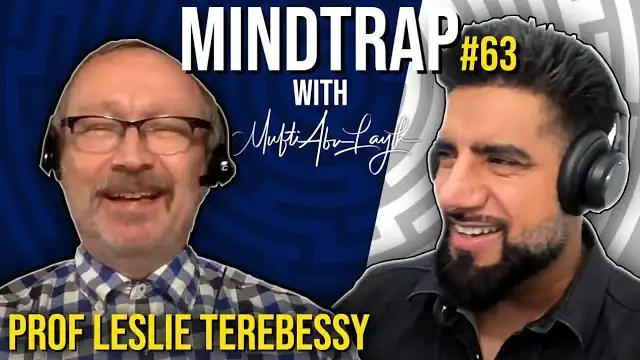
Prof Leslie Terebessy | Authentication, Abrogation & A'ql | MindTrap#63 | Mufti Abu Layth
salaah namaz salaat namaaz as-salah al-salah salawat sawm roza siyam rozah saum haj pilgrimage hadj fiqh fiqah fikh hadeeth ahadith ahaadeeth ahaadith saheeh sahih hadith saheeh hadith sound hadith tafsir tafseer tafasir tafaseer madhhab madhab school of law madhahib mazahib madhaahib malik ibn anas malik bin anas imam maalik imam malik ibn anas sahih bukhari saheeh al-bukhari saheeh bukhari imam al-bukhari imam ghazali jumu'ah jummah juma jumma jumah salat al-jumuah imaam imams prayer leader kaaba ka'bah kaabah masjed masaajid masajid mosque shari'ah shariat sharee'ah maaliki malikite malikiyyah hanafite hanafiyyah shafi'i shafei shafiite shafi'i school qiyas qiyaas ijma' ijmaa fatwah fatawa fatwaa fataawa legal opinion muftis hukm ahkam hukum hukam ahkaam halaal lawful haraam forbidden mubah mubaah mandub mandoob mustahabb mustahab wajib waajib wajibat fard farz faraid fard ayn fard kifayah fardh sunna sunnat sunan prophetic practice dalil daleel adillah adilla isnad isnaad asanid chain of narration hasan hadith hasan li-ghayrihi hasan li-dhatihi hasan sahih muhaddithun muhadith muhaddithin muhaddithoon raawi ruwat rijal saheeh muslim imam muslim muslim ibn al-hajjaj tawheed tauheed touheed oneness of god kufr kaafir kaafirun disbelief imaan eemaan eeman ihsan ihsaan jahannam jahanam jahannum mahdi al-mahdi imam mahdi quraan sura soorah surat suwar soora chapter aya ayat ayaat aayah aayat naskh nasikh mansukh nasikh wa mansukh wahy wahee sahabah sahabi sahabiyyah sahabiyat khalifah khalifa khulafa khilafah khilafat caliphate khilafa mecca makka mekka madinah madina al-madinah madeenah yathrib ahl al-sunnah ahl as-sunnah ahlus sunnah ahl al-sunna sunnis shiah shiite shi'i twelver ithna ashari salafism wahhabi wahabi wahhabism aalim ulema ulamaa shaykh shaikh sheik shuyukh shaykhs dawa dawat da'ee invitation ummat jihaad mujahid fitnah fitna fitan strife madrasah madrassa madaris madrassah religious school nikah nikkah nikaah nikah nama nikahnama talaq talaaq triple talaq talak zinaa zinah fornication in sha allah insha'allah in shaa allah insha allah inshaa allah ma sha allah mashallah masha allah mashaa allah bismillah ir-rahman ir-rahim bismillahir rahmanir rahim bismillahi bismillah al-rahman al-rahim salam as-salamu alaykum assalamualaikum salaams salam alaykum wa alaykum as-salam greeting taqwaa muttaqi god-consciousness piety shukr shukar shukur aadaab adaab manners etiquette ikhlas ikhlaas amanah amana amaanah amanat al-din ad-deen ad-din rahmah rahma rahmat ajr sawab thawab thawaab sawaablive stream · 3:12:31 · 6,500 views · 28 Jan 2022 · Open on YouTube
 Press play to load from YouTube. Nothing loads until you do.
Transcript
machineauto-transcribed, may contain errors · source: youtube auto · click a time to seek · dotted terms open the glossary[Music] [Music] folks alright welcome back people to mind trap all right i'm just going to first and foremost i have to do a quick sound check and make sure the sound is coming through i'm just going to bring up um some of the comments as you can see i'm somebody laughing yes of course see
where where this mine trap has to take me just for you guys people i have to set up in my in my financial estate building over here no let me just check the sounds coming through fine um right now people let me just bring up the profile picture of um who we have today just right before you in the profile picture today's guest is professor leslie terribashi also known as professor abdul karim
who is a teacher a lecturer a researcher on islamic studies quranic studies political science he has traveled throughout various countries currently resides in malaysia for several years an author of over 60 books and a has also i believe one to 200 research papers um right so without further ado let me just bring up before us assalamu alaikum
how are you sir i'm good shukran first of all i just want to thank you for taking the time out for sharing really these valuable moments with us we dearly appreciate it my pleasure thank you stu right so i'm just going to just before we begin i just want to make sure that people can hear um heroes both fine there's no issues yep i take it there's a confirmation there okay so professor um leslie um welcome to mindtrap and many people
have have come across various lectures or research material that you've put out there but for those who are coming to see you for the first time let's guide them through a bit of your journey if you will um so you've starting with your personal journey and then we'll i'd like to go into some of the research material and and theses that you have out there but you've yourself converted to islam in the 80s is that 1992 sorry sorry in 90 in the okay in the early 90s and and you guide us
a bit through that so first of all what brought you to islam and then a bit about your journey because you've traveled you've studied you've lectured you've ended up in malaysia for several years and you're researching so it's a wow so through uh quite briefly if you like but navigate us through a bit of your life and the chapters yes thank you brother uh bismillah
yes um may allah guide us only to say which is pleasing to him and my mail a guide is not to say anything that is not pleasing to him so thank you brother mufti for having me on your famous show and you are definitely very popular i know on on youtube and i hope you continue to do the great work that you are doing so all feasibility lies people say so yeah actually what what brought me to islam i can say that well it was my wife as it were you know and i don't make any excuses for this i actually first converted to islam because of this pragmatic reason i wanted to marry my wife and i i knew
that she would i had to convert to islam before i want before i can marry my wife because that's what islamic law said muslims are not supposed to marry non-muslims see the power the power of love see what it does it guides you it guides people it brings people exactly so allah has blessed me with an excellent wife we have one daughter she's living in canada right now in toronto and uh yes i became muslim and then we returned back to this happened in canada we returned back to malaysia i went to work in a in an islamic college which now has become a university that was sunway college now it is called
sunway university in malaysia and i stayed there for a number of years and i have to also perhaps mention that yes initially my conversion as i mentioned was perfunctory but um and i went on in this manner for a number of years maybe six or seven years and then i hit what i call my rough patch things became a little bit harder for me and i realized one reason for my difficulties was the fact that i wasn't taking my team seriously enough so i had a kind of second conversion if you like perhaps in the first one i simply became a muslim while in the second one i became a mukmin i began to read the quran every day yes thank you
and also to pray the five daily prayers and and whatnot and also began to go for the friday prayers in in you know malaysia so that's how it got started and um after five years in uh you know at this college uh we uh went back again briefly to canada for a year uh or so and then once again as i mentioned uh earlier in our pre uh recorded talk uh i uh again began to feel a little bit like a fish out of water so we we returned to malaysia once again and i resumed my job at the previous college i stayed there
for three years and then i how do i put this i think i said something in my classroom that upset some of the people you know i you had a discussion it happens to the best of us so what happened we were discussing because you know i i am a fairly free-ranging type of uh teacher sometimes i think we can we have to progress by digressing that is also a form of progress so we we began to talk a little bit about other religions like you know hinduism and whatnot and i i made a comment something to the effect that uh you know that we should not even look
as if we are praying to to idols because somebody in the class alerted me that well you know we we hindus actually don't pray to these images but because they're just representations and we actually really pray to the one you know god that these images represent so i kind of thought about it for a while and i said well i don't think that we should even do that you know and the moment i said that the classroom just fell silent you could hear pin drop so i'm thinking oops did i say something wrong anyway a little bit later a day or two later my boss calls me into his office and he says
he was from canada leslie i hear that you are making statements inflammatory statements of a political and religious nature in in your class i said really so i said terry can you give me any evidence of such statements and he and he gave a very interesting answer now remember this is coming from a canadian you know and in canada i'm sure in the uk in the western world generally normally you expect evidence before you come to any conclusion and you know what he said he said oh come on leslie we are not into evidence here it is the perception that counts i was shocked
i almost felt like saying terry do you think you might have been stayed in asia too long no i'm sorry maybe i shouldn't be saying that but you know the whole regard for due process so basically he wanted to fire me on a spot so i said to him terry at least let me finish the term you know yeah so yeah that's what happened i i finished the term but he didn't renew my contract so then i was gone yeah exactly so yeah and you and your ethnicity you're of diverse mixed heritage eastern european i believe yeah yeah i was born in uh bratislava czechoslovakia and now it's a separate country called slovakia about 5 million
people it is surrounded by ukraine on one side on the north by poland germany and austria and hungary so it's a landlocked country it is distinguished by having the highest number of medieval castles in europe so if you like to see medium okay that might be the place to go so yeah i i grew up there and when i turned 16 my my uh but to come back to my my heritage my grandfather was hungarian my grandmother was austrian and i still remember how she described to me how they got to know each other they were at a skating rink you know in the old days and they used to play music
classical music and people would dance you know or using a skates so my grandfather came came to her and said to her young lady may i please have this dance and she said young man you may so i love the adab the kind of the courtesy yeah i know so that's how it started you know and as you know we we had the austro-hungarian empire until world war one so they were a kind of the marriage of austria and hungary in my family as well luckily uh uh the marriage lasted unlike the empire fell apart but their marriage lasted so that was on my father's side on my mother's side her ancestors she told me came from france and
both of her parents were music teachers uh piano teachers and on my grandfather's side my grandfather was a judge he used to play the violin in fact he had a very expensive violin and original stradivarius which i was supposed to inherit by the way and i checked the price of a secondhand storage various and i discovered it's worth about 17 or 18 million us dollars that's for a second i know tell me you inherited it yeah well i was hoping to inherit it tell me you inherited it and we'll cancel the show right now and i'll just fly out to malaysia and we'll just have a party yeah no what happened is my my mom told me that one of my relatives
i think i have some suspicion but allah tells us not to be too suspicious one of my relatives said oh leslie doesn't play the violin so he won't need this so they withheld it from me and i there goes my 17 or 18 million dollars you know but anyway actually i have to confess allah gave me something better than a violin or 17 or 18 million dollars islam guidance so i'm thankful for that thank you very much
professor you've got uh what is it uh between is it over 100 or 200 research papers on research gate is it is that correct yeah it's a slightly over 200 including about a dozen books they are on the research gate under my muslim name which is abdul karim abdullah and they had about garnered about 160 000 views on academia you can basically find the same portfolio of papers and books but they are registered there under my legal name which is leslie terribasy yeah sure and on amazon you've got 60 plus books yeah on amazon i have about 62 titles i
think both kindle or ebook format and paperback format the longer books tend to be in the paperback format only but the shorter books are both in uh ebook format and um in some cases also in the paperback format if if the book is long enough to edit a paperback wow that's quite an accomplishment wow you know what god bless you that is it's definitely you know for just hearing that from a distance sounds like wow what an accomplishment masha'allah some of your key titles the the major books that you've got uh one of them focuses on um it's a it's a critique of western philosophy correct
and that one is called islam in the west and that came out of an idea i had one time to write a paper with my one of my co-workers on the issue but he didn't sound very enthusiastic so i ended up writing it myself in fact that paper that book was partly a result of an effort an attempt time made to to obtain a scholarship at harvard university which i applied for and i wanted to actually do research on that book there right there at harvard and so before they informed me actually i didn't succeed in getting a scholarship but what happened in the meantime is that
i in the expectation that they would accept me i worked very hard on the book and so the by the time i heard from them that they were not interested in supporting my research i pretty much had a finished book in front of me so for that purpose for motivating me to to bring it up to a higher standard the the the uh you know even though my expectation was you know didn't it wasn't fulfilled i at least managed to get a fairly decent draft and then so i worked on it a bit longer and i developed a critique of the entire western philosophical tradition which i studied basically at the university under uh the
friends of leo strauss i'm not sure whether you have heard of the so-called straussians they are now a very powerful i think uh one of the leading perhaps the leading academic stream in the united states some people accuse them i think somewhat unfairly of being quote unquote neocons and all that and even trying to blame them for what happened on 9 11. barbara honigger has a video on youtube where she blames uh the strausians leo stars in particular for this but i think that is an unfair you know charge and in fact i wrote one of my papers i i wrote a paper about that saying that he would have never agreed
or you know to this kind of because i don't know what your views are about 9 11. but there's a group called the truthers who say that this was uh okay uh i hope this is not too controversial for your show but they say that 9 11 was an inside job yeah and uh so barbara honinga takes that view uh and she was a close assistant to two presidents uh of the unesco reagan and bush i think and she blames strauss in particular for this the kind of thinking that made this possible but i i take issue with it i don't think they should be playing for that it didn't come from leo strauss he would have never approved of that and if you want proof just read
his book on machiavelli where the very first sentence says that i paraphrase roughly but as close as possible to the original he says quote we shall not surprise uh anyone uh if we incline ourselves to uh if we profess ourselves to be inclined to the traditional view according to which machiavelli was a teacher of evil okay so now he rejects any kind of materialism united politics has to be ethical that is one of his basic messages and i totally agree with that i mean and you've got another book as well on finance and islamic finance but before
coming to that i would like to slightly i mean another major book sorry obviously many books but a major book but before coming to that just to unpack a bit of this um a critique of western philosophy when you say that what what what is it that you're critiquing about western philosophy in general to get an idea and the gist of of your arguments here yeah what i'm critiquing basically is that western rationalism went too far to the point where it as it were throughout the baby with the bath water and the baby here is revelation the bath water bath water are the additions that
were added to the teaching of issa alayhi salaam into the teaching of the old testament that distorted and corrupted our knowledge of the real spiritual heritage of the western world so what we need to do is actually to recover the original teaching of isla islam and also the original teaching of the the old testament the torah and there are people who have already attempted to do do this in the western philosophical tradition hegel george friedrich hegel the well-known german philosopher who wrote two books on history by the way alone one was called the philosophy of history the other one is called the history of philosophy but he also wrote
in his early years a very interesting paper a small book called the positivity of the christian religion and this one it can be found online and in it he basically attempts to separate the original teaching of jesus from its positive elements from what he called its positive elements which are elements which were added on subsequently and were not part of the original teaching of isa islam hego by the way wanted to be a nustar he wanted to be a people's teacher in germany it's called fox earth see her but we have yeah folks actually like volkswagen fox earth it's here but anyway on the jewish for judaism we have the work of benedict
spinozza who wrote a book who was a jewish fellow and he wrote a book which got him into trouble with his jewish he was excommunicated yeah exactly and so he converted to christianity as a response i understand but that book is called the theological political treatise and in fact leo strauss's first book was on that it was called spinoza's critique of religion and i certainly highly recommend reading spinoza's book he writes very clearly it's very lucid and he makes some certain points which according to you know the the mainstream understanding in western philosophy spinoza's significance is that he wrote one of the first critiques of a revealed text like the old testament in the
western tradition from a rational point of view and hegel gave him a lot of credit for that and in fact hegel continued that effort himself in his investigation of the teaching of isa alaihissalam so yeah what uh spinoza did he pointed out for example some inconsistencies in the old testament like certain numbers didn't add up so in other words he was saying that well you cannot take it literally there are certain issues that that we need to address and i understand there were others who were addressing this issue like maimonides also wrote a book called uh guide for the perplex and i think if i understand it correctly he was trying to deal with similar similar issues when when people begin to notice
that hey something doesn't add up here so how do we explain this so my critique of the western thought is basically that it went too far in the direction of rationalism and neglected the significance of revelation and therefore and what this basically did was it liberated a lot of the passions you see quran talks about do not follow your desires but when you look more closely at western philosophy what you see is their progress a process of liberation of can i say desires absent smith wrote about greed he said greed is good basically we can you know if we accumulate wealth for ourselves we are doing something
good for the community freud said it's okay to have sex outside of marriage and whatnot so he liberated the the desire for pleasure you know we had we had others the power thomas hobbes liberated he said we are all uh seeking power after power you know and so hegel said we are all looking for recognition or fame or glory you know so all of these every single shopping hour also you know wrote uh you know along similar lines nietzsche wrote about what the will to power you know and uh yeah and this was this has tremendously damaging effect effects on europe europe
and the world because i believe that uh nietzsche's philosophy despite his brilliance and don't get me wrong i also enjoy reading but i think he got some things terribly wrong you know and and i said and marx also who claims religion uh is the opium of the masses and then nietzsche with his will to power he was an idol for the nazis by the way and he's kind of he's over munch kind of the superman character the that yeah yeah and and the german filmmaker lenny riefenstahl made the film which is considered a classic by cinema buffs called the triumph of the will which is another celebration
yeah chopin now talks about will you know the will to live and nietzsche took it a step further schopenhauer kind of then grappling with nihilism and and because he's kind of obviously got well you've got rid of god from the equation and then well what is the and i guess nietzsche is trying to kind of provide some kind of an answer with this well there's a you know a more fatigue that this this will defeat that like you just have to play out just being you just you know it's he's trying to say well just get on with it
and um you know it doesn't it shouldn't result in this kind of downward nihilistic approach um one of the things he did which i feel was a bit of an eye-opener for for many people was his genealogy of morals because he's he's kind of put it on his head hasn't he and he's saying well you know you think well these morals have come from from being good well actually it's an inverse you know it's like what the the have nots have kind of demonized the actions perhaps people who have yeah sort
of like marx is thinking but i would be careful with nietzsche you know he writes some some really when he look his will to power what he says about fasting is just so incredibly ignorant he says it's a disease you know that it's totally crazy to to fast is there's no good reason for fasting so obviously he never experienced the benefits of fasting i remember one time that was before i became a muslim i fasted not because i wanted but because i had the sore throat which was so bad that i couldn't swallow anything for two days so or almost two days so i fasted and i realized towards the end of this you
know period that suddenly my mind became incredibly clear and i remember having a discussion with someone and the thoughts just came so lucidly and i was amazed i said my goodness this is excellent i have to try this again for something along those lines so i think nietzsche really did not understand you know religion or deen or faith very deeply there's a certain shallowness about him and i think this is one example of it and as you know he went crazy towards the end of his life and for ten years he was basically a kind of a zombie or an actually an invalid almost and it's ironic because he
he says what doesn't kill you makes you stronger but it's almost an irony that clearly i mean his debilitated state for the last 10 or so years of his life um yeah so i see so did you so following on from that and looking at hegel and uh i mean hegel speaking of his kind of dialectics how did you see that because i'm trying to say well a kind of environment a social environment brings about its antithesis which then results in so this whole um did you did you put some thoughts on that as
well yeah by the way i can recommend a book by alexander corjev he was a friend of strauss by the way uh that's k-o-j-e-v-e he has a little book on the market called uh introduction to the thought of hegel and or the lectures on the philosophy of hegel and they are so well written that i even said to a couple of friends you know i think i read both hegel and cody but in english admittedly but i told my friends you know i think the kojeva actually explains hegel better than hagel because
that reminds me of uh charlie chaplin attending a charlie chaplin look-alike contest and losing it was something like that because i guess hegel was still struggling with it and it happens to me all the time that perhaps it partly is the reason why i have kind of i keep turning out these books one after the other because every time i finish one book i say to myself yeah i'm not bad but come on i i there's some i got to do better than that so here i go admire your wow your perseverance and and the energy you have that's amazing well yeah it's a kind of it's it's not that i actually want to do it i almost feel
like a need to do it you know i i told my friends for me writing is not something that i i normally write when i hear something like i heard brother hamza yusuf say recently in one of his youtube videos that the mutawati hadith is equal to the quranic verse i said my god how can he say that hadees or not is still the word of human beings how can it ever be equal to the quran so bingo straight away i sat down and began to write this paper i think i even did a youtube video but to come back to your question hegel became important to me you see because even though i associated with the straussians for a number of years and they're all very articulate people they are graduates of the ivy
league schools in harvard they taught at princeton yale and what not very articulate people and very capable but one thing that continued to to bother me or to somehow trouble me was this uh dichotomy that i felt they were building or assuming between reason and revelation you see the underlying assumption in their work is as in quite a bit of other western philosophy is that there's this tension between reason and revelation a tension between athens and jerusalem as they like to put it you know that some kind of a conflict that this cannot be reconciled in other words you cannot be a thinker and a believer at the same time and i had
difficulty with that and as you know probably you will agree the quran doesn't teach that there is any conflict between reason and revelation allies the most rational of all beings in fact you cannot anyone so so he's the knowledgeable hakeem and wise you know alim and hakeem so i had trouble with that and i i think i maybe mentioned it to one of my friends and he said oh yeah but that's if that's how you feel about it you should read hegel because he doesn't believe in that i said what okay i'll have a look so i began to look into the work of hegel and indeed i realized that he tried to reconcile this alleged tension between reason and revelation how well he succeeded is of course open to debate
there's a book written by one of alan bloom's friends his name is emil fackenheim he was a professor of philosophy at the university of toronto and the book is called the religious dimension in hegel's thought it's worth reading i certainly recommend the book and his assessment of hegel's attempt to reconcile reason and revelation was that well he tried but he didn't quite succeed that may well have been a fair assessment but who can succeed this is not an easy topic a very difficult task i mean trying to reconcile the two and and you have to consider as well the times are not the times in which these people
are writing are not as modern as today um you know people there's still restrictions and limitations and yeah but um are there any other names from that succession of philosophers that really stood out for you heidegger derrida any any any other um or or maybe before that that you thought uh leibnitz maybe or was there any anyone else that you thought was definitely remarkable i was a fan of rousseau still i still am to some extent but even he there are some issues with him you know and one of my i wrote a paper in a
philosophy course as an undergraduate on him on the question whether he was a democrat or an authoritarian and i think in that paper i was really into the view that he was a democrat but later in my life i begin to lean to the other you know uh you know uh view that he was something of an authoritarian and i based my uh conclusion on a famous statement that he made i think in a social contract where he said that and by the way this statement was plagiarized by mao zatung almost verbatim in one of his papers which i discovered totally by accident but the statement was that i quote if the people don't want to be free they have to be forced to be free end of god
now compare this statement with a complex statement though wow but but compare the statement brother with what allah says in the quran uh surah al-baqarah verse 256 liaison there's no force or compulsion in religion right okay so who is the authoritarian here yeah i mean is it the uh you know proponents of russia european rationalism the age of reason the enlightenment which resulted to something to uh was responsible to some extent for the reign of terror remember the french revolution 1792 when 16 000 people supporters of tradition of the monarchy were put to death at the
guillotine for the crime of supporting the king for the crime of you know being traditional by the rationalists so and then by the way think of what happened a thousand years earlier in muslim history when according to cyut 5 000 philosophers in other words thinkers or rationalists if you want to call it that but he uses the word philosophers were put to death by musa al hadi in 786 for the crime are you ready for this of thinking thinking their crime was that they were thinkers put to death by musa musa al hadi was the older brother of
you know this haruna rasheed in 786 that was part of the persecution of the rationalists and it was a blog do you really how many thousand did you say five thousand and brother by the way uh afghani admits that this may have been an exaggerated number because i mean i because i didn't know yeah but i would have thought that that sounds a bit because if we're going back to al hadi's time and um i suppose they're trying to lay you know the abbasids have come into power it's not been so long um there's been bloodshed they've kind
of overtaken the ramayanas uh naturally there's going to be some sectarian thing in the year between shias because the abbasids have kind of snatched the throne and well where does that leave the bait because they rose on the back of them um and you can see that there is this uh kind of greek thing coming in it is coming in as it as it kind of starts to blossom more in haruna rashid's time and moon's time the whole hikmah and the translation kind of processed by many of the muslim philosophers but does it really i don't know why would
alhadi use that time to turn against philosophers i mean this wouldn't what you see they were they were accused okay let me make it uh add another word to it they were accused of free thinking in other words they were accused of being zindigs or zandaka the free thinkers and uh there may have been other you know issues like maybe they were plotting to overthrow the government or maybe they were perceived as such you see because it would make sense to me for example um let's say this is i'm kind of trying to make some sense of this um you know objective kind of thought in the sense that i'm just trying to do
detective work here that le he has obviously the abbasids rise on the back of the shia um kind of movement from horizon and come down and they overthrow the umayyads now many of the the shia tradition much of the shia tradition is also rooted um theologically i mean not theological but from its usual perspective in reason and they share with the martazil as well especially with later generations now when the abbasids take over their immediate threat obviously once
they extinguish the omega pani omega is actually the halloween because in many ways they are more deserving of this throne because that's the cl that's the kind of dawah that they usurped the throne on so it would make sense that if they were to target and persecute someone from a political perspective machiavellian looking at it from a kind of machiavellian perspective they would target them and maybe a pretext because why are you persecuting let's say the family of the the the halloween or the hashmien uh it
doesn't make sense like you can't justify that to the public so to justify that by well they're actually zindigs and coat it with a different lens because um whereas really the issue is political that i um i don't know that sounds very like real the kind of things that real leaders and rulers and these kind of people dynasts have been doing no absolutely in fact i love ghani uh but by the way the 5000 number was quoted by was written by soyuti so alafghani was only quoting that number that was given by siuti 500 years earlier
so but he added that yes it was probably exaggerated but he adds that there's no doubt that it happened but maybe to a lesser extent but still he calls it a blood on muslim history but what i would like to highlight here is that this conflict between reason on the one hand and tradition on the other hand in a muslim world was resolved in favor of tradition and some rationalists were killed in a process so in a sense orthodoxy to some extent was enforced through by force basically to some extent okay and what happened in europe something very similar uh rationalism was also enforced by through
uh was imposed by force the so-called reign of terror and here we know that about 16 000 traditional people of supporters of tradition of the monarchy were killed in this attempt to impose rationalism on the rest of uh europe or at least france you know the ru the age of reason the enlightenment and what not so that is so in other words they try to solve the problem but in europe it was a reason that emerged victorious but in the muslim world it was tradition which emerged victorious and we are still living with that until today i mean let's unpack that a bit because this is such a big crux isn't it this is such a big issue uh that people present
uh i think at times it's just a to me it's on many occasions a false dichotomy that's kind of where people are being made to choose something which really at the heart of islam was never a thing like they've made it a thing it's like a while back in the uk not so much now but a good few years back there was this thing that oh are you muslim first or are you british first you know there was this kind of the media was hurling these kind of questions around and and and many people were saying well look this is like a false dichotomy you know you can't it's not we
you know we are british and we are muslim there's not uh you know you you're trying to make it sound like there's a false dichotomy here or there's a choice a binary here and yes so in many ways this thing of saying to people well is it or is it knuckle so yeah let's uh yeah let's let's unpack that a bit because i think it's so important no it is important and you are right in fact when i joined the university uh the islamic science university of malaysia here in 2002 where i stayed for five years one of their part of their mission statement was to
arrive at a suitable reconciliation or harmonization of akul and knuckle and i think that is the right way to proceed there should be harmony here and i agree with you that the so-called tension between reason and revelation or reason and tradition is a false dichotomy i totally agree in fact my very last paper that i wrote at the institute and which went through by the way approximately 700 revisions it was the most revised paper i ever wrote i was titled harmonizing reason and revelation in education i was grappling precisely with this issue you know and i concluded this is the point i'm trying to make that there is no tension between reason and
revelation you can be a believer in allah in the last day and you can be also a thoughtful person at the same time you don't have to shut down your reason or shut down your brain to be a good muslim no actually i have i think you have to open your brain and you know engage with the signs of allah which come of course in the form of the quran but also in the world of nature they also constitute the book of the second book of allah as we say so to be a good muslim i think we need to use our alcohol and when we reduce our reliance knuckle we run the risk of letting tradition go too far just like the europeans
allowed the reason to go to too far and look what happened two major wars in uh world wars in europe persecution of minorities so of course things didn't get that bad in a in a muslim world but we do still have some conflicts as to you know the interpretation of tradition by the way there's a book i can recommend by daniel brown rethinking tradition in islam is well worth the read he touches on this issue as well so we we need to re-examine i think our own tradition and come to the realization that the use of use of aqua is not an islamic at all and that as long as we don't place it above revelation we we should be okay but as
you know the mutasi lights were accused of placing uh the aqua above the the the revelation and that was for they were faulted for doing that but what about traditional muslims what what have they done actually they if you look closely something similar happened in traditional islam except what was placed above the quran was not ako it was the sunnah and i'll be quite forthright about it there's a famous statement among the exegetes that asuna allah judges the quran this statement is mentioned by taha jabir alvanin in his book called you know the reviving the balance 2017
triple i t and it is also mentioned by muhammad in his book called the quran morality and critical reason and they both say that this is very problematic there should be no reversal of the relationship between quran and sunnah the quran has the top and we should never put anything above it that includes ako or reason but it also includes knuckle tradition i feel in and and i want to kind of expand on that uh with you so i feel that what what happens in this false dichotomy
is um people are asked do you prefer do you give preference to your athlete of allah now this by its very nature the question is so wrongly placed and it is so misconstrued and emotionally charged that it's it is setting some the whole thing up for failure because it's it's basically like if i ask you um like what the thing by default is trying
it's it sounds as an affront to god because if i say to you okay so do you prefer you or do you prefer god because this is what it's you know if you're going to reduce the question like as an equation mathematically it comes down to saying okay do you choose you or do you choose god and that's categorically wrong and i feel that it was maybe framed in this way whether it was by chance or by choice to obviously demonize certain people now because in essence what the question translates as you see when you reduce the question you translate it uh
as in the equivalent is that saying you can only understand because you can only understand god through your understanding of course so what you're in essence saying what he ought to say is do you prefer your understanding of what god is saying over such and such person's understanding of what god is saying because really that's what it comes down to if it's going to be truly framed because if i was going to say well you know you're saying that i understand but for example let's say imam so and so has
said this so do you prefer your understanding over imam or so-and-so's understanding of this masala or this verse or this interpretation but when you reduce let's say you remove the sheikh or the imam out of that equation and you just put it as god and you say well do you prefer god over you it's a bit like when in the math herbs people would say oh um they would say do you pre well do you give preference to imam abu hanifa or malik or do you give preference to the prophet his hadith now what really ought to be
saying said is that well do you give preference for example what you ought to be saying is to the sunnah that this imam chose over the sunnah that is transmitted by this particular muhaddith so it's like for like it's the prophet's teaching here versus the prophet's teaching or the interpretation of the prophet's teaching here whether it's right or wrong is not important right now but the interpretation versus this uh narration and interpretation of choice as presented by this hadith scholar so it's like for like because when the moment i
say oh so the fatwa of abu hanifa is this and the hadith of the prophet is this you see oh the verse of the quran says this you know it's not like for like and you it's disrespectful to even attempt to answer that because the moment you're even trying to answer it you're sounding this wait a minute this is an insult to allah and his messenger so yeah yeah i think i would emphasize that the reason or akko is actually a means to attain knowledge you know so how can we attain knowledge if we don't use our uncle i mean we cannot
even cross a street safely without using our reason we'll get run over by a lorry the moment we try to do that so it is impossible to avoid using reason and there is no because this is what razi is writing in his whole you know the the alkaline knuckle debate he's saying look language by its nature is built upon it's built upon certain precepts and and concepts which are rational which are to do with the brain so the moment you say some words
it all depends on how i compute and rationalize those words so to say well remove your uncle out of the equation it just means your mentally incapable you you're just somebody that's majnu and doesn't have a knuckle so that and that person is on yeah i think what some of our traditional brothers and sisters want us to do is to not so much to use our own reason not so much to have our own opinion but to use our shakes reason for our ulama's reason our i remember asking a lady she was a director of one of the
universities here i asked her what was her opinion about this verse in the quran where allah says that women men and women are equal but men have a degree of advantage over the women darajad is the arabic word used and she gave a very surprising answer she didn't give me her opinion she gave me a half a dozen opinions of half a dozen different scholars but that was not my question i wanted to know what she thought about it she hesitated to say it because she was brought up to believe that in the words of one of my other former colleagues who was a very fine brother
and gentleman in every other respect he was a graduate of medina university and when i told him one time you know what's your opinion on this or something along those lines he responded to me but i responded by saying oh brother but i think it's dangerous to have your own opinion so he didn't have an opinion he had the opinion of the scholars that he was following and i was so astonished by his response that i didn't know what to respond at first quite frankly to he got me off guard and but a couple of a little bit uh some time later i realized what my answer should have been or should be and actually i shared with him this answer
and i when we met up again i told him that by the way brother in relation to your earlier you know remark your perception that we should not uh it's dangerous to have your own opinion i would say that actually i think it's dangerous not to have your own opinion because if you don't have your own opinion you will have someone else's opinion and what if that someone else is not giving you the correct opinion what if that someone else says to you that lala wants you to go and blow yourself up in a train station what are you going to do are you going to follow that opinion see and i'll tell you how they'll caveat that you see they'll caveat it by well
safety is then in numbers because then it becomes a numbers game democratizing opinions well they'll say well so long as the let's say a multiplicity of people or the majority of people that they are familiar with follow that then it's okay um obviously not to blow themselves up but i mean for the opinion that is yeah yeah so yeah and we encountered this as i mentioned i i now participate in some of these clubhouse debates and by the way i don't know if you don't mind me mentioning that two of our rooms are
progressive muslims and and muslim reverts and there's also a rule that erie pixel runs i think something to do with the number 19 and and so on and islam according to god and so on there's a few anyway so we encountered this objection from some of our brothers and sisters they say well who are you to have to talk about this uh who are you to have a different opinion from all these scholars are you saying that all these scorers scholars in 1400 years got it wrong you know but we have to remind them that you know what happened in the christian faith is that for uh longer than that people have subscribed to for instance
the doctrine of trinity and allah says clearly in al-quran lata kulu thalatha don't say three so they have been victims of uh delusion for more than 1400 years so just because somebody believes something for a millennium or longer doesn't make it right so sure and what i would say is it also weighs on what is at stake you see because because there's many opinions which to be honest um it's kind of nice the way i see them it's neither here neither the their opinions you know within fear you've got so many opinions whether a person follows this follows that to me
these things make very little difference but then there's some things which are gravely at stake because they're not just opinions they're things which you nest an entire edifice and a building on so for example this thing of reason where does reason like are we allowed to have opinions are we allowed to have independent thought can we think for ourselves can this is less so a fairly opinion and more so an entire foundation because your whole thing could be now silenced
and controlled and um and that is uh to me very dangerous i would feel that this a lot of this whole thing begins with political kind of sectarianism at the politics of sectarianism and i feel that what happens but my kind of theory into what happened here was that them in early islam there was no mainstream i mean there was known body or identity of mainstream muslims uh so mainstream muslims for the first
uh almost two to three hundred years don't have a name for themselves you know like they don't call themselves um or at least for 200 years at least they don't really they don't for example call themselves sunni or they don't have uh a name that we are this doesn't exist so imam malik would never have said i am sunnah because this word didn't exist like that in his time so the question was in early islam how do you maintain the how do you maintain orthodoxy and how is orthodoxy created so
the early methodology that follows for the first you know one to two hundred years of islam is by exclusion so we know the center by the periphery so what we will do is we will say we are not so and so we are not so we are not those who curse abu bakr and um his famous statements when when he was asked who are you and he said well you know we know and we we love the first two caliphs and and we do and and so on and so forth
and we kind of do must and so he's he's using symbols uh of rulings which exemplify the periphery so for example the shia do this they do this the hawaii so we don't call any any sinful person a careful this is excluding you're saying you're identifying by disidentifying with with the other sects so this is how muslims were doing it they didn't have a mainstream name and then the key movement becomes by affiliating with hadith this becomes like an
identity marker so many and this is why imam abu hanifa you know got unfortunately targeted because he wasn't identified with hadith he didn't identify with hadith when i say identify i mean he didn't preoccupy himself with the mastery of hadith he was not seen as a major mahadith or whereas malik and uh and the other scholars even arguably sufyana thori and sufyani nayena and all these other scholars are involved in hadith so you've got this going on now the are emerging because they they are the and they start to
uh have certain opinions and and i feel in the generations that follow sunni scholars uh what we're calling sunni they obviously develop this name with abu hastla they demonize the kind of ridicule arguments they're facing so when who were you know very powerful thinkers they said to them oh so um do you believe in such and such do you believe in such and such so one of the knee-jerk reactions was this kind of like a silly argument but to say
you you're giving your own utter preference over hadith you know it's like one of those to win like a crowd pleaser moment say oh oh my god this guy he's he's rejecting this hadith because he's preferring his own akhal whereas the tradition really speaking has already done that like imam hanifa for example used to say we don't go by that hadith imam malik used to in his mata reject several hadith the tradition already had these but by people using this as a symbol to as a shield against mata zilla it became symbolic of the
sunni orthodoxy all of a sudden that oh we by the way and you know to reinforce it people started i feel almost as a sense of bravado making a point by the way we accept these hadith that seem irrational and like finding an example like let's say you find a hadith that says well uh that's let's say i don't know that appeared to them as irrational they would say well we accept this see this is our motto this is our symbol where whereas a quick thing could have been i i feel a quick real argument could have been and people forget this about
the mata zilla core belief was that any person who commits a sin is no longer a muslim they're not i think that they don't trust so yes and no so the martha sila and all these people still write books on generations later their first assal from the five pillars of matasilah faith is that a person who commits a sin is no longer a muslim but he's not a kafir he is in a purgatory state we call it they
call it manzila bain al-manzilatin that he is in a state between the two states of islam or iman and kufar but he's not a muslim so they won't call him a muslim but they don't call him a kafir now to be honest this would have been the real strength to get them on you know for the sunni orthodoxy to respond this was the kind of gold mine this was the jugular vein because that is clearly a point of extremism now the muslims could have like the they could have gone in on these but unfortunately they went in on this aqua point
like hahaha you know these guys use their call these guys use their apple and this propaganda they started to spread about akal and demonizing all of a sudden it created a crisis which we're still suffering from today because we how do we undo the damage good point in fact it brings to mind the book by abdulhamid abu sulaiman called the crisis in the muslim mind the crisis in the muslim mind an excellent book and i highly recommend it it's available online free in pdf format it was published in the english translation was published in 1993 by
triple i t absolutely we have a crisis in the muslim mind now as a result of this belittling of reasoning and belittling of akko and by the way mustafa akio also wrote the book just published this year called reopening muslim minds um by the way that title of that book sounds very similar to the title of my former teacher alan bloom who who titled his book called the closing of the american mind so there's a lot of talk about opening minds it doesn't only happen to the muslims i guess it according to bloom it also happened in america you know somehow higher education fail is failing young people and it's interesting how
you just not to not to kind of get distracted with this but just a a tangential note how we see that you see it's a mindset debate the topics could be anything like recently we saw for example vaxxers versus anti-vaxxers and that same sectarian mentality being used and you could fit it anyway you know you get there was a movie a recent movie um don't look up and i don't know if you've watched it and you're into movies leonardo dicaprio it's on i think netflix but they have this thing where this meteor is coming to it's gonna you know crash
into earth and destroy the earth and some people want to back it and the politicians are saying ignore it but they have this slogan in it that look uh just look up there you can see the meteor the asteroid or the comet sorry and the other people start an anti movement called don't look up and it's the same sectarian like what we've got with kovid and you know hashtag or the anti-vaxxers kind of movement and and it's you see the same mentality the same sectarianism the same tribalism but just the words are different
you know the slogans are different yeah and by the way there's also another book relating to the muslim mind although this one i have to mention was written by a non-muslim and his name is uh riley robert riley and it's called the closing of the muslim mind so here is also boring by the way it's also available online free in pdf format for those who would like to um you know delve into it and but it basically takes up the argument according to which um you know people like imam al-ghazalia are partly to blame for the sad condition of the muslim umma today because neil degrasse tyson also yeah along
those lines yeah but there's also a muslim uh fellow called gamal he wrote on his blog also faulting ghazali for the decline of the muslim civilization because of his alleged belittling of rationality and there's also umar chapra he wrote a book in an article called is rationalism possible in islam or in contemporary islam and he also falls al-ghazali imam al-ghazali for destroying rationality in muslim thought by rejecting the doctrine of causality by rejecting the doctrine of the
efficient causes in other words if i turn on a light switch it is not me who is turning on the light but it is allah who is doing it so we we i feel that that was such you know this occasionalism that they went into in ashadi thought i feel it was an kind of an unnecessary point like they they they put so much energy and you know investment resources into this argument which is basically saying that look allah for those who are not familiar with it that allah is the primary
means an agent for every single phenomenon on earth whether it's you know the movement so for example whether it's gravity whether it's anything it's not uh anything else whereas the other argument would be still that it's allah is in control but allah has created forces that then do their job like allah has created let's say the the force of gravity now gravity does its job allah does not need to himself be that he with his essence be pulling the cup down whilst the let's say the ant antagonistic force is
pushing it up as well at the same time so allah is not doing both of these he's just created a system that allows it to work so just as allah for example has created for you a digestive system so when you eat something your digestive system is working now to say well your digestive system isn't actually working allah is making those things each thing move around and each thing you know it's like it's such an unnecessary and it really just shows to me a poor sense of philosophizing like this is just such a like you guys wasted so much resources on
this argument like i don't get yeah yeah so uh yeah this is uh this is an issue and i think and we need to like look at the condition of muslim universities today which is i think to some extent the result of this anti-rationalism according to a study and a conference that took place in turkey in 2017 and proceedings are published on the internet they point out that the people that put this conference together point out that in 150 universities globally not a single university is a muslim is a muslim university we do not have a single
islamic university in the top 150 universities what about the number of patents the number of patents in the arab world from 1980 to 1990 i think total about 370. compare this to 16 000 patents by south korea what is going on why is the condition of muslim education uh in such a terrible shape what does it take to to to to reverse the trend yeah that is so honestly that is so deeply hurtful to just even uh just ponder those figures because it is so indicative of the real situation isn't it just
everything just gets real all of a sudden like it's like and there is a lot of intelligence you know and a lot of incredible talent in the muslim world so something is either blocking or it's just not allowing that talent and intelligence to kind of uh to to perform in this way yeah yeah so i mean i remember there was a case of a fellow that wanted to do a critique he was a yemeni fellow he wanted to do a critique of al-shafi i heard this from a friend who okay who heard it from him
and the response that he got from his dean or his supervisor his dean put his hand on the telephone and said to him if you are going to do a critique of al-shafi i am calling the police right now wow can you believe that so of course that's crazy that's just like wow and you see this uh there is um there's a scholar um i'm not sure i think he may have passed away now but the scholar from pakistan um who his name was uh maulana ahmad saeed i believe um and so he wrote a book
called where he did a critique of it's not a detailed book it's a small book but it was a critique of bukhari and what he's arguing is that okay he's taking an a a a radical position i accept that and he he is stating that the he's critiquing sahil bukhari he's arguing that sahil bukhari is
fabricated by somebody else like there's some hands at play and then he says and he's very uses strong language in condemning certain hadith in bukhari which are blasphemous to the prophet sallallahu alaihi so he brings the example as well of the hadith that the prophet tries to touch a woman by force and like sexually touch her and he says that and these are some examples of he brings a few saying that look this there's no way he so he concludes by saying look and it's not a big book um he concludes by saying that look this this is completely this is not the character of the prophet
sallallahu alaihi and secondly he says that i don't believe the likes of imam bukhari was such a pious person would put this in his book so this is been somebody has played with the books throughout the generation he doesn't give a detailed analysis of the [Music] she doesn't say who he just kind of leaves it and it's a small book now he if from what i from what i'd read and heard that he i'm pretty sure was imprisoned over this because they they kind of uh they charged him with certain charges saying that he's uh attacking religion and he's kind of um you know this is he's disturbing the
peace and he's kind of like you said like they called the police on him and i'm pretty sure he went to prison for that it's like wow you know and the interesting thing is that people are you see what they fail to see is that even if you disagree with it and i get it that you see people get shaken because they think oh my god this is the tradition you know if this goes then it's is it going to be like a row of dominoes like does it just all fall and people get scared but and they're coming from a place of love to preserve the deen but they have to understand that the other person is coming from a place of love for the honor of the prophet
so yeah yeah it reminds me mentioning bukhari you know when i started my work at the islamic science university here in malaysia you know as a convert i i wanted to be a good muslim so i was reading my quran every day and i was reading my bukhari every day also so everything fine and good until i came one day to one hadees that totally shocked me and i'm sure you heard of these hadees it was a hadith according to which the prophet peace be on him wanted to burn down somebody's house because he saw this person was not getting ready to go to friday prayer i was shocked
burned down the house i think that's called arson and i think that's a crime am i supposed to believe that the noble messenger of allah who brought us the message to teach us how to be good people is suggesting that he wants to commit a crime and actually expressing his opinion about it to his friend brother i can share with you that was the day that i stopped reading bukhari and i never went back and i know later on i found out that other people feel the same way and later on i found out there are actually much worse hadees than that about the prophet for instance gouging somebody's eyes out
with old irons about the hadith about drinking urine or the hadith about the fly that you have to press the fly into your coffee and many other problematic hadees where the prophet allegedly sent a death squad to murder a woman pregnant woman in her sleep because she wrote some unflattering poetry about him who in his right mind could accept such stories about the noble messenger of allah
an absolute embodiment of mercy and love for the world um and and even described in the quran with the sifa that is used to describe god in a way i'm saying like he's you know this is i mean people can have the name rahim i'm just saying that look this is the description somebody that is always about mercy it hurts him to see that even one person uh you know when he heard that oh in the
uh in the incident with the khalid bin walid when somebody had said over that person embraced islam right in in the battle and but it was you know it was like too late khalid had kind of pressed in with his sword and and the prophet was so hurt he said uh and and he said no you know he they're saying he just said that as a safety so he could get the upper hand and say did you really did you look into his heart that this the kind of the concern the empathy and compassion yeah
so another issue i mean coming back to bukhari you know i mean sheikh hasan farah maliki points out that bukhari does not contain a single book on justice he also points out that bukhari does not contain a single book on ethics he also points out that bukhari does not contain a single book on ako so how did this happen
yes so how did this happen and what kind of and by the way i might add al shah tibi the author of the higher purposes of the sharia i noticed that it does not include justice as one of the objectives of the law why is justice omitted from his list of the objectives of the sharia shouldn't it be one of the central objectives of the of the sharia justice how come it got left out wow i never you know i've actually read his many years back i finished the whole thing and um now that you say that i i don't recall it but i'm so surprised i'll have to
wow okay if he left he does i know he emphasizes that the whole sharia the objective is welfare but other is obviously you know you could sum up the entirety of islam in that verse of the quran that allah just commands you for these things that just really justice and a compassionate kind of kindness but yeah i even remember reading in one book that i had it was edited by allah eddin kharafa who was an iraqi scholar and there was an article in it by a fellow called al-raji i don't remember
his first name but he wrote in it at the very end he says that he actually wrote that justice is alien to islam i could not believe my eyes when i read that it was followed by three dots i think the editor cut out the rest of it maybe it was worse so justice actually in the quran is second only to taqwa if i understand it correctly and there are two beautiful verses about justice in the quran or you believe stand up for justice even against your own self and so on so forth you know this verse so what kind of islam are we getting from bukhari are we getting islam that is devoid of justice
are we getting islam that is devoid of ethics you know see look at the yeah i was going to say one you see one question here because i'll tell you i'll tell you where i'm at with this and people often ask me this is how i i advise and this is my kind of where i'm at is that it's not you see i've never been i'm not uh against uh sahih al-bukhari or sahih muslim or any of these books i've actually studied them all covered together i've actually got an island going back to imam bukhari in it a chain of transmission
i just simply say to people that look uh that had these books of course you know there's going to we just have to accept that there will be a margin of error that's all it doesn't mean that let's say bukhari now has on average let's say seven thousand whether it's 500 or 700 700 hadith or whatever it is give or take now even five to ten percent of that if a person just took that right you're looking at if you're looking at seven thousand hadith
and you're looking at now even 700 well even 300 hadith when people take out the problematic hadith they ain't actually that many i mean when even if there are a few hundred compared to the thousands the overwhelming amount of hadith are usually just describing an event or saying well this happened or it's just saying well the time of salah was like this or it was like this or you know this verse giving a little tough seal to it it's not like to me i'm not um so the way i see it it's not about rejecting a
tradition i'm not uh so i'm curious how you'd stand on that to me it's about just saying look our tradition generally did not come to us classically through books of hadith so scholars like imam malik and imam abu hanifa used to distinguish between sunnah and hadith so the books of hadith were like databases they were like historical records normal common people didn't have access to them and in the past it was actually considered by many ulama haram to just go like try and buy a book of hadith and teach it because this would be called
wijada like you can't just pick up a book of hadith and start teaching it you had to be taught it you had to have a sanad in it so general the common public weren't taught islam through hadith they were taught it through the living tradition which often may have been fair and fatwas and other things and stories and maybe listening in the masjid to tough seed and stuff like this so that's so so this making this important distinction that today because people can buy books of hadith and they start reading them this was never the practice so now when you do it it's you're going to come across something like how you came
across something you go whoa what the hell is this you know oh i don't know this is this really true where a person finds a disturbing hadith they do not need to uh that's according to the sulawan i'm with that that they do not need to follow that they do not this there is a margin of error um so it's not i'm not saying let's burn books and throw away books and all these people were evil people they weren't evil people i believe they you know did a tremendous job for human beings but like any human being it's going to have errors in there it's going to have you know shortcomings yeah so what are your thoughts on when
you start with that absolutely uh it reminds me of the time when i converted to islam back in 1992 in vancouver uh my guide was a fellow from pakistan a very happy type of who gave me the first copy of my quran abdullah safali translation with literature the uh transliteration so after my conversion we went into this hall uh you know to to look at some books you know that were being displayed and sold there so i saw on the table i already had my copy of the quran with me and i saw a book called the 40 hadees so i picked it up and then i said well i'm becoming a muslim so i should know something about the hadees so i bought
the book and then i looked at his face when i was buying that book i looked at his face and he looked suddenly so dejected and so demoralized as if i really disappointed him by buying that book of the hadith and i i was struggling to explain the change in this countenance so yeah i was surprised surprised but maybe he was more of a koran mainly type of guy let me put it that way although we now have quite a few people who say we are quran only and what not but anyway it also reminds me your comments of this idea that you know the whole science of hadith we need to
remember several facts one is that the muslim will acknowledge themselves that the science was less than perfect why because uh the emphasis that was placed on isla was perhaps disproportionate compared to the emphasis that was placed on matan the meaning of the hadith was neglected and many hadiths were accepted which had excellence is not but they actually contradicted the quran and we have such hadith for example hadith and apostasy and adultery uh yet they were classified as sahih so how did these hadiths become sahih if they conflict with the quran please help me out if i'm missing something yeah i mean that's such a huge topic yeah i think let's speak about that the
centrality of the and the supremacy of the quran this is a non-negotiable uh according to uh you know i definitely according to the school of medina according to the school of abu hanifa the hanafi school as well very clearly and i feel that it should be according to every muslim as well but i understand that the shaffer e school and some of the humblys kind of saw things a bit differently and that the quran is always paramount nothing can question the quran and to say that we have
a narration so imam malik for example there is the very famous narration that if a dog licks a bowl that you have to you know this is kind of you have to throw the water spill the water and wash it seven times and you know some narration say one time with soil and all this stuff now imam malik very famously says that he says yes we have this reward we have it he says
what is it supposed to mean because he says because the quran tells us that we can use a dog to hunt so he says how can we eat its prey whereas its saliva if its saliva is to be refrained from how can we use it for prey as as a hunting dog he says and this principle of always saying look yes we have hadith that are being documented but you have a living tradition a sunnah that we inherit like from father to child
the practice the living tradition and you have the quran the quran above everything this is such an important theme um yeah i mean please let's get your thoughts on this this is so important yeah the other thing i would mention is that uh before i uh came to us a certain passage in actually the work of my former boss mohammed ashim kamali he writes in his book on jurisprudence principles of islamic jurisprudence which by the way is used as a reference book at harvard university and has been cited extensively in fact i was informed that he is the single most cited uh
sharia scholar in the world in the english language sorry muhammad hashim he's the ceo of the international institute of advanced islamic studies and he was my boss for practically ten years i was practically his right hand man did a fair bit of editing for him and then i started to do a bit of writing under his guidance and may allah reward him for all the good work that he has been doing so so but what i remember reading in his book that the hadees you see the hadees are actually not verbatim words of the prophet these hadees are paraphrases the hadiths are actually the words of the narrators
but they are not verbatim words of the prophet so when we say the prophet said this or that is it entirely accurate to say that or should we say according to so and so the prophet said this or prophet said that the this raises the additional question is if the by the way abu hanifa according to daniel brown would only accept hadees which were verbatim he would not accept any hadith that was not the exact that was sort of imam malik as well imam malik was one of the few who said that the the words of the hadith had to be they had to be verbatim they had to be that they could not be
paraphrased because it could not be what you call in arabic uh for those that are coming across this discussion and want to research it they call it that can you transmit according to the meaning and the problem with that is maybe you've misunderstood it so you go on to tell the meaning but surprisingly you are right and into the rib rawi and all these books jalaluddin suthi and other people will highlight that the majority of the ulama mahadithin go with rewayabil mana is okay that you can paraphrase and the
minority people like imam malik uh amongst a few others said that no you don't do rewire bill you transmit it as it um and they use the hadith that you see so this camp of ulama they say they had the the hadith of the prophet said not that may allah enlighten a person and bless him who heard my words
and he transmitted it as he heard it so they say this um and they also use the hadith that the prophet said in a hadith that people will take my words and he said that many people will and it begins by uh uh those of you that are present for you smile the prophet said that those who are here today hearing my words let them transmit it to those who are absent and then the prophet explains further and in there he says that
for many a person carrying a set of words will carry them to someone who understands them far better than the one transmitting them so this is all evidence to say that the words ought to be kind of fixed not paraphrased but unfortunately that side they didn't win the cultural war so the cultural kind of war was won by the other camp which said that no we can trans transmit with meaning yeah yeah and i don't know whether i should bring this up but the war was not merely cultural brother i'm sure you know that when uh al-muttawakil reversed the
policy of the mutazeelats apparently there was some persecution that took place of the rationalists and the mutazilites under his rule and you can find some of the details of this persecution people lost their jobs sometimes their lives there to escape and the details of this persecution you may find in a book called islam and science written by a pakistani a scholar called pervez hoodboy now the book is also available heard of him actually a few people told me actually to uh to get him on my i've never actually listened to anything of his already but i've heard of his name a couple of times being mentioned
oh absolutely i would recommend him to on your show very worth listening to but now to to come back to this issue of the hadith one question that arises from the fact that the hadees are not exact words of the prophet that they are not verbatim one question that arises i think is then how could any hadees have been classified as sahih if it is not verbatim i mean what is your definition of sahih does it have to be can it be a paraphrase or would it have to be a verbatim transition a transmission if you want to consider it authentic i mean what exactly is authentic report you see
i think the problem here is with verbiage it's with wordings because there's an overlap between a technical term and between a common usage of that term so you see sahih when used by the mahadithin like imam malik let's say obviously these terms come slightly after him but when he's considering something by their standard to be sahih it carries a set of conditions let's say that's it
stuff like this like these transmitters are let's say you know that they're reliable let's say generally speaking they generally know what they're doing uh this there's a connection in the chain when it's when it's kind of stamped with this term sahih sahih here just really means that the chain is connected apparently to the best of the knowledge of this authenticator so to the best of my knowledge this chain is authentic like as in you heard it from you from him from him that's it and you guys meet the apparent
conditions it does not technically mean the casual understanding of the word sahih which is that something is always correct so the problem is blurring the lines because you see this is why imam malik for example will bring many hadith from the golden chain from malik from nafiya from ibn umar which imam bukhari says is the golden chain and imam bukhari will say by the way i'm sorry imam malik will say by the way we don't act according to this hadith um he brings it himself he says here it is but he doesn't act according to it he
says we in medina don't act according to this hadith so i i feel that one of the problems allahu alam but my analysis is what adds to the confusion is this word like let's say the word sahih they used a different word in like let's say they use the word i'm just saying hypothetically i know it's not it's an approximation let's say they use the word this is mutta sin so it's connected now i know they're going to say there's other nuances but let's just say they use that word like they say oh this hadith in bukhari is mutthasil now mutthasil to the common person doesn't mean anything like it just means
it's connected it doesn't whereas when i use the word this hadith is sahih which in common arabic means oh it's correct or authentic you see this carries a different nuance because then the person thinks oh but it's sahih you see because that now i'm using that word as a as a normal word as well so i think this adds partially to the complexity of what we're dealing with oh absolutely language is very important in fact there's a book on this called language and islamic law i think cambridge university press published
written by a fellow called ramich shukriya hussain ramich he goes into some of this stuff i certainly recommend that book but the other issue with the hadees as we are on the subject is you see i have also puzzled over this i've read in some of the sources that i'm using for for my own work that apparently the prophet peace be on him actually prohibited writing the heidi's and this is there's a fellow called hudri and there's a hadith in muslim which reports this and i also read this in the work of tahaj abhirawani reviving the balance he refers to these hadees
there's abdul rabb on academia who also has an article where he says that the prophet peace be on him actually prohibited the use of the hadees also mentions this prohibition of the hadees so if the prophet prohibited writing of the hadith and iwallah says in the quran that we should obey allah and the messenger then and the people who compiled the hadith collections did they actually obey the prophet by collecting all these narrations what's your take on that brother i would be interested to know i mean that's uh that's definitely an interesting question i think what happens is
the early school of the if we can call them the proto mahatma so they're very early in islam when hadith are first of all just being kind of roughly documented they you know leading up to the time of umar ibn abdul aziz let's say where he commissions the collection under zohari just prior to this when people are documenting their own hadith on whatever kind of papyri or whatever they've got at this stage this discussion is a matter of debate because there is a teaching from like that you've mentioned where the prophet
sallam says don't write it because some of the companions say we used to write down what the prophet would teach us just as we would write down things from the quran and and and the narrator says the prophet reprimanded us and said don't write down my words don't mix anything with the quran there is another narration so this side that argued that we should never write down the hadith they used this as a as their kind of arguments the other side use a narration i believe from hajja to vida
where somebody approaches the prophet asking him uh for a particular i believe it's a or he's asking the prophet for something and the prophet tells him and he can't remember it and the prophet says to someone like write it down for him now the other camp used this to say that well the prophet in the hajjatha instructed somebody to write down what he was teaching for this person who couldn't remember it now so they justify they say that this side that look the reason the prophet in the earlier
hadith is telling them because that's they may be mixing it up with the quran because the person says we used to write it as we write the quran so the prophet doesn't want to make i do to me that sounds very plausible and it sounds right i wouldn't be against document as a person i i'm not against documentation of hadith um i think that's just as everything starts to get documented because we're not going to keep everything memorized and it is it does provide a and i'd like this to actually lead into a question actually um for you because
you see to me hadith sure this this is a database of this is data and it's used for traditionally was used by if we would say like researchers it wasn't used by the common public the common public didn't like own a copy of sahil bukhari or so scholars who did used it for research to me hadith do provide amazing details they can provide all kinds of color they can sometimes you come across such a wonderful hadith you're like wow okay i didn't realize this is
uh so to me i am i i i'm not personally with people who say let's disown hadith to me i see the middle ground and i advocate for the middle ground which is like the teaching of imam malik that we stick with the sunnah we do take the sunnah there's a primacy for the quran but we take the sunnah as the living tradition and we differentiate between sunnah and hadith and it's not and with hadith there's the caveat that look just understand that there will always be it's a human effort so there will always be a margin of error
but i do not call for for example i understand that look this is part of a heritage it does have a lot of benefits to it adds color it gives us descriptions it tells us stories it does all of these kind of things and the question was because i know we mentioned earlier we did have uh on on mindtrack previously uh dr edith as well and i know some people do take the position that let's completely discard hadith or some people feel that even hadith is something like evil let's say um i mean what are your thoughts on this
because i think it's a question worth asking because people would definitely feel that well wait a minute are you a hadith rejector um because so so let's let's unpack that question a bit what are your thoughts on all of these professors yeah that reminds me of a lecture i attended by i attended that was given by qasim ahmad who was a friend of idi pixel by the way and i met kasim ahmad myself after the lecture he is well known in malaysia and elsewhere for writing a book called haditha reevaluation which by the way was banned by the
in malaysia and i in fact recommended unbanning it after he during the question period after he spoke and he pointed out an interesting fact which during his talk which is that bukhari according to some sources collected as many as 600 000 ideas and he rejected 99 of them and he only kept about 6 000 of them and interestingly nobody called him auntie hadis how is how is that possible so he rejected the vast majority of the
hadith as not reliable and he kept a very small part but only just to just to caveat sorry won't people say that imam bukhari was not rejecting he was just selecting okay so there's a difference i'm just saying reaction yeah good point uh that brings me to the other question and i can you know mention that this question you just raised i mean the whole relationship between quran and sunnah quran and hadees is something that we have been discussing endlessly in these clubhouse rooms it always comes up always comes up and i have been struggling with it myself in my own work what is the precise
nature of the relationship between the quran and sunnah because i have come across hadees which are very nice and beautiful like for instance there's a hadees according to which the prophet allegedly sent peace be on him the highest form of jihad is to speak truth to power now that is very powerful hadees and because it is very risky to speak truth to power what happens to people who speak truth to power what happened to julian assange what happens to the whistleblowers you take a huge risk when you speak truth to power i mean what happened to socrates when he was teaching around athens
he was also put on trial and accused of believe it or not apostasy apostasy from the many gods of the athenians but the point i want to come to is that there's yet one one other issue here which is when you look at the quran and this is something that was pointed out by qasim ahmad as well as by muhammad shahrur and i think i'm not sure about the al-wani points this out but there's some verses in the quran surah 69 verses 44 to 46 where allah says to the prophet peace be on him that if he were to add anything of his own opinion to revelation allah would take him by the hand and cut off his artery
now that seems to me like a very clear prohibition of adding anything to revelation of the quran yet here we have mainstream ulama telling us that the hadees is revelation and they are they are calling it vahibatin they developed the doctrine of dual revelation and the quran being the vahisa so they are telling us and they are telling us not only that hades is a revelation there's they even have a hadith to support that according to which the prophet peace be on him allegedly said that i was given two things the quran and something equal to
it now my question is if the hadees are words of human beings narrators transmitters how can the word of a human being be equal to the word of god please correct me if i'm wrong if i'm missing something you know i think just a quick like a a reaction to that see people write so so this verse that wallop if he had fabricated certain things um regarding us
you know we would have taken him and he would have you know been snatched by the jugular but this would be i this would be understood presumably by people to say well if he was to distort the quran because the context seems that if he was to takawala fabricate um and say that look oh you know god said this by the way and god didn't say that then there would be a very severe chastisement and punishment but he obviously would never do that the prophet saw but this is the
quran saying that um that's just a reaction about and i wanted to add about the wahi thing you see right so okay so here's where i'm at with this okay so this is how how i see this and this is stemming from in line with the with many of the maliki of the school of medina is that i i would feel that okay when it says can the prophet salallahu alaihi wasallam legislate so i would feel that yes he could legislate like he could provide rulings um
but you see when we're talking about things like phil so for example there's a hadith now i know this would come back to hadith and then people would say well if if they problematize the entirety of hadith then obviously this wouldn't stand but let's say there's a hadith that the prophet said well when he's asked about hajj and and he says uh you know is it yes that we must do hajj the person says must we do hajjis yes now that's obviously in the quran as well and he says every year we should do it and the prophet says to him that look
what's like he reprimands him that look what's wrong with you why are you constantly asking these different questions and he says like if i said yes then would you be able to do it like it would have be let's say it became obligatory now people use that another as an evidence another hadith they use is where the prophet is prescribing territory a sanctuary like the sacred like don't break don't cut the trees don't kind of uproot the plant in the harem of of makkah and medina now especially makkah now there i believe is it uh
is it abbas or abdullah so somebody says when the prophet says that he says ya rasulallah can we make an exception for that tree this particular tree that they need for certain they need the branches for it for something so the prophet says it's called iraq the tree and he says okay and in real time the prophet makes an exception now like this i would see that you see the general fethi rulings because in usual there is an opinion so in jamal jawami
for example subki discusses this other people as well there is an opinion that the according to some uh if the prophet that the rulings have somewhat of for the prophets and arbitrary nature some of the rulings like they can say okay do this and it becomes that that's one opinion other scholars don't accept it and he he words it as saying like um whatever he was to say becomes the correct opinion um now this so i see this as a richness in allowing
diversity and allowing so i i see this as a strength um like so right let me put that back to you right so where are you with this where are you yeah yeah i am still struggling with that and in terms of the legislation there are people like shahrur who takes the view that hadith cannot be a basis for legislation although there are some evidence in the quran that you know people of the book did some legislation for themselves which allah did not prescribe them the christians legislated or made monasticism uh you know permissible for
them and then also isa alaihissalam says that i have come to make something for you halal that was previously haram and so on so i'm abrogation yeah abrogation but not of the entire teaching of uh the message of the the revelation not not the abrogation of monetism and so on but abrogation of certain rulings i think that can be accepted because we have evidence for that in the quran but my problem uh my issue i i want the issue for me is when i hear statements like i read on the website of
ibm baz the chief cleric of saudi arabia who where that hadith came from where the prophet allegedly said peace be on him that i was given two things quran and something equal to it but other sources cite this hadees as well but he also says additionally that i quote the sunnah is a part of the quran end of god so now my question is how can the sunnah be a part of the quran without mixing the words of human beings with the words of god is that consistent with the teaching of tawhid and is it consistent with maintaining
the supremacy the preeminence of allah can are we allowed to mix the words of human beings with the words of god is that permissible what's your view on that if i can now put it through back to you bro no of course so so yeah i'm glad you asked that so here's how i would see that uh professor i would see that in two ways yeah like so two i'm sure there's many but two immediately coming to my mind one which uh is in a descriptive sense which i would have no problem with at all if somebody used it it's just language so for example if somebody said well
uh the quran tells you to do hajj doesn't give you the details and the prophet's life shows you the details so in a way it's like it gels with the quran the sunnah is in harmony it's like it's like a 3d depiction or a kind of it's a projection of the quranic discourse so the quran is saying pray and by projection on the big screen we can see the details being acted out by the life of the prophet so that to me is i've that's brilliant spot on i i've got no problem with that that's just words and of course the quran was
um lived by the prophet sallallahu alaihi the other side of that coin or that that argument which i would have a problem with is um it's a bit like what you referred to earlier in saying that the sunnah or part of it supersedes okadia it judges over the quran so for example there is a verse in the quran
there is no compulsion regarding the theme now that would mean that an apostate cannot be killed based on just faith i'm not talking about siesta which the scholars use as principles of of basically political where they will say that oh this person may be a traitor he may be a threat this maybe he's gonna conspire with the enemy states and that's more a political ruling but as far as pure iman is concerned just iman we're not talking about any other threats this just by a person saying that look i
don't want to believe in god allah in the quran in all honesty allah is not in need of this person's iman this person is in need of allah exactly so we we it is a sense of arrogance on our part as human beings that thinking that god needs us so allah says in the quran you know hey look i've is your consciousness enough not a sign that wow something bigger than you exists and and if you want to believe if you don't it's up to you you know allah is not in need so if a person
was to say that look i and allah says in the quran we're not going to what kind of an iman i is it if we are to force somebody to believe it is an insult you know what kind of a faith like if i had to force someone to say thank you to me like i have to force you that is insulting to me like i have to force somebody to say thank you uh that's not gratitude so the quran is clear now if somebody said well okay we've got that a ruling in the quran
but there is an i'm going to take a hadith and overrule the quran now and say you see now this is a problem this kind of saying that the hadith will overrule overshadow the quran this is uh misplaced and this is even if it's coming from a sheer uh love for the tradition it is a misplaced love because the quran can never never be misplaced the quran can never be inaccurate and wrong in that sense where we're saying well the quran kind of needs a bit of correcting here no that's that's
as muslims we would never say that so this so that's where i stand with this so there's one side of saying that the sunnah is with the quran which is perfectly i've got no problem which is a descriptive uh side in giving description about speaking about salah speaking about how do you do hajj or allah says in the quran for example he commands justice or he commands let's say and you've got you know many beautiful hadiths of the prophet showing by his character he's been kind i thought that side i'm absolutely i celebrate it uh this view
uh i find it disturbing that we would overrule the quran and that is the understanding by the way in principle at least in principle of the hanafi method and also the maliki method as well yeah yeah not only that it goes even further than that there according to tajabirawani imam scholar even went so far as to declare that if anything that we say contradicts the quran or the sunnah then the quran or the sunnah should be considered abrogated
become basically the highest authority and i remember when i was giving a class a english class to a group of professionals from one of the major conglomerates here in malaysia we sometimes would discuss a little bit about islam and i said something to something about the ulama and one of the my students another wise bride sister said to objected and said to me but mr abdul kareem the ulama at the highest authority so when i heard that i post briefly and i said sister in islam the highest authority is allah to allah
please don't confuse the two the highest authority is allah there is no one above allah so and in fact the shafi mazhab the traditional ranking of the roots of the sharia does place in fact the quran in the top place followed by the sunnah followed by the each mind then by hd and what have you so but i agree and i'm not alone we are not alone here brother that placing the sunnah above the quran and there is another saying which is popular among the exegetes which is that the quran needs the sunnah more than the sunnah needs the quran this is another way of prioritizing the sunnah of the quran in addition to the
statement that the sunnah judges or explains the quran because the moment you put the sunnah in a position of a judge of the quran you are placing the sunnah above the quran and is that right and there are people writers including shahru and i believe uh alvani also points this out this is not right we cannot reverse the relationship between the quran and sunnah
the way i had said in response to that would you uh because i had said in one aspect were it simply descriptive and just uh explanatory it's just saying well i know somebody could argue everything is explanatory but where it's in detail so we're where you have something like mujmal and then you have mufasa allah saying but the prophet is showing you how to do the salah or allah is saying you know um and the prophet is saying you know these are the monastic follow me and i'll show you in this sense it's it's not this you wouldn't have would you have an issue you wouldn't have an issue with
that side it's just the other or would you with both well actually to be quite frank brother i'm still trying to work this out and it's not an easy issue to come to grips with but i am reminded of the verses in the quran which the qurani people are fond of pointing out that a the quran is a clear book another verse which says we have this is a complete book we have left out nothing out of this book and it explains things in detail you see so and then to assert as some ulama have asserted that the quran contains unclear
verses or ambiguous verses i find somewhat problematic because the quran says after all that it is a clear book are we supposed to believe that allah revealed some unclear verses to us that somehow on the day that he revealed certain verses he felt a little bit blurred i mean i was shaytani regime and therefore that he needs a little help he who is above all needs am i supposed to believe that he now needs a little help from his own creatures from his own servants to help him make himself clear because that is traditionally exegesis is telling us god forbid yeah
i mean to be fair though uh professor no muslim just to be clear would really ever say that god felt blurred or anything or was uh and what uh what just to be clear for the viewers that's justin you know just trying to say by at absurdum one could say something like this but what would you then say about people would say well the verses that say allah says from the book are those verses which are there are other verses so that which can can have multiplicity they can have the shabbo and i i wonder how
how would you see what is that referring to well first of all i think that the rendition of mutashabihat is ambiguous is incorrect and i have even seen leslie hazelton who is otherwise a very knowledgeable woman she has some interesting videos on youtube leslie hazelton that's l-e-s-l-e-y she was actually i think on one of ellie's videos he interviews her hazelton that's h-a-z-l-e-t-o-n
and she gives a teddy talk also very brilliant about the quran but she makes this one error which is to render the word mutashbihar as as ambiguous you see the act the the word mutashabiad actually means allegorical tasha bahat kulubuh means their hearts are similar it implies similarity and by the way in ordinary communication the a simile or a metaphor or an allegory is typically used to make something that is unclear more clear you know what i'm saying but of course the mutha shabihat can be interpreted more than one way like the expression the face of allah can be interpreted
literally or metaphorically and allah of course advises us not to pursue these uh you know these metaphorical words because it is the people who have somehow a perversion in the hearts that you know follow to try to follow these particular verses so i personally believe that there are no unclear verses in the quran because allah cannot be unclear that is my that is my take on it but please correct me if i'm missing i think everybody you know this is why i'm curious to see your understanding the way i would similarly i would understand this verse where you mentioned
um as allegorical or what i would understand i wouldn't restrict it to just verses to do with descriptions of god although that may be from it i would say that there what the quran is teaching us is that revelation as a whole um it has the nature of revelation like the ontological the essence of revelation of scripture allah is saying that there are verses that that are there parts of it that have come very clear with a very clear precise message
that is the um this is the core of scripture but revelation and scripture by its nature will have a dynamism to it because human beings are dynamic and that dynamism there will be elements that have an agility a flexibility to it because um like you mentioned it can be allegorical they can be kind of stretched they can be because human beings are like that with our own existence our tabiah so some people may use revelation at certain times to
manipulate it and those are people that have a disease in their hearts because they they are not doing this with a righteous cause they're manipulating it and so i this is how i would understand that um so people can at times manipulate if they had a ill intent they could misuse scripture and revelation and cause harm with it but otherwise the words of god would never you know the words of god are a mercy but people because they are crooked they can manipulate stuff that's
how i kind of see that verse um yeah so okay i wanted to to unpack a bit of um the abrogation uh topic but before that just just two key things one just a little statement because we've spoken a lot about hadith uh but and the other was just a question i wanted to ask that because we've mentioned dr edible and i've had dr edith on and we've spoken about the quran quranis movement that was a question that people may have that do you identify with the poor honest quran only movement or is it just
you're sympathetic to them or um because people may have a curiosity i know dr edith was very passionate about his kind of stance when i had him on on the show um so that's a question but before you answer that i just wanted to make a little statement because since we've spoken about hadith that is that um i've said this before and i've said this uh many times just this is just for the viewers that look um what i and and you can comment on this as well professor as as i finish with this that uh what i do not advocate and i actually
argue against is that please do not use these words these discussions these uh this discourse to spew hatred okay um because i have found on certain i've even i've bought a book as well uh i bought a few books but there was a books i bought by somebody who was just really because it said it was a discussion on bukhari but he was just spewing so much hatred and said and the whole book is in arabic it's called you know the crimes of
it's just spewing so much hatred um using obviously he's not using from he's already published in arabic but i mean just say sometimes i've seen people who hear some learn certain things and they use it to further an agenda of of a problem that's within them like there's something there's some turbulence in them there's some kind of hate and they're projecting it this is to this is a serious discussion and this is a discussion about really something that is so important to the hearts of many of us faith and how we deal with it and many people that do
struggle like they see certain hadith and it problematizes their faith in fact just today i was or yesterday i was just responding to a message uh from somebody from america new york who was just bothered about so disturbed by the same thing and i would say that look this you have to understand that when you do that you make everything so much worse obviously apart from just spewing hatred you ruin the dialogue because then people don't engage you have to understand that look people feel that a discussion like this is an attack on the tradition
so they get all defensive and they get defensive because in their hearts they also have a love for the tradition now we may argue that is a misplaced in this place because we're not trying to attack the tradition we're just trying to say that look let's accept human margins like other ulama have for error and safeguard the iman of many people but when other people come into this discussion and start spewing hatred start saying oh you know this guy imam imam bukhari or let's this kind of stuff this is not befitting so i just wanted to clarify i think it's really important
and i do even if it's you know and i would advocate people even if it's for the human endeavor the ulama or the people they have like the tradition it is a rich tradition it's not a perfect tradition it's a human tradition but it is a rich like people have spent lives and you know they weren't they weren't people trying to be criminals or spew or do you know like imam if somebody may say i disagree with imam shah for his view of thing he spent an entire life doing something so there's credit to what a an imam has been doing even if you disagree with their views but that was really important because this discussion
i think it gets a lot of juices flowing professor with people and a lot of energy and people sometimes get all heated and and i hear things and people start typing things and they start insulting let's swear at the same time and none this is not from islam and it just ruins things and if there's compassion you can actually get some way in a dialogue you know you think a child i see this person's coming okay you know he he too cares for this but okay this is his angle let me try and talk have a dialogue but sorry uh professor that's why i said that but coming back to you um if you've got some thoughts on that the other question if if you'd like to
answer if you'd like to leave it that's fine and then i'd like to unpack a bit on abrogation sure well in relation to this hatred absolutely you are absolutely right in fact i'm reminded of the verse in all quran surah 16 verse 125 which says that we should speak to people in the best possible manner and and yeah i have in fact included this quotation in my first book reflections and i remember when i showed it to sheikh imran hussain who's actually a friend of mine he was absorbed by by that i would love to get him on here if he's ever if he ever agrees to it
well i don't see why not he's quite a reasonable chap you know i'm sure that he would you know have some interesting things to say he's got quite a large following here in malaysia and he draws big crowds whenever he gives a gives a talk here and in fact being on a subject i remember asking him one time this question sheikh what is the relationship between the quran and sunnah we were walking to some place maybe i mean to give a talk or to listen to a talk and as we are walking he thought about it for a while and then he gave me this answer he said and i'm quoting pretty close to her about him he said the quran is
absolutely authoritative and then he added but the sunnah is conditionally authoritative and that was the end of his answer my interpretation yeah it seems to make sense in other words we need to subordinate the sunnah to the quran not the other way around but what seems to have happened for some people is that they have some people appear to have subordinated the quran to the sunnah and in fact he says in his book an article on the abrogation in fact that we need to come up with a methodology whereby the sunnah can be subordinated
to the quran i'm paraphrasing once again but you can find the exact verbatim words in newspaper which you can find on academia now in terms of the other question whether i am a qurani person or no i would suggest to the viewers if you want to know my position please look at my writing i have tried to articulate it in a way that i don't have to go back to it and redo it or improve it although i have already found myself doing exactly that a few times the nice thing about publishing on amazon is that you can very easily replace your manuscript if you have an updated version you just post it again and it automatically
replaces the document that is already there with the new one so i have found myself i do find myself from time to time i read over the book description to one of my books and i said to myself my goodness i cannot put it like that i have to redo this so i go back to the drawing board redo it and i repost it again so it's an ongoing process but in terms of your question whether i'm you know a qurani person of course i believe the quran is the top authority the sunnah should be in agreement and i also believe that islamic law should be based on the quran i have to confess to that why because i'm disturbed by the fact that death penalty
for apostasy was included in the sharia despite the fact that the hadees on which it is based is a solitary hadees it has problems with logic because it says whoever changes his religion kill him that that means he would have to kill me too because i changed my religion when i became a muslim and also i understand that ibn abbas to whom this tradition goes was apparently only 13 years old when he reportedly heard the prophet peace be on him say that the tradition it's it's also the transmission from from ekrama who was also it supports an ideology
which was he was part of the kind of uh the juarez uh ideology which was an extremist where people they would also or at least some elements of factions of the quraish would kill people if they committed sins and other things so yeah so this hadith clearly conflicts with the quran it conflicts with like rahmedine plus with the other verse that you cited already whoever wants to believe let him and whoever wants to disbelieve let him there is no compulsion in religion and when we try to force someone to become a pious we are actually also violating that person's dignity and allah said in the quran we have bestowed dignity on the children of adam so we should not violate people by forcing them it's a
sort of uh you know forcing people to do things is very bad i mean look i mean i don't know whether this is an appropriate analogy but you know we have this instance of rape when women are forced into sex when they are raped right now what about forcing people to believe something can we think of it as a kind of intellectual rape i know this is very strong words but this is what i'm trying to say it is not you see iman forced faith is unacceptable yeah it breathes it does not uh that that is it's not faith it's not faith it's not
you can't say i'm i force you to believe in god it basically just means lip service isn't it it doesn't mean there is no iman if i said to you right now you better say you believe in allah or i'm going to shoot you or if somebody said you know you better say that jesus christ is lord or i'm going to shoot you naturally you're going to say okay you know sure jesus christ is lord can i go now please i mean it's just lip service it can never be iman there is no iman and force is an oxymoron yeah yeah and as i said in a talk that i gave to the uh academic members of our university
they asked me to give a talk because the the scheduled speaker sort of cancelled out in the last minute so i was asked to give a talk and one of the points i mentioned was that if we are going to force people to have faith we are going to produce hypocrites that is what's going to happen how can you have sincere believers as part of your group if you are going to force people and in fact it reminds me of a discussion i had with the acting dean of the quran and sunnah faculty one time at the same university where i told him that why are muslims so concerned about you know killing apostates just let them go you know the the muslim community will be strong
without such people and he gave me an interesting answer he said you know brother abdul karim that is exactly what sheikh tantawi said when he was visiting us some time ago he said because there's even a verse in our quran where the prophet was peace be on him was concerned that some people didn't want to join him in a particular battle and allah responds by saying don't worry about it let them go you will be stronger without them and i believe this is true a smaller number of committed people is stronger than a larger number of people who are not so committed and in fact may be hesitating in their decisiveness and their firmness you know during a war second world war
uh between when the the russians were you know the there was this directive that you couldn't say anything uh like just for saying something like oh the germans have so many planes if you said that among the russian soldiers who were on the brink of defeat and on the brink of demoralization you could be shot martial court and be shot for demoralizing the troops around you that's how seriously they took it so you had to be positive and not to create doubt among the fellow soldiers that could lead to the loss of the war due to demoralization
so i totally agree that you know there cannot be any compulsion in religion and this hadith was anyway made part of the deen for political reasons to maintain unity among the muslims and this is not a hidden thing so you see for example the especially the hanafi mother which is very vocal about this uh imam saraki and other people write very clearly it was very early on we're talking over a thousand years ago they write that you see the ruling for the the apostate that they say this penalty applies to they say it doesn't apply to the woman apostate the female apostate
because she is not a threat so so because the question was that what was it they were afraid of it wasn't a it wasn't a a theological threat they weren't afraid of a theological kind of element they were afraid that the man was going to become this renegade and because he knew where the muslims live and he knew which gates could be easily breached and he now leaves the community you see and the hadith they use he leaves the community he's going to spread inside the secrets and in in the olden days the towns and cities were inside these walls and
inside they had the gates and they had weak spots and they knew so this was the threat and they felt that well the woman how is she going to be a threat to us so this is why they say that oh no okay the woman you can imprison her but you can't they said that she doesn't have a death penalty because the whole point back then was it was political it was about politics military about breach of general safety it was about it it was about basically potential terror for for all the inhabitants that's what it was it was never about your iman to god
why would it because whether a person chose not to believe his loss you know a person says look it's like people say today oh you know i don't believe nothing makes it you know fine that's that's okay it's your way of looking at that why would that bother me why does that bother my faith yeah i think what happened there was a confusion of apostasy with treason treason yes is a crime and should be punishable severely because like you said a treasonous individual can bring down a whole community by opening a door to let the enemy in we heard of the trojan horse thing and whatnot but for leaving the religion alone and i
think this is how quite a number of people explain this but they should be stated clearly that the death penalty here is not for apostasy it is for treason that would seem to me to make more sense but the other example of course famous example is the death penalty for adultery the quran clearly prescribes 100 lashes for zina conviction based on a testimony of four reliable witnesses and according to a former friend of mine who passed away unfortunately already mayor bless his soul was a director of an islamic university here in malaysia and in fact he was director of the top muslim university in the world at the
time i don't want to mention his name to protect the privacy of his family but he told me that in the entire uh history of islam in 1400 years there has not been a single conviction of adultery based on the four witnesses you know so of course it's very difficult to prove a climate exactly so they say they have to witness actual penetration like all four you can't just even see the man on top of the woman you have to all have the exact angle yeah and how many people will do this kind of a thing in public where they can they can be witnessed of course not but the fact that the the penalty of 100
lashes was abrogated and replaced by the penalty specified in hadees shows to us an example of where the words of human being actually overrule the words of allah and that is very problematic please correct me if i'm missing something yeah no i i i agree with you that this primacy of the uh of the quran the centrality of the quran in islam it is the backbone it is a central nervous system of our faith as an organism that without it there is no faith and it
is it is it is always going to be number one and that is to be feared traditional islam according to at least the maliki school and the hanafi school although i do accept throughout the centuries what um some um what you have uh professor from the tip of my tongue the professor from the states but what he what he had called was the shafization process um where about seventh century sev about 700 years in you start to get a lot of the other majority of the ulama seem to shift
towards the way the mahadithin which were mainly a lot of them were in the near east they see things so even though they were in in their roots hanafi or in their roots maliki they started to kind of shift their outlook towards this and this is the canonization of the sahihan also kind of begins but yeah so following on from that the the what we were saying about uh abrogation this is an i i mean a lot of people ask this and i know you've got some writing on this and you've got some
discussions on it and you've got some videos as well on youtube so yeah i mean i'd love for you to share your thoughts on that where you stand with it yeah by the way i also have six videos on application on academia however about 15 minutes each however these videos are accessible only to the premium subscribers so you would have to be a premium subscriber to access them on application abrogation no on academia yeah they have introduced this new policy wait a minute you can put videos on academia oh absolutely seriously yeah
all this time what have i been doing yeah you should put your videos and by the way brother you can get paid for it actually i got yeah actually i got paid for these particular videos i won't you know resign long live capitalism people generally exactly so in fact they approached me to do this course they called them courses they saw my short video on abrogation which is also on youtube and they said hey we like your video how would you like to do a course on it so okay there it is but since they paid me for it now i don't feel justified in putting those same videos on youtube
because i think they got sort of like exclusive rights to them if they hadn't paid me for it then no problem the other set of videos i posted on academia for which they did not pay me and that and that's why i felt that liberty to post them on youtube other videos on the uh evolution of political islam or the genealogy of political islam as i put it so there's um there there's one short video on abrogation on youtube and there are these six others on academia but like i said it's only available to i don't know how much they're asking for a year subscription i don't think it's that that high but anyway just let your
viewers uh know this and what what i'll do as well at the end i'll um i'll get your links uh or you can send them to me and i'll add them to the description yeah thank you so you know this issue of abrogation came up while i was still at the university of course i would talk to my i was teaching english or literature in english shakespeare in english uh english for special is editing i i'm a coordinated the program for a year there was about 2 000 students in it i had about 48 staff working for me 16 or 18 of them full time the rest part
time was a big job but hamdullah managed yeah so and i even thought i think two or i think three courses anyway it was uh but anyway so i would have discussions with my students from time to time and i would tell them what i read in the quran i said you know we're already in the quran that the quran confirms the previous revelations i told them i found 20 verses in the quran 10 of which mentioned the torah in the angel side by side and the other 10 say that the quran confirms what is with you already the arabic expression which is used is which means which literally means what is between
your hands already meaning what is with you already meaning the torah and the ngo so but my students were assuring me telling me about mr kari mr abu karim don't you know that the quran abrogated the previous revelations i said no i don't know that i don't so i was experiencing cognitive dissonance getting conflicting messages one from the quran and a completely opposite message from my students so i was wondering what is going on here and who should i believe of course i believe allah rather than the human beings but what this told me what a line who speaks the truth more than allah who
is better you know than allah speaking you go to them you know what i've listened to you all and you know what and i could listen to you i could actually agree with all of you but you know what i'll just go with allah of course i mean allah says allah loves those who put their trust in him and nothing against the sahaba or whatnot but as i mentioned in one of the comments on one of my clubhouse room the discussions allah does not say that he loves those who put their trust in a sahaba with all due respect to the sahaba we have to love put our trust in allah because that trust will never be you know betrayed and whoever holds on to the teaching of allah has taken hold
of a strong hand hold you know and we must hold on to the rope that allah extends to us so if we if we compromise on that we could be facing serious difficulties i was going to say that there was a there's a joke that they transmit in the in the books like you know in the past when the mathematics would always argue with each other and take digs and especially the hanafi's and chaffees would with each other all the time so what happened is on a particular uh incident there's some person they had a gathering of mixed gatherings some shafi's and anaphies and they were taking digs at each other so they were saying well you know this oh
well this is the life between you guys and the prophet saw one of them had got up and he had cited a masala and he said well this is the masala and he said but there's he said this he said between allah [Music] so i remember when my you know our teachers told us hadith when we were studying hadith in pakistan in madrasa oh my god i fell over laughing and it sounds so hilarious in arabic it's like what the it's like saying yeah there's a difference of
opinion in this between god and him little person all right exactly yes but sorry yeah coming back to yeah so okay so abrogation you're saying so currently you're describing the abrogation between the quran and prior scriptures is this is what you mean by obligation well no actually there's more to it than that abrogation takes many forms that's one form of abrogation i think it's traceable to even kathir who allegedly claimed that the quran abrogates the previous revelations which i think is an incorrect point of view because it runs directly in the face of the teach
what the quran says in no fewer than 20 verses but of course there's another the problem with abrogation extends beyond that because another form of abrogation we have is the abrogation of the quran by the quran and here some of the ulama have claimed according to muhammad gonzalez that a single verse in al quran verse number 5 surah number 9 the famous verse which says quoted out of context of course kill them wherever you find them according to muhammad ghazali some ulama took the point of view that this verse abrogated no fewer than 102 of the so-called
120 verses in the quran and all these verses that were allegedly abrogated by the so-called verse of the sword all of these abrogated versus where verses that are considered as versus counseling reconciliation and peace in short they are known as the peace verses so uh muhammad ghazali expresses shock on this and i have a quotation from him you can also find it online he calls the the this idea that a solitary verse abrogated 120 uh peace verses and i think he refers to the entire doctrine of abrogation as uh and these are strong words and but i
will repeat them because they are his words because it i quote classist stupidity end of quote so he totally rejects it who's saying that sorry um yeah and um by the way there are a number of contemporary writers who also reject the doctrine of abrogation let me mention a few names muhammad assad rejects it utterly in his commentary on the verse 106 in surah al-baqarah which is normally the word typically rendered as abrogate but as actually my former boss points out in his jurisprudence book the verse the
word nasa in arabic has a second meaning which is to transcribe or copy from one place to another so the the the quran could be the so-called abrogation of the previous revelation could be interpreted by saying that actually the quran does not abrogate the previous revelations but rather gives us a kind of a transcript or you know a reiteration of the teaching of the previous revelations and also abu muslim ali's fahani rejected the doctrine of application on the basis of the three verses in the quran where allah says that we will never find a change in the words
of allah so that alone should put paid to the whole discussion about abrogation are we supposed to believe as muhammad assad points out that allah somehow revealed some verses and then he said okay excuse me guys i didn't mean that here's what i really meant allah is not like that he doesn't have to correct himself and besides the moment you accept the doctrine of abrogation that the quranic verse abrogates other quranic verses you are actually questioning the perfection of the quran and its inimitability you are saying that there is a flaw in the quran because if there was no flow in the quran there would be no need for abrogation so this whole doctrine is very problematic and some of the other people that reject the doctrine of abrogation
include ismail farouki they include rashid rider include muhammad abdu they include even sayed kutub rejected it they include tajabiraowani and i think i think i've got most of them but most of the modern commentators basically reject this doctrine as without foundation and there's in fact a fellow from oxford university press he or his i think his name is blankenship he also writes right yes i've heard of him yeah yeah that the in the early days yes there was some support for the adoption of abrogation and by the way tajabi rahwani points out that the doctrine of abrogation was of the
was already accepted by the ulama and this was not a minority opinion it was accepted by the majority of as early as 660 a.d which is less than 30 years after the demise of the prophet and the the form in which the doctrine of abrogation was accepted was that a solitary hadees could abrogate a quranic verse rather this is this is astonishing how can a solitary hadith abrogate a quranic words and this was the mainstream position at the time and not only that the ulama the exegetes went further and they said anyone who does not believe this doctrine of abrogation has actually
left a fault of islam and has to be killed as an apostate so what is going on here are they enforcing orthodoxy on people by threatening to kill people i'll be blunt about it is this the way to maintain the unity of the ummah of course not i mean i i don't believe in any kind of forced beliefs at all in i find it actually uh you know insulting to human dignity like you mentioned that human any kind of forced belief is is is really just an insult any kind of forced belief but um so okay just to uh unpack that slightly so
you know verses like letter salat don't approach salah whilst you're drunk um how would what's your response to verses like this when about let's say alcohol let's take that as an example because it's a very commonly used uh verse to demonstrate the incremental development of abrogation in the ruling of alcohol so okay yeah the quran
who believe do not approach prayer or pray do not pray while you are drunk until you know what you say so in fact i use this verse to show that it is very important to know what we say when we recite the quran because i noticed that not a few muslims are able to recite the quran beautifully but without really understanding very much of what they are reciting and a number of muslim protestants told me this uh directly that mr abu karim i know how to recite the quran but i don't understand what i'm reciting so but this verse is normally used to say that the ruling of uh that there was abrogation going on meaning that initially it was
permissible to to uh consume alcohol but later this was abrogated with the verse which says that yes there's some good and evil in the you know the alcohol and even gambling but let's focus on alcohol but the evil of it is greater than than a good it was a kind of cost-benefit analysis any so we are strongly discouraged from consuming alcohol and even on the rational grounds we know what happens to people when they go driving in a drunken condition they can kill other people or themselves and cause incredible harm and that of course can extend to substance abuse you know other substances can be used but how would i put this to me that was
not really a case of abrogation you know i think this ulama have this concept of specification taxis i think is the arabic term so that was more of a case of a specification rather than abrogation and i don't know whether i should add this i don't want to you know how do i put this um normally when there's a prohibition the allah says something like kurimatalaikum probability for you is this but do you find this expression in reference to drinking you see so was it the allah who prohibited the consumption or was it the ulama who prohibited it who went a step further and declared an outright prohibition because there are people who are
actually argued that the koran does not explicitly prohibit it this strongly discourages in other words it makes it macro undesirable rather than haram you see and this is a problem you know that we have in jurisprudence is that sometimes the criminalization of sin for example that we have uh actions which are declared as haram or illegal even even though they are uh they should only be declared as macro i wrote a paper on uh this whole concept of hal but close proximity which is an example of that are you aware that in sudan and i have an article on this in the new straits times which is malaysia's newspaper
in sudan uh you know there was a law that was passed one time that um they actually invented a new crime and what was this new crime the new crime the crime was attempted illegal sexual intercourse attempted illegals it was just an attempt it was a miserably abysmally failed attempt yeah so now but what was the evidence lack of communication between uh
yeah so but what was the evidence for this that could get you convicted if i spoke to a woman who was not my relative or my wife or you know at a bus stop in a public space then i would have provided evidence that i have committed this crime of attempted illegal sexual intercourse i'm not joking is this for real this is any kind of contact with the opposite gender that is not related and it could be some kind of flirtatious i think it's flirtatious behavior yeah correct yeah and and i remember i remember one time how were people supposed to get married and stuff
and beats me but i was really no flirtatious behavior one was you know it also reminds me of an experience i had you know i have had quite a number of students over the five years that i spent at the islamic university so i remember meeting one of them one time at a talk by a leading muslim intellectual here an economist and so she was there sitting maybe five or six meters from me so we recognized each other so i said hello to her hi how was life and what not small talk and suddenly i get this glare from a fellow sitting next to her as if i was
committing some kind of a horrible crime and how do i put this i think maybe he was interpreting my talking to this young lady as an attempt to seduce her which is was totally ridiculous and i had similar experiences at the university i would from time to time stop by and maybe exchange a few words with a female member of the staff you know discuss something like
exchanging some pleasant words always always in the staff room with the female star usually something something brother i intellectual already married but anyway intellectual and lit i grew up in i was grew up in canada you know and you probably know what it's like in england you know uh this is so anyway i would stop by and discuss some issues like for instance i i remember discussing one time with one of the ladies and about this hadith where the prophet allegedly wanted to burn some down somebody's house and she told me well you know that hadith is only meant to discourage people from not going to the friday prey you know but
as i'm talking to this young lady suddenly another colleague of mine comes along a male and i get this really knowing look from him as if i had some kind of a hidden agenda that was quite obvious to him you know i was really shocked to me that kind of behavior struck me as incredibly immature why do they assume that i have this that somehow i cannot talk to a female without having some secret agenda or beyond my sleep up my sleeve also i think immature but also insecure as well like this and because you see that's i i take it a whole different discussion and you know maybe
someday to unpack that it is perfectly natural to find attraction and to have you see some levels of i mean there's like outrageous flotation but some low level of let's say flirtatious kind of dynamics within a conversation is very natural it's part of the the general natural fabric of society it doesn't you see to to divorce that from communication it it doesn't you it just doesn't add up like it's not always it's it's not it's it's very benign it's not like a
malignant kind of very evil lustful it's not like that it's just how people for example are charming some people they charm people people do it amongst the same gender they'll do it with the opposite gender people will will charm they'll they'll be flirty that obviously with the opposite they'll kind of they'll be a bit detected but it's not it doesn't mean it's something that oh my god this is part and parcel of human societies it's since time has existed with people this has existed so yeah but that's a whole different a psychology discussion on a on another
day but so on abrogation before just i wanted to ask this so um so when would you so would you stand to say or is it work in progress maybe you're still arriving at it would you say there is the the concept of abrogation so okay two questions i'd like to one is there would you feel regardless of what which is the specifics i i'm not going to ask like which unless you want to say which specific ayah or which for example verse or because people have disagreed you know i think jalala dina suthi i think there's
20 abrogated verses somebody said there's five some people say there's a few hundred and some a shot to be explained like you mentioned you know when they say the word nas they just mean a specification you're just doing tarsis and they call that nas but uh would you feel that there is any abrogation at all like does it exist in the quran or as far as you concerned currently no it doesn't and two a greater question do you feel the tool of abrogation exists within islam um so and that more importantly so
yeah your thoughts on that professor yes actually i have to admit that i will have to tweak my views and abrogations a little bit obligation a little bit because i realized i think reading actually muhammad s book he points out that yes there is some abrogation taking place in islam and he gives the example for instance of isa alaihissalam and he said that i have come to make some things halal for you that previously were haram for you and something also similar in judaism you know the followers of the torah so i think i have to to accept the position as some minor application yes there is
such a thing as going on my but minor i emphasize but not nothing so here's where where i'm at with it because you see i genuinely i thought that right when i looked a bit at this discussion a little while back a few years back i felt right i can see what you're saying that look uh that many of what the verses that people are saying are abrogations are just the cease you know it's just kind of and this is why some people say well there's only actually two verses or three verses that are disaggregated and um so okay i can see this discussion
taking place and then i was weighing up the options that wait a minute does so does abrogation does it exist um so this is what where i kind of where my scale kind of preponderated towards it does exist you see i'm a firm believer in uh in kind of trajectory hermeneutics that the rulings can change with the day and age and you see and part of that is for example slavery is outlawed uh based on the muslim heart so
here it kind of this idea then tipped my scale to saying that well actually abrogation is important as a tool within the sharia of islam uh and so with makasid you know the the objectives of the sharian with trajectory hermeneutics was slavery for example being outlawed as some as the malikis for some of the maliki's for example um others about six seven hundred years ago had argued that in let's say the the hadood for chopping the hands off have changed because the day and age has changed according to the maliki that
they the fatwas they gave so and uh also did with the hanafi thing in the east with the ottomans so here i saw actually you know abrogation as a tool is important um so that's what what kind of swayed my um my where i stand on it so i wonder what your thoughts are with that in mind yeah okay um you see like i said abrogation of small rulings i would differentiate between major rulings and small rulings like even when
the prophet uh when the islam revealed when it was the verse was revealed about you know these uh 100 lashes apparently there were some instances of stoning but i think if that took place it must have taken place before the verse was revealed so that verse about the hundred lashes in a way abrogated the punishment for apostasy specified in a torah as we know the torah calls for the stoning of adulterers but on another level when it comes to something bigger i have and by the way i was just informed by kindle amazon that my book traditionalist judgment in islam has
just gone live and public so if any readers is interested now it's there do check it out there you go yeah so in terms of abrogation of something bigger i think highly problematic brother and let me explain uh what i mean you see it just kind of occurred to me as i was doing this research that something really big happened in muslim in islamic history and islamic thought and abrogation has a lot to do with it we know that quran presents itself as a religion of peace but what happened when the ulam are telling us that we find ourselves in a conflict similar to the clash of
civilization that samuel huntington has been talking about islam and the west or islam and the rest the some of the muslim ulama i refer to them as the hawkish ulama i don't want to use the word militant maybe it's little too strong but the hawkish ulama are trying to convince us that we muslims are in a state of clash or conflict with non-muslims in the so-called conflict between the darul islam and the darul harp and i remember my own former boss muhammad hashim kamali saying in one of the meetings that we had that this is not part of islam this doctrine of the clash of darul islam and darul harp is
not part of islam it's not part of the teaching of the quran yet some of the ulama have made it into a the jihad al-talab which kind of follows from that the offensive jihad they made it into a sixth pillar of islam which is actually a requirement on muslims to go to war at least once a year against the so-called people in the uh non-muslim world as a kind of religious requirement and if this is not uh fulfilled then the caliph or whoever is the leader of the muslim community has failed to fulfill his uh the his the his requirements so i think that the abrogation of the peace verses to me uh by the verse of
the sword was an example actually of a major major tempering tempering with the teaching of the quran because what it has essentially done and i argue this in at least two or three of my books in different ways what it has done or helped to do is to help to transform the religion of peace into and i will put it bluntly into a religion of war brother we all know that islam is a religion of peace and you can see these discussions on youtube between mehdi hassan at oxford and other people is islam a religion of peace of course it is a religion of peace but did the
ulama or the hokkien maintain it as a religion of peace did they not by abrogating the peace verses actually divest the quran of its teaching of peace and replace something else there's a hadith according to which the prophet said peace be on him that i was sent as a with a sword as a mercy to mankind the word sword is mentioned in the hadees now that hadith sounds very similar to the quranic verse he cited earlier verse 107 surah 21
now compare the verse with the hadees what do you see you see a huge difference you see a difference between islam as a region of peace as taught by the quran and militant islam as represented by the hadith and this particular hadees and i in fact i have a friend and he's in somewhere in texas in the u.s he told me that he used to read the dabbing magazine of isis yeah and he said to me and he said to us 95 of the references in that magazine are all going to the hadith and abu bakr al-baghdadi declared publicly that islam has always been a
religion of war he he's on record for saying that and i have personally encountered brothers here on clubhouse in the clubhouse rooms who are telling me that we are still obligated to slay the unbelievers wherever we find them i was shocked i told him brother he was in canada be careful because if you go on talking like that in canada you might be facing jail time you know yeah i mean i absolutely i mean categorically these kind of voices are you know these isis kind of voices are an abomination to islam and to humanity as a whole but i
right so just just to kind of uh some some thoughts on what you've said so about the ulama and the dar harbin this kind of taksim this kind of uh demarcation drawing out the the map of the world and saying these are the lands of kufar kufardom and this is imandom you know like this is like islam kind of stuff you see i would what i how i see this is that that olama speak is just an extension of the day and age like everybody in the world was doing that in that day and age like the
christians had christendom um you know they saw this as the land of the infidels the muslims were doing it the chinese kind of dynasties had it going on every like they were just interpreting the world through the lens of their age and using the islamic kind of references to guide let's say themselves the kings and monarchs and dynasts and whatever um so i i don't i mean the reason i'm saying that is i don't believe that these i agree with you these uh labels or this kind of mapping of the world
is artificial it's arbitrary it's not from allah or from the messenger of allah and it's not enshrined in islam however i don't think they were doing with this with some kind of an evil plot to distort islam i think they were just being what everybody was so if you were somebody living in paris under charlemagne you know you'd see the world as this is christendom and this is uh the infidel lands and if you're somebody in baghdad you'd see well this is islam and that's it's just people speaking the language of their day and age but i agree with
you that to use those terms today when the world has changed today we don't we're not you know people are not grouped into just this land like you and i are an example right now i mean okay you're in malaysia but you're from canada and or you're from eastern europe and then canada by extension so uh i'm here in the uk these labels completely are a mismatch and a misfit and inappropriate and in fact dangerous to use today because by extension if we use them that the next step see the moment we say this is islam and kuffar the next step is those
scholars that made these titles would say oh it's okay to attack dalcover it's okay to steal in dark it's okay to because they saw that as like enemy territory that was always at war so so it has very dangerous kind of uh conclusions if you follow them through so um so absolutely i mean i uh agree you know echo those kind of sentiments um yeah i just wanted to just just just put that
yeah yeah and by the way brother i was watching one of your videos and maybe you can confirm this but i thought i heard you say well you were talking about him in taimiyah you know but correct me if i'm hurt correctly or not but and i was trying to find the reference for this online like i so far i could but now since you're in front of me maybe i can ask you directly if i recall correctly you said that even tamiya said that the blood property and the wife of the kafir is halal for the believer did he say anything along those lines or did anyone else say something like that yeah right so there's a quote i do quote it in a particular thing but i mean i can bring it up but i don't
want to just misquote it but there's a quote where he's he's speaking about darrel so he's saying that there is an ichima he's claiming an ijmar of uh that there is a consensus that um that that the property or the person from uh from kufar like if a muslim like let's say because there's a question that let's say a muslim snuck into kuffar and they took something like let's say they went there and robbed a house and came back or they took
somebody captive um he's arguing that he's not arguing he's stating that there's a consensus that that is then halal um which is i i don't believe that to be the case but i'll have to bring the exact wording up but you're right i think it's been maybe a few years i did cite something i can maybe try and just bring it up whilst we're speaking but what were your what did you want to say about that well i thought it was a shocking statement by ibn taimiya and i know that some people consider him to be an extremist he for example advocated the killing of muslim converts and i was
shocked for uh when i heard that because allah says in our quran whoever kills a believer intentionally for them that recompenses hell so how could he go on and say things like that and now the whole doctrine of jihad you see in in uh in islam we have uh two types of jihad and jihad akbar and the lesser jihad the greater jihad is a struggle against nafs and the struggle for excellence to the struggle for being a better muslim yes this is a very important kind of jihad the lesser jihad is the military jihad but this military jihad only takes place in self-defense al-quran does not give any authority to
wage aggressive jihad or offensive jihad or jihad al-talab that is a purely invention and i would say a corruption of the teaching of the quran on the concept of jihad by the way being on a subject i could mention a paper written by niaz h and it is published by the european journal of international law and it is on the doctrine of defensive and offensive jihad i think this fellow does an excellent analysis barring a few uh weaknesses or missteps in his analysis i think he's got 98
percent of it right on the mark so i would recommend this for the readers they can find a more comprehensive treatment of the difference between uh you know offensive and defensive jihad than i have so far i feel been able to to provide but my basic position is that no the koran does not allow any form of aggression i personally believe that all the wars and there were many battles that the prophet peace be on him waged in his lifetime that all of them were defensive in nature i don't believe that any of them amounted to to aggressive jihad so yeah but with with the doctrine of abrogation the
some of the ulama have justified aggressing against non-muslims with very dire consequences for the muslims themselves not just the non-muslims let me give you the example of the ill treatment of foreign foreigners by the embassies we mentioned this earlier in our private uh i mean a talk before we went live the mongol there were 500 mongol trained traders that were slaughtered by harvardism shah and then there were three ambassadors dispatched by genghis khan to ask for justice for the killers of these traders and the ambassadors were also slaughtered by
this harvardism shah and that triggered a massive retaliation by genghis khan and the mongols and basically brought the abbasid dynasty to its knees it triggered rivers of blood in baghdad and basically destroyed the abbasid dynasty so this was partly the result i think of this kind of thinking adopting a kind of exclusive understanding of islam darul kuffar versus darul islam and treating foreigners in con in defiance of the koran as you know worthless enemies that can be you know slaughter that will and their
property can be basically stolen and and appropriated so as i mentioned also earlier in our discussion world war one was started by a mere murder of i shouldn't say mere murder by the murder of uh you know that archduke of sarajevo and his wife and world war one broke out as a result of the killing of two people and twenty million people died in that conflict how many people died in jenkins under retaliation against the abbasid empire as a result of the really terrible treatment by the uh leaders of the dynasty at the time where they slaughtered 500
mongol traders and also they slaughtered the three ambassadors that were dispatched by genghis khan to ask for justice so this kind of aggressive thinking i think is very dangerous and now we see it even in the contemporary age people like abu bakr al-baghdadi you know cutting off people's heads on youtube and stuff like that what kind of image does it give to islam to us to muslim to us to us muslims is it consistent with the teaching of the quran and then we have example of saddam hussein who attacks two countries aggresses against kuwait and aggresses against iran and the result is the same the result basically is the second
sacking of baghdad by the allies in 2003. we read in the quran that you we will never find a change in the tsunami and we can see confirmation of that every day practically in what we see around us so please help me out brother if i'm missing something but this kind of thinking is i think very dangerous that aggressive g or offensive jihad is justified and that the world is made up of this daru islam and the dar or kufar and don't forget samuel huntington's you know theses of the clash of civilization is providing a kind of justification for the so-called war on terror where the muslims are the victims so
yeah no i i i these kind of things i've got a quote here by the way this isn't the quote that i think i quoted before but it's kind of saying the same thing this is just uh it's come up in a kind of paper where this person is speaking about islam and and he's highlighting what even has to say as well on the issue and then he goes to ibm and he highlights that uh ibn taymiyyah states that the kuffar layman
and then he he's saying that if nataimiya argues that non-muslims don't actually have any property or a right to any property so he quotes him here maybe people want to check this quote up if they want to kind of type in the words and search it later on um and he says that let's let me get the quote here so um
uh wait they're here he says so allah has not permitted for the kuffar to eat anything and has not made anything halal for them and neither has he forgiven them or made permissible anything they eat rather allah said oh people eat from what is off the earth
so allah conditioned or stipulated that what they eat is and so that is which allah has granted permission to eat and legislated and that is and he has only legislated except for the believers so he only grants them permission to eat or to have things if they are believers in him
therefore according to the sharia their wealth is not legitimately theirs because according to the sharia having possession is that which the sharia allows you to have to serve which is ownership of and you can transact with so muslims if they conquer any of their wealth
so he's saying so if muslims take it they and then he goes on to quote more but that's a quote even though he's ending the discussion with him which is a different discussion it's more about war and the booty from war but the beginning of the discussion is that they are not entitled to their wealth which um it ties in i guess to the quote because if they don't legitimately own it uh the question was if somebody kind of snuck in and took something but then he could just own it and which i said that my purpose of saying this and i'm not saying this to
you see and and i think it's important to highlight this is not you know okay like in the past uh sometimes when when i've done my things and i've got you know i've started jokes about certain things and i've made a few jokes as well and people have got offended and i get that and i've done that in the past you know i've been kind of provocative but it's important to highlight that look with a with a sense of maturity and sensibility that look these things i get it these things are not to degrade or this a person person this is not a witch hunt or a man hunt you know i've actually
highlighted that hypnotamia to be fair his thought on muslim is actually incredibly impressive um it's imp it's it's almost like he has many different personalities and his his muslim personality is like wow he's like so thinking ahead of his time he's like saying oh women uh you know they they don't need to um they don't need to be pure if they want to be in around the ka'ba or he's ahead of his time trying to think of muslim he's ahead of his time trying to think of certain things it's not a manhunt it's just trying to highlight that look
islam if there are problems with a certain way of thinking if there are problems with something nobody's perfect you see in islam as imam malik said he said it's just you've got he said that if you're speaking about an insane he said you pointed to the prophet's grave and he said with the exception of the person who resides here the prophet sallallahu alaihi sallam he said in islam we question everybody you know we you mean holy he was and so if this statement is belittling and denigrating if people
are using it like you you mentioned or other people are using these kind of references as uh the saudi sheikh adil kalbani said he said isis are using salafi he said they are a product of salafis this was the sheikh from saudi arabia he said we can't deny that they were a product from here they're not it doesn't mean every salafi is an isis but he was saying almost every isis member was a celebrity so there is a you know we're not saying it the other way around we're trying to say he said they are using muhammad ibn abdul wahab's material they are using
and now one may argue they're misusing and that's a different discussion but okay so yeah just to highlight that that look don't feel um i get it people love their tradition somebody could criticize let's say i'm not putting them in the same level but let's say somebody could criticize about malik and say look imam alex said this and i could be i'm a huge fan let's have imam malik i could get all defensive um and fine you know that's a human reaction but it's not an it's not the real reaction the real reaction is to understand that no human being um no and teaching himself with the exception we
don't question he said that in islam we question every single individual he said with the exception of the prophet so yes so it's it's an honor for the deen really but wow it's uh it's we've really covered so many things it's been so uh wonderful uh having you on here professor we can uh there's so much to discuss and i feel we've got to get you on again inshallah i want to before we wrap up i uh if people want to where can people find
you and how can people reach out to you and anything you advise they should be checking up or researching you yeah thank you um well they can find me on clubhouse i'm active there almost every day in the muslim rivers room also in the progressive muslims room also and some other rooms as well i can also be reached you can write a comment on one of my youtube videos you can get in touch with me that way i believe my emails are included in my portfolio my you know cv on academia so there are different ways of reaching
me as i mentioned earlier i i reduced my profile partly because i was getting getting a lot of spam so how do i put this uh one of my emails is alterabisi hotmail.com they could write to me on that address i have two others but perhaps one may be enough for now um so yeah there are different ways of reaching me and uh yeah i also want to thank you for having me on you're always uh i always say to my friends you will never get bored listening to brother uh move the abu life because he's very entertaining in addition to uh it's an honor having you on honestly i
really love this conversation and i feel that wallahi these kind of conversations what's important about them is it's it's so important even more important than the conversation is to show that people don't have to be symmetrical in in conceptually people and and like how you've very eloquently shown today they don't even sometimes have they can be a work in progress you know like we were discussing today and you say well actually you know i'm still kind of figuring this out and he said well actually you know it goes to that reflects a genuine sincerity and
and the hallmark of intelligence that you can entertain a thought even if you don't accept it you can be like well and people can do it with respect and love and they actually enjoy it and they think wow you know this is a really enjoyable conversation uh time well spent and we need so much more of this i will just uh see if there's any few comments and we'll wrap this up because i know it's you've got a busy schedule it must be getting very late over the uh or into into the day into the working day so guys i can see uh somebody had sent a
message about wanting what's that about an hour to speak uh right if you want to if you want to come on live somebody said about coming on live uh if it's and they said about just know just having a casual conversation then what mikhailo what you can do is on first of all if it's uh if it's just coming on every week on wednesdays i have my meaning with mal which you can come on and that is uh it takes i take people on obviously i have a discussion and a lesson first on quranic guidance and and some other things and then i do take live callers if it's something like an hour no it's
not an hour per guest it's not like that if you want that you're more than welcome to head over to patreon and you can just book yourself in for a consultation i have uh my perspective sessions are actually an hour long so that but they're just private they're not kind of um publicized in that sense all right let me just take a look um yep there's people by the way a lot of praise and of course uh do that's absolutely um you know a must there must be so a lot of praise coming out to to you as well professor somebody saying
they go do i speak hindi it's all awesome languages of the world we love them all and yes of course people much love to you all um have an incredible day wherever you are and do remember honestly i can't emphasize this enough that remember that this faith if it is amazing to have deep intricate conversations with with people and to benefit from them and to to delve into this stuff at a deep end it is amazing but
remember that dean if it's it must by its definition it must be making you a better human being if the deen is making you angry uh very kind of like tense it's making you awkward it's making you uh you know say bad things to people something the breaks need to go on okay this is not this is not allah this is not his messenger the dean must by its definition
see the sun it provides light by its existence the theme must be amplifying compassion love and and just a son into the world from you so may allah make that happen once again whosoever is not grateful to people not grateful to god so ustad professor once again i'm deeply grateful uh for you extending your time with us today it's been wonderful really a lot of time a lot of precious thought uh i love it i think you know the fact even just the start going straight into all the philosophy and
and the books that you've authored this is just so mesmerizing so may god bless you and bless everybody to aspire to to work towards the faith in such a way take very good care all of you and professor assalam alaihi [Music] us all in knowledge and wisdom and enable us to continue our struggle feasibility and hopefully we can help to unite the muslim mumma as so many brothers and sisters are trying to do and we can do it i think in the best way to do it would be to unite again on
our common uh you know coming together on the base of the quran which is the one book that we have from the one god not to say that we want to reject additional sources that may be helpful but i hope that we can accomplish this together so inshallah we can look forward to a better time in the future thank you once again mufti for having me on online and having an excellent discussion and i have also tremendously enjoyed this talk and i wish all your viewers also the best and may allah bless you all and all your families thank you very much
Something wrong here?
Tell us what is wrong and it will be checked against the recording. Nothing changes until a person has reviewed it.
Sending a note needs JavaScript, which is off or unavailable in this browser. Nothing has been sent.
No name, email address or account is asked for or stored, and the inbox does not store your IP address. For rate limiting it keeps an unreadable fingerprint of your connection for 48 hours, and our database provider's own logs record connections as every website's do. Only your note, its kind, the page and the moment in the recording are kept, for review.
Cite this recording
Stable id, transcript version and tier are part of the citation. Every change to a transcript is logged.Mufti Abu Layth Archive, auto-transcribed, may contain errors. https://muftiabulayth.org/r/nozyjfeg_dc/ (accessed 1 November 2026)
- APA 7
Mufti Abu Layth. (2022, January 28). Prof Leslie Terebessy | Authentication, Abrogation & A'ql | MindTrap#63 | Mufti Abu Layth [Video, auto-transcribed, may contain errors]. Mufti Abu Layth Archive. Retrieved November 1, 2026, from https://muftiabulayth.org/r/nozyjfeg_dc/
- Chicago author-date
Mufti Abu Layth. 2022. "Prof Leslie Terebessy | Authentication, Abrogation & A'ql | MindTrap#63 | Mufti Abu Layth." Video, auto-transcribed, may contain errors. Mufti Abu Layth Archive. Recorded January 28, 2022. Accessed November 1, 2026. https://muftiabulayth.org/r/nozyjfeg_dc/
- BibTeX
@misc{abulayth-NOzYjfEG-dc,
  author = {Mufti Abu Layth},
  title = {{Prof Leslie Terebessy | Authentication, Abrogation \& A'ql | MindTrap\#63 | Mufti Abu Layth}},
  year = {2022},
  month = {1},
  date = {2022-01-28},
  howpublished = {\url{https://muftiabulayth.org/r/nozyjfeg_dc/}},
  url = {https://muftiabulayth.org/r/nozyjfeg_dc/},
  organization = {Mufti Abu Layth Archive},
  urldate = {2026-11-01},
  note = {Auto-transcribed, may contain errors}
}