
Quranic Arabic 01
salah salaah namaz prayer salaat namaaz as-salah al-salah salawat muftis ihsan ihsaan sihr sihar jadu jadoo kala jadu sorcery jahannam jahanam jahannum khalifah caliph khulafa khilafah khilafat caliphate khilafa in sha allah insha'allah in shaa allah insha allah inshaa allah alhamdulillah alhamdulilah al-hamdu lillah alhumdulillah alhamdulillaah as-salamu alaykum assalamu alaikum assalamualaikum salaams salam alaykum wa alaykum as-salam peace greeting ibadah ibada ibaadah ibadatlive stream · 1:37:46 · 6,400 views · 16 May 2020 · Open on YouTube
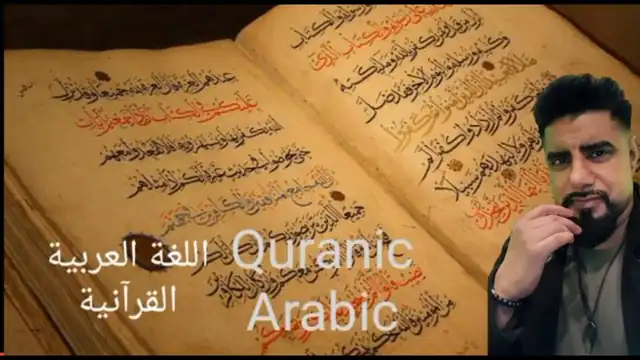 Press play to load from YouTube. Nothing loads until you do.
Transcript
machineauto-transcribed, may contain errors · source: youtube auto · click a time to seek · dotted terms open the glossaryright in al hamdulillah he would prefer salat wa salam on our soui who suffer remembered our method about disclosing this you right now taking a look at this now hopefully if you've been looking also water or masculine and feminine nouns
and what are the core differences or the key differentiating and how do we know what is masculine what is feminine within the Arabic language we'll take a look at that today and also personal pronouns so now before we start all of this I will say that if you take if you do have your book in front of you with the exception I mean for all of you that have got the book now just very quickly before we just begin just taking a look at the Arabic alphabet now this is
because this is the first lesson just to kind of clarify certain things about the Arabic alphabet now I will also just bring up here okay I mean if you take a look at page 57 on this book you've got just the Arabic alphabet in front of you
now what we'll do is we won't spend too much time on the Arabic Healthways because I do it I anticipate that everybody here doesn't know the Arabic alphabet but nevertheless to just go over it once just so we've got some understanding now I'll just also bring up here for anybody that's
just so I'll just bring up also a copy of in Arabic alphabet now let's let that Lord whilst we're talking but so going over just the pronunciation and I'll say that but this is something that I do advise that you can do within your own time you can kind of go over and it may take some time to kind of perfect if you like now we've got this in front of us on us on the whiteboard on the third
whiteboard third screen just the letters of the alphabet now we'll read through them so if that's the first letter Alif but now B is what we're reading are the names of the letters okay not necessarily the sounds although the sounds of this so it's like saying you know calling Zed or GE or H or H or the way you're going to say these these are the names of the actual letters so if ba ha ha now this certain letters which I will indicate that we
should play some emphasis on like ah now is it is not like sometimes pronounced by many people it's at almost as an S this is not an S this gene which is quite simple ha now this letter ha can be quite difficult for some people because there isn't a parallel in many languages so something we can do is kind of practice on that one way to look at it either perhaps in a lot of cultures or it or actually one way that's worked for me personally is if if you had a
pair of other my favorite pair of glasses or something and you like to breathe on to the lens any wet cough and that is the type of sound that you make and a meet whilst trying to produce this letter so ha that is the sound it is not like a regular age regular ages this hand that which comes later on that's more like an English age but this is hat so it's kind of it's emitted right from the throat the middle of the throw this the next letter ha this is slightly more
rugged almost it comes from the top of the throat and it's almost like you're trying to clear your throat out so ha but you don't want to overdo it either you don't want this to be something where you know become so like like you know you kind of almost strangling yourself and yelps use it really naturally so it will be like a Britney here on this th8 now I mean obviously there isn't an English equivalent some
people write his NH the point is it's it's weird the tip of the tongue touches the bottom of the teeth so be like and then it's like almost like the way saying that so except the tip of the tongue is at the bottom of the T which is not too complicated as I or some people call it's not too difficult see more or less just like in English s there is sometimes a bit more of an emphasis on on the hiss sound
she thought sod bored right now this thought is different from a regular s thought is is much heavier in a way it's more aspirated so there's a lot more it's like the whole mouth nose up so it kind of says sort like soft thought almost a bit like saying salt a bit like the English language and equivalent we say salt but is a bit heavier almost like that so it's not a regular sack which is a theme
that saw the whole mouth kind of takes in some ear to saw sort okay then the next letter God now this bod is perhaps a complex glitter this letter the Arabs were actually known for this letter to the extent that they used to they would they would call the Arabic language look at or bought quite often the language of God because they would almost boast that this is something which really they
would say that this is something which only the Arabs kind of had it is quite weird the way they pronounce it but you kind of get used to it it's like they will use the left side of their of their mouth the teeth the upper left teeth and the tongue will kind of roll against them so you'll kind of go up against the inside of the left left upper teeth and they'll kind of press against them so your tongue will so that's your tongue it'll kind of press against the teeth inside and go
but but it's a bit why they actually do that with the tongue cut but that's just the way they kind of do it that's the way they'd I suppose used to speak with this letter some Arabs did were able to do it on the right hand side and some could be involved but generally the way they did that is the the tongue kind of rolled up against the upper left side of your mouth and it pressed against tiny said thought God mother so the next letter is four and four four we've got
this is a bit like a teeth but it's more heavier if you like so whereas a tea will be like tough at a sound this is BA bah it's kind of like full once again so there's almost like a suction so it's like the tongue with the upper palate kind of like the tongue kind of almost like has a suction type of function where you can go and push down against the whole thing so once again aspirated
if if this if this was your propel it with the teeth on either sides the tongue is kind of like hovering beneath the teeth on the sides I'm going kind of spread out and think of what before I end and this is a very popular letter in the Arabic alphabet in fact it's something you hear all the time you're saying one of the most common letters if people do impersonate the Arabs is the nine and now I'm now I'm now but it's
not actually to me to me fear you don't it's not that that's a bit of a hyperbolic you know stereo typical scenario it's not really what you hear so often but that's what people tend to imitate when they're trying to imitate Arabs but I am is an important letter it comes from the middle of the throat once again something which is perfected by practice or I mean I mean is how you kind of say that moving on to it's kind of partner if you like behind the rain
which is slightly come from the upper part where the her came from this letter here that you can see the ha the rain like I'm sorry the rain comes from the same place so ha rain falls from the upper part throw and fir it's like an if Oh is a heavier litter so it's not like a K it wouldn't be like a regular K means language off is heavy comes from the back of the
mouth golf golf and then calf calf is is very much like an English cake so you know like this word in the Arabic lounge and kelp two very different words colic which means heart and kelp which means a dog so two very distinct things as you can see Lam Meem is a simple like a now like an Emmy nor like an M ha a bit more like the regular H in the English language wow this is like a while and
which is like a W and I know in some cultures like in who thought this is pronounced as an foul so it's almost like a V that's not correct for Arabic if Arabic it is a while okay and yeah at the end so that's um some of the letters we not been in fact would would you guys want to very quickly read through the letters one at a time so if we start with Amina
yep so if you three three number [Music] Wow
yeah chicken that's good that's good okay that's good yes would you like to [Music]
[Music] so say the iron again
okay hello yeah okay kids and the theme is you all you're not working somebody's audio actually right okay so I'm page hundred until you've got the glossary and then the lesson begins on page 103 so the way this book will generally work is it kind of works backwards so this is for your own information so when you do decide to take a look and read ahead of the lesson
the way to do that is your first of all kind of goal you'll skip through the Arabic units so so for lesson one as an example which says page 97 to 101 all the Arabic units you'll skip through that and then you'll come to the actual lesson which is in English and that's where the lesson begins once you've done the lesson you will then copy out the glossary go back to the Arabic units and now they should make sense so now you've read them and this should be a lot clearer and then there will be
exercises at the end of each lesson as well so that's how the book will generally work so just to reiterate that once again the first of all you'll kind of skim through the Arabic units you'll go to the section which has the English lesson you'll read through that once you've done that you'll come to the glossary you'll copy up the glossary then make your way back to the Arabic units read them makes himself them and then read them and write them as I'll explain as the lesson progresses but then you'll have exercise at the end of the lesson as well so that's how so
today first of all taking a look at and how what we have here on page 103 listen one begins now to start off with let's take a look we've got here a word get up now the learning objectives today the first one is to understand the different cases now in Arabic we have to understand that each word in the Arabic language each word in the Arabic language will always end in a particular case and what do I mean by case what I mean by case is the
Arabic the sound at the end of the word so if we take a look we've got here so if I see so we've got here the word get up as you can see their honor on the whiteboard here so first I'll enlarge that so we can all see very well now this word here in the Arabic language
will always end in now so you'll notice that the words will always have an own sound at the end like that now that is cool 10 we'd 10 we'd a double vowel if you like a double foul so that is called 10 wind now 10 we'd makes an own sound as you can see it makes 10 we actually means almost the sound of an end unknown
that's what it means the almost unknown ization if you like of any particular sound so it becomes an own or an end or an island and having it as double so having what we've got here right in front of us is 99 or sometimes written as almost 69 this is called researchers tend ween but if it's in this particular case which we've got here so right now this will be read as keep telephone okay now Keith Urban is what is called is one of these three cases and I'll
come to it these cases are called if we is called the nominative and this is a bit of a strange word right so it's token away Arabic right nominative case which basically means and I'll write it here as poor either okay now you've got that's a nominative
case there are three cases right now we don't need I know these will sound really weird like what what does that exactly mean right now we just have to just kind of go with these are the technical terms for them and you'll find these in many books so don't worry too much about the wording like what do they actually mean what does genitive actually mean what does nominative actually mean as long as you understand
its function so it ends okay so now this is what we've got here so came back to this word first of all as far as we're concerned every word will end in a double vowel so rule number one okay so if you write that as that would be our
first rule if we like every every word and information and what that means is a double vowel so that will be a rule to every word now there are only three vowels in the Arabic language and I've mentioned here you I am a all these vowels I'll write them next to it in Arabic what they look
like so if we've got you've got the year this will be the e the Cussler and it's difficult to tell what it used to this you gonna have to slightly be with me with this the writing of I do write because it gets very sensitive right so
we're a little and we'll little ends in a customer that is that will produce an e sound so we go back to our word here guitar wounded it is ending in the boma there are three vowels once again I reiterate I'm sure most of us I'm anticipating that most of us understand bowels but this first vowel that we've got here is known as a cassava it gives an e sound the second vowel on top of the tar is known as a flat tire it gives an R sound like an A and the third is a
boma which will give an O sound if they are two of them it will be known as tanween so as as we said coming back to our rules that every word ends in penguin as far as we're concerned for now that is the that is the rule so now so as long as we shut that down as a particular thing and when this changes I'll explain we learn how as far as we're concerned now that's the way it will be now if it happens to end in ten mean of
them I like the way it is on this first whiteboard that will be known as the nominative case nominative if it ends in if I just take it there right if it ends
in a Cara double Cara that is known as the genitive case the second one which I wrote and if it ends in convene of Fattah it is known as as not written too clearly like I said apologies for the writing I do have to go through a bit of practice with these these typographic pens and my
soul are used to them all right so if it's written with a fat on top sake turban it's known as the accusative case okay so that's three cases so in Arabic each word can be found in one of these three cases now right now that may not make too much sense you may be thinking well what does you know what what does that mean well and how can you know how do I make sense of that right now all you need to do is just understand that that you know big any word can accept
one of these three cases however as another rule and we'll take a rule down next rule that as far as we're concerned by default for all words will be nominative okay so all words will be nominative so what that means is all words will end in on so if we go back to in first whiteboard they
will all words as far as we're concerned by default will will look like this they'll all have so all words will end like this as far as we're concerned so any word in the Arabic language even though we can't see it valves will by default great good away with the word but all words will end but that's the
most that's the next rule which we've taken right now so if you take a look at page 1 or 3 you've got the word kid to have one okay now we have to understand that that's a rule now that being said well we want to our next take a look at the next objective which we have three objectives kind of come off the screen here but we have the second objective is to identify okay to identify masculine
and feminine nouns because once we understand this if we take a look at page in our book page 97 keep that in front of us if we take a look at page 97 we've got a list of words right Kitab one was a hot one and he long tits that all these words on these pages ending point which is exactly the rule which we kind of covered by default all words will be nominative which means and in the on sound now so you can see if you take a look at all of these words they will all end like that
now coming back to page 103 so we're taking a first rule secondly we're going to look at masculine and feminine nouns what does this mean okay so mask it gender announce now before we go on we're just a bit of the obvious what is a noun
anybody want to write their response what is it now we see any really token no any ideas why now miss I think it is important that we go just kind of reiterate the basics right yep more or less ting basically a noun yeah a noun is an object which could be anything
you're right so what so what is a verb yeah yeah or any object is a noun so cheer a person a country whatever you want to say yeah arguing word so a verb is an action which has an element of timing and then you have nouns and then you have particles so particles will be words like two from in on these type of things will not make sense in and of themselves but they make sense with
other in relation to other words so if I said you know I'm going to the shop so two on its own will not really make sense it's when it's linked in with other words so you have I mean these are things just if you want to make a separate note of them you can do I mean to as we're going through this to make notes or certain things because the whole point is I would rather you're making notes or certain things I will also try and provide you notes but the thing is is if you're making notes its active if you start to sit back and just see it as a lecture then it will become very passive in
learning the moment learning becomes passive it becomes difficult to kind of really become grounded so it is important that when I'm saying these some of these things that you kind of you've got a you got a pain you've got a paper each quickly chugging down certain things things like that if that is very important it's crucial so we've mentioned thee just three for your own which all kind of delete in a moment but we mentioned nouns verbs and particles okay so particles okay so you guys can fill in what they mean as an example for
yourselves later on yeah now gender announced so the good news I mean the bad news if you like is that Eric does have masculine and feminine nouns okay so unlike English it does the good news is however the price not too complicated in the Arabic language it's quite simple so in the Arabic language you can in the Arabic language you can quite easily distinguish what a feminine noun is and how you do that obviously
explain that now we'll go back to our rules so as a rule right every all right so if we write if we take a look at feminine feminine nouns every word which ends in
this is Tao Mariposa no mentioned is in Malta which means the tied to that word will be feminine so if you take a look on page 1 of 3 you've got a birthday which says alpha which means a room now wore fur is feminine as you can see all this for those we haven't got it all just roll it out here so if we take a look we've got the word
so any it's sorry that's it's done it double just ignore her right okay now this thing at the end that you can see this this kind of round looking thing there's a term of order okay that's a touch by the way when you write dots in a week if there's two dots you can write them as a kind of line so if I have to write or two dots like that could either write it
like that or I could put them both as a line which is called very common in the Arabic language in hand right so the way I've done that on top of there that's what we found very common in when people did you see this is this star appears as appears as this so either looks like that at the end of words or it will if it's on its own if it's not joined up it'll look like this this is not the
guitar which looks like this okay this is not that one so that's incorrect and that's correct okay so any word which has this at the end of it is a feminine word and that rule on its own oh thank you sugar and looking and writing so do use this graphic but still you see any word that has that that will be the book of your feminine nouns so the bulk of feminine nouns or if you'll
come across will have this path the end of e and that will clearly identify that this is a feminine now now with that in mind if you just take a look at that page in 97 which we were looking at you straight away be able to identify a couple of words right there which are feminine so all right good question i Mena now we're gonna come on to that in a moment so I'm just wondering beans the word bins what has been to mean
anybody else means come on guys there's been to me no yes no yes no come on right okay yep it can mean daughter it can it doesn't have to mean the off thing they can mean daughter we can also mean just girl a girl is also religious opinions now okay with that in mind we're gonna come to that that's the next rule for femininity but firstly if you take a look at page 97 and you can identify straight away a few nouns there right who can identify one for me
straight with any other on page 97 do no research ass and see flower kid what is it no week except I don't know what if you pronounce you know you've read T hate you and th I'm not sure about the H because this would just be like at at t tu him okay what they're by the way means and so were means and okay so what
is not part of the word day just to to highlight that free okay now all right going back to this point second rule second point of how do we know when something is feminine well we've got the vintner okay ends in Tama Huata the next thing is that the next rule we've got is if it is feminine by I mean if it is naturally if it is naturally fits naturally feminine
so I thought II give an example like if you said the word like a name let's say maryam is a name okay now Maryam does not have a time of water at the end of it however is naturally feminine so therefore it will be if you're referring to it you will refer to in the feminine with the feminine type of femininity and so on likewise the word bint is not structurally feminine however is
feminine by naturally so it's understood to be feminine so that's the second type of so it's just one so that's how that's understood that's the second rule for femininity the third take you alright so the rule after that now there aren't many not this really to me fear that summed up the major rules for what is feminine another rule is names of all
countries City sorry country cities will always be feminine likewise all dual body parts will be feminine you could say letters of the Arabic alphabet of
alphabet now that pretty much sums up the entire feminine type of rules so how do we know whenever were is feminine these are the rules and I would like you to be kind of judging these rules down yourself like I'm like I mentioned it's very important that you do remain active throughout this learning if it starts becoming very classy if it will inhibit and hinder your type of linen so right with that in mind so this is really an the bulk of it is summarized in what ends in a timer buta
so really that will kind of summarize the book of of what is a feminine word then things like naturally feminine and that will usually just be names and a few words like you mentioned like daughter and so on names of country cities of there's a rule or dual body parts letters of the Arabic alphabet that's really some the whole thing okay so now if you'd like if you take a look at page 104 we've got at the top we've
got an example the word Ames okay which means I I'll just delete this alright alright so I mean and yet we've got here so the word think I'm getting the G look at us focusing I'm saying I think I'm getting the gist of this pen
now but alright so I mean right alright so I know which means I write which is a dual body part therefore it will be feminine now likewise yet which you've gotten page one on for yet which means hand see sometimes that is written as like it's almost like a 69 sometimes it is right like a 99 doesn't make a difference rate I say give them right so
that's the examples they've generally keep them now by the way you know I'd like I mentioned as I'm writing these to copy them out write them out okay when you do right by the way do you try to write as in I know it's difficult because I'm got lines on this page but there will be like a line really which you know if there's to be a line it will kind of go through really like about here that would be like almost in line so then known as you can see kind of hangs below the line this kind of a notes difficult yeah maybe I'll try and write on top of lines as to
make it easier so you can practice better handwriting practice right okay now then you've got certain words like Simpson which on page 104 so Matt which I give regular words now irregular words which have no apparent reason for why defending are very few however they do exist so an example is like what we've just seen shemp's oh good a line here right probably just saw the word champs
okay so if we've got the shams trying to write slightly large as well that was nice market think it's right back in this really right okay chefs have still not got the gist of this this pen yet so
that's a bit better right so and you know you've got three dots you can write them sometimes like that like almost like an upside-down feet you can alternatively just write it out as three dots so forth so you could write that like so you can put like three dots let me do dots by anyway you get the gist of it you could either put three dots the way they are or you could just do like an upside-down fee right so some
Sun Sun is feminine now there is no apparent reason why shunts is feminine except it's just the way it's been in the Arabic language so there are some irregular nouns which we will find like that however they're not so many that's the good news he does give some more examples they like color one no sorry not like one of them like ass on that one sky or heaven however you like to translate that so you got the word
summer so if you see the word sum up this is not looking too good in its handwriting but still right anyway I mean see I'm just trying to write it out the Hamza okay so some that one which means the sky is also feminine these few
irregular words are not many which is the good news there are only a few but they do exist so you will go over them when you'll just get used to them as time kind of progresses now having said that okay now if you see at this stage you should if you take a look at page 97 it's very quickly you can see that he's listed a group of nouns half of them are masculine half the more feminine we've got he's joined them with the
connective wa-now were does mean aunt okay so Keith Urban was a Hearton which is a book and a flower pollen were I mean one and he's got one masculine one feminine column on a pen or ie moon and then I curse Fenian a chair was the noun and the sky now these may seem like random words but that's because he's trying to use words which is trying to familiarize you with certain common popular words baboon what or refer to a
number for a dual and a room okay now all of these so far are eh-eh-eh as acknowledges and we'll come to that later on so all of these are the technical word is indefinite we say a something as opposed to the right okay now taking a look at page 106 we're going to move on to some question words which are called interrogatives now but before we move on to interrogatives
oldest right now interrogatives so right here interrogatives so relatives interrogative just means question where it's basically and that's what we'll be taking a look at now
before we move on to asking a question I'm going to teach us how to say first of all to point to an object which the grammatical word for is a demonstrative now but just to point it say this or this is any idea how you say that in the Arabic language but there's a question there all right okay sorry because his screen was a bit blocked there so I've just just seen
right just might just yeah is there neutral gender there are no neutral genders all words ending in in Tamil water must be found in what about willfully a good question the word khalifa is actually feminine by structure for by its meaning is actually masculine as are some names like like if i write the name comes that for example now the name humza if you see it's
written like that so you just have a term of muta so it does have a terrible - oh is the name or as is the name power half for example now these are Arabic names so we're just struggling a bit right with Allah as well from there for how these names are Arabic and they are feminine by the structure but they must
in because we all know that they're referring to men therefore they are masking now that's but otherwise there's a good question all right okay fine remove that now we sought to save this in the Arabic language any any ideas people have a happy essence but how hard is how we say this or this is now if I just throw that out just so we can see it is also written on page 106 you can see the page we are on page 106 but
nevertheless if we take a look Ahava okay and that that means this now right now the thing is that we also have a feminine version now that's for the masculine the feminine is Harvey he and people just tend to generally after they've written the word do the dots
afterwards so did you really figure out these unnecessary buttons on this Harvey heat as you can see the Harvey right so this and harder which kind of harder and harder heat right this both of them this or this is except one harder is masculine and how the heat is feminine so if you make a note of that one
another rule here which I'll mention it is important that rules right okay now there is now is in the Arabic language in Arabic just to kind of remember that really as a rule it's quite an important hold that there is no is in the Arabic language so don't expect so but when we translate will
kind of have to fill it in ourselves now this is interesting however because it means that the in sentences in Arabic can be just nominal can be just to do with nouns as opposed to do with verbs because in English every sentence is a verbal sentence because it has the auxiliary verb is or R or R in it so that is an interesting point it also shows things like I mean on a very difference so I'd know you see there when we say things like la la in the law that there is no God except
Allah you see the interesting thing is that you see in English we have to put the word is into it which automatically brings in time because a verb you see the definition for a verb in Arabic is more than just a doing word it is an action which is within time either past present or future now we believe Allah is not within time nor place he is not like captured with him anything like that therefore Forest in Arabic when we say
Larry laughing a lot there isn't really a verb that comes into that so we're saying that nothing worthy of worship exists except Allah but even to exist is to kind of bring in a verb really now in Arabic that's done so like eloquently without a verb without capturing the whole thing within or restricting it to time and that is one of the intricacies or subtleties of the Arabic language
likewise no to be magic either so you see there are verbs there is a verb which will need to become what you like kana but it's not used in the way that in English like will use always am like I am or if you are or this is we won't use that verb to be that verbal mute to kind of become something but to be coming away so it's but it's not used as it is in English so now take a look at this harder so if I said this is a book going back to one of our first we would
written our first example and this is a book we would quite simply just say Heather and right get up so if we're right here if I write has a key tab have it now the thing is that this will be understood straightaway as this is a book so this is a is is automatically
understood and will kind of translate that according now okay so if that does that I hope that makes sense yeah all right coming back to this so we've got to Heather and Harvey now moving on to how to ask kind of questions in the Arabic language we've got on page 106 we've introduced ma now ma means what in the Arabic language so if I delete this I mean like I mentioned as I do write
these things do copy them out it is important now what I will suggest as well I mean I know it might be difficult but if any of you I don't know if you can get hold off if you can get hold of these type of pens or writing equipment because if you do I can empower you to kind of write I can activate your writing control and you guys can write on the whiteboard and kind of show me as well if that's something if you can get hold of like one of these typographic
pens or then I can active in then you can write out examples as well although they are quite tricky to use having said that but still that's an option if you can do that it will be probably useful right now otherwise I suppose I will see these examples anywhere when you do your homework and stuff like that so it's not too much of a big deal right now ma nomads in the Arabic language means what now my can come from many things but right now as far as we're concerned it means this is it ma it means what what
is and it's a question okay so so you've got like that's meant to be loads of a succession of dots not written so well but there you got man what is some safe I said Mahathir what is this that's very common in the everything Mahathir or mojave and that is this is you know so if you take a look at now on page 98 you've got Mahavir how that return Mahathir had a
column this is a pen so you can see the gist of how he's using Mahara had a heater hand above if you look below that where it says unit 3 Mojave he what is this but now using the feminine and he's saying how these are at one paddy semarang javi I know okay so 9:00 Heidi or Fatone this is a room you've got that page 98 the e Simpson and he goes on right so
that kept in mind likewise we have mend now mine means is also an interrogative and it means who so man so men who okay now the way you write us a corn as well we've done the three vowels I'm sure you used to it's like a circle okay I think I overdid it really bad circles too big but I mean it wouldn't normally be that
big but right but what it would be is a circle to kind of show that you've joined up like that some men some men in this particular case opposed to say man Harvey right some men Harvey he would mean who is this referring to a person
now man does refer to people okay doesn't refer to things who really are supposed that corresponds in English as well and my refers to people are sorry to things not to people we I suppose you could use it very loosely in the sense that you're trying to say what are you as in you know your professional and but really you'd say what do you do or what is your but as far as it would be understood but it's not generally refer used to refer to people my is more two
things lies in what is this think and by the way this and I think this is quite important that this has I'm happy are commonly used in Arabic to refer to people so and it's not seen as route so I know sometimes some people when they learn Arabic the thing oh this who's this this is now animal of Congress people have found that quite rude sometimes I don't know why but they do see as all this I suppose because in in English you wouldn't say this said I should do this and you know so-and-so
wait a week they do say but you know haha orderly you know this said to me that dudes such-and-such but here this in every doesn't sound rude it just sounds like it be understood as this person said to me do such-and-such without saying the word person for example but I thought I'll mention that as a footnote so you can make a note of that right and that's it the next important thing is looking at month but before we going into before we go into responding to any of these we need to
know how to respond and a very common response is the affirmative or the negative to be able to say yes and no and I think that might be quite common if you don't know what it is how will you know what you must know feminine this good question generally the feminine nouns like I mentioned the bulk of them will be those which end in time or water so if it's not because it's an interminable - or any of those rules which are mentioned like if it's not at your body pot or if it's not something which is naturally
feminine like a woman her name and things like this although the name of a country or city and then you will just use masculine if you mean by that I don't know so for example there was a word now I don't know what this word meant some I suppose you'll be excused but you will learn them pretty quickly so it won't be something that you'll struggle on immensely really she'll block well that's a good question right how do you say yes and no right guys any ideas how
to say yes or no yes no yes no oh in Chinese sugar and but when I'm doing Chinese right now oh the thing is right okay now I'm that now just put that up there once again this just makes me feel a bit like was it what was it name that used to do the cartoons back into the piece and then used to turn into a cartoon used to draw a mouth first
was it all fairies that's I remember that boy he could draw I tell you anyway right so now as you can see ya guess what says and he turned out to be something like an awesome growing I think I want busy do that hurry okay gotta send me mister print right okay so now which means yes and which means no which can be written either like that or
it can be written as this Balaam straight out with the early finding both ways are finally two different ways of writing that so now I'm in LA yes and now the makes interrogative which is very important and I don't need to confuse it in the Arabic language I'll just delete these give you a second to kind of copy that up if you're still copying it um um we don't in patina we
finished now it kind of yeah alright okay so is this the question particle or the interrogative which which a people are cut penny so low sensitivity right now which is just a humza relief ah oh
the other one which has di which is identical in meaning he'll last bear seems to be writing now so uh and he'll write come before any word now what that means is basically we don't have this in English but what this means is you put this before any sentence that sentence will become a question so if I had the sentence for
example going with heather has patron this is a house how they baked on this is a house and I decided to put our before II it will be it will mean it will turn that centers this the house into a question so who will mean what will that mean
Chanos given some answers that mean is this house excellent is this a house now be mindful though that this is is not the auxiliary verb is it's not the one that you use in normal sentences like oh this is or I am or you are this is a question would any sentence you have whether it was a verb whether it was a description you put this before it and it turns into a
question okay so not to confuse that with the auxiliary verb it's a bit you see this people not written so well but that's it's Chinese equivalent in which is said as much in Chinese but that's irrelevant right now right so it's a question when it so you put it before any question particle we are indeed we are indeed right so I'm
trying to just brainwash some Chinese in their walls reality so so this ah right is poor health are identical and they will be used as question words now if you take a look page 99 he has a unit for he has I had like a turban is this a book nom had like a turban simple examples give you further on down page a happy here what effects on nom and he would flatten
these are all all here some hell had a madman is this wealth these are all in the affirmative but they could quite equal they could quite easily also be not be like that so it could be lat so if you look on page 101 eunuch 6 says I have that Keith Urban is this a book column 1 and in these he's quite is actually responding them negative responding to them in the negative was
in black a highly heat number 3 on unit 6 page 101 so happy he might eat that one is this a table he didn't know this is a hand I thought that sounds quite not so intelligent but I mean the whole point is is what we're trying to do is get used to words really as opposed to worrying too much about you know whether the whole sentences make so much ultra sense or not if you take a look at another one misses take a look at number
two on page 101 he'll have our Lord so is this wealth that bourbon no this is a door now the important thing is that we understanding what he's saying I know he's making some of the sentences here stage' seem very trivial and you know they're not - but the point is that we understand them but for many things right okay with that said that really moves us on to one last thing really which is personal pronouns would like us
to kind of come to terms with so what we'll be looking at in Arabic language is five pronouns okay so if I come back to you no that's fine look at the speed of Soho okay now okay please stop pronouns what are personal pronouns people any
idea any idea people's yes no no we know got a teacher in our midst here I say it's only teachers that know things like that usually so a personal problem now okay first of all nouns pronouns would
such as I however I've written that down but we will just be concerned with these okay so we will just be concerned with he/she you and I however with you
the in Arabic is a masculine and feminine so we'll be concerned with that so these are the five personal pronouns that will always be concerned with in when speaking of personal pronouns will always begin with third-person what that means a third person first person is you the person speaking second person is always the person you're speaking to so you so I mean you third person is when you're speaking about somebody like he or she so we'll begin all right okay
so okay now so if you've got starting off with third person he/she you second person you and then I okay first person so that's important that we do know these terms because throughout the book and generally whenever learning a language they won't mention these things like third person
etc and they'll say that second person I'll let you write them up fully yourself but just as a reminder first person is I that's the important thing now how in Arabic or very quickly put these down oh I can actually should be able to if if I just print this up there
right that should be able to just oh oh is it kind of lost the plot all right sorry all right let's uh stick to the simple all right so okay now I mean these are quite common sense to see who okay
which is he here right oh but all right just trying to write that is it but do be mindful that it does have the two dots underneath it which you can't see right now so the yeah it does have two dots underneath it here enter so you've got an empty which looks exactly the
same except the vowels and Anna I put some of these vowels on in a moment right so got these here now who are here auntie Anna thing to be careful with really just out is how anta will have that an auntie will have a customer Oh with the difference between enter and
auntie so who are he here she third person as well enter auntie and Anna these are the personal pronouns and we will be refer to these quite significantly throughout the lessons especially as we move on to verbs and things like this but very important that we do know and do have these really you know tip are hungry so do if you don't know these do go over it who are here I mean they are in the book by the way on page 106 107 receiver
right yes double chicken so right does that make sense to everybody I mean Oh you can copy out the vowels from any way but I mean just to kind of maybe make it a bit easier I think this will take forever if I'm right the vowels but who are and here Anton Anton Anna but you got you've got the vowels in the books you know the list right now so if you
see going back to page 100 we've got men unit five number one man anta men enter which means who are you and I Roger I'm a man likewise men empty and that can be slightly tricky to say that sometimes I know ma m ma means a woman but not the
how the hums earth and in fact I'll mention it was gonna mention it next listen perhaps I'll just mention it very briefly now how the hums that comes as of two types okay you can get two types of hums us now one is what is known as hums it's all gotta and if I just make I'll make a note of these actually so okay [Music]
two types of homes ax alright sorry two types of humza right one is known as pata haha and the other was hole and what does that mean well I'll show you now you see
hunter Tom Papa is basically this hums away if I the one you'll see generally on top of Annalise or underneath it in this sense that looks like that sometimes it appears underneath the leaf like that that is known as a hundreds of cutter in Arabic Tata is being written like this in Arabic the writing like this by the way
so it sort of cata not the best of but just in case you're wondering okappa hands it'll cut ah now that is one Hamza the other homes are hundreds of Wasel is either it's oh it's either written like almost like the head of a sort so beside the written like this almost oh it's just completely omitted so the Aleph is written on its own and it's just omitted in that case this in that case what that
means is the vowel before E so the vowel which came before it must kind of join sorry right the vowel which came before we must join straight on to the word after E so what I mean by that is if I said like the word even so if I use the word on let's say Amara which is used in this example which
means woman this people see how this is right so if you're right if a writer in Murata and it was a good example because because it's got both Hamzah's in the same word and it also has got like a sign of gender and so it reminds us a lot I mean it kind of summarizes a lot of the lesson really you've got him
right on okay boy that took a while right so hot in Latin but now the thing is you see because this has got nothing on it that would mean that the word before II so if I die ha ve before that it will mean that this will join straight on to that so kind of going
straight on to that so it will be read as hardly him more artwork happy him rot so it won't be read as highly heat in Rajani be read as Hardy him rot because this is a hamza to lhasa and also means connecting it means joining so basically hundreds of Russell will either be written as almost the head of a song as you've got here or it'll just be omitted so it'll just be so wanted to be written as that will be just written as a leaf on its own with nothing and you'll know if there's nothing there times it's
awesome this is why it's imperative in the Arabic language that you do write the hamsters where they appear so I know in order you don't write comes as sometimes not sometimes quite often and you miss a that's fine this is why people have learned to when they start learning Arabic they always miss out hunters but in Arabic it's unacceptable in the whole haha it's a mistake right ok so as I was saying if you look at unit 5 page 100 says men aunty who are you and then
Martin a number on I so inshallah bats cupboard pro now just to summarize what we've been taking a look at really I mean I know I kind of lost us here but just to go over it just to understand can somebody reiterate to me what the three tech cases are what are the three cases can anybody can somebody write that up maybe what the three cases are or what do I mean by the cases because
we first of all and to to understand so the first thing was the three cases case if you like I mean nominative genitive accused it look at star pupils that's the way should be three case endings good good all right okay so what I mean by really we just look what what do I mean by that not so if somebody say the word is
nominative what do they mean come on people talk to me if I say a word is no 'native what do I mean sudden we own at the end of excellence is born so something like keep that one well end like that and we set on G X and look at look at the code yes have coming up with code that good stuff the asset right quite impressive right now so hmm all right and by what do we say the rule was by default what
should things be by default or should they be they should always be nominative that nouns always ending well in addition to that we looked at gender right and the rules for how do we know if a word is feminine right can you talk to me how do we know the words that mean and we generally know if the way this family the bulk of the rules so the rules for that Talmud water what else is there that's the main one and that is the bulk
of it but what else I'm waiting for your responses cities countries females right okay so anything feminine naturally now anything else Poppaea shape usage is natural okay true but anything else we've had dual body parts are Center yes sir and just really just letters of the Arabic alphabet left right okay in addition to that we took a look at some demonstrative nouns
demonstrative nouns a big word places it really just simply means what is demonstrative what are demonstrative mounts just very simple really what are they and this that's it this this isn't we live with that that there is no we also live with that that there is no is his nope is in the Arabic language all right now in addition to that interrogatives
what our interrogatives people now what we're good and those are the ones we covered exactly what who also we covered something else as well right well recovered what are they trying to come on mother mother Bhatia what else one of the question word did recover gates which is actually a question would so
not to confuse it question word so basically hell and right okay interrogatives um yes no have say that and then also pronouns personal pronouns personal pronouns okay
now so that's really that's quite a bit really quite significant for you know for our first lesson if you take a look at page one or two you have a glossary right now this what I would like you to do is for your homework is to copy out so I'll put this down as well if you like well why is this kind of okay I'll put this up here is that you're the best
bit homework people so glossary glossary which is on page one or two right I'd like you to copy that out and to go over these words same god I'm at either torn up on my lanyard on who were here aunt aunty Anna had the heavy he meant and then you've got other words he's got the meaning and you also tells you whether they're masculine or feminine once you've done that I would like you to then
from page 97 cheer one-on-one for I would like to read through 97 to 101 read 97 to 101 I read through and hopefully you should understand that now I would also then like you to because I know a lot of it is repetitive so I'd like you to write out from right and wait for it people translate look at
that already really translating away in the Arabic language in the target language right and translate unit for 2 which is unit 6 to 6 okay that's not really so much because you've got a whole week if you turn to page 1 1 3 1 1 3 there are exercises
I'd like you to complete exercise now if you look at page 1 1 3 he's got some exercises which he's got a bit of a like a box where you last need to construct a sentence it's quite simple really exercise section 1 we're just asking you to kind of and I just choose that problem one that's a sentence you can just practice that yourself verbally you can make a few but I'm more interested in exercise sick if the whole thing is called exercise number 19 but part 2 of it especially so if I just write that
out anyway exercise 19 and it's on page 1 1 3 and I'll kind of say especially number 2 because that's the one you'll kind of be writing out so it asks you to translate into Arabic so this will now you see first where I'm asking you to read pages 97 201 that's your reading practice and your kind of reading in pronunciation 20 improving then you're writing the meaning of that in English as well so you can be
expressing your understanding that you understand what you've read but here you're actually creating sentences in Arabic which is a high order thinking skill okay so so I'm paying one more three it's gonna ask you in English it says easy and man so you have can now write that you know but you have to generate like Arabic so that's the homework right what I'd like you to do can't do oh come to writing or why cause you're ugly is it a religious reason why can't you do writing Amina not artistic
I don't worry about I'm asking for no Leonardo da Vinci type of Sistine Chapel art just simple a week that's okay just copy remember everything begins right everything begins to seem difficult I mean it's you know when it's beginning but through practice everything becomes simple okay so don't think don't be hesitant in thinking that look I can't really you know I can't do this okay I
mean nothing you know our first is simple okay so remember dude crying and this how it all begins remember that I mean when I actually began writing Arabic I tell you I mean if you think your writing is bad okay this I think this will help you but when I begin right now a week when I began learning Arabic actually was kind of switched hands so I started to learn how to write with my right hand at that point and my writing was all over the place is all over the place all over the place but you know within no time it does it does improve okay that's not
why today was so messed up today was messed up because just couldn't figure out this pain but I mean that's so you will inshallah improve with them and don't worry too much about it don't sweat it don't think that you know I can't really do this you can do this and this is where it all begins remember that's what I said that my journey of a thousand miles it begins beneath one's own feet that's where it begins right there beneath the foot separates that's the beginning history in the making that's what it is so I think in shallow we've done quite well today we did go slightly over but we didn't because we
had a bit of a delay in starting so you people I hope that was of some use I hope you enjoyed that I've got I'm just going to bring up here just quickly I can see right so I hope that was beneficial to at least some extent a lot of people have asked me for a reasonable
while now that can I share can I start teaching Arabic so and people have been asking me can I start teaching filk so here you go people finally I've had it delivered to you it's your responsibility to learn now I have some people have asked that about the book this book that I've been that I was using for the Quranic Arabic because that was dr.
Salty's Quranic Arabic it should be available in select bookstores back then dr. Sophy had a website called qaf Aaronic arabic foundation I'm hopeful it's still there dr. salty I hope you know may Allah bless him a long blessed life is an amazing individual I loved his book I've oh I've used I've taught this book so often I do have it somewhere is now when I was going through this course I was actually providing it to people at the time so I I was in collaboration with dr.
salty who ever wanted a book I would just kind of forward the details they would make the payment dr. salty would send it to them but that was many years ago so that doesn't carry on now this is probably about seven at least seven eight years old almost this video so guys do stick to the learning do your homework I will try to get all of these as much as I can upload it so you can benefit any issues you can always give me a shout but remember learning it only takes place if it's being done proactively okay so
if you're gonna proactively learn you will learn right other than that take much care of yourselves as always stay blessed much love over and out folks salaam aleikum
Something wrong here?
Tell us what is wrong and it will be checked against the recording. Nothing changes until a person has reviewed it.
Sending a note needs JavaScript, which is off or unavailable in this browser. Nothing has been sent.
No name, email address or account is asked for or stored, and the inbox does not store your IP address. For rate limiting it keeps an unreadable fingerprint of your connection for 48 hours, and our database provider's own logs record connections as every website's do. Only your note, its kind, the page and the moment in the recording are kept, for review.
Cite this recording
Stable id, transcript version and tier are part of the citation. Every change to a transcript is logged.Mufti Abu Layth Archive, auto-transcribed, may contain errors. https://muftiabulayth.org/r/kkgluakeayc/ (accessed 1 November 2026)
- APA 7
Mufti Abu Layth. (2020, May 16). Quranic Arabic 01 [Video, auto-transcribed, may contain errors]. Mufti Abu Layth Archive. Retrieved November 1, 2026, from https://muftiabulayth.org/r/kkgluakeayc/
- Chicago author-date
Mufti Abu Layth. 2020. "Quranic Arabic 01." Video, auto-transcribed, may contain errors. Mufti Abu Layth Archive. Recorded May 16, 2020. Accessed November 1, 2026. https://muftiabulayth.org/r/kkgluakeayc/
- BibTeX
@misc{abulayth-kKGluaKeaYc,
  author = {Mufti Abu Layth},
  title = {{Quranic Arabic 01}},
  year = {2020},
  month = {5},
  date = {2020-05-16},
  howpublished = {\url{https://muftiabulayth.org/r/kkgluakeayc/}},
  url = {https://muftiabulayth.org/r/kkgluakeayc/},
  organization = {Mufti Abu Layth Archive},
  urldate = {2026-11-01},
  note = {Auto-transcribed, may contain errors}
}