
University of York Q&A | Mufti Abu Layth
salat salaah namaz salaat namaaz as-salah al-salah salawat haj pilgrimage hadj fiqah jurisprudence fikh hadeeth ahaadeeth hadis hadees ahaadith saheeh saheeh hadith sound hadith madhab mazhab school of law madhahib mazahib madhaahib malik ibn anas malik bin anas imam maalik imam malik ibn anas al-bukhari imam bukhari sahih al-bukhari sahih bukhari saheeh al-bukhari saheeh bukhari imam al-bukhari al-ghazali imam al-ghazali averroes ibn rushd al-hafid qadi ayyad qadi iyaad al-qadi iyad asar salat al-asr asr prayer afternoon prayer takbir takbeer takbirat takbeerat imaam imams prayer leader ramadhan ramzan ramazan ramadaan udhiyah qurbani qurbaani udhiya udhiyya kurbani masjid masjed masaajid masajid shari'ah shariat sharee'ah maaliki malikite malikiyyah hanafite hanafiyyah hanafi school shafi shafei shafiite shafi'i school qiyas qiyaas maslahah masalih al-maslaha al-mursalah maslaha mursalah public interest maqasid al-shariah maqasid al-sharia maqaasid maqasid ash-shariah aims of the law daruriyyat dharuriyyat al-daruriyyat darooriyyat fatwah fatawa fatwaa fataawa legal opinion muftis hukm ahkam hukum hukam ahkaam halaal permitted lawful haraam forbidden mubah mubaah mandub mandoob mustahabb mustahab fard farz faraid fard ayn fard kifayah fardh sunna sunnat sunan prophetic practice dalil daleel adillah adilla riba ribaa sood usury muhaddithun muhadith muhaddithin muhaddithoon hadith scholar saheeh muslim imam muslim muslim ibn al-hajjaj kufr kuffar kaafir kufar kaafirun disbelief iman imaan eemaan eeman qadar qadr taqdir taqdeer qada wa qadar al-qada wa al-qadar divine decree djinn jinnat jinni 'ayn al-ayn nazar hasd shaytan shaytaan iblis iblees shayateen shayatin qiyama qiyamat yawm al-qiyamah yawm al-qiyama resurrection jahannam jahanam jahannum al-dajjal dajjaal antichrist koran quraan al-quran sura soorah suwar soora chapter ayah aya ayaat aayah aayat wahy wahi wahee sahabah sahabi sahabiyyah sahabiyat companions hijrah hijra hijrat hijri madinah madina al-madinah madeenah yathrib 'alim aalim ulema ulamaa shaykh shaikh sheik shuyukh shaykhs fitnah fitan strife madrasa madrasah madrassa madrassah religious school nikkah nikaah nikah nama nikahnama talaaq triple talaq talak divorce hijaab hejab hijabi in sha allah insha'allah in shaa allah insha allah inshaa allah assalamu alaikum assalamualaikum salam alaykum wa alaykum as-salam peace greeting taqwa taqwaa muttaqi god-consciousness sabr sabar duaa duas duaas supplication amanah amana amaanah amanat ad-deen ad-din ibadah ibada ibaadah ibadat ajr sawab thawab thawaab sawaabvideo · 1:50:03 · 9,900 views · 3 Mar 2017 · Open on YouTube
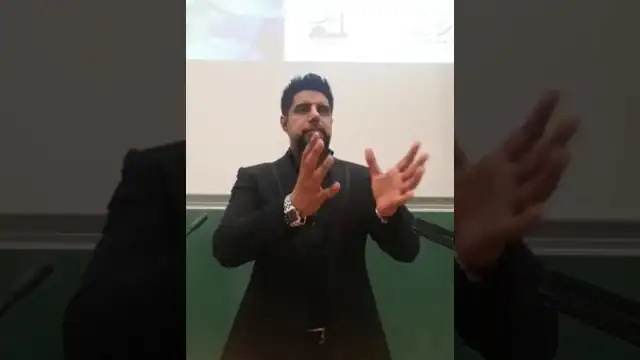 Press play to load from YouTube. Nothing loads until you do.
Transcript
machineauto-transcribed, may contain errors · source: youtube auto · click a time to seek · dotted terms open the glossaryRight. So, As-salamu alaykum, people. Apologies for the delay. Kind of uh I think uh given the the day time be unavoidable inevitable. So, okay, let's take some of these uh questions. I've got this going live as well. So, I don't know if I'll can But, I'll focus on the questions here in front.
Some that people have already submitted on the day. So, carry on and then fire away. We're going to blitz. first question that we have is that of um free will and pre destiny. What are the points and additions that are laid out in this Islamic doctrine? And then, could you conclude on where you lie within that? Free will. Free will.
Free will, all right. This is it, huh? Not a familiar face. I'm just thinking. Chromewatch? There's a Just thinking a familiar face there. Right. So, Oh, you are from Wembley? Sorry, yeah. All right. That explains. All right. So, um Right. So, this is to start off with is one of the most I mean, it's not a really a starter question.
One of the most complicated questions that you could ever ask within any I mean, any discipline, especially religion. How do we explain predetermination uh in And then, in light of free will in light of Are you adding to the equation the omnipotence and uh the omniscience of Allah?
And how do you you How How does all of that How do you feel about So, it's not simple. Uh people previously have struggled massively with this question. And the general kind of understanding that you have in textbooks is it in my I don't know. This is my my reading of it it a lot of the time is it's almost a bit of gymnastics going on because they don't People don't know how to explain.
So, how can you explain that? Just look at the complexity of what you're asking. You're asking, how can God be all, you know, I I know this ties into the other kind of uh theodicy question as well, but how can God be all-powerful, all-willing, and you have free will, which clashes with the free will of the divine, and you can cause harm, and he can choose to ignore it, and he can still instruct that it doesn't happen.
And so, all these kind of things, how how does this How does any of it make sense then? What is the purpose of uh So, there's a lot of huge ramifications. I don't think I can just simply say, "Well, all these people came and struggled for, you know, even pre-Islam, but with Islam Islamic theologians, and then here's the answer." But, um what I would say is that in our recent times, we have maybe somewhat of a um I don't know if it's a clearer, but maybe a step towards the answer.
We're we're probably step more close to closer to clarity than they were in light of things like um science and quantum physics, and taking a look at things like this, they actually offer a certain explanation through the laws of physics. So, you could see Those of you here that are familiar with things like um the the quantum eraser and the delayed choice kind of experiment, things like this.
I explained this on my Monday nights with Mufti this one just gone. So, you can watch that for more detail. But, I mean, it Otherwise, you can just YouTube it. Just look up uh things like the double-slit experiment, how that works, and then the delayed quantum eraser choice, and how I mean, in a in a very brief nutshell, the quantum world upon observation collapses. Those of you you probably know that. How many Anybody here studying physics?
Physics. Okay. So, right here, what's your What's your name? Um my name's Adrian. Adrian. Adrian. Right. Adrian, no. Right. So, Adrian's got it right there. Right. So, the thing is, as you know, upon observation, the quantum world kind of collapses in its in its operation. Now, there's different interpretations to that.
Uh the Copenhagen interpretation or the multiverse theory. But, the point is on they actually got experiments to see that even with a delayed choice of of observing what's going on, it re- it happens to rewrite itself. I mean, you can just go on YouTube and watch the things. But, obviously, this is in in the quantum world we're talking about, not in To us, we wouldn't be able to observe this like we're using apparatus and using things like when photons are emitted and they record it.
But, when So, they're recording it, but they're choosing not to observe it, or they're not sure whether it'll get observed. I mean, they'll explain in detail. The main thing is that once you choose to know, it actually rewrites itself. Uh and that sounds crazy, but I mean, if you watch it, the delayed choice experiment, and you start to see that Oh, so this is it's really weird, but time-space, as as you're familiar with things like obviously Einstein had explained time-space as one.
It's not um the way people had perceived them as separate phenomenon. But, time-space is not how we have been imagining it. And multiple things are perhaps occurring definitely at a quantum level simultaneously, and upon choice, one of them is manifesting. Now, that is um sounds crazy, but this is actually tested data.
It's not something that, you know, they just uh So, so it brings us a step closer to understanding when scholars had explained that all things are a potential, but which one manifests is what you eventually choose to do. So, the way I explain predestination is uh like a a computer game, a video game.
So, you could say, "Well, the game had to have been designed, and all potentiality had to have been designed. So, whether you clock the game, or you die in level one, or you decide to take this route or that route, or you you get to stage three, or you be get extra powers along the way, or whatever you do had to have been a potential. Somebody had to have They had to have been options. But, where you get to is up to the ability and the capacity of the player.
So, you can't change the whole game all of a sudden. But, you can get to different levels. What manifests is your ability. And in a similar obviously not identical, but in a similar way that's all We believe that Allah would know, God through his infinite knowledge would know the choice, but you have free will. That is um in my understanding the best way to to look at this. I know people have taken other approaches that we are just absolutely fixed.
Now, I know we are fixed in certain things, predetermination, even biologically your genes, DNA determine certain things that you will always do. Uh your But, you can count I mean, you can have interventions. So, a good example is like saying being left-handed. And you Who's left-handed here? See, legends. Left-handed people. So, the thing is You see now, being So, for example, that is biological, being right-handed or left-handed.
But, it already sets a trajectory. It already sets a trajectory. I mean, they say 10% of the people are left-handed. Yet, almost over 50% of significant people are always left-handed. Like people who become leaders, rulers disproportionate. I mean, are they prewired with certain capacities to think in different ways?
I mean, this So, yes, a certain level of biology has been predetermined by your DNA. So, we're not saying that predetermination doesn't But, they can they can be interventions. People can change. They can enhance. Uh so, the These are complicated questions. I think but we do have some people just had this understanding of we are fixed. You know, musayyar lima khuliqa lima khuliqa lahu.
And then, they use that kind of hadith to say, "Well, everybody's just fixed. Allah created you to be in this way, and Allah is doing everything." And uh as opposed to saying Allah has set laws into motion, and you are adopting and making utilizing those laws, that Allah is literally doing everything. Which then, in my understanding, throws a huge spanner in the understanding of of Allah, and what is the the purpose of the test, and what is the purpose of trial, and what is the purpose of reward, and what is the purpose of anything if it's only to just say, "Well, I've designed the whole thing, rigged the whole thing, and I'm just going to
I mean, to me, it doesn't really make much sense." So, that is the best understanding that I I would say in in that I've explained. Okay. Okay. Now, next question. Moving on from that drastically to um Look at that. Starting off moving away from child's play. Uh going to the existence of God. I just stand and drink.
Would you say is it possible to hold belief in God through reason and intellect alone as opposed to using religious experience? And then a follow-up question to that, I would as soon as you've answered that is that Are you predetermining the questions as you're going along? Okay. Um can you define what is religious experience as well?
What qualifies as The day I'll have one, I'll let you know. There's no The thing is that you see, that's an interesting question because I think truths are only really known through reason. That's my understanding. That it is through reason we arrive at whatever our understanding of truths are. Obviously, you've got the whole I know those of you who studying philosophy, uh nobody philosophy.
Look at the philosoph right here in our midst. So, you're obviously familiar with the whole Socratic kind of uh dialogue you're going to have there with um well, how can you identify truths unless you have a a preconceived understanding of truth because I'm sure you've you've come across that. You've contemplated that many a times, I'm sure. But how can you say that you would recognize truth uh unless you knew what truth is?
Because if I say I'm looking for somebody, but I don't know what that person is or who that person is or what they look like, how can I be sure that I found them? Which means do we have a predetermined understanding of truth? Well, that's the It's all just daddy questions. They the ultimate questions. I mean, so obviously one of the understandings that Socrates tried to evade that by saying, well, maybe we have um we all had ultimate truths and all these given to us previously, but the soul did and then it's kind of
forgotten them along the way. But But I mean, the point is I do believe through reason we can calculate. I don't I don't buy into that um you know, we were all given truths and then we forgot them along the way and stuff like that. I'm just saying that's how some philosophers explained it, but I think through reason we can calculate truths. Now, the thing is the funny thing here is when you ask people, how do you why do you think God exists?
Or sorry, proofs proofs did you say proofs for God? Proofs. Right. So, what are the proofs for the existence of God? The teleological, cosmological, ontological, all this kind of stuff. Really, if you go around the world and speak to people and ask them, do you believe in God? And they say, yeah. And say, why do you believe in God?
Really, I doubt it anybody's going to really say, well, I observed motion and I thought, well, motion must have had a mover and then the mover must have had a prime mover and therefore or somebody said, well, you know, it's funny you should say that because I see design and I see didn't aid their belief. But I don't believe See, look at this meta belief.
Believe that belief. I don't believe that why that they would say that their faith was a direct result of these arguments. These things were supplements. Okay. So, they supplemented their faith. I don't think they were the cause The genesis of faith didn't occur as a result of these uh mental arguments. I think the reason people actually believe is because they they feel that they experience something.
I I do accept that that that is I think the fundamental reason why what leads to the genesis, the birth of faith in people that they feel that they experience God. Whatever that means, experiencing whatever it means, but they experience whether you mean the connection or whether you mean the intervention, whether you mean the divine help from God or whether you mean that God looked out for you or whatever it is.
This is why most people around the world believe in God. Then they find uh they give definition to that through reason. That's So, when I said that I do believe it's through reason we arrive at truth. So, they have these experiences and people are of different categories. So, you're going to get some people who just never care. Like they care ain't the right word, so I'll delete that.
Some people who never They're not really a proper thinking, analyzing people. So, they just go through life. If you look at Maslow's hierarchy, they're at the the struggling survival mode. So, they just worried about how to survive, how to do things. They're not worried about um arriving rationally and reason through reason at truths and stuff like that. They're just getting through life. To those people as well, once they experience God, it's okay.
The narrative that they have around them is what they will go with. So, if they happen to be born in Muslim countries, they happen to be Muslims, they will just be Muslims. If they happen to be born in Hindu society, they'll be Hindus. They happen to be born in Christian society, they'll be Christians. They will just go with the flow. That's most That is most of humanity. I mean, most people unfortunately are not your thinking people. Now, when I say thinking, obviously everybody's thinking, but I mean the when I By thinking, I mean people who are driven by reason and who are driven to analyze and evaluate things.
Most people will never be like that. Even in the West, when we're looking in the West, you are just like obviously, you could take somebody from the West. Now, we would have here generally um we would be more centered around critical thought, around reason, around rationality, but that is only in relation to other parts of the world because the society is built like that.
But within our own society, most people are still not because this this statement is relative to each society. So, obviously, if you're going to pick somebody out of let's say, I don't know, uh sub-Saharan desert and you're going to pick somebody from London. And then you're going to say, okay, well, look, obviously, he's clearly driven by reason. But that's because it's not like for like.
If you put a person within their own context, most people will not be by that context reason-driven. So, within each environment, what what is the threshold to be driven by reason will be defined by your context. So, so to so just to clarify that, I mean, now, so most people will just go by the flow. It will be religious experience, but they will go by And those who do decide to delve deeper will truly, I mean, it they will be able to weigh up things through reason.
That is the The problem with that is um reason will not necessarily yield to your narrative. So, this is the problem, you see, because if you start exploring reason, but let's say let's So, let's say, for example, you happen to be born in Pakistan. So, you are a Pakistani Muslim or you happen to be born a few miles across the border and you're a Hindu.
Now, your religious experience could be equal to all. So, for example, somebody had a near-death experience. They got saved. It was by everyday terms a miracle. I mean, not a scientific miracle, but it was like a miracle. Whoa, you got saved. So, God saved me. That is a cross-cultural human experience. So, people could now go, you know, they want to devote themselves to God.
But all of a sudden, they start to want to delve deeper. They want to understand. They want to see make sense of things. They they resort to reason. The problem here, I say problem, but the thing here is that reason may not correlate with your general narrative of what you find yourself in. Whatever religion that is, it may not So, you there will be struggles. So, this is why um this is why a lot of ironically, although religion I believe Islam is firmly built upon reason as people like Imam Ghazali clearly writes in his Qanun al-
Ta'wil that wa bi al-aqli yu'rafu sidq al-shar'i, that the the truth uh of the Sharia is only known through the intellect and reason. But I mean, that said, even in Islam, in all religions, people will generally scare people away from reason. So, the general the preacher mode mentality is not one of reason. Like they don't encourage reason.
They in fact, dissuade and discourage that people resort to reason. And that may be because it threatens the whole narrative for them. Because if your when people start asking questions, somebody's got to answer these questions. And it's not easy to answer questions. And it's daunting. So, an easy way is to just to suppress the suppress the crowd. So, people So, we have a lot of we have this narrative in in many parts of the world, not just Muslim, but non-Muslim and and many parts of the world where people discourage critical thought.
In fact, it's it's shocking actually because we have this in the Muslim um communities as well that I think we're some of the only communities that that look down on a girl. That the term intellect is seen viewed negatively. I mean that's it's preposterous to even understand that. That the term that people say oh my God you resorting to your uncle.
No, what the hell should I resort to? No, just primal instincts. Okay, then. Then it's definitely going to be reasonable. So so that's the that's interesting you see. So we have this culture. Anyway, so I hope that shed some light. Yeah. Allahu Akbar. You receive questions too?
Look at this all right. What the hell? Evil eye. Right. So it is I. The evil eye. The These things don't in my understanding the term evil eye in my understanding is just a synonym for envy.
And jealousy. That's my understanding. Many people seem to want it to be something else with hysterical magical evil actual powers physical powers that kind of that can kill people collapse buildings strike thunderbolts cause cancer cause poverty cause the the economic crash that we had.
It can this this is what people believe and but somehow obviously then they're asked the question that well why go on and do it then? But it should be on standby but so then they say well no the answer to that is it's involuntary. So even the agent the one the perpetrator involuntarily is doing this so he can't be asked to perform it on standby.
Um This is in my understanding medieval kind of um pre-medieval and medieval beliefs. This is uh it kind of it's unfortunate because it brings Islam into disrepute. Uh having these kind of beliefs uh people bring Hadith to show um to show the evidence for things like evil eye. Now See the thing is the Hadith they bring al-ain al-haq.
Okay, this first of all nobody is denying there's no problem in understanding this because al-ain just means envy. Or it means jealousy. And when the Prophet said that it is haq and you should beware of it he was speaking about what we call and Imam Shatibi has a whole section on this what we call oh a lot of angry faces on there.
Evil eye. Sorry just for my Right. So all those angry faces I mean it You're going to get some Some more. The thing is that this is what we call it i'tibār al-ma'āl or Imam Shatibi and many people say in terms of its consequences it is a reality. So it's not a reality like envy in itself doesn't do anything.
It's when you act out on it that it does something. It is dangerous. So how well where is the evidence? Well we have this book called the Quran you see. So if you look at Surat al-Falaq and Allah says a'udhu bi rabbil falaq and this is seeking teaching you to seek refuge min sharri ma khalaq and that you seek refuge from the bad evil that has been created all the bad that has been created and and it goes on.
It says wa min sharri hasidin idha hasad. And I seek protection from the envy envy of the person when he's being envious. I mean tell me what person being envious doesn't harm you. Like if I'm burning in my heart right now see I'm seeing this guy just looking so chill just thinking just taking managing to daydream.
I'm thinking bloody hell why can't I do that? So I'm just burning in my heart right now. That's not going to harm you. You you're saying it is? It's not going to harm you. All right. So you nodded like that but don't don't worry about it. That was just my evil eye just affecting you. The thing is so you see but what's going to harm you? Why are you seeking refuge in a redundant act then? Is this redundant or is Allah teaching you a redundant act?
He's not because you aren't when people get envious and jealous most people don't just sit there and philosophize or say I'm really jealous. Most people whether whether it's fully thought through or not but they do something. They harm those people.
They maliciously want to see those people suffering. They want to see them kind of devoid of these blessings or luxuries or whatever it is and many crimes are hate crimes are committed out of I mean you get hate crimes which are done also out of kind of fear but you get hate crimes out of jealousy as well. You get um right throughout the world countless crimes are done as out of jealousy.
Uh huge part just look right through especially other parts of the world people will destroy things they will you'll get people they'll damage other people's vehicles damage their properties damage people murder throw acid in the faces of people all this kind of stuff goes on out of jealousy. They just they just can't take that they don't have something and somebody else has it.
So this is what you are seeking refuge from. Min sharri hasidin idha hasad. Otherwise when the person is having envy sitting there being envious is not harming you in any way. But most people don't just sit there. So when the Prophet said al-ain al-haq that that envious eye is true like you should be wary he was speaking about the person acting out as they do in most cases.
So that's that explains and people bring this you know they bring you see you have to remember the things that will be truly authoritative are from the Quran or from the Sunnah clear conclusive evidence. Not hearsay not just interpreting you know people say oh in Yusuf alayhis salaam's time in the story he says you know udkhulu min abwabin mutafarriqah go through different doors.
I don't want people I want you to be safe. So some of us sitting said oh he said to the sons go through different doors because he's so good-looking. I mean that that that doesn't say that in the Quran. Some person said it okay it was his interpretation. Most likely you go in as a crowd you're foreigners you might get you know picked on people might see you as a threat they might kind of dislike you immediately. There's a number of ways of interpreting why he was telling his sons when you go into the king's palace don't all go in as a crowd like kind of disperse and go in.
It didn't have to so just because some person or even if it was a companion interpreted this as that may have been because of the evil eye that is not necessarily authoritative within the Sharia. That's an opinion. I'm not saying look I'm not saying nobody has this opinion that evil eye actually I actually began by saying many people believe it's an actual thing that causes wizardry and does things like this.
But that's not proven and it's actually very not only does this clash with reason with science. I believe it clashes with the faith and it causes a world culture a Muslim world culture of superstition. You get ridiculous dumb things dumb things being said. People go oh oh my God I gave evil eye to my child now my child is like this.
It's like what the hell is wrong with you? You ask be oh my God oh I can't you you know I've had people say oh I can't even appreciate little things in life like because I might give it the evil eye. Uh so the people who reference Hadith in all these are those fake Hadith or Okay, right. The thing is it's not there are many Hadith which are weak. So the things like the Hadith that the eye has sent many people to the grave and things like this that is not a established Hadith.
But there are sahih Hadith to do with the evil eye but what I'm trying to say is the evil eye here when the Prophet saying beware of the evil eye or he's saying that the eye has a reality to it the evil eye has a reality to it. What he is talking about is envy. So as long as you understand that there's no there's no issue. That's I mean I have a question similar to that. All right.
Look at that. Sorry I'm just getting distracted there. Well you know As you do. I in the stories we we hear a lot of stories I'll go on then tell us one. Jinn possession and the post possession sort of stories you Jin? Jin, okay. I thought who's who's who's Jin? I was going to say who is she? So all of these stories just mis- misunderstanding mental health conditions like cycle.
Jin possession is um the thing is that I I've I've done a lengthy thing so I don't want to just go to my uh Facebook wall uh I don't know this is in my saved videos as well. Did a whole thing on um Jin demonic possessions. Did it just over just about 2 weeks ago I think. Yeah, two No, last week I did last week. Last week I did See time time space it's relative people. I have I have no idea.
So the thing is um All right, so these things this there is no Jins do not possess people. Right? Contrary to what we'd like to believe. Uh I say like to because I do believe that this is subconsciously people's uh uh um there's many reasons in there I go into many great detail. I do very simply ask people why do you believe in demonic possessions?
Is this a uh is it a is it a textual belief? Is it a rational belief? Is it an experiential belief? What How did you arrive an epistemological question? Right, how do you arrive at this knowledge that Jins possess people? Is it through the scripture? The scripture actually seems to oppose this belief.
Because in the scripture you find in Surah Ibrahim verse 22 that on the day of judgement Shaitan the Satan will say that look uh to people that you know when my armor that when everything is decided and he will say that what what what I didn't do anything to insinuated made something look enticing. You're the ones who did it.
Don't blame me, blame yourselves. Why are you blaming me? I I had no power over you. This is the the devil saying I had no power over you. You did everything you did. Now then you have several of them where the prophet said you know all praise be to Allah who never gave the devil any powers beyond enticing enticement and insinuation.
Nothing beyond that. Now you're saying no that the Jin actually come in demons come in they possess you take over make you act out make you do things and go into seizures and and twerk a muscle or whatever and do all these kind of things every uh so often. The point is look what So you ask them what is the purpose of this first of all? I mean arriving at how do you There there isn't a single sahih hadith in the entire literature that is inconclusively sahih or authentic that speaks of demonic possessions.
So it's not textual and the text seem to contradict it. So okay, is it rational? Now it seems irrational because we have to believe we have a liability. Right? As a human beings we are liable for your actions. Now if the demons can possess you if these devils can possess you then the question is surely some must be more skilled than others like human beings. Some human beings are more skilled than others.
So when a Jin has possessed an individual according Thanks, bro. All right, buddy. The thing is right um according to the experts of uh demonology I mean the Muslim experts, right? They say that oh look I think you know what? Mhm, I'm getting some vibes from you, bro. I think you might be possessed.
So going by this the person himself for a period of time from X period of time did not know that he was possessed. True? This happens with most cases. So we accept that Jins can demons can possess people without being detected. True? Now surely Jins must vary in caliber and and quality and and skill sets and stuff like this.
So there must be some Jins who can go throughout you know the whole possession lifetime remaining normal so they make the human appear normal. Because the Jin like a good thief is the one who doesn't get caught. Isn't it? So I mean so obviously it's only the the dumb Jins and the the low set kind of ones that are too a bit they get caught.
The other ones are a bit intelligent they've evolved so they're going to obviously bypass all of these things. So now that means how can anybody be responsible for punishment? How can you How do like all the serial killers the rapists the burglars the terrorists are probably just possessed human beings. How do you know?
Like how do you know? Like you would never know. Because the Jin never let the person know. So it's not his fault. He's just a really good guy that just got possessed. You ask them what is the purpose of a Jin a demon possessing somebody? They say to cause mischief. Right? Mischief. Anyway, to cause problems and crises and stuff like this.
So you think well what is the dumb mischief that is caused by just you know going into catatonic seizures? You might as well turn somebody into a terrorist. You're going to cause real mischief like that. There's no point you know having a bloody catatonic seizure and like doing this. That's that's a bit low level that's that doesn't even classify as crime.
That's dumb. Like if you were a human being it's like saying I want to steal something. I put in all this effort and what did you steal? I stole this. You know I planned it for a whole year. I mean you you have to be so dumb. So if a Jin works so hard sacrifices his own time possesses an individual right?
at in order to create fitna and fasad on the earth and all he gets to do is just create some abnormalities in health. First of all it contradicts the Quran that he's causing actual health problems where the Shaitan said I don't have no actual control over you. Secondly, he is uh okay you know he but that's all he's doing. Whereas what you ought to be doing is committing murder.
You ought to be doing is spreading mischief blowing up bombs doing and maybe he is then. So maybe ISIS are really just people possessed by Jins. No what but what's to say they're not? What's to say they're not? Where is your categorical proof that they're not? Because if you're pushing this narrative then what's to say they're not? Then you throw in You got to do that that 2017 throw.
You throw in the You throw in the the topping that they say Jin demons can take inanimate forms. They can become anything. So in that case how do you not know that they haven't just become a page in the Quran? How do you not know? People say yeah but the Quran is protected but it doesn't mean your copy of the Quran has to be protected.
You telling me Qurans that are printed don't have misprints? How do you not know that the book written by Ibn Taymiyyah that Jins actually possess people isn't a Jin? How do you know? How do you know me standing here right now ain't a Jin? That one you would never know. Cuz even I believe I am. So how do you know that Facebook when you're watching Facebook it's not just a Jin?
So so it becomes dumb. It just becomes absurd that you don't know anything then and everybody and no there's no liability there's no So and experiences which is the the real answer why they believe in this kind of stuff is through experiences. Well, the truth is look you're not being fair. Cuz if you want to really believe in experiences then you have to honor everybody's experiences not just your own.
You can't have inconsistencies and bigotry and double standards. So why do you deny a reincarnation? Why do you deny Hindu miracles? You wouldn't even entertain them for a second. Not even a second you wouldn't entertain. Uh I could show you reports of millions of people millions at the very least hundreds of thousands of people claiming to have eyewitnessed miracles actual unscientific miracles at
the hands of certain Swami Hindus. Yes you rejected within a second. Are they not people like you? Do they not have experiences like you? So now you decide to resort to reason. You say but it's unscientific. So exactly. So it's bigotry. It's it's it's hypocrisy. It's double standards.
Anything you want to believe is always true. So then you might as well just say look everything I already believe is always the hak the truth and anything anybody else believes and that's your compass of going through life. But that's not the truth. So so this is why I say that the most important thing is consistency. Having consistent and these narratives are just folklore, they're just very medieval.
Now, I shook my shadow. Thank you for realizing. I've only been here a little while. Allah. Come on, man. Mhm.
Ah. Damn. How can we get a How can we come to get closer to God? I don't know if I can answer that one. That I don't know. I mean, the thing is look, it's a personal journey. And people will go through this journey at their own level. To some people, this may just be an experiential thing.
To some people, it may be a thing built on reason and driven by reason. So, for them, getting closer is coming to understand. I would say, I mean, to to me, one of the things I I find mesmerizing is coming to learn about things like the cosmos, coming to learn about the quantum world. And and I feel that these things the the the kind of just just the meticulous just the amazing all striking nature to these things.
And I actually think that verse in the Quran that he said that that you will find his signs that wa fil afaqi that you will find these ayat wa fil afaqi that in And people said this was the horizons. And there's nothing wrong with this saying this is the horizon, but in my understanding, that was the cosmos.
Wa fi anfusikum. And then Allah he draws from there, he brings you right back. And people said, "Oh, in yourselves, at a physiological nature." But I think it was deeper than that. It was at a quantum nature, at a quantum level. That once you go from that and you conquer the understanding of the laws and the nature of the cosmos right into the world at a quantum level, Allah then says, "Yatabayyanu lakum annahu al-haqq." It will then become manifest to you that it was the truth.
That to me is But I mean, to other people, it's not about Like I said, people are different. So, to some people, they don't want um you know, they they want to live very simple lives and they just want worship, rituals, things like this. The Hadith encourages dua. The Hadith says dua is the the kind of marrow I mean, it's the marrow to the inner core, the kernel of of worship and of meaning in that sense, of religious kind of meaning.
So, it's true that having that connection where you pray. And by pray, I don't mean salah, I mean making dua. But that's it's it's an individual journey, so I can't really provide more of a an address than that. So, I hope inshallah, it's meaningful. Naam. Naam, naam. If you have any questions, by the way, fire away. Don't worry about it. Look at us.
I don't know, I wasn't serious when I said that. You know, go on. Wa alaykum assalam. Dajjal? See, that is an interesting one that I I don't know if I know the answer.
The The thing is, there is a mention of this um al-Masih ad-Dajjal in the ahadith. Was this Masih ad-Dajjal something that the Prophet was speaking allegorically as a as a metaphor? Was he speaking about him as an actual individual?
I don't know. I mean, I would I mean, I don't know if I could conclusively say either, but I would probably be more inclined to understanding a metaphorical thing as opposed to a physical. But I'm not The thing is that you see this uh There's a thing that I think that Muslim some parts of Muslim culture have become almost hijacked by a um by an apocalyptic worldview.
That we are driven by the apocalypse. Everything is about doomsday and what will lead up to doomsday. And it becomes all about, you know, all what are the signs of this and the day of judgment and what is this and people are like this and and oh my god and and then it just becomes all about death. It becomes very morbid. And I feel I actually feel that that is quite dangerous.
And I feel that if you do seek if you look into the scriptures, you can find that if you're looking for it. So, it's a comfort in psychology, we call it confirmation bias. If you're looking for a particular view, you will find it. So, if you look into scriptures, you will find this kind of Hadith, this text, these verses. But if you are looking for optimism, you will find that. So, there's a Hadith in Sahih Muslim where the Prophet said that oh, if it was if it was the apocal- if it was the world's end right now, idha aqamat il-qiyamah, if it was And if this was it and it No, in fact, sorry, it said idha
atatkum us-sa'ah, if the final hour was here, the whole world is ending. This is the whole world ending, people. Right, so imagine. And the Prophet said, "And you are eating and you've picked up a morsel like a to eat." He said, "Then carry on eating." A better Hadith in line with the same thing.
Okay, you might think, "Well, okay, you're eating, whatever. So, how is that so?" In the same in Sahih Muslim, the Prophet said, "If the final hour was here now, wa yazra'u ahadukum, and you are planting a plant. You've got a You've got this plant, you're putting it into the ground." He said, "Falyazra'," he said, "Carry on." Like you think, "Well, what's the purpose of that? Isn't the world coming to an end and I'm putting in this plant?" The thing is that it's all about life, not about death.
And and I think that this view has become hijacked over the centuries and and it becomes a common worldview in amongst several Muslim kind of societies and and it not all, it doesn't become dangerous in all, but in some If you get that worldview, add a few more elements to it, like political elements, it can become devastating. It becomes what you have in the Middle East, ISIS.
A death cult driven towards the apocalypse and with an unquenchable thirst for world dominion. It becomes like it's all about death, it's not about life. And it's all about not only triggering doomsday for everybody, but taking everybody with you. So, I I don't like that view at all. That kind of I don't mean that that dangerous views, obviously everybody condemns.
But but even this morbid This is why I said it's like a very gothic, but an uncool gothic version of being goth, Muslim goth. And it's So, it's it's this So, I don't like it at all. And I do think you you are right, you can find Hadith that support it. You can find verses in the Quran that support it. But that is an an unhealthy It's an imbalance. If you're looking for it, you can find it. If you're trying to be neutral, you will see optimism right there staring you in the face, inshallah.
Yep, answer. physicist But it But if you think about it in a multiverse, you might actually still be here right now. So, Well, if you were an electron, we could have arranged that, but So, All right, so okay, go on then, people.
Any questions? Yeah, you're welcome. Is this Didn't you tell me that You should have told me this was going to be a live execution where you're going to execute me? So, do I have to read a script before this happens? So,
I'm sorry, what were you about to say? I said could you repeat this question But, um, the already said it. evolution. Someone Someone else asked about the Big Bang theory as well, so The Big Bang? Yeah. Evolution. Allahu Akbar. Look at this. The big questions, daddy questions are just going down here. That's it. This just the So, people All right.
Well, anyway Right. Well, obviously, the thing is the Big Bang and stuff like this are demonstrated through science that I think even Muslims accept the Big Bang in general. Like they try to use the verses You know, that Allah created samawati wal ardhi and of and then of takhnahum and that we kind of cleft them asunder and and they use this as the Big Bang evidence and stuff like this.
But, So, I don't think Muslims have an issue so much with the Big Bang. They definitely seem to have, unfortunately, I say unfortunately, have started to have an issue with evolution. You see, the thing is, people, evolution, you see, when we say this, there's Right. Okay. Evolution in general, there is this question of Adam.
Okay, so we just suspend that for a moment. This question of Adam. But, evolution in general, in my understanding, is undeniable. Right. Of course, we believe in evolution. Allah says And we placed everything from life from water that that came to life. Now, this He didn't say we created everything.
Placed it. Jala, not khalaqa. And the thing is that You see, one of the ways to get into this is when people start saying things like this to you, is to just stop them and say, "Right. Okay. I don't want to for a moment, I won't answer. You tell me how it happened.
How did this happen? Forget about what I think. You tell me, how did it happen? Do you believe that first of all, how old do you believe this earth is? How How long do you think humans have roamed on this earth? Do you believe dinosaurs existed? Do you believe that there were different kinds of humans as in hominins, different kind of like so, you know, Neanderthals or Homo gaster, Homo erectus, Homo whatever.
I mean, so do you believe these different things existed, these different homos, different humans? Um, what do you believe? How do you believe animals appeared? So, do you believe that one day there were no elephants and then there were just elephants. Next day, there were no camels and there were just camels running around. The next day, there was nothing and then there was just a bunch of rabbits here.
Shockingly, many Muslims say, "Yeah, that's what I believe." He said, All right. That's Right. So, So, let me get this right. So, everything just just like this. So, there was nothing and there was just So, why why are the fossils in order? According to the You know, they say, "How do you disprove evolution?" Just, you know, one of the famous kind of like scientist said, "Well, it's quite simple, really.
Just bring me the the fossils of a rabbit in any Precambrian era." It would just throw the whole evolution theory out the window. Like if everything's just going to pop up anyway, why does it have to pop up in order? Tell me, today, evolution, most of it, the evidence is for the And people, do you know that people are still trying to refute Darwin. Okay, it was 150 years ago.
Today, evolution, most of it, is based on DNA and genetic finding. It's not even based on fossils. I mean, fossils are important, obviously, but so there's no point speaking about Darwin. Today, it's about genes. Right. So, tell me, if everything popped into just existence, what was the purpose of of the Big Bang and the the the cosmos being whatever 14.
whatever billion years old? What was the point of that? Why not just have everything pop into existence straight away? like, "Well, that was done 14 14 billion years ago." Oh, no, but the earth is only People say the earth You know, where we get influenced by This is where one of the times we are not going to we should not be following Christian evangelics on this.
The young earth movement from America, they this Muslims, they they are just reiterating the young earth project movement. They they You read their dialogues, it's just the young earth kind of evangelics. It's just their stuff. Why are we following them? Like all of a sudden, Muslims, some Muslims have decided to place themselves on the other side of science. Why? We've never done this historically.
You know, even the Catholic Church today accepts evolution. But, okay, evangelic scienti- I mean, evangelic Christians, especially in the south in America, they don't. But, Muslims seem to for unnecessary reasons, just have placed themselves anti-science. Like science is somehow some kufri kind of thing. It's not Yeah, everything you're doing in this world right now, this whole system, everything is through these same scientific discoveries.
You know, how can you be denying these things? Like they they are coming to you through the same field. Like you're saying, "Well, oh, no. Well, I don't accept." And believing things 99.9 of cuz percent of all creatures that have existed are extinct today. Are extinct.
Over 99% of all creatures that have been on this earth are extinct. I mean, obviously, we've got ton loads of creatures, but the ones that have existed are extinct. So, if you put them all together, what we've got today is less than 1% of what lived ever on this earth. So, if God just popped them all into creation, and and this obviously had to have been a short span of time because what's the point of having so long if we're just all you know, just popping in.
One day, there's no horses. Next day, there's horses. One day, there's no elephants. Next day, there's elephants. Why are they related, by the way? Why are they Why is the whale a mammal? And it's one of its closest living land relatives is is the hippo. Why is Why are there vestigial you know, vestiges?
Why have we got certain things which, you know, But, anyway, my point of saying this is that we need to truly understand that cert- like we shouldn't place ourselves You know, this is in my understanding the Hadith of the Prophet that you will follow the Jews and the Christians when he's condemning this. He said, "You will follow them. Even if they go into a hole, you'll run into the hole after them." People say, "Oh, he was talking about dress." All right.
Come interpretation. Dress. Dress. Are you bloody stupid? Dress. This was what the Prophet was worried about, dress. How are you going to dress? The Prophet himself wore a Roman thobe when he went to Tabuk. That's ridiculous. It's the most dumb thing I'd I'd give it a proper word if I wasn't being recorded. I wasn't live and in front of you people.
I'd resort to my usual profanity. But, the thing is, this it's so ridiculous. The Prophet was talking about how you will In my understanding, two key things. Two key things. One, that many of you will end up institutionalizing the religion the way they institutionalized it. The institutionalization of anything is always the death of it.
And today, all major religions are institutionalized. Including Islam. It's all about See, once something becomes institutionalized, it's all about power, control, spread. It's all about maintaining order. It's not about the individual anymore. And so, he was talking about that and and things like this about all of a sudden refusing reason, refusing things like this.
Like they will, you know, that they just become blind with certain things. You will follow them even though they have scripture and you shouldn't do that. So, we should not place ourselves anti-science. That doesn't mean we won't struggle with certain things. Look, let me give you an example. There have been several ulama. Several ulama. There was There were several people from the Ottoman times.
There was a Sheikh Hussein Jisr. There was several other people. There was What's his name? Sheikh quite a few, including Jamaluddin Afghani and other the that had at that time, who were contemporaries of Darwin, that had said, who actually visited Oxford. Jamal-al-Din al-Afghani visited Oxford and he read the Origin of Species. And he said, "Well, oh, this this is nothing new." He said, "What's so special about this?" He said, "Muslims believe that this is all along we just say Adam was was a miracle." He said, "Beyond that, we see no problem with this." This was 150 years ago.
Did you know that certain Ottoman textbooks Ottoman textbooks that were taught in the madaris were actually teaching the theory of evolution. Alongside the other theories. This was This was sanctioned by the Ottoman state. You see, we, because of our disconnect today with Muslim history and then because of the colonial era that went by and our like kind of sheer hatred for the West.
Anything that's come from there, we've just by default always rejected it. And this is something that I feel is going to land Muslims, not yet. It already has begun, but in decades to come, land Muslims in huge embarrassments. This kind of stark creationist evangelical Christian doctrine of saying everything You know, Muslims believe Many Muslims believe, by the way, the world is only 100,000 years old.
Which is ridiculous. Okay, ridiculous. They've got bones from Neanderthals much older than that. The The Neanderthal, by the way, the human No, the human genome project is complete, right? Everybody Most people should know that. It's been complete. It's been completed the What was it? 2000? 2001? The human The Neanderthal project was completed in 2010. You know, we share what? 99.7% of our genes with Neanderthals, not 100%.
We are not Neanderthals. Okay, they are distinct species. To think that that that was just human bones. Every single human bone actually shares the same genetic makeup 100% from anywhere on Earth to anywhere on Earth. Even the ones You know, you can dig them out the ground. So, it's not So, the point is when you have a difference, it is categorical.
It's not There's not just like oh, uh it's just a 0.3%. No, that's That's huge. It shows you are not the same species. You are related, but you're not the same species. Would you say then that certain Islamic teachings need We need to be revisiting as far as you can sit down again? I think there needs to be a huge to certain teachings need to be revisited. Many teachings need to be revisited. Not in a way that you see, I'm not saying You see, our tradition is amazing.
It is an awesome legacy that we have. But the thing is, you have to remember each scholars, they did this for their day and age. So, when we're reading Ibn Rushd, he was dealing with his day and age 900 years ago. When we're speaking about Ghazali, he was doing the same thing. When we're speaking about Abu al-Walid al-Baji, when we're speaking about other people, they were doing the same thing for their day for their day and age.
Now, we today our things have become out of sync. I like to use the word out of sync instead. So, then it's not that they're irrelevant or but they're out of sync. That we are not up to date. Nowhere near like My point of mentioning people like uh Sheikh Hussein al-Jisr and other people and Jamal-al-Din al-Afghani and and this thing was to show that Look, that was 150 years ago. Imagine if 150 years of Muslim scholarship dedicated to the field of evolution, where we would have been today.
But because people ditched it and we went even behind more behind. We've kind of gone in the other direction. So, you get people they're refuting things like One, they don't even understand evolution. This is another thing. So, they're rejecting things like Lamarckian kind of which is a form of evolution as you just I mean, he was much before He was much before I I heard this clip somebody saying it was on Facebook going around somebody trying to and people go, "Wow, what an excellent refutation of evolution." And he's in I don't know, I think in Hyde Park or he's somewhere, but anyway, he's
saying, "Oh, he's got this non-Muslim." And he goes, "Really? Evolution?" But that's just a member of the public. He goes, "Evolution? Oh, well, what about Lamarckian evolution? Oh, so what about that? Oh, did you know this this was a term evolution was a term that came up before him. It was used by Lamarck and it was used No, it bloody wasn't. Even Darwin never used the word evolution. They used to call it transmutation. This Nobody None of the people know what they're bloody talking about. He doesn't know what the guy's talking about.
The guy he's obviously talking to doesn't know what he's talking about. And they go, "What an excellent refutation." Lamarck wasn't even talking about selection. Lamarck had an understanding that maybe So, for example, giraffes, their necks grew because they kept stretching them. So, he had this understanding that okay, that what you keep putting pressure on, right? Kind of it's used and you know, use it or lose it. That kind of thing.
That's been disproven. Okay, it's not a use it or lose it. Evolution is not a use it or lose it kind of I know that You see, that comes into certain things, but it's not but the way But I mean, you can read through how how it works. I mean, whether there's going to be genetic drift or there's going to be mutation, migration, the different things that lead to evolution, the different factors. But it's through natural selection. It's not through things like Now, we would say Allah has set laws in motion.
Allah has created instincts that will do certain things. It's not And then Allah knows they will play out. So, you know, obviously these laws laws of nature, laws of physics, laws of They come to us through Allah. Allah set them in motion. Now, Sorry. Different question. Go for it, man. What the hell? That's enough of I'm going to be declared a kafir anyway after this.
All right. Am I already declared a kafir? No. Okay, so can we change the madhabs? Also, a person has asked, "May I use Hanafi time arrangement for Asr time when I'm still studying in the UK instead of Shafi'i, which I used to use in Can we change the madhabs? Hell yeah. Become Maliki, people. That's the way forward. The thing is, look, madhabs are schools of law.
They are ways of looking Islamic teachings, ways of looking at Islamic sharia. It's an attitude. It's a personality, if you like. If you The way I like to picture them is imagine they're people, they like each one is a person. So, a person will have a personality. He'll have an attitude. He'll have a a sense of humor. He'll have a So, this is what madhabs are like. They are understandings of Islam that organically merged traditional readings.
So, the Sahaba that stayed behind or the Sahaba that mainly lived in Medina had an under a kind of attitude, if you like. They were different people. They were different attitudes, but they had a general something that could cover them, if you like. And they had a way of looking at things predominantly. They taught their students who taught their students who then ends up with Imam Malik being the kind of mouthpiece for that. Same thing in Iraq, you get this going on.
Imam Abu Hanifa ends up being the mouthpiece. This slightly changes with Imam Shafi'i and and I've got this kind of thing on I think it was misinterpreted. I had this informal discussion with a scholar. It is on YouTube, I think. But and I speak about Imam Shafi'i and what led to his cuz Imam Shafi'i kind of pre-Imam Shafi'i fiqh is always regionalized. It's always about a region.
So, it's all about the culture you grew up in. Imam Shafi'i, he's he he changes that. So, he says no and comes out with this objective objectivity. I I say objectivity, but which sounds makes it sound good, but I don't agree with his way of looking at things. But he comes out with this de-regionalized fiqh approach.
In this discussion, I kind of go into the reasons in why I think what led to that. And I think some people thought I was being disrespectful to Imam Shafi'i. I wasn't. What what I was trying to do, I was just trying to show the human element in saying that why Imam Shafi'i you goes from a regional approach, where he's all about Imam Malik, Imam Malik being the legend. And he goes to He stays like that several years whilst in Iraq. But when he travels to Egypt, which happens to be run by the Maliki at the time, he When I say run, as in the major Maliki kind of people are there.
He all of a sudden has this aversion to Maliki fiqh. And then all of a sudden an aversion to all regionalized fiqh. And what could have been, if we get into his mind, going on. And that was because he had no allegiance and wasn't representative of any region. So, what do you do when you're not part of any region? And everybody's all about regions and that's how things have been.
So, he then came up with this understanding I don't think he I don't know if he was the first person, but he became popularly the first person to say, "Well, look, let's just call to hadith. If the chain is sahih, it becomes the authority, not your region." So, and I know that sounds in some ways nice, but the thing is that you have to remember this regional fiqh was also based on transmission back to the prophet. It wasn't just something they were conjuring up.
So, but to them, sahih hadith, a chain being valid, was not an authority necessarily. So, Imam Malik said that having this culture, so Imam Malik was really big on the thing of Medina, and he said having this a thousand from a thousand transmitting how the prophet do things is much more beloved to me than you bringing one chain on one chain.
And he's and Imam Malik's words were that one on one will snatch the dean from in front of you. That those were his words. Will snatch the dean away from you. And it was all about trust. So, Imam Malik differentiated between hadith and sunnah. He said this is a hadith, a sahih hadith, but the sunnah is what is lived and understood here.
So, now switching following a madhhab, obviously you see this is how they emerged, then they got locked down. So, obviously then the whole world started becoming cosmopolitan and and all this and so but the fiqh that was preserved got locked in. And based on that flavor or attitude, people started to add more and add more. So, do we have to follow one?
We don't have to follow one. It doesn't you know, because obviously you you are only mandated by what Allah told you to to Allah didn't say, "Hey, you must choose a madhhab." But a madhhab is a way of understanding the sharia. You couldn't it would be virtually in my understanding impossible or inconceivable is a better word to have a good understanding of Islam of the Islamic legal rulings without having studied a madhhab.
It's like saying the only way you can understand this through my analogy is if you're an alien, and you got a picture being an alien, right? And so you've come to Earth, and you want to you've been sent here to learn the legal system. So, so what are the first questions? What's the first question? So, you're an alien, you've come here. What's your first question? You've got to learn the legal system.
No? Look at this. Everybody's just daydreaming in in this Right, so what's the first question? What's the first question, girl on then? So eager to answer. Say that again. There's plenty of lawyers what Sorry? Which person? Any person. Right. Okay, the first question would be, well, the legal legal system of which country?
So, somebody sent you here to learn about law. So, your first question is the legal of what country? So, imagine somebody said, "Yeah, just learn them all." I just don't I don't want to get into the ins and outs of which country. I'm not interested in nationalism. I just want to know the law, legal system. Come back to our planet once you've learned law.
See, this is the the the the conundrum of saying, "Oh, I just want to learn Islam. I don't want to learn madhhabs." Because we send you to this planet, we go just learn law and come back. But you've only got a finite time. So, you're not like one of these super aliens that can do everything, but you only got a finite time, and you got to learn law. So, you say, "Wait a minute, there's actually a fallacy here, because law isn't actually just one thing." Law is actually a manifestation in different countries in different ways, and some can be entirely opposite.
So, the law in Afghanistan is very different to the law in London and in in the UK. But the person says, "Ah, look, I don't want to know Oh, you're getting into ethnography again and nationalism and politics. I just want to learn law. I just sent you here to learn law. Learn law, come back." So, how do you learn law? So, okay, one way you could do it is you pick a nation-state, you learn its law, then you learn how to contrast it with other laws.
That is how you understand Islam. So, this thing of do we need to follow madhhabs is like that. It's a misleading question in the sense you don't need to isn't Okay, most Muslims that don't When I say most Muslims, I mean all Muslims. So, most majority of Muslims do not pray or do not do anything like this. Yeah, so that's majority probably like over 90% of the Muslims worldwide probably don't pray or don't do anything like that, do they? So, the outright which I would probably think 95% of Muslims worldwide don't pray or don't I don't mean like a one-off prayer, but they don't pray and don't do stuff like that.
Now, to those people, fiqh is a bit irrelevant. So, to the outright majority of the Muslims, fiqh worldwide doesn't really they they probably haven't even heard of the word fiqh except nowadays through the internet they've come across it. So, because they don't really pray, they probably keep Ramadan most Muslims I think do fast Ramadan, but they don't usually pray, and many Muslims do commit you know, do perform the hajj once in their lifetime. So, on a daily basis, their interaction with Islam is not legal.
So, they don't really they only do rites of passage. When a child is born, they do the aqiqah, which ironically is not Islamic. Right, the aqiqah is actually a pagan practice that the Muslims just Islam condoned only. The but the point is the aqiqah they do the aqiqah, then they you know, nikah Okay, so they they want to know Okay, that talaq, they want to know inheritance, they might want to know now there's a bit of a culture about one of the Islamic with inheritance.
So, these things are usually Islamic. And old dress, which is dumb because it doesn't really fall into the legal system ruling thing, but okay, you can get rulings. You will get rulings on it, but it's not really part of the core legal legal, it's part of what the adds on as a kind of an annex to it. But anyway, but they don't really so let's say qada salah, they're not really interested, they're not really So, most Muslims will never fall into this issue of do I need to follow madhhab because they don't really learn Islam to that depth.
They just They've just naturally been taught it according to one madhhab. They don't even know what a madhhab is, but they when they went to mosque as a kid, they were taught this is how you pray, and they've just learned it like that. They don't know any They might see somebody praying different, and then they get a bit curious, and somebody says, "Oh, there's different ways of doing things." They just go, "Okay." And that's reconciled. So, but the question is for that 5% perhaps or the the those Muslims who do consider themselves I don't know what how you define yourself practicing, but let's say I would define practicing as somebody who probably prays and does these things and takes an active keen interest in the dean.
So, that's my understanding of whatever, you know, when somebody says they're practicing that they actively uh have a keen interest about Islam. Like as in learning about it and doing stuff like that. For those Muslims, this becomes an issue then. Do I need to follow a madhhab? Well, but you don't You see, it's not an obligation, but it's your common sense way of learning about Islam. In the West, I would genuinely say that in our era the madhhab that really in my understanding does seem to be so compatible and congruent is the school of Medina, is the Maliki school.
All right, so So, we're giving out free memberships, people. Free t-shirts and and cinema tickets if you're if you're interested. So, that's that's that's that, yeah? Allah, what is this, man? Just shoot me and get this over and done with.
Aim Aim there. Right, so this bloody hell, I'm I'm going to get trolled like hell now, so Is it? Oh, well. So, Right, so the thing, music. Allahu Akbar. Here's an interesting thought.
You see, I was mesmerized by this thought the other day. I was was listening to this audio book. But anyway, and he said something which I think I obviously I may have come across probably come across it in different ways before, but it just hit me. They said in reality, you see, our minds, our brains interpret data.
They interpret sensory data, perception, sensation. We don't read things or interpret them the way they actually are. We feel vibrations, right? And the brain interprets them as sounds. We feel vibrations, and we interpret them as sounds.
We see the electric waves and things like this electromagnetic field, we interpret them differently. We're seeing you know, we will see colors, we will you might taste something, bite something, and you will be told your brain will interpret that this was sweet. This was sour. This was spicy. This was Your brain is interpreting this.
Yeah? You might smell something. Little whatever things impacting the olfact- olfactory senses, which are interpreting this smell to be woody or spicy or whatever. In reality, in reality, the universe is actually colorless, soundless, odorless.
It is insipid. It has no taste. And it is silent. That is a fact. Yet we It's so unreal. That is a fact, people, that the world the universe is entirely silent. And it is colorless. There is no color. This is just light reflecting in different ways.
Think about that. That's bloody Now when you So we've answered the aged-old question of if a tree falls in the forest and nobody's there to hear it, does it make a sound? The answer is no because it just sends off vibrations. Unless those vibrations are picked up and interpreted by a brain to be a sound, then it's just vibration. It's just waves. There is no sound.
So, Ah, so what is it chance? So the thing is look In my understanding, okay, the thing about music is I have to at some point do a detailed video. Like make a music video on me. And I hope you guys are going to share it and make me famous with it.
The thing is no, I have to do a video on on music at some point. Because it's difficult because you got to set the scene. You see, just getting into this, you got to set the scene for it. You got to explain a lot of things. But in essence, just to kind of get to the the the kind of like default essential stuff, you have to understand something and that is how is religion understood by people?
What you might call the ontology of religion. How What is the nature of religion as under And I mean by religion here religion with a capital R. With a With a what, sorry? Capital Do you understand what I mean? Like with a capital R. Uh at least he's honest. He's nodding his head like, yeah. Hell, even I don't understand what I'm on about. What the Explain to me what I'm on about.
Because See, the fact that I'm making my sense, that's my argument to my psychiatrist. So please help me. Tell me I'm right. So the thing is You see, religions with a capital R, all religions, in general religion. Okay, maybe not all, but generally how we understand religions.
They When we think of religion, without going into the detail of religion, without going into details of Islam or Christianity or Judaism or Hinduism, without going into it, let's just zoom out. Religion with a capital R carries certain connotations with it. It has messages with it. When you think of religion, do you think of I don't know, like the ideas that come to your mind is it what like about relaxation?
Is it about like sports? Is it about what like what kind Exactly, they don't. The ideas that come to your mind when you think of religion are things like sacrifice. Sacrificing that there will be an element of sacrifice involved. That there will be rituals involved. There will be uh suffering. That whether it's contemplating suffering or but suffering will take the center stage.
You know, imagine this is a stage and we're going to put things on there. When we think of religion with a capital R, you will put things on there like And things you will definitely chuck off this stage. So I'll tell you desires. Religion is seen as anti like it carries the connotation of being opposed to desires. And that may be linked into the sacrifice element.
It's It carries an element of being almost anti-matter. Like I don't mean anti-matter as in but in the sense like being anti do like opposed to luxuries, opposed not of the world, not interested in the world. The word for it, the term is asceticism, ascetic. Okay, being ascetic like a hermit. You know, like somebody I don't want to be of the I mean I know I'm in the world, but I don't want to indulge in the world.
This these things will take place on the They You will place these on this stage. Am I wrong? When you think of religion altogether? Like religion without even going into what the religion is. Oh, did you raise your hand? No, okay. Like This is I'm just being I'm being genuine here. So you will think like So for example, things we're going to chuck off, things we're going to put on.
So commitments, seriousness, we're going to put them on. Humor is interesting because most people will probably chuck it off. But okay, you might leave a bit on, but things like entertainment. See, entertainment ties in with worldliness, being of the world, being indulgence, indulging in the world.
Isn't Would you put entertainment on this stage if you if this was religion? You wouldn't. Your first idea that comes to your mind is entertainment is to do with the world, to do with indulging, to do with desires, to do with not taking things seriously, not being So you chuck it off. Now the problem is this is before you've even learned anything about religion. You already have these ideas of religion.
This is your subconscious mindset of religion with a capital R. Now you approach Islam and you think, okay, now let's learn. And you would be incredibly naive to think that this backdrop will not be influencing your perception of Islam. It will be. Consciously or subconsciously.
So now somebody asks you, music. You don't even need to know anything about Hadith, about Quran, about Sunnah, about about about the science You just straight away think, oh no, music, that can't be halal because it's all about entertainment. It's all about it's about the world, it's about being distracted, it's not being focused, it's not You see, so your backdrop is what actually guides you through religion.
Believe it or not, it's not actually the religion itself. Most people think the religion itself is driving them through the religion. It's actually their preconceived concepts of what religion ought to be is what drives them through religion. And the rest is a confirmation bias. The rest you just pick up along the way. Because So now people think, oh.
So imagine there wasn't a single Hadith to say music is haram. Imagine there wasn't a single Hadith to say music is haram. I guarantee you within a drop, within a split second, we could easily make it haram. Just based on the backdrop. Because it's indulgence, entertainment, of this world. Oh, another one. Look at that. All right, hunting down traitor.
I'm joking. Wa alaykumu salam. But what about doing the first person I think you know you were talking about when you uh unique truth that you need to know what is the truth. Reason, you mean through reason. Yeah. Is Well, like so like relating it to the backdrop, then I would think You see, but this is it.
Not most people reason-driven. Will have basic structures, but you will You see, human beings, you will make these associations with religion. Why are you making those associations with religion is an interesting question. Now maybe that's because of the kind of cultural indoctrination or your perception of society or what you've just generally picked up on. I'm not saying these things will all be innate, but most people will make those associations.
I guarantee you could take a You could go somewhere else, you don't know the people, ask them what would they associate with religion with a capital R, not a religion, just religion. They will come out with very similar things. Like rituals, sacrifice, suffering, uh anti-world, indulgence, uh anti-desires, being um you know, celibacy See, things like celibacy tie into being anti-desires.
Being So it's the same kind of things. They will come up with. Now once you have that, you don't even need texts to make things haram. Because e- even if there was nothing to say music is haram, it already clashes with your understanding of religion. Like let me give you an example. Imagine somebody came up with oh um Let's say they chose something new, a new thing which wasn't from Islam, but it tied in with one of these.
How would it be condemned? I don't know. Can Can you think of an example? So Mm. Like let's say I tell you Like let's say Ah, all right. So See, it does help to be on drugs, doesn't it?
Uh my thinking would be my No, it doesn't say no to drugs. That was a joke. Bad joke. All right, so the thing is Right there, sorry. Right now. So, the point is that was still a joke. So, Okay, let's take celibacy as an example.
Since the quick, bright thinking minds of the future sitting in front of me in York are so quick to come up with answers, all right, I'll just Using the quantum eraser, I'll just erase your answers and I'll just give one as an example. Right, so So, let's take uh Let's take celibacy as an example. Now, you see that's actually funny, celibacy.
I mean, it's not funny, but it's actually very boring, I'm sure. But, the point is what's interesting is what makes it funny is we actually have a text where the prophet condemned celibacy. Like you you all know the Hadith where the man comes to the prophet says all three men come and one says I will, you know, I stay up all night and I'll pray and another one says I will fast and not open my fast and another person says I'll never marry any women and stuff like this and the prophet goes to mosque and makes an a Hadith and he condemns all three.
He says, "What's wrong with people? You know, they come to me. What's wrong with people? They tell me their piety and they think this is pious." And he says, "Why don't you go to sleep during the night? And if you want to pray, just pray a small portion. Why don't you, you know, fast and not fast?" And he says, "And what's wrong with getting married?" And so, the the point is So, we actually have a text which is sahih, but let's take this as an example. So, we're actually looking at it from a It's slightly handicapped, the thing is, right?
So, it's not even a level playing. We're looking at it with the fact that we've got existing texts. Yet, do you actually think that people would oppose it? If a person said, I'm going to commit myself to God and due to my commitment
The thing is due to my commitment to God, I'm not going to I'm not going to indulge in any marriage or anything to do with women. How Do you think how much do you think people would condemn that? Do you think they would condemn him? I mean, I know they would say, but do you think they would really condemn him?
I don't think they would. This actually happens in several parts of the world even now. There was a book written by Sheikh Abdul Fattah Abu Ghuddah, famous Muhaddith of Sham, where he wrote that those bachelor ulama who preferred knowledge over marriage.
He wrote this book where he lists throughout the centuries people like, for example, Imam Nawawi. You've heard of Nawawi. Never got married. Ibn Taymiyyah. You've heard of Ibn Taymiyyah. Never got married. Some of you thinking, huh? Wait, why is that? That's not surprising. That's a joke. But, all the I do appreciate Ibn Taymiyyah. So, the thing is But, I suppose being in He was in prison, so that kind of But, he didn't get married.
There There were many others Many others that didn't get married. What's the caveat here, though? Right, people are on it today, so it's okay. So, anyway, so so he wrote this book saying those scholar bachelor scholars who preferred ilm over marriage. You know, when you read through the tabaqat of the ulama, there are several like Qadi Iyad has a book, the Spanish famous legendary don of Muslim Spain, Qadi Iyad.
You've heard of Qadi Iyad? You've heard of Qadi Iyad? Yeah? All right, good. So, right, so I should blag a few names just to check. Make up a few names. Have you heard of So, the thing is So, Qadi Iyad, when he's writing biographies of people, he'll say, "Oh, so-and-so and he chose not to get married." Do they condemn him? No.
I know the question here is that I suppose people are going to go into the whole They're not going to go You guys didn't go into the whole concubinage thing. They I suppose you didn't go into that where Abdul Fattah Abu Ghuddah doesn't touch up on He speaks of historical figures. So, although they refrain from marriage does not equate to necessarily refrain from sex. But, nevertheless, a lot of people don't pick up on that point. But, the point was he presents this as saying marriage compared to knowledge and knowledge was above marriage for these people and they sacrificed their life for that.
This was hailed and praised. People wrote taqarir in praising this book. I feel you would have very little resistance. Yet, you have a clear Hadith condemn You have a Hadith that the prophet said in sunnati. Yet, people would not because it ties in with that backdrop of suffering, anti-indulgence, anti-desires, anti-this and it's anti-Islamic.
But, it doesn't matter because it ties in with this backdrop. Now, you take something like music which actually doesn't have a single sahih Hadith condemning it. Sorry, let me sahih sarih. I have to add that caveat in there about sarih. It has to be clear, unequivocal. So, the Hadith in Bukhari that they present says entertainment.
Now, they interpret entertainment to mean music, but entertainment could mean nightclubs, could mean all kinds of places. Doesn't have to mean music. But, they interpret it as music. Ma'azif, it uses the term ma'azif. But, the point is that clearly a Hadith which says music and it's sahih and it's sarih. There isn't even one. That is There's many Hadith which about music being haram, but they're either weak or problematized or there isn't a single clear Hadith.
So, in my understanding, the default law is everything is permissible unless proven otherwise. That's the law of defaults, right? Right? Law of defaults? Would Would Would you agree? Allahu Akbar. Got He concurs. The Sheikh of You study in York? What you studying?
No way. Like you. It's like Cool. And it's psychology. That's the thing to study. Right, so anyway, say that. Ah, that would be telling. Right, now I actually did my psychology degree with the OU, with the Open University. Right, so the thing is Now, let's So, let's take So, now you get music, but people will struggle to say music is not haram because of the that backdrop.
So, it's not really because of the evidence. The evidence is just supplement and confirmation bias for their view. But, in my understanding, music is not is not haram because the evidence doesn't support it and the default law of defaults states that everything is permissible unless proven otherwise and I'm all about consistency. So, no. Does anyone else have any other questions? No?
Look at that. Learned people are People are learned, inshallah. Look, let me just see uh if anybody had anything before I just shut this off. What audio book was this, Mufti? Whoa. There were a few audio books. That one was I think called um A good one I have recommended, although that's not the one I was talking about, is Sapiens, but this one was called Thought Particles.
All right, okay. All right, okay, so Mhm. Sign of lack of confidence. Somebody goes Constantly drinking water is a sign of lack of Hell yeah, that's it. You're on to me. You're on to me, Adam. Man, you're doing it. You're doing it.
Why the so Western outfit? Right. Well, I did say I was just going to actually wear these two towels. I was going to wrap one around here. I was going to wrap But, I could only find my really, you know, the glow-in-the-dark green ones. I thought it might be a hazard on the motorway, so uh The only other thing I could find was this suit. So, let's see.
All right. Kenj Right, so okay. I was just seeing cuz before I close this if there were any linked quesh statements. Right, okay, so should women wear hijab? Ooh. Who the hell See, I can't even read that name. It's in a foreign language. Look at that. That's how you get away with things. Put them in foreign languages. Nobody can even Nobody can even tag you.
How the hell they supposed to find Looks like it's in Thai or something. I don't know. Some Anyway, a hijab is obviously part of the the rulings. I'm not going to deny that. You're not going to get that fatwa. But, what I would say is that there are categories which are not addressed and I think this is important. You see, when people say, "What is the Sharia all about?" What we ironically forget, and this is so strange, that the Sharia has objectives that which is, as Imam Shatibi says, not only Islam, but he believes all religions that were revealed were revealed for the
purpose of these things. Primarily, these were the primary purpose of not only Islam, but all revealed religions. And he said there were five. The This is what is This is what the Sharia came for. So, when people say, "Islam, in my understanding, has really been revealed Islam, so people can connect to and understand God, can understand Allah." That is the sole purpose for revelation and for Islam coming.
Now, then with it, it brings a law, or it brings rules to help people. They all revolve around these five. This is the whole purpose for all of them. And that is What are they, people? The first key word, the preservation and welfare of these five. So, look at that, the preservation.
It's come to preserve and to seek welfare, maslaha, of these five. Of life. And nafs. A deen, of faith. Al aql. The intellect. God damn, who would believe the aql is one of them with all the anti-aql, anti-intellect rhetoric we have within the Muslim kind of societies.
Aql is one of the This is agreed upon. I'm not making I'm not making this up. Those of you think I'm reading it from The next is Right, this is an agree These are agreed upon. Aql. Nasl, progeny, because through it, the safeguarding and survival of humanity through children, having having children.
Right? So, as this is as a collective, obviously. Not each person doesn't, but as a collective. Al mal, wealth. Who the hell would have thought of that? I thought with all the anti- well, indulgence, anti- These are the five things that the Sharia primarily came for.
The preservation of these five. Whatever directly impacts these, these are called the maqasid of the Sharia. Whatever directly impacts these becomes haram. Whatever indirectly impacts them, so then there's three layers to how these maqasid are approached.
So, you've got these five, but then you've got three layers. So, we've got like this kind of like, I don't know, one of those quantum kind of diagrams going on here. But, you've got So, the the core layer around these five is what's is called sometimes the necessities, al-daruriyat. Anything that impacts one of these directly is haram.
Anything that is needed to preserve these directly or as a whole is usually mandated. Sometimes it Some things are not mandated because they're left in the instincts. So, although Allah does say, "Eat kul wa shrabu, eat and drink," but Allah doesn't have to tell you, "You better eat, otherwise you're going to be sinful." Because he has placed within you as part of the fitra certain instincts that even if you don't want to eat, they will make sure you eat.
You understand? So, you have the instinctual kind of drives as part of your fitra. But, the preservation of these things, the first layer is called the daruriyat. Then you have something known as the hajiyat. That is things which indirectly impact these. And they may also be made haram because they indirectly They can lead to harming these, but indirectly. So, for example, trade and having certain transactions.
Now, it's not a necessity of life. These are needs. So, they're called needs. They're not necessities. You could live in a tent out in some way, but that's not how life will generally prosper. You It's a need of life. So, you have certain laws that are put in place, and all your buying, selling, these kind of things come into here. Right? Then you have a third layer, a kind of a a decorative layer, which is called tahsiniyat, which is really just to make something the the almost like an aesthetic layer.
Cuz tahsin is for something to be good, to look good, to make something look good. So, this is the third layer, which in order to kind of propel society towards it, sets ideals. So, civilizations can kind of boost, and they can prosper. It doesn't directly impact or even on a daily basis impact the core five things. But, in order for societies to want keep these things, but to boost them forward, to propel as a human civilization, you have these rulings.
And and also as a kind of decor, as a kind of dec- decorative layer to Islam. In that tahsiniyat, you have the the ruling of hijab and stuff like this. It actually comes under tahsiniyat. So, it is an obligation, but it comes under So, when people treat these things as the daruriyat, like I'm not saying You see, by this, I'm not trying to belittle, but what I'm trying to do is put things in priority, in order, where they belong.
Okay? So, according to Sharia, where they So, things like clothing and stuff like this, modesty, these kind of things are important for a society to get by, to be safe, for safeguarding, for stuff like this, but they are in that layer, in the tahsiniyat. Just to kind of give you a very super quick Quick question um to that. If person goes through chemotherapy and loses all all her hair, Her?
Yeah. It's a her. Related to the hijab, so yeah. Okay. So, are they still to keep it on cuz there is no Cover the hair that's come off. But, then does that mean she can't have hair? Are they required to still cover their head? Their head? Yeah. You see, you see, the thing is, I know people will say in the hijab, it's not the hair, they will say it's the head. Um So, they will say, "Yes." But, I thought you were going to ask that Oh, could you wear Could you wear cosmetics and make the wigs and stuff?
I thought you were going to ask that, actually. But, that would obviously Of course, she can. Uh as a link question, um she And if that would I'm sure it would help in those situations, so she should do anything that would make her quality of life better. But, would she wear the hijab? I mean, the hijab ruling, look, it's still there, but what I'm trying to say is that put things in place. Okay?
It's not about, you know, if somebody was suffering at level right, where their existence is jeopardized, then being I I would consider it really pathetic for somebody to be questioning their hijab. Okay? Cuz somebody at that level is obviously worried about survival.
They don't need to be pestered on questions of uh you know, I think "You've only got three hairs left, and they're showing." I mean, that's not how to kind of deal with that situation. That's how you don't deal with things. So, it's not about I would say, "Look, the rulings obviously may still be there." But, you have Look, rulings are in relation to people's lives and what they're going through. If somebody's going through a hard time, then the the Sharia understands that.
You know, look, people understand you. Does Allah not understand you? Is the question. You know, they say, "Oh, yeah, I would understand that." Of course, I mean, I would understand if it was me. But, I mean, but because it's Allah. I mean, so, what the hell obviously is placing Allah in as though, you know, it's it's In my understanding, it's not understanding the essence or the Sorry, not the essence, but it's not understanding Allah.
How Allah is like we do It is that we the kind of uh biblical image of God, of the God of Abraham through the Old Testament. A lot of Muslims do have that image of God, the Old Testament God, you know, the vicious uh hardcore kind of like all always angry, always about punishment, obsessed with murdering or having people, you know, like like wants to see you go through suffering, wants to A lot of people, even a lot of Muslims, actually have that understanding of God.
I don't know where we've got it from, but we presumably through certain things. I know that is the picture that emerges from the Old Testament that they have today of God. But, that is not, in my understanding, Once again, if you're looking for that, you will find it, but that's not the understanding of Allah uh if you're being objective, in my understanding. Allah is more merciful than he is about holding people to account.
Okay? Allah says, "Wa ma yaf'al Allah bi adhabikum?" What what would Allah get There's a verse in the Quran, "What would Allah get out of punishing you?" "In shakartum, if you are grateful." So, cool. That's pretty much it. Is that it, people? We've all answered answered the riddles of the universe, clocked it all. Okay, folks, I'll leave you uh translator god damn it.
Right. I got no idea what you're saying here. So, Mufti is the translation of Nikah zawaj as well interpretation not out of darura? Right. Okay, that's another discussion for another day. I mean, is it out of darura? Is it not out of darura? That's an interesting one. I'm I suppose it could be if you're saying in essence it wouldn't be because to have children you don't really need to be in a I mean, biologically you don't need to be in a Nikah to have children.
But, Islam then restricts it. But, then I suppose traditionally the question will come did Islam restrict it just to I know that's going to open a whole another can of worms. So, okay. Let's leave it for now till on the Monday nights people. Right. All right, folks. Leave you to it inshallah. Yes, that. Shukran jazak Allahu khairan for your patience putting up with my pathetic jokes. I'll leave you to it. Salaam alaykum.
Something wrong here?
Tell us what is wrong and it will be checked against the recording. Nothing changes until a person has reviewed it.
Sending a note needs JavaScript, which is off or unavailable in this browser. Nothing has been sent.
No name, email address or account is asked for or stored, and the inbox does not store your IP address. For rate limiting it keeps an unreadable fingerprint of your connection for 48 hours, and our database provider's own logs record connections as every website's do. Only your note, its kind, the page and the moment in the recording are kept, for review.
Cite this recording
Stable id, transcript version and tier are part of the citation. Every change to a transcript is logged.Mufti Abu Layth Archive, auto-transcribed, may contain errors. https://muftiabulayth.org/r/i-dp8m9wzqa/ (accessed 1 November 2026)
- APA 7
Mufti Abu Layth. (2017, March 3). University of York Q&A | Mufti Abu Layth [Video, auto-transcribed, may contain errors]. Mufti Abu Layth Archive. Retrieved November 1, 2026, from https://muftiabulayth.org/r/i-dp8m9wzqa/
- Chicago author-date
Mufti Abu Layth. 2017. "University of York Q&A | Mufti Abu Layth." Video, auto-transcribed, may contain errors. Mufti Abu Layth Archive. Recorded March 3, 2017. Accessed November 1, 2026. https://muftiabulayth.org/r/i-dp8m9wzqa/
- BibTeX
@misc{abulayth-I-dp8m9wZQA,
  author = {Mufti Abu Layth},
  title = {{University of York Q\&A | Mufti Abu Layth}},
  year = {2017},
  month = {3},
  date = {2017-03-03},
  howpublished = {\url{https://muftiabulayth.org/r/i-dp8m9wzqa/}},
  url = {https://muftiabulayth.org/r/i-dp8m9wzqa/},
  organization = {Mufti Abu Layth Archive},
  urldate = {2026-11-01},
  note = {Auto-transcribed, may contain errors}
}