
The Bonobo & The Atheist | Book Lounge #3
hadeeth ahadith ahaadeeth hadis hadees ahaadith muftis mandub mandoob mustahabb mustahab riba ribaa sood usury jahannam jahanam jahannum koran quraan al-quran ummah umma ummat salam as-salamu alaykum assalamualaikum salaam salaams salam alaykum wa alaykum as-salam peace greeting niyyah niyah niyat niyya niyyat duaa duas duaas supplication fitrat natural disposition deen al-din ad-deen ad-din ajr sawab thawab thawaab sawaablive stream · 1:23:36 · 2,700 views · 5 Nov 2021 · Open on YouTube
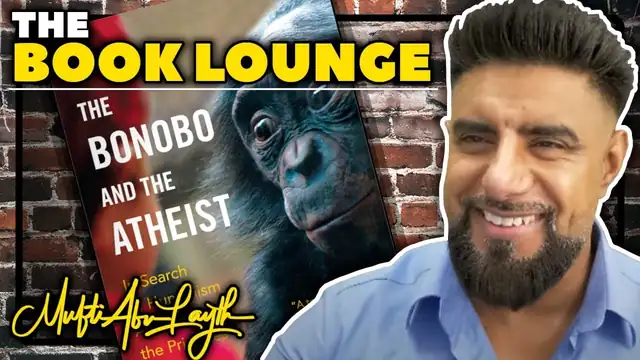 Press play to load from YouTube. Nothing loads until you do.
Transcript
machineauto-transcribed, may contain errors · source: youtube auto · click a time to seek · dotted terms open the glossaryhuh all right now we didn't good thing i checked that hello assalam welcome back people it's good to hear that we've got sound and welcome marhaban to this month's book lounge where we're reviewing an
epic book this month the choice of the month was an amazing book by franz dewal who's authored several books one of the most leading primatologists in the world today and this book at hand is the bonobo and the atheist we've got with us once again our epic conversationalists alright so scorpio shook him uh from from stateside we've got lee lee lee's camera has just disappeared for
[Music] doing it guys right so uh people first of all what have our thoughts been on this as a book because it's quite different from um you know the book just before written in some way so what do you think about this as a book before even getting into the themes what are your thoughts
go for it i found the interest in the book the book is sort of presents humans in the animal form that's more i do i radios it's showing that the animals do kind of have morals do have understanding do have knowledge um to sort of survive what what do you think about it as a book bef you know before the actual themes this for uh you know as a as a book to actually go through i mean was it it was it a hard read was it something that you felt um was good what what i would say okay i wouldn't say a hard
read it's tough for working um and this everyone's gonna have different opinions once they read it how they understand it yeah what do you think scorpio how do you find it i felt like it was a bit of a difficult read um just because there was so much info um and like i was saying earlier like there were a lot of things that we didn't even cover like while i was studying um like i was actually studying evolutionary biology at the time that this book came out but wow like this has so much new info so i like that it had it kind of like tied
everything together though yeah it had a hell of a lot put into one book didn't it uh yeah zakira your thoughts was it was it a difficult read for you you know what i found is that i found it to be a very packed book so like it wasn't a book you're just going to take uh before you sleep and casually really yeah definitely and really like okay what am i reading how am i understanding this what does it mean but the way in which he writes it's it's almost like a casual tone like he's uh you know but
but it is a very a fact book and there's a bit of humor in it as well that's nice you know his style isn't overly academic his style of writing it's not isn't it it's quite casual in in in a way comes across but it's just the content is so very very rich yeah it's a very rich packed content but the style wasn't like oh this is a boring you know university textbook but it was very very like you know you have to think when you're reading it otherwise you'd miss very important segment between the text
yeah what about you lee are you there what did you i'm here i totally um concur um it was it was a really the word that comes to mind is thorough i've had to you know backtrack a couple of times and if i got distracted i would re-read it before moving ahead and like you said i mean it's amazing the tone in which he writes he was able to have it was really impactful in an approachable way yeah and you see one of the reason i i like
to one of the reasons that i like to choose these kind of books or books of a um you know they're not passive reading so this is very active reading like you have to it's like that could have said you know you can't just like just have a read of this whilst you're going to sleep it's not really gonna you know you have to be like trying to absorb like a sponge all this data and info and it's like you learn so much but and that that's a strenuous act task as well isn't it having to actually whereas reading a novel it's just kind of fun and you're going through it or even
aldous huxley's book that we took brave new world had information but it was still really just a novel kind of it had that entertaining flow but um i i feel that you see the benefits of these kind of things is you have this for life now you see all that research all this data you've had an excuse to read it you've kind of had to you know this is the book we're going to read it this month and you've now got all of that with you all this research all these things and you know for maybe a thousand conversations yet to come in life you you'll cite these things you know
you you'll be oh yeah well actually i mean i know scope you've got a background in in evolutionary biology but for most people that haven't this is something so much it's wow and the topics i mean moving into the actual book um uh uh fernas you were saying that you see the things that really stood up straight away for you some of the things he throws at you um wha what were some of these you you were highlighting them i think it's just showing um how animals um
go through life how they interact with each other and with the environment around them i think the way i read it was he was showing the animals had a sense of life around them some of the examples that he gave i've come across them previously somewhere and i've used them in other discussions so one of the examples was discrimination i think we were just talking before we started here so one of the videos that they showed was they obviously gave a task to a monkey and when they completed a task he
got a reward the reward obviously was a cucumber he was happy with it because there's nothing to compare that against uh the second monkey obviously had a task to do as well and when they started the second task he got a grape i believe it was as a reward and the first one thought the grape was a better reward when he was asked to do the same task again he refused and he basically you could say protested that this is unfair that one person one monkey gets obviously a grape and i get a cuban but that's not fair therefore i'm not listening to you i'm not doing no task the dutch they
do have some kind of understanding in models they call that first order fairness or you know that this that the monkeys they value certain foods in certain ways like they value cucumber but they value a great more and and the example you're saying that that's but it is really shocking because the shocking thing i don't know when i say shocking i don't know if that's the right adjective but it's really um it kind of awakens you because it's very human-like isn't it anthropomorphic
that this uh because this kind of this it's like a a personality isn't so yeah that really um is something in this book he he's centered on bonobos and um it's interesting any of you guys actually know about bonobos prior to this book did any had any of you come across bonobos uh no you know i just thought like uh a monkey is a monkey and you get more monkeys and big monkeys you know okay now it's true i i hadn't to be fair i
i'd come across his books but before coming across franz dewal uh who i came across a few years ago and i came across a different book of his called the primate and the philosopher and so that i think it's been about three years ago and at that time he cited bonobo monkeys but prior to him citing them i had never i mean if you showed me a picture i couldn't tell the difference now i think i can because i'm kind of i see what he means that like nerdier looking [Laughter] do you guys think you could tell i don't
know if if you'd feel that now but i've never heard of it before it was totally new for me so it was a really cool experience you know yeah because they tend to be more uh kind of slim and kind of not as muscled up as chimpanzees and slightly narrower faces and it's interesting once you see it you can then see it you're like oh yeah i can tell now but prior to to that you couldn't i mean i couldn't prior to to recognizing that but yes so um right so i mean what so tell me some key
things that really strike you about this book uh scorpio with with background in evolutionary um biology what what are some things that really leap out at you that you think wow well my my background is actually in general biology but at the time that this book came out like i was in the evolutionary biology class okay so we were studying population biology and i thought it was interesting how he said that um that biologists didn't focus on the population genetics as much because it's difficult to assess there's so many
variables um and then this one he just concentrates on the communities so i thought that was really interesting and i also thought it was weird a lot of times in research we use chimpanzees um instead of bonobos even though it seems that um like i know the author said it's a bit of a mix that human beings are a bit of a mix between chimpanzees and bonobos he kind
yeah yeah so i thought that was interesting and um again like in in biology like a lot of if you speak to people they will like call human beings like animals so i thought it was also interesting how he said that people don't usually like to think of humans as anywhere close to an animal or just another species so yeah i mean what's you know the thing he cites about queen victoria when they bring the the yeah when they bring the animal zoo there
and she says shockingly human you know it's like yeah so she's seen these kind of chimpanzees and gorillas and apes and she's like whoa she's disturbed by the anthropomorphized apparent nature of them yeah i mean wha what about you uh killer what's your some things that really leap up at you so so what i take from the book is even if we just look at the title like the bonobo and the atheist i think there's a we're already being led towards that there's going to be a bit of a
comparison being made you know and then we have bonobos on one side and we have the humans on one side and in that we also have the religious folk on one side and the non-religious folk on one side and i think by him drawing all these examples of both because i think that's the way he tells the story he will narrate a story to you about you know an incident that he's experienced then he'll come back to a human experience and between those lines he's kind of weaving together that look we don't have to be the antithesis of each other they don't have to be there's actually many similarities
and we just maybe call them different names you know so um i think that's what i took from the booklet he was kind of drawing our attention to the okay there are differences but we don't have to be we didn't beat down on religion you know yeah no if anything wouldn't you find that if anything he put some question marks towards atheism if anything he seems to be more he's not exactly problematizing atheism but he's kind of showing that these these structures are much
more deeper rooted yes that's it and he's actually asking and uses the term like the neo atheism anything almost in a you know in a way like guys you know why are you making a problem don't don't make a problem with the religious folk you don't have to be a scientist and therefore you anti-religious you know so well that's what i took from it there were a lot of comparisons that he was uh forcing you to then think about not to just have this boxed in thinking that it's either this or it's that
and the book is very clearly building up to this whole um to the to the moral landscape you know to use sam harris's kind of thing but this whole thing about morality is the backdrop to this whole book really in a way without i mean it's about bonobos but it's in essence the undercurrent theme is about this sense of right and wrong a sense of duty a sense of this morality and and and ethics in the background and then like you mentioned
contrasting obviously as humans we have very sophisticated uh you know structures of morals and things but animals too are not you know deprived of this or they're not it's not a zero-sum game that they too have um their own systems and they've got the morals and and then he's comparing between them i mean did you guys what did you how did you guys feel about the actual bonobo amongst the monkeys because it's you know it was for me it was just like mind-blowing [Laughter] the the structures they have the the
hierarchies the um how they conflict resolution how they are you know not as not as confrontational yeah they're very they're matriarchal they are matriarchal yeah and and that that was really fascinating how he highlights the study that if there's you know that that bonobo that a male bonobo with just one female bonobo it's it's kind of like it's just neither here neither there it's just any it's it's not exactly
clear but the moment there's two females the male is immediately subordinate even though it's clearly matriarchal and even though the male is is physically bigger and larger than the females and they're clearly not um you know uh they don't they seem to have a disinclination towards violence yeah i mean yeah lee your thoughts we can't see you lee by the way the camera is is off uh um
so i i was really struck by it and i really um i think the first thing that caught my attention is the way that she sort of um towards i guess more towards the beginning of the book when he spoke about the um chimpanzee and the bonobos and you know was it explaining the difference between the two and um it just kind of reminded me about it kind of reminded me about duality i was like you know here's it and how and how he talked about how
they're so close evolutionarily and where the split must have occurred and i i don't know i would love to discuss more on that because i just found that incredibly fascinating sort of the duality of nature that was found in between the two and then how that and you know how he related that you know to the early human beings wow okay okay yeah now um i i saw these structures as just just so i had no did you guys have an eye any idea about how uh aggressive chimpanzees were
fernas did you know anything about yeah you did okay scorpio you guys what what about what about you guys the rest of you [Music] so i just found it so fascinating you know it's just it was breaking up a bit that's all i thought yeah i just found it you know the interestingly i don't know did you were you guys reminded of the brave new world
book when you first started to read about the bonobo monkey because i had never like i said it was totally new to me all of it so it was it i wasn't i was kind of reminded of the book that we read last time and you know what their um you know how they structured their society to be honest yeah i had no idea that chimps were that violent now i'm being honest with you did you finaste did you know that they're that aggressive they the way they for example they gorge each other's eyes rip each other's testicles off if they want to attack people they they bite their bike can break crush a bone
the the chimp with his bite can actually just crush a bone i was shocked i had no idea honestly i didn't think that they were that he cites when they jump this one individual they they one of them i think picks uh a rock or something they crush his head the they go so you know when they want to go out they go all out like they don't um um you know they're just very very aggressive and vicious and i was just wow i mean i knew that they obviously would fight but i didn't think
they were that violent um i think it's a little bit different because often we um see them like in captivity so in captivity i think there was one example where he said that like they can't really disperse and run away like i think um there was a chimp that was trying to get the female to go away and they knew that like the other females would attack if they were in captivity so they do animals do often behave differently in captivity versus in the wild where they have to survive and they can kind of like get away with things a bit more
yeah and also he he highlights that it goes to show that the chimpanzees are exercising self-restraint within the tribe because when they are fighting each other even though they are hitting each other but they're not so when they come across a stranger a strained chimp not from their tribe they decimate him i mean they will really like like he mentions gorge's eyes out and they'll go but they don't do that to their own tribal member even when they are really fighting so it shows
that they they are exercising some form of restraint when when they're doing that yeah i thought instead there is a paragraph here about this it does say if the fighting does break out the primes react the way despite it those uh tone web you're going to repair mode so reconciliation is driven by the importance of social relationships and i think it shows you studies on a great variety of species
the more they do together and the more likely they are to make after aggression the behavior reflects awareness of the value of friendships on family bonds so that's probably one of the reasons why if the together they're fine obviously if they with some some of the not related to also unaware of then they would have that reaction initially yeah but you're right that they it was really important for them to maintain the community this the tribe must be that they will reconcile i okay i had no idea that this
is gonna show how ignorant i am i had no idea that chimps didn't know who the babies were i thought that the dads would know but they don't they just they just belong to the tribe did you guys know that did you guys the children are just to the tribe the whole let's say it's 50 members to 150 whatever they are 50 members of the tribe or close to 100 whatever the females in that tribe that are getting pregnant with with their offspring they just belong to the tribe
so and every person just has some responsibility but they don't even if they don't like him but they still the tribe but it's not like the chimps don't know that that's my the male ones don't know that that's my child or that's you know they just know that it's her child and they may have an affinity i i had no idea i thought they would know there's some kind of lineage thing but thinking about it how would they know yeah in some animals as well like um like when the animals mate like the sperm gets stored so a lot of times like
it could be from multiple parents and you just don't know like not just like one mating it like produces one child or something yeah multiple meetings will produce one mixed litter like in cats as well oh right okay you said like that yeah okay so there's there's some other animals like that but i suppose here because they're moving as a tribe so it's not just like if there's just a mother with let's say some offspring and then the the parent that the let's say the father that's kind of mated would kind of see there and see the kids and
have that assumption but because they're all moving as a massive there's uh you know there's like let's say 70 chimps so and they obviously whoever's it's more an opportunist kind of thing to mate obviously besides the alpha and who the alpha allows so it's in that sense because when when i heard that i thought i thought what and then i thought oh yeah but it kind of makes sense now that i think about it because how would you keep track when you all live in a tribe
is that even though they may not particularly know um in the book they talked about um you know the hierarchy and how that um and how it became you know sort of selective breeding in that sense so even though they don't know there's still there's still some level of i guess you could say choice yeah um yeah now well maybe there is some sense of innate identification maybe they maybe like through some particular sense of smell they feel a greater affinity or
something maybe that there is although he doesn't discuss that much but i'm assuming because he does say that the bonobos are uh hypersexual and he highlights but one thing they don't engage in is incest so they must then be able to somehow and he says well the uh well with the with with the females it's because once they come of age they migrate anyway so they don't reside in that in that tribe and whereas the mothers in the sun but i suppose the mother exactly the mothers obviously know their sons
it's just the dads then don't because obviously the females migrate yeah that makes yeah that sense so also i'm not sure oh sorry go ahead i wasn't sure um if it was the experiment was done on the chimps or bonobos but there was he mentioned an experiment where uh when they had the monkeys like check whether they could recognize different chimps i'm again i'm not sure yeah it was also i think it was on both yeah and they could recognize members of their own species so i'm wondering if maybe just we don't know because we haven't been able to yeah
they could tell and they could also tell the offspring of which so for example if they knew the mother they could tell that that's her kid and it's not or her baby chimp and it's so they could tell the only thing i was earlier on questioning was whether the father could tell because that he was the father in a tribe or maybe he had some affinity like some kind of he assumes but they don't generally it's not like sub-families within a tribe it's just the tribe and you've got the hierarchy of the alpha and the betas and so on
but yeah you're right and and he also highlights that many researchers previously thought that they they couldn't do this that they didn't have facial recognition because they were testing them against humans and so they were tr they were testing them for human faces and some of them weren't scoring highly so yeah but you know do you remember the the part he mentions about although it's an anecdote that there's some uh woman doctor i'm not sure what her role was but the
chimp bites her fingers off and yeah i thought that was so interesting it was the veterinarian yes [Music] he knew he realized that he like he remembered even 15 years yeah 15 years later i was like wow like do they have that kind of memory and honestly i was like really shocked by whoa because 15 years later he's looking for a hand and when he sees it that it's still he kind of has this face that you know like he realizes that was his wrong doing damn
honestly it's it's amazing you know like people say it's it's you know we are in such fortunate times where we have these studies don't you think so because how would how would we know otherwise because people would just it'd just be like anecdotes but you've got studies here actual studies that take place what about the one that study he mentions about the chimpanzee you know when they put them and they've done this with other animals elephant put them in a room and they have to try to reach the food and it's out of reach
and they they need a tool and they have to choose the tool accordingly and elephants do this very well as well they will select the appropriate tool but that that much i'd known from before in psychology i knew that kind of study what i found really fascinating here was the chimps in the future when given a choice between a tool that they could have used in that incident and food chose the tool and put it away for future problem scenarios and i thought wow like that you see that that's planning
isn't it that's like you know i i'm not gonna i'm not gonna take the food i'll take this tool this useless bloody whatever it is and you know what but i'm gonna put it away because maybe i'm going to come across that scenario again and i can reach for the food this time just oh that's like you know it's true what is it tell us what is it that makes us scared that it's so human-like
it's it's a it does something though doesn't it i think what the book did especially for me is that you know forget uh things that you didn't know like you know earlier you said uh did you know about the the chimpanzees the the monkeys honestly and it's uh it's things we didn't even think about you know these thoughts didn't even occur to you like oh really how do chimpanzees do this or how do we know what is even the difference between them what is a bonobo you know so that's what i think i really enjoyed about reading this book is that it just opens your mind like a floodgate like
wow there is so much out there that you actually we don't know you know and um there is much to know and sometimes i think we also that we use our benchmark of standards of how things should be like earlier when you mentioned that they were testing the chimpanzees to a facial recognition against humans so again it shows a little bit of like arrogance i think on our side like you know as a monkey you should do this otherwise you're not smart you know so but do you like do you feel because i this is irrational
but i i'm just saying i can say for myself i feel like something like i don't know if fear scare i don't know if scared is the right way but it's something it's a bit there's like i don't know if daunting is the right word but when they do these things like they plan there's something about it that's almost like taboo i mean do you guys feel this i don't know does anybody feel that like like when the monkey could the fact that a monkey could plan and he could think you know what well i might need this for another day let me put it aside does that trigger for any
of you like a sense of taboo or does it how dare you so smart is it like that i mean what about you because i do i feel i i don't know why but is it so i'm curious if it does that to the thought of that that when you think of this monkey is it [Music] like i said like for biologists and stuff it really doesn't because um like you're always told that chimps like share so much dna like what is it like 99.97 or something
with humans and how like you're so close to us that we it never like was a thought you know that oh we're like some kind of selective species that is apart don't you find it a bit too close to come too close for comfort in a way i'm not saying it's not rational it's not a rational decision it's what i'm saying is you see all of a sudden there's a hmm and because there's an over sense of familiarity with
chimpanzees and primates to humans whereas let's say a dog did that it's i don't think i don't know i'm just speaking about my i can only speak about my my own kind of i don't think i it would trigger that same thing or if uh but primates it's that they there's a huge sense of obviously that they're very human-like it's like that him quoting that uh queen victoria like being shocked by the thing and saying this shockingly human like why did she react in that way you wouldn't react in the same way to a
dog doing something like raising his poor or doing something it's not because the dog doesn't have that it's not it's it's still distant and here the monkey standing up being able to walk bipedal being able to do things being able to recognize being able to i just i don't know i i feel that humans may feel that they're not ready for this there's a thing within them that it's not rational it's not a rational thing it's just an emotional this is what i'm getting from this and
what i what i sort of i guess you could say felt from the book is you know especially when he talks about you know empathy and morality like do they have any level of morality and to me it was kind of in the in the way that he sort of talked about religion at the beginning i i kind of i kind of felt like he wanted people to you know fall off their high horse or just get you know off of it because out because really what he's saying is you know
and even when it comes to you know like religion he's saying you know she's saying that look these these you know beings or animals you know there and even says you know yes we're not monkeys or whatever but we are you know animals humans are animals or whatever and so it was it was kind of like you know everybody seems to think like oh this is how it's supposed to be this is how it's supposed to be this is how it's supposed to be and they have all these reasons why it's supposed to be a particular way whatever that something is that's supposed to be a particular way and i just kind of seems
like hey and i don't know that he gave a decisive answer as to why he was just presenting you know like evolutionarily and in quote-unquote the wild or captivity or within animals how you know these how it how these sort of humanistic characteristics are present and you know what does that mean as far as how we interact with each other in you know the different types of people yeah yeah yeah no absolutely and also you
know one interacting him highlighting that look chimps are experts at non-verbal communication and he tells how they can read human body language and you see once again because they are very similar to humans in like physically whereas you know if once again that mammalian kind of stretch whereas a dog even though it could sense body language but it doesn't it's still you know so many notches away from a human being in in its kind of body and and the ape family is there
and he mentions that how guests would come to the center and and the chimps could already tell which one of them was had some kind of bad intention or which one some of them and they could just read it and and he cites that he get that one example where one of the chimps she had a tumor or something but it hadn't been diagnosed yet but the uh the other chimps come and one of them looks into her eye he just stares and then makes this scream and then all the monkeys make this scream and then they start i don't know like taking care of or doing something and
then they check her the actual um practitioners have her checked and she's she's dying and but it seems that they could at that moment they they could tell and they notified that you know there's something wrong with this one and she's you know she's dying uh it's it's it's just profound because it's obvious i i don't know if i could interject you know what's what's really what's really fascinating to me is how in in you know human is somebody has this level of
perceptiveness you know where they could just you know where they could sense that there was something you know seriously wrong with her without any medical equipment without any you know checkups you know if humans were to do that they would be like wow you know just totally amazed that you have this level of perceptiveness and i guess this is what i mean by kind of like having a little bit of humility as humans is that you know we're we're not doing we're not doing anything extraordinary by you know being having empathy and being able to you know sense these things between each
each other in fact we're returning back to you know what it was because he has this huge topic all on altruism dedicated to that saying that look why are the chimps being altruistic why are they trying to cushion a pillow behind this one that's sick and why are they kind of bringing water to them and and replicating all these actions and you know why when it doesn't benefit and then it comes obviously there's all these theories maybe it's in for them maybe they win recognition but really he seems to kind of bring it to a point where he's saying it's
possibly just innate that this is people actually probably i'm sorry not people creatures mammals they are built to care and and and it's dif it's like you're saying that it's difficult for people to uh rationalize that sometimes because they think well you know because we think well we are at the pinnacle and to be fair i think we unfortunately because of our reasoning and rationalizing and we less so care because because we've got taken over by you know the lights have come on and now we're
too focused on ourselves whereas if we were just driven by our natural emotions and instincts all the time i think we would be more driven towards just as these animals because otherwise it didn't make sense how they were being so altruistic and he mentions that some chimps would they would go through certain things themselves with another like they would you know to help another person they would forego their own food or they would uh he gives the example of the chimps who one of them gets trapped in a snare this kind of trap and and they they come to help him but then it's raining or something and and then
they go back uh and then they they come back the next day and it's like a kilometer or something and they come back as soon as it's it's daylight to try and find him and they can't find him and then they eventually think okay fair enough they can't they go back but he turns up so many weeks later but it's this fact that they've gone back to their place because of the weather and they've spent the night they've woken up and then thought oh we need to go get him and it's it's just wow
it's it's amazing the the the intelligence the concern you know that the kind of like the oh the concern for for the other person and and the grasp of death what do you think of that because he he talks about you know because people feel this is exclusively human mortality yeah what what were your thoughts on because he's obviously showing that they it's not the case you know these people they recognize death like that's one example like them recognizing that that one chimp was ill they they understood that
um and the fact they uh the mothers carry the the the dead young around for days until it kind of starts to decompose or starts to you know become slightly rotten but that's a perception you see because why don't they carry it on after it's become rotten because they they recognize that that is no longer life because they carry the the dead baby around for for days on end but then as the baby starts to change
and starts to slightly you know disintegrate or decompose gradually they eventually leave it but they because there's fundamentally a realization that that is now dead is no longer alive and i thought that was really profound even though it's obvious i mean i know it sounds obvious you know you say well you know real life but it's kind of at the same time not so obvious that what what yeah i was gonna say did he touch on i feel like i remember him eating something but like touching on the concept of like you
know hope within them like you know and that has to do with you know like is there a level that like i don't know how you would translate that to the end to keep them but like is there some level of hope or wanted expectation in the monkeys up there um is that the behavior that they're exhibiting or is it something else yeah that's that's a good point about i mean there's definitely i remember him speaking about um expectations for at the tribal level to conform to rules and
um and fear of consequences i didn't re i didn't realize how important consequences were for the structure there's i remember him speaking about that and i suppose hope is the opposite i mean it's sim you know fear and hope uh they're hopeful of rewards and hopeful of uh you know they anticipate i remember that the the example of the what was it the two the teenage ones that decide to stay out when it's food time and they take the the other chimps in and but they can only eat if everybody's in but the two decide to just hang out
because they've got the whole yard to themselves now and everybody's late for dinner because they can only give them if all the chimps are in so when they come in they separate the two because it might get hostile and they all eat and they go to sleep and now it's a fresh day and even the researchers have forgotten and when the two come out they the the chimps come they make some kind of cry rally together they beat the hell out of the two they like to discipline them and then they carry on and the next day those two are the first to go in for day nights i found that amazing that was like oh my god
yeah they're interesting how they remember for so long after sleeping and then they it's not just they remember they they kind of must because they they must because they get together they they must without talking but they must communicate that oh we gotta discipline that one [Laughter] then they're like oh yeah yeah that one
they're like um um how and how at least well at least from the bonobo how even if there was or is discipline how they also support the disciplined individual hmm they come afterwards and pet them and kind of tell them it's okay and that that that's really fascinating i was like whoa because it's that tribe that is that way called what does he call it community concern that level of the community concern you've got to so he says well even if
you know they oh and you know that reminds me remember the loyalty example they expect their friends to be loyal and it when he's he gives an example that when like let's say a chimp's about to get into a fight and he tags his his mate he kind of calls him and if that chimpanzee the other one the friend walks off like he's not interested in some cases they say that this chimp will forget the adversary the one he's about to fight he'll go in a raid chase that that friend and beat the hell out of the friend why did you desert me
[Laughter] sorry i didn't hear what you said i i think it's broke up a bit can you hear me a little bit yeah uh now yeah yeah i was just saying it's interesting how they have this sort of baseline yeah they have this this sort of baseline tribalism um you know for themselves yeah
you know in many ways we haven't kind of lost it have we that that uh i mean we're not you know in many ways we're still those animals all tribalistic like we've kind of given new tribes i guess you know it's not okay just that but what's interesting is they say even today a human really in his circle is what like 150 people which is that a large tribe like a you know any person actually really just has that many true connections i mean you may say like i've got 5 000 facebook friends but they're not really people you have a connection with
so we've just shifted them but we're still it's all very tribal still ultimately isn't it like even you know hierarchies systems cultures nationalities religions sectarianism um it hasn't really think about it from a level it hasn't really changed much has it no
you know what i found very interesting also is like when you look at the social dynamics of the chimpanzees and the bonobos and all these structures that they have in place and then i think what uh franz dewal is is kind of forcing us to do is to think and reflect on ourselves so we are these um high functioning and we have so much at our disposable at our disposal right now especially right now where we are we have so much at our disposable and yet we look at the bonobos and you know with their simple
tools and their recognition and it actually gives us we forced to think a little bit about what we really doing or how are we so much better you know when we see similar behavior if not better behavior in the chimpanzees and the nobles when they uh don't have what we have excellent i think that it's shocking honestly it's i i found that such an eye opener this is why i really um you know i was like wow i'm really glad i went through this book um because it just showed me things which
corrected my understanding of animality you know even this do you remember the section where he speaks about um about amongst chimps rape and he says that it seldom ever happens now this is something which actually i discussed briefly on the show yesterday on meaning with malm because somebody asked a question saying oh you know animal kind of human instincts like caveman instincts and animal instincts and i said well actually you'll be surprised because you know prime here you've got the eight family kind of instincts these
primates and you would think based on your logic that you know if you asked me before this book i would have thought it as well that these things are prevalent in nature and they must be in chimpanzees but he actually highlights that that's a very seldom kind of occurrence because what would happen is the consequences are just too large like he says like if that let's say a male chimp was to force himself if he managed to do it they would just come back and beat him up and they wouldn't he says that this just doesn't happen like that like they they obviously try to win the selectiveness
of the female and try to kind of you know maybe show themselves off and try to win her favor but seldom do these things happen by force and that is is is a small you could take a topic like that and it changes your whole perception of you know because we think oh to be an animal it's like what you were saying that you know people are thinking well we're humans oh this is to be an animal but actually animals on some things are much more they've already got mechanisms and you know whether you want to say structures or standards or methods or attitudes
which you know surprise humans because humans don't even meet these kind of things on some yeah what i was about to say where are our checks and balances and how is it that they manage it and we don't so i think what they were saying was that they you see it's really it's amazing because they have a community and they only live in what whether it's called a tribe or he's calling it the community that they only chimps only live in a community and whether the community has like 50 chimps or 100 chimps but it's a
community and that within that community they they just can't get away with stuff i mean they can get away with little stuff and they'll have fights and they'll do things and you know maybe try to snatch things from others but they but they still have their checks and balances they have consequences they get you know they get told off they'll get hit they'll get um and it's just they recognize that there's consequences and they don't do it so it's interesting when when the alpha you know when he cites the study that the alpha goes away for like half an hour or something and then they try on all these things but they keep going to check by the doors and coming back and
they come back and when he comes they do all this kind of fake welcoming you know this kind of like chum chuggity they're not doing this kind of like going oh yeah welcome back welcome back and trying to like be just so fake that part was so human i thought i could clearly see the human thing there just just the fake praise and ah the infant thing was really interesting as well what do you think about that you know that infants could get away with anything
so he he shows that like up until about the age of four an infant is exempt from the community rules so the infant could go and snatch the food from the alpha he could he could pester the alpha he could throw things at him so they showed things he could even as he starts reaching forward that they could engage in sexual practice um and nobody says anything to them but once they get beyond that age then they immediately kind of slapped back into place and then they don't violate the rules but up until then there's no repercussions for them and they don't you know so they'll they'll do things which no no no other
chimp would dream of and nobody says anything to them what i thought was really interesting was how um the there was a chimp with it with down syndrome i think oh and they said that they recognized her as like uh you know like uh disabled and so they would let her get away with this yeah that was fascinating yeah thank you for reminding that he had forgotten about that that was epic isn't it because it it's just another level of compassion that people don't associate with the word
animal and it's like wow you know honestly you know in the quran it says allah has been speaking about animals says are they not like nations like unto you like if you reflect over them and it's just that we've not had detailed zoological studies in the past you know maybe on some animals but not this is why it's such an exciting time to to be alive like learn all of this like think wow that and really you have to give it to people like like this like franz dewal given i think probably about 30 years of his life now to um
at least you know between 20 just under 30 years of his life to primates just researching researching and wow learning all of this and sharing it but yeah it's it was pr it's definitely very profound and i love the way he you know he like like you guys said as well that he brings it to this you know why why are some atheists just he's not saying this it's wrong to be an atheist or anything but he's just saying like why are you beating the drums so hard like i don't get what the problem is like just look at
animals and they have these structures it's not and we are humans and they have a concept of community and they have a concept of consequence and they have a concept of and if you removed religion he quotes volte where he says that you know if god didn't exist you'd have to make him up because because what else would fit the structure and he says well if you he quotes freud on saying that if you were to remove the whole concept of religion you'd have to replace it with something which would in essence just be
religion another version it wouldn't be because what what about rituals what do you what do you do with them i don't know if you recall the party speaks about rituals and he gives the example of uh when it's raining and the chimpanzees are trying not to get wet and then eventually they get wet and it comes through and they're soaking but when they get totally wet one of them gets up and he does this kind of dance this rain dance like completely in in the rain and and he says that could just be you know he says it could just be like okay
you know eff it i'm wet now so i'm just gonna do this dance and but he says it could be a ritual like and he cites the studies by skinner when he says that you know when pigeons and birds were made to when they would by touching a certain button they would get a certain kind of like a pellet and some some kind of food that what happened when the food was being uh administered randomly they started to make random associations so if the pigeon moved its head twice and a food came it would then move
its head twice thinking that's what triggered that and this is how humans fundamentally came up with you know superstitions years ago they you know why is a blood moon so dangerous because maybe when it was a blood moon certain people died and some things happened and they then thought you know what next time it's a blood moon oh my god last time such and such person died or this is how people do it isn't it in essence and what what would you do with this what would you replace all this with you know you just because that's fruits you know what i'm thinking about is when
you talk about rituals is that for example so often rich like from so off for so many people and often times religion is just ritual so can we make the argument then that you know these animals in their own way have their own quote-unquote religion is spirituality something different outside of religion or is it you know is it one understated wow that's profound because i mean you see i don't i don't know because
because when we say do animals have a sense of do they have a sense of some higher being um maybe maybe as some way that maybe in some way they kind of sense something they can sense like the way many animals can sense true north they could they have these magnetoreceptive receptivity and they can and even now they show many humans can detect it but they just can't tell they can detect it but in that way maybe there is something that maybe allahu alam you know like these these are things like how would we ever know
what the animal is ultimately aware of like here these animals are doing these great actions of altruism like you said like helping the disabled they helped the blind there's been incidents with with the you know with the what was in fact i found that you know that brought a smile like a pleasant smile to my face he cites the example of one chimpanzee that becomes uh paralyzed and he becomes paralyzed and he can't obviously walk about but he where he doesn't get depressed and he still plays the games he still chucks water at the others and he still
does exactly the and that you know i i just saw like wow like it's something he he says that despite the chimpanzee knows he can't do all these things now you know but but he's still living you know something humans we would struggle to do because we would think you know we'd become so that that the lights on would kind of clear us because it's too oh my god oh my god oh my god oh my god oh my god what's gonna happen what's gonna happen what's gonna happen you know it's and it's like the the animal is just living in the now
[Laughter] you know it's i don't honestly i find it so profound and i think this is where that ibra that you know humans can take uh from creatures and and i really on that verses like that in the quran about them being like nations if you think about them i mean you know if you ponder over them and yeah i i mean what it's it's what about the argument that they say for example you know for example like altruism so where does altruism come from and you know he's not
he's not necessarily making a particular point or making a he's not i don't know that he's saying where it's come from where it comes from but he's relaying the information that he's had and all of his experience and that you know altruism the altruism doesn't necessarily come from god or whatever you call you know that you know whatever people call that it or or you know like i said or does it and do animals have some sense of this like is the innateness is it part of the
evolutionary process or is it something outside of ourselves that we tap into or is it a combination of both yeah i mean sorry sorry okay so i think uh sorry what he was i think this is how i understood what he was saying is that it's not that altruism didn't come from god it's that you think altruism doesn't come from religions you know because i think that was the argument that religions give you uh morality and like so and even about the god question he completely dismisses like whether he's
worth arguing where the god occurs or doesn't exist to the atheist the neo atheist but what i wanted to ask is like do you think that we and he argues that this altruism is is in our genes in the animal genes it's always been there is this when we when we hear when we talk about the fitra is that yeah like what it is about similarities that's exactly what i was about to say i was about to say that i feel that in islam the islamic terminology or the quranic terminology better still than just islamic the quranic terminology is that
this is fitra that fitora latifah but obviously fitra there would be a spectrum so fitra would be would have things like instincts in it it would have things like um that it's the it's that more not just so you've got the the kind of reptilian brain but above that you've got also whether i know it's outdated but whether people would say the limbic system or the midbrain that that kind of which is dealing with emotions instincts it's dealing with but we're not so much speaking about reason and planning yet that you know that's more the prefrontal cortex
but what this is with animals as well but obviously there would be degrees of variation and this whole point that altruism in essence is empathy it's like it's this ability to to see pain this is something you know even previously i've i've argued that i've said that this is the islamic in my in my understanding the islamic way of looking at things when people say is morality you know something is it uh objective
morality or is it how does it work does it come from religion as you know as akira just said that this is his argument that it's not from religion because it's not a set of rules that thou shall not kill and then you're like oh okay now that you said it i won't do it but this is something people already know that i i don't want to kill it's it's wrong to kill so what i've argued is that that fitra that the very essence of it when it comes to morality is a simple thing it's like this morality compass or an instinct or it's basically one being able to identify harm like primarily from within
so you have experience of what harm is and so you want to avoid it but being able to then identify or recognize it in the other so when you see someone suffering it triggers that empathic thing as though you are suffering and you see it because you know he speaks about the mirror like when you see someone do like you raise the hand and that you know this kind of monkey see monkey do thing that and with the baby you know they like a little baby he doesn't understand things they stick the tongue out they go like this and the
baby mirrors it now that's actually complex because if you think about it it's perception it's it's kind of computation then it's the sensory motor contact cortex and it's telling the lips to do the same thing and then but that's not how you see it's built to mirror because it has this mirroring facility that ties in all these things and when we see pain the mirror makes us feel it and just as just as uh yawning is contagious he cites that or laughter you know one person starts laughing everybody starts laughing
it's like that mirror kind of uh facility within us this instinct and and that's really at the heart of it that is really did he say that uh that was because of the mirror neurons right it's like yeah like actual cells in the brain that are kind of responsible for that yes so he yes so he says that there are this uh i'm i can't recall what region i don't know if he actually cites the region but the the he does refer to them as the mirror neurons in in the book yeah yeah that's that's you're you're right but they were like a specific type of cell
um in the brain instead of like just an instinct kind of thing but they're responsible for that feeling of um like emotional mirroring sure oh no of course but if you think about it all of these things like instincts are ultimately going to be certain parts of the brain and you see the so the instinct in the sense like obviously there's going to be different like the hunger instinct and instincts for you know whether it's just going to be survival instinct or stuff like this but also if you think of things like a yearning for justice like when a person's been wronged
that's a it's a very visceral it's not a rash i mean it can be rational but it's it's deeper than that it's not just like hey let me calculate this actually i should be now feeling upset and i should be wanting justice because i'm wrong it's actually very deep and visceral it's it's fit it's in the fit that a person feels no i've been wronged and this is why you know people who speak of manifesting your things and and they speak of the brain heart coherence and that you know if you if you if you if you wish something or you want something but if your heart's with it it's a greater chance of it happening and it reflects the hadith that when the
muslim the oppressed person makes dua it's accepted why because it's it's not just the it's the heart with it it's the the wish that i i want justice but it's the actual heart is with it the brain heart coherence it's not just it's not like we're if i just say now you know like ah right i really want to be a successful ceo uh like that's that's more like an it's in there i'm kind of you know like in my brain conjuring it and i'm kind of computing it that you know this you know what that would be great because i'd have a lot more money and it'd be great like the heart hasn't
kind of yelled yet it hasn't kind of it's but when a person has been wronged the heart cries out and the mind obviously cries but the heart cries as well and so i mean symbolically speaking but so the mirroring is that kind of empathy stroke sympathy kind of thing that you're seeing they're seeing these other animals and obviously we don't know this is obviously our interpretation you know he's saying they some people are saying it could be the it's built for a reward structure it's built for to keep order in the you know it's whatever
but i do feel it's that kind of fitra that's what it is it recognizes harm and it can see in others and and it wishes to avert it that's it and then we the rest we build upon it socially you know we learn okay this is harmful this too we kind of compartmentalize it compartmentalize it and yeah because it's it is a and he quotes kant the whole thing of you know the two things that the starry sky above and the moral code within where do we um you know that these are the things that really shock us
because it is true you know it's this there's a um it's you know people think that if left to their devices people as well will be vicious and cruel but a lot of studies show people ain't and they they don't you know this this is sometimes too much of a luciferian projection onto humans this kind of you know remember the movie as well they they made that movie was it the purge was the purge yeah so the purge and so
i think it was that movie or was it another one where they think well okay people are going to go out and start killing everyone but they don't they're still just partying and they still just do and then they have to kind of kick-start it they have to kind of go in and let's start killing a few people and triggering but so because i think if left to it people do you know unless motivated for something they're not usually just driven to or they shouldn't if they're in touch with the kind of fitrah to just inflict harm people will usually inflict harm if it's
for it's a means to get to something or they've just been now so conditioned and they're psychopaths of course as well but yeah so that yeah but i i thought it was interesting he said that um most morality was uh based on emotions and then we sort of like rationalized it afterwards so i thought that was interesting like like at it's poor it's like emotional and then later we're just like oh that's why yeah no absolutely i think
wow so i think that's i i'm really glad i i did go through it i'm sure it will help me in years to come actually i i really think people like this like franz de waal i don't know if he's had any uh kind of international awards of recognition but he really deserves one in in my verdict i think so yeah so guys okay i think that's uh it's been uh amazing to kind of just recap that and for people who just want a summary of it as he kind of just very briefly summarizes before he goes into some
detail says the heart of uh dewalt's argument is spot on both because he puts emotions front and center in his account of human morality and because he explains how that morality emerges out of animal roots and i think that really sums up uh the book you know sums up what he's really trying to to prove here if anybody's considering reading it i definitely advise that you do it is also available on audible um i don't know if you guys knew that did you guys see on audible as well yeah it is on audible as well uh so
say that again sorry i said i listened to quite a bit of it on audible yeah yeah me too i i kind of switched uh so sometimes i was going on these long drives and what i would do is i would just catch up by just listening to it along the way and sometimes i'll just go through here but yeah so guys i think shukran for your time and your thoughts and just you know for the the engaging kind of review stroke discussion and conversation on this book how are you feeling about this this this month's book thank you mufti for starting this up and
getting us all together from all across the world thank you so much for this and i know i'm looking forward to it as i said i'm gonna start with the movie go to the book and then you know backtrack because i thought you know what i've i've not read it awakening i have read some of his other book he's got a famous book so the next next month's book or this month's book is awakenings by dr oliver sax and he's the author of the famous book the man who mistook his wife for a hat and that book i have got and i have read that book but i was fortunate enough to
attend a lecture that he came to in the uk uh i think it was i think it was 2010 but i'll have to check now uh he came to it it was a psychology conference arranged by the ou the open university psychological society and it was based on happiness called subjective well-being and it was like a weekend-long conference and the keynote speaker was dr oliver sax and it was amazing you know he was just wow that's when i bought his book after that the the man who mistook his wife for a hat and when i came across this awakenings i i first thought um because i was thinking what book should we
but i thought you know i'd rather we do something that contributes to our own constructive kind of thought as well and concepts as opposed to just pleasure reading um but he writes so well as well you know it's not it's that same thing it's not a and in fact arguably i mean not not to detract from friends the world but uh who writes very well as well but he writes he's actually highly praised for his writing style it's not laborious or even textbook in any you know remotely it's very um author-like and and very kind of fluid
so yeah and then what what i did was it was recommended to me by a dear friend so i thought awakenings i don't know and i thought first of all i was just slightly reluctant because it's it's a it's not a large but it's relatively i suppose it's a bit like this uh maybe a bit long it's about 200 and i think is it 60 or 70 pages this was about 240 i think so i i was um i don't know then i watched uh on youtube um as a brief kind of interview by dr oliver saxony and people and then i realized oh there's a movie on it and i realized there's all this literature around it and i thought you
know what wow it's groundbreaking because and it's interesting because it looms on the discussion of things like what does life mean and the quality of life because i i just watched a quick um youtube kind of uh interview about the real events and it was fascinating that it showed that because the summary is based around his radical research into this drug eldopa that in his day and age these people who have fallen into these strange catatonic kind of sleep they call it i don't know what they call it he mentions it in the in the documentary
in the book as well that sleepy something but it's these kind of like catatonic um they're not comas but they're almost comatose so they're just like and they don't move and they make zero expression and they like that for for decades and their faces don't age because they they expressionless so it doesn't have so these people don't moved on they're withering away and they're just alive in these psychiatric so he tries this new drug with them el dopa without the consent but it brings them to life and as they come to life they they have something to say and each and estranged and how they and
some of them they've been out for like 40 years so when they come to life now the world has changed so one of them is this i think it's a lady or was it a man um one of the patients she's now 60 something but still feels that she's 20 something because that's what she was when she went kind of under so and it's interesting how do they feel about the world that's moving that's going about and some of them are unhappy with it and i just found the thought that one of them says they want to go back and they don't want and you know it's interesting that they choose a
quality of a death-like state what we would think is a death but they choose it and what you know what's going on with these people and how they so i thought you know something like that would be very profound it would stir up uh our our minds our hearts in trying to and this drug did actually go on to i think it's still being used in parkinson's or maybe they've modified it but yeah so guys happy reading on that we've got plenty of weeks and i'm looking forward to robin william you know he he's a hero of mine honestly i i love his stuff so when i found out
he'd made the movie with de niro i thought wow [Laughter] so guys uh once again shukran for giving your time today all right and those of you that are viewing right if you haven't already read this book go for it and if you wanna share your thoughts or anything you're more than welcome to reach out to us um you can probably find uh you probably find the the lovely participants on social media as well but you can definitely find me there you can send a message if you haven't already liked and subscribed to the channel you can do so and people take very good care of yourselves i'm
going to bring up the exit page and like away take it over and out people assalamu alaikum over and out people i'll catch you all soon
Something wrong here?
Tell us what is wrong and it will be checked against the recording. Nothing changes until a person has reviewed it.
Sending a note needs JavaScript, which is off or unavailable in this browser. Nothing has been sent.
No name, email address or account is asked for or stored, and the inbox does not store your IP address. For rate limiting it keeps an unreadable fingerprint of your connection for 48 hours, and our database provider's own logs record connections as every website's do. Only your note, its kind, the page and the moment in the recording are kept, for review.
Cite this recording
Stable id, transcript version and tier are part of the citation. Every change to a transcript is logged.Mufti Abu Layth Archive, auto-transcribed, may contain errors. https://muftiabulayth.org/r/ctoefvgtseq/ (accessed 1 November 2026)
- APA 7
Mufti Abu Layth. (2021, November 5). The Bonobo & The Atheist | Book Lounge #3 [Video, auto-transcribed, may contain errors]. Mufti Abu Layth Archive. Retrieved November 1, 2026, from https://muftiabulayth.org/r/ctoefvgtseq/
- Chicago author-date
Mufti Abu Layth. 2021. "The Bonobo & The Atheist | Book Lounge #3." Video, auto-transcribed, may contain errors. Mufti Abu Layth Archive. Recorded November 5, 2021. Accessed November 1, 2026. https://muftiabulayth.org/r/ctoefvgtseq/
- BibTeX
@misc{abulayth-CToEfVgtSeQ,
  author = {Mufti Abu Layth},
  title = {{The Bonobo \& The Atheist | Book Lounge \#3}},
  year = {2021},
  month = {11},
  date = {2021-11-05},
  howpublished = {\url{https://muftiabulayth.org/r/ctoefvgtseq/}},
  url = {https://muftiabulayth.org/r/ctoefvgtseq/},
  organization = {Mufti Abu Layth Archive},
  urldate = {2026-11-01},
  note = {Auto-transcribed, may contain errors}
}