
Recordings › MindTrap with Mufti Abu Layth
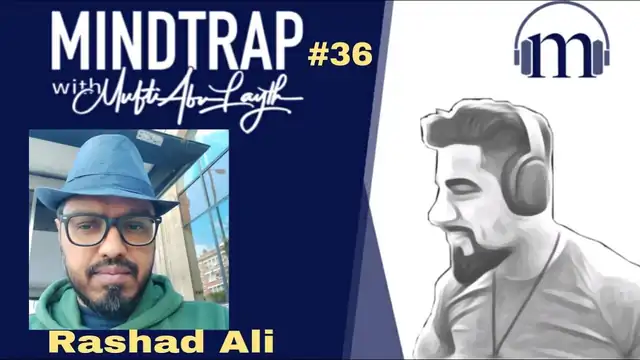
Rashad Ali | Reining in Apostasy, Reification of Hadith-ism & Reaching Allah | MindTrap w/ Mufti #36
salaah namaz salaat namaaz as-salah al-salah haj pilgrimage hadj aqidah aqeedah aqida aqeeda aqaid fiqh fiqah fikh hadeeth ahadith ahaadeeth hadis hadees ahaadith saheeh sahih hadith saheeh hadith sound hadith tafseer exegesis tafasir tafaseer malik ibn anas malik bin anas imam maalik imam malik ibn anas al-bukhari sahih al-bukhari sahih bukhari saheeh al-bukhari saheeh bukhari imam al-bukhari fajar salat al-fajr fajr prayer dawn prayer imaam imams prayer leader janaza namaz-e-janaza janaza prayer janazah prayer funeral prayer ramadhan ramzan ramazan ramadaan faqih faqeeh fuqaha shariat sharee'ah maaliki malikite malikiyyah maliki school hanafite hanafiyyah hanafi school shafei shafiite shafi'i school hanbali hanbalite hanbali school ijmaa maslaha maslahah masalih al-maslaha al-mursalah maslaha mursalah fatwah fatawa fatwaa fataawa legal opinion muftis hukm ahkam hukum hukam ahkaam haraam forbidden fard farz faraid fard ayn fard kifayah fardh sunna sunnat sunan prophetic practice dalil daleel adillah adilla riba ribaa sood usury mutawatir mutawaatir mass-transmitted muhaddith muhaddithun muhadith muhaddithoon hadith scholar rawi raawi ruwat rijal saheeh muslim imam muslim muslim ibn al-hajjaj kufr kafir kaafir kufar kaafirun imaan eemaan eeman ilm al-kalam kalaam asharis ashaira asha'irah ashariyyah ash'arite sihr sihar jadu jadoo kala jadu sorcery shaytan shaitan shaytaan iblis iblees shayateen shayatin devil akhira aakhirah akhirat qiyamah qiyama qiyamat yawm al-qiyamah yawm al-qiyama resurrection jannat jahannam jahanam jahannum al-mahdi imam mahdi mehdi koran quraan al-quran sura soorah surat suwar soora chapter ayah aya ayat ayaat aayah aayat wahy wahi wahee makki and madani makki madani meccan makki surah madani surah sahabah sahaba sahabi sahabiyyah sahabiyat as-salaf salaf al-salih salaf us-salih al-salaf early generations khalifah khulafa khilafah khilafat caliphate khilafa makkah makka mekka madinah madina al-madinah madeenah yathrib al-andalus andalus moorish spain ahl al-sunnah ahl as-sunnah ahlus sunnah ahl al-sunna sunnis shiah shiite shi'i twelver ithna ashari salafis salafism wahhabi wahabi wahhabism 'alim aalim ulama ulamaa shaykh shaikh sheik shuyukh shaykhs umma ummat jihaad mujahid fitnah fitan strife trial nikah nikkah nikaah nikah nama nikahnama zinaa zinah fornication adultery alhamdulilah al-hamdu lillah alhumdulillah alhamdulillaah hamdulillah bismillah ir-rahman ir-rahim bismillahir rahmanir rahim bismillahi bismillah al-rahman al-rahim as-salamu alaykum assalamu alaikum assalamualaikum salaam salaams salam alaykum wa alaykum as-salam peace greeting barakah baraka barakat barkat baraqah taqwaa piety sabr sabar shukr shukar shukur duaa duas duaas supplication amanah amana amaanah amanat al-din ad-deen ad-din ibaadah rahmah rahma rahmat ajr sawab thawab thawaab sawaablive stream · 2:34:11 · 12,000 views · 4 Sep 2020 · Open on YouTube
 Press play to load from YouTube. Nothing loads until you do.
Transcript
machineauto-transcribed, may contain errors · source: youtube auto · click a time to seek · dotted terms open the glossary[Music] [Music] i alright people arrive in alhamdulillah [Music]
to this episode of mind trap with mufti once again an awesome lineup for you all today let me present to you damasi caballeros ladies and gentlemen the profile picture coming right in front of you of the esteemed guest tonight of right look at that look at the style people look at the style some may be thinking is this a hollywood guest that we've brought on but there's none other than rashad ali
people give it up right there allah for taking the time out for being with us tonight right there you are right let me just look at that people you're doing it you're doing it let me just do a quick sound audio check i don't want rashad to be uh sharing his valuable words and nobody can hear them that would just be a tragedy i've just uh
got right here people let me just check sound check coming through fine i'm just bringing up the uh youtube people right here alright look at that fedora yep that's it the fedora's out people i take it you can all hear me uh all good all right so rashad is a man that does not need an introduction people that's what i can say uh a somebody who has researched um great depths of intricate
islamic topics and areas that are hidden from many often often to the pain of many it's it's but rashad tell us a bit a tiny bit about uh for for those of you for those of the viewers that may not be too familiar although i doubt that anybody is not familiar with with you rashad but
so just a bit about your uh your background just for people uh to know a bit about you yeah sure i guess i've spent the last five years or so working as a resident senior fellow as a researcher primarily and guiding research and conducting research um on issues around a range of things disinformation political misinformation but also like you mentioned islamic studies primarily so looking into i guess what people see as sometimes thorny issues pertaining to islam in public discourse
these may range from things like political participation joining political groupings and parties and western elections and you know arranging to things like discussions about international treaties and norms and the fico jihad in the modern age and looking at things like blasphemy and the the different interpretations that were given and how does that fit into the modern age when looking at rulings and fetawa around that and in relation to things like understanding basic freedom uh human rights and international treaties that respect these things that how do we engage in those matters essentially rooting them in the islamic
tradition and building our understanding of how we should approach those things from within that so right rashad not to be confused with rashad khalifa rashad khalifa still deemed by many to be a mukmin [Laughter] no i'm just missing right rashad is you know i once those of you that
don't know so much uh about rash i once uh read a comment about you rash saying somebody said that this is the greatest fitna uh for the western world muslim western world of modern times it is rashad and i thought really rashad is the i don't know have i overtaken you as the as the greatest bit now or is that i i was gonna say i think maybe that was a position i held but i've reluctantly passed that over to you i mean i literally now get called from people in
places like canada and egypt even you know scholars and teachers of mine who ring me who'll ask me look at i'm getting a bit of trouble from people do you know they say you do at which point i normally say look i'm trying to engage with him and to bring him back to the huck you just have to give us a bit of time that's the best you know i say to people that uh look you know on several occasions i'll invite people on to mind trap or stuff like this and some of them will be like in fact just this week i was speaking to this one um this particular individual and he's
you see the concern is with the individual oh if i come on mine trap then you know people will oh my god they'll kind of like my crowd will uh be you know they'll i'll get basically boycotted or people will think i'm with muftiya bulath now and i said look you could just just announce that don't worry i'm going on there to give him that one
it's true because it's just like you know they say even even if you go in front of the quality the murtad has three days [Laughter] which is used not just three days you should call him back forever the mercy of allah is uh has no bounds uh has no bounds i'm just uh seeing the defense i mean siddi iqbal was on with you so if uh
you know the lighting is flashing quite a bit on on your side obviously it's the nord that's coming down on you the divine nord but i'm just struggling thinking maybe is is it if you just to get your but cool cool hopefully it'll iron itself out right so right russia all right let me just check that the people are alright so i'm just checking yeah yeah yeah some of the the awesome comments right there
right rash talk to us man what's um what's the situation as somebody who's researching you know you you said one of your areas of expertise this whole thing on uh apostasy uh within islam i don't mean that's your area of personal experience rashad's like yeah i've i've gone through that on many occasions
but i mean somebody who's researched that uh you know to a great extent what is going on i mean there's this there's a um a particular post that was recently shared on facebook as well somebody trying to justify explain um you know in an ideal saying people people you know in an ideal islamic world it is morally the anatomy it is okay to to to murder someone who uh apostates from islam and this is somebody saying this on social media isn't and this is recent but this is just an echo talk to us about
this yeah i think he made a comment saying it's morally justified if you murder someone who insults the messenger he said it's analogous to uh you know you shouldn't do it but it's like you shouldn't go through a red light it's not like it's it's legally it's a bad thing maybe maybe uh but religiously and morally it's perfectly fine that if somebody stops the messenger kills them black killing a scorpion or you know going through a red light it's procedurally problematic but actually you've done nothing wrong i mean do these people
have a i mean do they have an audience that listens to them or they just you know just like granting on to themselves i had this conversation the other day and i think there's a few different types of people there are some people that are they kind of believe in some kind of conflict that's happening in the world and they believe they're part of this grand conflict narrative and so they're on the side of truth and everyone else is on the side of falsehood it's kind of like dualistic world of view okay because of that world view then
everything they read from islam fits into that narrative and so for people like that this fits the way they view the world and so they make islam and their own islamic meetings fit that so even if what they're saying has a semblance of truth about it they will twist it to match that yeah and so it's like when you see things with this whole discussion there are people that insult islam of course there are people there insult islam they have always been people they insulted the prophet salawat allah in his time and neither always will be
um and we know that uh that um we find that uh even in the quran the prophet saw islam is told it's not god they're rejecting yeah it's the it's not you that be lying it's the message of islam and even more so you know the quran addresses the prophet it's a direct command that to have patience with what they say yeah and so yeah you have these all the time and that was the whole point of the stories of the prophet
have patience like the great messengers of great resolve had patience and so it's it's not that there's no truth that some people will do this but their narrative in their world view is one of conflict so everything is viewed through that prison you get other people that i think have they're somewhere along they have various mental health problems and some of that is easily tapped into and then you have others that are strongly religiously indoctrinated they're few but they are religiously indoctrinated with this type of perception of religion and so they read scripture in this light and anything
that doesn't agree with that they'll just park they have cognitive dissonance but tell me you know this thing about people if they leave islam they ought to be this this concept that they ought to be executed for leaving islam um this uh what is called hadurita if one reads the quran the the the kind of picture that comes up at you that the quran illustrates is one very clearly of
it's one of like the quran seems to present islam with a sense of pride that look if you want to be a part of it be a part of it so how can it be that you can see this i can see this several people can see this but are we saying that the scholars of of old could not see this um i mean this is this is there is a there is an element of the way islamic feck is constructed and so there's a big discussion to be had about do you look at do you look at islamic
teachings through those general principles that make the way you interpret scripture in a way that makes it all make sense and it's congruent or almost for some it was it doesn't have to be congruent in fact the more incongruent the end teachings are the more consistent that is to our basic maxim you know to the extent they have they have this they have this in there so like a good example of this is when you have conflicting evidences and you make target between conflicting evidences do you make taraji with what what agrees to the principles or
is as an example as a principle they would say that is inclined towards that which brings a new different ruling rather than what agrees with the general maxim okay that's the the chef a thing on um dealing with when when you've got a khilafi kind of issue yeah when you have a text which doesn't seem congruent so a good example of this is okay the quran says like dean there's no compassion in religion
whoever let them have faith whoever once led them disbelief you know you haven't been sent to force them into faith you know you're not there to guard them there's all of these verses that repeatedly come so you could build this as a maxim like even which is you know and those who are not familiar that the great maliki legend of the 20th century yes he has this as one of the principles of the sharia is freedom of faith deen is a almost like a mokshad of the sharia
and then you have a number of hadith so one of them comes in man so there's there's this narration from where the incident is apparently presented to ibn ambassador ali allegedly burns people alive who were worshipping him and ibn ambassador says no he shouldn't have done that what he should have done is just merely killed him because whoever changes [Laughter]
no one should punish for the fire except the lord of the fire and so you have this story and there are problems obviously with the let's just say historic data substantiating say than early burning people um which there isn't any and so there is a lot of debate about this and then you have this ruling so either you understand the ruling is there's been a few comments on you just slightly i think if you could just speak louder for some people although i can hear you fine but i've had a few different people saying your voice is not coming out so loud to them i have tried to increase it here with the settings by the way so
um yeah try and do that yeah but sorry carry on it is because rashad has and he's been gifted with a soft voice you see so that's so we can so it can soften the hearts he's he's just implementing the verse you know poland right so yep carry on sorry which kind of brings brings back to the whole point that actually um on the other hand you have other hadith where the people came and apostasized to the prophet salallahu
so you have it in the mata as mentioned you know release me of my allegiance to you and imam al-baghi he says this is a this is a man who apostatized in his commentary in the montaka he's saying essentially this man is now apostasized to the prophet and then he leaves medina and the prophet says you know a medina is like a stove it cleanses itself of impurity and so the you know there are lots of scholars today like i was reading dr hatim al-hajj he has a book they recently published on
hanbalifek and one of the appendices cites this as an example of apostasy and he says look this shows that even the prophet sallallahu alaihi wasallam stayed off from punishing apostates yeah i mean you don't really get that in the in the lifetime of the profit do you i mean are they relying on anything clear from i know they're going to there's the hadith about this the weak and non you know based hadith that are not really established hadith about asma and then they use hadith about khabib nur
and things like this to state but there's nothing clear about people who are in the prophet's presence rejecting let's say islam or insulting the prophet let's say because there's many people insulting the prophet where he's saying oh such and such deserves to be killed because he's insulted me or um and in fact when you think about the monaferrin of medina uh you know you're going to see that not only was the prophet aware of them the quran even quotes them for what they
the hatred and the things they're saying about the prophet you know that when we get back to medina we will remove you know such and such from you know in a despised despicable way we will uh expel him from medina and so on and so forth yet the prophet is even trying to pray this salat al-janazah to some extent yeah so you have almost a number of things i think that's one but the other example you do have and this is in you know
that you know the people who are not muslim and they come they're jewish and they insult the prophet famously they say sam aleich you know you ask them and they say deaf to you and the prophet and aisha is then she gets upset and she says while he kasam and some narrations you know upon you and then cursed and the prophet saw islam stops her and he says
he's gentle he's kind he gives to the attention the kind why it doesn't give to anyone else and in another narration he says you know sufficient that you just say yeah whatever you said to you you know that would have been enough and he doesn't kill these people for insulting him and what's amazing is that imam bukhari has this and you know brother dean eleni says that was his mother same as abu hanifa the non-muslim insults the prophet he isn't punished there's no had there may be some kind of discretionary judgment for the judge or for the head of state but it's not a religious
injunction yeah and interestingly even when he comments um he says actually this shows it's softening the heart yeah so i mean so this this whole thing of punishing people because at its very core it is irrational completely because if islam is inviting people to islam which the quran clearly is it's asking
them to apostate from the way of life it's encouraging people to leave a view to come to this view it would be absurd if it if in and of itself it believed that oh but if somebody left my view they deserve death because then it would equally uphold such an action for the opposing view so why maybe there's maybe the question if we rephrase it to why then did some jurists take this position
because i think we can contextualize it to some extent that what they're talking about is not merely apostasy per se they see apostasy as being akin to treachery so you freeze them yeah the treason of the past yeah do you see this connection back so when they say things like the other traditions of the prophet regarding this is not just tariq not just abandoning the religion but tariq al-jamah they are causing sedition in society in another narration i think it's
they declared a war on god in his messenger and so all the narrations the imam tahawi brings his collection is he brings all of them say this is to do with to do with muharraba is to do with you know engaging in warfare is to do with sedition is to do with treason is to do it betrayal and and you see the hanafi's the like saraki will quote in his mobsort and other uh amongst the hanafi as well that hence it doesn't really apply to the women who are not uh proactively fighting
against because they don't see them as then a threat because in those societies the only people that would join war against you were men yeah and so it was to do with exactly the women if they were then if they had apostasized then they would just go back to being other women who were against your society but they weren't likely to engage in rebellion and warfare against you yeah and so if there was some criminal element to it then they could be you know maybe they were in prison i think for me the strongest food ja for this is what is transmitted in the time of
satan omar in his but not only did they apostatize but they fought and they rebelled and so some of them were captured and they were killed and said um he makes it very clear and he says you know this is wrong and he's asked you know what would you do and he says i would have imprisoned the people that physically fought that they rebelled and then i would have presented islam to them and that's it
and that's authentically transmitted in the sunnah and interestingly the narration which says he will do it for three days only that narration is because he says the chain is not connected the authentic chain is merely not to kill them mean i i i find this the whole thing so uh absurd anyway i mean it's very clear from the past that this was a political kind of injunction that people were doing and it wasn't just muslims everybody you know christians everybody had this
so it was something i don't understand in the context of those jurists that have this view yeah and so the late sheikh what he explains it as if they start making it learn bilikova then it has a political dimension to it so they're starting to make it a political issue in your society then it has that realm of looking at social you know a social dimension that becomes criminal not it's not merely for the individual changing the religion yeah and so you have this then you know amongst those jurors that look at it in this way and then you have those that didn't at all consider it to be an issue like
sofiana thori ibrahim yeah and so you have that from um you have it from you know many of the early self and so you have this kind of conceptualized understanding of first issues politics and security is to do where your allegiances lie are you going to become disloyal and these things aren't relevant and pertinent to today you know we're not in societies which actually loyalty and faith are to do with your citizenship in your sense of belonging to that state you know and this is how a lot of the wrote about this you know
the late great sheikh of al-assad you know it was to do you know because for him it was very very obvious in his islam now actually apostasy was related to rebellion and military engagement it wasn't merely related to your changing your individual belief which is why again to go back to shafi'i imam al-haram jawaini he doesn't place in kitab al-hudud he places in tazir for those that ain't familiar is the kind of the judicial liberty that a judge has
to to to punish something that he sees fit it could just be well somebody's disturbing the piece i know i'm gonna give them this kind of a punishment it's their own ichthy heart basically yep and i think this kind of puts that political context to it and this is the same i think with things like okay um what's the problem with insulting the prophet sallallahu alaihi is that it is also essentially critiquing the foundations of your society not intellectually but in a way that incites hatred and so that's the kind of distinction do you think though
um the somebody said okay i was having a discussion uh with someone and they said to me that the vast majority of muslims according to certain studies certain polls a vast majority of the muslims worldwide they claimed although i i've really you know i'm skeptical about some of these kind of uh polls and things that are conducted just by the wording that is adopted but still they said that the vast majority of muslims believe all apostates should be executed do you feel this is an accurate representation of the sentiments
of muslims generally um i mean i think just my view and it would be i don't think that's what most muslims are animated by yeah it's not what you see them calling for and asking for when they have the ability to freely express their views yeah if you look at as an example of this look at countries like syria where they have been there has been a massive uprising and that massive uprising wasn't to enforce uh apostasy killing it was for the basic right to select our own leader economic rights and political rights you know hundreds of thousands of people
were slaughtered there and killed that literally 700 000 people by the regime 10 million people have been dispersed and so they're not calling for um that's not that's not their agenda their agenda is their basic right so even when they are being pushed for it i don't think that's the issue plus i feel that in some of these um kind of studies that are conducted i don't think we can really call them studies but these kind of polls that are conducted often it's the wording can i see a question for you yeah yeah go for it if i say do you think we should follow the rule
of god or should we abandon it and allow apostates to be allowed apostates to live how how else is a muslim going to answer that question in principle yeah i mean this is my point about the wording like people will say in these polls would you prefer the rule of god and sharia or would you prefer the rule of modern societies now people think they are obligated to obviously always have a loyalty to god but if you ask them what does sharia mean
and and don't mention exclude hadood five hadood or whatever it is tell me what is shariah nobody actually would know what to say like they wouldn't know what the hell he is like what what is sharia so there's this there's a huge kind of um i feel that these things are incredibly misleading uh the way and even the choices that are given so would a person who so for example when they asked about blasphemy i said to this person this discussion was with the with hari sultan by the way so i said to
uh haris sultan look i said that i feel if they were to ask the same question to these muslims like let's say in pakistan or different places instead of saying if somebody rejects islam should he be punished and so on if they framed it like this if they frame because people sometimes get insecure and they think oh my god oh my god yeah punish them if they ask them if a person wasn't sure of his faith in islam he wasn't sure that islam is true
is it okay to force them to be muslim it's the same question yeah now if you frame it in that way using the word force i said i guarantee you most muslims would never accept that they would say that that's not okay to force them to be muslim would you agree with what i'm saying i think it is is to do how you would the question of what kind of emotions do you bring into the person when you're asking that question because you're framing it for them
priming them in psychology like and so good research questions will have a number of they'll ask the same question different ways in the same research in order to make sure that you're not forcing an alignment by their answers so if you if you're making a poll and you do this you ask the same question in different ways to ensure that you're not forcing one answer on the person right yeah and this is what you see with a lot of these studies and surveys so most of the time in pakistan as an example when they're asked most people will say of course if you say
should we as a country be islamic and follow islam 70 80 will say yes if you ask them should we as a country be democratic again 70 to 80 will say yes or if you not or if you worded that to say should the country the the rulings of the country or the laws or whatever of the country reflect the wishes of a small few or reflect the wishes of the inhabitants of the country by and large they will say the democratic one i agree you see it's just like the words sometimes to them are loaded terms like
they've been taught democracy like some people have been taught democracy is an evil word so they don't know so they'll think oh no no i don't want it's like people are taught secular is an evil word so a good example is this is in in urdu what's the word for secularism that would be yeah that you see what's interesting though in india in india if you compare that to india or bangladesh
religious neutrality yeah because in india they celebrate the word secular they they pride themselves on the secular constitution of india and you've got great you know like the scholars of dioband and brilli abreali saying that yes this is a secular country we're so proud of it and in pakistan they're like secular oh my god secular means like yeah i suppose to them of the world you see one is like dunyawi but one they're seeing it as a contrast to dean right what do you mean by the term it's what what do you what are the assumptions that go with it and so
with this type of stuff again i was having this discussion recently with there's a good book called by farhat tabasan struggle for a secular india and it's about you know when you're looking at some of the writings of people like say who saying yeah in his [Music] yeah and his whole point is that he says the word um is used in different ways so one in you know all of the people of the prophet salallahu islam
sent to fight people they have accepted the call of people that are receiving the call all the time um is used to mean his followers who have accepted the course specifically as muslims and then the word um is used sometimes just to mean a group there'll always be some of my mother upon the truth and then he says also it was used to mean the medinis muslims and jews because in
the mithaka of medina they were ummatun separate from all of the ummas so here the uml concept is a nation of people of different religions different backgrounds were brought together and this is why imam and you see this in uh and you know i forget the name of the work but it's one of the andalusia scholars that has this whole discussion that on the one hand the jews of medina were part of
medinan society they didn't pay busier because they weren't from outside the muslim community and therefore there wasn't this issue of are they people that we need to rule over because we don't know if they're loyal to us or not yeah because this is a fascinating discussion on the whole jizya thing that you know it's interesting that jizya the word only appears once in the quran
the the interesting thing is that the fact that it was never explained in the quran allah doesn't explain what jizya is is very clear that this already existed it was something that they all knew what they were talking about it's like if somebody today uses a particular word let's say in the uk if somebody was to speak about i don't know a particular um let's say universal credit or they were to use a particular term they and they don't explain it it's because the people the audience know what you're talking about it's not like in arab society yeah it's
it's a common understanding so this jizya thing was already something that the ancient arabs had it wasn't something it was about certain agreements about obviously when there's rival kind of factions and when the settlements and truths they pay there was compensation it wasn't something that islam had introduced because there seems to be this concept that islam introduced this new tax kuffer attacks you know this kind of uh this is the kind of thing that people assume isn't it that hatha you are
was introduced by the prophet yeah and i think the point is the description that follows meaning that they're quelled i there's no rebellious faction now fighting against you because this comes down to your conception of jihad again you know if you'd pick up the mukaddi ma of yeah and his discussion of jihad he says yes there's an obligation of jihad but that obligation it falls once you have secured your frontiers hence cardiovascular says that for the amir or the muslim caliph whoever they are to expand their frontier
by let's say doing a jihad an offensive jihad is something that falls under potential step up he calls it like muslim it's not he doesn't even say sunnah he doesn't say it's an obligation he says it's something that it's muslim that they can do to expand the frontiers of the muslim lands it's not like something which uh which you know people today would assume is actually an obligation oh my god why are we not out there spreading islam and yeah and so so again and you build on this and you think well hold on historically speaking the jurists have this and you have this is my friend about cognitive dissonance
that people who have been told that islam is an imperial religion which must conquer the entire globe and jihad is the means to do that when they read the thick and it says the opposite they'll just park it and so they will literally just ignore that which doesn't agree with their ideological view so here there's a problem i remember having this you know when you look at shaffer a text like father word and this is the official shafi fatwa remember he explains that you know if you have none you have muslims living in a country where they're safe
and it's not a muslim majority country it's just a country which is governed mainly by non-muslims but muslims can live and practice their religion if that country is attacked the nearest muslim army is obligated to go and defend them because it doesn't matter that you don't govern this place they have given freedom of religion to those people yeah and that is a completely different way of thinking about conduct and warfare you know hold on what do you mean you're going out to defend a non-muslim country
amongst certain muslims why why is there an obsession i feel that there's an obsession sometimes for people to highlight these issues like saying oh the apostasy issue or the other issue why why why i'm yeah so i think i think there's there's two different reasons i think one is what we're kind of picking up on is this kind of reaction that we don't want to become completely liberalized we don't want to be people that abandon our religion we don't want to be people that have got no connection back to our heritage ergo there's a reactionary sentiment
right so you have to protect and in a desire to protect that means just we're going to be the opposite so going back to that post that we're talking about earlier at the end of that post about anyone that sells the prophet you should go and murder them um and it says oh but some liberals will disagree so they're trying to puzzle us like am i liberal he means god [Laughter]
this is his criteria literally if you don't want to murder someone for insulting the messenger you are a liberal who's sold out so there's a reactionary sentiment there and the question is why does that exist because of any fear of losing is it is it not you see i see as an insecurity a reaction to it isn't yeah and i think the other reason for that is because globally speaking muslims are in a state of general insecurity you know whether you see things like you know it's a good example of this is why people are so animated by anything that happens in the palestinian courts anything that happens in kashmir
you know look at the lockdown of the hindu nationalist government on the cash meetings you know the persecution of the of the oiga the uyghurs with their co-workers the ogre community in china okay millions of sterilizations all sorts of things happening and there's a sense of powerlessness so when it comes to your muslim identity you suddenly feel disempowered and so you need to somehow assert yourself and that need comes in this kind of when we're going to anything that's western is bad anything that sounds like it agrees with western ideas is bad and so we're going to give this
fatwa in the opposite way we're going to make statements in the opposite way so the fact is you know even whoever it was whatever kind of notion of punishment in the past it was always uh you know as khadijad mentioned in sabat and khafir ji comments he says you know it's to do with no punishment is applied until you establish the crime in front of a judge with testimony and witnesses and evidences it's not just for you and me to go around doing so of course not you know they all have yeah the tech and suddenly all of this has gone out the window you know all of this you know
jurisprudence that people study for years you know the chef has a maxim that anything to do with the public interest the muslim man is for the imam is for the head of state it's not just for random people to go around enforcing or implying and these are points of akita and isn't this you see this ties in with the kind of uh i don't know if i can use the term decentralization of islam but the point that islam has become powerless and there are no effective truly speaking effective agencies like leaders or stuff like that in the world that thereby every other person
feels they have the right to assume that kind of virtual role of thinking well you know well of course i'm kind of the representative of islam and i i do have a voice of islam and i think there's probably two or three things all in there so the first thing is we don't have a clergy there are people that want to make themselves into a clergy i mean yeah we have an unfortunate case of a clergy a tragic case you're right i should say formally in islam it doesn't oh yes by that yes so islam
is not meant to have supposed to happen and then we are more like in the jewish community it's a it's a scholarly tradition so people are accepted based upon their learning and the other scholars accepting them and so it becomes like a a peer review and you have this kind of a process where intellectually speaking people have they're recognized for their contributions and so on and so you enter a scholarly community and then you can disagree and debate and argue as much as you want and so this is that's the other side of it and when you feel disempowered
there is a feeling of where anybody can assert themselves there's no leadership and therefore there's a vacuum so in that vacuum anybody will fill it so now all you have to do in order to sound like you are a scholar is grow a beard yeah speak a bit of arabic yeah be able to be able to fight you know and even better if you went to a mantra of course
but you don't really need to do that you just need to be charismatic and if you are charismatic and you can quote passages of scripture then you can be a fundamentalist so that's why you've got people like you know all these dyes yeah people that you know as the arabs say don't know their elbow from their wrist from something else more like but yeah from the risk you know they they don't have a clue and so these are people that fill that void so you talking about i mean i don't want to mention things but you're talking about people that go out and debate other people
because they're trying to stand up in you know in the intellectual vacuum in the political vacuum they want to stand up and stand for the rights of muslims in islam but the absence of that kind of intellectual heritage makes them completely unsuitable either in terms of or in terms of politics or in terms of so you have this you know it's you know they say
you know right so that's a quote from yasir khaldi i quote it often on my monday nights you you probably just for the reference purpose you're probably thinking what on earth is mufti on about so yeah now you know equally another issue that is quoted so often and i'm trying to figure out the uh i mean obviously i have my theories the obsession one is this apostasy one is this
uh the age of aisha is people are so obsessed to in this debating circles to hammer out that oh that she was just a child what on earth do you think is going on in their head apart from some severe you know mental health issues what else is going on so i i did there was a there's an interesting phenomenon a few weeks ago there was a netflix tv show okay and on the front of the tv show i forget the name of the show they had some really really young girls dressed up really really provocatively right i saw a post about this there was a facebook post or something
so netflix came out and apologized because the film isn't glorifying that the film is condemning that well the tv show is condemning apparently but the point was the cover aroused enough con conflict yes and then there was a young lady who was on twitter and she's quite well known won't mention her name but she's quite well known and she mentioned names she went look a few weeks ago you guys were arguing if they're like eight years old they're ready to marry and now you're saying that they're these look at these pedophiles on netflix that's it somebody's put there it's
called the cuties right yeah i did i saw a post about it condemning it saying what the hell and i must say they had a a photograph of the of the whatever the cover and i did think what the hell is this and they were saying what has netflix got up to and you know we need to yeah yeah yeah yeah you know the p is awful and i think but the point this girl was making was hold on a second few weeks ago you're defending marrying a girl who's nine and now you're condemning this as pedophilia make up your mind is this girl muslim non-muslim yes muslim he's muslim and she's making the
point to these the the what she sees is like okay look you guys are you need to sort this out you need to get with the program where do you stand and i think there is a point there that there is some again i think is this defensiveness that people can't critically examine things without thinking are you abandoning the sunnah so if you to ask this question okay how many hadith are there about the age of aisha yeah you know they all come from aisha said let's be straight some of them come as i shall said this some of them come as narrating that you know such and such is saying this about i mean they
the the hadith is it six seven nine and the seven and nine by the way were probably uh orthographic kind of uh because in arabic without the dots the saba and the tissa would be the same it would look the same now the point even by traditional hadith standards there's a huge huge huge huge in fact if you if you put them all out i've actually got a chart with all these rewards to put out yeah now the question in normal circumstance you would just say you know something we
have this narration single reason there's conflict about this conflict but is it a statement of i shall not yeah there's conflict about the number that's mentioned there's no way of working out which is the sound of you because this this they're all just you just say this is parker because that's the ruling on the hadith which is that you just you you don't pass judgment with it of course not and that's the method of imam malik really because imam malik himself saying this one-on-one will destroy the deen these isolated narrations so the question becomes why are you going why are you going to make that the
hill you're going to die on so what what is it in your perspective why the the stubbornness on this issue so again i think it's the same thing it's a it's a psychology of defensiveness and um the psychology of defensiveness of not knowing how to kind of approach things in a critical manner you see i felt it may be this um what i called a kind of reactionary bravado effect that you've got so so for example somebody
tries to curse you for something so as a reaction you try to own it and then you try to arrogantly own it by justifying well god said we can do it so you know ha ha which is what you're getting with all of these posts but what's your problem so there's one of these people that literally says that somebody why do you have a problem with it and i remember saying this to a friend of mine i said look you know you have a daughter she's what seven or eight years old how would you feel if somebody came to you and asked for a hand in marriage what would you do to that person no would you let that person back in your
house exactly and he was like no i wouldn't and i was like okay so maybe approach this with a bit more skepticism because you know there's it's just obvious there's a problem and i think this is where if you uh if you step back the point about reactionarism and so on is that lack of confidence yeah and to go back again with um you'll just be branded again as are you trying to change the religion no no and more than that more than that you're trying to suck up to the west right here
you are defending the honor of the prophet and the the kind of counter-allegation is oh you're doing this some somehow to appease the west in saying yeah yeah no no islam is okay islam doesn't actually say you can uh have sex with children and you're like well you know like i don't want to swear but you're going to say well of course islam says it doesn't say that i mean why that doesn't make it of course i mean that is the ruling of islam
so right but this this this common thing that no just just only you know it's it's you know it's a bit like how uh what was it jonathan brown when he said his thing that he said you know i i would really love for this not to be true but it but it's true you know it's like the prophet married a six-year-old and you think you know this guy what on earth is he on about i would really love this not to be true that's a historian is it that's somebody academic these are by the way all of which
at the lower level are transmitted only by iraqis that in and of itself is a clear so first of all somebody who is you know oblivious to that okay fellow that's clearly what shows the ill hadith but the point is how can you state something as a fact anyway as an academic you know just because it's written somewhere you can't be kind of stating or and it's not just about that many people stating this is a fact that oh this is it is you know oh it was just like this and you think well no but it wasn't though
again i think that is the point is that why you know if you do if you do step back and you think so i wrote this piece on uh hadith and reason recently about what is the role of rationality and reason in hadith criticism and the whole point that i tried to demonstrate was this isn't something to do with only the hanafian no of course not in the hadith why didn't you step back and look at what the maliki the shafi and the hambali authorities have said and they've all interestingly all of them right back from baghdadi even whether you're gonna look at ibn hasem whether you're going to look at ibn or josie whether you're going to look at
all of these people are writing oh if it goes against reason if it says something about the the prophet in this way if it has even if not josie saying even rakhaka to love if there's something with the wording if there's like such a these are clearly baseless hadith they write this yeah so even the thing was ibn tamir has this whole criteria you see but then the question is this rash the question that people ask that okay they have this in the usual hadith books see you the quality all these you know these what the golden principles that i quote are from their bloody hadith books i haven't made them up you know
it doesn't go against reason doesn't clash against the established quran and the mottawater and it doesn't uproot an islamic principle this is from these people but the question then people ask me is that okay if they wrote this why didn't they clearly reject these hadith this is the what are your thoughts so again i think there's there's an issue with you know and this happens in academia all the time by the way in every single people asking once again i know you you the voice is at its greatest but they're asking if you can slightly be elevated for
for those who are not blessed with as you know with the with sensitive hearing so i'll try i'll try and speak closer to this is so i think one of the things is um you'll find this in every field of academia so in every field of academia the rigorous academic will put forward a criteria on how to measure what they themselves are doing okay the scientists will put forward this is how you should judge my work so even is a good example of this okay lays out a set of foundational
principles on how to judge history yeah and so he's telling you look when you have far-fetched stories as an example those stories aren't true yeah when you have people that are sectarianly biased narrating things like so if for example they're all people of tashe and they all suddenly narrate hadith about the mahdi maybe you should be critical of that and question it because they all believe in that sectarian view and the muhammad that's very clearly on that whole point especially the mahdi point
mentioning that this is seems to have just clearly crept in through shia islam but yeah carry on sorry but if you look at his own history there are loads of things you'd criticize and say you know something that description of this mystical island sounds like utter nonsense yeah okay and you and you know this because you put this criteria down now that is it's a little bit of criticism on him but also it's it's also praising him because he's giving you a criteria to evaluate what he says so he's given you a methodology to assess that and scientists do this all the time they give you a methodology
and you apply that methodology to them and the conclusions that they are drawing so the way to view this i think is look at the early muthaqueen of hadith if you like they're very very stringent then you have the middle period and they are suddenly quite lacks so to give an example ahmed will humble is asked about um there's a hadith which says you should say bismillah whenever you make wado right yeah you know whoever doesn't fellaism in there's not one of us or you know
isn't it he says every single rewire of the hadith is every single thing yet two things happen he says even though it's weak it's sufficient to give you a ruling you should try and do it but if you forget it doesn't matter it's still valid but if you deliberately omit it then you you know you would do is not valid but he says the hadith all week you know this is by the time you get imam sayyuti this hadith is placed in his book of mutawattar hadith
[Laughter] i mean is there something that suti will not put in his mutawattar hadith i mean there are worse examples not with sayuti i think which is even oh yeah yeah yeah so you have you know the narration you know seek knowledge even if it's in china and half is even above the bot he says look this is basically more or less made up you know what says it's more though it's fabricated but there are so many chains of it there's so many chains of it yeah it says
exceptionally weak but katani puts it in his hadith not this because they're saying yeah you have to decline in there very very strict about it the mutawasito suddenly become quite lacks so again the other example that's really really well known is all the hadith are weak about the satanic vessels they're all naive
just threw the prophet under the bus but because the whatever happens we can't lose the tools the apparatus but now let's go back the principle in akita is the isma of the prophet sallam the prophet is infallible in delivering the quran because otherwise the whole quran could be wrong you know so the idea that he is going to be influenced by satan to recite the quran in a different way it kind of conflicts with a that concept of isma and be the whole quran i feel that even without going into the concept of isma it you know just from a reason
perspective it just goes to show that it makes no sense like the whole clash of the prophet with the whole struggle of his life in prophethood was him standing for tahit and otherwise the arabs didn't have a problem with just allah they had a problem with him denouncing the other deities so when if the prophet in one point is going to be like no i'm going to stand firm i'm against this they're attacking him i'm going to stand for one and then a one-off okay yeah today we'll have all these gods but back to this mission the next day it just it's it can does not make any
rational sense that this would have been incredible exactly any human being would do that let alone a prophet of god yeah i mean i yeah of course but that's the point but i was arguing from not even the religious theological viewpoint i was just arguing from you could retradictively just like by looking at history you could analyze that it's like so for example imagine but that's the best that we're getting at which is the muhammad's criteria down the mountain lay these criteria down yeah so you can hold them to the standard that they lay
down and then you can show them why oh hold on a second they are falling from this quite far and so the same thing with a lot of this stuff that you can just turn around and demonstrate you've laid down a set of first principles let's keep those first principles and let's find the ones who agree with those first principles in the most congruent manner and you'll always find somewhere who did this there'll always be some you know from from within the tradition that from you know that it's like the whole discussion that we're having earlier about you know is there a had for apostasy is there a hat for insulting the messenger
though like abu hanifa's method was obviously there isn't a hud for these things and so you have this you know very very clearly laid out it's like again for example when you look at you know the ashari spectrum of doctrinal matters you know is there such a thing as miracles that karama told ya that break the laws of nature yes some people said they were but imami
if it's breaking natural laws these are just fanciful stories they cannot have yeah and i've if i recall correctly he's also citing ibn abu safra saying that as well so you have so you have this this is like the great maliki ashari tradition sunni i do believe that said that as well and the only problem was that the backlash was that strong i feel that he kind of stepped it was a battle he didn't really want i feel like and you find that what they tend to do then is this they moderate it slightly because they're afraid so by the time of superki he's like
well they can do some things but they can't do other things that are better than the prophets you know so it's kind of like so you see this kind of like there's but the point is within the intellectual tradition and within the with the culture of the torah if you like you'll have these views it's like today i remember we did a radio show about 10 years ago about and we had a discussion about magic okay and you know famously as cited by mazari and so on
is more illusions and we know that for a fact now of course because you can substantiate that you can put people in laboratory conditions ask them to replicate them and it is impossible there's no doubt about that and that is one of the sources of knowledge that we have in our books of assault and you know uh has a very fascinating discussion on that summing it up into saying well this is simply what people were referring to was things like either trickery or hypnosis or maybe kind of
potions potion effect like mood stabilizers certain things that you know maybe hallucinogens and stuff like that right yeah so so the fact is you can see there are certain things that exist within the realms of the normal laws and so this is how it's interested by ibn hassam it's as understood by abu hanifah is how is understood by fakhroodina and these are all major figures of you know if you like i don't use the word but orthodoxy these are people whose arcade is not that which i i'm a clear representative of
i am if you just repeat after me this will be the greatest show ever if rashad comes on and then he's converted me brought me back to islam is that what the this thing of hadith don't you think that the that what i call the third wave mahadithine the the likes of him [Music] and these people i feel that by that time
you see it is an even earlier even part of the second wave but i feel that this is like that you see they are too invested in this um it is a profession by that stage it is something which it isn't a um it's not so much it's not at all about the mutton anymore about what the hadith is carrying the the the kind of vocation of islam has become a career for people so i i think
i think that happens but i think so if you look at the early definition of when people say when the early hoffas when they use the language like oh this hadith is they just mean it's strange yeah we've not heard this you know humbly says things like just avoid all of all narrations where there's literally a single narrator when it goes back to one that's not just be careful of that so it's the early times you have this type of just there's a bit more rigor because they don't want to attribute to the messenger that which is not from him so the attitude is the opposite of oh i want because now we have the oh i
don't i would it means to be careful of not following what the messenger said whereas in the early period was do not attribute to the messenger what he didn't say you see this there's that what you're saying rash and i also feel that you see the early islam the early era of islam institutionalization hadn't kicked in properly there wasn't this uh like i know you said that there will not be a clergy but the clergy hadn't fully formed there wasn't these things weren't fully there yet so
you see in early islamic literature there's many things like beginning with imam malik rejecting hadith clearly right in his book to imam ahmad saying things like whoever claims and a consensus is a liar to imam ahmad humble also saying on hadith that this you know things like uh the magazine and the fitting and the uh you know the ashrae these things that this you know these things and tafsir sorry and the and the and the these things are just generally baseless hadith
this whole thing changes later on with the real institutionalization of the dean i mean nobody thinks like that anymore so i think you do get some i think this is why it comes through like um if there are people that come and revive some of these things through history at different periods so i'm probably not as anti you know the muhaddithin as maybe maybe uh or the third wave of mythician as you are in that sense because i think you have they come as a reaction to certain things and so what you're getting is a reaction to
um abandoning of the hadith tradition so you have this thing where great ulema they really are they're really amazing works of feck of course of course and then you read a hadith in it and you know just from reading it that's a fabrication of course you know it pick it up anything so the question becomes how did we get to a stage where great fukaha include these narrations in their texts and it is a question it's a reasonable assertion and so what they're trying to do they're trying to make sure that we need to sift through and be careful of those types of things and the emphasis for that then becomes a snap
but then they're saying things like is that even himself he is someone that avoids content rejection because i think he sees that as somebody else's job but he's saying like you've got him following on from ibn salah are saying the sahih is they are they hold the same position of power as the quran this is not something that the early mahadevin clearly can whether somebody can say well i infer that from what they're saying
but they never weren't explicit to say things like this they never pushed a dogmatic doctrine like this so if you compare that with shafi and it's resalah yeah his resale divides hadith into two types the general hadith everyone knows that everyone agrees on it he means tawatur he means that which is really really well established he doesn't mention hadith he mentions practices that are well known there are five daily prayers the prohibition of zina you know these types of things they're very well known yeah i refer to this as the like the living tradition of islam that is
carried through by and stuff like that so he said you know this is obvious and then you have and he said these are things that yum can fight it's possible to make mistakes requires some type of interpretation now shafi is very very clear about that you know later on imam nowy is very very clear and he says have said that
you know the single narrations are not definitive sources of information i mean the question is obvious if you're a human being can you make a mistake yes if you're a really smart human being can you make a mistake yes okay you're never going to be infallible so a single narration or group of people is not definitive knowledge i mean let's just for people who are not too familiar yeah just to to give you an example this is what they are saying in essence imagine somebody was to speak i don't know like like okay i'll take myself as an example somebody's to say
i said something yeah but this is 50 years from today and all it is is just one guy hears it from one guy who hears it from me that's it like there's no even though so many people around me nobody else has heard this one person from one person this is what we're talking about i mean even of itself sounds absurd to be a source of of confident trust confident trust i don't mean as a as to add to your resources but to be a a source of certainty
it's absurd so so the thing is that somewhere down the line like you said even salah he concludes that everybody's looked at bukhari and muslims so much that it has some kind of um the ummah's general um and that notion then becomes oh it adds to it so the habit
he says well if they both have it then you know we can be sure it's certain now this is developed in this in this manner that's really extreme if you compare that to like the actual salaf where you know like like you mentioned imam malik says nafee told me from ibn um the two people have the choice to you know give up a contract as long as they're still in the same place yeah you know move it away ima matic says nah
i mean he transmits it and says yeah thanks but we don't know we don't do that not really the point here why because he's saying because that would undo every single contract in the universe by that you can just undo any contract i mean it wouldn't necessarily undo but it could it just gives it it empowers the the house someone to do that it really empowers the customer more so than the uh than the seller i guess yeah but the point is it undo's contractual obligations and so either you make a tawi like imam tahawi
which is to say is talking about the contractual session the way you're still negotiating so as long as you're still going because they say [Laughter] that's a reasonable kind of joining together it's kinda like he's brought it together in a way and so but malik is just saying look you know this is single narration and yeah and i uh yeah yeah yeah yeah and so the thing here is that and it may not be just one on one on one fine you know you know that's the character you know the caricature of the lowest level but why are you saying this is
definitive knowledge how are you getting to that stage and this is where generally speaking you know they would usually say well there must be some other evidence and oh there must be some very very strong consensus around this and obviously there's no such thing as a clinton sentence consensus is a very fascinating word since nobody has this there is no consensus on what an earth consensus means
i mean is it because this consensus also emerges with this institutionalization you know this whole thing it's it's something that wields power for the clergy you know this consensus in if you go against consensus you are now a cafe that is the um factor so i think there's um so i think the people that kind of really questioned this in the usolis as well was that well it's first of all it's not just me consensus it's got to be consensus around so imam jawani he he makes the same point you made he says
you know there's someone can reject each man not be a careful so how can they how can they be called a cafe for rejecting an ijma they can reject the entire concept of consensus and they're not unbelievable so how can they be non-believers for rejecting you know a particular consensus so remember haramaini says this is bar tillakatan he says this is definitely wrong because the weird thing is that how can there be something like this that the prophet himself has not really spoken of and that the uh that the quran has not guided us to now people could say we can infer
from this particular verse you know or you know who doesn't follows sabila meaning or oh we can infer from here we can infer from the but that's not like if it was something that was a matter of iman or kufa the quran would be clear right yeah so i think this is why what they do say is it's not to do with the age of man and of itself it's when the it will you go to what's necessarily known meaning you stop a random guy on the street and you ask him about islam he will tell you yeah we pray five times a day you know we don't drink wine you see but the ironies that's
not what they mean because because when you see those things are established been us like they are established by the quran and the living tradition so they say so what they only say is well when i say they some yeah amongst them like even normal they'll say that it's when it's around those issues yeah so even when he's commenting on this he says you know the living he basically says what he said the living tradition of islam is so well known from not one text but multiple texts and it's not to do with the rejection of a specific tarok
it's this concept that everybody knows we believe in god we believe in revelation we believe in hereafter we believe five daily prayers we fast the month of ramadan everybody knows these things and it's that which makes it inherently why would you need ishmael for that if it's already known well he's just he's specifying what type of consensus is is definitive and i think that's a way of trying to he he does this in his his own commentary on karafi thank you okay he's trying to specify and restrict how it's applied so it doesn't get misapplied by people
who are we speaking of even if not i'm sure of course of course instantly right now the coming back to our kind of thread yeah if you like these become appropriate concepts by which to then reassert and reassess where we're going as as a as a religious community or where our scholarship is going so you can just re reassert these things people like uh today in terms of hadith is interesting as dr hatta maloney okay yeah so he's kind of like we need to go back to the mean their stricter approach and
reanalyze the assertions that are made but i mean even people like uh doctor are they re like he is definitely somebody i like i see him much more open-minded than you would envisage somebody like from saudi or something like this but would he truly be able to critique like the the tradition because is he not still reigned in so much because i've read something about him and buhari and stuff like this and once again
you know that kind of dogmatic defense of trying to say that oh you're not allowed to question certain things that have been transmitted and you know this is just fitna and this is just just toeing that same line um i mean i i i think he's i think the way perfect but he's a critical thinker from within that perspective yeah sure i mean if you take that kind of selfie thing he is definitely you know very enlightened by their standards uh incredibly like let's take another example of you know some of the stuff that people say um again without mentioning names no no mention names it spices it up
[Laughter] you had this with the the recent passing of you know famous personalities and people who are not muslim and people saying oh yeah this is the the recent chadwick boseman thing right chadwick boseman and he died and everyone was people were upset because they saw a talent they saw someone who was standing up for justice they saw someone that was close to omar salehman as an example in america they saw someone standing for black lives there's a lot of things that people saw in him that they thought oh this is actually someone that touched people in different ways and so was a it was a normal sentiment to be able to show i mean
analogous to what the prophet saw i said i was teaching the companions you know when there was a few body parts older companion that sorry the the volume just slightly i think that might be my private jet flying above your private flag there was a passing of a funeral and it was a jewish man and he told the companions to stand to show respect he didn't obligate this yeah he didn't do it every single time but he told him on this instance to stand and someone said you know this is a jewish man and he said you know isn't that a soul yeah and he's like hold on a second so there's a there's a soul that's passed
me by and so there's a certain sort of for that soul so the very basic level of humanity that the prophet saw islam is teaching and it's in sin you know that this is how we deal with this you saw people react as though anyone showing empathy sympathy respect had violated the teachings of islam and i had this conversation about well you know can you even make dua for them and i know you addressed her yeah which i say you absolutely can this is the thing that um you know if you pick up some of the like the
thick commentaries yeah you know um kalubi has a hashia who's a famous shafi as a hashia on jalaluddin mahalli's kansa bean and they talk about the janis and you find the body and it's not muslim do you pray for them and they say well you can't pray for salvation if it was if they were definitively known on kufrin and kalubi explains but you can obviously pray for their forgiveness because this includes lots of things but this thing you know you've got on that note you've got people like bailari saying uh
in his tawali that look if a person does their best yeah to to to arrive at the truth right like they they like they felt that that was true and they they've obviously lived their life contemplating it whatever that your jaafu that this is somebody who would you hope that they have attained salvation yeah i mean i i tell you what's even more fascinating is again
um and also much more there's a there's a discussion about this and he basically he says the same thing because he says okay what's the sunni majority position is definitive um if somebody makes a mistake they're misguided at the very best they're misguided yeah then people others will say no they're careful because it's a definitive matter and then others will say no they are forgiven and then even tamiya says no no they are
rewarded for the hd head yeah because all the verses that say things like yeah if you forget when we make mistake and so you're seeking forgiveness for your khatta which is qatar and he says this is why you know if they've made ishtihad then this
you can't expect someone to make shitty had arrive at a false view and then hold them to account for doing their best because then you're expecting more than they're capable of and the quran says that's not possible um from the shia a very balanced kind of or from what i've heard anyway the things i've seen of his seems quite balanced but he had an interesting question which got me thinking he said that the verses of the quran like when allah says that he created you you know we created
what's that the closest of you of mankind to god is the one of most aqua he said what's to what's to state that non-muslims don't have taqwa because you know this taqwa is this an islamic thing only like is it exclusive to somebody only having islam because i started thinking about it and i thought well no it's not like why because allah doesn't begin this verse by saying or you know says yeah you're a nurse oh people that mankind we created you like this so you do this
and the best of you of mankind to uh is that or the closest sorry not the best the closest to god of mankind is the one that is isn't it there's the most noble acronym sorry yes of course now the thing is this at arkham of having having taqwa we have we seem to have monopolized this it's like saying you see we because what we've done is we've tied it in with the word god and then said only we have access to god truly
well that that doesn't seem to be the case from god's perspective like from our perspective we might think oh only our ibadah is being accepted but from god's perspective you've got the this question i mean it got me thinking and i thought well hmm you know it's a it's a fair point why do we it's like saying do only muslims truly have a monopoly on kindness or on essan or on uh is it like on on aid or on on vigilance or on meditation or on and if we don't then what's
to say that we only have that we solely have a monopoly on taqwa because the taqwa is not actually i mean we've given it these translations of saying our taqwa is that oh we it's praying so much or doing something this is not the definition of tatwa i don't i don't know what your thoughts are on these um i i mean i i i haven't really thought about that verse in that particular way i mean i think there are problems with the way to think about it in that way just because even if the verse starts off with the nas and it's addressing people the likelihood of who it's addressing really is
the audience that is reading it or being addressed by it which is going to be the muslims no no no no because because the arabs were not shoot they were kabal right and the shoot were the persians and the byzantines so the settled community civilization were the sha'ub but this goes to show that it was general because the arabs generally unless you're going to argue the southern arabs were sure but they weren't muslim i'm saying that the initial address who is addressing if you like okay as in the quran is
being revealed to muslims you mean like yeah in that sense and who's going to respond is going to the people who are going to be reading it so i don't think that bit for me anyway i get the but but then that would mean the whole quran is being revealed to muslims and the quran would never then be addressing non-muslims by that argument because the whole quran is being revealed to muslims i suppose so i think it so i think when you step back and look at okay what is at least purported to be when this verse was revealed uh whether it's a sound or not this debated because there's a son of a nozzle and southern nozzle is a big area of debate yeah
most of it is just made up for oh let's just say opinionated opinionated i like it i like it [Laughter] you know it's said that when when the prophet saws had the fat of mecca and you know bilal gave the other one and some of the pagans and some of the other arabs and some of the even the early converts were saying oh hold on a second could you find someone better than this and abu sufyan allegedly he responded to them saying look what you're doing allah will reveal
a verse about you and then allegedly the verse was revealed then saying in defense yeah that sounds highly romanticized because wasn't he just heavily opposing the muslims and just about embraces because of until if he just about embraces and then immediately becomes the pinnacle of humanity i think that's uh the pinnacle of humanity is talking about the nature of faith because i think the people like abu sufyan i think they had
faith long before embracing islam faith faith i think i think they recognize the truth oh yeah yeah yeah that's a different issue yeah yeah i do i mean i'm not dissing abu sufyan per se uh you know what he's doing is he's reacting in a way that shows he fears god that he's saying oh hold on a second guys you're making these statements allah will reveal something so he's he's into he's almost like he's intimately familiar with the dynamic that just sounds like one of those things that's made up i mean this i'm just
i'm just saying i mean i've not uh you know like people some people are very critical of abu sufyan and stuff i'm not necessarily but i'm just saying that that just that story just seems too romantic like it just seems like one of these i don't think it's romantic i think it is more the opposite it's kind of like there's an element of inadvertent recognition of oh i've seen this before it's more kind of this is my experience you're going to do this this is going to happen okay this is how revelations worked in his life it's kind of like that kind of account and so that's when it's revealed so you get the messages about the universality of humanity you know you're not better than
anyone you know you're not just because he's black or he's half black and half arab you know there's no puritanical race here ta'arafu is to know each other to familiarize each other to recognize each other but why state then because it is true to say there are many many different nations and peoples because the yeah but the the the general uh research of historians will show that when the arabs used these terms they referred to as settled civilizations that were usually quite large and things like the persians or the southern kingdoms or the byzantines nations
nations yeah who didn't operate on a tribal basis and then you had like the arabs who operated tribally so i i feel that that part of the verse is saying you have to negate any of these things none of those things make off valia but i feel that that thrusts it immediately into the lot into the scope for those people being addressed the fact that it says sherubin i feel it would be addressing people that are shirobi as well sure but i don't think that negates what the the general concept is which is that like you said is to do with the people
that are most caring the people that have the most amount of no yeah because i feel for the nobility isn't to do with your tribe it's not to do with your nasa okay so if you just take nobility you see this karam concept of karum being this kind of like nobility generosity these kind of things are intertwined in this meaning it's nothing to do it's not the monopoly of muslims in great it's a human trait isn't it that the uh kareem the you know somebody being kareem or doing a qram of life and you know hospitality and this isn't something exclusive to the
faithful so in the light at arkham would also i i don't know it's it's really got me thinking that i've been looking at certain verses and thinking actually you know the mother and even though i've always viewed it as just exclusively muslim up until just recently okay so i think the one thing that would support what you're saying um is who the closest in love of god to the believers in the quran
yeah the christians because amongst them are people who love allah yeah yeah so you have this kind of like there is a connection these people have with allah i think okay sorry you were about to share something with us at the time rush so if surabayana is talking about this there's we don't impute kuffar on people until they've been given the bailina and the bayonet is that which makes something clear to that person
it's the clear-cut proof and imam uh evan arafa yeah you know in his seat he explains that there are two kind of views about what is the meaning of kofor is it is it uh by e you know only by inadequate by obstinacy or is it immediate is it merely the rejection of the truth or is it only when they reject the truth by being obstinate in rejecting the truth meaning they recognize it as truth and then they reject it so those are the two interpretations to have known it to be the truth that's what you're saying to have
objectively and then to reject it and this seems to be what you imamzali is going with this seems to be what in face this seems to be what um even arafat says is one of the two views and this is what you mentioned from the tawali a [ __ ] this is his kind of perspective and this is the germ that imam haramein makes of obey the view which people say he's saying that everyone is untrue whether they have acquired there's barton or not musib
and imam haram says that's obviously impossible because some things are just false but he says maybe what he meant was their music in the sense of their they've done what they can they've made isla to the best of their ability and to hold them to account for anything more is technical is holding them to account for what they don't have the ability to do yeah and he tries to reconcile it that way in the quran and so there is the other view if you like and if you bring that together with this discussion then of course people that don't knowingly reject the
truth of islam then they're not really upon kuffa and this has that view and if you bring that in then you can see those other verses that's what they are alluding to and in that kind of context you can see the people that have that consciousness but what i find difficult is the idea that you could describe someone as mataki but doesn't believe you see but the question is that no is taqwa right so that i would say from
i guess is to do with how do you interpret that word and do you interpret that word in light of other verses of the quran which is because i understand that there is taqwa and i understand that there is taqwa of allah i i don't think that they are by necessity always bound so people can i feel be muttaqi and not be mutmen but would we say they are from those those who are of taqwa of allah well okay just let's say you accept that what does
what does taqwa in this context mean then what is it having consciousness i i would understand it to mean in that sense a conscientiousness especially in light of this verse which begins by addressing humanity and speaking the focus is humanity not god so online this verse is is focusing on humanity so i would understand taqwa to mean those who have the greatest conscientiousness or conscientious compassion towards humanity um i think this is
but you know because in this verse it doesn't it seems quite anomalous that allah begins by speaking addressing humanity telling them oh looks listen your origin is one trying to draw them together trying to then speak of diverse civilizations and really you should get to know each other and then saying that by the way the best of you in the sight of god is those who do most ibadah to me like it doesn't like it doesn't tie in well as well as trying to say well those who are
more conscientious but conscientious of what like because it's just saying that the the best or the most noble to allah the most conscientious of you what are the conscientious words maybe if you look at it as kind of taqwa in that sense of conscientiousness is fair but it's a kind of a connection of your spiritual and your moral conscientiousness yeah but morality wouldn't necessarily be you see so this is what i meant by compassion that morality wouldn't be restricted to to to to faith in that sense like even people who do not believe in allah can still be
very morally upstanding people absolutely absolutely they can be moral they can be just um but if they have integrity as a moral feature and islam is presented to them as the truth and they see that then they would accept it that's my point that you can join them to you know you can join those verses together in a way that says it is talking about law in the sense of like god consciousness for the one that has presented god and but the problem today with this reason of you know this thing of saying well if islam is presented to them islam is so loaded today with like
uh with so much baggage because it's not islam today isn't just about like if you look at historians uh of uh like people like fred donner other people who are addressing islam in its early historicity they say that muslims in early islam from the prophet's time and the early companions don't seem to make a clear visible distinction between them and other fellow arabs like they seem and hence they call it the believers movement they're not like trying to be so distinct about we are uh by the way we've got this and we've got they seem to just be natural people
hence uh john of damascus as well another people saying you know we're pretty sure these muslims are just a new sect of christians they think they're just because they're so natural in the way they uh acclimate with their cultures so today i agree i agree in terms of the way they we present islam today is almost a barrier like would like if you weren't muslim today and you were brought up as a non-muslim uh it's very unlikely that you would embrace islam like i'm just being realistic like from a perspective of realism
because islam is too loaded it's like an eastern thing with so much cultural baggage so i think it's it will help us having this conversation recently because obviously the anniversary of september the 11th is coming up okay okay one of the things that happened in the west was prior to september the 11th islam was still very much seen as an exotic other yeah it wasn't so much demonized it was still seen as an in orientalism was still a fascination with islam okay you know yes there are many of them that misportrayed it some of them may have
wanted to dislike it many of them loved it as a culture and a civilization some of them were probably closet muslims some of them were fascinated by the entire thing but islam is a culture and a civilization was still quite exotic whereas soon as 9 11 happened you know it went literally from one spectrum to the other i'll give you an example of this the day before danish newspapers had an article about hezbollah okay you know the radical islamist movement the cancer of this ummah
the article was saying you know in copenhagen they went into one of these really nasty areas they converted all the drug dealers the leading gangsters and the kind of crime and drugs just shot down and so there's this article saying hold on a second well look at this group look at this movement they've gone into these like you know they've gone into the ghetto and they've had this impact kind of cleaned it up yeah they've cleaned it up and then september 11th happened and the next day they had an article saying oh hold on a second this is
radical islam and have you heard of hezbollah so and i'm not trying to no and it's and it's because it's an equal role was played by western media and you know especially the bush administration and these things i'm not denying what you're saying in terms of that and this is what he says is that you know the people of three types those that have seen the truth of islam and rejected which are very small those that don't know about islam and these people sorry that's my jet blocking out your
i need to tell my my personal pilot to stop taking my jet out every now and then we're not going to punish people so we send them a messenger you know the versus until we've given them the click of proof so those people are obviously people who are saved and then it says the third group what they've seen of islam is so off-putting a sensible person wouldn't want to become muslim because it's in it
and so that's his argument that there's a whole group of people and that's now bear in mind he's speaking the height of islamic civilization he's speaking at the time when if you wanted to be educated you want your kids to be educated you send them to muslim lands so they can learn about you know mathematics ideas this is what this is what they were doing in that period this is the height of civilization today in the exact opposite of that where you are in a muslim country you want to become sophisticated and civilized and educated you're desperate to send your children to western countries because
today on the pecking order we're right at the bottom right so as muslims it's magnified even more yeah this point is magnified even more so i completely get that yeah and i think in that this is my point about bringing all those things into context that i think there is a point about those people that haven't been presented islam in a way that um is how they describe it it um invites you towards investigating and finding the truth if any but don't you feel that this you see i feel that certain
muslims become troubled by hearing that non-muslims will be will also attain salvation because say that again it's not fair i have to do it exactly exactly like this that is the same thing i've heard people say to me that it's not fair that why did i have to pray and do the indiegogo to chill out anything
so the isolites had this conception of you're only going to enter jannah by good deeds outweighing your bad deeds to the extent you do anything bad you're probably not going to go we just don't yeah and so that concept of you earned jannah you deserve it yeah from the uh yes idea you know and i this is my personal favorite transmission of this narration which has you know plenty of narrations to the extent that even other than sayuti said is because the latin
it's just a mercy from god and the companions asked and even you and he said even me even me and that's the thing is that salvation is bestowed you don't deserve paradise god grants you we've become the abner which is the irony because allah is in in in that verse of the quran condemning those jewish people that was saying you know we've got salvation because we've kind of secured it and allah you know satirizing this point that cha cha cha that he got a special contract of you
are you god's special little children well the whole point is yes we believe you have to have a man yes you have to do good you know but islam is a nitma he said let to know god is a blessing yeah to know that you're not alone in this universe that everything that happens by the natural laws that are imposed upon it is the divine will and to know that you can trust in god to follow allah he is he's the one that disposed of all of that and you know there's a there's a fascinating hadith as well i mean the most compassion of all compassionates yeah you know
there's a there's a very relevant hadith with the the prophet sallam i believe it's it's in either i believe it's maybe in sahih muslim actually but there's a hadith in which the prophet is giving an example of of prior um and this ummah and he's speaking about reward and recompense from allah and then about this ummah being one of the last ummahs and yet it's reward being amplified and he gives the similitude of a person who has certain laborers they're doing work and one of them works from fajr to zohar
and one works from such and such time and the last one works the least amount of time and he gives them he gives the first person such and such a reward and and for the final one he doubles it and the the laborers the ones from the earlier ones complain and they say well why has he got double and the person says in this hadith he says have i wronged you or shortchanged you and they say no you haven't you've given us what we deserved like we asked you for this and and he says then i can increase for whoever i would
like is that surely that's up to me if i choose to show an extra favor to someone it's not like i haven't wronged you have i like if i given you less than you deserve what you asked for then you could take it up with me but did i not did i not meet my agreement with you and this i feel although many people position this for you know well the previous um and this but i feel also fits this scenario of muslims getting ticked off that why do some muslims are getting ticked off that why can a non-muslim attain salvation when he didn't have to do vodou and pray and he didn't have to fast or she didn't
have to fast ramadan or she didn't you know it's like well you know this is allah you're him in your you know this is not for you it's both ways yeah it's the fatherland yeah and it's the dunya because when you look at this from the dunya perspective this is this is islam as a burden it's not islam as a father some of these things that's a very fascinating point i really like that point yeah and he emphasizes this he says look you know fine if you miss prayer you have to
make it up his cover and he says but the thyris they said if you missed it deliberately you don't have you can't make it up even if you tried even if you tried and the point says on this even if they've got the hook wrong their reason is right because you've missed the father you missed the opportunity to speak to your lord you know it's so true that look this thing of alhamdulillah islam that it is true that today the deen to many people is but a burden that they
tolerate like you know i did this for god i sacrificed my my pleasures and my leisure for god like i sac like i suffered this kind of where really islam is about enjoying that it's actually a nema isn't it it's actually something which a person should facilitate one's life not impeded it should be something which brings that satisfaction and ease to your to to you because this is what you know this is by the definition
not something which is a punishment or burden from god whereas that conception switched to iran so it's like you know when allah says on the day of judgement that yeah you know you're happy with god and you're pleased with him and he's pleased with you that's that's you know you know it's it's completely the opposite conception here because you're blessed with the ability to know god through his divine names
tying in with that even you know people speak often of that the mithak when allah takes from the arwah this thing unless and it's not about illahikum alas to be rubbikum isn't it because that robbed of the rub is to do with nurturing and you've got that this the am i not the one that took care of you allah become that this kalu bala but people often just restrict this to mere creed and theology oh there was an oath about who is the true god and god is saying that you know we acknowledge that the true god is allah
that's not what the verse is actually saying so i think this is the other thing is theology is to put a frame theology is to stop you from messing up or is it to exercise control [Laughter] um if you like theology is kind of like the sound concepts if you because you don't have those sound concepts you're going to we mean by theology creed the akida yeah i mean i mean i mean what for me i mean in that sense oh right okay because kalam is like still philosophizing on religion but then it's like you better believe in these
165 things we're giving you so i mean look um god is not like the creation they say and the principle of god is nothing like creation you can't conceptualize in any way you conceptualize creative things it doesn't tell you anything of emotional value it's just a concept to stop you from messing up your creed of god similarly you know when you say that allah is against a concept god does not depend on anything yeah venus is a
god does not depend on anything at all no time no space nothing yeah stop you from messing up and becoming anthropomorphic or you know whatever people do corporalists you know when you want to know god in a positive sense he's the one that preserves the believers he looks after the people he is the most compassionate he's the one that sustains you he's and this is what you're having relationship with so why is god as shakur exactly shakur is why is god grateful for creating us and giving us the ability yet he's
grateful yeah like you know allah is grateful which is an incredible you know it is from the profound connection of allah with his creation that he describes himself as being grateful to them right in a way in it that's like it blows your mind because you're grateful for someone that's done something for you that's usually what gratitude is for someone does you an a favor and you're grateful for them now we don't do any
we're not doing favors for god yet god shows gratitude for what we do you know god is sabor patient not just saber his support is the exceptionally patient why patience is for us because we're weak we can't get our own way so we're patient with things that happen to us or what we can't get god for you he could do whatever he wants yeah he's chosen to be patient with his hulk with his creation and this is his name that he's described to himself then you start to see the sharia in this way because the prophet teaches the sharia through the asma
you know the nation with aisha he starts by saying god is kind and gentle he loves kindness and gentleness so you should be kind and gentle so the behavior and the sharia is a manifestation of the divine names this is what brings it all together your practice of islam your love of god is amen is it your appreciation of god all of this comes together and this is what cardio back is all about it's about knowing god appreciating the divine
and seeing your practice of islam is taking you closer through that and that is a blessing and even the you know from the ostensible perspective beauty right in the la not to kind of dissuade mankind to kind of think well we need to become some kind of hermit so we need to become some kind of you know not too bothered with ourselves or not to no that that teaching in fact the opposite that in allah
seeing what he has bestowed upon you from his blessings i mean of course that is what he wants to see right and so this is this is a completely you know if you miss this then you miss what faith is and so you have keller theology gives you the context and then learning about the asmr gives you the meaning and then you learn fick again a soul to the body yeah something that is imperceptible but yet it is everything because the
body without yeah and i think this is the thing that if you break down the sciences of islam in a way that detaches from this unless you bring back the essence of it through the asma through recognizing what religiosity is is by taking you close to god by relating to him through his names and attributes the sharia ruling suddenly have new meaning patience gratitude you know and this is not something reserved for the clergy this isn't everybody every now because
my point of saying that is there is this understanding that by because you use the word religiosity but religious folk if i can use that term are somehow closer to god than your average people and i've often been opposed to this notion that that that that does not hold true that people have a personal bond with allah that you know only allah knows how you know intense and how powerful that bond is
you're not just to be clear that that's not uh or in case it is i don't know you're not referring to just religious folk i mean essentially it's having that reflection that knowledge that consciousness that awareness and that practice of your faith in that way that's a blessing yeah so the fact that you got that in this world is you know a huge blessing that other people didn't get you know that's why when allah completes his religion
it is amazing that islam is often referred to as and it's completely been spun on its head now it is a nick ma it is something that is just a bloody it's at the very least a burden or a you know a kind of a covert calamity right so when we're making in every single salah in every single raqqa we're asking god to guide us to the path of those he has placed his blessing and those were the nibi siddiqui there's a whole category it's
not just the prophet yeah yeah exactly i mean it's arm isn't it it's yeah it's all of those people that are mentioned you know that allah has blessed and so that pathway is what we're looking for and that's the path that people the name and so the the other meaning of kufa is kufuru exactly yeah is to reject the blessings of god and i think this is probably where ironically where we show a lot of that ingratitude and the way we think about it and that's that's at the root of a lot of this stuff i think as a person you know it's a person and it's
interesting that when um allah addresses in the quran as well about excessively disbelieving about we guided them to this okay it's interesting isn't it that that kuffar and sugar these are the opposites yeah well yeah and they're both opposites and they they stand in the place of the pathway of faith and the press way towards unbelief because the whole point is you are ungrateful because you don't recognize god's favors
is the pathway to comfort in itself it is kufa in and of itself really is the is in gratitude but it's all it's that in gratitude and arrogant ingratitude to god after having a an uh an acknowledgement or at least a subconscious acknowledgement of uh of of his favors and everything and his reality yeah so it is it is that isn't it yeah and i think that's that i think is why and this is the thing about what people get mixed up with tassel
they see as some kind of mysticism okay like it's you know there's hidden ideas and mystical beliefs as opposed to no we're talking about solute we're talking about how you behave we're talking about character we're talking about recognizing god in your life but today just as these other things the subwoofer in my perspective has equally been hijacked it's just you know groups and the same kind of politics and it doesn't equate to this realize that you know this this thing we're talking about this kind of speaking about even though i suppose maybe in some theory it does but
in practice i think this is the kind of this is uh you know it's this is that type of it's that type of this so it's not to do with you know getting involved in particular cults not there's anything wrong with the turk in and of itself but it's you know it can become cult-like if you miss the essence of it and i think that's what essentially islam has become for many people it's an identity it's a cult it's a belonging it's a special in-group it's not manifesting the blessings and i think that's why you're going to get this to
go back to the question of hold on a second why do some people have this how is it it's unfair that god could possibly bless someone to enter jannah we have so much of this in our tradition yeah so god quite literally grants janna to someone for kuffar exactly so the example of the man who says to his children when i die burn my body separate my ashes this is one of my most favorite hadith because because just let's just let's just unpack that slightly the things that he's saying so first of all this very conversation
he feels allies and aware of it yeah right he feels that he can trigger he can trick allah he feels he can escape escape allah's kind of escape allah he's his grasp he feels god doesn't have the ability to resurrect exactly because god doesn't have the ability to even track him down now that his ashes and they say there's two things and there is no afterlife for him right it ends with this dunya and two things that everybody and just one crowning thing there he also undermines the mercy and compassion
of god like he limits it because he feels there's no way god could forgive him right yeah and then allah says yeah better testimony i've forgiven you exactly even timmy brings us this is a man who's in and god is granting him paradise and it's like so look don't you know you either believe that or you don't that god's mercy outstrips his anger in his wrath you either believe that or you don't yeah well
you know what it is and this in you know just just be grateful and it's interesting that sugar is really done often by actions isn't it because and one of the greatest because when you're thinking about it if it's just hammed then that would be done by just praising like just saying oh thank you allah but really one of the more you know layered meanings of sugar is it's not just hammed just praising uh it's there's also some kind of an action some kind of a gratitude and sometimes the clergy have restricted that to ibadat
oh shukra means you're going to pray to nothing but sukkah really who doesn't be great whosoever doesn't express sugar to mankind has not expressed it to allah so i and i think this is again it's you know this is where i think they talk about how you view things so either you view all the good things that happen to you as things that happen in your life and you don't see that this is the way allah has granted you these things through those means and there's others that will view this and see this is how allah has blessed me in my life so your friends your family
the things that happen to you the trials and tribulations you go through these are opportunities these are means of blessings these are things that you can be grateful for and that's a that's a perspective that's sugar yeah and so you and so so it's not that's a kind of like a uh a tough uh version of of sugar isn't like facing up to the difficulties the challenges and and right you know with time obviously not there and then but in time people do recognize well actually you know i wouldn't be here today if all of that hadn't happened yeah yeah yeah agreed
and i think so some and and so in that sense it's not that praying to raqqa is doing the shukha it's you pray the torah as exactly so it's you you're incentivizer motivated by it and this and this is how i've explained is the understanding of that verse that this is for the uh the uh for the akiba kind of after this that sorry the lamb is for the aqib is not here that many
people translate this as saying oh i've not created them except that they should do this to me they i want them to worship me this is why i created them rather that i have not that i have created them as a consequence they worship me like if a person says that oh i did this uh like let's say i i did all these favors to you little money you know like that you oppressed me not that i did it so you oppressed me i did it and as a consequence you do that to me here so i yeah yes and i think this is how i think the trans
it's narrated yeah yeah it is yes yes is that um you know before that is yeah so and so this kind of brings back the circle of our conversation that is only through knowing god and his blessings on you do you then make ibatha to allah and so that's what comes first and so and this i think again to bring you back to kind of like some of the conversations with having the theme of discussion if you like the first part of that is intellectually you recognize god's existence the second part of that is you're
informed of what that means through god's revelation and god's creation so you're able to recognize the divine within the creation of its manifestation of his names and then you understand the names as they're presented through them so you understand what mercy means because you know what a child knows has that you know has a mother's compassion to the to the child and the baby otherwise mercy's meaning exactly so you're able to be so you have these kinds of layers if you're relatability this kind of these to to relate
to god in that not as as god but to relate to him as in like oh this otherwise he's just entirely abstract he's the impersonal god right and so when you're able to do this then you have this kind of your theology makes god transcendent your spirituality brings him imminent say that again your theology makes god transcendent you know he's not part of the creation he's not like the creation he's not in a time in a place you know he is the creator be you know he's not not even in time because he's not there's no beginning to him
it makes him just entirely impersonal and just abstract and then his revelation brings them to you you know until it's closer to you than your very own heartbeat to the thing that keeps you alive his imminence is wherever you are and wherever they're you know and this is that kind of conception of it it brings those two things together in that unique way and i think when you have that this is where the kind of like if you lose balance between all of the sciences
then you can end up one way because whereas if you have this balance of kind of you have you find your study aki that you study theology but you practice that you study fec for the way you're going to do your rulings and make sure you don't violate god's you study soul to understand how intellectually you are going to have your foundations and then your behavior your solute is that which takes you closer to god and it's having all of that that makes islam a completely unique package that takes you to allah through it otherwise just means yeah the sciences that within islam yeah and if their means
they don't go anywhere then what's the point that's why people get spiritual burnout yeah that's amazing that's absolutely it's overwhelming and but you know in a very positive way yeah i think uh if we can take if if you're up to it maybe some rapid quick one-two questions if people have got some do you feel and we'll i know we've taken up so much of your time as well rash and i know you're not an absolute vampire like like me so right if there are any questions uh feel free to
to post them and take a look right here i've got alright i've got the facebook people as well their comments coming up uh guys take care that's just uh that's just a uh a praise like oh mufti and rashad shall not perish saying i'm also a complete unique package i'm sure you are i'm sure you are somebody
maryam has asked quran is where allah tells us who he is and his creation will confirm that sure i'm not sure uh murray i'm asking mufti is rashad your real life friend as opposed to a virtual friend friend yep rashad is a real life person and he's a and he's a friend absolutely so does that yes say that again sorry 13 years yeah is it uh yeah i've known
rashad for about 13 years now wow so somebody said al-ghazali's philosophy of education lies mainly in the knowledge of the glorious creator would you agree with that i'm not sure i understood the question but i'll leave it to you rash that al ghazali's philosophy of education lies mainly in the knowledge of the glorious creator would you agree [Music] i'm not saying it it's not true i just think there's a bit more to it because his conception of education is quite he actually has a lot
to say about tarabiya about how you bring up children and about understanding that children if we are not emotional about this they're more like animals than they are humans when they're young so you have to train them of course i i agree with you in what you think you train by making sure they have the right emotions first not ideas yeah so you can't electrolyze them and then you give them ideas later on that's exactly what contemporary piagetian and other kind of approaches on on children and how they develop the qualitative development it is sensory initially it's this kind of uh and then later the final stage is the whole operation on what is the
conceptual abstract stage right absolutely i think one last thing i say on that is that probably the the best work i've ever read in english if you want one book on this is uh the translate the translation's a bit clunky but the book is still phenomenal is ghazali's 99 names of god okay um and it's it's a translation of his max of the last name
people you've got it right there so people often ask what books should we read in english well there's a recommendation right there somebody asked a where is it gone does allah have an image okay well um interesting well i mean if it would be something to think about as cardi is a book uh the alarm i will be teaching the um from this wednesday in birmingham people so uh and he discusses that question in there so something to look forward to in the actually conception no god does
not have an image of surah yeah no of course god does not have an image like that but unfortunately some of our salafi brethren they kind of believe it without saying it but it's unfortunate but yeah uh is it bad to be bad by omar umar i don't know what bad man this one bad man
right do you believe we will meet allah rosalina yeah yeah of course but the question is that you see i feel of course i feel that we will meet a lot but our concept of it i i feel incredibly fall short like it's so like we're kind of picturing it the way we're picturing it like we're standing and this being is standing i just feel that that is our human conceptualization of these things yeah
why is this so much sex in jenna sex and booze and alcohol i think the point is it's it's a place of eternal bliss yeah i think that's exactly it's not really that there's so much sex uh i feel that the afterlife is it's not just i feel the hadith describes it's you can't even conceptualize it that let alone so these are just symbolic speech in the quran to approximate the concept of bliss for certain people certain readers
and i'm sure sex and the after life will be great as well i mean the point isn't to deny this or confirm this is it's like you have a concept or no eye has seen what no ear has heard yeah you know the place have no worries i've yeah i've personally said that what's to even state that there will be such thing as gender in the akhirah i've said that this is uh and because i because to me that the imagery of the quran is mostly symbolic but the i mean people can take it literally i i do ex that's also a view but i feel that these things were just approximations they were there to kind of because
that's what the the people the audience would it make sense of as opposed to pure things really taking on this trans agenda the what agenda the trans that's not what i was doing when i was saying will there be gender i wasn't trying to say that everybody would be referred to as they i was trying to say that if we are us as consciousness uh maybe another thing that says does the rule have exactly agenda in fact when it's addressed in the quran
it's feminine and my and that's my point of saying that we without our bodies are we still not we like me if if i'm kind of like understanding everything through consciousness does that still not exist without my body and if people have had an out of body experience they may be able to relate somewhat to things like this and then in that case what is gender and what is a body because of a gender is restricted to the actual the physicality of us
but i think also we're talking about a body in the after sorry am i still on shrooms right now [Laughter] people are talking about a body in the afterlife and they say they conceptualize that in a way that doesn't resemble you know the word as if it abbas explained with these things is their words to give you a meaning which is relative so you can conceptualize it to some extent it's not an exact description yeah this is a good point yeah that that is uh that there's the isht iraq that which is just these are simply the signifier does not necessarily represent the
signified it's just the same signifier so if i use the word tree here it could be used by somebody else to refer to something else but they're using the same word that's all so right like as an example let's say a family tree now you're using that word the tree or you could use it as in the tree of life but it means something totally different it's just a symbolic uh overlap somebody said um right mufti is having a descarte moment i've had all of those moments long before believe me
um right somebody had asked a question about ibada i'm just trying to see where it went amidst all this chatter um all right oh okay well if i see uh zebra has asked can i be a man in heaven take it i think you can be pleased right exactly and and what's interesting is some of the hanafi's like ibn or james addresses in a strange way this kind of a discussion if people want to be uh and but i mean suppose he
touches into other aspects quite rightly but anyway the point is he one of the outcomes is yes since allah says whatever the and once again allah doesn't say the bodies but he says the nafs whatever the nafs the self the soul the consciousness desires shall be so based on that one of the outcomes is yeah if a person wanted whatever they would be whatever right so uh please uh
address my question dear mufti how do you comment on surah 3 verse 19 surah 3 18 you know people i swear people think like you know people think you memorize these kind of numbers like you know surah 7 verse 17 you got ah yeah yeah yeah oh wait there sorry i was thinking 18 17 okay you're 70.
[Laughter] 19. you've done it say that islam is the only faith with 2.62 and 3.113 that provides salvation for anal kitab and sabians so okay that is the discussion we've already just had all of that discussion you've missed it we were speaking about salvation is it exclusive is it exclusive or inclusive um we've already had it interestingly just briefly even tamiya cites that verse in the musa to support his conclusion being inclusive
increasingly that's that's what we i go with as well that it's inclusive not exclusive um right okay so right musti do you believe in the shaffer of the prophet sallallahu alaihi on the day of judgement okay after the prophet absolutely yeah unquestionably but you see to me that the difference is only in the conceptualization you see you many people may drop an image in their minds oh what does the shepherd mean
it means i'm standing here the prophet standing here i'm saying this the prophet is saying this i'm picturing this this visualization is all in your head the reality is with allah now that's what i'm saying that the afterlife we cannot the prophet said you can't even in anything you've imagined is wrong that's what the prophet said that is
and it's not from the afterlife so that's my point that what the the kind of ontological reality of the akhirah we don't we just don't know that but we're not meant to know that either as somebody's mufti can you make a mind trap with shabir yusuf shabir yusuf who should be yusuf do you know no okay so sure i mean put me in touch and i'll have a uh what is ibna hasam's mahala
um so ibn hassan was a considered a vahedi jurist and what he did is he wrote a manual effect which was a very terse kind of like bit of and then he wrote expansive commentary on that called and the muhammad lists and details from the positions of the self to the early scholars to the scholars of his age now almost any opinion that is transmitted i absolutely i'm a huge fan of hypno i love his reasoning in the mahala excellent his introduction has an introduction to do with akita
a very kind like rationalistic akita and then he has an introduction to do it also how do we derive rules and laws in his method and then he put a very short i'll just let it go live all right there it is it's back and we'll just arrive people i don't know what's going on today people but um it's obviously some kind of a gin that is attacking our livestream so you know what let's wrap this up it's been incredible it's been awesome
uh really some profound uh insights have been shared i'm really grateful shukran rashad for taking the time out for really bearing with us as well this these uh these vampire hours rashad if people want to reach out to you where can they find you what's the best way um easy online facebook and uh twitter facebook and twitter okay and that's rashad ali on facebook awesome people there you have it right there the man
the myth rashad an absolute pleasure having you guys on tonight and i do apologize for the brief interruptions we had but then again it's just consider it as a symbolic metaphor for life right and as as always make sure you do you do subscribe to my channel you click the notification icon icons i'm going to bring it up just as we sign off uh i am on patreon do check it out i do have a few exclusive things
going on there some chats uh a kind of monthly group session and exclusive one-on-ones as well that are there so do check that out this wednesday coming wednesday i will have a live session in sorry not a live online session but we will have a fifth session in the flesh in birmingham at the ark so you can do look out for that as well that will be recorded and put on um on social media within the week as well guys take very good care of yourselves rashad once again shukran salamu alaikum and to the people as well take
very good care of yourselves salam ali
Something wrong here?
Tell us what is wrong and it will be checked against the recording. Nothing changes until a person has reviewed it.
Sending a note needs JavaScript, which is off or unavailable in this browser. Nothing has been sent.
No name, email address or account is asked for or stored, and the inbox does not store your IP address. For rate limiting it keeps an unreadable fingerprint of your connection for 48 hours, and our database provider's own logs record connections as every website's do. Only your note, its kind, the page and the moment in the recording are kept, for review.
Cite this recording
Stable id, transcript version and tier are part of the citation. Every change to a transcript is logged.Mufti Abu Layth Archive, auto-transcribed, may contain errors. https://muftiabulayth.org/r/cg4rdjdptiw/ (accessed 1 November 2026)
- APA 7
Mufti Abu Layth. (2020, September 4). Rashad Ali | Reining in Apostasy, Reification of Hadith-ism & Reaching Allah | MindTrap w/ Mufti #36 [Video, auto-transcribed, may contain errors]. Mufti Abu Layth Archive. Retrieved November 1, 2026, from https://muftiabulayth.org/r/cg4rdjdptiw/
- Chicago author-date
Mufti Abu Layth. 2020. "Rashad Ali | Reining in Apostasy, Reification of Hadith-ism & Reaching Allah | MindTrap w/ Mufti #36." Video, auto-transcribed, may contain errors. Mufti Abu Layth Archive. Recorded September 4, 2020. Accessed November 1, 2026. https://muftiabulayth.org/r/cg4rdjdptiw/
- BibTeX
@misc{abulayth-Cg4RdJdptIw,
  author = {Mufti Abu Layth},
  title = {{Rashad Ali | Reining in Apostasy, Reification of Hadith-ism \& Reaching Allah | MindTrap w/ Mufti \#36}},
  year = {2020},
  month = {9},
  date = {2020-09-04},
  howpublished = {\url{https://muftiabulayth.org/r/cg4rdjdptiw/}},
  url = {https://muftiabulayth.org/r/cg4rdjdptiw/},
  organization = {Mufti Abu Layth Archive},
  urldate = {2026-11-01},
  note = {Auto-transcribed, may contain errors}
}