
Recordings › MindTrap with Mufti Abu Layth
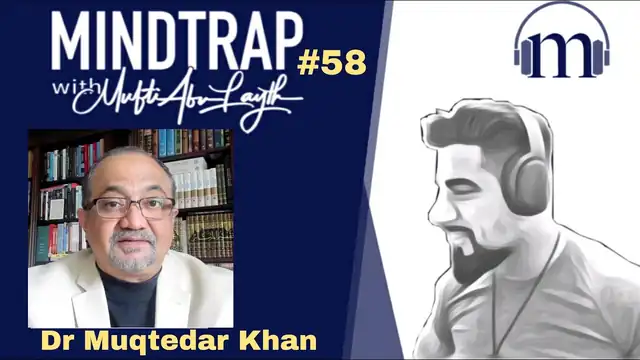
Dr. Muqtedar Khan | ibn Araby, Ijtihad & Ihsan | MindTrap#58 | Mufti Abu Layth
salat salaah namaz salaat namaaz as-salah al-salah salawat sawm roza siyam rozah saum hadeeth ahadith ahaadeeth ahaadith saheeh sahih hadith saheeh hadith sound hadith exegesis tafasir tafaseer commentary malik ibn anas malik bin anas imam maalik imam malik ibn anas al-ghazali imam ghazali imam al-ghazali fajar salat al-fajr fajr prayer dawn prayer jumu'ah juma jumma jumah salat al-jumuah friday prayer ruku' rukoo takbir takbeer takbirat takbeerat imaam prayer leader nafl nafal nafil nafilah nafila voluntary worship ramadhan ramzan ramazan ramadaan masjed masaajid masajid mosque faqih faqeeh fuqaha shariat sharee'ah maaliki malikite malikiyyah hanafite hanafiyyah hanafi school shafi'i shafei shafiite shafi'i school ijtihaad ijtehad independent reasoning qiyas qiyaas ijmaa fatwah fatwaa fataawa legal opinion muftis hukm ahkam hukum hukam ahkaam halaal permitted lawful haraam mubah mubaah mandub mandoob mustahabb mustahab sunna sunnat sunan prophetic practice bid'ah bida biddat bidaa dalil daleel adillah adilla proof riba ribaa sood usury hasan hadith hasan li-ghayrihi hasan li-dhatihi hasan sahih mawdu' mawdoo maudu mawdhu tauheed touheed kufr kafir kaafir kufar kaafirun disbelief imaan eemaan eeman ihsaan excellence ilm al-kalam kalaam theology shaytan shaitan shaytaan iblis iblees shayateen shayatin satan akhirah akhira aakhirah akhirat janna jannat jahannam jahanam jahannum koran quraan al-quran sura soorah suwar soora chapter aya ayat ayaat aayah aayat tilawah tilawat tilaawah sahabah sahabi sahabiyyah sahabiyat khalifah khulafa khilafat caliphate khilafa makkah makka mekka madinah medina al-madinah madeenah yathrib ahl al-sunnah ahl as-sunnah ahlus sunnah ahl al-sunna sunnis salafis salafism wahhabi wahabi wahhabism soofi tasawwuf tasawuf tasawwof 'alim aalim ulema ulamaa shaikh sheik shuyukh shaykhs dawa dawat da'ee invitation umma ummat jihaad walee awliya awliyah guardian in sha allah insha'allah in shaa allah insha allah inshaa allah alhamdulilah al-hamdu lillah alhumdulillah alhamdulillaah hamdulillah subhan allah subhaanallah subhanallaah as-salamu alaykum assalamu alaikum assalamualaikum salaams salam alaykum wa alaykum as-salam greeting taqwa taqwaa muttaqi god-consciousness dhikr zikar dhikar zikir adhkar azkar al-din ad-deen ad-din ibada ibaadah ibadat rahmah rahma rahmat ajr sawab thawab thawaab sawaablive stream · 2:22:55 · 6,800 views · 7 Sep 2021 · Open on YouTube
 Press play to load from YouTube. Nothing loads until you do.
Transcript
machineauto-transcribed, may contain errors · source: youtube auto · click a time to seek · dotted terms open the glossary[Music] [Music] just doing a quick sound check first and foremost and just making sure the sound is coming through loud and clear and as soon as i get a right
i'll just bring up the comments on both and then i'll move to introducing our guest our esteemed guest for tonight so let me just uh if you're tuning in if you can just uh do a just just bounce back on the sound and the visual i can see the sound i have to make sure right just bringing okay so uh
all right you're saying the sound is okay we're getting an okay from facebook people if there's any issues give me a shout let me just check me on uh right i got no idea what you're on about right but i appreciate the comments uh um for right uh so shukran shook around i take it you can all hear me loud and clear sugar and that was the main thing i wanted to get a confirmation on right now
let me just bring up before you the profile picture allahu akbar i'll just also adjust this i think the sound is going in a bit harsh i can see from the equalizers i take it maybe my usual people usually very prompt to tell me these things but i think many of them might be asleep at this hour right so people before you you can see the esteemed guest for tonight is doctor
and it's an islamic studies professor and esteemed an amazing academic scholar within the fields of not only islamic studies but also global politics in addition to indian history and philosophy and poetry allahu akbar somebody who currently and for over a decade has been teaching at the university of delaware in new york i take it and he has authored over 700 um articles and over
over four four books and 70 plus contributed to 70 plus chapters in various academic journals so without further ado let me just bring before you the man the myth people allahu akbar the legend uh it's an honor to have you here um i have come across
some of your some of your lectures some of your kind of contributions i know in addition to you have your channel conversation and we'll speak a bit about that later on as well so it really really is an honor to have you here tonight i'm just also straightening this up thinking why am i appearing like that so share right would you mind for the viewers i know many people have uh are familiar with your work and some may be coming across you uh recently just briefly telling us a bit in your
words of this journey leading to the two mukta khan of today because there's been a very colorful journey to this maqaam that you're at in your words coming from you hailing i know hailing from the legendary hyderabad as as mirza ghalib said i have a relationship with allah which is better so so so there is no takalu so basically i accept
everything that allah does so he took my hair no problem whatever he does in the hope that he will accept whatever i do but [Laughter] in my life allah subhanahu kala has repeatedly intervened and made course corrections so for example i chose to become an engineer and that was probably not acceptable to allah i didn't enjoy it so immediately after engineering i did an mba in india and then started working in the corporate world which made me very unhappy so i came to america to do a phd in business and then realized that america was much more open
so i decided to ask myself if i had complete freedom to become who i wanted to be what would i become and so the answer turned out to be a phd in political thought international relations and islamic political philosophy these were the three areas in which i actually took comprehensive exams at georgetown university i studied with john esposito and andy bennett and two very famous political philosophers and so i started writing in the area of political philosophy my first book jihad for jerusalem is about how groups make decisions how they balance their identity with rationality
but after 9 11 i started dealing more with issues of american foreign policy in the muslim world and also with islamic political thoughts i've been trying to balance the two so i have books on islam and democracy on islamic political philosophy in assam but i also have work on american foreign policy and now i'm currently trying to do two things so from an ishta hadi perspective i'm trying to articulate what i think is a contemporaneous understanding of islam and the quran so for example i will do conversations of the quran during ramadan so i'm trying to argue that islam is not
anachronistic it is not out of place which is in islam has a place in the west and it is not out of time either so islam is not from the past it is from the year and then now so but what kind of islam should we manifest today and here is one of my quests and i also deal with foreign policy issues as an american but lately i've been feeling guilty about abandoning indian muslims to the rising tide of hindutva so my next two or three years my work will be on the dangers of hindu nationalism both to india as well as to indian muslims so
there i am and and a keen interest of keen personal interest is also islamic philosophy and mystic thought that's something that's been an area of passion as well so after my discovery of ibn arabi i'm just fascinated he just blew my mind and uh you know even reading his tough seed of the quran it is so tiny it is more difficult than reading the entire term of ibn kasir
so it was mind-blowing and so because of the my affinity towards philosophy ibn arabi uh so basically there are three types of sufisms one is the sufism of jalaluddin rumi okay so you can dance you can sing so you so you have every khawali of nusra allah who this is the sufism to some extent of rumi mawlana rumi you know dating the darwishes etc right you're searching for ecstasy in your life yeah and then and then you have at the other spectrum
the the sufism of ibn arabi which is philosophical it comes from the unveiling of truths it is like saying that allah loves you so much that he drops a veil after veil after veil as you get closer and closer so you become a confident okay so be a confident of god it's very similar to the balls
so you come so close that you come so close to god that god is willing to confide in you you know so to me that is ibn arabi's philosophical sufism and in the in the middle you have ghazali who you know follow the sharia as well as you know so he's like struggling to be a sharia compliant sufi so but so for me i i try to stay with the ghazali but ibn arabi is my secret love you could say fascinated by him okay tell us
a legend and an inspiration to many especially of late um what what kind of stands out so much to you about the legacy of mahitin if not i mean if you could select let's say one key outstanding feature what would that be for you so so for example when you read tabari or ibn kasir you are impressed with their scholarship these guys are giant thinkers right uh and godzilla obviously master of the
subject matter and writing terms imagine writing something something like deen or tariq tabari or tafsir it would take decades even today with all that modern resources but with ibm arabi when you read him you are just it's like very different like so for example in he makes this point that adam is the first mother so he's arguing that adam is the first mother because adam gave birth to eve so you know to me that was like oh wait
a minute this is so postmodern like so forth exactly constructed gender people would say post gender that's what i was about to say so when he did something like that it blows your mind and so plus his idea of tajali is to me quite fascinating you know he takes this uh hadees which traditionally don't like that that i was hidden treasure and i wanted to be known or i wanted to be loved and therefore i created this entire creation to know me on love yeah exactly so this idea that this whole creation is god
manifesting himself to be known and so we become partners as the knowing being we become an interactional relationship yeah but what are we doing we are helping allah know himself of course it sounds so beautiful but i can see where people will start to find problems with that yeah yeah people who start already a hundred footwork would have dropped right now right so this idea that we become knitters right that our souls become mirror
mirrors in which we reflect the divine right beautiful interpretation in that sentence being allah because that's his name so that the believer is the mirror of of the divine i find that so just wow just soul melting is shahid he's that which is with nest and he's the one who is witnessing it so basically we are like on the side yeah like extra wheels [Laughter]
we've got no there is not yeah yeah it also kind of deconstructs me like what's the point of fanaa when there is no uh us right no essence that's why this idea that there is that god is the soul reality right uh so so so for example for many sufis is the sole reality so for me when i was reading ibn arabi first through uh chitik's work and then directly so i he just blew my mind and so he's not for everybody i remember meeting somebody when i was doing early research a scholar from hyderabad he was just
horrified that i was reading him arabi on my own he said no you cannot you should not reading you should read him under guidance with somebody who's a master etc and so but but so so that's where my intellectual but i also appreciate vagali and i understand the moderation that he tried uh to bring uh to the ecstatic runaway tendency of sufism you know like uh i would have loved to see a dialogue between mansoor lodge and but uh i imagine that sometimes you know you see i i think that's my interest in
sufism yeah and i was going to say that i also feel that um see because one of the things that really stands out for me straight away as the legacy of this great sheikh ibn arabi is his his kind of his viewing or his angle his kind of his lens on this world his lens of compassion and mercy but that is islam that it is an embodiment of compassion and mercy i find it so
not only so appealing but i find it so relevant in an age where i don't know like in an age where people are confused about where to to stand about humanity as a whole they don't know whether they caught between in an age of atheism versus religion which has just become translated as dogma in an age that is post religion i find versus humanism i find that this discourse of compassion from whether his thing speaking about the punishment for people in the afterlife to how
really everybody is just drawn to god in different manifestations even if they're wrong he's saying but they're still being driven by this undercurrent that is unbeknownst to them but it is still god um even if they're getting it you know they end up worshiping some stone or the end of wish but the drive behind it is this yearning for god and to the extent of things like even people who commit suicide and you'd think that religion is so harsh on this point but yet even ought to be you find him transmitting that actually allah says that oh my god it's almost in
a like i say almost uh you know somewhat wrong this isn't a good analogy but almost in saying how you know a child has done something wrong but the parent is like but you know he transmits this thing of allah saying well you know this was so eager to meet me that you know ah like you know he can't even go to paradise first thing he has to do is see me this is like see there is there is a paradox there right so for example at some point you realize that uh ignarabe very profoundly believes in qatar and the fact that nothing happens
without the will of allah even when you deny god you need his permission to deny him if god does not permit you to do anything you cannot do it peter everything in this universe that exists exists by the will of god and everything that happens happens with the permission of allah so even though suicide is considered terrible because it's an indication of despair in god right it's like losing faith and hope but remember if you are destined to commit suicide like you're other then there's no way you can go you cannot commit suicide
unless god permits you so in that sense ibn arabi's compassion to his human failings come from his this profound belief of the sovereignty of allah on everything right so to me that is very important but this is much more recent um shall we say the last four or five years that i've been fascinated with sufi thought uh and so i oscillate between gazali rumi and ibn but otherwise before that i was more like an islamic modernist dealing with ishtay had a website college to have i you know ichthy had is something incredibly fascinating and i know
that's a topic you're very passionate about i i am as well and you have the website ichthyhad.org i want just but just before coming to that a final point on this um you mentioned mansoor this is once again a very incredible personality i feel very misunderstood uh by people especially of his time and many after this concept of an al-haq or you know mafit thought i don't see anyone but god uh this concept of
the ego death the annihilation of the ego i mean what this non-duality could you share some thoughts on that because see one of the things about haladji is how the other sufi is chickened out in trying to defend it yeah that's fascinating i like the way you said that right yeah they literally chickened out especially himself he's a great sufi leader but you know he said he's the teacher of he's one of the teachers yeah yeah he's one of the teachers basically he was saying that look first of all whatever sufi say in a moment of ecstasy should
not be taken literally or seriously that is so very simple i would disagree with this seriously but sure literally yeah you should not take it on its face value the second thing that he was trying to say was that haladji himself should have shown a degree of maturity and being careful about what he's trying to say that's why there's all these rumors going on that sufi shakes have secrets with this share with their students which they don't say publicly etc but my own take is i don't know whether you're familiar with this very prominent hadith allah says that when my servant performs uh nawafil he comes closer to me
and when my servant comes closer to me and and it goes on and on until i run i've run to him but he sees through my eyes oh yes yes and yes until he becomes yes yes so he his hands do what i do so what what allah is saying that when my servant comes so close to me that he has become still allah and he's in state of baja that's why he sees through the eyes of allah right so that's why he speaks through so that is what
was saying yeah it is so true so true i am 100 i feel that people i get the fact that this discourse isn't for everyone i get that because you know in life we are at different marahil different kind of stages and sometimes you're not at a stage where you know you want to speak or hear that kind of stuff because you're just not ready for it which is fine i i absolutely respect that stage and i feel that some people in life you know how ibn rushed would they say that some people in life they need to just get on with life they need to work they need to you know grow crops
they need to do today's world nine to five they need to take care of their family they need to do this and that's wonderful uh and to some of those people they just need islam to be very practical tell me what to do you pray five times a day okay i got it you do okay you do and and this is the world and that there's nothing that's amazing that's wonderful that's good but that's so successful in prisons because it provides structure to life if you notice a lot of prisoners because suddenly prisoners find both purpose and moral purpose and direction and structure so fine that's good for you but and there's some
people who will take it to who are at another level now you see they are ready to see beyond the unseeable and for those people there are these mac arms and and i feel that okay i get it the wavelengths the frequencies don't cross crossover so people in this kind of tier don't see that sometimes but you're right the ole miss should have had more courage i feel in owning that discourse do you you know i'd like to to throw in yeah because i know it's it's controversial and people don't sometimes religious people
don't like it similarly but this whole discussion of sacred medicine um things like uh dmt or 5meodmt these things result in what people would describe as well uh the ego identity kind of an ego death of the the ego identity and a non-duality in the presence of god and they say that they you know there is no more them there is just god in and they are in the presence of god very similar terms to you know if you were to come up with the term to try and describe it and you don't know of the
islamic terms you would come up with terms like which exactly exist i i was wondering i mean what your thoughts are on these so so to me the idea of ana is fascinating everything that exists will perish and the face of allah will remain his noble oops right so so what is interesting is if you should actually take a look at it the quranic
phrase is futuristic that in the future everything will perish and the only thing that will exist is the face of allah so for a lot of people it was freaking out so what happens to jannah and we are supposed to be eternal right i'm going to jannah eternally i'm going to be there with my 70 who's what's going to happen how can everything disappear so guess what they did they've made it into pastors a lot of commentators and say that in the past there was nothing except the face of allah but to me what is interesting is that if you look at this is where i found ibn arabi making sense to me that
creation is like expansion and contraction and that's scientific as well today astrophysics expansion exactly eventually the the implosion yeah so right now the universe is expanding we know that for a fact because of the distances between all celestial bodies is increasing but what is interesting is that this is what ibn arabi says the tajli of allah so allah subhanahu wa self-disclosure is this entire creation which is just it's like he's just creating and creating and creating continuously non-stop like look at me look look this is who i am how can
you take your eyes off me your russell you know how can you be after allah right so this is fascinating so so it is from the face of allah that all of this is going and that is why we say in everything belongs to allah and to allah it will return and when we say that it just don't mean you're going to die and go back to allah it also means that everything from comments the stars will go back to allah and that is the state of that is a state of creational sanaa but but you know this tradition where
the prophet sallam said die before you die yeah so right and also that when a person dies yeah but what is interesting is that when the prophet is saying die before you die what he's trying to say is kill your ego before you physically die so that is the state of fana where you don't exist so you know people have this uh in the bollywood they would say uh um
this is one body but there are two of us living in this two souls you know embodying one body yeah so so that is what this is so fascinating a lot of this uh it's like some people are drawn to the existentialist philosophy some towards marxism right uh jean-paul sartre before he became an existentialist had said that marxism was the inescapable philosophy of our times and then he escaped it so the point isatra
his hell is fascinating in a way though isn't it is uh you know his book uh it's it's amazing isn't it because it's the other and just the the kind of having to the struggle of the ego with the other i mean it's an interesting kind of concept yeah so so to me i think that that that is the whole idea of life so yes some of the concepts that ibn arabi presence is is you may not have the potential look everybody cannot do calculus i cannot teach this to everybody some get it right away there are kids who can
understand calculus who are 10 years old then there are 50 year old who will never get it right so philosophy a bit is like that and so it is how much allah blesses you with in terms of his disclosure allah may more of himself with you allah may show less of himself with you allah may share different aspects of his yeah because i was going to say that that i find that the beautiful thing about islam is that it has all these you know these f like unimaginable colors to it this diversity that it caters for all these
tears that people who are like ibn arush would say he he would have said if he was in our time though the nine to five people uh it but it also caters for people who are thinking you know shooting for the stars metaphysically and on that level of philosophy what he would call the al-burhan but and it caters for people in the middle the three methodologies that ibm articulates are based on intellectual potential yeah you know i i actually have a theory of hadees which which freaks out scholars
so for example if my tell us doctor we love to be freaked out imagine if a middle school kid comes and asks me a question right about something scientific and then a college student asks me the same question and then a graduate student asks me the same question and then a colleague do you think the answer is going to be the same no it's going to be the complexity of the answer maybe in direct proportion to the capacity of the person who's asking the question i like that i like that the
complexity is in direct proportion to so so when people ask prophet questions do you think he gave a generic answer or his answers are in correspondence to the capacity to handle complexity by the person who asks the question so when we weigh the hadees like so for example we know that hazrat ali was one of the most intellectual of companions so the question that he would yeah the question that he would ask uh and the answer the prophet salallahu would give to him would be very
different from say something say abu so my understanding is that some of the prophets allah answered which means black and white are simplistic right are for the simple folks right simpler like because a lot of beta wins would come a lot of they would come and you know sometimes they'll man handle the profit you know come over here and it would upset a lot of the companion profit would be like look relax relax you know and you'd talk to
them and there's a hadith that just it really just comes right into to blanket what you're saying with the prophet sallallahu alaihi wasallam said and that is transmitted that speak address people in accordance with their intellectual reason do you wish that people deny god and his messenger i mean that is such a powerful idea right if you give an answer which which is beyond the apprehension of your audience they will deny the truth yeah you know especially in this day and age
i i make that mistake a lot because i do that a lot of time with people and like we are doing right now we shouldn't be doing this on youtube because depending on who's listening right so but we we are you know we're in that age with the proliferation of information so it's like what difference but there is also this this challenge that we we have is that we are also learning while we are speaking so i'm not teaching you i'm not preaching to you i'm also thinking and
learning while i do this right so so so sometimes how you learn like for example there's a simple episode from the prophet sallam's life where a companion was going away somewhere and he wanted to sort out certain things with the prophet salallahu he had to leave town and as they were talking the prophet sallam saw a child crying so the prophet stops talking to him and starts talking to the kid and trying to console the kid and this guy was getting irritated literally you know he he wanted to finish his business with the prophet salla and leave town so when he shows a sense of
kind of urgency or anyway he showed that i have to go kind so the prophet tells to him and says that allah will not show mercy to those who do not show mercy to others yeah you know you should remember that it's a very powerful one right so so you can take a very simplistic understanding of that and then you can take a very profound understanding of that uh and ask why didn't america of on 9 11 turn the other's cheek what does that mean right responding is to show compassion was america's response to 9 11 a compassionate response or was it a
belligerent response so you can have a spectrum of how you understand traditions and stuff and so so to me the frontier of understanding is ibn arabi and that is why and what is also something that i learned and i regret in my book i focused a lot on rumi but in india the place that we we both have background in arabia's philosophy is so manifest in the hawaii culture in the culture
[Music] i i i missed the cough so when you said hyderabad has its own that issue of heart and calf is an issue in my day
foreign but uh if you listen to iran not in baal if you listen to khalid to a great extent you will find that a lot of his philosophy is influenced by ibn arabi's philosophy and in fact the biggest criticism of ibn arabi came from the subcontinent this whole debate came from uh [Music] yeah yeah so so uh it is a pity that today because of colonization because of uh
basically muslims have become history has made us intellectually very shallow and we have been deprived imagine you know shah wali allah's writings are in three languages he wrote in urdu arabic persian and we can't read them all at least many of us right so so anyway that's why i somebody had asked here i think that's a good point to address uh dr saab whilst we're on this they said you know doesn't allah like think simple you doesn't this sound like what you're saying it sounds like oh um
it sounds like words which are the actual sentence the question was that it sounds like you're covering up the statement i am smarter than the rest of you that basically i have access to a certain understanding which other people who are not so intelligent don't and isn't really islam just the same for everyone and doesn't god just like simplicity so you see what what would you say to that kind of a question oh so for example the prophet sallam said about azat ali that [Music] he didn't say that about anybody else there were some companions whom he
hugged and prayed publicly that allah gave them the knowledge of the quran so we know that ibn abbas was a great scholar of the quran you know ibn massoud so there are three or four people who were known for it so like let me read one eye of the quran i understand that i may be sounding elitist but all philosophers also sound elitist saying that you don't get it i get it but there's an ayah in the quran that i found it kind of blew my mind i'm trying to look for it now it's the second ayah in the 67th surah of the
quran 67 2 allah says so to me when i read this ayah it was in this room that i read it while writing my book and i walked up i couldn't sleep that whole night simply asking the question why did he mention mouth before had
and also it blew my mind that death itself is a creation of allah if he had not created death then we would be immortals okay he just created life because so he's like what does it mean to say that god is he he's the one who has created death and then he has created life in order to test you with who will do a hassan in their life
to me this ayah of the quran is the purpose of creation and the purpose of individuals allah has created us to pursue a sand in our lives and asan is the highest form of everything the most beautiful manifestation of whatever you are so if you ask me give me a concrete example of the the tough seed of this ayah i will say look at the taj mahal so so this manifestation of beauty look at the calligraphy in islamic history all of this are a way in which we have tried to create a hassan why do we have
to write in calligraphic form let's just print it all you know that's what it is right some people write it beautifully some people don't so if you think of thinking as a form of worship okay you know you know the famous uh saying that one hour of ficker is better than 50 years of zikr or even salah
thinking if thinking is his worship then i think that the more complex and more sophisticated your thought uh though more profounder your worship do you realize i was going to ask that did you mean thought thinking or did you mean mindfulness no no i don't mean mindfulness mindfulness is mindfulness is to be it's the opposite of rafale yeah you know that is that's not what i'm trying to say it is trying to it's like saying you're probing into the secrets of allah that is a way of thinking you're trying to come closer to allah by trying to understand him
right if reflective exploration reflectivity why did he ask us to why did he command us to deliberate on the quran if everybody's understanding is going to be the same you know why are we commanded to deliberate because allah knows that each one of us can extract a different understanding of the divine message and i think we will be held accountable to what we extract absolutely i mean absolutely and i i would also like to to just not only second that but to add to
it by saying that i uh definitely feel that it's not a sense of arrogance although i recognize some people could use it that way some people could be arrogant about it and that would be wrong any kind of arrogance is in and of itself always is always wrong so but this topic of uh does islam take everybody always to be equal intellectually then the quran anybody that reads the quran that's clearly not what the quran says so the quran says at
times it addresses everyone but then it will say infidelity you know the ones of deep insight this is a message for them and it mentions you know a dozen times or two dozen times actually do you not use your reason do you not use your intellect it mentions are the people there's a verse that are the people of ilm the same as those who don't know they're not the same you know you touched upon one of my most favorite ayats in the quran
who are constantly in a state of zikra right while they're sitting standing in a state of even when they're lying down there they're doing zikr of allah they're mindfulness of allah but they are also doing faker on his creation so he that definition it is i think the 198th ayah of suratul ibrahim right in that ayah allah is coupling that you have to do both zikr and faker that's why i like that is sufism right follow the sharia but also you know enjoy even arabi and rumi both so so this this idea of doing zikr all the time and then
also doing fikkar are al-bab and he creates a different decision and allah use uh different terms to talk about people of understanding people of knowledge people uh and just like you said that really we have no problem in understanding that in the world like so we recognize not everybody is a mathematician not everybody is a physicist not everybody is even capable unfortunately it's like you see it's like if you take the physical uh entity
we recognize not everybody physically is they may have they may have very overlapping similar everybody's got the same you know features mostly speaking but they're not the same some people's endurance levels athletes perform absolutely differently to the common person now the intellect is no different it is in that speaking as allegorically it is also like a muscle yeah for some people they they will have already certain genetic factors but they will train it and they will enhance it and they would have spent decades of investing and further deepening the kind
of modalities they won't be the same as a regular pers just as a top athlete will not be the same as a regular person even though both have the capacity to run but it won't be the same for the person who's asking the question i would ask them to read the story of musa and al-qaeda in the quran i mean they they're clear distinction between different levels of understanding if you were to ask me to give an example of unbabe i would talk about the green one you know
so so if look at him his knowledge of reality is informed by a pre-science which which uh musa salaam lacks right so they're looking at the same facts but their understanding of the facts differ because of dharmakam for example even the muslim islam's macau is so high so so you cannot say that everybody's understanding is the same and allah says in the quran not everyone are equal those who know and those who do exactly that's actually a verse of the quran i would agree that at a consciousness level we are all equal
and that's where and that's i mean i personally believe that that's that is the rule fundamentally so i do accept that there is that equality base of consciousness but where it manifests in understanding and knowledge and a whole bunch of other things come into play ranging from genetic factors to our own learnings and and our own strengths so the there is variation but the reason i delved on that wasn't let's drop a controversial bomb here sure go through it all all the better so like for example
this is a problem with liberalism also right that we want to treat unequals as equals right so the whole idea is that we are equal under the eyes of the law so the difference between equality and equity is the same right so we have to make sure that some people have been oppressed some people have been marginalized so we have to make up for past injustices this is a big debate today on social justice issues right it's not about treating everybody equally they are equal under the eyes of the law i think we are equal in our right to be recipients of justice
yes and we are equal that we are both human beings so you can't have more rights than i do this is from a liberal perspective but from a spiritual perspective uh some people are blessed more than others if you remember there was this companion who came to the prophet sallam and said that you know how can i compete with abu bakr he prays i pray he does this and he's rich and he gives money so the prophet salallahu says why don't you after every prayer say subhanallah alhamdulillah and then abu bakr also started doing that right so so because allah has blessed him more than others he is able to earn more ajah so these are some of
the different things right here the criticism dr saab that people would say well but others don't see you entitled to that macam of which you claim so for example you may claim to have let's say you claim to have a certain insight and this isn't to just you this is the universal you that let's say this person this or as man or even rb or these people claim to have certain insights and many other ulama as well they claimed to have insights but other people deemed them non
you know not didn't deemed them eligible for those they said that these people are not these people are jai hail these people are ignorant these people are uh misguided these people are deluded oh no that's fair enough but what that is fine if you think that everything that i'm saying right now is baloney that is cool that's all right you you should switch to netflix or something right now right but the point is that doesn't give you the right to kill me yeah as it did to mansoor but let me finish i didn't drop that controversial bomb so even before the prophet sallallahu salaam was buried
uh when they were selecting the first khalifa one of the justifications was that the quraysh [Music] so so this this argument that uh the khilafah it's a racist statement to say that should be uh always from the quraysh and uh why don't people then ask this question of equality and there's a very controversial hadith that repeatedly is brought by imam
shatabhi in his mafikat on the objectives where he says he transmits the hadith of the prophet that the slip ups or the fools of the people of status forgive them for it and it's it's quite because what imam shatabhi is arguing in that is that there will be people of and this as you can see especially today would be massively problematic maybe by certain people he was saying that there was there were people of prestige
or when they slip up you should be more forgiving uh and obviously that could be taken both ways it could be taken in a pro and it could taken as a massively controversial statement i think some of these these have been manufactured yeah established basically okay [Laughter] you know if you look at uh al power these discussions yeah on the qualifications of the so he has a minimum benchmark and so he says that we have this they should have the philanthropic qualities yeah and let's
say you have 10 people with these qualities so it is not necessary that the best one should be the khalifa the worst one can also be a legitimate khalifa so if you have 20 people who made the benchmark then the worst one can be and you know what the americans embrace this ibn maharaja's argument because in order to be the american president you have to be 35 and natural born and so we picked the worst of the qualifiers like donald trump and made him president was making that argument you know that the worst of the qualified people can be so i i could see that you can understand why he would make such an argument right
so he's trying to make it first to excuse certain people who were definitely in command but we're not among the best sure sure now that that makes a lot of sense i was also seeing it from the side that there was from a perspective a kind of elitism and i'm not saying it's a good thing i'm not saying it's it's about i was just saying well you know it seems to be in some of the discussions of scholars but you know doctors are very from that whole topic moving in and by the way the reason i thought it was good to kind of delve on that topic not so much just because somebody asked it but
because i felt it was very important that it would appear in the minds of many that hear what we're saying to say well hmm you know this sounds like there could be an uh an elitism here and i understand more than you and uh and you know what if people think yeah but you're just a deviant so for thinking that and ibrahimovic was a deviant and so i thought it was worth kind of engaging that and i i would also second exactly what you're saying in the sense that yes to it's not for everyone there are different makamat and to some you see it is the nature of any understanding that people will always disagree
so to a person who who is you know in a position contributing to you they would feel that you know you're wrong it's as simple as that you know they would think i mean especially if they see things black and white then they would you know in a binary way they would think well this person's wrong because what i'm saying is right and my response as well to that would be that that's wonderful like i i don't personally have any issue with that because i see islam as amazingly colorful and this is one of the beauties of islam it's it's vast diversity so it caters for this person as it does for a person in alaska as it does for a person
that is uh so metropolitan or cosmopolitan as it does for a scientist as it does for a bedouin but this yeah isn't that tradition yeah that's exactly what i'm saying yeah not only that but when we say this tradition among muslims call us to say well at the end of their argument what they are saying by saying look this is my position i could be wrong i could be right maybe you are right uh or maybe you're wrong god knows best and so and there's enough uh evidence
here says that i will let you can disagree in this world but i will let you know in the in the hereafter where you have disagreed and what is right and what is wrong right uh so that is and in psychology you have uh the dunning-kruger effect uh where it shows that people who tend to know less tend to be more certain and the more a person knows so studies show that the more a person becomes uh grounded and has expansive knowledge of
an area the less certain they become in that area so and this is why to the public dumb people and this i don't mean this to sound come off wrong but dumb people uh seem more intelligent and intelligent people seem dumb because you see a person who doesn't have vast training or like a vast intellectual pursuits to them they when they speak of something they're so certain of it like they will say of course the earth is flat it's of course it's flat i mean this is anybody's that they're so certain whereas i mean that's okay that's a very simple
topic but let's say you took something like because you know we've got scientific data but let's say you took something like gravity and they say well of course we know why gravity works is because everything falls down don't be stupid it's like whereas now you ask an astrophysicist who spent decades investigating gravity and he'll be like uh right um okay so the research is divided uh we're not exactly sure and he sounds very uncertain so this is why in populism this is why donald trump won because you see in populism you just have to appeal to this kind of mindset
which is a very s with certainty and and that appears simple so you just say and and it resonates so one of the things that many muslim reformers have recommended is a liberal arts education in the muslim world the absence of liberal arts education is this is it you know israel has said this on youtube so it must be the truth this is what maldives said this is what mufti so and so said there is an imam green out there so imam green says it and that is the truth because the the epistemology otherwise you will have to live with
uncertainties living with uncertainties and it's like saying that you don't know what you have right imagine you went to a doctor and the doctor is now waiting for a test result life would be like that right so for more about life but i want to make a slightly tangential point of what you just made so in my book this book islam and good governance i have a section where i took two or three ayahs of the quran which talk about hassan and compared it across many many literally 30-40 mufasiries of the quran so for
example there are many places where ibn kasir will talk about about mahasin without talking about sm okay so it's like trying to talk about it's like today post 9 11 when you are on cnn and someone wants to ask you about mujahid you don't want to talk about jihad because you know how it resonates out there right for him the word hassan was so associated with sufism that he didn't want to bring it out uh so what were we talking about
so but what was interesting to me was that when i was reading all these commentators nearly a vast majority of them had very a profound arrogance in which they said now that i have understood the quran let me explain it to you [Laughter] oh my god come on man just back off a little bit give us an inch just some uncertainty that this is what i think i don't know what allah has in
it is fascinating yes because uh there is this uh arab crap with knowledge can come arrogance right it's true it's true yeah so so because you're constantly dealing with people who know less you think you're better than them because you know more but to me that was so fascinating that they would just launch people 13 page 20 page tafseer of the quran of an ayah one ayah you know as if they have fully understood it there's some some humility saying that look is what i think you know so the contemporary mufasals of the quran actually
do show that humility you know like if you look at the study quran they will tell you look at all of these different approaches and we think that this is i do think as well to be fair some of them probably got carried away not carried but wrote expansively out of like passion like they gotta be you know they get into it and they just keep writing because they're so passionate about it and uh but i agree with you 100 on saying that uh knowledge it can uh a occupational hazard of illness can be arrogance and and i i do also feel that is this is my personal
take on it that is often with less knowledge like as a person it's like with anything as you gain it new there's a whoa like a person gets a sports car new it's like ripping it around everywhere i feel that this is the same thing like you're saying as a person acquires knowledge and realizes he has more than people around him it has this kind of um this youthfulness to it this kind of display but as a person becomes secure with more and more knowledge i feel i and i hope this be true for that it drags them to humility
uh or hope i hope it does uh yeah the it's different with religion and different with certain things yeah well so for example if for 10 years you are trying to plan and say i want to make this object fly and then you make the thing fly so that is some kind of pain right which should give you a lot of self-confidence but i think that in matters of religion one of the problems is that the message that some sufis send out is very important which is it's not about knowledge
it's not about religion it's about your relationship with god so the question is do you experience god yeah like if you're sitting alone and you're praying or reciting the quran or just sitting and watching you're sitting on a mountain and watching down a river are you with god or are you not and if you can feel the divine presence and you know i have heard people talk about how they awaken to the reality of god so they don't have the language to say i
was spiritually awakened but they have experienced it it's like the prophet peace be upon him in your dreams yeah check how many degrees you have or how many books you have written or read before he you see him right but that's a spiritual proximity we don't come from knowledge right so there are different kinds of proximities that you may seek with allah to be able to offer salah in such a way that you are just focused on god you know so like the meaning of the word is
like as if you see him so either you live life as if you see him or you're praying as if you're seeing him that is the highest manifestation of our deen right so that proximity that you get is not necessarily a function of knowledge it is again i agree with you 100 it is a bad experience uh experiential 100.
wow that is very profound uh professor shukran you know this this knowledge discussion leads right into when it comes to knowledge of the dean it is really about if the heart um and it's really you know the whole thing really well not the whole thing but a huge amount of the theme is based on our interpretation ultimately of what is being said by aligned quran because whatever way we look at it for most verses it's going to be an interpretation um right and i know you're very passionate about this as well professor and it's
it's an area of passion and interest for me as well what tell us about this i mean what what's gone because it's it's it's unfortunately controversial topic as well hd heart um yeah so what what are you i mean the see we have some formal theories like the formal theory of khilafah goes back to al maori so it's sometimes for us it's very difficult to imagine what how people thought about it prior to him because yeah yeah and with ishtay had it is imam shafi so so we have this usual that he came up with right a
formal theory of rasool and fair and so now most people say okay the first source of of knowledge of of judas prudence is the quran and then the east and then the man and then you do ht hat so first of all uh i discuss ichima extensively there is no idma about each man of course nobody knows that it's always humorous he always gets me that one yeah so who's ma so like for example after 9 11 i i made this pronouncement saying i disagree with everybody about what our everything so now there is no
no there is no let's build consensus rebuild consensus which means we revisit everything now people are so frightened of ijma of which they had and they impose ijma on it yeah so so my argument is that if your ijma is so solid then if the heart should only reconfirm it right so scholars who study an issue today should only confirm the past ishmael if it is true divine understanding of the past so is not just finding new meanings it is also reconfirmation of what we thought
in the past as truth yeah i mean this whole thing on each ma everything is permissible unless specifically mentioned like this mention of quran cocaine in the quran no hadees so it should be halal of course not it is not because then you do an ishta and say anything that intoxicates you is forbidden and because cocaine can intoxicate so we have to do ishta right that's it that is to me the very narrow
interpretation of history i think in a broader sense is an instrument of tashdev it is renewal of our understanding of the quran the renewal of our understanding of the epistemology islam and it is what should drive islamic scholarship whether it is in the arena of fair or safa or kalam you know so so basically if they had is what is going on in american universities when we do research in social sciences in natural sciences in literature and that is the driver of history
civilizational in nature i see i see [Music] it you know one of the funny thing that i have is people who stand up and say that and they will proceed to give the hotbar in english excuse me if every innovation is better then is there a i'm just thinking is is your mic picking up uh you know the earbuds are they picking up something maybe yeah i think they might be because i think they were picking up some other so there's some feedback but yeah i agree with you yeah there is uh so so so this idea that every innovation is
bad so you're speaking in english using a microphone standing up there so is in all of these betas right but look what happened with kovid people didn't make any noise about accepting virtual codebars virtual eads innovation was happening so fast it's interesting people were debating should we close mosques yet saudi just shut down the haram instantly yeah yeah so the point is that this whole debate about ijma became even today you know yesterday this week this friday i'm praying nobody's praying shoulder to shoulder in the masjid too i have my own janima i'm wearing a mask i spread my
jana man and there's clear social distancing even now so this is if somebody came here from say 50 years ago or even five years ago they would be horrified if this if they didn't know about kobet right so people accepted a lot of innovations out of necessity out of the rural under kobe but i think we should think of it as because we have to adjust to our times the new developments that come from science and technology make ishtahad of the ummah and just to uh remain in tune with your time yeah i mean it's um
yeah it's a shame we don't really kind of uh use modern knowledge and i don't but the knowledge at our disposal today to enrich our understanding of the deen and in fact i think there's an uh there's a there's a phobia of uh doing that so when modern research will suggest certain insights i mean it's interesting what what what is the religious response to it then uh so people you know somebody sent me a question um
oh that's there was the first successful artificial heart transplant so they said well oh my god well what does islam say you know all the teachings about the heart so where have they gone this person's got an artificial heart so you know so where is so all the was was in the heart and where is all the devil that resides in the heart and where is because this is an artificial heart it's not even his or her heart anymore or a person's heart a human's heart it's artificial so
so i mean i said okay i'm not so intrigued by that thought but i would i would personally be intrigued by the other element that um you see modern what we know now is that the heart generates an electromagnetic field that is and it kind of projects it about anything about three meters to some say between six meters in all directions around them and this electromagnetic field that the heart creates is is much greater than i think 60 times greater than that created by the brain and so it's fascinating and that the
electromagnetic field can be detected by humans and now research shows that we can pick it up subconsciously uh even though we're not aware but we can pick up uh you know magneto we are kind of like magnetoreceptive so okay i wonder what difference that makes because you know there's this classic ancient saying about how the hearts impact people and i know it comes down as a literary usage but now some now science shows well actually we don't know how it impacts or what impact it is but it does generate an actual project a field in front of in
all directions and that field can be detected the albeit the person doesn't know they're detecting it so i just said that yeah there are two things to this one is you know there are huge debates in in the kalam about anthropomorphism about god god yeah like what does it mean right that is such a a primitive understanding yeah yeah this question can also fall in that you know like it's like saying that if we have a test tube baby is it a human being or should we treat them separately
do they have a soul right if he clone a human being will that human being be so so some of this is where this this complex understanding of the deen comes in you know so this jummah i'm trying to i'm working on trying to give a quadba about the spiritual meaning of of 9 11 because it's one day before 9 11. and there is an ayah in the in surat 63rd ayah in which allah says say who is it that delivers you from the dangers of the land and the sea uh so means
who is it but once you read the the people of ahleta savor they see the dangers of the land as ex esoteric and the dangers of the sea as esoteric so the the threat to you from outside is the dangers of the land and the threat to you from the inside where your soul can be corrupted where your heart can be corrupted so you're not talking about a heart attack in a physical sense that will stop your beating but to to lose your iman or to have is the ocean yes it is so that is the internal fear
so you can have you know what adds layers to that uh is how the ocean is also in many ways like the subconscious isn't it in its waves in its turbulence in its it's completely indeterminable by the people who write it and wow i just thought that's so profound also you know it's also a metaphor for allah right the ocean without ashore okay it shows fastness okay yeah so so for example is to drop a drop into the ocean it's gone now take the drop out all right
okay take a drop of water and put it into it like the hadith that says that you know your ibadah and and it's nothing it doesn't benefit except like taking a drop and putting it in the ocean which yeah because which some people thought well you know that's still something because when you add a drop but actually in mathematics adding one to infinity it doesn't it's still just infinity it doesn't raise it it's not a yeah so like for example we have not fully like if you talk from purely cognitive perspective as to what is the different distinction between
uh consciousness and the heart is the consciousness the function of the brain or is it part of the heart so these are scientific discussions for us to have and i don't think that those regions necessarily overlap and try to force them there is a metaphorical heart yeah you know you know but now you see they do know in research there is this tradition which says that the entire creation is something that is cannot hold allah but the heart of the believer can encompass allah yeah right that is the heart and that's not
your physical heart the muscle so we are talking about a heart as a a a kind of a cognitive metaphorical place where your relationship with allah it's like an emotional cognition isn't it that hadith i i agree in meaning it is a fabricated hadith but in meaning it kind of stands that this thing of saying look that you know nothing can contain god except your heart and i was just going to add thee that they do know now that the heart does contain neurons even though it's a tiny amount it's 40
000 approximately neurons which is nothing compared to you know the billion connections we're going to have in the brain but it's still something and they're not quite sure what those neurons exactly do but they seem to have a mind of their own i mean they're very tiny compared to the brain's neurons but it's something and this is why some research has shown that people you know the heart has kind of decided something before the brain could react and also i know when we spoke of heart transplants we were speaking artificial but in those with people have had an actual heart transplant their personality has slightly changed
uh it's very fascinating and i think these discussions really add flavor to the islamic discourse and religious discourse unfortunately it intimidates certain people i mean look all the time fall in love with inappropriate people the brain tells them no but the heart says i am [Laughter]
who was the one that got away no nobody got away actually i'm quite fortunate that way but uh the second thing is that people also die of grief [Music] so that is where you can you know heartbreak leads to actual death actually yeah yeah so so there is something to it uh we probably don't understand at this moment so we should say well and it is quite possible that some of these are what people talk about secrets you know one day i was in a library and i was looking for some book and my son rumi he was at that time waiting that's
your son's name so so rumi might i have two kids my son's name is rumi my daughter's name is ruhi so so so my friend i love the thinking look at this book abba and i said what is it he says look at this book and it was by abdul khadr jilani sir al-asura so secrets of secrets so he said what does this mean secret of secrets how is it a secret now that it's in the library unless nobody reads it right how can it be a and it's from that point he became a critic
of actually i opened the book and the first thing i saw there was the taste of insane so most traditional people say that allah basically uh the human capacity to rise and fall right yeah [Music]
sending him to earth and i said oh that's so interesting but how does he know it right because i i don't remember any hadith in which the prophet sallallahu salaam says this is what this ayah makes so that is where the secret of secrets comes right to to to that so we understand when you're saying that how does that so adam manifesting in the dunya is that so so god created adam with his own two hands right that is the belief that he created him and he made all the angels bow to
him so he just elevated nobody other than allah has received halal sajidas except adam hello oh right okay yeah right there so people people could say yusuf ali salam and all his people could say you know in his time his family bowing to him and uh you know i don't
that's what i'm saying so so in a way he was elevated to a high level right and he was created from the best of models etc and then boom he's brought down to it literally literally down to earth so so it is not about uh a bmw behaving like a fort that a great car is acting like this so i'm just giving an example that when i read that it it had an epistemological moment for me as well how does he know this okay
good point good point how do how does he thought of it he dreamt of it he just concocted it whatever it is that is the secret of secrets so now right i'm with you i get what you said did he tell his students that that's what my son got very interested into it he said oh that is so fascinating so he didn't become a critique he became what i think should be the most appropriate uh attitude of all human beings towards allah and this is this is it this is this is how we should wow
the luminous kind of effect the like wow there is no other appropriate response to allah we should be so stunned by his glory by his magnificence let me ask you people will you see skeptics non-muslims atheists will say okay this god that strikes all in you this numinous effect of saying you know just i'm wow why why is this god so obsessed with
i don't know with how people dress or when they choose with whom they choose to have sex or uh you know whether they trim their moustache or don't shorten or lengthen the beard i mean that doesn't it doesn't tally they're going to say well you know this on one hand you speak of this all striking luminous effect of this transcendental divine being but on the other hand it sounds so almost petty to these people that look why is god so obsessed with these rituals and things how how do you respond to that i think it was
madison one of the founders of this country who said that if men were angels we would not need law or the state it is because human beings are fallible that we need law and the state etc right so i think that if you were now i'm talking i talk about it in my book on sm that if you became a more sin if you were pursuing a sin and the only thing that was driving you
was this you know uh busan islam spirit play prayer rabbi um ya allah show thy self to me so that i may gaze upon you right so if you are so focused on god etc then you don't need the external law because you become self-governed you understand you become self-governing your heart is the biggest imam your heart will tell you what is right and what is wrong and because you're self-governing you will not do that which is something that will displease allah so it's not about this is moral
and that is immoral this is right and this is wrong we should think of this pleases god this will displease god so if you are seeking the pleasure of god you will not do anything that displeases god so you become a self-governing people people talk about areas in america even today where people don't lock their homes right people just keep the doors open because people are self-governing you don't need the cops and police to enforce the law against theft and vandalism people are self-governing so i think if you have a society of believers you know so so i call it a society of muslims it
will be self-governing we won't need a debate about what is the law people will know it intuitively right they will know it because of their proximity to allah because of their maham which is close to allah they will not be capable of doing things which are wrong so now what has happened is you know you have heard this phrase about noble lies and things that philosophers do in order to maintain society and truth so i think that muslim scholars out of their arrogance have taken upon themselves have you noticed how
especially tend to think of people as determined to do the bad thing they have very little faith in human nature they think human beings if given an opportunity will do the worst possible things so for example when they're talking about homosexuality they say if you permit this they'll go to bestiality they just go to the furthest extreme immediately so right so so they have this horrible perception of human beings as if you give them an opportunity they will do the worst possible thing on earth and therefore we need to have a very strict law to govern them we need to threaten them with punishments so we are treating the people as basically
you know emmanuel kant described enlightenment yeah as an is as an escape from self-imposed ignorance wow i like that self-imposed self-imposed ignorance so i actually have a paper called islamic enlightenment so to me enlightenment therefore is to escape from the self-imposed jailer to be unaware of god so we should not assume that human beings will do the worst if they are given freedom because even we the ashraful maluka
aren't we the best of allah's creation yeah and aren't we the ummah of the best or the most important prophet of prophet mohammed salah so we should expect the best of us rather than the worst of us and that is where the issue of freedom comes so we need to give freedom so people can be great and good uh not to restrict them from being evil wouldn't you also feel that doctor that a lot of these things you see in these examples like like people will say well you know why is god so obsessed with facial hair why is god so obsessed with these kind
of things a lot of these things are fake and not necessarily what sharia per se they are an interpretation of what some people think is what god wants uh and i'm not saying that it is not what allah is obsessed with it is what the mullah is obsessed with yeah because see one of the challenges for everybody is how to be a good muslim
and if you can't define for yourself what it means to be a good muslim in this place and in this time then you subordinate your that's why i don't like this sufi tradition of taking a shaykh i mean i'm an i am an autonomous thinking being why will i why will i give my autonomy to somebody else you know allah created me free and autonomous and he's going to judge me upon what i do based on who i am so i think that people need to be able to understand that that that
religion has so let me give you a simple example institutionalized yeah take your sunday school what you are teaching in your sunday school to kids who are maybe say between 15 and 17 or 10 to 15 and have a final exam after one or two years of teaching right i guarantee you all the sahaba will feel that that particular expression so for example if you ask a question but
which are the four major sunni schools how how do you how is hazrat going to answer that you say yeah like what we're saying what you're saying is that a lot of what we have today of islam is post islamic rhetoric and post-islamic discourse it didn't occur in the lifetime of the prophet or the companions it came centuries after yeah if you say imam shaf i said this said this even the rules said these are and try making that argument to hazrat umar and say no you shouldn't do this even malik said this and guess what he's going to tell you
i mean he'll say he'd ask who on earth is so that is the point right so are you trying to say uh i i sound so much now like uh you know the salafi methodology to go back to the purity of the past to bypass the tradition yeah but i tradition is useful because it helps us understand many things but we should make substitute it's fascinating dr because shariah what it actually means is the reservoir yeah this kind of this
this oasis from where people can come to drink and water being the source of life yeah now but there are really and the differentiation what generally people go with is ferc is man's understanding so in that sense of what the sharia is trying to say so in that sense there are all books of law or these teachings or rituals they are really that there is no book of sharia there are books of faith really speaking unless they could call
them sharia some people use them synonymously at times i get that but really when they define them you know they say this those things if used together then they're separate and maybe if they use separately they could be synonymous that all the books of rituals and guidance we have today are books of fair which are people's endeavors to interpret what they think islam is teaching us and and they're very noble in their you know efforts and you know may allah reward them and bless them but like with any process that undergoes institutionalization
there are elements of always power and all these things involved in it but at best it is man's endeavor it's not directly it's not the same thing as saying that these things are some of these things may be in the quran a small percentage because the quran only has a very few verses of akam out of the 6200 anything between 150 to 500. now but all these other rulings have come through different various reportings and various fatawa and stuff like that yeah they're they're they're all products of humanist they have there's no doubt about it they're all products of which they had
so for example let me show you one of what the problem happens so if you ask this question who are the four great imams of sunni school you imam malik will be one of them right one question but then then but then when we talk neither about founder of the humble school nor the maliki school figures in it is not part of the sita sahih right now so so like can you imagine so so this is
yeah yeah this is not islam yeah this is not right this is not islam like oh i know i translated i memorized you know i have i have met people who have memorized ten thousand are hadis you know and and yeah so it's amazing right ten thousand that's longer than the quran so but the point that i'm trying to make is that we have complicated this whole thing over centuries right we have created a whole heritage it is very rich it's fantastic the reading imams uh you know i can't imagine i plan to do a series on conversation called the great books of islamic
civilization okay and my argument is that if you claim to be part of the islamic civilization how can you not read imam azalea so you should really hear hallowa deen but if you don't have the time at least watch me i'll explain to you in half an hour what it is all about so it's like living in agra and not seeing the taj mahal what a miserable life right but it doesn't mean do you see my point so you miss something of your own heritage right but the point is that razali there are muslims before ghazali too who never read any of the stuff he wrote hundreds of years before too imam malik never read what ghazali wrote so it
doesn't mean that he's not a good muslim right so that is my whole point that what we teach our children today as islam is is an accumulated tradition we teach themselves all this so for example let me give you an example of the fitty issue even the early thinkers made a distinction between ilm and they understood the difference between knowledge and understanding of what is true knowledge right as opposed to this sharia so if you ask anybody if you go and google on the net and ask imam or phone call ask people what do you do when you
break your fast in the month of ramadan through intercourse with your wife and yeah getting rather specific the professor yeah but now that you asked answer so there is a i did that as a case study in my book so i wanted to let you know so people will say that what you have to do is the first thing that you do is you fast for 60 days okay what is interesting is that the hanafi's are the strictest on this so if you fast for 59 days in a row and you miss the 60th you start again and then you have to make sure that you
fast for 60 days so they narrate a hadith in which a man comes and asks the prophet sallallahu what should i do so the prophet says can you fast for 60 days he says fasting is my problem i'm struggling with that it's a very popular hadith yeah you're familiar with that tradition right in the end the prophet basically gives him a a bag of dates a basket of dates and said so he said can you feed 60 people instead of fasting and he says i'm very poor so then somebody comes and gives the prophet a basket of dates he takes it and gives it to this man and says take these dates and feed it to other people and the man says you know i'm the
poorest man in between the two mountains in madina so the prophet says go take it and enjoy it with your family now this is the hadith is the source of the of listening the fast and you know what people do they actually come out and say fast for 60 days or feed 60 people this has become the common thing right so if if islamic law is quran and sunnah and that the man went home with the basket of dates why did you give the man a basket of death so the scholars are looking at the sunnah of the prophet and saying oh all
the compassion of the prophet we need to remove it although they're not to be fair to them they're not intentionally trying to do but that's the result they have extracted the most toughest the hanafi's extracted the most toughest possible ruling from that hadees you know yeah and what is interesting is that the prophet sallallahu sallam violated the sharia according to these people because he told him you can have this debt and eat it and do nothing else right so how can you make that as a law when you're saying that i find it bizarre that you will take it to the sunnah of
the prophet and remove the rama from it and what is left you say that is sharia i think you see what yeah i think that would be very problematic uh to say that the prophet violated the yeah for allah but i no no you're not saying that you're not saying that you're saying that this is what it is according to this ruling because yeah if you ask me what you should do i'll say oh past 60 days or give you food but the prophet gave that guy a basket because the ending of that hadith the prophet laughs uh not laughs at laughs with uh the person
and he and and then he says you know what take it and feed your family and this hadith seems to show that the whole thing isn't like it all it gives the connotation or the subtext is that this kafara and everything isn't mandatory it gives that kind of connotation yeah and you know when he's telling the story says we could see the prophet sallallahu's teeth yeah he says you know but that is like laughing ex like really so like he's amused by this guy right yeah basically the prophet is totally
amused by this guy who is avoiding punishment from every which way i cannot pass for 65 i find that hadith so beautiful that here comes a person to you know because if you look at this hadith here comes a person to say to the prophet i just violated a sacred commandment of the quran yeah in his and so he's coming with a confession to the prophet i mean the prophet hasn't asked him to come he comes of his volition because he he feels that he's wrong
something and he comes of his volition and look at the mercy of allah the mercy of this deen the mercy of the prophet salallahu he walks away with food for his family i mean wow i am mind blown by that hadith but there are two versions of that hadith the second version is after he goes back to his community he is critical of his neighbors and tells them that look the prophets of salazar gave me dates okay i've not heard this okay wow yeah so what what the point i'm trying to make is that when if he had gone to any of our ulama
instead of the prophet sallallahu salaam he would have been stuck with either 60 days of fasting or 60 days and today and here now mathematically it is very expensive we charge like 20 per day so he would have had to give at least hundred dollars or six hundred dollars based on which masjid you're going to say you have to pay 600 cups isn't that so often that we see in the teachings of the sunnah the the of the prophet always this clemency but these hadith get then problemed as uh the kind of problematic so for example the person saying oh being complained that he doesn't wake up for fajr and and
the prophet saying well you know when you wake up pray or the hadith of the person saying look you know i'm not going to pledge to five prayers and saying you know i'll only pledge to one and the prophet says well okay or bani take coming to the prophet and saying well you know we'll we'll pledge we'll embrace but uh you know and they were quite wealthy as a tribe but we won't land at the saddaq we won't provide you any uh financial aid and we will know that we won't provide you any military strength what do you say now and the prophet says you know to islam and and yet you see
these narrations of this from the prophet salallahu sallam are unfortunately pigeonholed in mushkil these are the problematic narrations which we're not quite sure what to do with them and and really you know it's something that embraces the the believer it is it is from the fear that the ulama have that if you give these people a little rope they'll run away you know that is the assumption that human beings do not have aspirations to do good by themselves we have to hold
them tight you know like one one scholar argued with me saying oh the prophet could do it because he was alive but now that he's not alive this is what we need to do and i i find that i mean there are many such traditions i give examples of in the book i just picked this one because it's so well known right yeah it's it's a it's a good one i think it's a good example yeah yeah so i i discuss it for like 10 pages this whole episode and and the way the scholars and i also list all the fat words like if you go to allah if you go to the grand musti of pakistan there's actually usmani i think who issued this they don't even talk about when they
quote this hadith and then they say you fast 60 days and if you're a and then the hanafi fatwa to me that was mind-blowing honestly they are supposed to be lry and rationalist what kind of rationality is is that if you miss the fifth the 60th you need to start crafting again you know going full circle to the elitism that and because many of them say it in the order as well that oh do you have to fast 60 days is it bitter but is it can you choose which of the kaffara or can you because if you're wealthy you see feeding 60 people is nothing so
the famous incident from alandalus when the caliph he breaks his fast because he decides to have sex uh and then he says that is uh is it do i have to fast 60 days and he's i believe it's ibn the great maliki jurist who says it's okay to to feed people um or it was one of the maliki tourists obviously they were maliki they say it's fine it's built because in the maldives we can be by choice now so whereas the other scholars wanted to be strict on him and they said no like tell him it's it's not it's
it's you know because it first says they have to fast so he has to fast 60 days consecutively and they have this debate but the uh i believe it's ibn but he tells him that look it's fine you know it's not bitter so the caliph says ah yeah feeding isn't a problem and even lubav's argument was this is more welfare for the people they receive more thing but it comes back to the other scholars argument was that see of that bourgeoisie kind of that because he's got money it doesn't make a difference for him if he you know because it means nothing he'll feed 60 people every day so and the poor way so what does the poor
person do because the poor person then just has to fall off he's like i can't feed 60 people but you know the initial understanding was also that uh i think even during the time of the sahaba that there were some rich people who were no of course they were you know they were giving away right they were paying and not fasting yeah so so it is quite possible that if yeah we're not straight nobody would be fast into that in america everybody can pay off the kuffar yeah to me you see when i said that to me what kind of resonates once again is that hadith
of the prophet laughing with the person and really it brings into question the the whole mandatory nature of this if a person has a realization of what they're doing i'm not saying people shouldn't fast which i shouldn't make up the fast but i'm just saying it brings that to question actually in that hadith the first thing is to emancipate a slave yeah yeah yeah but which obviously these people yeah yeah so to me when i read that hadees especially i saw that it was very clear that there were certain things that the prophet sallam was promoting because there are many other
things for which in the kuffara he does say emancipate a slave emancipation i mean islam has always been so big yeah so so i mean the whole point to end this particular section of the conversation the point is that the the ulama have produced an islam which is not necessarily uh sacral center it is not sacred this perfect is not sacred uh now it's a different thing that uh if you are not if you are not capable of uh creating all this knowledge you know so so for example one day i was leading the salah in a masjid and i made a mistake in my recitation and so i did search
this and nobody noticed nothing but one person came to me and said why did you do such the sahu and i said i thought i made a mistake in my recitation and he said no you didn't make a mistake in the recitation but making a mistake in the recitation does not warrant such this the whole if you make a mistake with your can then you should do it so he was talking from a very specific school of thought right so and i then i came back home and then started reading the fake of salah because i should have done that before i go and lead praise and stuff like that right so yes not everybody can go and read these fakes and make this ish they had for
themselves so talk lead on some issues but that does not mean that we should completely endish they had no of course not and in fact it's the head it's it's really that the lifeline for this for the whole dean because it falls in all aspects it falls in uh in everything it falls in beliefs to practice to you know how to treat certain rituals and and the whole thing really i'm not saying every single thing is ichthy hard but there's a huge amount of interpretation so the quran does lay out the essential message of islam is to connect people with god so allah is one
this is known but then when trying to understand god this enact either you've got all this hd heart some people going in like you mentioned anthropomorphism some people going in like this something what did the actual people in the lifetime of the prophet believe we we would never know when it came to the understanding of god you know even tawheed so when people this is the most important principle and people in english at least define it as a unity of god and you know and and i kept thinking about why would we
talk about unity of god as i believe and not as oneness of god okay or the fact that god is alone and there's nobody else worthy in fact the best definition that i like about tawhid is that none but allah is worthy of worship right so i realized it so i remember meeting a scholar in turkey when this thing occurred to me and i turned to him and i said so is this unity our definition of tawhida unity of god is that a reaction to the christian concept of trinity i was just about to say that yeah yeah so if we had
met with muslims prior to to their encounter serious theological encounters with christians and i can imagine when them being horrified by this concept of trinity uh and they're basically dividing god into three so so what has happened is that even in such core as assumptions right as to what is like what is the most core of our beliefs that is impacted by our social interaction yeah yani instead of saying oneness of god we are saying unity of god because we are reacting to this concept of trinity of
god so i i don't want to use the word corruption here but it is definitely influenced by the socio-political like an adjustment or an alteration yeah definitely even you see when we think of god today uh when us by we i mean the collective we there are certain images you know for lack of a better word or certain concepts or precepts that kind of are conjured up so one is of the old ma the father in the sky kind of image which clearly comes from a christian kind of
an impact an influence or even if we think of god as in a linear uh in a in a linear landscape as the first mover who sets creation into motion is clearly from aristotle and this whole thing that later from the kalam arguments of the prime mover so god is like the first who sets into motion this domino effect that we conjure up this is clearly uh you know with the kalam theologians being brought in from the greeks it what did when the sahaba said these words
what experience what kind of concepts were brought into the into the into their minds we've they never spoke of and we will never know so so for example i mean the first time i heard this definition of uh god as the cause without a cause which is uh which is what it is yeah yeah so it was to be quite fascinating that if philosopher was able to you know define it in so precise term you know everything is is a cause and effect but
there is one beautiful tradition and i don't know how authentic this tradition is that somebody asked imam ali whether he whether he saw god okay whether he saw god yeah and we are not talking about there are discussions about whether prophet sallallahu sallam saw god physically on the on the mirage etc right and uh and in in the debates over the the tough seas of the ayats of the 17th surah in the quran right so but uh
yeah so who did it he wasn't oh sorry sorry yes yeah so yeah so but but according to the tradition you know he said do you think i would believe in something that i cannot see it was like i said of course you believe in love don't you and there are other things that came to my mind with imam ali would believe in without being able to see it but the point was that the the the explanation is you see god with your heart right so so experience god so they all had a concept of god and i i i bet you
that they that is the first question anybody would have asked the prophet tell us about god right just because we don't have tradition don't you think that would that would have been my first question the moment i took shahadah or even the moment the prophet would say there is a god and i would say who is he introduce me to the god that i shall worship right that is the first part of the dawah so the first conversation should be about god not about law and books and this and and all of those things are they come much much later right and uh you know during my research on
hassan i realized that uh the hadith uh of jibreel is towards the end of uh the life of prophet salallahu the last few years and so clearly it is after mirage right so if you go by the school of thought that follows ibn abbas it's understanding that prophet sallallahu salaam actually saw god so so it makes so much sense when when he defines hasan as to worship allah as if you see right and then then realize that then others can't and so said and if you can't see him then know that see because it's all
encompassing for everyone isn't it and i i just i want to say that you know what you just said about the the almost in a urge like let's say you were in the time of the prophet and the prophet salallahu they said and the prophet taught us believe in god and you'd say tell me about god you know tell me about god this would but i think the beauty it's so amazing when you think about it that the prophet didn't delineate or describe in detail like he taught the names of
allah but did not go into any description of god or the concepts was so as not to restrict this because then you would have people saying that anything that falls outside of this cannot be a valid experience of god i mean that is so beautiful when you think about it because allah can't be restricted no but you should also see it's like i mean you understand arabic drama so well you know you can actually have words which exist in concept but not in reality because of
the various ways in which you can conjugate the verbs et cetera so when some of the words in the quran the the the the arabs of mecca were hearing like man yeah that would didn't exist prior to the quran but the moment they heard it they understood the word i think it did they they say that that the quraish didn't used to really use it and stuff so because they say that they because there was definitely the rahman from southern arabia that was worshipped and
is that there is a linguistic introduction to god also no of course of course with all the names is right yeah yeah so if someone um actually hears all the names now i don't know how they would you know al-malik etc right right away so many names so people will have different understandings of these concepts especially those who are familiar with with the language but i think that we we are quite confined in our understanding of god because no one ever bothered to explain to me
what i mean so you know because that's why the language and and even not just the language the time lapse even mormon you know so you know and one of the most incredible thing that blows my mind is that when we do shahada and we say we are actually practicing the sunnah of allah because allah also bears witness to the fact that he and he alone is worthy of worship right in the quran so so to me that it's like a right so it's like oh wow it's like meta what our
kids these days called this is meta so it's a meta moment right and these meta moments uh is what i think enriches your faith and brings you closer to god uh and and i think those things can come you know that is very profound that you know when allah is al-mu'min yeah what manifestations of that are we seeing i mean there's obviously people could take it linguistically to aman but what about iman because really it's to do with iman it's not to i mean the way people generally translate that
is he's the one who gives you faith but actually that's not what it means that's not what it means the believer too yeah you know this book that the professor from in many ways it's we are only we an existence is only in existence because god believes in us and god believes in it too because otherwise you know we wouldn't exist existence wouldn't exist if allah didn't believe in it we have come back to ibn arabi who says that
we exist because of allah virtue on us so imagine that human existence is like a hologram yeah holographic universe yeah so we exist as a hologram that's not a real existence like an image on the wall like a movie turn the projector off and you disappear right so that's why allah is the only ha and we are contingent realities because we are profound as long as as long as allah is on us right we exist and if allah takes his tavajo your office we are gone we're finished right
but but but this moment thing is important because if you notice uh the early community talked of themselves not as muslims like they didn't give that themselves believers not muslims muslims is actually a it wasn't alien because the term is used by extension it's derivative in the quran but it wasn't a uh a common reference term for identity i mean the quran also says don't call yours i mean talking to a certain people saying that you are not yet a believer
you have just submitted you have just it's just islam and the term islam is islam it is used but really to as an identity it appears you know in the time of abdul malikim na marwan and that kind of post occurrence you're going to get this we are now muslims this new kind of strong identity forming so you wouldn't have had the sahaba going around saying are you muslim they would have said are you a mutman are you a believer yeah do you believe that is the question i think you know and and the idea is how do you believe is by aslam like i i submit so you submit and so you become a believer through
submission that's why islam is submission i remember once the first time and it's interesting that see that's one aspect that everyone says a slim that submit but they they don't go into you see can also mean because from afa al can mean to enter into a state of yeah like aharama he entered into a state of sanctuary of echram would in that sense mean to enter into a state of peace and yet people unfortunately don't translate maybe it's long to translate that's why but they say surrender submit and i guess submit means a similar thing
but i just find it so more profound that aslim and this is why in the hadith that they do transmit where the prophet is using this word and i i feel that is a definitely a legitimate genuine hadith the prophet says islam teslam you know may enter into a state of peace you will be peaceful i i find that so resonating yeah yeah yeah yeah enter into peace without any preconditions any reservations right and so but all the translations that you see say submit to allah without
preconditions that is how people are defining but i wanted to share this moment with you when i first went to morocco i remember getting off the plane and walking and then i saw this big painting or mural of the king of morocco which says amir al-mumineen on it until then i didn't know that he uses the title and he does yeah yeah yeah muhammad yeah yeah so i burst out laughing at it you know i said so easy okay that's quite blasphemous in morocco to do that i brought it up many times i said so i should automatically get citizenship of morocco right because i'm a moment too so
but what was interesting was that uh after a few days i was at an interfaith dialogue where i met the most important rabbi in morocco and then i asked him about why jews have such great relationship with morocco of all the countries in the middle east and he said something interesting he said something interesting he says because the king is the mira moment i said what do you mean he says we are also believers so he is our amir too if he was a mural muslim me if he was a real muslim then then they would have an issue with it right
so and this is you know this argument i mean not this argument but this is amplified by uh you know fred donner in his book uh about the believers because his whole thing that really islam was a continuation of the believers of the judeo-christian belief really that it was a continuation and it was it may be different in certain ways modifications but they just saw themselves as believers and because everybody else was a believer this is why certain early christians or the
the northern eastern kind of settlers settlements saw islam or the muslims as just a sect of christianity they thought these were some christians that were kind of because to them they saw that these are believers these are believers but they're a bit different they don't say tahidis like that they do tawheed of allah and stuff like that you know a lot of people also think of isa alaihissalam
jewish rabbi yeah at least yeah jewish right so they're full yeah so but he was jewish he was yeah yeah [Laughter] so so it's a very interesting phenomena about this but to me it was very interesting that the rabbi who i had this dialogue with in morocco he was not being facetious about it he actually he went on to explain look we also believe in one god you know and obviously he was referring to the concept of trinity and that they don't subscribe to so so to me the idea when i saw donald's book afterwards i said oh this is such a interesting take
that he comes up with yeah and it's that is why if you notice uh harvard umar and ali and andre they use their titles yeah you know everyone because the quran uses it never [Music] so the early muslims would have spoken with the language which of the quran to refer to their faith god is god is not talking to the people
who are practicing islam out of fear of a state or something he's talking to those who actually believe in him and that is what it is all about that's why you who believe oh you who believe and that is a pre pre condition and belief is a very it's a very complicated you know there was all this discussion about how mother teresa lost her faith like she had doubts a lot of people have stopped that's that's an interesting thing yeah i i watch that her letter of kind of letters yeah yeah and even if you look at uh
he talks about this like how do i know that i believe and that was where he ran in pursuit of right he ran in search of belief and wanted to have this certainty of knowledge etc so i think that muslims rather than focusing on these details of law and fair should focus on these two things which is to know god and try to inculcate imam iman imam so those are the key things that we should learn rather than just talking about sharia all the time we should be talking about iman
and also about allah was saying that the very thing that breaks iman is that intellectual philosophical kind of uh pursuit you know that's what made him kind of break down uh after all this questioning and philosophical inquiry and he's kind of reclused to a desert yeah that is an argument right he's making an argument that's not the truth we don't know what the truth is right so so yeah i don't think that uh stopping
thinking makes you a good believer but i did i mean i i did talk in the beginning as to how knowledge is not necessarily a function of iman one of my professors who is not muslim but has a lot of knowledge about islam often has this troublesome experience with muslims who come and say oh you know so much about islam why didn't you believe so so that's such an absurd statement because you see people who say that they think because this argument is used in apostasy as well people will say well if somebody is false sorry sorry that
ask them that if i take a test on islam do you think you will pass and like sometimes i have confrontations with people and i uh them so you're a sunni he says yes have you i have them have you seen the sahih that you believe in i'm not even asking have you read them you seen them [Music] so the point is that people believe without having knowledge yeah so if you can have a man without ill why can't this professor have ill without iman like what is the connection
i don't know why do we assume that ilm will always lead to humanity so not ill which will lead you to iman it is ill of the jelly out of allah which will lead you yeah it's experiential isn't it because if you went around the world today and you ask most people who believe in god why do they believe in god they will say because they have personally experienced the hand of god in their lives they will not say unless they're just regurgitating they won't say i believe in god because of the cosmological argument or the teleological argument or
the ontological argument these things these are rational kind of logical proofs that have been put up to bolster to strengthen the argument for faith which is fine there's nothing wrong with that but that's not the reason why people on the ground actually believe in god they believe in him because they've actually feel they've experienced him in one way or another using the the reference hymn obviously just language but you see so this thing i was going to say about apostasy is this is why it's so absurd that people say oh if a person apostated we would what it is is that he would be
he would be introduced to a person of knowledge who would then give him all the proofs for this validity of islam and he would have i don't know three days and if he doesn't then believe he will then be executed um and and and that that's so uh bewild i mean it's so amusingly bewildering because you see this is an assumption that faith is an information faith is information or an information deficit so if if i asked you what's the capital of i don't know of a particular country
and you said well i i don't know and i say well this is the answer now you have that so first you had an information deficit now you have the information you go ah okay now ask me i'll tell you and faith isn't people talked about this people have talked about it as a team yeah you know there was a period in my life where my claustrophobia claustrophobia and claustrophobia fear of close places and also fear of heights would be had become so intense that i could not fly
so like imagine if i got the last seat the corner seat on a flight it would be so scary to me and then i started doing zikr on this simple you started saying with a loud voice allahu akbar on a flight no no that would lead to a whole new phobia that would be developed actually i was sitting in a park in berlin waiting for a professor called engineer from azgar ali engineer and then i i was reading the quran on my phone we had this old
move and then i read this ayah and i said what does it mean that the remembrance of god will bring contentment to your heart and so i started doing silent zikr that whole period the three days i was in berlin and when i sat on the plane i have no claustrophobia or fear of heights so and then sometimes it keeps coming back sometimes i get up at night and i feel if the light is off claustrophobic then all i do is i recite this ayah do you feel here in these verses thicker means because thicker can mean thicker than the kuruka shape that you're
uttering of something or it can be referring to your remembering so would you feel that your mindfulness you see because i see these things as a mindfulness of god you know um there was this experiment done i think in harvard where people were asked to wear religious clothes and walk around yeah and they found certain changes in their personalities just because they were wearing those clothes okay so they became more mindful of certain religious values because they were dressed religiously so so john esposito was explaining this in a
class i remember many years ago he said these external manifestations that you have of religion the beer the clothes and all the affirmations yeah they are all external they are not just for sure at some point you have to flip it and it goes inside you yeah so the appearance of piety and purity that you show externally by wearing white kurta by dharma well pressed your heart has to become like that internally so you have to flip it inside so i think with zikr also it is like
that and you do it with like if you are thinking about it while you're doing zika and you're trying to think about god trying to focus your mind on god while you're doing zikr then i think it will eventually lead to mindfulness and inside and this is this is a trick that even yogis use yeah yeah i mean there's many you know it's interesting because the verse in the quran says when it's speaking about the destruction of synagogues and churches and temples it says [Music] that and the zika of allah is is done in all these places a lot and and those places are non-muslim places that the
verses of the quran that the quran uses because god is you see no one faith has a monopoly on god god is above form or above religions we have an uh we have a connection in our tradition with god but the jewish people also have an understanding of god and christians have you know people may vary we may disagree even non-al-kitab have the versions of god we may disagree but god is god ultimately yeah do this thought experiment with me let's say that you and i were supposed to meet on a railway station london railway station
so i get off the train you're waiting for me and i said look where are you look where are you look and let's say you don't know me by faith do you think you're going to respond when i keep calling luke luke look you're not you're thinking there's some daisy guy calling for luke and where is luke however if i come to your house and in your study and say look i'm here to see you you will turn around and say that the name is not luke right and come in so so it's like that with allah he knows that he alone is god of course so if you don't have to call him allah for him to respond
yeah you can call him by any name of course not call him by anything belong to him so he will respond to you knowing fully well that you're calling him even though you may not have the name that the quran has said of course the quran is in arabic if you speak a different language you would have a different name like in english would have the name of the word god
farsi i guess which now people are so average to saying i always say i i uh yeah and i don't see why people are insecure to use it i mean when you say what you know you have what's surprising you have still people will use in urdu when referring to god yes done like they they'll say you know the yes dani this like when they a lot of the the poetry and even a mufti i'm pretty sure muftitakis poetry or uh i remember janae jamshid had a whole one of the
nasheeds was about uh yazdan and they mean by yazdan god and yet yazdan is clearly from the zoroastrian conceptualization of god which islamically we would actually find problematic but yet they say that's fine with the name there are muslims whose name is yes dani yeah and and because they say they say that's fine we just have the word without that concept which i don't i accept but what i'm then saying is how could you have a problem with the word because that's a much more transcendent meaning it doesn't it's not polluted like the way yazdan is
but the same people don't have the problem with the word god yeah they don't have a problem with the word god in english they would say god yeah yeah that's interesting you know dark it's been epic and i know we've gone on for so long and i did say initially that you know won't take up so much of your time but it's been so wonderful allah is speaking and just getting your thoughts your kind of illuminations on these matters that i feel they've will be of great great contribution to people who listen uh you've mentioned uh for the viewers
that you've got there are four books in print and your last book has just recently been published is that [Music] you'll see all the books but this book i think people should that's islam and good governance we use governance a political philosophy where to manifest within a political landscape so people all grave is palgrave is acting very badly in terms of allowing translations so if this book's arabic translation it would be called kitabulessa
wow okay excellent and i'll share the link on my uh youtube description uh to ichthyhar.org so people can visit the website you go there check it out um and they should also come to my channel conversations i'll share the link to that as well and we've got some amazing very you know diverse discussions ranging from political to essan related and about the the the sufi kind of contributions so and in addition to that if people do i have a section on philosophy also so the like i have i have a whole thing on
alfa robbie we did i did say we i'd love to i did say we want to talk about that as well and look at that see when when you get talking allah he just we will talk about and we'll definitely do that because i was looking forward to that as well and is there a platform that you generally connect with people on like on instagram or something or so i'm on facebook they can follow me on facebook i do have a twitter at mukhtar okay and uh
but facebook i interact with if they have a question they can come to facebook and ask me and i can i will i'll be happy to engage with them and uh and please i know that some of the things that we have said uh cut and paste artists might have fun but yeah but you know that's the only thing they can take away is look to ethan you know like to if you're gonna if you're gonna refute someone refute them by all means but refute them in what they are actually saying and not just trying to straw man their point by cut and paste because that's
that's such a difference do beautiful things god loves those who does beautiful things but inshallah it was good it was nice i enjoyed chatting with you absolutely i've watched some of your shows and many of your shows uh the last one i watched was your conversation with sarah so i like this particular mind trap definitely and uh shukran once again for sharing your time people jazakum those of you that were viewing do check out the links i'll put them in the
description do head over to dr saab's website and also his pages and like and subscribe and if you haven't already liked and subscribed my page then in this then fast 60 days consecutively you good for nothing now guys much love to you all take very good care of yourselves
likewise i'm going to bring up the my uh subscription page so people if you haven't liked do so uh and if you want to show some extra love and support then head over to patreon we've got that choice as well so guys over and over
Something wrong here?
Tell us what is wrong and it will be checked against the recording. Nothing changes until a person has reviewed it.
Sending a note needs JavaScript, which is off or unavailable in this browser. Nothing has been sent.
No name, email address or account is asked for or stored, and the inbox does not store your IP address. For rate limiting it keeps an unreadable fingerprint of your connection for 48 hours, and our database provider's own logs record connections as every website's do. Only your note, its kind, the page and the moment in the recording are kept, for review.
Cite this recording
Stable id, transcript version and tier are part of the citation. Every change to a transcript is logged.Mufti Abu Layth Archive, auto-transcribed, may contain errors. https://muftiabulayth.org/r/cdikmjvxjgs/ (accessed 1 November 2026)
- APA 7
Mufti Abu Layth. (2021, September 7). Dr. Muqtedar Khan | ibn Araby, Ijtihad & Ihsan | MindTrap#58 | Mufti Abu Layth [Video, auto-transcribed, may contain errors]. Mufti Abu Layth Archive. Retrieved November 1, 2026, from https://muftiabulayth.org/r/cdikmjvxjgs/
- Chicago author-date
Mufti Abu Layth. 2021. "Dr. Muqtedar Khan | ibn Araby, Ijtihad & Ihsan | MindTrap#58 | Mufti Abu Layth." Video, auto-transcribed, may contain errors. Mufti Abu Layth Archive. Recorded September 7, 2021. Accessed November 1, 2026. https://muftiabulayth.org/r/cdikmjvxjgs/
- BibTeX
@misc{abulayth-cdikMJvxjGs,
  author = {Mufti Abu Layth},
  title = {{Dr. Muqtedar Khan | ibn Araby, Ijtihad \& Ihsan | MindTrap\#58 | Mufti Abu Layth}},
  year = {2021},
  month = {9},
  date = {2021-09-07},
  howpublished = {\url{https://muftiabulayth.org/r/cdikmjvxjgs/}},
  url = {https://muftiabulayth.org/r/cdikmjvxjgs/},
  organization = {Mufti Abu Layth Archive},
  urldate = {2026-11-01},
  note = {Auto-transcribed, may contain errors}
}