
[Strength In Stories] | Abu Sufyan ibn al-Harith: Re-Writing Your Script | Mufti Abu Layth
salah salat salaah namaz salaat namaaz as-salah al-salah salawat sirah sira seera seerat prophetic biography muftis imaan eemaan eeman faith jahannam jahanam jahannum koran quraan al-quran wahy wahi wahee sahabah sahabi sahabiyyah sahabiyat companions makka mekka madinah al-madinah madeenah yathrib rahma rahmat mercyvideo · 35:40 · 4,000 views · 14 Mar 2022 · Open on YouTube
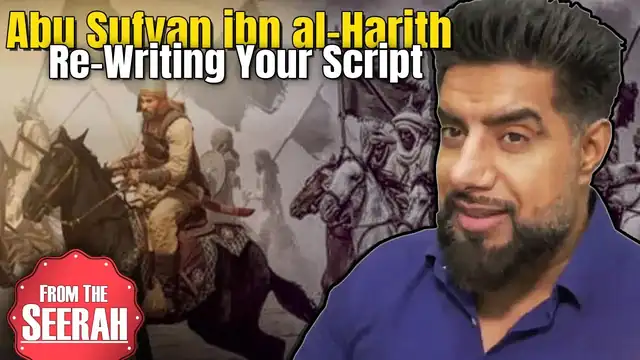 Press play to load from YouTube. Nothing loads until you do.
Transcript
machineauto-transcribed, may contain errors · source: youtube auto · click a time to seek · dotted terms open the glossaryguys let's share a a story from the seer of the prophet sallallahu alaihi wasallam okay now this is about a this is about a companion of the prophet sallallahu alaihi and one of the sahaba and his name is abu sufyan but you know when we say abu sufyan what comes to mind often is abu sufyan um [Music] you know from bani umayya the father of and abu sufyan is also a companion
but and he his name is like the popular abu sufyan so usually when people say abu sufyan they think straight away of of him um however that's not the only i mean there were other abu sufyans and this abu sufyan is one that maybe many of us are not familiar with and this is why it's worth sharing okay who was he he was the cousin of the prophet actual cousin
so the prophet's father abdullah had several brothers like abu talib for example whose son is ali so he's the cousin of the prophet another uncle is like abbas hence abdullah ibn abbas is the cousin of the prophet and another uncle was hari once again and his people say the eldest son was abu sufyan many people have said that was his actual name but that's what he was predominantly known by
and some people have given a name they said maybe it was maybe something else but really he's just known as abu sufyan he was a very similar age to the prophet salallahu al-islam some say an equal age if not born in the same year give or take he was very um very close and then not just with age he actually as a child would play with the prophet him he was a child the same kind of infancy they both were given to halima from banisma
the um the the the kind of foster mother of the prophet sallallahu alaihi sallam who nursed the mother as who nursed the prophet sallallahu alaihi as a as an infant when she nursed him she also had with him was so he would he went with the prophet so you can imagine since kids now think back to your childhood i don't know if any of you are still in touch with some of your friends from when you were four years old i mean especially i mean if you're at least if you're of some age now
i mean if you're only 10 then that's not that doesn't count so think back i i actually have uh some friends that i'm still in touch with very close friends uh one of them blindy such if you're watching this geomeditan so we've been friends since we were literally four or five now think back to that kind of age this is the time that you you have this special kind of this bond magical bond almost children imagination creative play running around and then the prophet sallallahu alaihi wasallam grows up
with abu sufyan and check this out he resembles the prophet sallallahu alaihi resembles him so many people would say that which of the people resembled physically the prophet so people say jafar jaffar is also uh the cousin of the prophet he's the son of abu talib the brother of ali so some people say jaffa some people say later on after the prophet his grandson hassan radhila
had a lot of similarity to the prophet but somebody in his lifetime another person his cousin abu sufyan they say resembled him quite a lot an amazing remarkable similarity so you've got two in their childhood two people growing up they've got this bond this friendship they do things together they play they go on the little adventures together all of this happening and your cousins and you look similar and remember they are from a a noble clan
of bani hashim you know so there's that general respect people show you respect now all of this and as they grow into young men abu sufyan and the prophet have a very close bond friends often will do things together abu sufyan really has a gift of poetry as he kind of grows into a young man and he often he would charm the prophet sallam he would he would say poetry for him he'll say to people as well general
poetry and he was and he was somebody that had of a kind of stature amongst uh amongst makkah he was he was kind of known for you know somebody could hold his kind of ground and he was charming and he was eloquent and he would do things often like the if he went somewhere he'd come back bring gifts for the prophet the prophet would bring gifts for him they had this this bond
perceptibly imperishable that's how strong it was now what happens is the prophet sallallahu alaihi wasallam at the age of 40 receives revelation everything starts to change and it becomes a very troubling time for the prophet salallahu because people your near and dear start to turn their back on you allah this is something that it's unimaginable
and in many ways the prophet sallallahu alaihi went through this so he could set out an example for us because why because we in life will face tragedies it is we will face our own trauma we will face our own struggles our own challenges our own hurdles
so you have the best of examples laid out for you in many ways one could see it as this was destined that the prophet had to go through suffering so as to leave for us an imprint that we could follow sallallahu
amongst the people that turn their back on the prophet is abu sufyan now the prophet finds himself incredibly lonely with a few people and then he starts to get victimized and persecuted and people start attacking him and at times they're not physically attacking him because he's still related to different people within makkah but they're making life hard and they're insulting him and sometimes they physically attack the prophet salallahu and everybody knows what happens in mecca
in those 13 years but abu sufyan ibrahim he doesn't just withdraw from the prophet and turn his back on him he turns that energy that passion that love that he had he turns it against the prophet he starts to say poetry insulting the prophet hurting him when the prophet was down when he was beaten by people
remember the incident of life happens the prophet is attacked he's they they hurt him he's pleading in these in these years in these months in in this this time of of despair and darkness for anyone else and for the prophet finding himself alone without support he loses abu talib he loses people that were kind of support mechanisms for him you see this person who once was a near and dear friend you know that people could say
what a friendship that person is there to to add insult to injury he would chant he would gather people together shard and frieda take you know this shout you know one is when you are going through a difficulty in life somebody takes pleasure in it
there is a word for this in arabic called shmata in english we borrow the german word sharden freud this it is a disease that people have that they find pleasure in the suffering of someone but that should matter that that person is experiencing it adds so many layers of pain to the one who is going through those difficulties
and may allah you know make it easy for everyone that is going through difficulties and the best of creation the prophet sallallahu alaihi in his most vulnerable years he loses his his sole companion his wife his source of comfort his source of you know that person that tells you you've got this loses her he loses his social comfort and security you know you have sometimes people they
they have your back like that that guy what a guy you know like abu talib was that person for the prophet he passes away all these tragedies are going on physical being attacked and then physical is not the worst mental emotional and this person who was your one of your best the closest of friends is there to insult you and and really revel and take delight in your suffering and laugh and
hold gatherings saying hahaha with this he was eloquent really hurt the prophet saw now what happens is the prophet moves to medina and years past and and it is the time of the fat of makkah so it hasn't yet happened it's about to have the news has spread that the prophet is coming to makkah that he this news has spread the prophet hasn't yet arrived but people would spread news and they would say that you
know this is going to happen he lives in mecca his wife says to him that what is wrong with you she says he is your cousin he was at once he was once your best friend the world as in people from the world have seen him with his character and what he is as a messenger of god
they have managed to accept this what is wrong with you you know some you know let me tell you something sometimes when somebody that is within that zone of proximity to you says something like this and you don't expect it your defense is not up it hits you i mean it hits you like tyson going in because you it's in a point where you're not defensive that you yourself become embarrassed of yourself abu sufyan
he has this moment of ah like he feels uh like he you know they say like in urdu there's an idiom that you that upnina's that you fall in your own sight that you fall from grace but in your own sight he has this moment and he thinks you know what i'm gonna fix this and i'll tell you something that's interesting yeah he thinks i've heard he that the prophet has left from medina but he hasn't yet reached it's going to take let's say it's going
to take a good few days to get to makkah because they stop on the way he says you know what i'm going to reach him and it's me it's his cousin it's his bestie you know when we look back in our memories let me tell you something from psychology point of view so let's psychologize this when we think back about other people we think back often about the good things we've done for them see our memory doesn't show us or put to
the forefront how bad we've been it shows us how good we've been to them like we are aware that we may have been bad as well but it kind of creates an imbalance psychologically like we think yeah yeah yeah it's me uh we've got we've got plenty of love between us so he thinks to himself you know what i i i've heard so he says i'm gonna go out to the prophet i'm gonna go there so he asks and people tell him that the
prophet is going to stop is where the prophet's mother is buried and on root the prophet would usually stop there just to pay his respects and people would settle so he hears this he takes his son java and he says i'm gonna go so he goes there and he's hiding because he doesn't want remember he's one of the arch enemies of the prophet he used to attack him used to so if imagine somebody sees him they could think oh my god we've got a you know we've somebody's come here he's come here to try to assassinate the prophet so they may
you know they may kill him immediately or at least wound him injure him whatever so so he goes there kind of all disguised and takes his son and he tells himself that you know when the prophet's gonna see me he's gonna be so happy completely forgetting all these years almost 20 years of causing suffering to the prophet two decades
he turns up and he's in disguise and he waits for the prophet the prophet salallahu islam comes out he stands there and he removes his his kind of face covering the prophet salallahu this is completely unexpected just sees him for a moment
and then just turns his face and goes he's abusive is shocked that what i thought he could the prophets can be thrilled it's me his body since we yeah we were like four years old he thinks did he see me did he recognize it's me so he goes after the prophet again and he kind of jumps in front of him at a place where the prophet goes and stands so he kind of goes stands in front of him very clearly this time
it's me the prophet looks at him and they have this eye contact you know the as it said the eyes are the window to one soul it's amazing what the eyes convey they convey happiness they convey desire they convey fear they convey
despair they convey sorrow and sadness he saw in that moment in the prophet's eyes the hurt that the prophet felt by looking at him all those memories of this person hurting you in that glance they came to him he could see that my very presence the pain
and the hurt it's causing so he's kind of confused he he's kind of recognized now he's kind of woke up from his he being deluded and thinking the prophet is going to be over the moon but on the same hand he feels that look i real like but i've i'm in the wrong i get i'm in the wrong but what do i do now so he goes to a waka radhilan he asks abu bakr that look can you do
something our worker says look they say leave me out of it he goes to omar omar says this this is between you is between the prophet he goes to abbas his uncle the prophet's uncle and he says to him that look uncle yam he says can you do something can you speak to the prophet and and he says look up he says i can't you can try or just let things unfold so he
hangs around he's hanging around so the prophet has but the prophet did not say anything to harm him the prophet did not instruct anybody to harm him this is very important you know people that say the prophet salallahu would you know people have this kind of opinion of the prophet clearly in his seerah you see the rahmah but he was hurt now when he settles with like because he he just stays with the people he's got his son with him one of the ansar
realizes the story they've realized oh isn't that guy abu sufyan and they realize he walked up to the prophet the prophet kind of froze but then just walked off so he starts to he starts to kind of um he starts to verbally abuse abu sufyan if you had it like he starts saying things taunting him and saying things and sometimes like when he'll go he starts throwing stones at him and so abu sufyan is in a bit of a like he doesn't know what to do so he's he sees ali a couple of days later and he he asks ali look can you
intervene and do something and ali says look i i can't he says that he says okay he says look i'm people have started to harass me and then ali asks him why would people harass you and he says look he says some of these guys he says they're actually harassing me he says like what are they doing he says they're abusing me they're throwing stones at me they're doing things then say ali says to him that okay that i we will handle because look that is unacceptable and sedna ali goes to the person he tracks this person and he
and he says to him he says listen he says the prophet may be hurt by him but he is the cousin of the prophet and his long childhood friend he says in no time the prophet will open his doors of love for him so if you harm him now just think when the prophet finds out how offended he's going to be so and and this you see the wisdom of saying in being so very real you know this is the thing because in life it's not a fairy tale a person has to be real
and that no iman just he kind of just he he kind of refrains from further harassing him so time goes by now okay time goes by fato makkah happens you know when the fatah makkah happens the family of abu sufyan ibn harithar in makkah they come to the prophet because the his cousins as well they're all related here the wife as well she said see this further softens the heart you know what it is it's not the prophet had not said anything to abu sufyan
but the point here is understanding that look when you hurt someone and you physically and verbally and emotionally abuse them for not just weeks or months years on end decades you know as an insane it's not easy just saying okay i'm sorry and and the other person they haven't done anything to you but for them to say okay clean slate it's hard it's hard that person's
soul and strength died before them and you laughed this is hard so now the prophet is with the family of abu sufyan and you can imagine obviously there's that love these things things are softening now what happens this is a lesson in what follows eventually people the prophet the companion they leave makkah they go then this everybody's heard of the battle of hunain now in the battle of hunain as it's mentioned in the quran as well that allah says do you not remember
because in the battle of hunain the the people i believe the tribe of hawazin but they had laid a trap and the muslims get startled and they all pull back they kind of like scatter and they leave the prophet exposed the prophet does not retreat see now this is another thing the prophet was never a person of this kind of war war kind of like like people say like war monger or somebody war hungry he was never like that but when pushed to it
he stood his ground he was not somebody you could just push over but he was not an aggressive person in fact the descriptions many of the descriptions mentioned in the battle of he was on a bala which is a mule not even the other kind of horses so it's in between horse but the prophet stood his crown now the people saw that the prophet is exposed so they were rushing this was their chance to just this is it go in full force at this time you can imagine obviously that's the whole the terror of what's happening
sudden every second counts a few people were there standing with the prophet sallallahu alaihi and you have people you have a worker you but remember you've got hundreds coming just a handful of people and the prophets exposed at this point abbas is trying to he is with the prophet with his horse and somebody else comes and they have the horse of the prophet and they're moving it to this side and they're defending the prophet passionately vehemently
you've got a break with such courageous bravery and strategically moving it there taking this action doing and the prophet is amazed and and he says to abbas he says and this person is saving the life of the prophet and the prophet looks and he says who is that and abba says it's your brother
because people would often be masked and they added like a helmet on he removes it and it's him and the prophet looks at him and he says he says truly says truly my brother this moment you know just hearing that it fills abu sufyan ibrahim with so much joy those words and it's not just the words you know it's not it's the sentiment you know the emotion what leaves the heart it hits the heart
that sentiment and energy was enough to have him charged for the rest of his life he that battle is obviously over and in the rest of the years that were left in medina he was there side by side often with the prophet he learns the quran he was somebody that would teach his arabic was so epic as it was he goes on to uh teach the quran to people when the prophet sallallahu alaihi wasallam passes away he said one of the
most beautiful poems dedicated what they call an arabic aritha as a eulogy to the prophet sallallahu alaihi he says in it he says that he says and i i can't seem to go i can't seem to find sleep and my night just doesn't end and he says in the night of achill
he says our tragedy and trauma was so intensified on the evening that we heard the cry that the messenger has been taken and he and it goes on and it's such a beautiful kind of poem and he lives after uh several years after the prophet salallahu often found to be in prayer or teaching the quran or reciting the quran honestly and he's such a pleasant personality and when he was past when he was on his deathbed i did bring here some
if i bring this back there was when he's on his deathbed he he's actually he says to his family he says that i he says what are you guys so upset about since i embraced islam i never caused anybody any harm i never did any wrong doing imagine that being able to yeah i haven't heart you know to cause people hurt and harm like he feels that he says i haven't
done any since i embraced so he says kind of rejoice like this has been a an amazing amazing life turn around and i lived it with joy and he was he was somebody well remembered and often people would say even till the end that he resembled physically the prophet sallallahu alaihi and a story of somebody who begins with so much joy like you see flashbacks like you pause that at his deathbed and i believe he's buried in uh in barclay outside in madina
you you take flashbacks of his life as a child growing up with the prophet playing living for whilst he did for those years with halima growing up into a young boy young man a strong man all this bond of friendship and then these years of enmity that put them on opposing conflicting paths where he's spread all this hurt and hatred towards the prophet but then turning his life around you see changing that script
seizing that opportunity but here the other important lesson is sometimes words are not enough see if you've caused somebody a lot of harm in life or hurt even if it's unintentional this is a lesson for all of us if we've done that remember words can be sometimes cheap they can be you know maybe okay they do in his case he said he accepted islam which is wonderful it's amazing and the prophet never had any vengeance towards him but he was hurt
so he follows it by action allah when the prophet found himself in a time of distress he's the first there there there is just something about coming to the aid of a person in distress that totally changes everything in relation to you and them in life so that's another valuable lesson in life like for us maybe we can see that maybe at times we've just said words words are cheap
maybe we can do things maybe we can actually we can bring action to the table so yeah and and then he ends his life as somebody who is so dedicated and this person that just goes around with positivity the quran and always preoccupied with the quran teaching learning and that's what he seals his life and i thought this honestly i i i i thought this is such a story and to to share at this time of the year about people's decisions and how they
change their lives sometimes decisions take them down a dark road like with abu suffices but then just like that he changes his script and he becomes this beam of hope and light for islam people may allah always allow us to be inspired and spread these stories of love and compassion [Laughter] it's our it is a legacy it's truly a rich legacy and it's it's fun to share it it's fun to share it guys
Something wrong here?
Tell us what is wrong and it will be checked against the recording. Nothing changes until a person has reviewed it.
Sending a note needs JavaScript, which is off or unavailable in this browser. Nothing has been sent.
No name, email address or account is asked for or stored, and the inbox does not store your IP address. For rate limiting it keeps an unreadable fingerprint of your connection for 48 hours, and our database provider's own logs record connections as every website's do. Only your note, its kind, the page and the moment in the recording are kept, for review.
Cite this recording
Stable id, transcript version and tier are part of the citation. Every change to a transcript is logged.Mufti Abu Layth Archive, auto-transcribed, may contain errors. https://muftiabulayth.org/r/c0l9qeebcqc/ (accessed 1 November 2026)
- APA 7
Mufti Abu Layth. (2022, March 14). [Strength In Stories] | Abu Sufyan ibn al-Harith: Re-Writing Your Script | Mufti Abu Layth [Video, auto-transcribed, may contain errors]. Mufti Abu Layth Archive. Retrieved November 1, 2026, from https://muftiabulayth.org/r/c0l9qeebcqc/
- Chicago author-date
Mufti Abu Layth. 2022. "[Strength In Stories] | Abu Sufyan ibn al-Harith: Re-Writing Your Script | Mufti Abu Layth." Video, auto-transcribed, may contain errors. Mufti Abu Layth Archive. Recorded March 14, 2022. Accessed November 1, 2026. https://muftiabulayth.org/r/c0l9qeebcqc/
- BibTeX
@misc{abulayth-c0L9qeebCqc,
  author = {Mufti Abu Layth},
  title = {{[Strength In Stories]  | Abu Sufyan ibn al-Harith: Re-Writing Your Script | Mufti  Abu Layth}},
  year = {2022},
  month = {3},
  date = {2022-03-14},
  howpublished = {\url{https://muftiabulayth.org/r/c0l9qeebcqc/}},
  url = {https://muftiabulayth.org/r/c0l9qeebcqc/},
  organization = {Mufti Abu Layth Archive},
  urldate = {2026-11-01},
  note = {Auto-transcribed, may contain errors}
}