
Recordings › On Current Events
The Lady of Heaven Film | Review & Resonating thoughts | Mufti Abu Layth al-Maliki
hadeeth ahadith ahaadeeth hadis hadees ahaadith madhab mazhab school of law madhahib mazahib madhaahib imaam prayer leader maaliki malikite malikiyyah maliki school fatwah fatawa fatwaa fataawa legal opinion muftis haraam mubah mubaah wajib waajib wajibat sunna sunan prophetic practice riba ribaa sood usury rawi raawi ruwat rijal kufr kuffar kaafir kaafirun iman imaan eemaan eeman shaytan shaitan shaytaan iblis iblees shayateen shayatin satan koran quraan al-quran hifz hafidh haafiz hifdh huffaz hafiza memorisation makki and madani makki meccan medinan makki surah madani surah sahabah sahabi sahabiyyah sahabiyat hijra hijrat hijri migration ahlul bayt ahl ul-bayt ahle bait ahlulbayt ahl-e-bait ahlul bait ahl al-bait ahl al-sunna shiah shiite shi'i twelver ithna ashari salafism wahhabi wahabi wahhabism 'alim aalim ulama ulema ulamaa shaykh shaikh sheik shuyukh shaykhs dawa dawat da'ee invitation ummah umma ummat takfeer takfiri takfeeri deobandi deoband barelvi barelwi brelvi barelwis in sha allah insha'allah in shaa allah insha allah inshaa allah bismillah ir-rahman ir-rahim bismillahir rahmanir rahim bismillahi bismillah al-rahman al-rahim as-salamu alaykum assalamu alaikum assalamualaikum salaam salaams wa alaykum as-salam greeting niyyah niyah niyat niyya niyyat deen al-din ad-deen ad-din ibadah ibada ibaadah ibadatlive stream · 1:42:16 · 15,000 views · 9 Jun 2022 · Open on YouTube
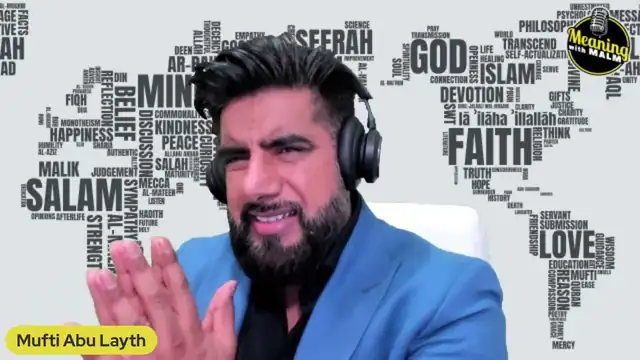 Press play to load from YouTube. Nothing loads until you do.
Transcript
machineauto-transcribed, may contain errors · source: youtube auto · click a time to seek · dotted terms open the glossaryAll right. All right. So, people, let me just do a quick sound check. Make sure sound is coming through fine. Um right, if you can hear this okay, just give a right, a quick confirmation. I'll grab this.
Just check as well. Okay. So, sound seems to be fine. Okay. Bismillah. Right.
Now, people, I Tonight, I wasn't going to actually do a show at all. My equipment um I haven't got my equipment right now. So, and I've um getting some new transitioning into some new equipment. And I thought, well, this week I'll give it a miss. And by next week, we'll be up and running.
But, what had happened is uh this whole commotion around this movie, The Lady of Heaven. And so many several people had messaged me as well. They'd left comments on my things. Look, will you please share your thoughts on it, do a review it, what you think. Um And I thought, well, okay.
Let's do that. So, I just pulled out a So, the camera is a bit different. This is just managed to just find one randomly a webcam lurking around somewhere. So, you'll have to bear with me if inshallah. Right, what I intend to do today is just restrict it to this discussion of The Lady of Heaven, this movie the cut
and the themes that stem from it. Okay. So, we're looking at themes like there will be the concept of blasphemy, the outrage, and there's many intricate discussions here. We'll try to unpack some of them. It will be things like freedom of expression, freedom of speech, offending people, the
sectarian hate. Where do people Where can people draw the line? What does this mean for the greater community at large? What does What is this whole discussion and the meta discussion, the discussion around the discussions all about? I mean, is it you know, is it about the Sunni-Shia divide?
Is it about the right to a belief? Is it the right to offend? Is it the that the impermissibility to offend? Is it about making movies? Is it so And is it about Do we have a right to dictate what people can do, cannot do? Does that mean people have the right to do whatever they want to do?
And um hurt people, especially in a um um in terms of expression, how they want Does that Is that what it means? And I think maybe some um it there's some tangential discussions of things like discrimination, racism, um and just just other matters of the whole uh anthropological standpoint of how we determine borderlines for values.
So, some of these things may seem common sense, and we may realize they're actually not as common sense as we think they are. And some of them we realize are very difficult discussions. So, let's have have it. You know, let's have at it with uh with all of this. And what are my thoughts on this? Okay, so Right, so whilst I can see some of you tuning in, sharing, I'll let you uh do that.
Click like. All right. All right, so Shukran.
Shukran. So, what I'll do is share my uh I'm just trying to straighten up this chair as well. Share my thoughts on it straight away, and then we'll come back, we'll circle back, and unpack things. I have watched the movie not uh contributing it towards it in any way financially. There's many uh pirate copies available online.
Uh so after having done that, these are my thoughts, okay? That first of all, in an absolute nutshell I would like to make very clear that I don't believe this discussion, even though the theme and the the motive is about the Shia-Sunni conflict, I don't believe this discussion should be about Sunnis versus Shia.
Categorically, okay? That's not what this is about uh as far as I'm concerned. And I would and I must repeat this again and again, please steer clear of these sectarian divides. We must move forward by building bridges. It is the only way. Yeah, I thought to see me be happy with Allah to me, yeah.
Hold on to this connect from God together. Okay. So, that can that that's something that we have to come back to again and again. That do not let this become about Sunni-Shia differences. Okay? So, let's put that point and we've got to anchor that.
That's a very important point we're going to keep coming back to. Okay, second. Now, this movie The movie is um it is propaganda. Um one could argue, and we'll come back to that, what isn't propaganda. But, it is um it is something that clearly is inflammatory. It does it's incendiary.
It really instigates um somewhat deliberately and maliciously, I I would argue in my opinion, to to to to hurt the religious sentiment of the majority of the Muslim world.
Which is the better part of 2 billion people. Now, that's my opinion, okay, on this movie and I will be unpacking this as we as we move forward. So, just to be very clear, that's how I see I do see this as a just pure propaganda. It is a you know, it's that's that's clearly what it is.
Okay, so put that there. Do I feel this movie should be aired in cinemas? I don't personally think it should be aired and we'll come back to that discussion as well. So, I'm just giving these nuggets to then allow to unpack them, okay? So, this is my personal opinion. I'm entitled to an opinion. Other people are entitled to other people's opinions. Okay, so that's um that's what it is.
Do I believe in freedoms of speech or freedoms of expression? I do believe in freedoms of speech and freedoms of expression. And that's then an intricate byroad into this whole discussion and we'll come back to that as well. But it's important to understand these things. Do I believe that the government should get involved with movies like this and ban them?
I would say that's a very difficult one and it's not something I would argue for. I would not argue for government involvement in things because then it becomes a very difficult point to define. Whose version of something does the government take side with? You know, does it side with? Can policy be created around these things? I don't Around sectarian matters, I think it's very difficult.
Okay. So, okay, let's put that there and we'll come back to that. Let's start with a simple a simple factor. This film, right. So, it is first of all, sorry, let's define for people what we're I'll bring this back up as well, what we're talking about, which is the movie Lady of Heaven.
Now, this is a movie that's been produced by um enlightenment productions. It's been written by Yasser al-Habib, a very a known undoubtedly well-known um Shia cleric who hails from the far right of the Shia spectrum.
Often known for inciting sectarian fuel and hatred. So, that's very well known about Yasser al-Habib, that that's what he does. His material is online. He is, I believe, of Kuwaiti origin. He's in exile. He's wanted in the Middle East. He's wanted in his home country. I I believe he's wanted he may be wanted in some other countries. He's seeking asylum in the UK.
This isn't the first time he is behind something very incendiary and blasphemous to other mainstream Muslims. So, okay, so that's just a bit about him. Now, this movie, since it's come out, it's um All right, if I can just So, since this movie has come out, it's led to great uh number of protests up and down the country.
And uh you've probably seen them on the news or you've had videos shared about and people have protested, they've got together, they've been condemning. And I've watched a few of these clips as well. And I have to say that um Right, so one of these clips that was centered around it's a actually a good friend of mine, Fahad. Um his dad Fahad, his name's Fahad.
He runs a community news kind of Tik Tok uh channel. So, he he he and he's Sunni, so he's there he's at the protests and he's asking people and taking their thoughts and comments and and he asked a a very interesting question. And I wasn't expecting it. He asks the people that um at the is there you know, why are you here?
What what are your thoughts? What is your opinion towards this movie? Should it be this, that? Why have you gathered? And then he says, "Do you mind me asking have you watched the movie?" Because one question is people have they actually even watched it? So, everybody asked um said, "No." And I was quite kind of hit by this question.
Because I thought, "Hmm, you know, I've got a bias, I guess. I'm Sunni. Um from what I've heard, I'm not happy with the movie, but I haven't watched it. Could I actually comment on something if I haven't watched it? I guess I could comment, you know, I mean, everybody comments on things, but wouldn't it be a more fair evaluative approach to to have seen something?
So, and and like I mentioned, there's many, you know, if a person Googles, there's many pirate um kind of bootleg versions of the movie, I mean, copies of the movie online without having to contribute to uh financially towards the film. So, okay, I watched it. It's a 2-hour 16-minute, approximately, film. That's what I saw. Uh and I watched all of it.
All right. Um I can And by the end of it, it was clearly, I mean, it was designed to offend and to to create an outrage, religious outrage. Um naturally, I could see that. I could see what it was doing. It It was offensive. Um and it's it had some It had I'm sure quite a bit of in its own circles backing.
It was a $15 million project. Uh that was uh directed or at least based on the written works of Yasser al-Habib, a known cleric Shia who has very hardline, incendiary, inflammatory views towards the main body of Muslims. And his views are not echoed, and I need to re-emphasize this.
They are not echoed by many countless Shia disagree with Yasser al-Habib. Um they are not they do not support him. They are not a part of his movement. Uh just we have to be clear on these things. Okay? This is not a Sunni versus Shia paradigm. Uh don't do not allow this to weaponize the differences between us.
Okay? I myself I'm not somebody that believes in doing takfir of the Shia. The Shia are Muslims. Um they are our brothers and sisters in Islam. We disagree. I'm sure we disagree uh per- per- perhaps passionately on certain issues, but we have so much more in common. So much more.
From Allah, his messenger, to the Quran. Okay? We so much in common. Um we need to build bridges. It is the only Look, most people are just almost This is the overwhelming majority of people. We are just born into a faith. Most Sunnis are just Sunnis because they're born Sunni. Most Shia Shia because they're born Shia.
Most Shia and equally most Sunni do not have a deep understanding of why this divide has happened historically. They have some understanding. They have stories they've heard, you know, they've um they've hearsay, things they've read maybe, just a general kind of collective consciousness understanding, but they don't truly know the the deep-seated issues.
And it's it makes zero sense to try to allow any incident to create a uh a hatred you know, violent hatred between communities. So, may Allah allow us all to to really see the voice of reason and compassion and see humanity.
Okay, so just put that aside. And there was a very You know, when some of the protests, I tell you that there's um there was a clip I saw of several people. And this is another interesting thing. It brought together diverse groups. You had Barelvis, Deobandis, uh you name them, different people, Tablighis, Salafis, Ahl-e-Hadith, people denominational, non-denominational, people coming together raising their voice protesting against this uh to air this this movie.
Now So, it was interesting seeing this phenomenon. And there was Sheikh Abdul Jabbar, I saw a clip of him um speaking on the matter as well. And he said it so well. I mean, the clip I saw, he said it so well. He said, "Look, it doesn't matter what denomination you're from." He said, "It doesn't matter how people pray. It doesn't matter what people He said, "This is this film is is attempting to instigate
an outbreak of potentially a violent outbreak between Sunni and Shia communities." And he said, "W- Don't do that." You see, we cannot This This is why he he was saying he's raising One of the reasons he's raising his voice. And I thought that was such a uh powerful point. Right, so okay, we come to this movie.
Now, first of all, the movie depicts the Prophet Muhammad Sallallahu Alaihi Wasallam. Okay. Now, that in and of itself is to the overwhelming Muslim Sunni Muslim which Sunni Muslims must make up what? We're talking 90% of the entire Muslim world. I mean, that's in the better part of 2 billion people.
Now, according to Sunni Muslims, you are not allowed to depict the Prophet Sallallahu Alaihi Wasallam. And it is right across the board considered from haram to kufa. Okay. With the Maliki being at the harshest end. And I mean, I'm Maliki in method just as many people are. I mean, you'll get many many countries are Maliki.
Morocco, most of North Africa. But even there are several people in Sheikh Hamza Yusuf is Maliki. Many people are Maliki. Now, the Maliki method is probably the harshest on people depicting the Prophet Sallallahu Alaihi Wasallam. Considers it kufa. Now, okay. So, first of all, the movie depicts the Prophet. Now, that alone is an is a incredibly contentious point.
But let's So, what what I'm trying to do is look at the counter criticism as well. So, let's deal with let's not just be our point of view. Let's see what people are going to say. So, people say, "Well, the counter view is that well, but it's but the Prophet is not depicted in any negative light. As in, they're not when they So, there is a person who plays the character of the Prophet Sallallahu Alaihi Wasallam.
Now, I've heard some people saying that the person is CGI. So, he's, you know, computer graphics. But in the movie he seems like a a person, but obviously they're saying may not have been a person and they computer generated. But whether it's to draw, whether it's to generate by CGI, whether it's to uh be The reason Now, by the way, the reason why Muslims do not allow you to depict the prophet is not why some people think.
Some people think it's because um Some people think it's because that this is to do with um Sorry, just one moment. Right. So, some people think this is to do with worshipping the prophet. Not at all. This is not to do with the worship of the prophet.
The reason and you'll see in many of the Maliki fit books and other books they explain it. The reason is that you see you're you're not allowed to misrepresent the prophet in any way. It is haram to even misrepresent his words. Now, if you try to embody the prophet as a character, the character you design or draw is 100% not the actual prophet.
We know that. I mean, that's factual because the people coming up with this depiction haven't seen the prophet. So, we can say as a fact that that is not him. So, now So, thereby it is a misrepresentation of him. And the sanctity of the prophet in Islam is above all.
So, to misrepresent him in any way is deemed uh categorically prohibited, and if done intentionally, is deemed by some to be kufar, disbelief. That why would somebody Because even if you're doing it with a good intention, they say, "But you know you're misrepresenting him." Because it's not him. So, it is a lie against him because it's either in in a binary sense, it's either the prophet or it's not him.
So, this is the fundamental discussion at this. And then other people have said, "Oh, well, if people did start drawing the prophet, and maybe some people might start you know, not worshiping, but kind of quasi worshiping. But that's a very weak argument. The real argument that the Maliki and all the scholars write in their books is this one, misrepresenting the prophet Sallallahu alayhi wasallam, which is categorically not allowed.
So, okay, that's the discussion we're looking at. So, it does have the prophet, but true that it's not that the character playing the prophet is um is being insulted, or is a, you know, it's like the Charlie Hebdo kind of cartoons, which were uh doing sexual connotations. And it's nothing like that. So, the character is a dignified character in the film. But the But it's still according to Muslims, you're not allowed to do that, and it hurts the sentiments.
Okay, so there's this issue. The other issue is that you see, what it goes on to do So, the movie, for those of you to save My thoughts personally is, don't bother watching it. That's my opinion. I'm entitled to my opinion. I would say it's not worth watching. Um it's a It's a very poor product, despite it having a $15 million uh funding.
That's quite a quite a lot of money, really, when you think about it. But, um it's not it wasn't, you know, even the acting I mean, maybe some people have were okay with expressions, but many of the actors were very poor to just mediocre in their expressions. Overall, even in terms of performance, it was quite a a very poor putting the storyline aside.
It was a very poor production. So, that's as far as the the the the production quality is concerned. Now, the story and the plot of the movie is this is Lady of Heaven um is that I'll just bring it back up again. All right, it's All right, there it is. So, it's Well, it kind of contrast our contemporary world with the lifetime of the prophet Sallallahu alaihi wasallam.
Now, that, by the way, that you can see there is Yasser al-Habib, who's well-known. I don't really need to speak much about him. You can do your own research on him, see where you stand, see where the Shia community stand with in relation to him. Um and that's always a good way to to see things because, you know, it is um it is problematic. So, and many of the Shia do not back him.
So, the movie revolves around two power It It kind of It It It bounces between two timelines. So, it centers around a child whose name is Layth. And the child is is under ISIS-occupied territory. So, it begins and he's a Shia. And ISIS have taken over and they're barbarians.
And and the the subplot of this story is then tying this ISIS phenomenon without explicitly saying but it's kind of anchoring that into then deep-rooted traditional Sunni Islam. So it's trying so it begins with ISIS these kind of hardline ISIS who were clearly monsters.
There's no denying that. But from the Shia viewpoint they are a Sunni problem. So okay you know one has to accept that they are a Sunni stroke Salafi problem. That this is what they were I mean we can't deny they're not a Shia problem. They were a they emerged from extremist Sunni Islam. Now they take over and there's this child Laith Lanrawi who is with his mother Fatima and and she's teaching him something.
They've got some Shia material and then ISIS come and execute his mother in front of him. So this is the how the story kind of just begins. It sets you into this plot straight away. The child is traumatized. He's then rescued by some soldiers who are Shia but it doesn't emphasize them being Shia but they are and they then take care of this child and then the remaining movie is it kind of is intertwined between this child and the there's an slightly more mature lady at home who is nursing this child whilst he's in shock and she's having these encouraging
motivating conversations with him and she tells him look you know times are tough but times have have all you know this if you think ISIS are horrible and we have to struggle to keep our faith you know this isn't the first time we can find inspiration in the story of the lady of heaven. And he asks who's that and then the jump and then then the plot jumps back to the time of the prophet Sallallahu alayhi wasallam and Fatima radiyaAllahu anha is the lady of heaven.
Um interest so so this is the kind of story and then it kind of comes back and forth between these timelines. And the story is summarized that the prophet Sallallahu alayhi wasallam doing the dawah, people coming around him, the companions, Fatima radiyaAllahu anha, the Sahaba radiyaAllahu anhu, um it's and then in the beginning it's not so harsh with the with the kind of propaganda.
It's kind of I think at about 40 minutes into it it starts getting quite uh intense with its kind of um with its directionality. So you see and and they and it will they will jump back and forth. So the child, you know, he might be now uh sitting at the dinner table and he's doing something and he might kind of say, "But why did the prophet allow this to happen?" And then the the mother or sorry, not the mother, the the the caring lady, the lady who the carer, she's um with you know, with kind of a collected self-composure.
She kind of always replies somewhat uh in a wise tone. So that's how the movie works and then it jumps back and there's the whole the Hijrah, it shows the Battle of Uhud, it will show um it fast-forwards a bit to uh the the the final time of the prophet Sallallahu alayhi wasallam. It starts to then depict characters um uh certain characters in a very bad light, especially the the beloved companions of the prophet Sallallahu alayhi wasallam like Omar and Abu Bakr.
It starts to portray them uh very demeaningly. Uh Aisha radiyaAllahu anha, it portrays her very demeaningly. And you know, and this is another point as well. You see, when you understand social anthropological backdrops, so what they do is you see this whole thing obviously Yasser al-Habib and the production being uh stemming from the Middle East and that understanding that they have which is a terrible understanding but it's there in certain societies unfortunately that light skin is beautiful and dark skin is um is somehow
ugly. So, what they do is they choose the characters for the companions who they wish to degrade as these dark-skinned and often African actors playing them but not just that it's not just the skin. They will then give them a very honest aesthetic makeover with the kind of appearance as well. So, it's not just about skin tone.
They'll use the skin tone but they'll also give a very um somewhat of a repulsive appearance as well. The way they'll the the beard and and I have brought some of the images um to show you. And and this is how they contrast this.
I will show this. What I'll do those who don't want to see it um you can um look away and maybe if you just hear me you'll hear I'll I'll kind of return to it because it's you know, it's up to everyone. I refuse to bring the the the image of these are the stills. They're just of the prophet I see that as I am of the Maliki madhhab and that is my belief and I'm entitled to my belief just as everybody's entitled to this and I do believe it to be very disrespectful to to imitate the as in to as in to have an image of the Prophet Sallallahu Alaihi Wasallam, but that's
my personal belief just as it is with many Muslims, and I refuse to bring that here, but I will because certain people did ask, and just to give you, but if you if it is going to be uncomfortable, um please look away. So, and I will so the the companions that I have called the stills of so just to give you an example, this is Sayyidna Ali. So, you can see how they portray Sayyidna Ali Um this is Sayyidna Ali.
You can see they choose um there will be an aesthetic appeal. And then after that, you'll see that is Abu Bakr and Umar that you can see there. Uh how they portray them. So, it's the not just the skin tone, it's the whole aesthetic. This is Umar. You can see the beard, the whole um the whole appeal being very uh unpleasing. And this is Aisha radiyallahu anha how they portray Aisha radiyallahu anha.
Now, I mean this was just it's really just done to trigger Muslims, and this is Umar as you can see uh that they're portraying well, I mean you know, so it's And these things are really they they're just being done to um to to to really just trigger the sentiments of the companions and and really the um the the Muslims at large.
So, so you can see why this is very offensive to people because just to remind you that most of not most, all of Ahlus Sunnah highly revere these people as they see them as the Aisha, the wife of the Prophet as being the mother. They they metaphorical mother. This is how they see it. And in the movie, the plot um you know, unfolds to say that Aisha and it doesn't mention the other wife, but and another wife, they poisoned the prophet and murdered him.
So, the prophet passes away in the movie by the wives poisoning him by the command by the commandment of their parents. So, Omar and Abu Bakr command the daughters who then is naturally Hafsa, but they don't say Hafsa. They just say Aisha, the two wives who you can see in the movie they're pouring poison into some drink.
And then the prophet becomes he's on his final moments. So, they show this kind of stuff. And so, you can see and I'll go into some of the other issues as well. So, that you can see why this is clearly incendiary. It is clearly inflammatory to to Muslims, Sunni Muslims, clearly.
So, okay, and and it's done with that intent to evoke that response. No kidding. Now, the question here is are people not entitled to their belief? They are. You see, obviously, even if we're not happy with it. They are entitled to to their uh you know, we see We are not here.
Nobody is here to dictate to the Shia their beliefs. Nobody. Okay? And that is not We don't have a right to do that. Belief is a personal thing. And another important question somebody will ask is is a person not entitled to making a movie? If it's their money, they are. You know, person can make Is a person not entitled to writing a book? They are.
You know, it's their thing. I understand that. All right. So, this is um they they can make the you know, whatever movie they want. People can do that. And they have been doing stuff like this. Now, the question is not one of freedoms because I watched a um I somebody sent me a clip of the um there was an interview radio the radio kind of discussions online where the presenter is saying, "Are you going to dictate in in 2022 in the UK to me what movies I can and cannot watch?"
And the truth is no, you cannot. You we cannot dictate to people what they can and cannot watch. Okay? So, this point of saying "This movie, should it be banned?" I want to just for a moment before answering that pause and say that it is very important in all of these discussions and I see this a lot, by the way, is we have to understand the words we choose.
So, I encourage everyone to please select the right words. You see, words are incredibly powerful. And just as things like people will say one person's freedom fighter is another person's terrorist. One person's, you know, human rights is another person's insurgent.
Uh one person speak whistleblower. You know, you'll have Snowden is another person's um you know, he he is somebody who's trying to allegedly subvert the the state. So, words are incredibly important. Is he Are they whistleblowers? or they traders? What are so words are important. So the discussion is not about burning.
Okay. The discussion is about airing or removing. This is what it's about. And the discussion is not we need to this this the whole thing has been misframed, mischaracterized. We need to not this is not about government policies. This is not about legislation. This is not in the arena of politics or parliament.
No. And if we need to we need to reframe the dialogue. This is in the arena of commerce. It's in the arena of business. You see cinemas are a business. They are like a shop. They are like a restaurant that showcase viewership. They are not a government entity.
They are not a policy dictated kind of board. That's not what they are. They are a commercial entity who cater to consumers. And often to to the kind of situation or sorry to the location where they situated at. That's the kind of that's the consumer ship.
So the question is not about burning. The question is should we should they air? And ultimately it is up to them. Nobody can force Cineworld or Odeon or nobody can force these things. It is their choice ultimately. But people equally have a right to protest.
People have a right to protest. It is your fundamental democratic right. So, you have a right to air an opinion. So, you can say, "Well, I don't believe you should air this movie." Remove the movie. This is a commercial entity that is dealing with consumers.
Now, the consumers are having a problem with something. Okay? Why are they having a problem with it? And they say, "These are our concerns." "Our concerns are that you know, this is inflammatory to to us, these consumers. It is for inflammatory. It is blasphemous. It is attempting to weaponize the difference between the Sunni-Shia communities. It is instigating a communal unrest, disharmony.
It is, um, you know, attempting to breach this peace that exists." So, these are our reasons. Now, one may say, "Well, okay, that's your perception." It is, but this, you know, we are these people. We are these consumers. So, if I go into a shop, let's say, and people the shop is about to have something. Now, it whether let's say it was to ask you, should we Or let's say there was something there that disturbs you.
Now, people say, "Well, I don't, you know, I don't like this about the shop." Uh, you know, we we got into some very interesting discussions on this. I did with some people, and we were talking. And I said, "Look, let's say as an example, there's a friend of mine." So, Maj, if you're watching this, he's I don't know, I think he's allergic to ca- No, he's not allergic to cats, but he just cannot be around cats. Okay? You just cannot be around cats.
Absolutely cannot. It's a absolute no-no. So, imagine there was a a shop that that had a cat. Now, nothing wrong with having a cat, and many people love cats. But, let's say he and many of people who share this particular, shall we say, condition, um or state of mind, are very uneasy with this situation, and they they have the right to express that to the shopkeeper.
Now, ultimately, it's the shopkeeper's choice to say, "Well, shall I remove the cat or not?" And that's what this discussion is fundamentally about, okay? So, it is important to because when we use the wrong type of words or misplaced words, the whole discussion can change. So, you see, some people I saw today in the Telegraph, certain MPs have said, um "Cinemas should not uh should stand up to and refuse to ban these movies and stand up to these religious kind of bigots." So, whatever it was, the Telegraph had something on
it. I saw it online today. So, they're redefining the discourse. And the truth is that, well, now that look, cinemas are there to to cater for a crowd. Now, people are upset. Now, you could say, "Well, look, first of all, the protest, and that's a different discussion. Should these protests have Some people have said the protests have actually drawn more attention to the movie." And that's a discussion in itself because how many people would have even watched the movie, I don't know.
I do think the movie is a very poor production, even though it's a $15 million production from a production perspective, it's not very well made. It was made in the UK and I think in Georgia. So, and it's the production quality is very amateur. Uh so, it's not even the acting is from either poor to mediocre, generally speaking. Maybe one or two, you know, maybe some parts are enacted, okay, as in people can act, but other characters don't even seem to be able to act.
So, I don't know what's going on there. So, it's not something that would have drawn in viewership. The movie is is nothing uh that would be to people imagine a person never even knew about Islam. They If they ended up watching that, they would think what a waste of time. And they definitely wouldn't recommend it. That's how poor it is. I mean, and I'm trying to be as legitimately honest as possible there.
So, it's been argued have the protests just drawn more attention. Cineworld has banned the movie nationwide. And I personally commend that decision of this because it's understanding to the sensitivities of a community that live around you, that are your consumer ship. So, let's say for example that I I I tell you what, there was I can't remember the name of the movie.
There was a movie several years ago that was meant to reflect some of the gangs in Birmingham. I can't remember what it was called now. Now, that movie was Star City uh View, VUE, the cinema, uh refused to then air it. And it was um because because it was seen as this may trigger, instigate communal kind of disharmony between these groups of people within Birmingham.
So, I I forgotten the name of the No, not Peaky Blinders. It was about gangsters as in youth and gang crime. I forgotten what it's called. Was it something like One Day or something? One City or something? I can't remember now. It was But it was called something and it was it wasn't a uh a major production, but it was it but Birmingham refused to host it because of just that it could instigate people.
So, similarly, it's about it's about So, let's say let let me give an example. Let's say Nigel Farage. Uh hypothetically speaking this is of course or Tommy Robinson. They wanted to arrange a meeting. They want to arrange a meeting. And they want to call certain people and they want to discuss strategies and strategizing and they want to discuss things.
Let's say they want to discuss legal things which are legal which are absolutely fine. So, they want to hire out a hall or a venue within a Muslim area. Now, yeah, that's it. It was called one day. That's it. Yeah. Now, it would be very insensitive. Let's say you've got Alum Rock, Birmingham or a different part of Birmingham that is very Muslim which places like or let's say organizations like the EDL or Britain First or Nigel Farage, people who have been known for
you know, who who who all over you can find their stuff. It's very Islamophobic. It's deemed racist. It's You've got all of these things. Now, let's say they wanted to hire out a function hall or a a restaurant to host this within a Muslim area. Now, should that restaurant Now, the restaurant isn't part of the EDL or part of Britain First. It's just a restaurant. In fact, it's neutral.
Should they rent it out to these people knowing that the community around them is going to be instigated by this action even though they themselves are saying we're not a party to this. We're just neutral, but we are just hiring our venue." So, you can understand why it would be common sense for that venue to say, "Look, we will not host you." You know, it's just insensitive to because it's going to cause some disharmony, unrest, and it's going to get people protesting outside.
And And several of these people are our customers at the end of the day. You know, so the uh So, so that is very That is the point here. That is what people are asking. That do people have a right to express their voice? Yes, they do. The venue is a commercial entity. Should it Nobody can force the venue to to say, "I won't air this movie." But should it have enough sensibility?
I believe it should. Because it's just you know, the This is what it's going to do. So, okay, that's that whole that that that whole thing. And it's very important understanding this. And you know, let me tell you something. People say, "Look, you would be Somebody just made a comment, "Mufti, you'd be deemed uh woke, you know, by the right-wing for saying this." No, because look, listen.
We all, you know, our sets our set sets of values. They begin at certain points that we place them that are cultural. Now, let let me give an example. Let's say Tommy Robinson or Nigel Farage, hypothetically. Let's say they made a movie uh depicting a Let's say that Let's say they made a movie about some ghetto depicting black people as being the source of crime.
And they say, "Well, well, it's only fiction." You know, if I made if I wrote it in a book, what would you burn the book? But the issue is, you see, when you know it does influence. Now, it's hard to prove. We can't prove intent. I get that. But as human beings, that kind of inferential data cannot be ignored either.
When you have people who are known, like when you get a person who's been who's known to do so or let's say Tommy Robinson or Nigel Farage made a movie about Pakistanis and the whole thing is just about sexual grooming. And they make out in the movie that the whole Pakistani community, like they do, that this is a Pakistani problem, sexual grooming.
Where pedophiles are clearly middle-aged, late middle-aged white men. You don't get them advertising that everywhere. You don't get them blasting that everywhere. You don't get them But let's say they made a movie about this. Now, or better still, let's say somebody made a movie uh about World War II.
And in the movie, he highlights that the Jews were Now, in this let's say in this movie script, that the Jewish victims and it was an atrocity clearly. But let's say he highlights in this movie uh that the Jewish people were actually sinister and were villains. And Hitler was actually a hero.
And even though the world couldn't see it, but he was onto something. And the USA were these evil conniving people. And Hitler was actually by by doing by try trying to kill Jews, he was trying to do something let's say this is the the storyline that somebody came up with and they made a movie about it. Saying that I guarantee you these same people would say that movie should not be aired.
I guarantee you. So the question is where do you draw See so it's okay for you to draw the line. It's not okay for us to draw the line. You know it's that thing isn't it? Amara Kutta Kutta Amara Kutta Kutta Tommy. You know it's that that's the you know why why why is it why is that okay for you to say? And I would agree. I would agree that that movie should not be aired.
That is depicting Hitler as this kind of great hero and it's criminalizing the Jewish people and saying that they are sinister. I agree with them. I would stand with them and say this movie should not be aired. Cuz Hitler was he was unquestionably the villain he was and the atrocities he did against the Jewish people is utterly unacceptable. It is a war crime.
And people by the way are not allowed to critique even the Holocaust. They're not allowed to even critique it and I think people ain't even allowed to crack jokes about it anymore. So as far as satire and humor is concerned So these people they agree with that and we would probably Muslims would agree with them. That you can't you know nobody should people shouldn't be glorifying Hitler. People shouldn't be glorifying these people.
But then when we say this they say oh well no no your sentiments don't matter. Look let me tell you something. Where do our values come from? People say that look I heard somewhere somebody say and somebody said this to me today actually in a discussion. They said Mufti you know racism you can't compare this to racism.
Like people insulting Islam and insulting um let's say Islamic stuff uh that is sacred is not the same as racism because racism is clearly offensive. So I asked him I said why is it clear? I said why is it clear? Explain it to me. I agree with you but I want you to explain to me why is racism not freedom of speech?
Why? What if the person genuinely believed it? Let me tell you something. This is a real This is a real true event, people. Years ago, probably what is it? About I don't know whether it's been better part of a decade ago. I was in this place and there was this and there was actually a Muslim and he was a a white uh middle-aged man or actually later, you know, mature in terms of age.
Who was very sincerely telling us like sincere, not as a he wasn't trying to be he actually believed this. He was trying to explain to us that races vary in their intelligence genetically and that white people genetically are are more intelligent. Wallahi, this is I'm not making this up.
There were people present with me. I wasn't the only one and he was being sin He wasn't saying it in a way to kind of like he was just being sincere and he was just vocalizing his beliefs. And he was telling us that that that this that white people generally that he was saying genetically are more intelligent than the other races. And he was trying to explain this kind of taxonomical hierarchy of intelligence based on genes, which is utter BS.
But my point is, now this person it's not about the person. The point is that this this belief was being held sincerely by this person. He wasn't doing it because he was saying I hate all of the people. He actually believed this. Why is how do you differentiate how do you say racism is not freedom of speech? Let's say he was to base this on some kind of skewed stats.
Let's say he was to say, well, I base this on all the I've looked at all the people there you know, that in the local populace I've taken their results and their kind of educational background and based on the these kind of studies, I will I will class the races hierarchically in terms of intelligence. Now, the question is that that is that is racism.
Now, I would say that you would say that. I'm sure all these presenters who are defending the right to blasphemy would say that. They would say this kind of stuff should not be printed. Should not newspapers should not share that kind of research. Now, the question is why is it why is racism obvious what that it's not freedom of speech? Why? I'll tell you why.
Because you see you have to go back in history to understand. This is look this is simply where your understanding of the world is stemming from which part of the world. This is a eurocentric worldview of anthropology. So, in the 19th century religion lost flavor here in Europe. So, it didn't become that important. So, it was okay to criticize religion.
Race was incredibly superior like it was almost sacred. Many people took it and hailed it as the ultimate. The British, the the German, many people considered the thought that the white race was the ultimate race in their own way. Obviously, the Nazis took it in a different direction and the English in their own direction. But the point is race was kind of somewhat and I'm using religious words here. They may not say the word sacred, but sacred is something that was you know, it was up there.
It was totally wow. Religion didn't matter as much to many people. So, okay, now what happened is this sacred thing of race ended up committing a lot of atrocities. Clearly, World War II. Now, they recognized their atrocities. They didn't ban it then. Racism wasn't banned then. I mean, it's only in the late '80s in the UK you've got race laws.
But then they start to see the discrimination against black people in the West. They start to see the discrimination against brown people in the West. They still don't ban it. And then eventually it gets to a point where the you know, people say, "Okay, this is unacceptable now." So, they say, "Okay, you're right." So, racism is banned. And then anything that is verbal that may lead to supporting racism is deemed also banned and prohibited.
And they say, "We won't even accept it as freedom of speech anymore." Which I agree with. But you see now you go to other parts of the world. In other parts of the world, race was was not always superior. Faith was superior. You see, in many parts of the world, faith was the ultimate thing. Now, race too, by the way, race is a social construct. People I had I had somebody on TV saying, "Oh, but it's not like uh faith.
You can a pastor, you know, you can apostate from a faith and you can embrace a faith. So, it's not like race." Uh Uh, well, first of all, for your information, race is a social construct. Ethnicity has biological markers and genetic factors and haplogroups. Race doesn't. So, just to kind of like And I was surprised actually because, you know, these people saying this are supposed to be intelligent people.
Race is a social construct based on nation-states. So, Pakistan is a race. Pakistan is made up of diverse ethnicities. So, you could be Pashtun, you could be Balochi, Sindhi, Punjabi, Kashmiri. But, you are put together as a race called Pakistan. Now, people will say "Paki is racist." Why? Because of all the Pakistanis that got beat up in the UK during the the '60s, '70s, '80s and and the racism that was held against them.
So, they say "Well, okay, even words." People say "Well, I think Pakistanis are No, but that's still racist. But, Pakistan is a social construct. Let's say tomorrow Pakistan was to open its borders and merge with Afghanistan and parts of Iran and become a new state called Khorasan. So, now there's a new race called Khorasani.
And the And the race Pakistan has just disappeared overnight. Race is not the same as ethnicity. It is not the same as culture. It is not the same So, this is a social construct that we have conjured up socially and we've accepted it. So, okay, racism is clear categorically wrong. But, people say here religion is okay because religion isn't valued here as much.
But, in other parts of the world, religion is highly valued and in many parts of the world, above race. You know, somebody could be in uh in certain parts of the world like Okay, we said Pakistan. You go to Pakistan, you could ask them. Many people will say "Look, above being a Pakistani, being a Muslim is more important to me." So, so okay, you've got So, these are both social constructs from that perspective.
So, I'm just comparing like for like here, okay? Now, so that's this discussion. Put it aside, okay? So, the thing about canceling everybody would cancel something. The question is, "Why is it you get to cancel your thing, but we don't get the right to ask to cancel our thing?" That you have to, you know, understand that.
So, okay. Um "How is culture less of a social construct than race?" No, I mean, culture is intertwined with other matters, like language is a part of culture. Language is obviously it's intertwined, but it's food could be a part It's deemed a part of culture. Music could be deemed a part of culture.
A certain lifestyle setting. These things are not necessarily social constructs. They have actual realities to them. Um so, languages actually exist. Food exists. It's not a social construct. Sure, it's flavored by where as race doesn't actually exist. It's just borders defined and then given a name. This is called France.
Okay, let's say France and Spain merged and became a new country. Now, it's called something else. So, your race has changed. So, it's not Race is not ethnicity. Race often uh it includes multiple ethnicities and often the line is drawn. So, take Kurdistan as an example. Kurdish people are an ethnicity, but they're not a race in that sense. I mean, people may use it as a race, but they will say well, this person's Iraqi, this person's Syrian, this person's you know, but but they're actually Kurdish ethnically.
So, you've got So, these are distinctions which not a lot of people sometimes the common people look common people not picking up on them is not a problem, but it's when intelligent people claim to be intelligent don't seem to know about these things. Um Somebody said I'm confusing. Sure, if you say so. That is what race is, okay? Now, you may say you're using Sure, if people are using the term race interchangeably with ethnicity, but then it's confusing because let's say Pakistanis are race, but Pakistani is not an ethnicity.
So, Punjabi is an ethnicity, Pashtun is an ethnicity. If they have haplogroups, they have certain markers. So, what determines So, a race would maybe determined by culture, nation-state, by um it maybe determined by several things, but look, I don't want to sidetrack. Right, let's get back to uh the most important thing here. So, that is that this point of Sunni-Shia divide.
Okay. I want to first of all comment that I saw I saw certain people at protests. Uh sorry, not actually saw. I um I heard as in I I saw clips going around. I want I want to request people who protest. First of all, I believe protesting people who condemning protesting that you're condemning a democratic right that people have.
And I I believe that I do support the protests. And I support removing um to to removing the movie. I support that as a choice. Obviously, you can't force. Nobody Nobody has forced. Cineworld has done it out of their own choice, and I commend that. And I do support people voicing their choice.
So, if you're asking me as a choice, like imagine you got Imagine Cineworld audience sent you a quick survey. Should we air or remove this movie? Yes or no? As a consumer, you have a right to say yes or no. Imagine you went into McDonald's and said, "Should we have a different flavor Should we have this flavor ice cream as well, or should we have this flavor ice cream as well, or should we have this?" You know, you What do you suggest?
You have a right to choose. It's not about This is not about policy. It's not about legislation. It is a choice. You are a consumer. Right? So, you have the right, and you are somebody that lives in that area, and you you have the right. You have the democratic right to voice your your opinion and your concern. You have a concern that this is incendiary. You have a concern that this will instigate tension, sectarian disharmony.
And it may result in in going out of control. It may, God forbid. So, and that's a genuine concern. It's valid. It's just like the question I asked. If you If there was a restaurant and it was hiring its venue out to the EDL or Britain First, which are like racist, Islamophobic organizations. Now, and and they were hiring it out where Muslims live nearby.
I mean, it it's it's a valid concern that they can say that we don't think you should, you know, you you should not hire to these people. Ultimately, it's the venue's choice, but they have a concern. In some of these protests, I heard people lashing out at the Shia. Right? As a whole. And saying things like Shia kafir and stuff like this.
Uh please don't do this. Okay? This is not a Sunni versus Shia thing. Okay? So, I ask you that look, these people we have to understand. Do not allow a tiny number of people to weaponize this difference between Sunni and Shia. We have to build bridges.
I I have a um I think is it a 3-hour lecture? Not a lecture, a discussion with I had Bayat al-Ghadir channel come down a few years ago. We did an interview. For just a great very a very friendly discussion. Look, we may disagree on things. Take it, you know, people disagree.
It's okay, you know, like I mean, sure, I'm not happy with the things people would say. And that's a different look, that's a belief that people have. They may not be happy with my my kind of understanding of things. This is not about dictating to the Shia. This is about a tiny number of people who've made a an incendiary film and should a commercial outlet showcase that which is not involved.
They are not Shia, they are not Sunni. Should they showcase, should they air this movie or not? Or should they remove it? They should remove it. In my in my opinion, that's my opinion. I'm entitled to it. In the opinion of hundreds of thousands, if not millions in the UK, they should remove it. That's their opinion. And it's valuable in this age of consumerism.
Now, just to remind you, somebody said, "Why don't you let the people watch the movie?" Well, I'm not holding anybody's hand. I'm not stopping anybody from doing anything. I said in the beginning, you can't stop the cinemas. Nobody can force the cinemas not to watch it. I'm just giving my opinion. You see, uh you can't say to somebody, well, you know, I'm entitled to my opinion, you're entitled to yours. If you want to watch it, watch it.
You know, I'm just I'm entitled to an opinion. I would say that it was a a very poor a most struggling to to be a mediocre production. And it was incendiary, it was inflammatory, and it's something it what seems to be um um delib- a deliberate attempt to instigate unrest between the Sunni-Shia communities, which to me doesn't seem to mean anything.
The other question was some And that also answers, I heard somebody say, well, what about um other movies that are like, let's say, The Life of Brian, which was um which was satire, and it was made to And so, this is why Look, I've This is This is a discussion that people have to understand. You have to always distinguish satire.
Now, it's difficult. It's very difficult proving intent because you can't, you know, it's it's not going to be spelled out, and it's inferential data. But we humans, it's it's data that we go by on our everyday lives. All of us.
So, to all of a sudden say, well, oh, you can't do that. Well, you do it as well, every single day probably in your life. So, everybody operates on this basis. You know, if you look at many crimes that are proven, I mean, you have to they will prove they they you know that they they have to prove the intent but it's difficult so they will show indicative factors.
You know you have the actors race you'll have the action but you'll but you have to prove this person had the intention to do this and they will only they I mean in some cases fair enough maybe somebody's vocalized what they trying to do they've caught them saying it but other times they link it well this is indicative of this. And the fact that the writer is known to do this I leave it to you to make your judgment but I want to bring your attention to what other Shia have to say.
Now let me let me show you this. This is uh I want to bring your attention to what not just so you have people a tiny fraction of this community of the Shia community who are on the far right saying these kind of views and spewing this kind of fuel.
But what do many of the great Ayatollahs you know we've seen not just any Ayatollah Azma the ultimate authorities within Shi'ism. And I I accept they may not not every Shia might agree with them but these are huge authorities that many I would argue most Shia would respect.
So let me give you let me read some of them. So the Ayatollah al-Azma and the leader of the Thawra Islamiyya as-Sayyid Ali Khamenei not Khomeini but Khamenei. He said al-Isaa'a li Rumuz wal-Ikhwan min Ahl as-Sunnah li Rumuz Ahl as-Sunnah So, this is a Sayyid Ayatollah Ali al-Khamenei who was the leader of the Thawra Islamia in the 2000s as well, I believe.
So, this is his fatwa. This is haram. Okay, let's go on. Ayatollah al-Uzma ash-Sheikh Makarem Shirazi Ayatollah al-Uzma He said, "It is not It is haram impermissible in Islam, Shia Islam, to to to to forward any insults or any sacrilege of the symbols of Ahl al-Sunnah, like Aisha, Omar, Abu Bakr, the caliphs.
Okay, let's not stop there. Ayatollah al-Uzma Sayyid Ali Sistani He said, Ayatollah Sayyid Ali Sistani said it's forbidden in Islam, and he said and it goes against the teachings of the Ahl al-Bayt.
Okay, Ayatollah al-Uzma Sheikh Wahid Khorasani Okay, fourth Ayatollah. It is obligatory that we do not create adversity between us and the other madhhabs. We do not We do not do desecrate their religious symbols. It is obligatory that we do not.
Yajib. It is not permissible to curse or permissible to curse or sub or insult their symbols. Okay? And he said he said you So anyway, he goes on to explain this also creates more descent from them between us and also the Okay.
Next Ayatollah Ayatollah Jawadi Amoli or Ahle Sunnat haram. haram. This is Ayatollah al-Uzma Ayatollah Jawadi Amoli. These are Ayatollahs.
They're not your normal Imams and clerics. These are like at the top of the hierarchical structure within Shia Islam. So And check this out. He said to do anything that is incendiary, that will be inflammatory, cause a fire between Sunnis and Shia is considered from the gravest of sins.
This is obviously religious people. These are religious authorities. Ayatollah al-Uzma Let's carry Sayyid Musawi Ardabili He said that So he's is saying that you should refrain from all actions that would lead to this between us and the Sunnis.
Let's carry on. Ayatollah al-Uzma Sayyid Shabiri Zanjani you have to avoid And he says I feel so sorry about the proceed not going on in Imam al-Baqir and the religion of Tamim is going to proceed for Imam al-Baqir and call to support the mass.
And he says this is in reply to can we insult the caliphs? And he narrates a Hadith from Imam al-Baqir saying that a person came from Tamim to the prophet and said the prophet gave him as his sole advice to not insult people. This is his reply. Let's go on. Ayatollah Uzma Sheikh Muhaqiq Kabuli in turn on Islam Muqaddas and Sunnah.
You must refrain from insulting the symbols of the Sunnah. Carry on. Ayatollah Uzma Sheikh Mazahiri. Causing animosity and and spreading this hatred of this divided hatred between the followers of the prophet he said is imperceptible is impermissible and it's irrational.
Anybody who tries to rationalize it unacceptable. This is what he's saying. Ayatollah Uzma Sayed Madani Tabrizi al-Islam is using Islam against the religion of Islam. Islam does not allow you to insult other religions especially other factions of Muslims within within Islam.
And he says what are you trying to say you are dealing with Islam and Islam is against Islam and Islam is against Islam and Islam And then you've also got fatwa of Ayatollah Sheikh Jannati saying I cited to you the 13 Ayatollah. Right.
Not just any scholar, not just a Maulana a Sheikh Ayatollah. Not one, not two, not five, not 10, not 12. You that many saying this is haram. So this So look, please understand this is not a Sunni Shia divide. Okay. Um don't let people spew this fuel of hatred.
We have to build bridges. Okay. So that's my thoughts on all of this. The movie, it does I did make Look, there were certain notes on some of the things they do in there. I don't really want to spend too much time on that, but just to give you some Um it does mention it does highlight things I will um I know somebody had asked me to highlight some of the the kind of content that it does and I've mentioned the portrayal of the Sahaba like Omar, Abu Bakr, Aisha in
very unaesthetic non-pleasing ways and done purposely and the way they contrast that with Ali and they show that And by the way, it's interesting, they never show Fatima. Why? Because they must believe it's inappropriate to show Why? Because they must believe it's inappropriate to show her or to characterize her. So it's not that even this hardline faction of the Shia that were that made this like the production team.
Even they that I mean they show even the prophet. They characterize the prophet, but they don't show Fatima not even her face. Like she's always it's just a white cloth. So it's if I I'm just to I'm going to bring up the things. I will have the pictures once again. If you don't want to see the pictures, you can look away. This is going to have the caliphs. So be wary.
So this as you can see is them that's Omar. And you've got And that's Aisha. And that's Omar again. And you can see in such a displeasing way the unaesthetic. And that's Omar and Abu Bakr. And And that's Ali.
And by the way, these are all from the same tribe as in ultimately these are all Quraysh. But this is how they showing them. And that's obviously the author, but this picture here that you can see right. This the the veiled lady, that is Fatima. So Fatima right throughout the whole movie is is veiled.
You never see Fatima. So it's interesting that they understand the sensitivity of Fatima on her. And and they should be sensitivity about Fatima on her. But just so it's not a concept that is so far-fetched. They grasp it the people who made the movie because they refused to show her. But at the same time they characterized Aisha like this and characterized the other companions like that.
So that was um something very They obviously describe in it they use words describing Aisha as jealous. They describe Aisha argumentative, they call Aisha a traitor. As in the narrator is explaining that she was a traitor. They highlight that They show Aisha plotting to poison, not plotting but poisoning the prophet with another wife.
They show that the the prophet is then murdered by these wives. He falls ill and dies because of that. They show Abu Bakr saying there's a quote at 1 hour 29 minutes in Abu Bakr saying there is a devil in me. They show 1 hour 41 minutes Abu Bakr. I made notes when I watched it that and these are just some of them. Abu Bakr saying to Omar that go and just basically just kill Fatima or Ali or whatever you have to do.
He says that this is after the passing of the prophet. They say go finish it um with as much brutality as you need. And then they showed they depict by the way that the then Omar saying this whole thing of Omar saying that he will I will burn down that 1 hour 43 minutes. I'll burn down your house telling Fatima um that then they show them rushing in 1 hour 43 minutes.
They they stab Fatima in it. As in they don't they push her onto this kind of sharp object and she gets stabbed. They don't stop at 1 hour 44 minutes. They drop Fatima to the floor. Omar and a few other knee her to the face and they sorry, they knee her, chuck her to the floor, stomp on her and they all kick her in. And so this is what they showing that's at about 1 hour 44 minutes in. 1 hour 45 You know, and the movie is actually a disservice to say Ali because they show Ali coming in and he even though he can get the upper hand but he can't apparently and Omar beat
him and imprisons he kind of like he arrests as in they take him away. And and that's a whole different discussion. I don't want to debate. Look, I'm not interested in the Shia Sunni debate. Other people are. People want to debate the the events. Sure, they can speak to them. You know, other people. I'm sure you'll find many Sunnis who want to do that. To me, I'm not interested in the divides but I but these are the things that happened in the movie at 1 hour 45.
Omar and Ali and then Ali is arrested at 1 hour 48 minutes. Fatima then tells but even though she's just had the miscarriage but she goes and to speak to Abu Bakr and tells him that look you better let Ali go and and this uh Right.
I mean to be honest, all this stuff really just I I don't really like what was going on as you can imagine. They show other things. They'll show um there's events like um They show Abbas forcing at 1 hour 51 minutes Abbas. I think it's Abbas. They say it's Ali's uncle so it must have been Abbas. He kind of forces Ali to give pledge the allegiance to Abu Bakr, takes his hand.
Um They state in it that Abu Bakr plots uh against Fatima to seize her land. This was all a plot by uh Abu Bakr. They say Abu Bakr. They show Abu Bakr uh is to gain a following against um Fatima and Ali and Abu Bakr Abu Bakr throws money and gold and people get happy and they come running to him and this is how he gets his following.
They show that that he's buying off his people buying off people because of the kind of greed. And he's kind of throwing squandering money that that's that I think what was that? 1 hour 56 minutes they showed that scene. Um There's They show Abu Bakr crushing different tribes, confiscating I'm sure you know people will argue but if they had 2 hours into it they showed all these dead skulls that Omar and Abu Bakr are kind of responsible for and on top of them is this boiling pot and these skulls covered in kind of blood or whatever it was and and then they showed that Fatima
2 hours 1 minute goes off and she's very she goes seeks refuge under some tree and then Abu Bakr can't even take that so he comes and cuts this tree down. I mean this this is the extent to which it goes. I mean that that he Really I mean this and then Fatima says to Ali to build a house for us somewhere away and she called they call it the house of sorrow because she cries but allegedly Abu Bakr and Omar can't take it.
So um So you know they they object to that that they're going to basically destroy that as well and the whole thing. And then the movie kind of ends by coming back to the modern time where this that same Laith the little boy who's who's kind of receiving all this message he's in a Shia um place of worship where they're kind of beating themselves and this Sunni kid comes in with a strap with a suicide bomb and this Laith manages to convince him not to detonate it and this is how the story ends.
So, that's the whole summary of it. Okay. So, look, the question isn't about can Shia have certain beliefs? Obviously, we as Sunni may not be happy with certain beliefs, but that's their beliefs. I mean, we can't change that. Okay. But, what we are talking about is this movie should it be aired?
And we as consumers, we as the people within the locality where a commercial arena is hiring out its view time for this. And do people have the right to uh protest against it? Yes, they do. And I feel people have the right to say that, I don't think this should be aired. And I personally do believe, as my opinion, that it should not be aired considering what how it is set out to trigger and instigate um this kind of communal disharmony and and promote vitriolic kind of
sectarian hatred. That's, you know, it's very unhealthy. Considering that the movie is produced very poorly. So, it's not going to really make much money from a business perspective. Totally agree with that. That was my detailed overview. I have shown look many Ayatollah, Ayatollah al-Uzma's uh I quoted 13 who categorically say it's forbidden and haram to insult these um the symbols of Ahl al-Sunnah.
That is not me, that is not a Sunni, that is not a Shia cleric, it is not a Shia local Imam, it is not a Shia Maulana, it is an Ayatollah. To become an Ayatollah in Shia Islam, it is the ultimate. Okay. So, and that is and I accept that maybe not all Shia will accept them, but many will. And that that is a huge um you know, a diverse um list right there.
So, let's remember not to make this about Sunni Shia. And whatever we do, do not uh you know, start saying things like Shia kafir and these kind of slogans. I did hear some of these things. It was very upsetting because I thought, "Look, this isn't right." Look, there's many Shia who are not happy about this. You know, you can't like please don't do that.
Right? Because it's not sensible. Okay? Um you know, that's not what the movie is about. It's not about Sunnis and Shia. I mean, sure, but that's not what this phenomenon is about. Okay? So, um let's try to build bridges. I mean, that's the message of today. And yes, I did somebody even if you're not said, oh sorry, somebody else and asked, "Is have I seen the
uh have I seen Yep, Darth Vader said, "Have you seen the movie?" I have seen the movie. Uh any person that just goes Googles without I'm not I'm not going to be one that's going to add financially to this production, but anybody who just types in on Google, you'll see many kind of pirate copies online. I haven't put them there.
What are you going to do? Ban the internet? Freedom of expression. Right? So, the Uh this freedom, huh? So, if you are going to watch it, there you go. I'm not saying it. Somebody the internet's saying, "Watch a pirate copy."
Cocker, eh, internet, yeah. We can't We can't ban the internet, can't we? So, that's if you're going to watch it. But otherwise, honestly, it's a waste of time. If you're asking me, that's my opinion. I'm entitled to it. But cool. I hope that's helped. That was as thorough as I could go. I covered In that we covered the discussions of our opinions on it, uh how to frame it, not frame this as banning something, but as to ear it or not to ear it, to not frame it as a policy matter or a government or a parliamentarian issue, but as a commercial
paradigm that we're and consumerism and the rights. And And it is ultimately a numbers game then because customers are always right and they go with the you know, it's it's it's you know, for the the greatest good for the greatest number. So, it's a consumer world to characterize it like that. And we also spoke about the difficulties of things like, "Well, what about freedom of speech?" And people are allowed to make it because you can't stop someone, you know, you can't physically stop someone.
They're going to put their money, they're going to make it. And that's their choice, but then it's these people Everybody has a choice to to to object, to protest. That's their choice. You know, you can't say, "Well, they have a choice. They don't have a choice." They have a choice. We discussed that. We discussed freedom of speech, freedom of expression. We discussed things like, um sensitivities, understanding and appraisal of sensitivities.
Um what about racism? And how in the West they do understand racial sensitivities, but they they consider race sacred, but as in I'm using sacred there as a it's a religious term. but I guess they wouldn't use that term, but they accept race but nothing else. But that's a very Eurocentric view. In other parts of the world, faith is equally In fact, recently it's very relevant that the whole What was her name?
Nupur Sharma, the whole thing in India. And that's it's In fact, blasphemy has been a thing this week. So you've got the Nupur Sharma case where she was the national spokesman for the BJP and she insulted the prophet in a live show. And and there was some outrage, but then eventually caught up and I think maybe a a Gulf princess or somebody tweeted it or something and then it got attention.
And then 15 countries, Muslim countries, signed up to boycotting India and Indian goods. And then the BJP swiftly acted. They sacked her and somebody who was being supportive with her from the BJP and they issued a statement saying they have, you know, respect all religions' sentiments and have nothing to do with So it's interesting, you see, because how does it work? How did they do it?
They did it through consumerism. They As soon as they said we're going to boycott and ban the goods, ching People go namo namo. That one not nice. So immediately you had Modi, the fascist, issue a statement saying, "No, we respect all religions. And, you know, we it was wrong of her to insult the prophet." Muhammad sallallahu alaihi wasallam.
She said, "I didn't I never insulted. It was freedom of speech." freedoms slippery slope So then she issued a a full apology as soon as she lost her job. Rightfully so, you know, this one. So, my opinion, freedom freedom my opinion. So, rightfully so, she lost her job. You see, it's look.
You have to understand the concept of the sacred. And you have to accept that just because in your worldview, only race is sacred, it doesn't have to be everybody else's worldview. The world isn't about you. It's bigger than you. In other people's view, other things are more sacred. To us, faith is more sacred. The prophet Sallallahu Alaihi Wasallam is more sacred.
He's more sacred than anything and everything to a Muslim. It's my opinion. I'm entitled to it. It's my belief. I value the prophet Sallallahu Alaihi Wasallam above myself, above my parents, above family, above my race, above It's my belief. I'm entitled to it. So, you know, if you say you get insulted if I was to insult a nation, and a nation is a made-up thing.
It hasn't even existed longer than probably 50, 70, 80 years. Many of these nations, let's say in her case with the BJP in India, so it's not So, only, you know, 1947, isn't it? So, the whole point is if you can accept some things as Either you accept nothing as sacred or sacred.
Or you accept that different people will have different things that are sacred that are sacred to them. So, it's either, you know, it exists or nothing exists. To say, "Well, it exists, but only for race." because you can't jump out of your race. Well, first of all, race is social construct, so technically, that can happen. Secondly, let's just stop. It's the woke age.
I identify as a different race. Who are you to tell me I don't identify as a Freedoms. Freedoms. Freedom's slippery slope. So, you see this but if I said I identify as a different race. Where is the I identify as a as an Chinese person. I identify.
What's What's it got to do with you? If If I say I identify as somebody else. It's the woke age, man. The woke. The wokeism. So, so the thing is that you have to accept that the sacred will mean different things to different people. And at times it may not be sacred to you. You just have to be a decent human being.
You know, let's promote love. Harmony. How else is Insania going to progress? And this is different to This is different to being See, because people say, "Well, oh, but then you're not allowed to question or criticize things in a academic make a viewpoint." Of course, you are. I believe people are allowed to be critical of Islam. They are allowed to do these things.
You see, but it's once again the question comes on intent. Now, people may say, "Well, how can you prove intent?" And I accept it's tricky, but once again, we as humans do it every single day in our lives. Every single one of us. So, we do make we do take inferential data in our every single day of our lives as as something to go by.
So, when somebody is saying, "Look, I'm being critical." Like they're criticizing something or they're saying, "Well, you know, does this make sense?" Sure. Bring the best questions you've got. Inshallah, we will answer them. People will answer them. I mean, even I Chalo, band and cheese like me will even attempt to answer the best of your questions against Islam.
But, there's a big difference in just insulting the right to insult. Like, I have the right to swear at your mom. I just have the right to do it. Why? Says who? It's a right, though. I have the right to just swear at your mom. It's like, well, why? Where is that How is that How is that in the line of progress?
How is that even evaluatively critical? You're just insulting me for no reason. Now, sure, I should I should just walk away. I should just do that. I should. That's true, but but that Now, you can understand that you will trigger certain people, and they may, you know, they they may kind of react. So, now I'm just drawing the distinction between just the right to insult and the right to question.
I 100% support the right to question. And people can tell the difference. Now, you may say, well, we can't, but people can. I believe they can. Allahu Alam. Guys, with that, it's been awesome. Uh let's wrap this up. Right. Guys, have an awesome Have an awesome evening, wherever you are.
May Allah bless you. If you want to reach out to me, you can drop me a message on Instagram. Uh if you are interested in um in one-to-one sessions, the perspective sessions I have, you can make your way to Patreon and subscribe there. Other than that, take very good care of yourselves. May Allah bless you all. May keep you all smiling and may we learn to live together in harmony and with compassion for one another.
Amen. Wallahi, that is the true way. You know, it is the way of humanity, the way of love. Salam Alaykum. Wa Khuda Hafiz.
Something wrong here?
Tell us what is wrong and it will be checked against the recording. Nothing changes until a person has reviewed it.
Sending a note needs JavaScript, which is off or unavailable in this browser. Nothing has been sent.
No name, email address or account is asked for or stored, and the inbox does not store your IP address. For rate limiting it keeps an unreadable fingerprint of your connection for 48 hours, and our database provider's own logs record connections as every website's do. Only your note, its kind, the page and the moment in the recording are kept, for review.
Cite this recording
Stable id, transcript version and tier are part of the citation. Every change to a transcript is logged.Mufti Abu Layth Archive, auto-transcribed, may contain errors. https://muftiabulayth.org/r/9fdk7vzd_gs/ (accessed 1 November 2026)
- APA 7
Mufti Abu Layth. (2022, June 9). The Lady of Heaven Film | Review & Resonating thoughts | Mufti Abu Layth al-Maliki [Video, auto-transcribed, may contain errors]. Mufti Abu Layth Archive. Retrieved November 1, 2026, from https://muftiabulayth.org/r/9fdk7vzd_gs/
- Chicago author-date
Mufti Abu Layth. 2022. "The Lady of Heaven Film | Review & Resonating thoughts | Mufti Abu Layth al-Maliki." Video, auto-transcribed, may contain errors. Mufti Abu Layth Archive. Recorded June 9, 2022. Accessed November 1, 2026. https://muftiabulayth.org/r/9fdk7vzd_gs/
- BibTeX
@misc{abulayth-9fDK7vzd-Gs,
  author = {Mufti Abu Layth},
  title = {{The Lady of Heaven Film | Review \& Resonating thoughts | Mufti Abu Layth al-Maliki}},
  year = {2022},
  month = {6},
  date = {2022-06-09},
  howpublished = {\url{https://muftiabulayth.org/r/9fdk7vzd_gs/}},
  url = {https://muftiabulayth.org/r/9fdk7vzd_gs/},
  organization = {Mufti Abu Layth Archive},
  urldate = {2026-11-01},
  note = {Auto-transcribed, may contain errors}
}