
Recordings › MindTrap with Mufti Abu Layth
Imam Mazhar Mahmood | Tradition, Taliban & Theocracy | MindTrap#56 | Mufti Abu Layth
salat salaah namaz prayer salaat namaaz as-salah al-salah salawat aqidah aqeedah aqida aqeeda aqaid hadeeth ahadith ahaadeeth hadis hadees ahaadith madhhab mazhab school of law madhahib mazahib madhaahib malik ibn anas malik bin anas imam maalik imam malik ibn anas takbir takbeer takbirat takbeerat imaam prayer leader masjed masaajid masajid mosque usul al-fiqh usul usool usool al-fiqh usul ul-fiqh usool ul-fiqh maaliki malikite malikiyyah maliki school hanafite hanafiyyah hanafi school shafi'i shafei shafiite shafi'i school muftis hukm ahkam hukum hukam ahkaam halaal permitted lawful haraam mubah mubaah mandub mandoob mustahabb mustahab waajib wajibat sunna sunnat sunan prophetic practice riba ribaa sood usury iman imaan eemaan eeman kalam ilm al-kalam kalaam jahannam jahanam jahannum al-mahdi imam mahdi mehdi koran quraan al-quran ayah aya ayat ayaat aayah aayat sahabah sahaba sahabi sahabiyyah sahabiyat madinah madina al-madinah madeenah yathrib al-andalus andalus moorish spain ulema ulamaa shaikh sheik shuyukh shaykhs dawa dawat da'ee invitation umma ummat nikkah nikaah nikah nama nikahnama marriage talaq talaaq triple talaq talak hijaab hejab hijabi niqaab burqa burka purdah parda face veil in sha allah insha'allah in shaa allah insha allah inshaa allah salam as-salamu alaykum assalamualaikum salaam salaams salam alaykum wa alaykum as-salam peace greeting barakah baraka barakat barkat baraqah al-din ad-deen ad-dinlive stream · 59:00 · 5,300 views · 20 Aug 2021 · Open on YouTube
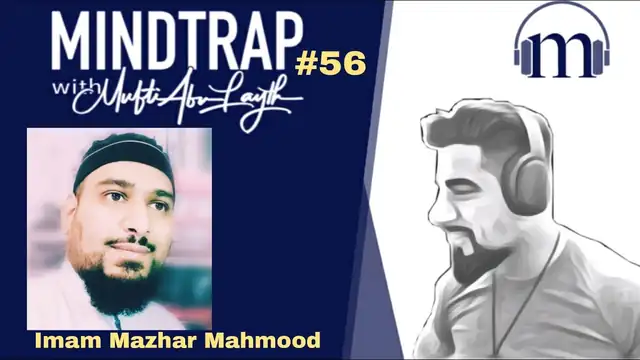 Press play to load from YouTube. Nothing loads until you do.
Transcript
machineauto-transcribed, may contain errors · source: youtube auto · click a time to seek · dotted terms open the glossarylooks like you aged in this sort of period of covet man is it is it the stay at home or what [Music] [Music] assalamu alaikum folks if this still does not stream and you can't hear us then all i can say is you'll be damned [Laughter] all right so i don't know whether these chats are
working let me uh close that and start off the chats again all right there they are all right i've got the chats now people ah let's have another attempt um following our last miserable
attempt to to dialogue with the imam himself so i'm gonna have another go if this doesn't work there's the profile picture once again imam mazar mahmood people the one and only allahu akbar imam shakra and shukran for having me on once again so i'm just going to this time just run a a a check and if the people say right
let's see let's do a sound check people what do the judges say good to see you they say you're trying to do a sound check and they say good to see you [Laughter] do you see the ummah we have to deal with the imam mas all right so one for you know taking your time like that um it's a pleasure to have you here and i know we were discussing away a bunch of things but nobody could actually hear what we were saying
well it happens in life sometimes when people actually hear you they don't hear you allah in life that people didn't actually listen and they didn't actually speak when they were meant to speak so talk to us imam saab what is going on now uh in terms of the audio uh are you getting some feedback from you no from them from the viewers can they hear us
now oh right okay okay yes of course yes uh they can hear you loud and clear so globally of course we're seeing that whole afghanistan thing but locally we're dealing with the the delta plus delta virus in terms of the kovid unlike many other masjids and islamic centers our our masjid actually has a physician's board so the physicians board yeah wow so they actually made a very rational decision to still keep the
you know public programs limited right because at the end of the day the health of the people matter uh in fact one of the doctors just yesterday was telling me they're seeing an effect of this delta virus and children at a at a rampant level it's it's crazy people are you know in hospitals and the hospitals are full at times especially here in the illinois area and many other areas so now that sort of motivated them to advocate for the third booster shot so hopefully that will be the final shot that people will be taking as
researchers say but in terms of the whole you know islamic uh center activity scene things are very limited and it should be that way our safety matters the safety of you know people matter and in fact these doctors are actually reaching out to universities and schools and telling them as well that keep an on keep that online option going for people because at the end of the day it's you know a health issue and you know health matters are very important they matter you know what about your classes and your uh i know you you do counseling with the community as well and stuff like is that
has that increased is that still the same i mean what what have you seen has increased during corporate uh i i've dealt with so many divorces believe it or not at times divorces yeah uh and actually trying to reconcile and reaching out to mental health experts to sort of assist me in that regard but you know divorces are at a rise in our muslim communities uh during this whole covet situation the only thing that i think do you feel that's just a muslim community or because i've read that's everywhere you know that's not regardless of faith
but what i deal is deal with is generally the muslim community but it probably is that uh at a rise everywhere you know regardless of the backgrounds um and religions or whatever you know that's interesting because you see what it comes down to one of the key issues is how as human beings our fundamental need for space and this says say that we're social beings we need that sort of yeah but we need our
actual physical space and people sometimes um may underestimate the value of of that and you can see in things like kovid where people are forced to stay within proximity of their own spouse or people that they are near and dear to how it frustrates them and it frustrates everyone i think involved and and it's just i i i feel this is something which is so overlooked especially within the muslim communities because you know muslims
often i i know in the uk i don't know about the us but they they they have these kind of like joint families where they uh live together so they'll have like you know brothers and and their wives and and everybody and the parents and this whole kind of joint occupancy yeah it's not like that here whatsoever yeah people want their own especially in the small towns where sort of myself and others are located uh where there's like you know even in terms of the spiritual religious realm there is as i was mentioning to you uh demand for even imams right so
i would say that i'm the only person who studied at some level for a hundred miles although we're the only nation that use uh use it is this because is this because you're live streaming from a desert [Laughter] i'm only messing imam is you know what this is the states they value the imamship i have to say that that is true um it's it's also the the muslims there are a different kettle of fish so to speak all together or different it's the next gen right there they're more educated the millennials they're
getting into you know things like human rights and uh i think it's it's important it can't be um overlooked that the muslims in america i feel for the most part are a kind of middle class uh up i mean they stem from at least the middle classes whereas in places like the uk they were clearly the working class they were not working they were not so the muslims that came over from pakistan let's say to here were rural working class people they were not middle classes that so they were not
people from the city folk that migrated and were educated and so it's they brought with them their lifestyles and mentalities and then amplified them so yeah you know what i tell people if you you know it's such a blessing to live in this land where you sort of have the ability to understand faith without any bounds right so in terms of even understanding the whole islamic you know religious aspect of islam and learning the faith you don't have
anything keeping you keeping you bounded from understanding the true you know genuine message of islam even if you're sort of involved in a certain sectarian background you will always have that ability that moment that comes in your life where you have that you know that the light bulb just lights up and you have the ability to think out outside the box right that moment won't show up no matter what because of certain situations that you'll go through in your life uh may be you know in reference to myself and others colleagues in terms of how their attitude is towards you for other people it's you know
what they're hearing on uh right wing media for example that'll sort of turn their light bulb on and they'll begin exploring and understanding islam yeah towards islam or other whatever other faith other religions wherever a person comes from at the end of the day they'll have the ability to understand faith for what it actually is what it actually represents that you know what it's not a systemized thing it's not institutionalized rather it's a journey of one's own self right it's your own journey that you have to sort of take care of and at the end of the at the end of the day
it'll take care of you now sometimes as i was telling you in reference to people who are in the academic world or in the imam world that may happen through enemy discussions or research um or in terms of further reading or coming across people like mufia boulev do you feel that speaking of the ilmi world um academic discussions do you feel the the kind of the religious illness world is an academic one no i don't think so
yeah i mean i've no i've sold it's it's ironic because it's not it's not at all and unless once again you're you're aligning yourself with like-minded people who have that you know intuition which is next to nature in terms of um you know wanting to study wanting to explore the rules you know if you're not aligning yourself with that crowd and you're just sort of aligning yourself with crowds which which say that it's either it's either what so and so said or it's either nothing else right it's either that or nothing else
then you're not going to then you're going to then with all due respect to once again people who are uh you know naturally dealing with autism and whatnot then you're just self-proclaiming to be autistic right you're just bringing autism upon yourself because from one perspective the religious religion is nested in a whole lot of learning because to have an understanding of the faith one must really spend years upon years invested in learning about the faith so studying
things like theology to history to tough seed and principles and legal theory and you know grammar and rhetoric and creed and philosophy and all this stuff so there is a hell of a lot of learning that takes place but it doesn't really produce um um it doesn't produce academic kind of minds which is which is both quite you know it piques your interest and it's it is disappointing as well at the same time but uh it is quite hmm it's that's interesting how can somebody read and
read and read for eight years and then just to not go on to read it's a you know honestly it depends on the context where you are what kind of a an ideology your institute is promoting you know are you being taught after given literally given these sciences uh are you being taught that you don't have the ability to utilize these sciences to access other material is it that or is your sort of uh institute that you're studying at objective or once again like for many people like myself it may happen later
on in life where you question certain things that you know why is this happening why this sort of a hierarchy in terms of um holding on to a certain cultish idea and then you just escape from that on your own right but if you're going to places which are sort of based on these academic foundations so there are there are institutes like you know this and that where there is a wide sort of uh diverse range of people no of course no i mean may allah you know make things
easy as well and enlighten people i mean what about the regular kind of folks uh a regular folk that you are making contact with especially stateside i mean i know you said there's a lot of family issues going on do they seem to take in what what are some of the other that what are the common issues that are being bounced up nowadays i mean obviously divorce is one as you've highlighted which is that something something that we're dealing with in north america per se is you know losing faith which is a big thing at the end of the day and at times i would say that we are the proponents of that
we are the people to blame you know putting it bluntly because of us giving priorities to just you know our own cultish ideas and forgetting about what the next generation is dealing with what the youth you know what that millennial is dealing with you know why are we not focusing on that uh what kind of challenges they're facing at school in terms of you know you know various things today we live in a very you know convoluted world where new challenges are coming about every single day why are we still just stuck on uh you know stuck on old ideas and in
turn and just promoting those old ideas um you know one of my teachers used to say something very interesting he used to say that the true the true fakie is the one who has the ability to apply the message of the quran and the sunnah according to their context they're not still living in that well and emptying buckets you know what do you feel uh some of the probably understand you know absolutely i was i was gonna say what do you feel are some of the core reasons that
place people's faith into into jeopardy you know in the in in the light in light of atheism what are some of these things that are making people um struggle with their faith what what do you come across what are some key variables i would say once again for many people it's trying to find that balance because of either family or either their ulama or their mullahs trying to find that balance or trying to find that balance between what actually faith is in contrast to cultism or
sectarianism you know basic habits how can we refine faith from these elements that's one thing number two when you tell a young man mind of today that stop thinking stop thinking that's not gonna work right allah subhanahu wa ta'ala has made us people who naturally use our minds that's why if you're not sort of transparent with your flock when you say stop thinking sorry
sorry a time will come where they will deem you to be that liar that oh you didn't give us the full picture in terms of a certain understanding or a certain opinion or whatever you know because i was going to say when you say stop thinking just to clarify what you know to qualify what does that mean because people will say who says stop thinking nobody says stop well they don't say it but in terms of their attitude that okay well our academ or our scholars or a certain segment of ulama have stated this you can't think beyond that right this is what it's not it's not more saying stop
thinking it's well this is the way of our academ this is what our elders have stated right um in this in a similar manner you know i was talking to muhammad william he's i call him my older brother we were talking about the niqab yesterday okay you know the father won't necessarily mean for the viewers we've had mohammed william on mind trap in in a previous episode so do check that out in an average context the father won't necessarily say to his daughter that where the nika it's not wajib but those who hold that understanding right in fact one may argue that you know is
it even a part of the deen or not right so uh in you know in that context sorry in a context where the father is telling the daughter that the niqab is wajib the niqab is she sees her sisters engaging in that practice of niqab her mothers her aunts whatever and then then a time comes where you know she puts that veil on her face whilst not having the mental ability to think anymore that is there something beyond this or is there something beyond this thing that my father is
telling me you get what i'm saying that i don't have the ability to think anymore because it's been told to me my entire life that this thing is wajib and there's no other sort of opinion besides this not being told the diversity of islam they're not not being told about the diversity of islam and i tell my congregants all the time right that no matter how bad you know you feel by me saying this to you but if you are sort of engaging with a crowd of clergy or scholars who are limiting your understanding of the deen by not telling
you the full picture and you are sort of translating that to your children yeah you're translating that to your family well our youth are smart man a time will come where they will see that you know what maybe the clergy or maybe my parents they were lying about this matter that you know a certain matter is more diverse than what it's made out to be and that will either take them to further studying or it will make them hate the dean right rigidity rigidity in in the deen is definitely a
a stumbling block towards atheism um it's definitely a stumbling block i'm not saying it neces by necessity leads to atheism but it's a stumbling block um what are the do you not feel that it's also the human connection as in human interactions because a lot of people who i feel this is often a major trigger as well for people who abandon the faith there is definitely the rational element that they have probed for example into certain questions they have been knocked back
been shut down told off or not found a suitable response but i also find it maybe even a greater element of how they've been treated but but mufti that goes back to sort of what i'm saying at the end of the day it goes back to that concept of limiting people's understandings you know you're talking about people not having the ability to converse properly or express their emotions in terms of faith matter but what does that go back to it goes back to the at times you know i hate to say
leadership at times it goes back to that or at times it goes back to a certain rigid or backwards understanding of the deen or once again a cultish understanding of the deen if you're talking about religion so for example you know if a general youth a young man or young woman is going through certain doubts and they're going to the clergy right and the clergy is telling them that well this is what you have to believe you're not giving explanations they're not giving any rational uh thinking points to them what is that doing that to that person it's deterring them away that you know
what you mean you know what i say is i mentioned this on my show meaning with mom that there's a misconception that people have it's a misunderstanding um and that is that you see we as muslims are too you know we are it's highly recommended to speak of the glory of you know to to to invite others to partake in the faith let's say to share what you have to share it's it's highly encouraged that people always share you know when you've got something good going on uh
there's a good business deal going on i'm gonna share it with my friends there's something good people want to share the faith and that's that's a good thing there's nothing wrong with that that's you know people want to you know spread the love they want to spread the joy the issue is that when it comes to sharing the faith we are only allowed to be and this is the remit the area for that it's about the glory of god and it's about how this faith may be so amazing for you it's about how it may give you a deeper meaning it's not about
you're never meant to be sharing the rulings it's not about because the rulings most people are not qualified to teach the rulings secondly the rulings of islam are not to be preached they can be they can be advised if you if you're qualified so it's like medical you can't just go around preaching medical advice you'd be in trouble i mean um you could say to a friend that oh i don't know you know my doctor told me this you know that's what i'm saying and fine but to say
you need to do this this when you don't have a license yourself is is there's ramifications secondly even if you are licensed let's say you are a qualified uh teacher within islam it is only for teaching purposes it is not for preaching so when imam malik was asked that does one argue does one argue over the sunnah and debate over it so imam alex said la he said he said at most he can tell what it is i can inform you ask me what is it i say this
where you talk i i'm not even meant to debate over it this was imam malik so i feel that what happens is people they maybe they haven't learned or they haven't realized the glory of god because that's what you're meant to be talking about you know you're meant to be talking about this thing is so amazing for me why because it does this you know it's made my life so positive god has done all these wonderful things for me but what happens is people end up talking about akam that oh insha you need to be praying you need to be growing a beard you need to be covering
your hair you need to be doing this this the akam are a tiny part of of first of all they're not even a part of that 150 to 150 uh in the quran yes so that's the the mukha uh enumeration of it so he says well the verses of so the verse of the quran six thousand two hundred plus and he said well a hundred and fifty were akam and some people took it up to 500 let's say uh you had ibn jose and other people they
put up to five but even 500 from 6 200 verses is is a small amount so the beauty and the amazing aspect of islam is really the glory of god and how this theme adds value and the rulings are a personal thing you know to me i do this you may ask me i share my thoughts with you you know that's it and you may ask somebody else and and it's not something to get all kind of you see it's a personal aspect like so let's say i feel something is haram that's wonderful okay let's say you feel
something's haram that's fine you know you you don't do it if somebody said i feel that music is haram then don't listen to it you don't need to worry about the other person you need to just yourself not listen to it if you feel that look i feel watching tv is haram then don't watch it because if you feel it's haram and you're still doing it you're going to be struggling with this with a burdensome and an insurmountable amount of guilt yeah the other person in islam there is a wonderful amazing diversity now some people may not believe it's haram they
may say well i don't believe music is haram because these scholars have said it's not so fine that person listens to it you know it's not we're not here to police other people we're just here to police ourselves so i think something is obligatory i do it i think something is forbidden i don't do it and what i take to others is the glory of god i take the majesty the amazing how this deen adds positivity to my life the the the wonderful character of the prophet salallahu i take this i don't take rules i and i think this this this thing that i'm saying has
some way it's been kind of you know it's it's been lost along the lines yeah it's sort of that it has sort of title uh even when you look at first references the center point of the week where muslims meet it's a social thing uh you know we're advised to speak about vikra you know it's not which are sort of talked about in the right very very rarely did the messenger muhammad sallallahu alaihi wasallam display such so you know like this discussing
you know today the average you know if it's not about current day affairs it's going to be able and you'll see the fact that uh people when they cancel others what is it based off of it's based off of which is a subjective issue it's not as you mentioned to be generalized and generally preached somebody somebody asked only christians talk about the glory of god that's i'm disappointed to hear that and they said that we as muslims should know how to conduct ourselves well well first of all i think that's a a comment that should be kind of addressed
so anybody who says that only christians talk about the glory of god has never read the quran allah speaks about his majesty and glory right throughout the quran in another way mufti in terms of practice in terms of preaching yeah and the other thing i was going to say just going to the second part of the comment that we as muslims should concern with how we uh how we conduct ourselves absolutely nobody is to downplay the message of islam when it comes to conduct but what we're saying is that that is a private message
you see and islam has a beautiful diversity to it so when i learned something that how do i pray in islam we have at least four documented methods which all absolutely disagree on halal and haram absolutely in almost everything they disagree almost everything one can even argue that scholars and beyond the four methods we've have we have uh whose opinions are documented some methods may not be entirely documented but still the rulings are documented scholars have almost disagreed on everything it doesn't mean
we're here to say who's right who's wrong we follow whatever we follow so i may say i follow this this is my private space it's my private practice i believe something to be obligatory i do it i believe something to be sunnah i do it i believe something to be haram i refrain from it what i don't do is preach this aspect you can teach there's a difference not preach you can teach this if you're trained yeah just like medicine you can teach it if you're trained you can't preach it okay there's a big difference so just to clarify what
people so when the prophet sent people to speak about islam he always said just call them only to allah only to allah and if they accept allah then tell them i'm a messenger only if they accept that then you can teach them and this was the prophet telling them that okay you can teach them that there are five salahs that they pray now nowadays what what goes on here the open dawah scene the problem is trying to preach akam you see whose mother are you gonna preach who's are you going to preach the other person
what makes you think they are hanafi what makes you think they are according to that goal or are they or are they humbly or are they maliki what makes you think one madhab is more right than the other like let's take food as an example according to the maliki method almost every single thing apart from pig is not haram every single thing is not haram whether the you know eagles crows elephants kangaroos wolves tigers lions nothing is haram apart from and this is imam alex and this is this is the mashur in so they may say it's discouraged it's not haram but and you'll have the
hanafi's where you know all these things will be haram and you'll have the shafi's which will say well in between so the question is it's not about who's right who's wrong people have their practices we respect this is not about preaching it's about just teaching if you're qualified if somebody asks you you can say look this is what my teacher said to me i don't know and you leave to leave it to that you know as much as i sort of disagree with the whole shafiri approach of viewing hadith but i love something that imam shafi rahimahullah says and you know using it to substantiate
what you said uh you know he he basically says that you know um each man is not to be generally quoted he says are only regarding this is in the salah by the way he says that you know ijumar is in reference to indisputed matters like for example the four rakaas of salah or the hammer from dates being you know haram this is where ijuma is quoted and then he actually you know look at the integrity of genuine scholarship this is what i love you know transparency he says that i have issues with medina i have issues
with the people of medina but if i see that they hold an opinion which is contradictory to my opinion then wallahi i won't quote i say you know props uh imam and jeffrey this is you know amazing man you know imam shafi actually has an amazing uh statement and it's uh it's also uh this statement's from his um actually where he says that we are not allowed to discredit someone based on their faithy differences so he says what if somebody considers
he actually quotes and he says what if somebody considers for example music or something halal and he actually quotes these examples because the scholars in his time did disagree on this stuff now so he says well we disagree with them but we can't he said that we'd we we're not allowed to say that person is a faster or that but even if i believe that thing is haram because for me to do it he says it would be fist but i can't call him a fusic because according to whatever he the interpretation is on even though i disagree with it they feel it's it's permissible so
this was a a kind of beautiful statement about tolerance you know speaking about religious teachings especially when it comes to akam we've got right now uh the taliban coming to into power in afghanistan um i mean i suppose everything's a bit up in the air people are really confused because this is an interpretation of islam which is hanafi but also it's not like turkish hanafi which is or syrian or syrian hanafi which is hanafiyan the the you know the resting place of the
last major hanafi's in in the world was the ottomans and people like abedin and those people but you see it is a an afghani hanafi film which is very culturally um it has a cultural strong cultural veneer to it so and people who don't practice according to that way um i don't know i i mean because they've only just got power now so we don't know what's going to yeah but but you see all these uh you know news interviews coming up where uh you know the cnn correspondent asks
the mawlana sabha from taliban that you know you're you know all of a sudden you guys are sort of promoting women's education and whatnot but you know so how is that going to be so he said it's going to be based on islamic principles whatever they hold to be islamic principles so she said what does that mean so he said that you know the woman will basically have to wear a hijab so the cnn correspondent she's actually wearing a headscarf and she says you mean like my hijab so he says no they have to wear the niqab so then the cnn correspondent asks that well
is isn't nitab not even an islamic thing so basically the mawlana sabha responds by saying that no it is an islamic thing so basically you know they're i thought wait a minute i i heard from someone that taliban said that we're not going to enforce them to with the nikah they just have to wait one of these spokespersons or maybe it's just one of the uh scholars on the streets but no he said no they will have to wear the nipple right okay because i i had heard from that they announced but then i don't think i don't think they organized to be honest i don't think i don't i i think it's kind
of like a fluke yeah maybe that's not maybe that's the issue but you know allah and him there's you know only allah knows what's going on going about on the grounds because you know you're seeing so many conflicting uh images and videos coming from that region and if you're not all if you're not on the ground you genuinely don't know what's happening right um in terms of this situation if this is true then that only tells you that yeah we will sort of accommodate for women's rights but based on our understanding right if this is true i mean i you know the whole taliban thing let me just go pull something
out of the oven sure you go go for it man you go for it so people uh till look at that amazing view that looks like that view is just right here in my room almost it looks like the way the camera is putting it all right that's imam mas showing us that unlike you plebs i've got a lakeview
i've got a lakeside view how do you proletariat working class clubs peasants feel [Laughter] i'm just messing so what uh what are your thoughts people supposed to bring that one moment all right there it is i'm just waiting for i'll bring up your comments whilst i wait for um
so yeah it's still too early to say what's going to be the scene in afghanistan you're back i was just telling people that i said uh uh i said that's imam maas showing us that unlike you plebs and peasants i have a lakeside view [Laughter] i'm joking so no it's you know with the taliban thing coming back to that i feel in some ways let like i think that this really should have just happened from the beginning that they should never have been if you they should never have been a military invasion
and because they just don't work and they make things worse secondly the issue is that let them you know look since you can't take it from them and you can't put somebody else in place despite billions of dollars being invested and you can't seem to educate a nation within 20 years for some reason and you can't seem to develop an infrastructure for some reason despite billions and billions then let them rule it because the way i i'm thinking is that you see ruling a country is incredibly difficult that ruling anything i mean just forget a country i like i gave the example of
trying try and set up an institution you know just run a household and then you just keep building you know to run a group a network a neighborhood organization accompanying a you know corporation a conglomerate imagine getting at a level where you're running a country it's it's not a joke dealing with ministries international relations resources global economics it would you see this has come i feel too s like totally unexpected to the taliban and right now the discussion can be that oh
are women gonna dress like this are they gonna dress like that or should we sit in bumper cars or should we kind of do this kind of like little jig with with our guns and dance around and sit in the gym and all these photos going around or eat ice cream but it will the responsibility will dawn down so heavily on them that they'll realize damn this is actually how does one run a country because you can't you know you can't run a country without the world we are a global village and you need you need a global society if you especially if you want to flourish i'm not saying they're going to
die without global networking but you can't flourish you can't prosper so yeah and then you know people people are saying that you know individuals are being displaced and uh you know charities are sort of picking up on that but you know it took 20 years to be honest for people to become displaced it was not just in a matter of a day or a week as sort of people make it out to be but you know only time will tell would love
you know it's a shame because so many people have played dirty politics with and proxy wars using afghanistan and the afghani people uh you know beginning with the russians the cia you've got everybody's just being involved pakistan general zia joel put it best uh joe biden he put it best he he said that you know afghanistan is a great graveyard of empires he said that that's that's a quote that he actually he actually said that in his like first speech about our second speech um
uh about afghanistan news press yeah and president and the question is it's you know it's left because one of the the the british headlines was that so what did they all die for you know and this is a genuine question and it's a shame you know i feel honestly for that these people they you see they are not there's many people who just out of concern and out of good ethics they feel that look there should be some intervention and people should save these vulnerable people and
and soldiers are just toyed with by politicians they are just unfortunately just on these kind of you know how you have in the olden days the puppet masters you have these politicians these people who just sit you know greasing off these contracts and and they just send soldiers who just get killed and do and themselves kill you know and it's you see it's it's not even this there's the element that they they get killed there's the element that when you send someone to a place like that they then commit atrocities which and you know there's something dr
zimbardo in psychology has this and he has a book on it called the lucifer effect and he did you know i don't know if you remember the um stanford prison experiment and it was done in the late 70s and it's an amazing you know like a landmark experiment well basically for the viewers that don't know you can watch it on youtube dr zimbardo what he did was he set up this um prison experiment with fake prison where he got graduates and this is in the 70s and graduates so you can imagine they're not like today you know dime a dozen they were like the creme de la creme
and he got graduates to participate and they were randomly allocated you had prisoners and then you had the guards and it was a 14-day uh or i think a 12 to 14 day project where they had roles and they had to do certain things and you know so the prisoners had to make sure and if they for example do something wrong you had to give them some kind of you have to sanction them and do something and so what they found what he found was people in authority they outright
exploited that power and they went incredibly i mean incredibly nasty and they really stooped to such levels that he had to shut down the entire project within something like six days he had to shut this whole thing down within just six days now you think about that this is a controlled experiment with cameras and people watching it and these were educated people who started to then torture they started to torture their fellow
companions and colleagues so he had predicted incidents like the abu ghraib prison incident and he's highlighted many of his works that when you send soldiers to a place they will commit atrocities it's the nature of the context that you give somebody in a position with power like that with otherwise demonize subhumanize the other they will build on that and they will really you know take it to town so
so you have you know all of this to deal with you have the people that go there they themselves die they themselves kill others you have people over there displaced uh you know losing life a country just going down spiraling and in a single term haraju right yeah in a single term you know the killer doesn't know why he's killing and the one being killed doesn't know why he's being killed right at the end of the day yeah i see saracen shukran much love for the super chat
he's he's just said taliban 2.0 will be different um than pre-911 as they cannot risk being isolationists i think they will involve in or evolve into something similar to saudi arabia religious theocracy plus modernity yeah this is why i said that you know in many ways they should have just given it to them a long time ago because it is one thing to fight for something it is something else to live up to it living up to something is always infinitely or exponentially more difficult than fighting for it
you see because when you fight all you have to do is resist when you have to live up to something the principles and deal with it without having to fight it's it's something else and and this and it really is it defines who's real and who is so yeah allah almighty absolutely you know i wrote something down the other day that um it's often time it's it's it's oftentimes the innocent are consumed in the clash of the elites right you know
honestly the like there's no value for for innocent blood today just people being killed left and right no sort of moral value to that although ireland just started i mean that said i think we are equally in a day you see it's quite paradoxical because we are equally in a day and age which is also one of the most incredible times to be alive you know we it's a paradox because it's on one hand you we have things like this
on the other hand we do also have it is true that you know we are in a time where people collectively the young the old the weak men women all religions minorities animals pets the environment collectively there has never been a time where people or things have had more rights and celebrated as many freedoms as today collectively so there has been where some people may have had better privileges and
freedoms than most you know most people today but collectively there's never been a time where people at large have managed to enjoy these kind of liberties or feel that you know but my right my freedom to this or just even being able to you know see my guests are coming in man i'm so sorry right no no absolutely absolutely no it's it's it's been awful with the technical issues right but it's been uh it's been absolutely amazing discussing uh these thoughts do do you need to sign off do you need to wrap it up let me just open the door and show you sure okay
sure i mean you you you go do that well imam maz did tell me that there was um that's all right still spying on us right there look at that so he did actually tell me that look um um i i do have some guests and as soon as they come i will have to wrap this up so absolutely that's fine and and to be honest it's it's been if i just whilst he's gone there can bring up uh yep all right so
this is uh brother sadiq from my community assalamu alaikum how are you doing right if uh we we have we have two more minutes until all right so people that's been uh you know it's been it's been amazing and entertaining i did want to bounce some thoughts on uh another time inshallah but just very
briefly that since we spoke of the taliban it's interesting that historically there's never really been i think it's almost a modern notion a a desire for this kind of theocracy so to speak that there's never really been a past like we've not had in general muslim empires from the uh from the umayyads bani umayya to banil abbas the abbasids right through even the ayubids or the mamluks being the slaves or the andalusia whether they were omega or the
uh the murabithin or the i suppose one could argue trying to begin because he believed you he may have been the mahdi but generally not them you know followed by the mourinheen or the ottomans people have never there's never been a um like a religious clergy that have kind of tried to rule that's never really happened i mean there may have been tiny efforts like the humbles who tried to lay siege to baghdad and that was just a disaster and then that's why it was a disaster and
um but generally for the most part the rulership has just been kings and politicians and sultans and people maybe maybe the faith maybe the face of the kingdom was the king but the islam generally and you know even in the kingdoms he played a big big a huge role you know the the mufti of the kingdom sort of uh and at times he you know to be honest in many instances many historical references regarding what we i think when you say you see played a role i'm not yet i'm not i'm not denying that they
weren't important in society yeah there's a difference dictating the king at times yeah no at times even dictating the king what example would you think of yeah um i was just reading about uh uh allah skipped my mind anyways um he basically he he he used to have private classes well uh so is it like is it the abbasids the
uh didn't look even in the stronger era like look when they were strong haruna rasheed even look after kills he doesn't like because he hadn't look at amin they he whips imam ahmed they whipped the things they what i'm not saying that okay these are horrible examples where they were being nasty but even where they were being very nice to them so let's say abu yusuf as he's really nice with haruna rasheed but well it depended on the it depended
on the one who was ruling at that time so yeah for example it's uh known about sultan abdulhamid that you know he would take a very great interest to the words of the sheikh islam like it was at times the shaykh islam's words you know you see so they say so what i okay that's a good point because just to clarify in case people misunderstood what i'm not saying is that these people didn't have an interest themselves in religion and islam they would have they were all muslim and some more devout than others you know some probably weren't as devout and some were but the
issue they were never clerics the clerics and the clergy are a different class so these people were always they i mean they may have emerged from warlords or they may have been but they were generally uh kings or dynasts or sultans or even if you're gonna say look sultan abdul hamid ii but in his time you okay because he he had the you know the young turk movement which he was trying to deal with and the young turk movement was kind of taking other stances but even well before that one could argue that he i think it was in the 1850s when they
made the tandem they kind of decommissioned the um the sultan from having absolute power and they said now the parliament would have power so in his time was he just nominal or was he how powerful was he uh but i mean that's that you know we get we cannot take a whole discussion this has been it's been epic man i dearly appreciate it i don't want to hold you back much love and shukran for taking the time out uh imam it's been good to kickstart the mind trap again with your presence have a blessed
having this conversation with you guys uh hopefully many many more to come and uh stay blessed like always inshallah guys that was imam signing off likewise take very good care of yourselves wherever you are remember us and if you haven't subscribed subscribe man subscribe all right
Something wrong here?
Tell us what is wrong and it will be checked against the recording. Nothing changes until a person has reviewed it.
Sending a note needs JavaScript, which is off or unavailable in this browser. Nothing has been sent.
No name, email address or account is asked for or stored, and the inbox does not store your IP address. For rate limiting it keeps an unreadable fingerprint of your connection for 48 hours, and our database provider's own logs record connections as every website's do. Only your note, its kind, the page and the moment in the recording are kept, for review.
Cite this recording
Stable id, transcript version and tier are part of the citation. Every change to a transcript is logged.Mufti Abu Layth Archive, auto-transcribed, may contain errors. https://muftiabulayth.org/r/93tpqvh5vsg/ (accessed 1 November 2026)
- APA 7
Mufti Abu Layth. (2021, August 20). Imam Mazhar Mahmood | Tradition, Taliban & Theocracy | MindTrap#56 | Mufti Abu Layth [Video, auto-transcribed, may contain errors]. Mufti Abu Layth Archive. Retrieved November 1, 2026, from https://muftiabulayth.org/r/93tpqvh5vsg/
- Chicago author-date
Mufti Abu Layth. 2021. "Imam Mazhar Mahmood | Tradition, Taliban & Theocracy | MindTrap#56 | Mufti Abu Layth." Video, auto-transcribed, may contain errors. Mufti Abu Layth Archive. Recorded August 20, 2021. Accessed November 1, 2026. https://muftiabulayth.org/r/93tpqvh5vsg/
- BibTeX
@misc{abulayth-93TpQVh5Vsg,
  author = {Mufti Abu Layth},
  title = {{Imam Mazhar Mahmood | Tradition, Taliban \& Theocracy | MindTrap\#56 | Mufti Abu Layth}},
  year = {2021},
  month = {8},
  date = {2021-08-20},
  howpublished = {\url{https://muftiabulayth.org/r/93tpqvh5vsg/}},
  url = {https://muftiabulayth.org/r/93tpqvh5vsg/},
  organization = {Mufti Abu Layth Archive},
  urldate = {2026-11-01},
  note = {Auto-transcribed, may contain errors}
}