
Recordings › MindTrap with Mufti Abu Layth
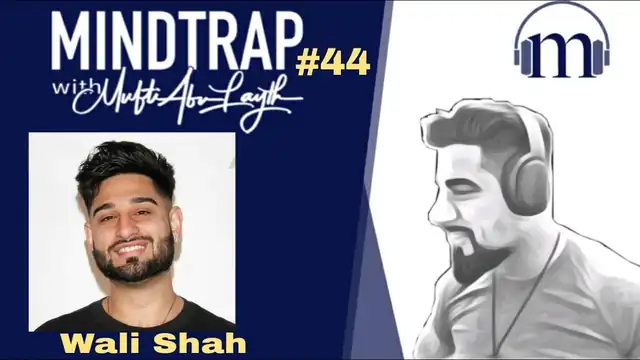
Wali Shah | Self-questioning, Self-righteousness & the Spoken word | MindTrap#44 | Mufti Abu Layth
salah salat salaah namaz salaat namaaz as-salah al-salah salawat hadeeth ahadith ahaadeeth hadis hadees ahaadith malik ibn anas malik bin anas imam maalik imam malik ibn anas imaam prayer leader janazah salat al-janazah namaz-e-janaza janaza prayer janazah prayer funeral prayer ramadhan ramzan ramazan ramadaan maaliki malikite malikiyyah maliki school muftis haraam forbidden kufr kuffar kafir kaafir kufar kaafirun iman imaan eemaan eeman qiyamah qiyama qiyamat yawm al-qiyamah yawm al-qiyama day of judgement jahannam jahanam jahannum koran quraan al-quran sura soorah surat suwar soora chapter ayah aya ayat ayaat aayah aayat sahabi sahabiyyah sahabiyat ummah umma ummat madrasah madrassa madaris madrassah religious school walee awliya awliyah guardian hijaab hejab hijabi in sha allah insha'allah in shaa allah insha allah inshaa allah subhanallah subhaanallah subhanallaah as-salamu alaykum assalamu alaikum assalamualaikum salaam salaams salam alaykum wa alaykum as-salam greeting duaa duas duaas supplication ikhlas ikhlaas deen al-din ad-deen ad-din rahmah rahma rahmatlive stream · 1:13:18 · 4,000 views · 21 Nov 2020 · Open on YouTube
 Press play to load from YouTube. Nothing loads until you do.
Transcript
machineauto-transcribed, may contain errors · source: youtube auto · click a time to seek · dotted terms open the glossary[music] All right people. All right. people.
All right, welcome back to Minecraft with MUI. We've got another very interesting episode for us tonight. First of all, before we just go into that, just want to check that. Let me just check that the sound is coming through fine. Let's do a quick audio check. any issues. I can look into that.
Let me just check the Facebook feed. All right. Seems all right. Seems to be okay. The YouTube just m All right. What is going on people? You're doing it shad man. Look at that. M your voice. My voice. Don't say there's something wrong with it. Is it not coming through?
Oh, no. It's audio is all good. All right. That's what we were waiting for, people. That was the queue. That was the the signal. All right. So, bringing up a picture, right? Just bringing up a right a picture right here of the esteemed guest tonight. Look at that people.
Wally Sha from Canada, a poet, a somebody a high performing asset people. Look at that right there. Somebody just just walked right out of a modeling campaign. Let's bring him right on to the show. All right. Look at it gone. You're doing it.
You're doing it. Walaykum. Assalam brother. How you doing? I'm good. I'm good. Shukran. So let me just see. Why is this a So just checking your um your voice feed to just check that yours was coming through fine. Yep, it is. Right, Shukran for coming on tonight, taking the time out to Mine Trap.
Thanks for having me on, man. I'm excited. I I can't I was so excited for this, man. I just, you know, I can't wait. I couldn't contain myself. I'm just so honored to be part of this show and to get a chance to talk to you, Muy. Shukran, man. Shukran. Right. So, Wally, tell us a bit about yourself, man. For people that want to really come to discover discover the the truer you.
I mean, you're on Instagram, you're on social media, you're a poet, you're a storyteller. What does that even mean? And what is the journey leading up to here? Go for it, man. In your words, that's a loaded question. You start [laughter] off. Okay, let's start. Let's I tell you what, let's start off a bit about yourself, your background, your where you're from, where you reside, and we'll build it up. So, go for it. That's that's a lot simpler.
Go. Yes. My name is Wally, and uh I am I am Pakistani Canadian. I moved from Pakistan with my family when I was 3 years old and we've been living in Toronto, Canada ever since. Um, we actually live in in a city called Missaga which is a few minutes from Toronto and uh, you know, I'm a huge fan of of rap and hip-hop music and spoken word poetry was something that was a big part of my life growing up and is very connected to rap and hip-hop music.
And so I started writing when I was about 16 years in high school. And you know, looking back, I really never thought that I'd have a professional career as a poet, as a writer. And uh you know, just fast forwarding, just to keep it succinct, uh you know, I've gotten the chance to write poetry for for big corporate marketing campaigns, uh do voiceovers for companies like Microsoft, and uh travel around the world and perform for individuals like Kendrick Lamar, um perform with people like Barack Obama.
And so, you know, it really has become rapping rapping with Barack Obama. All right. Kendrick Lamar [laughter] doing it. All right. All right. So, uh so the so what you did with uh uh Barack Obama first of all, I mean performing with him, what was that about? Was that just uh give us a little glimpse into into what you did?
Yeah, that was fun, man. So he Barack Obama came to Toronto to give a keynote presentation. And so uh I had the opportunity to close out his presentation with a poem thanking him and that was a lot of fun. And I actually got to to hang out with Obama after the show. And when I met him, there's like 12 uh Secret Service guys standing at the door before you go meet him. Um and so I go in and I shake his hand and like it just felt like I had known him for so long.
And we were just having a couple, you know, we're having a laugh and uh I had like a few minutes to talk to him and at the end I invited him over for dinner at my house. I said, "Look, President Obama, you know, my parents will cook you a nice South Asian inspired dinner. You got to come over." And Obama looked at me. Obama looked at me and he laughed and he said, "Only if your dinner table can fit 12 members of the Secret Service, otherwise [laughter] it won't be possible." I was about to say, "Whoa, did he actually come to your house?" I was like, "Wow." I know.
That would have been the best story ever. I swear he should have just made that part up. Just just just [laughter] go with it. Yeah. Yeah. He came down. We had Buryani. I know. So, and and and alongside Kendrick Lamar, who you you were shocked that I didn't know who Kendrick Lamar was. [laughter] I was about to stop I was about to stop this before it started, man.
So, yeah. Tell us a bit about that. the opportunity you had there. You know, when I was in high school, just a little bit of a a backstory here. When I was in high school, me and the boys would just, you know, we'd freestyle. That was some of the things that, you know, just kept us entertained at lunchtime after school. Someone would drop a beat on the cafeteria at a lunch table and then someone would just give them a word. Wall-E rap with the word muy.
I'd be like, "Okay, listen. Yo, it's lunchtime. I'm trying to get a goofy on Mind Trap with my homeboy Muy. [laughter] All right. We would do stuff like that, right? And that's when I started getting into rapping and freestyling with my friends. Um, but I put a couple I've put a couple tracks up there on YouTube and um there was an opportunity to perform here in Toronto at a couple different uh venues and I did that and one of the opportunities that came up was to perform um you know at a huge venue and and Kendrick Lamar was going to be there and so he was backstage just about to go on um you know stage you know in a
little bit and so I had caught him at at a time where he was backstage and moving through the hallway and I was moving through the hallway at the same time and And we just we just stopped and I said, "Hey." And we talked for a little bit and I was like, "Look, man. I got to show you my skills. Like I got I got some fire right now. I got moves here. You know, I got moves." I had to [laughter] let him know, man. I said, "Look, man, my bars are hot like janum, you know." So, [laughter] you got to hear this.
And so, um, my friend Matthew, who was with me, he started recording the whole thing. And me and him actually, uh, had a little bit of a rap session together, which was a lot of fun. So uh you know it was a crazy story man. Wow. Wow. Wow. Wow. And and you do this now providing these kind of uh poetic short stories and and just poetic landscapes for corporations and things like you do that as a living now.
Absolutely. Wow man. So a lot of the projects that I do will you know the voiceovers that you hear and commercials. Yeah. That is my voice. You got you got I told you this when when you sent me a voice note. I was like, you've got a voice, man. That voice can just kill it on radio. [laughter] As in as as Muy Abu would say, I'm doing it, man.
I'm doing it, man. You're doing it. [laughter] [gasps] So, wow. So, you've spent most of your time in Canada then, Canada and the US going fluctuating back and forth. Okay. But being raised in a um a traditional DIY household or how how how would you describe your kind of upbringing?
I'd say my mom was definitely a lot more conservative. My dad a little bit more liberal. So, you know, also I think there's a real big double standard in the way that South Asian boys and South Asian girls are raised, whereas, you know, I had a little bit more freedom than per se my cousins did that were women. Um, so you know, I had a little more freedom and opportunity to go do more things. Um, but my mom was always very strict, you know, in terms of, you know, go read the Quran, pray and all that stuff.
Um, never really connected with Islam or uh, with even my culture at a young age because growing up in the West, you know, as a young dude, you want to be the popular kid. You want to be the crowd-pleaser. Uh, and society will tell a lot of young boys that what it means to be a man is to um, you know, participate in sexual conquest and sexual, you know, have the money and have a nice costume.
That's a poetic title right there. Conquest. There you go, man. [laughter] Yeah, you got I like this. You got it. You're doing it, man. You're doing it. [laughter] So So, okay. I mean, and when you say uh not really settling with the culture, I suppose you've got the whole uh what you're are we're speaking about values there more so than the culture.
Is that what we're Yeah. I mean, that's exactly it. You know, I grew up in a home where uh the values were were very important for my parents and when I went to school, when I was when I was hanging out with the boys, like it was it was a different story, right? And uh growing up with um with with a family that was South Asian, there was an immense amount of pressure to do well academically.
There was immense amount of pressure uh you know to get a good job. and you're you know most South Asian immigrant parents will sort of sit you down and say Veta listen you know you have to be a lawyer doctor engineer that you know [laughter] and so my parents were were very much like that and I was like I'm not having any of this I can't do any of that you know I didn't connect on that level with them in terms of their values and their um their their vision on what they wanted from me you know I wanted to date I wanted to you know be an artist like I was just completely against the grain in every way that you could possibly think of.
And so that's that's basically how it was growing up, man. And part of that as well was you had a a whole stage where you struggled with the faith as well. There was multiple stages of my life that I struggled with my faith. But I think predominantly when I was younger, it was trying to find uh you know, my identity. uh being really ashamed of being this Pakistani Muslim kid.
You know, after 911, okay, Muslim kids were not safe, man. They got bullied left, right, and center. You know, you got the you got the terrorist jokes like kids that had the name Osama, they just changed their name to Sam. Like, you know, there was there was a lot. I didn't realize people had that name actually, Osama. You know what I mean? And I uh you know, I always felt like I wanted to just be be be the crowdleaser, be be the cool guy.
And I remember getting into um a lot of fights when I was younger. And uh you know, being arrested when I was 15. Um you know, that really sort of gave me a big wakeup call. That's when I first started thinking about, you know, why why are things the way they are? Why was I born into a an immigrant family that was poor? Why was I, you know, placed in a situation where police didn't respect people of color like myself? You know, um, you know, I started really doubting and trying to understand like why was the world almost out to get me in a sense.
And it kind of pushed me away from God because I almost looked at, you know, God is or what I was told that God was was this like allloving, all like kind being. But then I started thinking, well, God hasn't really been kind to me lately. like I've, you know, been treated like trash by police officers that, you know, there's teachers at my school that, you know, couldn't care less about kids like me and there's, you know, people in the community that politicians, leaders that, you know, are blatantly racist.
Like, where's God in those situations, you know? So, at at a really early age, I really began distancing myself from faith. Um, and and I never really felt like I connected with like the Muslim kids at school because, you know, first there weren't that many and second there were like the real Fabi kids, you know, so like they, you know, had a little bit of a different perspective on things, you know, they they were they were the type that were ka and chuples to school, you know, and I didn't want to be that guy. I wanted to wear, you know, [laughter] Jordans and Nikes to school, you know.
So, there was a really big disconnect at an early age for me. Were you sent to Madrasa or or masid to learn how to read the Quran? You know how it is? I know it's very common here in the UK. I don't know. I'm assuming it's there's a bit of that in in Canada and the US as well. You sent the Mulvab kind of introduces you to the Dunda [laughter] or may may maybe not over there.
You know, the Dunda or the Chapel, you know, you you pick, man. They they had an arsenal, bro. They they have a they have a list of of artillery that they use on some [laughter] kids, man. You know, the the mental torture here when we were uh growing up and we were I'm obviously a lot older, but when we were going to masid, what they would do sometimes the the uh is he's got a bunch of kids and he's about to batter them. Yeah. So, it's it's it's it's time like he's made them stand up.
He's made them be a mura. You know, you got to bend over, hold your ears, that kind of stuff. Now, [laughter] I don't know what weird fantasies those are, but anyway, then he would get one of the kids and he would say, "Okay, you've got to go outside and find a branch, and it better not be if the branch is just too thin, I'm going to beat the hell out of you with it. And it's got to be like a reasonable, you know, like a strong, flexible branch." and he knows what he's bringing back is is for him and the rest of them to get beaten with.
[laughter] That's just some next level mental some mind games going on. [laughter] You're like torturing the kid mentally. He's like, "Which stick should I take in to get beaten up with?" [laughter] He's like, he's like, "Man, this [laughter] this stuff made me sit like a mora for 20 minutes. Now I'm about to get my head cut off with a stick, [laughter] man." You know, I was about to and the and the other kids, they would be like to him, "Uh, make please like pick up like a soft a soft branch." [laughter]
Yeah, man. I relate to that so hard. That was what it was like. I I got sent to Quran class when I was um when I was younger. I I I didn't like it very much. I I dreaded every moment of it. Um part of the reason was I I didn't understand Arabic. I didn't know what I was learning. So, I felt like completely disconnected. And the second part was um the teacher that was teaching it just so we had nothing in common. No. He didn't take the time to get to know us on a personal level. He just came in there like, "Okay, or if he did, that kind of getting to know on a personal level would be the wrong type." [laughter] You're like, you're like, "No, no, that's not what I meant about getting to know me personally."
Where Karis would say, "Come here, sit on my lap." [laughter] That's a whole different That's the type you don't want. And and and you know what? It's funny because I actually I know people that have gone through that kind of situation and it's actually very traumatic and it's it's very disappointing. You know, it's it's a sad thing to see within our community. Um, no, I mean, we talk and laugh about it, but obviously, but it's it's it's a an absolute tragedy. Yeah, it is.
It absolutely is. But, you know, I I I think back to when I was younger. I'm lucky I never had any situation like that, but I remember dreading every moment of that Quran class. I couldn't wait for it to be over so I can go play basketball with my boys, you know? And and that's just the kind of relationship that I had with the Quran and with Islam as a young as a young kid. And it wasn't until I got much older that I really sort of reconciled that.
Yeah. So I mean it came to a point with you uh where you actually left the faith, you left Islam. Um what I mean what led you to that point and what was that about? What kind of drove you through you know past that final that the final straw? There was a lot of things that led me to it. I'll talk about the final struct you know o overall my my my first initial thoughts was you know what this religion is holding me down it's not letting me do the things I want to do I want to I want to go out I want
to party you know I want to date I you know I always felt like I was being so restricted for at this stage all Muslims watching this who obviously are still still doing all of that are thinking yeah Yeah. I mean, what's what's the actual problem here? [laughter] Yeah. Well, well, well, here's the thing. Um, Muslims like to pretend they don't do it. They do it. [laughter] You know, sometimes they they do it more than their non-Muslim counterparts, you know.
They just like to they're good at keeping it under wraps. Um, you know, and so I just I never was that kind of person. I never wanted to lie to my parents or I never wanted to beat around the bush or be a hypocrite. So, I just said, "Look, like I don't believe in this, you know." Wow. I just don't I don't I don't I don't I don't want to I don't want to I don't want to lie and be a hypocrite. I'd rather just honestly say that I don't want to live my life like this. And the final straw, you know, apart from just being on my own, I was I was 21 years old.
I was living on my own and going to university and, you know, when you're in an environment like that, living on your own at a young age. On a as a quick point, could you even say that to your parents though or were you you had a relationship where you could say because most uh this especially Pakistanis could never ever dream of saying something like that to their parents. [laughter] I I I spoke to it about, you know, I spoke to my father about it. My father's a little more liberal, but my mom I I didn't mention anything like that to because I knew it would just it would destroy her, you know, and and she's she's always been a little more conservative in her values and um a little less open-minded when it comes to faith.
But, you know, I brought it up to her eventually. Um but it just, you know, one thing that really hit me was uh the treatment of the Muslim community towards other Muslims and non-Muslims. Wow. That's what got me. That was the final straw because you know I I always sort of believed in God and believed in Islam and you know loosely I was like a I was like a jala Muslim you know I would go on Fridays and pray and you know absolutely all that you know as as many people are Ramadan Muslims and Jama Muslims right and um I got invited to uh be a part of the MSA and my school okay
and I was like you know what I I'll I'll go join and this is at the same time the Kendrick Lamar thing happened and I was becoming a little bit of a celebrity on campus. And so the Muslim community was like, "Okay, let's let's claim him, you know, let's let's let's make Wall-E a part of our our group." And I didn't mind to be honest. I thought it was a great idea. Um, and I was dating a girl at the time and do please do it.
Say it. [laughter] You're teasing the rest of us Muslims here. Everybody's like, "Damn, even if we're doing it, we can't publicly say it." [laughter] You you hit the nail on the head, man. Cuz they are doing it. They just don't say it publicly. Absolutely, man. Um, but anyways, I was dating this girl and you know, I really I really did love her. Like I I saw a future with her.
We talked about getting married. She she knew my parents. I knew her parents. Like we were we were in a serious relationship for many years. It was not just, you know, me sleeping around with someone. I really, really love this girl. And so I said, "Hey, you know, I'd love for you to join me at this event. The MSA at my at our school, went to university together, uh, has invited me to and I want you to come and, you know, be part of this event. Maybe you could also learn a little bit about Islam." And so she she's a open-minded person and she was like, "Yeah, be happy to go there.
Happy to sit down with everyone there." So, we went to this event and she and she's not she's not a dumb person. She's very smart. So, she is dressed conservatively, you know, she's not wearing a hijab, but she's dressed very modestly, very conservatively. Um, and I'm and I am as well. And we walk into the venue and it's at this like beautiful golf club and as soon as we walk in the some of the executives from the Muslim Student Association stop us and I said, you know, I'm so happy to be here and uh looking forward to performing inshallah, you know, and I'm and I'm and I'm like already kind of feeling the vibe is off.
And one of the executives doesn't even look at my girlfriend but looks at me and he says, "She's not allowed to be here." And I was like, "What do you mean?" And again, he's looking at me, not even directing this at her, but looking at me and saying, "There are some people in that room where you're about to perform that will not appreciate this woman being there." Okay.
I said, "Why? What's the issue with her being there?" like, oh, you know, we've got some imams in there that they're a little more conservative and you know, if you could just, you know, grab some food and sit out here and when it's your time to perform, you can go and then, you know, you can leave after. And I was looking at this guy and I was like, you know what? Thank you for having me. I don't think I'm interested in performing anymore. Have a great day.
And that girl and I, we sat in the car and she was shocked. Like she was she was like amazed, blown away that this was the reaction that the community had. And she said to me, you know, I thought your religion was a religion of peace and kindness. But I haven't felt like I've been treated with kindness today. And if people want to invite anyone to Islam, do you think they're going to do a good job by treating people like that?
And that is the straw that broke the camel's back for me. Wow. Because what she spoke that day was very true. And I said, you know what? I can't be a part of this community anymore. I cannot associate with people like that. That is not who I am. And and these are not the values that I believe. And so I think I need to take take a step back from the community. And that was it. And that was the final straw. And I said, you know what? I I'm parting ways with this community and I'm gonna I'm gonna make sense of it on my own.
Wow. Did you when you made that decision, did you kind of announce it or did you just keep it on the down low? I mean, what was your approach? I kept it on the down low. You know, I I never felt the need to announce anything like that. It's a very personal. I would have just It's a personal kind of journey.
Exactly. A relationship with God is very very personal. And if I had announced it on, you know, Facebook, I would have just been looking for some attention, you know, and and the the thing about our families with Pakistani families is, you know, people talk and I didn't I didn't want it to go back to my parents. I didn't want my parents to have this, you know, oh, you didn't raise your son, right? Whatever. You know, that kind of [ __ ] happens in our community so often and it's pathetic.
It's absolutely ridiculous because people have nothing better to do than talk about other people's families and um and I was cognizant of that. And so I I did the smart thing and I kept I kept it to myself and I said, you know, I'm done. And that was that. That was it. Yeah. Wow. Did you out of curiosity, did you did your parents become aware of this? My mom knew I wasn't praying. She knew I was dating and drinking and partying and doing the whole nine yards, but she didn't know that I had actually just stopped, you know, formally believing and and and participating in the rituals, you know, and years like two maybe almost almost two
years went by, you know, until [clears throat] I actually told her. Wow. Yeah. So during I mean this a state of of disbelief or leaving Islam, were you interested in any other faith or were you interested in rediscovering this path for yourself or were you just uh I'm not interested at all in this discourse of of faith and religion?
You know, I don't want to be, you know, I don't want to hear about this discourse. I don't want anything to do with the concept of God. How would you place yourself? So car K Carl Marx uh said a really interesting thing. He said religion is the opium of the people. And you know I was I was studying sociology at the time in university. And when I started studying Karl Marx, uh, you know, I really resonated with this idea of people, you know, using religion for a political purpose.
Yeah. And the institutionalization of religion, uh, being highly politicized, being highly based on a hidden agenda for people's own personal benefit. Um, and that is what turned me away from religion entirely. But I had it lost spirit. You know, I believed in something. I I don't know what it was. I didn't put a name on it. I don't know if it was, you know, Allah or Jesus or Buddha or whatever. You know, I I believed that something was out there.
I was questioning. Um but I, you know, I wouldn't say I was atheist. I just I don't think I was Muslim at the time. Um and a lot of my you know, a lot of my friends were sort of in the same boat. You know, a lot of kids that grow up in the West, you know, they they they face those questions and they come to that point, you know, at some point. um you know and I was one of those kids that just I was there and I remember thinking to myself you know why would I want to be um a part of any community really like relationship with God is very personal.
I don't necessarily feel like I need to go to church or um you know go to a masid to feel connected to God. God is supposed to be everywhere you know and if that answer is going to come to me like I don't necessarily need to go there to find it. Yeah. And being a poet at that time for those years, did this that kind of inner turbulence, let's say, or existential angst manifest itself in your poetry?
Mhm. It it did. And there was there was moments and signs that pointed me in the direction of God. Not in the direction of Islam, but in the direction of God. You know, I want to make a distinction here because it wasn't like I, you know, one day I turned around and I said, you know, it was, it wasn't like that. It was a very gradual journey to discovering Islam and being a Muslim by choice.
I didn't didn't get there overnight. In fact, where it started um was, you know, a class that I took on philosophy. And this is what sparked a very interesting poem that I wrote that you know maybe if there's a chance I'd love to share it after but um you know the the professor in this class on the first day everyone walked in as everyone sat down he said one thing he asked one question he said how many people in this class believe in God raise your hand that was the first question what a way to start a lecture like he was doing it, man.
[laughter] He's doing it. He's doing it. [gasps] Okay. And so kids raised their hands. I, you know, I raised my hand and then, you know, a couple other kids raised their hands and he says, "How many people in this class don't believe in God?" Raise your hand. And then we had a little bit of a debate back and forth after at the beginning of the class. And one of the things that was brought up in that debate was a theory called intelligent design theory. Very, very interesting philosophical theory.
The premise of intelligent design is succinctly basically the idea that on a macro level and on a micro level the universe and the world and all the things within it are so detail oriented. They are so meticulous that they have to have been designed by a power that it was not coincidental that the world and the universe came to be and was formed the way that it was.
And one such example is the uh the capability of human life on earth. For example, if the if the temperature on planet earth had shifted by a small margin of a couple of degrees, human life would not be possible on this planet. So the argument here that was being made by this theory was that things are so meticulous that this could not have happened by chance. And that really resonated with me and that's when I started seeking and I went to a Buddhist temple.
I went to churches, you know, I was just I started looking into God and and and figuring out who is God. And I think it was really good that I did that because it gave me a solid foundation of interfaith uh learning and that was really good because when when I did come back to Islam, I would, you know, I see the merit in other religious beliefs, you know, having done that.
Also, it reflects a sincerity of the path as well, of the kind of the journey where it's not just, you know, when you've had this this kind of unsettledness and you and you're thinking to yourself, well, you know, who is God? Where is God? It's not just, oh, let's go back to the familiar, but you're prepared to question, you're prepared to experience what other people have to say.
Yeah, absolutely. And you know, one of the big issues for me was that um when I did when I was a part of the Muslim community, I felt like I was in a community that was not prepared to question and not prepared to to critically analyze what they believed. They simply believed what they did because their parents told them, because they were in this group mentality and anyone who deviated from it was was casted out. Yeah. And that is a dangerous way to think because how can you have strong firm belief without having strong firm questions?
You have to be able to question and understand and seek that, you know, and I think about the the stories of the prophets and the challenges they went through and the and the, you know, the environments that they were placed in, you know, they had to go through such difficulty to become who they were. So, what makes you think that, you know, it's going to be an easy ride for you? No. Faith is not an easy ride.
Faith is earned. Wow. You have to earn that faith. You know, anything simply given, whether it's a home or a job or faith, if it's simply given, you'll never be able to appreciate what it means until you have fought for it. And I felt like that was that was what was missing within that group of people. And I wanted to find faith for myself. That's when I started questioning.
That's when I started writing out the questions that I had. this this period of time in between we're talking a couple of years se few years what are we what are we talking about a year and a half two years two years wow so so some of the questions you started to write out that started to manifest themselves in words what what what were these do do you know do you have some of these things at hand or do you recall any of them you know one I do like one of the things that I that I asked was, you know, if God was all good, if God was all kind and all abundant, then why were there kids that
were dying in third world countries? Why were there so many pe you know Pakistani Muslims in Kashmir in conditions that were inhumane? You know, what kind of allloving, all kinds like this to exist? That was one of my main questions and I didn't and I didn't have an answer for it, you know, and I would bring it up and, you know, I would try to debate people and they'd be like, "Oh, you know, you're you're the worst kind of human being, you know, you know, [laughter] that's really welcoming.
Like, I'm going to want to be a Muslim [laughter] after that." You know what I mean? You're lucky it wasn't like I know. Let's chop his head off. That'll convince him. [laughter] Oh, I know. You know, as you did come back to the faith, you wrote a a poem kind of responding to a similar cry, didn't you?
You a question and and a response as well. um just I I wanted if you if you've got that would you would you be kind to share that with us or I' I'd love to share that poem and then I'd love to share the story behind it because I did write it at a time in my life where I was um I was really dealing with a very uh personal challenge.
So I'd love to share the personal challenge. Of course, I used to what had kind of led up to um you know to this whole experiential uh breakthrough that you had. So please Yep. So I want to share I want to share this poem and then talk a little bit about uh the the moment that inspired this poem.
So this poem is called Conversations with God. You ready? this. All right. 4:00 a.m. and I can't sleep. I have thoughts in my mind that I can't speak faith, but right now there's some truths that I can't face. How come criminals walk free, but good people die of cancer?
Why do the rich get richer, the poor stay poor? And why do my questions go unanswered? How does God allow people to starve to death but expect to be praised in every prayer and breath? How come people who pray contradict what they preach? How come tyrants and oppressors don't get impeached? Why does he bless them with status or bless them in speech yet ask us to empathize with the hungry and weak?
Am I the only one who asks? Am I the only one who's getting sick of wearing masks? And if I'm careful, what's wrong with having sex or a drink? I'm scared to ask these questions because I fear what he'll think. So before I die, I'll let my thoughts live through the ink without faith. Am I free? Or is that when I sink? I'm not asking for a miracle or a change in the weather, but I feel torn by what I see.
And I can't piece it together. And I'll never believe blindly and pray for the better. So God, if you exist, please respond to this letter. Dear child, I'm glad you asked me. Only I can guide you clearly, and I'll always answer you when you call on me sincerely.
And I've loved you so much. Have you ever loved me dearly? I even loved you when you never wanted to be near me. I know you're angry, but I'm glad you wrote this letter. If you weren't tested, then how would you know to be better? Flowers grow with rain. Don't pray for change in the weather. Sometimes the pieces need to fall so we can solve them together.
I am deeper than religion. I am a spiritual bond. Seek my friendship before you seek to belong. How would you know good if you never did wrong? A muscle needs to be broken down before it can grow strong. You asked good questions and I place the answers within you. If you see evil in this world, then strive so it doesn't continue.
If there's tyrants who spread evil, then rise to your feet. How would you know success without knowing defeat? I see the homeless man you ignore when you walk down the street. The parents who raised you. I see you often mistreat. I am the closest to you. In fact, I'm right beside you. I know the women that you cheated on and the people that you lied to. But I never lost hope because I see the good inside you and I know that you can change.
But only you decide to. Wow, thank you. Wow, that was amazing, man. Seriously, that was incredibly profound. Subhan Allah. I mean, it's amazing how the word can rise from an individual and it can evoke an entire state of mind in the other.
I I feel in many ways that is a miracle in and of itself. so easily undermined but just wow in some ways that was reminiscent of uh I don't if you're familiar with Allahbal yes yeah where he I love it he has a shika a complaint to God and he has a jawabu shikwa um or shikv but and I I love the way you had the the kind of open letter and the response to it the up.
Yeah, man. That's that's a that that is amazing. Wow. Subhan Allah. And this um this you've written since you you kind of came back to Islam, is it? Yeah. Wow. Um, you know, my mom my mom was in the ICU and there was a tumor in her heart and she had to get open heart surgery to remove that tumor.
Okay. And I remember I remember sitting there and uh in the waiting room and you just never know what's going to happen with surgeries like this. you there's no guarantee that the person who's getting open heart surgery comes out alive and again I told you I had I hadn't prayed in maybe a year and a half at this time and I just started writing I just started writing about mom you know I opened up talking about mom 4:00 a.m.
and I can't sleep mama you told me to have faith it was 4:00 a.m. this in this, you know, hospital waiting room and I'm writing this and it's just it's just flowing. It's just flowing. And I wrote the first half and I was angry. I wrote the first half. I was angry. And I went to go talk to the doctor. I said, "How's my mom?" And he said, "She made it. She's okay.
The rest is just her recovery. You're going to have to be there for her." And I remember thinking, you know, I took my mom for granted. I was an ungrateful kid. You know, I I I hurt her. I put her through so much stress, getting arrested, getting into fights, getting suspended from school, you know, the whole nine yards. And I remember going to see my mom uh and everyone else is sleeping. It's 4:00 a.m. and then in in the hospital.
And I walk into the room and she's on like 50,000 different machines. And I just grabbed her hand. I hadn't prayed in a year and a half. And I just I just made a dua. I said, "God, if you're out there, if if you exist, just give me my mom. give her health, you know, let me be a capable son for this woman who has sacrificed everything, you know, who gave up her luxuries in a new in in a different country to come to a new country, didn't know the language, had no money and and
starved for her kids to have an opportunity. Let me pay back to this woman. And Muy, in that moment that I prayed, by the grace of God, my mom opened her eyes and she looked at me and she looked at me and she said and she could barely speak and she just looked at me and she said, "Inshallah." And I cried [snorts] like I just cried.
And I thought about how good God is that I speak to my mom. There's people who don't have their parents. And God gave me this moment to just see my mom open her eyes and speak to me. And she spoke the word of God to me. And I remember I I sat there and I was looking at what I had written. And it was so negative that first half. I was so angry.
And I started writing again. And this time when I started writing, I thought about love. I thought about the moment that I just experienced. And there was this beautiful letter from God that just came to me. And it was so powerful and it just flowed so naturally. I just didn't even feel like I was writing it, you know. It just just came. You know, there's uh a a couplet from Galib that so beautifully just it captures what you've just you it describes that very moment where he says that
are these topics, these concepts, they come to me from the unseen. He says, now this is a Persian word, but he's saying that the, you know, as the as he's scribbling with a pen, the sound that that's kind of that it's making this that the sound of the scribbling of the pen are he says that are the whispers of angels that
that that it's that it's not me that what is coming to me intuitively is are divine intimations or intimations of the divine and it's so wow um and ultimately it is our own experiences you know people will say what makes you believe in God what makes you and people will have you know earlier on you spoke of the teological argu argument or people will say there's the cosmological argument or there's the all these different arguments but ultimately I remember once um I was at
this is we were doing a religious education at Birmingham University and the professor was speaking and he was talking about these different we're going through philosophy of religion and he was going through all these different arguments and things and and he and he said he made such a valid point. He said, you know, ultimately if you went somewhere throughout the globe and asked somebody why do they believe in God, he said they're not going to say, well, it's this onlogical argument or this argument or that argument.
That truthfully, it is because they feel that they have been touched by the hand of God in their lives. Like ultimately God has like they have felt that presence somehow. And even if they can't put it in words or it sounds silly if they, you know, if they maybe put that try and capture it in words, but that is the reality for most people on this world.
But yeah, I mean, wow. That I completely agree. I I think that's so valid and so true. It's it's a powerful argument. And most people, when you think about it, the layman of the globe doesn't have the means to sit there and philosophize about what it means to yeah, you know, believe in Islam. They they just don't they don't have food to eat. How are they going to open up taps and start reading it and and critique it?
Like, who has the means to do that? Does everyone have the means to do that? No, absolutely not. So when they go to Jama and they hear the the uh Imam preaching, they take it at face value. They believe it and they go about their business and they and they make their ends meet. You know, very few people in this world have the privilege and it is a privilege to be able to actually go learn and and understand and and and and think critically. You know, if you're hungry, if you're starving, you don't have a roof over your head, you don't have that privilege.
And so, um you know, I completely agree with what you're saying. I think it's a it's a very strong point. you know, since you've come back to to the path of Islam and you've you've you know, you've you've tried to maybe learn a few things. You've obviously encountered people. You've kind of spoken of your experiences. The overall uh greetings that you've had haven't unfortunately been too pleasant.
[laughter] No. Oh, no. Not at The welcome back hasn't quite been the great inauguration. [laughter] No, it's like welcome back. We hate you. Like it's like being a it's like being a villain in a in a series, you know? Like everyone just hates you and you know, like they're happy you're there cuz they need a villain, but they still hate you. You know what I mean? [laughter] You know, that's so typical of Muslims, isn't it?
They're like, "Why did this person leave Islam? God damn it." You know, he just didn't ask the right questions. He it was his upbringing. It was this. It was this. If he knew what's best for him, he'll come back to Islam. Uh all of this. The moment the person comes back, they're like, [laughter] "So, what's some of the kind of love that you've been facing since you've come back?" Oh, the love.
Yeah. [laughter] Or lack lack thereof rather. Um, you know, very often the the the best one I get is that uh your prayers are invalid. Brother, your prayers are not accepted. Okay. Cuz you have tattoos. Well, I mean, that's great. I guess [laughter] does that mean I may as well not even Does that mean you're exempt from praying, [laughter] you know? I I guess I may as well not pray then if they're invalid, you know.
Um, so I've heard that uh you know, I've heard that I'm neither a man or a woman because I have tattoos. So wait, because you have tattoos, you know, because t tattoos and earrings, I I chose to wear a cardigan one time in one Instagram post. [laughter] You know, the kind of ridiculousness is is um is mindboggling, you know, and and within the I totally don't get the, you know, the earring.
I totally don't. I mean, I've I've got an earring here and I've got a whole detailed video on earrings for people that want to watch it about how they're not haram in Islam. But why is immediately the reaction? I'll see it in the comments as well. Sometimes people will say, "Oh, uh, I thought, you know, is is he a woman?" You know, I thought he's a man. Why is he got earrings on?
You're thinking, aa cha cha. Is that the defining the organ? [laughter] What? What? It's crazy. Yeah. What's What's uh So, right. So, the tats, we can see the tats right there. I mean, come on. Put them on display, man. People are wondering what are these tattoos that you're being so welcomed back with about I got a rose here, a um the trail of of like almost like a little garden that wraps around.
I also got someone not ringing my doorbell. [laughter] Um, you know, I got uh I got some stars here, the word opportunity and the word preparation that meet here. Okay. And there's the deck in the in the club and sort of preparation meets opportunity canceling out luck. Um, this is Wah, the name of my my grandmother who passed away.
Over here I have uh the Pakistani crescent moon and star with the Canadian maple leaf inside. And I have the word the word faith. I don't know if you guys can see that right there. The word faith. Yeah, I can just see that. Wow. So, yeah. So, even in your kufur, [laughter] you were connected to faith. Y salam. [laughter] [gasps] It's always there, man.
I mean, this there is I have to say there is a a shocking uh resistance to tattoos. I I I don't know where this exactly comes from, but there's this shocking resistance to people have all this the janaza isn't valid, the salaz ain't valid, the it's strange because it's not, you know, that kind of language or reaction isn't documented in the historic books.
So, I don't I I don't know where that where that's coming from. I don't know what [laughter] what it could be actually because it's not even it doesn't even make sense if it's a colonial thing because I don't know, man. I I I honestly, bro, I I I don't know. I wish I did. I feel like it's kind of um It's kind of funny because, you know, people will look at my tattoos and immediately judge me without even getting to know me as a person, whereas, you know, if they got to know me as a person, I'm sure they they'd love to hang out and talk some more, you know.
M um so I just I find it so weird that the the Muslim community will do that. Um, you know, and there's been times where I felt very unwelcome, uh, you know, at a mustard where, you know, people will come up to me and be like, uh, you know, when are you going to remove this? You know, and it's like, I can't physically. [laughter] I can't. Like, even if I was even if I was to remove the ink, like the it's not like this is going to go away.
This is a scar on my body, you know? Um, so this is it's funny, man. It's it's it's it's it's ridiculous. Like you really think if any prophet of God came today and said, you know, go remove your tattoos before you join my faith that like that would be the way they would approach it. No, that's not how they would approach it at all. [laughter] The furthest thing from what they do. Like come on. What kind of da are you giving to people right now?
If anything, you're pushing people away from faith. It's you know it's so shocking that you know I've shared uh this before actually that there's what I feel is ought to really be taught at the beginning of any Islamic any Islamic kind of course or anything where you are imparting Islamic knowledge consistently and that is a hadith in the m of IM Malik where the prophet has sent or he's sending muad to Yemen who's going to go there.
He's this ambassador of faith. He's going to be teaching people. He's going to be dealing with all their kind of uh their transactions. He's going to be collecting taxes. But most importantly, he's going to tell them about Islam. He's going to tell them about God and all of these things. And what's interesting is in this hadith, he he's he's kind of sitting he's he's he's kind of mounted the horse. He's he's getting the the saddle, everything, and he's sat there. And just as he's getting ready, the prophet stops him and he says to him that
and this is the hadith that Imam Malik has brought in the m he says that muad beautify your character for people that that's that's it just just make sure your character is good. the rest will just follow like don't you know it's like we get so people are so caught up in this numbers game that you know we've got so many people who are Muslim so and to them it's almost like a betrayal to the numbers like you've left Islam oh my god you're kind of decreasing our numbers you know we need
to teach you a lesson make an example out of you oh you're back now okay good you know we've got those numbers and it's the abs They there is no spirit of what the soul of the dean is completely missing. It's entirely absent that the prophet sallallahu alaihi wasallam in this example in this hadith in another hadith that really is the entire you know if you if you were to say to me that look select certain hadith that would be the bedrock of the entire dean.
One of them would be that it is the same hadith that so simple just four kind of phrases short very short phrases that make things easy do not make them difficult invite people do not scare them away that and that is it and yet it's not like these are sah hadith these are you know they quoted everywhere but people so often just completely sideline them.
I mean, it doesn't you you mention about tattoos. What's shocking is in the literature about women what people will say about I don't know if you've heard that one about women cutting their hair and the way they have this outlook on tattoos they have a similar one for women cutting their hair even though the other mabs are cool with it but you'll find it especially within the culture because of the hanifi and they'll say that her janaza is invalid and you think what the hell are you even on about?
I mean [laughter] the the wives of the prophet used to cut their hair but but the point is that this it's just you know the the the mindset is is one about chastising people. You know it's it's weird that the people who claim to be the people of God are the last people amongst who you will truly find God. Unfortunately that is such a it is it is a tragedy of our times.
Let's talk about Saudi Arabia then. That's that's a great segue. [laughter] Yeah. So, I mean, how do you find yourself coping then? I mean, because this this is, you know, it's not very welcoming this kind of this kind of a treatment and what how do you cope with this? Well, Muy, I think, you know, me and you kind of are similar in the sense that we are bit of an outlier sort of type of people within the Muslim community, you know.
Um, to be honest, you know, when I first came across your profile and your work, I, you know, I didn't even believe that you were a MUI. I was like, yo, this guy's a fraud. Like, who is this man? You know, [laughter] how did you come across me? How did you come across? To be honest, man, I watched the the the Nazi naughty cook, [laughter] bro. And that's when I was like, "THIS GUY'S GOT THE QURAN BEHIND HIM, BRO. ALLAH, what is this guy doing?" And then I went and actually watched your videos and I was like, "Shit, this guy's a smart dude." [clears throat and laughter]
But man, all my all my friends like we laugh about that. It's been me'd on Tik Tok and YouTube hundreds of thousands [laughter] of times, you know. Know. So, uh it's funny though. It's funny how like in a in a weird way it's it's a meme and everyone laughs about it, but that's actually what got a lot of people uh interested in some of the great content that you have to offer, you know, and learn a lot more about Islam. And so, uh when when I actually went on your profile and I started learning more about the work that you do, I was like, "This is a cool guy." And that's when I sent you the message and I was like, "We got to talk, you know." Um, but you know, that aside, going back to what I do to cope, you know, I've been really fortunate to uh to have some great people in my life.
You know, I um I'm so lucky to have some wonderful friends that are that are not judgmental. Um, you know, have have a great fan base as an artist, you know, of people that really support me. And um, you know, that goes a really long way. I don't feel alone. And in many ways, it's really interesting. And I don't mean to um offend anybody when I say this that may be watching from an international audience, but um the western world in many respects is actually a lot more Islamic in principle than some of the Muslim countries that people live in.
And maybe you'll disagree. I actually agree. Yeah, I've highlighted some of these points previously about ethics and about this, you know, the same thing that we just mentioned in that hadith about and I actually gave it in an example once about when I was going to buy a car and I said that's a typical example. If you've got in the UK anyway, you've got some Muslims selling a car, you're probably going to think, you know what, I bet you they're going to be scamming me.
I'd rather go to uh you know I'd go out of my way but you'd feel more comfortable buying it unfortunately. I mean I hate to kind of involve religion in this but it's um it is what it is. Yeah. Yeah. And and that's that's true. I feel like it's very true. Um although I I am a big believer in uh economically supporting the community that you're from.
I think that's very important too. Um but you know you're absolutely right. um you know and so I've I've really found that I've had a great community around me. I've been watching this uh Netflix series that has actually been great in terms of uh me learning more about Islam and and becoming stronger in my faith. It's called Resurrection Art and uh it's about it's about the father of uh of Assan who founded the Ottoman Empire which was one of the greatest empires in Islamic history.
And that show has changed my life now. Judas. Wow. You know. [laughter] Yeah. Yeah. Okay. You know, I I feel so so moved by that show. Um and I've, you know, I've been reading a lot, you know, reading a book right now called The Footsteps of the Prophet by Tarak Ramadan and learning about um Prophet Muhammad peace be upon him and and the struggles that he faced. And reading that, you know, connects me to to the prophet, to the messenger.
Um I see myself within the the Sahabah. You know, think about this man. There's people in the Sahaba that wanted to kill this man. They were ready to murder him. You know, and then they ended up becoming some of the greatest companions to him. If God can forgive them and change them, people that wanted to kill the messenger of God, then God will forgive me.
I feel very very convicted by that faith. you know, um my sins are not nearly as great as anyone that would potentially try to hurt the fa the family of the prophet or the prophet himself, you know. Um and if God has forgiveness for them, then his his forgiveness is abundance for someone like me or you. And um and that and that is really important. So reading is really a strategy for me as well. And obviously writing, you know, the things that I write about, I'm working on a poetry book right now uh that will be published next year.
And writing really helps me just channel my thoughts. And you know, like the poem that I shared earlier, I do feel like it's divinely inspired and and it can touch people's lives and, you know, helps me channel what I'm going through as well. So, I re I really recommend writing for anyone that hasn't tried it before, even if it's just journaling. Wow. Okay. Do you I mean, is that something out of curiosity you do almost daily or is this periodically you find yourself going into a state of mind?
Is it or how do you I try to I try to practice it daily. It's very hard though to be honest like I I I also write a lot of corporate scripts for voiceovers that I end up doing and so you know it's hard to sort of balance my own personal writing but I I do try to carve out as much time as I can. It's very important to to to make it habitual I feel you know we are creatures of habit. That's why God commanded us to pray you know cuz God knows we're creatures of habit.
Wow. That that that is so definitely I mean the the writing thing is something Yeah. I think I need to take that up as well because I don't really write nowhere near as much as and I find so often doing other things like um even when it comes to reading I find like listening sometimes so much easier or watching or I'm sure watching is easier for anyone but um yeah I mean it's obviously I do read but I'm just saying I I find myself also in that group of people that it's so much easier to just find it on on media.
[laughter] Yeah. Wow. And we're kind of like being removed from the word. You know what's interesting is I was just having a conversation with some friends this week and I think I mentioned a bit of it on my Monday nights as well with Mui that you see I feel I I was I've been pondering over this recently that the spoken word that and by that I mean the phenomenon of expression where you can capture entire concepts and ideas and express them in the structure in structures of words so as to be heard
and then the person can actually fathom the very same concept you're saying. I feel this is actually a miracle that is so I've just been thinking about it recently so much more that it's absolutely amazing and and I don't feel we uh uh appreciate it in a way because we obviously it's a given isn't it? this language and but I was thinking that how Allah says alman that speaking about being the most incredible uh giver of mercy and then he says that
as an act of that demonstrating that look has he not created this species but then that he taught him expression that I and I I feel truly that this is a clue to the divine is the word the the fact that we can actually express.
Maybe I'm overdoing this and it sounds crazy. No, I think I think that's great. Well, what it reminds me of, you know, when I started reading the Quran, obviously I was reading the the translated version so I could I could understand what was being um expressed. But uh when I did start reading in Arabic, one of the things that I quickly picked up on was how poetic the Quran was. There's there's so it's it's it's almost as if it's written like poetry, especially with, you know, the the rhyming in the Quran and the and the beautiful messages, right?
It's it's very poetic, very descriptive, um very metaphorical in many in many respects with certain stories and certain um you know explanations of things, right? um all of surah al raman like it's a beautiful poetic surah like you know you read it and you get shivers you know um it's interesting tying in with what you were saying is you know the whole theme of that the whole this you know putting you into a repetitive state of reflection that just think about it the amount of blessings that people have we all have I mean I know I I began with saying a the word
which you know I even I haven't really pondered over it so much in the past but yeah I mean you were saying earlier on yeah no I just I you know when I read the Quran and I read the Arabic it it seems like it's so poetic to me and uh and indeed that was one of the you know the miracles in in the situation for you know the prophet to be someone who was illiterate and then produce such a powerful piece of of writing ing I mean it was unfathomable for someone who was illiterate to produce something like that right so um you know even within that you know concept of literacy and
importance of literacy and literature within uh Islam I mean it's been there from day one in fact the first words that the angel Gabriel spoke was that's amazing it's it's it ties back to the word and just wow how transformative the word is and I feel in certain ways this is people will probably say I've I've completely misinterpreted this. But I feel in many ways that this is my take on that you know on the biblical verse saying that you know that there was the word with God that it was what it's to
me when I'm read I'm sure people will understand it differently and Christians obviously may understand it entirely differently but to me it's this is tying in that miracle reminding you taking you back to God that you See, because it renders humans on a whole different level when it comes to species when we're physically not on a different level, you know, we're not when you've got animals, I mean, we're we're just there, you know, we're within that whole spectrum, but it's this capacity that just takes us and it's not that, you know, yesterday I had this discussion
and somebody um it was a MUI meetup and, you know, somebody came on and we're speaking about consciousness and and I said that look how would you explain consciousness then the person wasn't a Muslim he was an ex-Muslim but he was quite I found him quite antagonistic and I said well how would you explain this and and he said well you know it's just the brain and you see what's interesting is Neanderls had a larger brain size than modern humans they they had it approximately you know 1500 cc and we we've got uh 1,400 so they would have had slightly larger brains than us.
It's not brain size. It's not about that. I mean, it's and it's not even our structure. It's this miracle which we we can't explain. Yeah. Mhm. And it goes back to the idea of design theory too, right? Where it's like the brain, the human brain is so meticulously designed, you know, like is it coincidental that it was done so? you know, the the vessels in your body, the heart, the the lungs, like these are, you know, incredibly intelligent mechanisms that operate all together simultaneously.
You know, is it just simple coincidence that they do? So, you know, um I think these are these are wonderful questions and you know, I'm still learning and I'm still growing and you know, part of my journey as a Muslim is to continue to ask these questions and and learn more about um the different perspectives that there are out there. I mean, this is a never- ending journey, and I feel like I've literally just begun that journey. So, you know, I'm I'm so excited. I'm so grateful for the opportunity to be on this um you know, the show My Trap and to and to meet you and to chat.
Um this was a lot of fun. Oh, absolutely, man. It's been an absolute pleasure. I know uh you are kind of on a clock as well. You've got [laughter] we've had to kind of cram this in between a few things you've got on. So, it's been an absolute pleasure. people who are watching this and want to reach out to you uh Wally, where can they connect? What's the best uh platform for you?
Yeah, so if you want to connect with me on social media, you can find me at uh life as Wall-E uh for Instagram, for Twitter. Where's Wall-E? That's the question. Where's Wall-E? [laughter] Do you Do you have that there? Where's Waldo? Do you have that there? The Where's Wally thing? Is that in Canada? No. Or am I am I just too old? I don't think it's in Canada. Okay. This there's this cartoon from when we were kids that you had you had to find Wall-E in the picture always.
Waldo. Where's Waldo? Oh, you guys have got it as Waldo. Ah, right. Okay. Here it's Wall-E. So, where's Wally? [laughter] Yeah. So, you guys can find me at um Life as Wall-E. And then um on my website, which is also life aswally.com, you can find more of my my poetry and my videos. Awesome stuff, guys. That's that's you see now that's what you got to do. You got you got to be you got to connect you got to be doing it man.
Connecting eventually with got to be doing it. Connecting with Barack Obama. Connecting with [laughter] Kendrick Lamar. I can't get over connecting with Muy Abu that's that's the real that's the actual mam you've got to eventually reach. But Shukran once again manually absolutely appreciate taking the time out sharing your personal thoughts and journey with people and and the real and one of the key objectives for this and I know uh uh I've said this time and time again is that you see there's many people out there that are walking this path of
faith or just this this kind of introspective journey where they are exploring where they are struggling you know they've got that existential angst they've got this um this kind of turbulence and they're going through many things which you may have been through that you are still going through and it it resonates you know this resonance this is all part of that in what I would call in many ways the human the jour you know the human family journey everybody in their own way is kind of is fighting this battle you know there's what it's what Plato said that
be kind for everyone you eat is you know fighting their battle. So yeah, so Shukran for that we sometimes we say things and it we have no idea who it touches you know it's people sometimes reach out to me about things which maybe sometimes I've said something which I've totally not you know batten my eyelid to but it's been meaningful for someone somewhere you know this crazy [laughter] in the words of Bakra Januakyaku
You know, I utter this nonsense in my state of insanity. You know, may God have mercy on you and may you understand none of it. But [laughter] uh but cool Shukran, once again, people shook for tuning in. It's been absolutely amazing. I will put up my uh the exit page as well if you haven't already liked, subscribed. We've already hit 20K people.
Ara, you're doing it. You're doing it. So, do like, share, notifications, spread the love, people. Get it out there. Some people had mentioned some some other guests about for Mind Trap. Do message me if they if they're interesting and interested. Absolutely bring them on. Once again, Shukran wasami and people likewise.
Have an awesome
Something wrong here?
Tell us what is wrong and it will be checked against the recording. Nothing changes until a person has reviewed it.
Sending a note needs JavaScript, which is off or unavailable in this browser. Nothing has been sent.
No name, email address or account is asked for or stored, and the inbox does not store your IP address. For rate limiting it keeps an unreadable fingerprint of your connection for 48 hours, and our database provider's own logs record connections as every website's do. Only your note, its kind, the page and the moment in the recording are kept, for review.
Cite this recording
Stable id, transcript version and tier are part of the citation. Every change to a transcript is logged.Mufti Abu Layth Archive, auto-transcribed, may contain errors. https://muftiabulayth.org/r/6w4zmkjouug/ (accessed 1 November 2026)
- APA 7
Mufti Abu Layth. (2020, November 21). Wali Shah | Self-questioning, Self-righteousness & the Spoken word | MindTrap#44 | Mufti Abu Layth [Video, auto-transcribed, may contain errors]. Mufti Abu Layth Archive. Retrieved November 1, 2026, from https://muftiabulayth.org/r/6w4zmkjouug/
- Chicago author-date
Mufti Abu Layth. 2020. "Wali Shah | Self-questioning, Self-righteousness & the Spoken word | MindTrap#44 | Mufti Abu Layth." Video, auto-transcribed, may contain errors. Mufti Abu Layth Archive. Recorded November 21, 2020. Accessed November 1, 2026. https://muftiabulayth.org/r/6w4zmkjouug/
- BibTeX
@misc{abulayth-6W4zMkJOUug,
  author = {Mufti Abu Layth},
  title = {{Wali Shah | Self-questioning, Self-righteousness \& the Spoken word | MindTrap\#44 | Mufti Abu Layth}},
  year = {2020},
  month = {11},
  date = {2020-11-21},
  howpublished = {\url{https://muftiabulayth.org/r/6w4zmkjouug/}},
  url = {https://muftiabulayth.org/r/6w4zmkjouug/},
  organization = {Mufti Abu Layth Archive},
  urldate = {2026-11-01},
  note = {Auto-transcribed, may contain errors}
}