
Recordings › MindTrap with Mufti Abu Layth
Dr Joseph Lumbard | Stonewalled Academia, Stemmatology & the Study Quran | MindTrap #52 | MALM
aqidah aqeedah aqida creed aqeeda aqaid hadeeth ahadith ahaadeeth hadis hadees ahaadith tafseer exegesis tafasir tafaseer sirah seerah sira seera prophetic biography combining prayers jam' al-salah jam bayn al-salatayn jam' al-salatayn malik ibn anas malik bin anas imam maalik imam malik ibn anas takbir takbeer takbirat takbeerat imaam imams prayer leader ramadhan ramzan ramazan ramadaan masjed masaajid masajid mosque khutbah khutba sermon maaliki malikite malikiyyah maliki school shafi'i shafei shafiite shafi'i school ijma' ijmaa muftis hukm ahkam hukam ahkaam fard farz faraid fard ayn fard kifayah fardh dalil daleel adillah adilla proof imaan eemaan eeman ihsan ihsaan kalam ilm al-kalam kalaam jinn djinn jinnat jinni qiyamah qiyama qiyamat yawm al-qiyamah yawm al-qiyama resurrection jahannam jahanam jahannum al-mahdi imam mahdi mehdi quraan al-quran sura soorah suwar soora chapter ayah aya ayat ayaat aayah aayat naskh nasikh mansukh nasikh wa mansukh tilawah tilaawah sahabah sahabi sahabiyyah sahabiyat companions khalifah caliph khulafa khilafah khilafat khilafa 'alim aalim ulema ulamaa ummah umma ummat in sha allah in shaa allah insha allah inshaa allah taqwaa muttaqi god-consciousness piety deen al-din ad-deen ad-dinlive stream · 1:32:46 · 7,300 views · 3 Mar 2021 · Open on YouTube
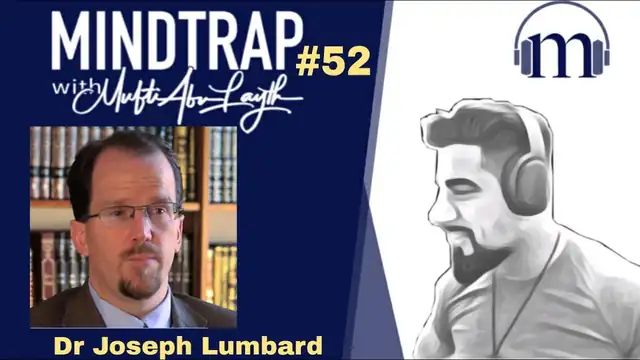 Press play to load from YouTube. Nothing loads until you do.
Transcript
machineauto-transcribed, may contain errors · source: youtube auto · click a time to seek · dotted terms open the glossary[Music] [Music] people are fry are we in for a treat tonight let me just first of all just very
quickly just do a uh just check for the audio sound check that everything's coming through fine i don't want to just be speaking to myself here uh just in case you guys are like what is most even going on about we can't even hear him right so youtube alright esta pasando what's going on people i think you can all hear me on facebook well i'm getting some uh some feedback there somebody said mufti why so late well there is wisdom people there is method to this madness but right so uh no objections on the audio
excellent right people now just audio is good just bringing up before you you can see the profile picture allahu akbar look at that handsome professor right there that people is dr joseph lombard the man the myth the legend people the legends let me bring him right here
all right so uh professor uh just making sure first of all that everybody can hear you fine right so people dr joseph lombard requires no introduction a person who's embarked on a journey several years ago still a very young man very in in recent years embraced this beautiful message of islam somebody who's achieved you know just amazing heights in academia gone on to be part of a project
regarding the quran that really is one of the i would say in the english speaking world one of the greatest projects of of our time the quran the study quran dr professor how has this journey been talk to us oh well i mean which part of it you mentioned i mean you you've you've uh you mentioned
yeah i mean is this something that did one trigger the other were these things in the sense obviously well i mean i don't know i mean i the the thing of coming to islam it's always something that you envision differently at a different stage of your life um but you know as regards the study quran i mean sure they're connected in a way um but um but that was a project that that came about later on you know as as an academic and there has to be a some separation between you know one's life as becoming and living as a muslim and one's uh professional uh responsibilities as as an academic so on one level you know of course they're
connected because it's the quran and i embraced islam um but uh on another level yes they're very they're very distinct i mean i wouldn't uh as a muslim i i wouldn't really sit down and just kind of uh a project uh such as this and the project of of doing the study quran is something that came about more as a uh uh i would say it was kind of a farcifier um
ability of doing the project um there was a realization that turning this project over uh to uh to the academy for um harper collins to go ahead and pick any other group of potential editors um would really be to uh to have um foregone our responsibility um that have been placed in front of us yeah uh we've already had some people say wow dr lombard used to teach me at university wow doc speaking of universities to my former students there you go people you doing it you do speaking of universities you're
currently at uh hamad bin khalifa university in doha qatar um and you've been around different parts of the world i mean how in in some words how is this experience well i mean it's been i've i've taught at the american university of cairo at the american university of sharjah and now i teach in the college of islamic studies at hamad bin khalifa and that has been a very interesting journey in terms of being in a position to see how islam is discussed and regarded in each of these countries
because when you're a professor of islamic studies or quranic studies in one of these countries you have an opportunity to interact more intimately with the other scholars um and especially with the scholars many ways who are more traditionally uh trained to all know more than i do um about the subjects i'm supposed to teach um but um so it's been a very uh it's been very interesting it's been fascinating uh to have students muslim students from all different walks of life and especially here at the college of islamic studies i end up having students
uh from being uh from uh anya from senegal so i've really had a wide variety i mean we had ukrainian muslim students uh here i mean we've had an incredibly wide variety of muslim students um in a privilege um to work with them and and really see it's interesting sometimes i'm sitting there we're talking about a topic and they say huh so how is this regarded in indonesia we have a lot of excellent indonesian students um so
how is this topic discussed there and then they tell me oh my god i never even realized that this is a way in which muslims had been addressing and uh and conceptualizing uh this issue wow and and do you find that especially i suppose in because sometimes in in the muslim world things can be a bit more certain things a bit more relaxed and that can be a plus or a negative at times but do you find this having as a profess professor this relationship being able to you know just with also extending to common people
this do you find that being starkly different compared to that in the west because in the west academics are not really so seen amongst common you know or not even heard really by your regular kind of folks i mean what what are your thoughts on this because i know you you do have some you know you you have i know that's that's that's a huge that's a huge issue um you know in uh in in i don't say so much talking about it as in the different worlds but um in the western academic context unfortunately there is often a situation
where scholars who have the ability to reach wider non-academic audiences are uh are are frowned upon for that discourse for a discourse that doesn't use the uh kind of arcane and uh abstruse terminology of the of the academy but actually relates these things in a way that uh many non-academics uh can i can understand and say this is this has been a something that has developed gradually within the academy let's just say for example
if you were a professor of english literature writing in the 1950s or 1960s you would teaching in a discourse that was foreign [Music] some internet issues there but i i um english literature as a as a professor of of of english literature um you are um you will be engaging in a discourse that even a person who graduate in english literature
might not understand what you're saying yeah um and uh and i bring up this specific example because my mother graduated from harvard with the ba in english literature and she has said to me now that when she hears a professor of english english literature speak about a book she has no idea what they're speaking about and it's as if she never read the book um that's a problem in academia if i if i really speak about the quran from completely within a an academic framework uh a western academic framework then i'll often be engaging in a discourse that will be very foreign uh to muslims and to uh
and to non-muslims alike it's almost like i'm speaking about everything except the quran i see wow yeah very do you know i was asked recently by a professor as well from the from the netherlands in germany of the but uh dr mahdi sajid we were speaking on a podcast and he was he was he was really concerned about this gap between traditional muslim scholarship and between academic muslim or islamic scholarship he was hoping that there could be a bridge that maybe some efforts if people try do you think this gap could
be bridged or are these you know just never shelter trained meat i mean is it too diverse these worlds or too well you know that gets into a big question because um you know when we're talking about so first we need to talk about what academy um usually when we say the academy what we mean is the euro american academy and uh and so this is an institution that was created um within europe and to serve um the interests of uh really of european uh empire and imperialism um and in some ways that change that function
is changing quite rapidly right now but part of that function was in fact the um the control and the ordering of non-euro-american peoples and so disciplines in particular the two major disciplines that were used for this are anthropology and
has come up with with some excellent ways of reorienting um the discussion of orientalism but the overall issue there is that orientalism was is a mode within the academy of uh of organizing the non-western peoples for the most part in a way that makes sense to uh to the west and in a way that allows for them to be controlled and in large part to be controlled by being defined i think it was uh orson welles who said that you know once that you
have uh controlled people's history you have controlled those people once you have redefined their history you have redefined them and this is one of the issues that we see and so when it comes to for example the field of quranic studies you have a completely different discourse regarding the quran and the development of the quran than you do within the within uh classical islamic scholarship um and i say classical because the pre-modern modes they continue to exist and are very vibrant in fact in some
places so and these are modes that muslims still live by um but sometimes within the contemporary euro-american academy there are even muslims who want to deny that those are legitimate modes of encountering um the text and legitimate modes of continuing the uh the tradition i've seen people who identify as progressive muslims say that certain issues with which they identify are a done deal in a sense and it's like dude um i spoke to my students uh in
who represent you know countries as diverse as benin nigeria senegal egypt turkey indonesia the philippines students from all over and they're like no that's that's not the way that uh the majority of people within uh such and such a country within our communities would regard this issue but people who are within the academy are often divorced from that discourse i think a lot of people within the academy don't realize the extent to which the discourses regarding many aspects of islam were discourses and continue to be
discourses of of control yes they're discourses of investigation as well but they are that they remain in many ways discourses of control a very good example is within the field of islamic studies that you will have people who will say well actually uh no the using classical tafsir and and scholarship from within the classical mode of islamic scholarship to understand the content of the quran is not accepted i've literally seen people say it is not accepted as a as a methodology within
quranic studies in the west and therefore you can't actually yeah i mean you literally it's like oh your primary sources uh for looking at this are primary sources that is sources from within the classical tradition therefore because you haven't uh consulted or you haven't made the methodologies that come from within the euro american academy primary your mode of encountering the text is not legitimate within our discourse ultimately and one of the things that has to be confronted here is that ultimately what a lot of people are saying is to put bluntly white makes right
um that the methodologies that are developed by the euro american academy and it doesn't really matter actually who necessarily is the person that develops them it's the overall mode and the mode of knowledge that comes from western civilization um that that is uh the only appropriate in which to encounter the world this is what some scholars have referred to as epistemocyte um that is to in fact stem aside episode to in fact deny and and obliterate um other uh other epistemic modes
and to thus deny any heuristic value that is any interpreted value uh to non-western modes of encountering um texts and traditions wow no i mean i i've heard similar things what exactly what you're saying uh professor from other uh phd um you know graduates and and professors or assistant professors as well who've said that look when people have tried to do these kind of things by saying well yeah you know look this is my taki this is my investigation this is the research i've done this stuff see if that's of steve this is
what it's like well okay you can do that all after but first have you read what such and such said you know this orientally said have you read what that person said have you and if not then no you know it's uh so yeah i totally i find it quite like shockingly absurd and but yeah it's it's very unfortunate but speaking of the quran um and quranic studies uh doc you know this this great project the study quran i mean this is the project of a lifetime you know the magnum opus tell us about this i mean how because it was a very
expansive project that spanned many years and and and where we are today walk us a bit through this journey if you could and maybe some of the challenges that are around that challenges but but in fact i mean i i would have to say that due to the nature of the team that many of the challenges that come up in uh in projects of that nature weren't there um i mean there was we worked extremely well myself uh professor maria daycake uh professor janier daley dr nasser and then later on professor mohammed rustam came in
for the last few years of the project but we worked extremely effectively as as a team um and uh and so that made many of the hurdles much easier to overcome um but the project began i think it was 2006 january of 2006 was and um you know harpercollins had asked him to edit a put together a study quran because you know the genre of study bibles
to the best of my knowledge began with harper collins they had the harper collins study bible um that was widespread and then many other study bibles developed from that and so they had the idea to do a study quran um when dr nas was approached his first reaction was well no this is
there was no telling uh who would be asked you know for example a student of um uh of john wansborough uh and that type of school of revisionism and that if that was in fact the first type of study quran that you had out there that really distorted the nature of the history of the text then that would actually be on his head when he stood before allah on the day of judgment and so that was what he said uh motivated him to uh to address the topic and he just said okay i'll take this up provided one i could
choose all of the uh all of the editors and everyone who's involved they get to do it my way and we employ the methodology and you have no say regarding that um and the harpercollins agreed um and so we embarked um upon that project um and you know we quickly brought in uh professor day cake and professor darling we really didn't have a full understanding of of what we were biting off when we began because you know for example we didn't intend to do a new translation um we did a new translation because
there uh was not an existing translation that we were aware of at the time that really um met with the standards of accuracy consistency and eloquence that we wanted uh within a uh within the study ground text one of the most important things if you're going to do a study text is that you need to have this consistency across verses because you're going to be cross referencing various verses whereas if you're doing a project such as that of muhammad abd which is a highly regarded translation
by many then you consistency is not as crucial an issue because you're not making the cross references and therefore the watch of a particular phase or word uh um he played with and more you know subtly translated in particular first do that we made sure that then so we also had to really work hard to find words that would encompass as many
aspects of the uh of the arabic and thus be able to be used in multiple places within uh within the quran uh these were that was one of the first things that we kind of was oh i guess we're translating the quran um and so that was our first thing and so we started out on that and then we uh and then we moved into but of course the process of doing the translation um put us in a situation to be um uh to be able to more deeply engage in the commentary uh because we had already really gone through a lot of that i i for the sections for which i was the primary translator i know i took extensive notes uh regarding things and
then when we started really engaging in the commentary i was able to uh to really kind of go back to a lot of the research i had done and start to re-engage it in order to uh to compose the commentary are they you know are there any kind of uh i know it's been a while but are there any kind of key words or verses that when you are translating them they still come to your mind that boy you know i ended up coming across you know i ended up doing this slightly you know differently or i realized this maybe had a better way to express it than in the traditional translations is
there anything that comes to your mind one of the words that that i i thought this was actually generically came up with using the word uh to reference using reference as a verb which is actually um something done within english for translating taqwa um and translating which i think was actually yeah i think it's actually it was brilliant this was his uh this was uh was it was his suggestion entirely um and uh and we we adopted and followed up on that but you know people will put things like god feeling which is a little bit too close to health um people with things as mindful which then doesn't bring in
that aspect of health of fear that's uh that's within it um and so these are uh that was one word that i thought was uh was translated actually uh very well but i do think actually overall so the verb for you would say to be reverent or you'd say to revere how would you reverence yeah that was actually and that and i actually think that that is about as close to the meaning of of taqwa in relation to allah subhanahu wa
um that you can that you can have within within the english language and i don't actually think there's any translation yeah um that used that that used reverence as a verb um before us which is it exists with things such as a verb um and um and you know those you know could be those forever or those who reverence um and uh and so it was um [Music]
things that we did like that where we came upon um you know certain certain words that i think were far more apt than other words that are that are standard i think one of the things that we did overall that people didn't really like is that we didn't follow any particular creedal lines within the translation um you know there are certain people who when they talk about the quran you know you'd think that that that allah was an asteroid theologian [Laughter] ashrae theology is a a brilliant
way of articulating and conveying the teachings of the quran but it does not encompass all of them and so you need a translation that allows for all of the different particular schools of interpretation the major schools of interpretation that have developed from it but does not limit the quran within any one of those particular schools of thought and that's that was a real challenge and of course it's something that people were upset with because they had always regarded particular verses as meaning that what their uncle
told them was god's word um and no actually sorry that's just was your uncle's interpretation of god's word and even i i don't mean nice uncles in our learning of islam because it's obviously important um but any human being is giving you um a uh a limited uh view of differences which would then be an opening whereby you can enter more deeply into it yourself and so that's the type of language we wanted to use
out of curiosity professor explorer sorry it's just a bit lagging i was going to say out of curiosity so the verse is to do with the um like you mentioned the ash ali stroke a 30 selfie kind of discussions on what the attributes of god in facial weather i mean whether it's body parts where these are mentioned whether it's hands shin or i don't know face or whatever how did you guys did you guys go about translating them using just how would you as an example translate something would you just go
with the literal uh actual laws is the face the face of god okay what's the law of god the hand of god is over their hands as the hand i don't know what it means yeah sure you don't know what it means no no it's not what it means selfies don't know what it means yeah we don't know what it means i mean this is the mystery of allah subhana tala allah subhana tala will be revealed to each believer in accord with their state um on on the day of judgement and uh and the laws of i mean the hadith are are wild about this that allah you'll see a lost font all in a form that you don't recognize um and uh and you know will be held to account
um but in many ways you know our particular modes of understanding the divine are not uh and i have to ask you and how we conduct ourselves i have to ask for translations dark purposes everybody's gonna how did you translate uh a la
right off the top of my head uh i think it was residing upon i actually stuck a lot i don't right off the top but yeah upon the throne you know residing upon the throne i think it was okay yeah i mean is allah you know residing upon the throne is it figurative is it not yes and no and these are things that you know allah is is beyond the ken of our of our human understanding and any interpretation that we have of such verses is only going to be a pale reflection of the reality
uh that we are all trying to live in accord with yeah you know uh doc there was a bit of controversy that was kicked off at the time when you when you guys released or when when it became more popularly released or launched the the study quran uh people had you know just within a short i mean and you know an unfathomably short span of time so they couldn't have read the entire book within you know whether it's going to be hours or just within days they've already started sharing things to kind of to kind of try and take down character assassinate the project some of this
came from the angle that look uh doctor said nassar people felt you know they may have had an agenda against him uh that they said he supports perennialism or he supports this kind of uh everybody has access to salvation uh i mean i've said previously anyway that you know i don't know why we think we're the gatekeepers of god god can decide who has salvation but still this was used as a target they they use that verse the translation um
um i believe that was one of the ones that they used um to kind of talk tell us a bit about about about this uh professor yeah you know you know i what about it i mean it was uh you know i think it was immature yeah um it was uh and especially and it was unprofessional i mean people would um would come out and put a screenshot of a book that they didn't actually have in their possession uh and we're talking about people who pre scholars that they would actually put a screenshot of a book that they did not actually have in their possession and say see uh look this is what what they said
um and uh and then um you had other people who went about saying you know that that no muslims should pick this book up well i mean yeah that's fine there are tafsirs out there that people say well you shouldn't read them um and there are tafsirs out there that were you know some of the most uh influential tough seers in history are no longer read um by muslims um and uh that's just the way that these things work and um now unfortunately one of the things that that well unfortunately for them but i mean one of the things that happened is that um is that by virtue of bringing about such controversy and getting fatwas
uh written against the book what people actually did was to testify to the importance of the book um because you know you have like let's just take for example i'm not comparing the study could run to the yeah by no measure um but um but you take in terms of its place within history is a book against which many fatwas were written and there were people who were aware that this book um re-situated the way in which the overall tradition was understood and took power away from certain modes of discourse by opening up a broader discourse within
the tradition and the people who represented those modes of discourse that were decentralized by the ihea are the ones who were writing fatwas against it and yes one of the things that a text which opens up to broader perspectives within the tradition does is it decentralized are trying to advocate that their mode of discourse uh is central um is or is even the only um proper way of understanding or you know they they will say well we have diversity within how we look at it we open many opinions but the scope of
those particular opinions is actually rather narrow when you actually uh examine it within the broader scope of interpretive modes that islam has known and and those types of of power dynamics were at play in many of the criticisms of of the study quran look there's nobody i have not heard of a single person anywhere on the face of the planet that picked up the study quran and stopped practicing islam i've heard of several people that picked up the study quran and started practicing islam
i've heard of other people one scholar who says that due to the controversy he can't speak out in favor of it but he said regarding the study quran he said this book gives people their d back yeah um you know this is the that like just to hear people who might respect deeply say something like that um about the study quran basically means that now in on one level um it uh it succeeded and the other mode of criticism that it's gotten is that there are people within the euro american academy that are upset about it because it does not give pride of place
to methodologies from within the euro american academy um in fact it um it puts a lot of those methodologies aside well it puts them aside because um you know i think as as bethnam zaldiki has written that much of scholarship regarding the koran within the euro-american academy uh proceeded as if mountain ranges i mean we're talking mountains and mountains and mountains of classical islamic scholarship was a mere molehill to be flicked aside in how we approach the text and one of
the things that the study coroners does is it says no actually um this is uh not only mode of encountering the quran within the contemporary academy um it is also an important mode of which all scholars or people who claim to be scholars of the text should be aware if scholarship is indeed the process of building upon the observations and encountering and debating the observations of past generations then the euro american academy needs to take as seriously those observations of non-euro-american scholars
using different methodologies that did not arise from within the euro-american academy they need to take those perspectives as seriously as those that arise within the euro american academy and that hasn't happened not just in islamic studies but in uh multiple uh non-euro-american traditions yeah i mean coming back to this verse as an example i wanted to just just say my thoughts on it that look when we reflect on verses like in athena in the light islam it's any person who looks into
the actual history of islam knows that look generally the there were certain things that became slightly institutionalized later they weren't in the very early islam they weren't really like a bit like what fred donna kind of speaks a lot about but that the early muslims refer to themselves as believers more often as opposed to saying we are muslims there's nothing wrong in saying we're muslims but this seems to be probably a few decades later it starts to become more and more widespread and it wasn't that what they saw was they would call each other to iman
even the quran repetitively so this term islam in its early stage in the time of the lifetime of the prophet would have been more likely to be referring to submission as a whole as opposed to the institutional religion of islam which you know in caliphates to come yet was to become i mean that that's i'm just giving my thoughts on it that i don't you know at that time masjid ulama islam these things didn't mean what they later on like clergy mass like
they were not clergy for example in the time of the prophet but the word ulama is in the quran it's that these are post-islam kind of phenomenons that's just my thought so it's uh it is interesting that people you know obviously the muslim community or the discourse can be sometimes due to sectarian issues quite sensitive so something just triggers people and they're not really going to think about it or reflect um but yeah i i just thought you know i'd share that about my my thoughts on on these words were there any other words that come to your
mind about i'm just out of curiosity i mean if they don't that's cool but words that were pre-institutionalized and that did like maybe i don't know if you in is a good example that pre-institutionalization what did ulama mean because there were no i don't know i'm just yeah i don't know if there were any others that occurred to you i mean you look there there's a lot like you know for example how do you how do you how do you translate yeah i mean you know that's like there is a verb to intellect is in fact a verb
to intellect but if you were going to actually say that like people be like what what like nobody would really understand uh you know what what you're saying and yet though the kind of um rather limited concept that we have of knowledge within the contemporary world um is is of course not encompassed uh by what the quran means by and um but um you know that's one of the fundamental debates that happens within islam is is you know um you know who are these uh referred to allah and of course you have you know one
group says that's and us and then you know another group says no no that's us um and uh and so yeah these these uh these discourses of course are uh are going to happen even the term khalifa i was going to say similar oh yeah you know i mean that that ends up being a representative of allah on earth i mean that ends up being you know a very uh a very uh controversial uh verse in which he translated and there's really no way that you can translate it that's not going to open up the controversy or make a decision regarding the controversy
and so what you really want to do in such an instance is to find a way to translate that that opens up to um as many of the of the interpretive possibilities um as possible that are found within the arabic itself now obviously you can't do that and we were fortunate that we had the commentary so that we could open up on things like that so for example the commentary on uh you know islam is actually one of the longest commentaries in the whole of of the uh of the study quran uh the commentaries in
uh sort of in particular where it's talking about the belief the thieves um are also you know extremely uh when maria who wrote the commentary on um when she uh discussed uh certain christian positions in order to say that these were actually um things to which this particular verse would not be open in the quran people cited her talking about that
as if she was saying that this was included in the quran so they took like you know whereas whereas this verse could not be interpreted as saying and then you know xyz they would just take the xyz and leave out whereas and i mean literally people were writing uh against the study quran in that mode which was really to me is that people didn't want that broad wide discourse and frankly you know that that's part of tradition i mean traditions are um as people will say discursive traditions
um where there's give and take such as for example the immateriality of the nephs um that wasn't really the state so we're just slightly losing you there doc hello yep you're back no frozen again just say okay yep you're back now i mean yeah i think it's the i think the internet from that moment has been
uh yep i can he is hear you now uh i think the internet from that side has been uh yep yep i've got you can you can you hear me hello all right cool yes yeah right yeah so uh out of curiosity oh uh i was gonna ask a question actually i was gonna ask about the rule how you guys did but just prior just before that i i just want to say the earth it's just just spirit okay all right okay so and you know with khalifa was it done when it said like in ninja illumi was this seen as because i know i have
translated this people may not like it i've said that khalifa was not a term that the arabs in the time of the prophet used as a ruler they had like things like maluk they had bullets they had umara they didn't used to use and this was a post-islam occurrence and i said that in the time the prophet you see khalifa coming from half would be something that comes after and adam he came after the other obviously this is going to be controversial for for the people that don't like it that he came after the other hominins and so he was the you know the father of
the the cognitive kind of revolution but out of kira how did you guys translate khalifa was it just as steward or you know honestly when you're asking me some of these specific words i can't remember but i bet i believe it was representative representative i believe representative is is what we had i i honestly but that's but that's still a good that's still a very good translation because that's still kind of uh you know it kind of takes it doesn't load it with kind of like political it kind of leaves it a bit neutral still i mean it does leave it new to not be leaves it neutral representative is still yeah you know uh professor one of the
things one of the the themes of not themes but one of the tools adopted within the quran from mata of usual is abrogation now right now you obviously would have had to deal with this whilst working through the quran and providing history quran tell us about this doc what's going on with abrogation well i mean the thing about about abrogation abrogation gets very complicated because um there are a lot of different opinions regarding what um what abrogation is um and even within this standard understanding there are different types
of aggregation and how do we then work with abrogation um but you know so for example you'll have within a member that that imam brings this up several times in his tafsir um that you know he'll say that um that some people say that this is abrogated but that's a misunderstanding of abrogation yeah um even even a public health so this this debate was there you know from the beginning in many ways
that the manner in which people understand abrogation today or and not use the word obligation but used nusk today is different from the way in which it was understood before um and i think that that nus actually uh for reportedly he says that sometimes refers to actually that it's it's not abrogating as we translate it but it's modifying a previous rule um and so it's curtailing it so one ruling might have seemed so you've got a ruling in the quran that seems broad um but this one is saying actually no that ruling only applies
in uh in particular in particular situations uh so you know if you go through you know according to classical scholars you really have um three fundamental kinds of nusk um that first there is the uh there is the the uh that both the ruling and the recitation have been aggregated and then you also have you know that is that the recitation has been abrogated but the command has not been aggregated and as you know that's one of
the most controversial things i don't want to get into that because i mean whether or not there was a stoning verse yeah and then uh and then the but the one that everybody's talking about um usually is you know is uh that is that the ruling has been abrogated but the recitation uh has not been abrogated um and i quite frankly i would add to this a fourth form of nusk that's usually not discussed which is uh uh you know
like you've almost got i mean i guess this would be the the the abrogation of the hukum and the tilawa but you know you've got verses entire surahs of the quran that people say existed like uh um that was you know like fire doc's frozen
there are people in mauritiania know for example who actually know the it's it's kind of see this is this is the gene the jin are kind of like coming down and seizing your screen and that's the way that the classical scholars actually sorry we missed that we missed that part about people in mauritania that know what sorry so they actually know i mean and this is the way that it was was that these these particular quote surahs of the quran
um were known and people some people said they were some said that they weren't um but then they just became kind of uh that are recited by uh by people and most of the muslim world has lost the tradition in the memory of these but in some places they actually they remember like oh yeah no that's no problem but other muslims you tell them about this and they're just scandalized like oh my god no there can't possibly have been surahs that we don't that we won't know today and no actually we actually don't have everything that was revealed to the prophet muhammad sallallahu alaihi wasallam
there are verses the the the fullness of which we just don't have anymore um but then you know there's um uh and even within those particular instances where you have the nusk of the um of the hukum but not the tilawa that is the of the of the ruling but not of the recitation there's debates as to what does that mean does that mean that the previous ruling is completely gone or does that mean a taxis a specification of that of that particular because that's what
the us would argue that this uh to like you're saying the narrowing of something is actually not that you know ultimately one you know tomato tomato kind of thing because it's doing a similar the same kind of outcome it's just they're disagreeing on the term of the tool that's being uh you know deployed there you know on pr on the preservation issue then so right because this has also stirred up a huge thing last year last summer the preservation of the quran um and i'm assuming it's something maybe
that you did cover within the study quran even though it wasn't that hard of a topic maybe back then but um is this so is this something because my theory has been slightly different it actually may be somewhat similar to dr yasin dutton somewhat uh where i've argued for a dynamism in the quran i've said the quran was also always meant to be dynamic although it was kind of trapped within a certain um like the rasmulla uthmani which obviously narrowed that down but then just left vowel kind of dynamism but prior to that i i did argue that look uh
in the tamaheed and other books imam malik and imam shafi as well do highlight that the sahaba would substitute words i said well that the difference was or not the difference the debate was was that a russo was it the azima were they allowed to do that anyway by default or was that just as a one-off i argued that this i felt was the azima they were allowed wherever they felt something made life easy but i i did argue against however um saying that there were things like uh of entire tilawat uh and stuff like this but is that the the view that you would uh that you would kind of espouse or you
would teach that they that that they were for example of i suppose you that's what you just said a moment ago that they were entire sewer that have gone and that is i know that is mentioned in a lot of books and also how do you tie that in with then the preservation of the quran because people will say like you said people are going to go whoa what the hell is going on you know you're saying you know how is the quran preserved then so what are you uh thoughts on this just because it's so hot of a topic
could you well i mean first i think that there's there's some multiple there's a lot of issues here yeah one problem that we have is that we um is that we do have a tendency to bring a uh a euro american modern deterministic sense of history to the debate itself because that's the world in which we live and uh there are ambiguities within the classical islamic tradition with which a lot of muslim scholars were comfortable and yet today because some other people are bringing those up as
challenges um people are becoming uncomfortable with them uh in uh in in one way or another but that's what people are actually are actually uh you know kind of trying to do look i mean real iman should not always be comfortable you should be challenged um you know it's something about about challenging you uh in in many ways but um you know this whole the story of the manner in which the uh the quran itself was collected i think is rather sound um when you come to the preservation of the quran and that issue of what was
preserved under the caliphate of uthman i mean now when we look back we do both through manuscript research and through stemma research we can really identify that it's more than likely that the quran came from that the text that we have now came from the middle of the 7th century of the of the christian era and uh in the middle of the first century of the muslim era and we can date that with about as much accuracy as we can just about anything from that time um
and especially the the recent research that's been done on stem uh research which is just amazing stem research is when you you take multiple variants and uh and you trace uh the way in which these variants are related to one another so that you can tell for example that manuscript a um which can be transfected that means script x but that be due to certain divergences
we know that manuscript a and b came from manuscript x because there are things that are that that differ within the two um that don't differ within this and manuscript c we say comes from that but manuscript b over here represents a different tradition so it's a way that you can trace all these particular texts back to common sources um and uh and it was developed particularly within new testament studies because there's a ton of variation within within various manuscripts of particular books of the new testament
and using stemma research we can identify that it is very likely that there was a common source for the manuscripts of the quran at the time of now so that and that is actually some some extremely important research done by marjian van putin and my apologies professor van putin for annihilating your first name as i always do but but but anyways um
uh no his his research in this area um is uh is amazing it's amazing what it does in terms of uh of overturning revisionist narratives and it's amazing that people actually want to go back to revisionist narratives even after research like this regarding the manuscripts has been coming out over the last really 15 years the last 15 years has completely changed our understanding at least within the western academy of uh what we have regarding the historical record of the collection of the quran
and that's because of a lot of manuscripts that have been that have been studied you mentioned uh professor yassin dutton uh there's also um uh batnam zaldiki um there is is also the work of francois de roche um and then i just mentioned uh margin van putin um and uh and several other scholars who have done just incredible work going back to these manuscripts right now uh you can actually access all of these manuscripts most of these manuscripts on the internet yeah and you can actually even get a better image because of the way that you can enlarge it on your computer screen
and go into this this absolutely completely revolutionizes chronic studies and revolutionizes it because it means that the baseline of it has just slight but is now actually available to everyone else so that baseline of hard material evidence is also now available to everybody i can go and i can back check these references that people make i can cross-reference
sitting here at my computer in doha i can cross-reference 60 early grand manuscripts wow and that's just an amazing thing to be able to do and really you know when you get into some of the revisionist scholarship this is the real problem with it which i haven't seen people really fully address is that some of these revisionists they wanted to rewrite a history they had they knew that there were manuscripts at the chester pd library in the uh in in istanbul in france they just didn't want to do the hard work they were more interested in coming up with a different theory
about the origins of the quran and the collection of the quran than they were in going and looking at the hard material evidence and in many ways the field of quranic studies still labors under that effort to kind of skip over the hard material evidence to create a new history for uh for the quran but when it comes to these issues i mean what it says about you know for example that abdullah bin masud had his own muslif that was slightly different um the one thing that a lot of people don't
bring out when they talk about this is if you were to actually create the quran and then create a narrative to try to get this book accepted as the core book of this community you would under no circumstances would you make up the narrative that is preserved in the
islam is too complicated a narrative you know you wouldn't say well the prophet muhammad sallallahu alaihi wasallam he first did it orally he had these multiple scribes um and these different things and then you would say well it was in these different places and then they collected it and there was disagreement about the recitation around the muslim world and so they finally did a central uh a central project none of that would exist as part of your story if you wanted to make this up to say that there was a different uh mustafa of the masood of saleem of alibaba
to say that all of them had their own muslif and that there were actually different readings and different sort orders um within this and that the the most half of a balaban didn't include the fatiha and things like this nobody would make up yeah but that's the story that's so well said there are multiple things that to me um that's so profound because you're hitting you're hitting it on the head dark absolutely just well sorry you were saying carry on no no i was saying so there are multiple things to me that say that in both it's brought broad outlines and in many of its details the narrative that has been preserved
within the classical islamic sources regarding the collection of the quran is accurate um and uh and more accurate than anything that uh that uh western scholars have been able to come up with um through theoretical frameworks yeah um so that i think is is of of fundamental importance and you know the challenge is you know so if you have a narrative that is substantiated by the investigations of the material evidence um you know why are you trying to create new narratives yeah i mean i remember watching fred
donner and he was saying in one of his uh deliveries where he was being asked where he does the presentation and he's asked about this question about what do you think about the prophet muhammad this whole thing being basically manufactured by malik or people who come after yeah and and he and he said he said that look the he said that if you were to run that theory that's let's say abdul malik ibn marwan he kind of created this figure muhammad and then he kind of creates this history of whether waleed did it or whoever or some abbasid did it he said and then they create this whole
narrative and then they unify a a civilization on it and they create a holy book and they create he said it would be far easier that muhammad actually existed he said it would be far easier to go with because he said what you what you want to do is go with something that is more easier to be real you know it's more closer but that usually lies closer to realities than something incredibly complex so he said well the fact that you know somebody's gonna really conspire this huge conspiracy and pull off an entire religion and back project it by either decades or a century or two depending on which figure
did it it's far easier that this individual actually existed and actually had this message and the message caught on with people because you know that seems to be the more simpler organic explanation and yeah and i i it is amazing i do like you said i think sometimes how hard people try to display a message and i do follow on twitter majin van uh putin if that's how you pronounce his name he's excellent is he is he muslim i'm not sure i didn't think he was but uh but okay and you know i follow someone else i don't know if you oh yeah yeah on arabic
is he muslim or is he i don't know anything about him he's he's he's muslim i know nothing about his about his particular practice i i i've never asked him but he's an excellent scholar yeah um that's that's for sure um so uh but uh you know i mean i i regard him as a muslim i i so but uh no i mean he's he's really he's really an excellent scholar his um his work on uh on the arabic language is uh and and its testimonies within uh within classical sources and such as is uh and and other sources that we weren't referencing before uh the work that he's done is amazing
um and i think everybody with within the field um recognizes the excellence of uh of ahmad's work yeah i mean i've i've looked a lot it it actually got me thinking initially this whole thing coming to learn about i had to explore and realize well oh the origin of the arabic language and going back to the nabataeans and the whole thing and he's always tweeting things like new findings in this kind of you know there's this script or this inscription and and for me it was quite wow and and i think sometimes even these little things because we're in a day and age where people are very i mean because of the
history since colonialization i mean colonization uh that people are very sensitive so even a little bit of a kind of breakthrough data can be shocking for like even this link between okay so arabic when did it originate so you know probably whether it's just two centuries prior to the prophet the way it's spoken or and then it's origin with the nabataeans it's something for some people because they're in a sensitive frame of mind it's it freaks them out but whereas although it's not anything to be freaked out about but but it does uh i mean you must have gauged this reaction as well that people kind of get whoa whoa whoa
wait a minute this uh it wasn't arabic revealed by god and so we kind of you know because it's challenging a story that they've heard since they were kids um yeah but yeah so i mean the these works about the development of the arabic language and arabic coalescing uh into the form gradually coalescing into the form that it was during uh the time of of the prophet muhammad sallallahu nothing about that challenges any dimension of of islamic faith practice yeah no i i agree
absolutely um but i i can other scholars put out that for example this serial aramaic um uh uh nature of quranic arabic and stuff like that it's actually uh um uh quite useful and and re-situates us back within a narrative that is closer to the classical understanding of islam maybe not the exact narrative uh but one that's that's that's closer to it um and um uh you know this is i mean clearly the quran is not a serial aramaic text that's just unfortunately that's stupid um and and the fact that some scholars actually
are willing to give theories like that more play than methodologies such as that of toshiko izutsu which tries to develop ways for just looking at the quran as it is and developing a method for intertextual analysis to understand its actual meaning that they're willing to give these theories more play than that um speaks to many of the deficiencies of academia somebody's asked a question here that is uh whether you're familiar with andy bannister's work on quranic studies i'm not sure if you are but have you no no so that was a very simple
answer right there no right yeah but coming to on that point uh doc people have said well look the quran contains this word this word is you know it's an aramaic or you know it's a it's of syriac origins and it's of um you know what what are what are the the arabs do like basically what is the quran doing using these words of you know different regions or or ancient or to them you know the the civilizations that have kind of withered away
um is this what what is your response to to these kind of questions that that are asked well i i think it's actually i mean it's in just in terms of linguistics it's kind of uh uh you know a silly way to approach a language we don't look at i mean once a word has been adopted within a language and naturalized by that language we don't try to interpret that word based upon its let's say for english or for french it's latin origin and we don't go back and we say uh and
we we look at actually how a word is used within context as to say you're in britain i'm from the united states of america i actually had this incident where one of my daughters because she was in an australian school and she went to her grandfather and she said papa do you have a rubber um and uh this is you know she's nine years old and this to him means a condom um and he's utterly confused by his nine-year-old daughter asking him for this item um and uh but this is just within you know so we should not take
that context to all of the sudden create some scandal of that my uh that my daughter was was inappropriately sexualized at an early age of allah but that's the type of methodology that one would use in that's the type of methodology that you're using when you're trying to say well this word is etymologically related to this particular word in syriac or aramaic or ethiopic etc now those relations exist but even within contemporary languages we have false cognates and we have false friends um and
and so we can't really you know i mean for example um preservative in english means jam preservative in many other european languages refers to condom sorry people are going to be like what's on professor's mind what's on professor's mind interpret the use of preservative
in english in accord with the use of the word from the same root in french or dutch or another european language that's bad linguistics um and so when we're doing this within uh with classical texts we're just actually what we're really doing is trying to say maybe i understand the text better than these other people or maybe we europeans with our newfangled methodologies and the fact that we are better situated to understand the
text um than these other people no actually actually you're not so for example the word password you know what does it mean we know that it's taken from ethiopic well actually you want to know what what it meant within ethiopic is not actually all that important anymore once we see how it's used within the quran itself the fact that sirat is most likely the same route from which street comes in english the same latin root is actually immaterial for our understanding of the way that seerat itself is used contextually
within the quran and so these types of of methodologies and these really you know this is what's called uh the um what is the word that i'm looking for the etymological fallacy okay um this is you know and toshihiko izutsu who was better situated than any scholar who uses these methodologies to be able to use them you know one of the things that he said in his book god amen in the quran is he said that results of such studies are always inconclusive at best they're theoretical and they're inconclusive um and you know this is a guy who who
knew like 27 languages um and so he's he's comparing across his actual knowledge of these languages rather than you know a few grad students sitting there knowing a little bit of arabic and a little bit of hebrew and a little bit of syria [Music] unfortunately there are some people whose syriac for example isn't very good and they're just going and they're looking for something that's similar uh within within the quran there are other people who see your neck is excellent or doing that or who are doing that but this is one of the things that ends up happening but it's really somehow it's operating under the theory that language itself
functioned differently 1400 years ago or however many years ago they want to say it so you actually have people writing within the western oriental context that sort of the western orientalism context actually writing that the prophet muhammad sallallahu alaihi wasallam was making up words i think it's bonus khan i think it is who says that that he actually didn't understand some of the words um that uh that he was used um and just going back and arthur jeffrey you know says some of the same things so what's really interesting here is that you have what is a typical tool
of uh of kind of of european assumed superiority which is that if you have an extensive debate among european scholars euro-american scholars regarding a particular issue this is taken as evidence of a dynamic healthy intellectual environment whereas if you have these debates regarding the meaning implications of a word within the classical islamic context it's taken at to mean that there was confusion and ignorance regarding the quran
among muslims there's like for example there's no agreement in western uh quranic scholarship regarding the meaning and origins of the word um hanif okay and it's debated broadly and fits another word in broadly right uh this we don't all sit there and throw our hands up and say well this means that all these people with phds are ignoramuses who don't know what they're reading but like this is literally what ends up being said about the classical islamic tradition that because they were debating a particular word or a multiple set of words that they actually were confused
wow yeah that's a very powerful point that's so well said well illustrated the whole idea is that islam was set up within the euro-american tradition it was set up as an other at the time when europeans were trying to present their uh secular tradition with christian roots they didn't regard them as judeo-christian at that time at the late 19th early 20th century when scholars are trying to set up
uh uh um enlightenment tradition as what characterizes the west islam is set up as a foil that is rigid and uh and restrictive and so therefore because it is rigid and restrictive and it's a tradition that doesn't have debate and therefore they say that if there is debate that that indicates some kind of uh crisis uh within the tradition especially as regards these you know small things like the meanings of particular words uh in the courtroom um and this is it's it's a really bad way of debating it i don't really want
to get into how unfortunately some muslims now even conceptualize their own tradition within that um that frame that that was created by um by the european encounter or to substantiate european self-understanding yeah because if any because if anything this kind of diversity it reflects a sense of self-security like the fact that there's a confidence to disagree shows that people are quite sure of them like they're not insecure people because usually in it's usually through insecurity that people try to dominate
and control a narrative and not have any leeway or room so i mean i i think that's an amazing i i do really like that what you said about look if you look at the phd world or academia and certain words even and the lack of a consensus and diversity here just shows oh richness of research and why is diversity then in the old islamic tradition seen as a weakness it should equally be celebrated yeah you know i just want when you said some of these people said that the prophet muhammad sallallahu alaihi did not know certain words himself uh out of
curiosity is that referring to like the makata's like alif la meme and stuff or is that actually referring to oh it's the odds i mean no nobody actually knows that nobody's ever gonna um so but that's not what they were referring to it's not it's words like like um words words like that that they that that they want to go into and um say that these actually have um that they come from foreign languages that they were um borrowed wholesale from those languages
i mean literally you know people have have proposed that the prophet muhammad sallallahu alaihi heard a word and he liked the word and he just kind of threw it in the quran and then later on people yeah and then later on uh people tried to assign meaning to it but it had no meaning at the time that uh that the quran was quote composed unquote these are absolutely ridiculous stories which basically you know they're grounded in the belief that um when those people are proposing it that these were just dumb desert bedouin stuff yeah it's grounded in that belief yeah how
could these people have had a sophisticated moral understanding how could they have had a uh a sophisticated intricate subtle ethical system yeah that is on par with those that we now adhere to today and also it would have you know these kind of sudden impromptu um you know uh just just just this kind of like a a a mixture that if the prophet was just randomly let us say oh you know he is that's what he has this word he is this just throw it in the it would have if anything it would have
impeded his efforts because people i mean obviously we we were not there but we know as a fact that this message took off we know that it took off and it took off very powerfully and we also know like you know just through and this is just common sense as well that any message in its initial stage is always kind of challenged and you know it never society never just embraces a message when somebody comes with it and people will challenge it rigorously and if the prophet was just making off the cuff kind of spontaneous spontaneous leaps by just taking a syriac word taking ethiopia
ethiopic word or something not even knowing what it meant these would have been huge kind of like or easily uh you know like these would have been moments that they could have tripped up the profit quite easily all this effort um i'm just saying just commenting back on that uh professor tell us the you know a question because the your the study quran just just on that because i know that's really huge for you and obviously ties in with all of these a question that people would ask what can the study quran in your understanding since you're behind you've been behind the you know
the driving wheel what can it offer people today muslims today especially the english speaking that's remarkable about it because i think that's an interesting question like people you know might say well you know i haven't really read it and i haven't what can it offer me as an individual what are your uh thoughts on that well i i think that ultimately what it uh what it uh what it offers is a uh a diverse understanding of of of the quran a deeper understanding of of many verses um and you know so for
example i mean when you get into um you know particular verses that are of deep moral impact particular verses that talk about the nature of the human condition um those are verses where we've you know done at some points extensive investigations of how those verses have been encountered um by muslims and um and if for example people are confused by the diversity if a muslim is confused by the diversity of perspectives and debates regarding certain things that they can go in there and they can look and they can see hey all you know these debates were part and parcel of classical islam
and these people they went out there and they debated it um but civilization continued and uh and islam continued and this didn't challenge them and this didn't make them think oh my goodness you know how can i be islam how can i practice islam in this uh in this day and age and some of these debates that they were occurring and you can open that up and get these perspectives and some people who are worried one of the things that i've encountered i've had several people come to me and just said that this that that this quran opened the quran to them that before this they kind of were like okay well you know i mean this is the book that we follow and
recited and this but they've always been given rather limited um teachings regarding the koran and i saw this when my girls were required to go into uh uh into islamic school um when we were living in in the uae they because they were muslim they were required to take islamic studies as part of their curriculum the stuff that they came home with was basically designed for the lowest common denominator understanding and so you but so you've really got people who are getting
you know the highest physics that you can get at your age really good mathematics being very well trained in uh in uh in you know language skills within their own particular language learning a foreign language learning history and stuff like this and learning these at levels that are based upon um uh years and years of going back over methodologies to provide the most sophisticated um approach to education they're getting that in everything and then they're getting i mean literally one school just kind of picked up the photographer who happened to a guy who was a photographer who happened to be muslim
who was the spouse of another teacher and said okay yeah you know you need a job so you can do the islamic studies courses okay um and uh and so you know and there's no sophistication in how it is delivered this unfortunately is what a lot of muslims are getting um and then unfortunately they're going and they're getting some really some low-level khutbas i mean some of the khutbas out there you know it's it's it's like well okay well thanks for you know arranging my friday nap um and these are things that people you know and so when this is the type of discourse
that they're hearing they are um you know they're they're still adhering to islam because of practice in many ways and they and they feel the reality within that practice but somehow they don't understand the depth and diversity of the tradition i wouldn't say that the study quran contains the depth of diversity of it but it opens to it and so it helps one approach that and have a deeper appreciation for how our tradition um has encountered many of these of these issues that are debated and many of these verses that are
considered central um to um to islamic life and thought wow man and i i for one amongst i'm sure hundreds of thousands if not millions seriously do appreciate your effort uh dark man i mean it really is something here you are somebody who starts you know you your absolute journey begins somewhere else but you've gone on to be part of a project that will inshallah for you know hopefully an eternity to come yet you know benefit muslims that speak english so shukran man that's that's epic uh dearly appreciated i did um i know
you were it's early morning there and uh it's almost early morning here but it's gonna be almost late morning i was going to say uh doc before uh we we wrapped this up that you've got a podcast of your own haven't you so uh yes share a few words about that so you know if if listeners are or viewers are unaware they can kind of connect with that as well uh yeah so the the podcast is quran for all seasons um there's been one season that's done and another season is coming up i was going to go through um and it's providing kind of commentaries on on the quran that are in some ways
following upon the same line as the study quran but going into a i would call it i mean maybe a deeper more subtle narrative um regarding uh certain verses because again a lot of these uh soras that that we go into that people are told are important that are central people like why okay it's central but why um and what are some of the deeper teachings and ways in which muslims have encountered a particular surah so it's examining the quran from that angle because you know the quran when it comes down i mean the quran is bringing a message
to non-muslims i mean the quran is that first addressed non-muslims condition and what you should be doing not just as a muslim but as a human being what your relationship with the divine should be as a human being what your relationship with other human beings should be what your relationship with non-sentient beings should be how you should exist within the world and regard you know the natural environment all of this is there in the quran and that's really in many ways the core message and so getting back
to that particular core message rather than reading a particular verse as saying and according to this verse this is why we must all be muslim and people who aren't muslim are not as good as us um which you get over and over and over again in a lot of contemporary discussions of the quran so it's kind of getting back to that core message and what i'm going to do for this ramadan uh is because there's been more requests for it than anything else is i'm going to go into an extensive commentary on surat inshallah well professor it's been absolutely
amazing i do know today's internet i think on uh because uh from maybe we you know it's just the internet over there but it was a bit of a lag but hopefully i'm hoping as it's youtube kind of in the playback will amend some of that so it won't show uh inshaallah but we've got to ensure i know you're an incredibly busy person and it took it was you know we had to even for weeks we're trying to arrange this but we've got to get you back on inshallah we've got to have the when the internet's a bit more stable as well and it's going to be we've got so many questions that people have as well but we are you know very
considerate of your time as well so shukran i know you've got i know you've got whole phd students are probably like where is the professor today well no actually right now my kids are like where's my father i need breakfast [Laughter] so your priorities priorities but uh shukran once again we dearly appreciate you coming on for people who may want to reach out to you professor may want to connect with you is there a particular platform that is the best option oh my academic uh email jaylonboard hbku.edu.qa
um that's the uh that's the one that's lombardo the u um people can try to dm me on twitter i don't look at all my dms but uh um sometimes they sit there for months on end before i realize i have them but um right people right shukran for staying tuned through that some of you were asking certain questions but i know uh professor is also kind of pressed for time the man the myth the legend people dr joseph lombard right here today so shukran we got to have you back jazakum allah signing off
with you first of all i'm going to put up the subscribing page make sure you've already you've already subscribed you're following you're keeping up with the updates right and i'll see you next time take very good care of yourselves foreign
Something wrong here?
Tell us what is wrong and it will be checked against the recording. Nothing changes until a person has reviewed it.
Sending a note needs JavaScript, which is off or unavailable in this browser. Nothing has been sent.
No name, email address or account is asked for or stored, and the inbox does not store your IP address. For rate limiting it keeps an unreadable fingerprint of your connection for 48 hours, and our database provider's own logs record connections as every website's do. Only your note, its kind, the page and the moment in the recording are kept, for review.
Cite this recording
Stable id, transcript version and tier are part of the citation. Every change to a transcript is logged.Mufti Abu Layth Archive, auto-transcribed, may contain errors. https://muftiabulayth.org/r/2oubykaq2oc/ (accessed 1 November 2026)
- APA 7
Mufti Abu Layth. (2021, March 3). Dr Joseph Lumbard | Stonewalled Academia, Stemmatology & the Study Quran | MindTrap #52 | MALM [Video, auto-transcribed, may contain errors]. Mufti Abu Layth Archive. Retrieved November 1, 2026, from https://muftiabulayth.org/r/2oubykaq2oc/
- Chicago author-date
Mufti Abu Layth. 2021. "Dr Joseph Lumbard | Stonewalled Academia, Stemmatology & the Study Quran | MindTrap #52 | MALM." Video, auto-transcribed, may contain errors. Mufti Abu Layth Archive. Recorded March 3, 2021. Accessed November 1, 2026. https://muftiabulayth.org/r/2oubykaq2oc/
- BibTeX
@misc{abulayth-2oubyKAq2oc,
  author = {Mufti Abu Layth},
  title = {{Dr Joseph Lumbard | Stonewalled Academia, Stemmatology \& the Study Quran | MindTrap \#52 | MALM}},
  year = {2021},
  month = {3},
  date = {2021-03-03},
  howpublished = {\url{https://muftiabulayth.org/r/2oubykaq2oc/}},
  url = {https://muftiabulayth.org/r/2oubykaq2oc/},
  organization = {Mufti Abu Layth Archive},
  urldate = {2026-11-01},
  note = {Auto-transcribed, may contain errors}
}