
Recordings › Monday Nights with Mufti Abu Layth
Monday Nights with Mufti Abu Layth: Session 129
salat salaah namaz salaat namaaz as-salah al-salah salawat hadeeth ahadith ahaadeeth hadis hadees ahaadith sahih saheeh sahih hadith saheeh hadith sound hadith malik ibn anas malik bin anas imam maalik imam malik ibn anas sujud sajdah sajda sujood imaam imams prayer leader masjed masaajid masajid shariat sharee'ah maaliki malikite malikiyyah maliki school hanafite hanafiyyah hanafi school ijma' ijmaa hukm ahkam hukum hukam ahkaam haraam forbidden mubah mubaah fard farz faraid fard ayn fard kifayah fardh sunna sunnat sunan prophetic practice dalil daleel adillah adilla proof riba ribaa sood usury mutawaatir shirq mushrik mushrikin polytheism kufr kuffar kaafir kufar kaafirun disbelief iman imaan eemaan eeman jahannam jahanam jahannum koran quraan al-quran ayah aya ayat ayaat aayah aayat wahy wahi wahee sahabah sahaba sahabi sahabiyyah sahabiyat as-salaf salaf al-salih salaf us-salih al-salaf early generations mecca makka mekka madina al-madinah madeenah yathrib sunni ahl al-sunnah ahl as-sunnah ahlus sunnah ahl al-sunna shiah shiite shi'i twelver ithna ashari salafis salafism wahhabism sufis sufism soofi milad meelad milad un-nabi mawlid al-nabi mawlud eid milad 'alim aalim ulema ulamaa shaikh sheik shuyukh shaykhs ummah umma ummat nikkah nikaah nikah nama nikahnama marriage hijaab hejab hijabi zinaa zinah fornication adultery in sha allah insha'allah in shaa allah inshaa allah alhamdulilah al-hamdu lillah alhumdulillah alhamdulillaah hamdulillah ma sha allah masha allah mashaa allah as-salamu alaykum assalamu alaikum assalamualaikum salaam salaams salam alaykum wa alaykum as-salam greeting sabr sabar amanah amana amaanah amanat deen al-din ad-deen ad-din rahmah rahma rahmatlive stream · 2:25:36 · 9,300 views · 23 Jul 2019 · Open on YouTube
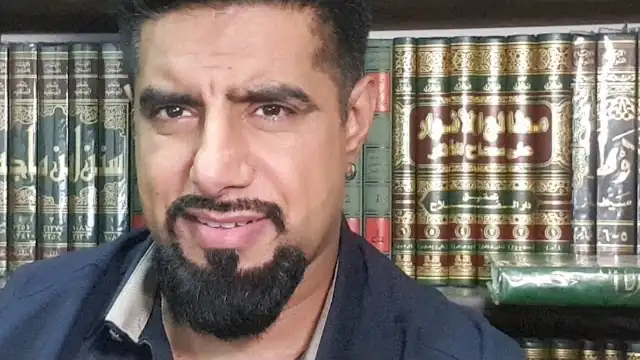 Press play to load from YouTube. Nothing loads until you do.
Transcript
machineauto-transcribed, may contain errors · source: youtube auto · click a time to seek · dotted terms open the glossaryall right damn well that's hopefully that's live all right well
so i apologize uh given my own uh punctuality standards but today boy technology what can we say technology that in case you're wondering is still my my my resting couch people on my resting couch so right i'm just trying to set this because i've got it on um youtube live as well a church since it's live i think i should give the molag tash a little twirl
right so what's going on people what is going on god it's so hot today yes yes you see it's it's not normal in the uk for it to be this heart so you've got to understand you've got to understand our predicament first world problems people for its world problems alright so right those of you just tuning in you can click like click share it is running live on youtube as well i'm taking questions as always people as always q a i've
restricted the questions to facebook because it's much easier to kind of just take them from one place all right what's going on so it's much easier so if you are on facebook you can log into facebook and post your questions from the that will most likely make things a hell of a lot easier than to try and tackle uh youtube and it's it's my complicado it's more complicated people it's more complicated so what is going on what is it that is
bothering the people what's up what's up man what are some of the the questions are coming straight in yes i haven't even shared this from my other
how do i blaspheme that i haven't even shared my own life what is going on what is going on all right so one momento mentor people feel free to post your questions whilst i just click share on this alright so i'm just doing that people just doing that right okay within
all these extra security passwords here you know if you don't have a password on your phone then you only have yourself to blink [Laughter] you know the mobile phone is the number one cause
for it is the number one cause for for all kinds of catastrophes of our aid people for all kinds somebody said oh i don't like you i don't like your mustache yeah why are there so many haters in this world [Laughter]
we are the those who love we have in the quran why does allah tell the prophet to tell the people the scripture to refer to their what to refer to there if they have been corrupted so this ties into a question which i've answered previously on do we believe that the torah uh the previous scriptures jewish scriptures or the israelite scriptures and
and the bible oh yes salam is that me right so right do we feel that the bible and the torah and these things have been corrupted now first of all just to clarify many people may be surprised that this is a little footnote if you like the torah is not the scripture that was revealed
to moses the torah is a combination it's of scriptures okay so it's it's it's perhaps like saying the jewish bible okay not all of those books were revealed to moses so in the quran to be specific allah never says in the quran that we gave moses the torah and but rather that we gave him
the book or we gave him a revelation or we gave him the furqan or we gave him the criterion but it he never says we gave him the torah so the torah was so it includes the message of moses and many others that come after him so allah does speak about the torah and israel but he doesn't say it was muslim who received the torah now so i'm not saying that the message of moses was not a part of the torah it was a part
but it's not the torah okay just to be specific so you understand that in the torah you will see them the rulings like god mentioning that and we told the uh and we mentioned in uh that and in it in the torah it was written that
a stole for a soul and an eye for an eye and a tooth for a tooth um you're i'm sure you're familiar with these laws these laws were revealed much after moses because these are the laws that the israelites became acquainted with once they were in captivity and the generations that are ensued under the rule or in in babylon so whilst they lived in babylon uh the century that they spent there in captivity and then maybe some of them that weren't captives but they lived there
so the law of hammurabi uh it mentions this in fact it's the actual wording of the law of harabi which predates moses so you'll see that the the text not text but the kind of uh um the clay tablets that have been found uh with the law of hammurabi and these things and the epic of gilgamesh and these that date to almost four thousand years ago um these had with these very laws coded with that specificity so
it mentioned that as a life for a life and an eye for an eye and a tooth for a tooth word for word it is exactly what is then the scripture of the torah and then the quran quotes that so it couldn't have been from the time of moses because at that time the israelites hadn't crossed over and established the kingdom of israel and they hadn't then later on being taken into captivity and spent several hundreds of years in babylon uh well they did so just to clarify okay so so you guys have a a better
understanding this also ties into an important question which is what is the sharia what is the sharia and this is why you will see and that's something i'd like to come back to in in a moment but just to answer this question so you'll you'll see that the sharia is simply a solution to people's problems based on their surroundings okay so it's not something um that is alien to the people it won't be
alien to them okay so um because i've been uh asked about this recently that people had had questioned uh me on a few occasions that what do we believe about the shariah is the sharia sacred and holy and that's an a deep uh discussion in and of itself so what we can say is that although the shariah has come simply means your rules and laws now the laws were never meant to be static they were meant to
reflect the needs of the people to state that the laws today must be static as they were 1400 years ago but then to acknowledge that by the way all the laws prior to that were always changing makes very little sense okay so allah says that we made for all of these prophets and these people they were countless prophets
that we placed for each and eve and every a different kind of rule and law and that makes no sense if allah was trying to seek out a sacred law because then allah would have had just one law there would just be one law for everybody for all time and if the laws are always changing for all the prophets and and there's countless prophets by the way countless so if those are changing for them then it makes no sense to say that this law would be static now and even though a thousand years
would go by and it would still be always static i mean the underlying the underpinning themes will be static so allah says that really all that allah is commanding you about is he simply commands you to justice and kindness humanitarian efforts that you give to people who are less fortunate that you maintain good ties that is it that is the summary of all the aktam in islam
now their manifestations will continue to evolve and change with the day and age and with people's needs so as um so that people's rules will always continue to occur continue to be renewed that so long as they continue to innovate and develop okay so yeah so just to clarify that uh and i
and this is a uh this is actually a um i feel anyway a uh the source of a great misunderstanding um because once you understand that you realize there isn't really this god isn't trying to get you into some kind of political power because there is no sacred system per se the system is simply a human system and i refer to this as the as the kinsuki hypothesis
[Laughter] now people are going to say yes hypothesis people the kimsugi remember that so what do i mean by the kinsugi hypothesis all right one the problem is i speak in too many in time too much terminologies [Laughter] this is the problem you know i i get too technical
so to understand the kinsugi hypothesis i need you to buy my book that's called marketing people so the sharia according to me is explained by the what it is what i call understood by the kinsugi hypothesis now this ladies and gentlemen
this is the ancient japanese art i need you attention this this is the art of where you salvage a broken dish or bowl or glass or cup you salvage usually a piece of pottery a kind of utility that you salvage by joining it from the cracks but with a kind of precious lacquer so the kind of cracks that you put usually golden
kind of lacquer is used to fix that uh that broken utensil whatever it is um and this in and of itself is an art it's an amazing art it stems from the japanese uh philosophy of wabi-sabi i'm not making this up yet when i say these things maybe you might think that is muffy just making this stuff up right besides spending all my time watching tv
series i do occasionally read as well people so there is a an amazing japanese philosophy called wabi-sabi not the vabi not the mavi this is this one is heavy this is true by the way i'm not making this up so the philosophy of wabi-sabi it refers to seeing beauty in frailty in uh
in decay in in broken kind of aspects of life why because these things are human all too human these are and can be beautiful from a perspective you see because the old eurocentric way of seeing beauty is all about symmetry and it's about attempted perfection but the japanese philosophy of wabi-sabi of our brothers
[Music] so in bobby's wabi-sabi they saw beauty in imperfections and that's an amazing philosophy in and of itself but from there you get this kintsugi the art of kintsugi of go of fixing with gold broken items now this this is this kimsugi hypothesis is by what i explained the shaykh they are to be the sharia in its essence in its essence people
is taking the broken the frail fragile hurt circumstances of human beings in their social environments and then mending them joining them fixing them with a precious lacquer that kintsugi is how we understand the sharia so the is it is beautiful from that perspective that you
have this kind of the this piece of art in front of you but it is in essence human broken problems that it is taking and fixing it is not something holy in the sense that it's introducing a whole new divine kind of alien rules it's not it's taking a a broken human society using their solutions and providing them with with a
response and with some parameters that's what the shitty eyes now you can understand why i said i explain it by the kinsugi hypothesis right people you probably thought when i said that that mufti's about to do another is this a blank is this from you know imam malik would often say uh balarani that it has reached me in arabic means to reach so we imam malik presents a hadith but he
doesn't mention the chain and he just goes direct these are called the ballars of imam malik so just in case you thought i was doing a blog obviously my with a different context today like some people they do balagath so this was not and you could from that also say it's perhaps some of these people who do these blags maybe they've misunderstood the hadith of the prophet who said
that do bella on my behalf as in when representing my words but this didn't mean black as some of these movies have started to blag that's not what the hadith remember you know there's usually an understanding sometimes there's a misunderstanding right so what else is bothering the
precious people of facebook what's going on look man is saying be true to yourself video can you end this live with a similar motivational message we'll have to see we'll have to see people you know sometimes you have to be in the right mood you have to be in the right element and then the words they have to they have to come from the heart
in the words of allama iqbal that the words that they kind of they they come from the heart they impact the heart the words may not have wings but they are capable of flight right so what else is going on mufti you have a clip on wearing gold and silk for men there is a narration
where he holds with the prophet holds gold and alma and says this um wasn't there a fault i've explained all of that you see the interesting thing is the interesting thing is you've watched my clip yet not watched you know the buddhist concept in this world there's just sorrows and that's what i get afflicted by
when i hear these things that you watch my clips but yet you don't watch them it's [Laughter] you need to re-watch my clips [Laughter] [Music] time and time again people so in there i actually explained my understanding of the hadith that yes the prophet sallallahu alaihi if he said that what he was trying to refer to this was simply an encouragement
to stay away from culture that was quite alien to the arabs you have to understand that you see you can't see the mistake people make today is they want to think about islam they want to think about the lifetime of the prophet about the companions they want to think about these things right i'm live again there's subtle connectivity issue i was actually i was actually worried that there may have been an issue i was on the phone today for hours god damned almost two hours uh uh
to the internet provider virginia nightmare they duped me into switching broadband providers and now they've been playing up and they've been impossible to get hold of so um and they i've been assured that hopefully things will be fixed tomorrow so i was in two minds about postponing today's session but i thought let's do it so hopefully you'll be okay right uh must be some native i don't see it as disrespect uh i don't know what that's
talking about no i don't know i don't know people what are some questions yes so my the thing i was trying to explain is you have to understand the background of where the prophet sallam was speaking from okay and i would really advise anybody who's serious about islam you see muslims are of two kinds people since i'm giving you terminologies i'll give you a few more
muslims in my books are in my book are of two kinds there's muslim with a capital m and muslim with a regulation people i'm taking you into the mind of a mufti here so bear with me bear with me you see all muslims and some maybe people who ain't even properly muslim anymore but were from a muslim background are muslim with a regular m that simply means that you are
muslim from a cultural identity ethnicity perspective if islam is a kind of ethnicity if i can extend it to include that to mean that that that sense the 1.8 billion muslims with a regular m are muslim like that in the world meaning that they identify kind of like ethnically as a muslim so meaning they they they see diet food maybe some kind of cultural clothing
things like that and they may be concerned now from this category of people you may get people who are concerned about islam but really islam for them is nothing more than an ethnicity so they they may fight for the rights of islam but to them fighting for the rights of muslims is akin to fighting for racial rights and i'm not dissing this i think that's good fine people should do that but that's all it really is for them so for example they could be fighting for racial rights but they happen to be fighting for right that help you identify
as a muslim now then there's muslims with a capital m who actually are interested whatever in whatever that may mean but are interested in the message of islam that what was islam about to them this is a deeper message it's not just an ethnicity it's not just a tribalism a sense of belonging but it's a journey
to the unknown maybe it's it's a it's a discovery it's a reconnecting with god to these people they will they are on a a path of inquiry that they will be seeking things they will be trying to learn things they will be asking questions about their lives sometimes from other people sometimes
as a soliloquy okay they will be asking themselves asking these questions out loud what is this why am i here why did does god want this so these people to them islam is it's it's it's a much deeper connection even though ironically to some of them the apparent connection may not like the ethnic connection may be important or it may not be important so if it's not that important then it
may seem quite weird to some people because they think well how come this person doesn't dress like that or this woman doesn't dress in this particular way or she doesn't wear a head covering she doesn't do this or but yet their inner connection is so much more profound okay and they are the muslims who i would refer to as muslims with a capital m because they are truly interested in a kind of message which is what islam actually was about but by extension islam was about the other thing as well
i mean it was about a sense of belonging i'm not to deny that but i think that's a secondary purpose and hence it caught everyone but the primary purpose is a difficult one so somebody said in his opinion it was a dream now i've got to guess the question that's the answer in his opinion it was dream your honor [Laughter] now i've got to guess the charges
so what could the what could the potential questions or the charges be for that answer for that response well if i'll have you know that there was actually a case in canada where a person drove almost 20 miles and stabbed his mother-in-law to death whilst sleepwalking all under the infant all done whilst asleep and with that the defense rests its case
so well i hope that musti could you please talk about collective consciousness or the concept of collective psyche you did it briefly in in december and you said you'd come back to it as the quran speak about it from your perspective collective consciousness ah yeah i'm so intrigued by these things honestly i'm so intrigued by them um what are your opinions on dan bru baker
dan brubreca done brubacher and his recent book correction in early quran i haven't come across that book says mufti translate into english the urdu poems and proverbs there's so many poems so many i i i have to say i love urdu poetry i love poetry in general even arabic poetry even arabic poetry arabic poetry is awesome as well but urdu poetry does have a unique
kind of uh a twang to it it has a certain taste i'll tell you why i'll tell you allow me to elucidate i hope it doesn't play up today the connection is kind of going back and forth but classical concepts don't resonate so much with us so they're all about for example traveling uh which is fine but it doesn't not everybody finds that so exciting today wars which are fine but they don't you know just are we classical arabic poetry speaking about kills
which we totally don't get today and whereas let's say the urdu poetry is more the concept of love i mean the classical arabs did speak of love as well but i'm just saying i'm just saying that it's as the dna changes the themes change so that's why and then you could get very recent poets like i often quote john ilia
a legend legend people a gothic poet you know he pours his heart out and he says things which other poets wouldn't dare to say yes a poem of his let me give you an example he says in one he says in one poem
that why should we be awkward in saying this that why should i be awkward now let me just say it confidence [Laughter] he says what why should we be awkward in expressing this whosoever is happy out there i am envious of him [Laughter] ilya this that is you know
it's such brutal kind of raw transparency that it's overwhelming yet humans so human that you have to love it it's amazing it's amazing it's it's pure genius people he has he has one line where he says that means in my on my side like what like speaking about a woman a girl that he's got and he says and he's saying this to his to
his love that's lost love he says that i've got a cheap a cheap beauty like a beautiful girl which is like i've got a cheap beauty at my side he says that
he says that your separation that's what i'm enduring that's what i'm getting by getting through that these are the things i have to do to get over your separation that's such so raw people so transparent so not trying to aspire to some kind of perfection so in some of these poets if it was a dream why is it clearly written that he denied it was a dream when questioned by aisha he went to [Music]
jerusalem the number of prayers were dreamt up yes it was a vision it was a vision whether the vision was in during a dream or not is irrelevant whether the vision was in a wakeful state but it was a vision there is a difference between a vision and a dream
so the prophet saw a vision and in that vision he was traveling and it doesn't by the way it doesn't say anyway that masjid al-aqsa was jerusalem so i've said that in my last week's show that it's no way does it mention that masjid al-aqsa is jerusalem hence the early shia split with the sunnis on this mata that where does it say they said and some early people from the salaf said that the masjid al-aqsa was a place outside of makkah that's where they said it was others said it was in the heavens
that's what's being meant by masjid al-aqsa and then some people claimed or maybe jerusalem because it was the jewish place but why you know because it doesn't make much sense that why is that the most farthest point why why is the the holy site of the jewish people the farthest point of islam makes no sense but i mean people can obviously muslims accepted it later on it became muslim culture not everything that becomes accepted by the the muslim when i say accept it i don't
mean everybody accept it but it became the norm to just kind of like it's there it doesn't mean it's actually accurate okay so for example uh there being domes on masjids is a common accepted practice it was never an accurate thing it was never something authentic in islam in fact if anything one may argue against it from an authentic islamic perspective i mean i've got no problem with doms on masjids but i'm just saying that they're not from the sunnah of the prophet of a dome on a mosque these things were never there
in the time of the prophet so and these were influenced by other cultures yet today it's it's the norm you identify a masjid by its dome today so not everything that you see ubiquitous that you see widespread must be authentic okay so just have replying to robin something about a bikini girl i've got no idea what that
god needs another our shrines permissible what do you want to do to the shrines [Laughter] at least let the dead rest peacefully they must be thinking look we're dead now and these people still are bothering us are shrines permissible what does shrines mean shrines as in visiting shrines making shrines creating shrines decorating shrines worshiping at shrines asking help seeking help from the shrine i mean
hundreds of questions i could make up here i don't know sitting the shades of shrines using the wifi ins at some of these shrines [Laughter] what what is the question so right so what evidence do shia use to prove imam from the quran elon hash
elizabeth is asking we are talking about my question if i can pray in shorts and t-shirt so long as home alone is it hypothetically abdullah asks hypothetically possible to make polygamy haram through trajectory hermeneutics make polygamy haram we have people we have a cafe in our midst [Laughter] some people can never see the happiness of others can they
you just can't bear to see other people happy in this life huh some people are just full of venom ah i asked allah don't let me see the face of a kafir today [Music] and i log on to facebook and look at these questions [Laughter] i'm joking i'm joking right so let's take some of those questions right so let's take some of those
questions uh first one praying [Laughter] praying in shorts bringing in shorts and t-shirts all right it's a party right so and one prey in in casual or non-covered clothing with an ex exposure of the aura can one pray like that so right okay
now there is a difference of opinion with the majority of the people uh most people okay will feel that that is impossible the maliki method the school of medina the don mother people the dawn method right that has some edic it's it's the maliki man says so when you when you're looking at them it'll say like hanafi no shellfish no humbly no the molecules say allow me to expand so you'd like to respond expansively
on that and there's a difference between the daddy the iraqi malikis and some of the others the iraqi mileage itself covering yourself is an entirely separate obligation in islam it has nothing to do with the prayer so he argues that that the covering uh is simply a recommendation within salah it is not a condition of prayer so technically he argues this point that if a person
prayed naked would the salah still be valid and he states that the salah would be valid although that's a separate question of whether just being naked or not and where you are at that time so i have said in the past as well that i find i do follow that ruling of the iraqi malikia that covering yourself in salah is a recommendation and it is an issue of propriety people propriety proprietorial it is to do with
the kind of suitability of where you are okay so for example you're not going to just turn up in a masjid turn up to a masjid sorry just in your boxer shorts i hope not otherwise you can't trust the karisa you know it might be a problem you know otherwise the karisa might say a cha cha beta can you help me with this thing in the storeroom [Laughter] so i wouldn't advise under any circumstances turning up to a masjid
in just your kind of in so there's propriety issues like how do you behave in certain places what are the etiquettes of certain circumstances and situations so we call that propriety so there is yes there is that so but if a person as far as just the salah is concerned then i do follow that understanding that there's nothing in islam to uh mandate the covering i accept that some people have argued to the contrary that you know that um
as the verse of the quran says that take your adornment children of adam i don't take your adornment at every point of prostration or every masjid meaning at every prayer that's how many people have understood this so i'm not saying do that i'm not saying to people that stop praying in your underwear or things like this but i'm tackling the question that if somebody prayed like that is the prayer valid and yes i would argue in line with the iraqi school of medina the malikiah that yes the prayer is valid
i hope that helps [Laughter] elizabeth's saying well you know that's absolutely fine why did umar prohibit yes so i have answered uh the other questions uh in this question as well in much more detail if you check my clip on the girl in the back in her bikini praying salah that went viral you know those kind of clips are definitely gonna go viral
[Laughter] one it's a controversy too it's a girl in a bikini now those are reasons why clips go viral you're not gonna get a normal clip where a guy says hey people i'm gonna share some wisdom with you going viral who needs wisdom in life who needs wisdom that's like who the hell needs that but clips about girls in bikinis now that everybody's gonna pay attention to you so that clip had gone viral and uh so people had really kind of
uh was shaming this girl and think i don't know who she was but she's praying at the pool side and so i responded and my clip is on youtube and it's in much more detail so you can watch it there what does trajectory uh hermeneutics mean in an ichthy hardy sense that's a good question would you do a talk with viduvids of course of course with vidvids is a great guy man inshallah uh i am looking to ensure life all goes well this week uh do a talk with uh uh
haris sultan now so that will most likely be on thursday night if it's going ahead that is right so that's the um that's that what other question was the what did i i said that there were a few questions i said i'll tackle them right youtube people i've all any questions post them on facebook it's just so much more easier for me to tackle have you ever been gum called sharif of course i've been to kamko
kumkul shalif is one of the most one of the major masjids in fact perhaps arguably the largest masjid in birmingham so and that's where i live in the city of birmingham so um definitely i've been on so many occasions it's also known as abdullah masjid or but it's named kumkulshari for gam gol via but it's a great masjid um please do more refutations you know about refutations but i'd uh
i will be giving my analysis on uh muhammad hijab's lecture i watched his lecture on um i almost forgot what his lecture was about the on liberalism and i'll be sharing my thoughts on that in just a moment in a moment to come in a moment to come people and i'll also be discussing uh there will be a little mufti masala segment we'll discuss that what's going on with uh what's
um has had some new developments and hasanat and there's a there's a clip going that's also i've seen of uh a a preacher by the name of abu taymiyah and i've been asked to comment on the ruling that he's discussed i'll discuss that as well so what else is going on when is someone considered much known lucy is asking a question
means mental in arabic so or clinically insane i guess well that's a mental health issue and you can re refer to the professionals somebody said there's a controversy with sheikh attabek are you aware of this i'm not aware of any controversy with chief a good guy you know he's a good guy he's a great sure he you know his heart in the absolute right place and his mind as well and his efforts
um great person i mean i may be doing an event with him next month i don't know uh we'll we'll see we'll see inshallah how that kind of unfolds cool ah abdel mahjid is in the house people our i.t technician is in the house does a muthawatt hadith overrule the practice of the people of medina anthony question muttawater hadith is there such thing as a mutawater that is the question that is the question you've got the question wrong you've got the answer right but
the question wrong so what's that there was a friend of mine his neighbor used to say when people would knock on his door and it would be wrong like a wrong number he'd say right number wrong door number next door right number wrong door number next door
so like that there was this uh is there such thing as a motawater hadith or is this from the balarat of certain people to legitimize certain things because i would say that by the definition of the mahadevi it's possible to bring a motawater hadith by their definition of something being truly mass transmitted so the definition they give is let's say the prophet said something at least five some people say 10 12 40
people heard from him and from each one a similar number heard so there's exponential growth by that root so if you take five let's say the first chain the profit you have five people then the next layer has 25 and then each one of those has five there's no such thing they couldn't there's no such hadith ever like that
if you could meet one scholar who would it be and why yeah there's so many scholars i'd love to meet there's so many i'd love to meet you know it's not just meat there's people i'd love to get to know there's a difference it's a differences in becoming acquainted with and just meeting i'd love to be acquainted with scholars like sherhams or yusuf to get to know him um
love to get to know him um all these kind of adnan ibrahim um i mean there are a lot of scholars that i would love to get to know there's a difference between getting to know someone and just meeting someone meeting you know you shake hands you say masha'allah it's a pleasure to meet you and then you're on your merry way you know this i see very little to gain from i mean don't get me wrong i'd still love to meet i have met sheikh hamza yusuf but i mean i'd love to meet
these people but just meeting meet and greet it has very little to offer so that's what about the light what about how about yusuf estes i have met yusuf estes i have met him bilal phillips i met bilal phillips i haven't met beloved but of course i i mean i'd like to i'm a social person i'm a social outgoing person i'd love to meet anyone everyone of course and all of my especially
i have met sheikh hamza yusuf somebody said i'm surprised you haven't met him i have met him but we you know apart from exchanging a few words as in how are you doing cher it's a pleasure to me you know there wasn't there's not i haven't really i i don't know i haven't become acquainted with him as in i haven't got to you know actually have deep discussions and get to know him i would love to but oh well he's blowing he had here fade fadey fade your shady is blowing on the nuts in like putting a
curse on someone yes it is this one this is on almost naughty naughty but yes it is yes opinions on imran khan in america imran khan in america who is imran khan are we talking about the president the prime minister of pakistan or if god is merciful then why does he allow animals to brutally tear apart other animals or
the tragedy the brutality of nature it has a brutal realism to it that is all part and parcel of growth and life it is intricately bound with life
is an amazing word in urdu can mean like sorrows it can mean i suppose but in urdu it's been kind of owned and glamorized which is interesting because it makes it then difficult to translate because sorrows in english are only negative nobody wants to own sorrows nobody wants to own that dark side of life but in urdu poetry the poets kind of want like they embrace them so it's difficult sometimes
translating i struggle to translate the into i don't know if there's uh but ralib says that being trapped with problems and being bound by life are in essence one do no that they are just one that why should it be that before death man is emancipated or freed from sorrows how could it be when they both won that to become free from one you must become
free from life the deep concept in that but uh it is the um these things are um they are part and parcel of nature for growth for survival of the fittest for life to evolve they must be struggle it's it's a brutal realism but one that is necessary for the arrival of humans you know for us to arrive at the cognitive revolution there must have been this struggle in
nature i suppose one could argue that you know god could have just done everything he could have just put us and but then would we really have that free will that's the question melancholy is embraced in english yeah rash allah you're right actually you're right uh melancholy yeah so i suppose that kind of yeah that's right but i suppose melancholy isn't so used by people today i mean it is used but i'm just saying it's not a common
kind of term um but i agree with you it's it's like in the poem of fez ahmed fez where he says there are that's all i want to be i want to embrace it and if i get that then who cares about the sorrows of the but he doesn't mean it he has in who cares about the sorrows of the world
he means that who cares in chasing the sorrows of the world which is strange in english what is the the point of of you know of all of all of this besides though besides those beautiful eyes that what is the really that counts
that's what he says people you need to learn poetry you need to learn poetry that when something is transmitted massively from so many people it becomes impossible that all the narrators have have met to invent a lie that is true that is the uh the understanding of mass transmission you see this people is a you know when people speak about muttawater something is motherwater what they are this topic this discussion is a discussion of
epistemology okay epistemology people epistemological issues he thought musty doesn't know these things [Laughter] i'm just kidding right so epistemology you might ask what is epistemology some of you might think does mufti just say these things to to try and look [Laughter]
intelligent we've got to do these things otherwise people don't people don't believe that that i can actually that i actually read if i don't force feed you these words i don't have no value i'm messing i'm missing epistemology basically is the study of how we know things so how do i know this glass right here this pint glass with my special cocktail in there i could tell you what it
is so this this how do i know this is there because i see it because of sensation because of perception because of intuition because of learning things all the ways all the possible methods by which one can know something the study of that is called epistemology okay now when we are discussing tawatur the point
is it is really an issue of epistemology that somebody is saying that look the prophet said this and the other person is asking but how do you truly know 100 percent that he said so people have come up with a concept of this is the issue but when you're discussing hadith is there such thing as muttawater now you tell me just be honest how many people must it take for something for you
to not even entertain one percent doubt that's a personal question but it's a very relevant and real question that if i said to you that oh i heard some news i heard something has happened how many people must tell you that what must the avenues be you can't verify you can't actually like imagine somebody said oh donald trump had an accident donald trump's had a steer accident let's say
and you know he's in critical how many people must tell you that for that or must be talking about that how'd it be enough worldwide three people you're having a laugh mate three three people so would five people even be enough so exactly so you tell me this issue of epistemology for us to believe with certainty that there isn't even a one percent doubt that the prophet
said this is there ever such a hadith is there ever and the answer is no there isn't and this isn't something i'm saying many scholars before me great scholars of hadith ibn denied this al hazmi denied this they said look they said it as it was but later on you've got to understand the enterprise of the scholars involved this is why people i always advise you that when you're studying um you know if you're serious about religion and things like this it's always good to and you can use this
in any aspect of life you don't have to reserve this for religion but always assess the power at play the power pot dynamics you see human beings are complex creatures we're not just when people say things they don't just say things there's huge power issues power dynamics at play this there's things like status positions of power there's there's trying this subconscious things it's taking place there's so much i mean
i don't know those of you that have ever looked into and i'm not saying this has to be 100 accurate but there's something there there's a sub science within psychology sometimes referred to as gameology okay and this isn't this is the study of games but not like video games and things like that but it's the study of kind of mental games that people play and you'll see uh things like um and it's at the forefront people like rick byrne who's got a book called games games that people play and you can buy
the book and it maybe some of it may be slightly outdated now because it was written decades ago uh and maybe people don't behave in those exact same ways today but still it's interesting and let me give you an example what he's talking about is subconsciously the kind of and sometimes consciously in subconscious the games of interaction that people are playing so as an example back then a few decades ago when women weren't as thriving in in the workplace as they are today let's say
um so they didn't have maybe as many they did have opportunities a few decades ago as well but i'm just saying today it's probably uh there's this you know it's a lot i would say reasonably equal but people may challenge that but my point is he gives the scenario of uh this is one game of a woman who is too daunted too intimidated to pursue her ambitions she's too daunting that that thought scares her the thought of failure like of going out there
and let's say she wants to become let's say she wants to become a writer she wants to become something but she's too frightened of failing so what she does is she marries a husband a guy that is very controlling this husband doesn't allow her to pursue an academic uh pursuit like doesn't allow her to go to university is very controlling now she then justifies her inability to become
a let's say a writer or a i don't know a nurse or whatever it is on her husband says well you know i'd love to have been this but my husband you know he he he he's too controlling and too possessive and doesn't let me uh and this is why you can understand why i said the book may be slightly outdated but the games are still real now she may blame him for withholding her ambition but really she chose a person like that that was very controlling on purpose
to kind of fulfill that game and what i'm trying to and what eric bern and other psychologists are trying to show here is that human beings are very complex and there's a lot of games that go on between people and i know the term games makes it sound jovial but they're not actually always jovial or necessarily fun they just the the kind of interactions that are taking place um km said most muslim men are controlling um right
they may maybe unfortunately i i i i actually may agree with you i think that unfortunately many muslim men are still very insecure and that's a shame actually it's a tragedy but getting back to this point you see when you're studying the a discussion within islam and you're looking at a hadith this concept is posited by who the themed who are invested in this enterprise they have a stake in this enterprise
without hadith there is no them they derive power from this enterprise i'm not obviously i i agree with hadith i'm not somebody that derides hadith or you know is against these books behind you behind me that you can see are mainly especially this whole section is all hadith and i've studied hadith but i'm trying to say let's also be real when we're analyzing these things that there is a huge element of power at stake and people don't like it when they're being questioned like scholars
when they have rulings they don't like being theologians they don't like being questioned their power so they come up with these theories that oh this is and you think well is it and they say well now that i've said it you can't even question it and you think well why can't i question it no you can't question it it's mota it's mass transmitted and you're like well uh but it isn't like no uh it is to deny muttawater is to deny that which is known by necessity and to deny that which is known by necessity
makes you a catholic [Laughter] so you think well hmm you know slightly more than i bargained for i just had a question on hadith but i've you know i set off with a question of hadith and it looks like i've walked off islam right so i think i'll just kind of hold my horses and just let this be but these tools and and you'll see the scholars do the same thing with the concept of ichima consensus a very kind of bogeyman
concept that they've come up with um yield or you know around everywhere to to just who you know a kind of it's it's an intimidation tactic that's all but yeah do you have a problem with me having a conversation with someone uh can you not have your private conversations on my life please this is this is about me me me me
you're impacting my nerves [Laughter] right is is upon the prophet shirk right look there's two things here that need to be separated one is what do we mean by silk are we trying to chuck somebody out of islam i'm not in that game of trying to chuck people out of islam and i don't believe islam is in that game of trying to chuck people out
so people doing whatever they're doing i don't believe in trying to scare people away from islam i don't believe in trying to uh tell people you're no longer muslim and things like this okay so that's not that doesn't interest me okay okay it does not bother me or concern me okay however if we're going to be analytical and just look at this concept of praying to the prophet then in all honesty is this not just a return to the gods of
old and by gods i mean with a small g not a capital g right so human beings have long struggled with the concept of one supreme transcendent deity as did the arabs of hajjas just they struggled with that because that transcendent god is too distant he's not interested in us why should i you know what does that god want with us you understand just like as i
gave the example as in hinduism uh brahman brahman is the almighty the great ultimate but brahman also referred to as bhagavan but bhagavan can also refer to other deities as well is so transcendent that brahman doesn't care you can't connect with brahman so you connect with lesser deities who can connect you with the ultimate deity now this was the problem that the arabs of hijaz had
and the prophet's journey of prophethood with them was trying to bridge the gap between the impersonal and the personal god and he did and people did embrace the message of islam and i feel that's such a difficult mission for all humans to just bridge that gap it's we would it's a it will take a lifetime and we will still struggle so and and this is just a fine example and you'll see well people if they won't resort to gods and
and deities and demigods and statues then they'll just resort to saints you know it's the same you know it's you know you can call it whatever you like heal some mohammed you know there's a saying uh of said um
where he had a treaty with some of the byzantines and and what had happened was uh they uh used to give a certain amount of tax and it was it was part of the peace treaty and kingdoms have always done that there's nothing new about that just as today people pay um they pay for certain things they pay to be part of certain you know to be part of the eu for example we have to contribute this things like this or to pay certain kinds of um things especially in previous times was very common so they the byzantines they were paying
jizya to omar now some of the i don't mean the great but a particular kind of kingdom because you've got to remember there was the hassani kingdoms and and part of and this term jizya was a term used by many people before islam this is not an islamic term jizya was something that was used by people like the nabataeans it was used by people like the hassanids by the lakhmids by people kingdoms prior to islam use this term of jizya okay and it's actually in their texts and some have argued it goes right back to the hebrew with the term
uh was it gazet is jizya nevertheless anyway so one of these kings he said that look jizya is an embarrassing term so he he stopped paying the jizya and uh omar uh wrote to him that look you know to do that is to break the treaty and it's a declaration of war so he said he said no no no you misunderstanding me this one misunderstanding he said look this is an embarrassment for me to pay the jizya
i'm happy to pay you but i just won't pay you the jizya what i will pay you is called a hadiya it's a gift so every year i will pay you the the sum but this will come as a hadiya not as not as a jizya so [Laughter] so he wrote back saying i'm got no problem in fulfilling the treaty we'll pay but we're not going to call it jizya we're going to call
when he received the letter his reply was heal jizya muhammad you know it is what it is call it whatever you want like people it does not bother me it does not bother me so what is going on from what i have learned it is indeed in the quran no idea what you're talking about no idea what you're talking about right so
what do you think about doing acting as a career as as in me doing acting as a career i know i know you're not asking about me right what do i think about yep it's permissible you can do acting it's fine and i don't believe you know this by the way this is question um there was this question about if you're getting married on
on on set like let's say in a scene in a movie does that man you say you know have you accepted i do i do like now some of the fukaha said you know the scholars as well it's like they've got nothing better to do sometimes they said that the nikah has happened you are now actually his wife because the ijab the kabul took place and they were witnesses so it's too late [Laughter]
so no i don't believe these kind of things to be literal salman shah says are kissing scenes permissible inattentive salman shah you're watching the kissing scenes but [Applause]
haha you know it's like as a kid when something's on the tv and they'll turn to a kissing scene and you're like [Laughter] and your dad will give you a slap [Music] like it's my fault that they're kissing [Laughter] why is this my fault
[Laughter] i mean i'm not the director of the damn movie it's like oh god huh yeah the wonders of this world that's what it's like growing up in uh in in a typical kind of muslim especially a desi kind of household and usually what happens you know from the nature the way it works is at that moment for some reason the remote control will just stall and it'll just get stuck
on that scene and you'll be like and i'll be like the only scene in the entire movie [Laughter] and that's the scene that your parents are going to walk in on like what were the odds of that like if you were to place a bet that what are the odds that here's a movie for just under two hours and there's only one scene in there for a few seconds and your parents are going to walk in any time during what are the chances that they will walk in on that precise moment lo and behold [Laughter]
he'll defy the odds i'm telling you so you'll just hear huh [Laughter] uh anyway let's let's let's let's focus let's let's come back for that i need therapy i need counseling but let's come back to zone back into where we're meant to be right so right so what are some of the questions people what are
some of the questions what's going on should i take some of the questions from here is mole it permissible yeah yeah it is molded permissible if you want to do it do it who cares why is this even a big deal why is this a big deal you know we're still stuck on is molly's permissible [Laughter] i mean for god's sake money high season three is out and we're still stuck on is moulded permissible is this one you need to move with the day and age people move
move on move on so what else is going on is molded permissible do you do it i don't i don't celebrate a celebration per se or do anything like that i don't have any objection to people doing it i've you know attended molids in the past when i've been invited but i don't kind of go out of my way to do anything somebody's trying to ruin a tv series for me stuffer la spoilers spoiler alerts
there's a special pit reserved in the pits of hell for such people [Laughter] it's reached me that there's a special pit for those people who do spoiler alerts that's right so all right what else is going on people what else let's take a look at some of these questions well i'm trying to la la la la whoa whoa whoa
ah right these are the same questions i'm getting every single week or is this last week's no no hmm
[Music] i should have like uh see this is the heat i should have like a wardrobe crew it's coming and they kind of like brush up everything's ready all right go take soon soon soon almost there almost there right so
right so what are my km is asking do we literally sit up in our graves no no no i don't i don't think you literally do these kind i think this kind of language is simply a the religious rubric that is used to kind of bring people's attention to doing certain things so i'm just trying to just realize the the non-euclidean geometry going on
is mexican music permissible mexicano of course of course of course that's the why not people why not music is not haram music is arguably it is the nourishment of the soul okay and you can see the reality to that it's amazing what certain sound waves can do and i feel in some ways that it's amazing
that if if things like string theory be true if it hasn't been it's it's it can't be tested yet but if string theory be true then the essence of everything is simply vibrations it's amazing that these vibrations you see because sound doesn't actually exist people sound is an interaction there's no such thing as sound it doesn't have a
physical kind of reality to it sound is the interaction between waves airwaves sound waves which are simply just waves in the air and an organism that interprets those waves so that that kind of also solves the aged old question that if a tree falls in the forest and nobody's there to observe it does it make a sound no it doesn't make a sound because a sound doesn't actually have a reality to it
there is no actual thing as sound in that sense it's airwaves being measured by an organism being not just measured sorry interpreted and received by an organism so and and the fact that music can actually heal people and many muslims during the medieval times they had in the hospitals madison they used to call them um they had music therapy as a healing kind of mechanism and people that are sometimes um you know suffering from certain
neuronal degenerative uh illnesses you can find that music helps them it actually helps the brain how could this be haram how could that be it makes no sense whatsoever um right so right so i think that's an important palwa tumma says i thought you were dominican
right okay well i do want to visit uh that part of that that whole continent insha allah some point in the future i need to improve and then then go on an exploration become my own kind of uh what's the
some look at these some comments coming up right people let's uh we get distracted we get back let's focus let's let's cover uh muhammad hijab's talk on liberalism because i think this is quite important a few people did send it to me it's a recent talk uh done by muhammad hijab in i'm not exactly sure where it is i think it's the netherlands and so it's it's on youtube and muhammad hijab it's at a university he's giving a thorough
discussion it's not a dialogue really but a thorough kind of lecture if you like a detailed or apparently or allegedly detailed lecture on liberalism uh what it means an islamic viewpoint how it's wrong how it's baseless how um they don't have any valid
arguments to argue from that they don't have a valid standpoint and this is this is the kind of claim being made by muhammad hijab so i did i watched the lecture just to see what is this about now i'd like to clarify a few things like what i what i thought about this lecture i think that this i did read especially in the comments that it seemed to be very well received um it was in a university setting but the assumption the impression i got is that it was to a muslim
audience okay because it seems to be very kind of plain to that muslim kind of sentiment um so i'm not sure if they will if it was a a heavily mixed crowd or not but it doesn't seem like that from by the way the talk is delivered okay so muhammad hijab begins by defining liberalism what is liberalism now just to i i want to make a few pointers and then go into some of the discussions that he had just to kind of give an overview first of all i feel that
either muhammad hijab doesn't either he hasn't understood the whole he hasn't fully holistically grasped the concept which i'm not so sure because he is an intelligent person muhammad hijab is very intelligent you know he's not somebody stupid or somebody naive so i'm not sure if that stands true or is he deliberately kind of going down a particular particular route of
of argument just to kind of win his case and get points i don't know or is it that he's i don't know he's being he's being told to say things in a particular way i don't know what the reasoning is i mean he knows allahu alam but i think it was a very poor job it was it was done very poorly in my perspective um his kind of breakdown of liberalism because what he was doing is he was arguing
against liberalism the way muslims have sectarian debates so this was his point like like let's say you are about to argue with the shia for example argues the wrong word let's say you're about to have a debate with the shia or with the sufi or with the hanafi or with the maliki or with the wahhabi or with a religious this is how muslims within religion debate what they do is they find out what that person adheres to then they will use the figures so let's say now
i'm going to debate against a hanafi so what i'll do is i'll find out okay what do the great hanafi scholars scholars have to say about a particular whatever the issue is and then i'm going to say to them ah but look look you're saying this but imam abu hanifa himself used to do raw foliage for example or i'm gonna say ah you're saying this but you know ibn tamiya he used to go and visit sufi graves so how can you be against so what we do
is we argue from a point of compelling leadership compelling authority so we assume that that figurehead is an absolute authority for this person so we're going to say well you know you you claim to be maliki so ah so imam malik said this ah now you're stuck you're stuck now because i've quoted your imam this is the kind of bulimic that happened within unfortunately but within religion within islam
especially that is how all of these islamic debates take place so if you're going to argue with the shia oh here is a shia book your imam said this this particular imam ayatollah said this now you're stuck i've got you so even if that person says yeah but i don't really follow no no no what do you mean you don't follow the imam has said it's in the cafe if it's against the shia or it's you know it's in the mud imam malik
or it's in hanafi so what we do is we argue from an angle of compelling authority compelling leadership so muhammad hijab was using this tactic okay against liberalism right now that doesn't make any sense because outside of religion people don't see the world like that okay so you have to understand that people don't they don't feel that they compel to some kind of allegiance this is to begin with so
what muhammad hijab did in this lecture is he began a thorough part of this lecture a huge part of this was dedicated to to the figureheads of historical liberalism so what does liberalism mean although muhammad hijab didn't really i mean he does touch upon it to be fair but uh just just to explain liberalism is simply a stance against authoritarianism that's all it is in essence so it is a trend
if you want to say trend it is a a feeling a sentiment that you do not like others being authoritarian it is the resistance okay that is what liberalism in essence is in essence now what muhammad hijab did is he focused on people like john locke uh who's had a historical figure who's had a huge uh hundreds of you know from the into the 18th century where he's argued about
liberalism in his day and age that why you should have what does it mean to have rights the rights of properties a fundamental fundamental intrinsic human right that we have this should be preserved and so john locke has obviously made him valuable contributions not saying he hasn't but yeah so muhammad have spent a a considerable amount of time explaining this that look john locke but what did john lock base this upon john locke himself was a christian so he based it upon what he believed was god
empowered these rights what did thomas hobbes base his theories on on the that he was a christian what did so he spends a considerable amount of time speaking about philosophers from a few hundred years ago who in essence were christian most of them some weren't but most were and then he argues that they enshrined this ability to have rights in religion which they may have i mean i'm not arguing against that i'm not saying that's not true he then spent a considerable amount of
time saying that the human rights charter that has been drawn up by the united nations which is called human rights is a this is a kind of modern term which he says look if you search the internet and he brings up some charts it didn't exist before the 1940s i mean there's very little mention of human rights people refer to these things as naturalistic rights and human rights you know it's only been since the u.n and this is fundamentally a continuation of john locke and hobes and russo
and all these people uh from the 17th century in the 18th century who were christians uh so today and this is and this following lock and russo and thomas hobbes and all these people oh you are just a hypocrite and you cannot actually claim to be a liberal i mean this is absurd that is the the worst kind of reasoning that i've ever seen i mean i've seen it being used in religion
but that is ridiculous and preposterous and to use that kind of reasoning when debating matters of uh trends of politics and life and viewpoints against authority to use these kind of things it it it makes no sense that oh just because i believe in the that they shouldn't be authoritarianism and this view was also echoed by john locke i must now be a christian because john locke said it duh i mean but that's
ridiculous so this so that's one very important fallacy that needs to be highlighted and unfortunately you'll see these kind people like muhammad hijab and other people resort to this quite often when speaking about non-muslims they will they will use religious debate tactics which the world doesn't abide by i mean it makes no sense in the real world these sectarian uh debate sectarian rules of polemics sectarian rules of debate that are
but you you're speaking for liberalism john locke spoke for liberalism can't spoke for liberalism so you must by necessity either uphold all of kantian philosophy or you have no claim to liberalism uh i don't think so mate i'll claim whatever the hell i want it doesn't make any sense like why do i need to abide by what if kantian philosophy i mean i'm not saying it's so problematic but why do i why am i even bound by that this may
you see so this is one fallacy that needed to be uh pointed out right so the the other thing is that so during the uh during the lecture um during the lecture muhammad hijab makes reference to many people they will say today things like oh if you claim to be a liberal uh so he says that look many people will
say today that look oh okay but i still have concerns what's wrong with homosexuality what's wrong with these things you know why don't we um you know people ain't causing harm they're not doing anything and he says well you know we say to these people these are unnaturalistic and so on i just want to make a i'd like to make a point here let me see i don't i don't like really making these points time and time again the reason being one i've got a detailed clip explaining this but two i feel that it just wrongly kind of pigeonholes
a person because but just to clarify the point i feel that we as muslims should really leave the lgbtq people alone okay stop making this about you this isn't look let them be right their sexuality their lives just let it be this is not a fight that you're going to win okay now i'm just being very real and in your failure you will drag down the religion and that's something you have no right
to do so my point isn't your standpoint okay my point is that you will in this obstinate kind of or stubborn form of resistance let's say you will deface islam because this is not a fight that you're going to win let's just be honest this the the civil rights movement today in this in our day right now
is centered on the lgbtq community so and they've won the cultural wars so just let people be look whatever it is it's their right it's their people you know whoever wants to do whatever they want to do stop forcing religion in there because unfortunately it's just it's making a fight out of something that didn't need to be like that okay so that's my that's that's a kind of word of advice that i um
would like to give people i don't people may not listen to me and that's fine but i would say look just let people be so he gave this example saying look we explain to people that uh homosexuality is unnatural another thing we need to stop saying is that in my understanding that it's unnatural because that isn't actually accurate that is not an accurate description of homosexuality if we're going to be if we want to be precise and accurate because if you're saying it's unnatural that means it's not found in nature now the truth is by and large most
species of creatures are bisexual most species so it's actually heavily found in nature contrary to muhammad hijab's argument of incest so if you see the studies presented that many species do like to mate with uh with the opposite sex that is of a close genetic resemblance so the genetic gsa genetic sexual attraction theory shows that for example mice or other things when they found certain
um let's say mice that shared strong resemblance a strong kind of smell and things like that to their own family they have wanted to mate with them so so they've got loads of studies i mean you can google them um and this uh in fact uh diamond jared brings it also in his uh the third chimp he brings a set of studies there as well in his book it's a it's a great book by the way if you haven't been through it now but you will see that when the mice or these other uh these subjects whenever they were
uh presented in these in these observations with their actual siblings so a mouse was presented with his actual sister as opposed to somebody related to him even when he'd never met i'm using the term her sister in that sense even when he'd never met that sibling before ever he would not mate with the actual sibling but he would choose a mate that resembles her
over other mates that don't resemble her so the genetic sexual attraction theory is there but the the westermark effect or the other effects that people or not sorry this wasn't just people creatures do not choose their actual siblings to mate with so this incest rule is not found in nature i'm not saying it's never found and hence it's found in humans as well but it's not it's not generally found so if you were to use the term it's not natural that's fine it's not commonly or
not generally found in nature it may be found as a kind of odd occurrence and that's fine so this was another point that um that muhammad hijab had kind of made heavily relying on this the other thing i'd like to clarify is you see there is an over-reliance on removing agency from people in kind of assuming that human beings don't think of things for themselves so muhammad hijab kept referring throughout this lecture to people that look when you say this
your rules your laws are based in religion without that you wouldn't have had a morality and it is true that look most laws throughout the world are archaically or classically based on some kind of religion that is true like so um let's say within the uk these laws common laws and the the common laws were based on a judeo-christian kind of heritage unquestionably as it was throughout europe and other places and
but human beings do not need let's just be honest because he touched upon a discussion of saying that there would be no morality otherwise if you didn't have that you'd have nothing because he's saying that you're basing it on these people who were anchored in religion that's why they came up with it but the truth is human beings would know that to kill is wrong they wouldn't need in all honesty they wouldn't need to be told that by scripture as the only method of discerning that it's wrong how do we know that
well we know that through nature primates have a sense of morality that is a much lower sense than than us but they have a sense of justice so chimpanzees will retaliate they understand the sense of justice they understand that being attacked is what what is right what is wrong they understand these concepts at a very low level i mean at a primate level they do have these the these if we want to call them concepts or instincts the morality instinct at that low level it exists in nature it's not something that
so for example this gives the assumption that human beings are totally dumb like human beings had no idea that to kill was wrong until the the commandment came that thou shalt not kill and then human beings said ah oh we shouldn't kill that's stupid of course they knew that to kill was wrong the commandments simply came as a reinforcement they knew that anyway the commandments came to tell them that to reinforce the the
significance and and how sacred this law is that's all it didn't mean that if the commandment was never revealed people had no idea they would just go around killing each other like oh have i done something wrong i didn't realize [Laughter] that's that's absurd human beings of course we can decipher these things right so to say that look we have if there was no if there was if you were to remove
scripture human beings would not have immorality that is a flawed argument and if we're to be honest if we're to just observe the world as it is today most european societies which are definitely secular have arrived i mean i'm not saying they've arrived at a perfect ethics but they've arrived at ethics without god if we're to be honest and their ethics definitely seem to be much more ethical than the muslim world if we're gonna be honest like let's just be honest about that you and i gave the example to somebody
the other day i said look let's just be honest like if i'm in the uk if i'm if i'm going to buy a car and i have an option of buying it from an english guy a white guy and i have an option of buying it from a muslim and this is very unfortunate to say this but i'm going to end up choosing because i'm going to think [Music] muslims i know that something's going to be dodgy with that car i mean i i'm embarrassed to say that but that is unfortunately the reality on the ground that we
we know that we are very dodgy in many things we don't have a good sense of ethics and that's being born and raised here in the muslim countries they totally don't we don't trust it well you don't trust things in the muslim country let's be honest it's heavily corrupt if you went to pakistan you wouldn't you know trust what's going on there so if we just be honest let's put our biases aside they have kind of arrived at ethics without god so i i disagree strongly with this kind of division of saying oh well you couldn't do it without
scripture you couldn't do it without scripture you could because scripture was just remember what i said it was the kin kind of it was just uh i mean the kitsung sorry hypothesis that it was just what society already had anyway so yeah so i thought that was quite important to to emphasize that the other thing was that if we were to take the example of let's say ethics from if we were to reject that human beings continue to develop in ethics
then by that example muhammad hijab would have to accept if he denied that he would have to accept that slavery today's is is fine but there's nothing wrong with slavery because in the seventh century slavery existed so when the quran was revealed slavery was ubiquitous it was everywhere and the quran acknowledged its ubiquitous nature it just kind of just took it as a given and just carried on it didn't kind of really address the issue because it knew that to address the issue right now wouldn't be the time to address it so
if you are to claim that our morality does not develop over time and ethics do not evolve then and we must only go by the ethics that existed in the 7th century then today you'd have to argue that slavery is fine you may say it's illegal but it's fine like if i to enslave another human being you'd see nothing ethically wrong with that honor or morally wrong with that on a personal basis level you might say well society doesn't accept it but i think personally it's fine you'd have to argue that
which i think is once again ridiculous so so these things robbing the agency from individuals individuals don't think like that you see when a person has a liberal attitude today that he doesn't want he doesn't like people being authoritarian that doesn't mean you have that attitude because you read a ton of books by john locke and it doesn't mean that you have that attitude because you've been reading jean-jacques rousseau i mean you may have but most people haven't been reading jean-jacques rousseau and they haven't been reading these kind of philosophers
they just have that feeling and they have that understanding they're not automatons they can't think for themselves the the other issue would be that if you took this if you took this principle then that's to say everything in islam that was first championed by other people must belong to them and we must honor them so that's like saying because aristotle because socrates spoke of god in the soul before islam did therefore if we speak of the soul we have to believe in what
socrates said we have to acknowledge everything goes back to socrates and to plato because they spoke about it before we did so i mean but this is a this is a theory that infantilizes it treats human beings like infants it's not true that human beings we are very capable agents we are constructing our worldview as we're going along so normal so you can stop a person on the street
and he will be against certain matters like i'm against capital punishment if you stop people in england most people sane people thank god and in europe thank god same people are against capital punishment if you stop somebody on the street and ask them would you agree with capital punishment they will say no is that because they've read jean-jacques rousseau or is that because they agree 100 with john locke or is it have they been you know pondering over the arguments presented
by jeremy bentham have to of course not most people have many people may some people may know who these people are other people may not even know who these people are but they on these aspects so for me to reject death penalty today and you know if you're gonna find a philosopher that rejected it let's say bertrand russell if you're gonna say well bertrand russell kind of rejected that as well i'd say well great awesome rock on but does that mean now i have to agree
with everything bertrand russell said and for you to find something that bertrand russell had said and catch me out on it absolutely not absolutely not so this was an important factor the other thing was that there was this a huge discussion that muhammad hijab had about the death penalty and he said well look ah but america and about apostates and he said well islam and i feel here that muhammad hijab kind of um he was semi he was kind of like a slightly hesitant
um i think muhammad hijab has probably moved on from the salafi wahabi understanding of saying and some other people's understanding of saying that we should kill apostates but he's probably too worried to say it out publicly so he's taken the stance that apostasy is treason which fine i i agree that i feel that many scholars did feel that apostasy was treason in later especially in the later uh in centuries but may i remind muhammad hijab here that most of
his favorite scholars that he always would quote would disagree heavily ibn samir and all these people josiah all these people will say kill the apostate kill the apostate they would have no mercy and the overwhelming majority of ulama in the past would have said kill the apostate so here he i i like it but this one not in our team so muhammad
hijab he here has kind of like abandoned the scholars for the in light of reason and i like that uh but he uh i think he he tried he did it on the slice like is anybody looking no i'll jump ship which is great i love the fact that he's jumped ship on that and he's saying that it's about treason and not about faith although he was a bit unclear in between he was trying to say well you know uh he wasn't being and he spoke of an islamic state and an
islamic state and i don't know what on earth an islamic state is but anyway that's a different discussion for a different day uh but this thing of and then he said look well you can kill people today in the amendment and um in the american whatever constitution and certain amendment and certain articles and and certain states still allow capital punishment aha so what are you going to say about that and he said well if somebody comes to you and they argue against capital punishment then you're going to say well you know john locke and these people and these did you know they believed in
capital punishment and he spent aha and do you know in the american constitution and in the in in the bill of rights and this and this amendment it said this and in this article it said this aha what would you have to say but he completely ignored the fact that the other person will just say well i don't care i condemn that too [Laughter] why would you assume that there is an allegiance this isn't a religion if british law
had capital punishment then i would condemn it i don't give a damn if it's in the unwritten constitution of the uk or the written constitution of america i wouldn't care less i couldn't care less if it's wrong it is wrong i don't have no allegiance to some bill of rights or some constitution if it's wrong so i don't and this sentiment that i'm saying is shared by so many people because this what what is meant by liberalism
in the sense that you are against authoritarianism is a sentiment that's all it is it's just a feeling and that feeling people have it some people may have had it hundreds of years ago and other people may have it today and some people in the future but it doesn't mean you have to be it's a kind of tribe that oh once you have it you you're stuck with the tribe and everything that whole tribe you have to dress like them and walk like them and talk like them i mean that's uh ridiculous somebody asked what have i got against cattle punishment
i have answered that in other places but look check this out the state says to kill people is wrong it is wrong to kill anybody is wrong and to okay just the network slightly lingered here i find that so ironic that to stop people from killing people we kill people
that's like imagine somebody around here was breaking the glass of windows so we say stop it stop it and then we smash a window to show them that stop smashing windows stop killing people otherwise we're gonna kill you i find it absurd i feel that human beings can rise above that and alhamdulillah we have that on earth we have that in the european especially in europe and in some other parts of the
world there is no death penalty okay so human beings have that capacity don't underestimate what humans can do see like people will say yeah but if you don't kill people then it's gonna go out of control but it doesn't look at europe i mean it what it's not perfect but it doesn't go out of control that's all i'm saying so yeah right so i right just coming back to this muhammad hijab thing and to wrap that up so i feel that look um there was a lot of talk about uh this about the death penalty and giving traitors uh treason
people who have committed treason the death penalty as a justification that it's okay to kill people for changing their faith i find that stupid and absurd as an argument because look but then what to be fair muhammad hijab did put the caveat in there that oh well is it really about faith it's actually about allegiance to a state right so okay so there was there was some uncertainty where he lies on that principle that said i i respect that move of his but overall i feel that justifying this bringing in death penalties from america
and things like that are a poor argument and they don't justify anything and to say that look uh so there was this point where he said something about uh look without scripture you guys would be nowhere islam gives islam always gave sacred rights i that's there was a part where he spoke about voting and he said look this is only 100 years old uh women have been given you know the suffragettes movement and things like this but islam gave these rights 1400 years ago sure look these kind of things are nice but look you've got to be real
you are not if you if we were talking in the time of the suffragettes then that's fine islam has surpassed them and it has given many more rights but we are talking in 2019 everybody that's alive today is not from that era of the suffragette movements and the civil rights movement and stuff like that so to them it doesn't matter it's not about saying aha but you know we said that their point is but what are you saying
today what is islam saying today okay it was great if you're saying it you know 1400 years ago gave the right to to vote but why is it still backwards today this is the question that they're gonna have they're not gonna have this oh wow that's awesome kind of thing so i think we have to always keep it real so there's no harm in mentioning these things when the time is right but it really isn't something to be gloating over if you're going to be pushing rulings that are still out of sync and out of date so that's my point then the other thing is there's a
lot of blinding with um with terminology so in the talk like when you give when you drop a lot of philosophical names uh philosophical arguments the kind of terminologies to do with them things like this it gives the impression that there's a lot being said here but the truth is there isn't and a lot of those things aren't really that relevant and this was one of the problems that some people were doing when arguing against atheists and the arguments for god they were doing the same thing they were just mentioning constantly philosophical
and you know you've got the categorical imperative and you've got this and you've got that and they're mentioning a lot of philosophical terms which sound impressive to people who don't know what they are they sound like wow i don't even know what that is this person is so learned but what it does to people who do know and to non-muslims it further it we it makes you look much weaker than you actually are so if you are going to take on an argument and i
has no relevance very little relevance to the discussion like if i'm just discussing and i just keep throwing in jargon i say oh well the you know the ontological perspective here sheds uh it really challenges uh some uh angles of the categorical imperative which then will really um which which was really quite fascinating when viewed from hume's perspective of uh um of the scientific unpredictability uh which then when viewed in light
of the quantum entanglement i mean what the hell am i even saying i mean it's not just about just throwing [Music] you know just okay it's it's like my point is take it by the horns and deconstruct it if you are going to don't just blind people with jargon that sounds quite impressive but it has no relevance um it has no real because it just shows that you actually did a very poor
job actually dealing with the issue so if you were to speak about liberalism the real argument would be how do we define it what is are there some fascist versions of liberalism today and i agree that there are are that can they be dangerous yes because fascism in any form can be dangerous and to just present that to say make liberalism a separate religion what does liberalism have to offer islam is it ridiculous these are not separate like islam is a religion liberalism is is a is a way of kind of thinking
and an attitude so it's an attitude that doesn't like authority being asserted on it now how does that manifest itself in many ways shapes and forms so yeah so overall i felt it was a it was a poor job at really taking down liberalism it was there was a kind of straw man argument that was made in the sense that it was all resting on john locke um
was it hobbes and hobbesian kind of philosophy and uh kantians philosophy and and then just taking that down and saying well look oh well they based it on god anyway so don't you talk to me and there's a huge there was a lot of that so yeah so that was my thoughts on it i hope maybe muhammad hijab might watch this and think about it and yeah i mean maybe not cello you eat it they will say nevertheless cool people whoa is that the time people is that the time right let's take a quick look as uh uh
right so let's take a quick look at some masala segment people masala segment so we've got what have we had uh going on there was uh right so with the hassanat case right we've had some developments it's quite interesting quite fascinating and the developments were that uh roxanna g roxanna g has come out and fully with with a kind of back support fully thrown her husband catapulted him under the bus
she said i was completely brainwashed by this guy and i you know have no idea he just completely controlled everything and he's a wretched human being i don't know whether i don't know whether this is some kind of if this is some kind of a a a plot that's being co-conspired then fair enough if not then
stabbed in the heart people by love betrayal ish this is this is what's going on people is right but this is the this is the this is the problem this is the problem when we don't take heed when we still go ahead so she has fully thrown him under the bust she said well i don't know he's to blame he took care of all of this
money and everything ask him he's completely wretched he belongs in the pits of the of hell [Laughter] right so i guess um that's that's that there was something else as well before we go i'll see if i can bring this up somebody sent me a clip i'm gonna try and bring this up right uh let's see this clip people was um all right so this is a guy uh i don't know this guy too
well but abu taymiyah but i want to listen to this clip right if we can hear this all right let me just put the volume up deficiency into heat this is more what do you know my brothers are my sisters this is a deficiency in tahit this is more worse than a man having zina with his mother what the what the the the question is can you say i swear on my mom's life do you know my brothers and my sisters this is a deficiency in tahit
this is more worse than a man having zina with his mother [Laughter] [Music] saying i swear from my mom's life
is worse than having sex with your mom my god oh my god yes i don't know is he's like when i heard that i was like
what [Laughter] how oh on what scale you know on the scale of how bad things are where'd we having sex with your own mom just right there at the beginning is it like just right b right beneath having a strong headache it's like it's like where do we where do we put this
this is worse than having sex with your own mom i mean how is that [Music] [Laughter] i'm thinking you know my scale where that would be up there with like i don't know like triggering another chernobyl nuclear disaster i'm thinking have i got the scale the wrong way round is it like those people who drive too slowly when approaching a left-hand junction and then they're a special breed
[Laughter] and then after that at that scale those who have sex with their own mothers [Laughter] and after that those who still don't drive off when the lights have turned green i mean i don't know how does this scale work are we i'm thinking
i'm i'm like the only one everybody else is like mashallah i'm thinking wait i'm sure saying i swear my mom's life
doesn't quite feel on paw or above actually having sex with my own mom i mean what a sick and disturbing i don't know about him abominable concept god honestly i had to check my own ethics standards and morality and think like have i got this the other way around is this supposed to be like triggering another snow bill is right at the bottom that's just like a given and then it's like i don't know man
well i thought i'd share that with you guys people it's been awesome shukran for your patience shook him for staying on guys right till next week i'll leave you to it have an awesome week take very good care of yourselves if i do have that discussion i'll post it on facebook or i'll let it be known so do you watch this space remember me and you're kind to ours right and remember above all people keep smiling keep laughing spread love and humanity was
foreign
Something wrong here?
Tell us what is wrong and it will be checked against the recording. Nothing changes until a person has reviewed it.
Sending a note needs JavaScript, which is off or unavailable in this browser. Nothing has been sent.
No name, email address or account is asked for or stored, and the inbox does not store your IP address. For rate limiting it keeps an unreadable fingerprint of your connection for 48 hours, and our database provider's own logs record connections as every website's do. Only your note, its kind, the page and the moment in the recording are kept, for review.
Cite this recording
Stable id, transcript version and tier are part of the citation. Every change to a transcript is logged.Mufti Abu Layth Archive, auto-transcribed, may contain errors. https://muftiabulayth.org/r/2lqqo8edeyk/ (accessed 1 November 2026)
- APA 7
Mufti Abu Layth. (2019, July 23). Monday Nights with Mufti Abu Layth: Session 129 [Video, auto-transcribed, may contain errors]. Mufti Abu Layth Archive. Retrieved November 1, 2026, from https://muftiabulayth.org/r/2lqqo8edeyk/
- Chicago author-date
Mufti Abu Layth. 2019. "Monday Nights with Mufti Abu Layth: Session 129." Video, auto-transcribed, may contain errors. Mufti Abu Layth Archive. Recorded July 23, 2019. Accessed November 1, 2026. https://muftiabulayth.org/r/2lqqo8edeyk/
- BibTeX
@misc{abulayth-2lQqo8edEYk,
  author = {Mufti Abu Layth},
  title = {{Monday Nights with Mufti Abu Layth: Session 129}},
  year = {2019},
  month = {7},
  date = {2019-07-23},
  howpublished = {\url{https://muftiabulayth.org/r/2lqqo8edeyk/}},
  url = {https://muftiabulayth.org/r/2lqqo8edeyk/},
  organization = {Mufti Abu Layth Archive},
  urldate = {2026-11-01},
  note = {Auto-transcribed, may contain errors}
}