
Quranic Arabic 05
sawm roza siyam rozah saum hadeeth ahadith ahaadeeth hadis hadees ahaadith imaam imams prayer leader muftis iman imaan eemaan eeman sihr sihar jadu jadoo kala jadu sorcery jahannam jahanam jahannum koran quraan al-quran mecca makka mekka 'alim aalim in sha allah insha'allah in shaa allah insha allah inshaa allah alhamdulilah al-hamdu lillah alhumdulillah alhamdulillaah hamdulillahlive stream · 1:01:41 · 2,400 views · 9 May 2021 · Open on YouTube
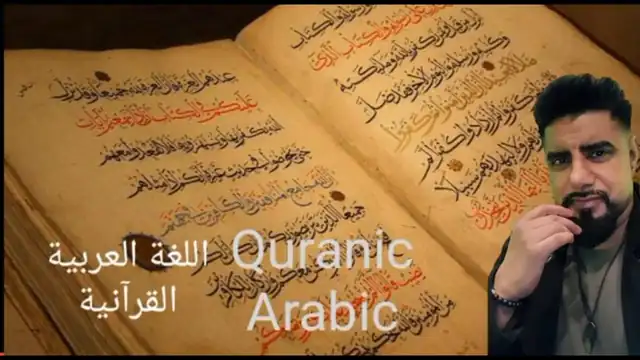 Press play to load from YouTube. Nothing loads until you do.
Transcript
machineauto-transcribed, may contain errors · source: youtube auto · click a time to seek · dotted terms open the glossaryyep you can you got six people logged on or just check with the techie right here you need a few personal individual feedback in the email that i sent back some of you are doing things like um like dr martin i think uh if you if you could write i didn't mention an email some of the if you could write more of the arabic script i know for some of the things you're not right in the arabic some people were overlooking the the genitive once again case of the word which comes after it but i'll try and recap some of that
today as well kind of left it on just really which would cap we went through verbs last time in one of the last sessions and we've understood that all verbs first of all yep i mean i thought you didn't submit this homework i thought you're going to delay a while that's why i don't i haven't received this one oh you met the one from before right okay all right i mean we understood that all verbs originally look like this in arabic so this is the past tense verb the
archetype so any verb as far as we're concerned for now and later on you know we'll amend the rules um we'll amend the rules as we go along so all verbs look like that so far islam this is the the essential template which we're concerned with okay so far now we understood with the hollow verb that the middle letter the radical aim was missing so it was it will be read as in this case if it was filed on the template he'll be like fala
that's how it be so this is an example and we understood that in essence there was a weak letter there now in arabic the week letters are the week letters are three alif wow and yeah so i'll put that here just as a recap so in essence the letters that are weak are just three
so you've got the alif and you've got sorry it should be without the hamsa uh so ignore the hamsa ali and here now these are the three weak letters and the reason they call weak letters because they resemble vowels they resemble the sounds [Music] and because of that they are called vowel letters or weak letters so we understood with the weak verb as an example and can you somebody very quickly tell me what paula means
paula hello to say okay good i said which is more precise actually what nadeem just said said to say you can answer these questions but when i ask about verbs you can answer in the infinitive which means the verb in english which when we speak of verbs we introduce them with the letter to so to sit to eat to write to read this in english is known as the infinitive verb because
it goes on forever two it has no specific time in arabic there is no such thing as the infinitive verb so we just introduce it with the past tense and the present tense so we'll just say all as an example which actually means he said okay but in english when we're translating them we'll probably just translate it in the infinitive and say this if we're introducing verb so we might say literally it means he said now we understand that all as an example was essentially
i mean this is in this is in let's say i don't know thousands of years ago let's say when the arabic language actually in essence um was being designed this is it it would have this wow over here obviously the arabs never really spoke like that but we're just speaking abstractly right now so this hollow verb as we can see it's got a letter missing which would originally be a while and i'm telling you that now you're probably wondering well how will we know what the missing letter is you realize because once we've done present tense verbs it becomes apparent
in the present tense and usually whenever we introduce a verb we'll introduce it with the past unpresent unpresent so if we go back now to where we were so looking at hollow verbs here we've got allah he said and we can see that's missing so now to conjugate this which means to kind of go through to say conjugate means to say he said she said to go through the verbs with different people as in you are doing i am doing and we call that process conjugation so
as you can take a look this was the regular verb we did before that's the template he did she did you did you did feminine and i did now this by the way all of us and i know we've got uh two recent uh additions to our class uh new additions attendees but regularly for the rest of us and and including you guys as well so that includes you um what is it nagina and rohana for inshallah for next lesson you should know these
are second nature okay so especially the template so being able to say he said oh sorry he did it is something which should become second nature hollowness is is dropped and it's kind of merged on and we use the vowel which resembles the missing letter so in this case we spoke about here that you have three vowels qatar or some some of us are probably known as [Music]
so inaudible so whichever letter was missing originally here in the holoness it was originally let's say it was a wow so when we do conjugate
and we did say this that we did go over this in the previous lesson that you can only add really two vowels you can only add a bomber and we did practice some of that we went over last last session if we say um as an example show
all right okay on this question good question i mean what we're taking away here is the alif you're right we're taking away this hollowness this hollowness here but that hollowness allah is representing a missing letter so in this case it's a wow so really this should be like a wow here like so you see it like that originally but it's represented with a hollowness and the hollowness will always look like an alif but it's in essence it's one of these three letters and so when we conjugate it here it
becomes so let's say if we were to conjugate the verb which once again has a wow could you i mean just in english could you uh conjugate that and type that into into the chat could you do that so i mean if you were conjugating the verb sama which i'll write out yeah
so i'm not cheating and looking at the if you just type that in try and try and think just going through everybody there is she said you've done that already it's the active participles which are associated with hollow verbs so the active participle so close
but i suppose that's just an apparent um yeah to actually probably kana actually probably can't actually probably kana does anybody know what kana means i'll write that off a bit so cana was accent doctor anybody else did everybody else know that if you didn't well
now you do kana okay he was now 870 um another popular function anybody no how are you writing okay so right it's right i mean right okay i'll give you a few seconds if you want to we are looking at page 170 of the book
when i write on on this whiteboard sometimes the dots will will appear a bit larger that's because the digital pen that's how it only allows me in the past tense that could have been he left um a year ago he left five years ago he left last week if however i say he has left it indicates that it was very recent okay janae just playing hide and seek they're constantly coming online and offline right so does that uh does that make sense about it being the near past tense verb so if you can see on
page 170 there is a sentence there is sorry at the top of the basis and we hear this all the times now so you can translate that now for me but the format is follow anybody like glad to translate that and write it into
which is we are looking at page 117 so if you've got the book is
cut two seconds meeting that is the correct answer that if two seconds two seconds meet we did mention before that is broken the silence is broken with the tesla known as okay so two you can never have two silent letters in arabic now because that was silent as well that's silent it's broken with a cursor with azir okay now going back to the lesson so what we're interested in is the active part sorry the holo verbs and
the active participle because we covered hollow verbs last session but what we didn't cover was how to make the active participle out of that before we go into that can somebody quickly explain to us reiterate what is an active participle what is an active process for when we mention an active participle the doer our center doc right the doer so the person that does something and what we do is eg is writing a sentence so either the doing or the duer
right that's correct so because he wrote is a verb and the active participle is a noun it describes a person that is doing that action or is a doer of that action so as a writer or writing now the way we generally construct the active but the active participle is we get the archetype verb we get the template verb which is parallel which you can see on the screen we we then add an ellipse straight after the fire
and we've done that before which means to do we're doing right now um right is that i'm not quite sure why that is um right i mean it seems to be working fine generally i think maybe today unless that's what's happening but it might just i think it's just the connection because getting it to the connection i think that's today i mean because it doesn't normally this is why perhaps there's a one up today it's taking me a while to kind of
launch the class as well um i mean we've got should we go to stand on um what i can do i mean we've got an option what i can do is reset it but i mean i'll have to reset it switch it put it back on so it might take about two three minutes should we do that let me ask the technician should we do that i'll tell you what let's do that
improved improve that what's happening i mean we do right now this is how you make how you make language so the difference here is that you see now you have the tool you have the tool to so if you know how to say the word help you can construct the word helper or write if you don't say to write you can construct the verb writer or reader or killer or anything in that sense you can
construct the active participle the doer of that verb so if we move on to but we've done this before so this is just a recap really i remember now i want the scholar and the feminine was simply to add the term right at the end right but the interesting thing here now is okay what do we do with the hollow verb but with this we because we know this is different as we've gone over right sorry i'm just trying to bring
this back with this what we do people is if i take it here with this we are going to leave the alif as it is so if you if you watch an example so if we take call as an example so here's carla or write it out first so it's in front of us so paula as an example he said now what we do is we leave the alif which is normal so what you would have said so i'll put the template here so it's in front of me
this is the template we're normally going by far elon now we've got the bar but we don't have a hollow letter here so we don't have an in to put there so what we do is we add a hamsa [Music]
and we do exactly the same for the feminine it would just with the feminine the same rules just apply you add a timer at the end so that hasn't really changed from the active particle that's the same so that would simply be okay so you can see that our elon's are the difference here is how we feel because we don't have that hollow the middle letter we have a hollowness so we simply add a hamza like that written on this type of it sits on top of what is almost a silent ya type of thing this is
you see he has this fit he's kind of slightly overseen in this book he mentions it very slow vaguely a bit later on this is why i thought this was very important that i kind of bring this in he does come over this but he comes up he kind of mentions this later on in the book so he's kind of missed this out but it's more adequate it's mentioned here that's why i've kind of brought it in here if we go back to the session um
right what i'd like you to do right sorry somebody's all right what i'd like you to do is construct the following active participles so we've got five verbs before we construct that i'd like to know what they actually mean well we know what kaala means and that one we've kind of practiced as it is if i ask some people randomly uh right okay so let's see nadeem do you know what means did you
write the answer to summer right excellent too fast and the rest of you can see that as well right uh the active participle from right now we can take a very good look there sorry very the selling or the cellar the sleeper the frightened person these all
describing people the answers all right so here we've got the answers in front of us but i became
so these are once again now doing words if you like these are active participles describing people so these are obviously describing male uh men or boys so you could say he is fasting he is saying okay does that make sense right now we can take a very good look there uh sorry very quick look just right there at unit 20 page 177 let's take a look at page 177 a sentence
is 10 and 11. uh it mentions can you can you all very quickly just take a look at that page 177 uh sentence is just i know this style i'd like you to kind of uh unit 22 actually the style of the quran this is the style of the quran this is and this is what it's trying to do is trying to make you become accustomed to the style of the quran right so now right okay moving on to the next
part of the session now next objective for today so if we just if you turn to page 184 which is unit 22 184 unit 22. now i'll very quickly recap for you uh going to what we were doing so you've got in front of you so we've taken a look at this which is the active what's called hollow verbs how to create what is recapped very quickly verbs recap hollow verbs what they were very quickly as in parla
the middle letter being something like a weak letter which when conjugated is represented by either gunma or the example we looked at how to make what is the active possible very quick recap on that the doing the template and how do you then make that from a hollow verb when the middle lecture is missing and we do that by replacing the hamster next objective so coming back to what adverbs are right so adverbs right okay adverbs of
things first of all this is the actual definition what i've got here this is the function but the definition of effort is something which modifies a verb okay which kind of characterizes or modifies a verb but that's too vague in english this is why i didn't bother with the translation really the definition of modern adverb is because it's way too vague because in arabic that will cover many things which we'll come to learn about later on things like some years and so on and you know so many things which we're going to learn about of all muslims and all these type of things are really characterized
as much old fiji mudford and all these type of things in english i just have one name to them it's just actors but in arabic they will have different functions and different names so in arabic right now we're looking at the roof the arabic word be mindful of which is the singular if our all right
this right here a lot of can mean an envelope as well but that's not what it means here just to be mindful right thought can also mean a time or space that's what we're interested in the definition we've got here for an adverb is of its function an adverb as you can see it's something which is going to do to do with really giving an understanding of time or place in relation to a verb okay so with that in mind let's move on to advert now before we do
let's a very quick recap on prepositions now because there will be similarity here now prepositions if you remember were something which linked nouns pronouns and phrases together in sentence so these will act very similarly and in english it was the pen is on the table now and we took a look at some prepositions like
to leave for as in belongs to that's just a very quick recap that's all um right and but this was the interesting thing that when we used the preposition in arabic like let's say the author right which he is in the room what was the interesting thing that happened here can somebody tell me that what was the interesting thing that happened
when we used a preposition what is it that it did we call it the genitive case so just to put that up in front of you there you are who are free this is the preposition and what if i as you can see it gets this right okay it gets this this kessler at the end of it right we don't say tanween magic
so in this case it hasn't got the in because it's got a little arm on it so it can't have double bowels but this would have normally on its own this would have on its own being had it been on its own but the fee has come and it's made it carry a kessler as you can see here and that's because of the fee and we call this the genitive case okay genitive and we've done that before that was just a recap but okay now we're going to take a look at some adverbs
right so here we are we've got some adverts right in front of us if you listen to the pronunciation i suppose i should actually start on the right actually being arabic reading that way but uh alfie means that's correct to sumit if you just sorry so let me ask the question going back to just here if this was all for 10 if i actually just um very quickly just write that here or
that would mean he is in a room he is in a room but in if you remember you can't have these this with that that's a definite no-no all right so okay now moving on back to some adverbs
right i think somebody's so because somebody's moving that okay can can you write down the definitions for these i mean you can either write it um if you know the meanings you can you can put them down i mean you can you can put it into the chat if you like or you can just write them down for yourself i don't know why that's going off actually i think that might be because some people have maybe pain activated now
sit back and listen to it like a lecture i think some of us maybe know some of these yep and falca you you're really getting the picture that these are all direction type of words and that's what we go back to what we're looking at here the the definition which we were interested in for adverbs
was the time and place indicators okay so that's what we were interested in now if we go back to those few so it's it's not i mean so these actually fit that description very well that's what these are the rules so you've got the meaning right here above below in front behind between and and it's these types of words besides um before in terms of time i don't know why this keeps people seems to be a ghost in the machine
right so here's the example which i'm going towards and it's kind of moving the ghost in the machine is taking over right okay so okay and you can see the cat is beneath the chair this has the same function
but this is the same function as the preposition so you can see the final letter whenever this verb comes before a word it does the same thing as a preposition does it gives the a it places it into the genitive case okay does that uh make sense yep
right so now okay that said that's kind of covered our rule for you which we want to take a look at now if you take a look before we move on at page 184 which we're looking at before we move on to the next uh topic right there uh the rule of adverbs page 184 you've got an example which has got a sentence
but you should all be able to read that and now understand really what god is saying on page 184 says rule number 35 the example is and it should make sense why that is happening so right so just to recap adverbs once again that these are things which describe
um really give meaning of a a verb in terms of its space or time and they also have the same type of function in arabic as a preposition so the word that comes after them they give it a they place it in the genitive case okay all right now moving on from there we're going to move on to
this we're still looking at page 184 um the second section on page 184 unit 22 which says alice non-declinable nouns and what we mean by this is very clear and we've got them in front of us right here that nouns which do not accept and we for one reason or another okay and we will go through some of the reasons in a moment so this one this is by the way this is how it's printed sandwin is printed in a lot of the uh if you know if you use arabic script on a keyboard it doesn't quite often sometimes it's
written as almost like a 69 sometimes as a 1999 and sometimes it's printed like this that's the unsound so whether it's going to be on or on or in some nouns will not accept it and they are known as in arabic or non-declinable nouns so if we move on now okay so what are these nouns so we've got several examples uh you just rush through that was supposed to have the super slow sliding
motion there i think the functions i'm just good with working on that but anyway so we've got many reasons why this happens amongst them female names so we've got things like aisha the name i shall any female name will only have one vowel at the end so coming back to here if we take a look at
non-declinable nouns non-declinable nouns will one of their signs is that they will only have just one vowel at the end of them so taking another name as an example fatima all female names right will end in just one they will never end in tanween you couldn't say like that you couldn't do it write it like that's incorrect okay that would be incorrect it must be written with just one
all of these will just have one the next is names of countries or cities as an example so i've got here okay now yeah so that should really the only except actually no i was about to mention a little exception um but really as far as we're concerned for now no there are no exceptions i mean names of cities countries
they will still have uh just one vowel one number at the end and when we see that one we know this is a non-declinable okay and what that means i'll elaborate a bit in a moment what that actually means a bit more of its function but right now one function as far as we're concerned is it cannot have tanui it cannot have an sound up here the other as you can see non-arab names here ibrahim i know to many of us ibrahim is an arabic name that's because we've only heard it but actually ibrahim is a non-arabic name in which the average language adopted so any name and the way we know that is because in arabic
all names all things fit a pattern and a scale the moment they do not uh fit this pattern the moment they go off this pattern right that and there's many patterns but to the arabic trained ear it can recognize true arabic patterns now ibrahim is not an arabic pattern so it's a just as isma'il many of these names that we hear in the quran these are them these things were not
originally arabic names alex quite often i mean one of his uh almost you know one of his replies that he would use very much is
i'll write that out for you at some point but we haven't done the present tense verb yet so i won't confuse you but it's i don't know right okay okay just about to angry all right doctor you got it it is actually angry right so i thought come on i thought you could guess that one from in there but means angry
[Music] but you can see as far as we're concerned right now this irony if it's added at the end of an adjective to describe it that adjective becomes non-declinable okay so you cannot have tanooin also nouns which resemble verbs like ahmed
yashkor yashkov sometimes is and is used as a name sometimes or any other you'll see sometimes you'll learn as you go along nouns which are they're nouns now but they're actually on the pattern of scales of verbs so okay now now okay the interesting thing about non-declinable nouns they do not take the genitive case okay this is why we actually call them non-declinable rather they appear accusative
so the example is you see who if i said he is with ahmad you would say first of all that's incorrect for one reason that they cannot take it's still incorrect because verbs can only either have a mamma or if you want to put them in the genitive they still appear accusative that means instead of a kasra
they still they take okay does that make a bit of sense there so let's go back to so you can see here he is with ahmed that is incorrect is correct okay this is why we say allah is
which is an arabic which should have been also ibrahim but it's very salif and it can't just be me that's incorrect so it's ibrahim okay that's correct is that making sense people absolutely because
as an example a man that was our default rule and then we worked our way up from that rule and we said if however some nouns get an extra l added onto it if they get this added onto it you do away with one of the dominants so you're left with that that make sense now so they would be zayden but if you've got a preposition before it as you have here
it would become genitive as in major and it would be read as alas so that makes sense but ibrahim is an non-declinable noun non-declinable because it's foreign therefore just as ahmed is non-declinable because on the pattern we call it the accusative case i mean if you've made a quick note
about that does this make sense first of all um was the one the last one example is resembles a verb obviously it resembles a present tense verb which we haven't covered yet so i'm just telling you now that you know it resembles a verb but we haven't got to present tense verbs here but when when we do you'll you'll realize oh it does resemble that that's why so now next task right people translate these into arabic it is in athman's house so know how we're making use and building upon all previous lessons
so here we've got pronouns he will have in as an example preposition we'll have construct phrase if offer saying when possession something belongs to somebody and we're going to have a um non-declinable now so we're building upon all previous learning that makes sense is that outstanding or what people by the way i did get outstanding from my offset performance thank you right so there you go if you can translate those into arabic
he lives between makkah and jazza me being the kind generous person that i am and give away this fun here isn't mean because you might translate because i wasn't sure how to from the authority of in that sense
we haven't actually done that now the active participle there's two things i'll give this away here the active this comes from the verb all right okay i'll just mention this first to live right you've got the past tense verb oh god this digital pen just does not like dots right so sir can i you can either make
the active participle out of that as in circling or i'll just give it away now you can just use the present tense which we haven't actually done yet but that's fine this is a one-off yes but that is incorrect grammatically for more than one reason one you've ignored the big fee which you placed uh because you've not made all right accents see
there you go one answer but as far as the word is will think of it like the apostrophe s so just as you cannot say allah is the house the same way in arabic you cannot add the onto the first word so we said what what to do always think of it
as in the apostrophe s that i want to say this but when it comes to writing it down write it down as though you're saying off so that's the order to remember because that makes sense i mean we did that when we spoke about the construct phrase in the previous lesson yep does that make sense as just that being an example it would be the same as makkah but you get the the idea okay we did say you're going to use
it okay that's good right if we move on there to the examples you can see here and i know you could have said sir or who a second and he lived as uh rihanna said right but either way i mean this just we can just slightly just move past this verb until we reach it
but you see this structure quite a bit and this is why i wanted you to kind of become familiar you read in the hadith quite a bit that we read things like they will say um quite often when they're quoting a hadith they may say um like let's say abu hurairah said something so they'll say they'll say
he allah that or he said the messenger said and they'll mention they'll mention maybe the messenger allah afterwards the name afterwards so you'll see almost and that's quite common in the hadith language especially they'll say you know on let's say he said messenger allah said so just to kind of once again get you used to this language that is used okay
understood what that was a recap on the active practice for the doer and the hollow verb how to make that um how to make that by adding the extra hamza so allah becomes as in the sayya sama becomes and even if that was to become a feminine we just had the ta at the end next thing was adverbs to understand that what these are functions of time and space they modify verbs examples of some like remember it's not imam
in front of an imam which is obviously a leader the they take the same kind of function if you like in grammar as prepositions that they make the word after them in the genitive case okay they make it major so focus our focal arg above the earth
so using these and remembering their functions and then moving on to non-declinable nouns which was our last lesson objective for today which is nouns which uh cannot take tanween that's one of these signs and the other thing is they do not take the genitive case instead of becoming major they become apparently uh so which is apparently accusative so they take an apparent fat instead of taking a kasra and many reasons for them being the way they are
we did go through many of their reasons and just just taking a look at them again here we had reasons for them were just to recap to you and that one a feminine name right so you have names like
right aisha mariam names of country cities missile and for those of you that weren't aware it's egypt in arabic like adjectives which end on a particular pattern like and we will go through that later on but i thought i thought at this stage this was sufficient and then we kind of had a goal at
practicing that we saw that we had a guy practicing it here um and we were and also kind of once again reminded of certain rules of construct phrases that when we're using construct phrases which is called nibarpha in arabic which we did in the previous session that when you're making a possession um the first word in arabic as you can see on this chat function which junaid has written here and if i move it onto the example here huawei t ahmed this can never have l the word
here can never have l on it okay that's that's incorrect it's just as in english you could not say the house it would never work okay so in meaning always remember it as apostrophe s but when you're about to write this in the house it would never work okay so in meaning always remember it as apostrophe s but when you're about to write it down the order of it in arabic will be like saying oh so you bring the way you say house of ahmed you bring the word house first that's how you bring the word faith first
and you must remember these prepositions because so many of us in our homework are overlooking these prepositions and they function that they give the word after it put it in the genitive case and this it would it isn't it would be in the genitive case but it's apparently accusative it's gonna up because in hadith literature so really that's brought us to the end of today's session homework today is not going to be as
uh demanding as the previous sessions i know that's a bit of a breather to uh many of you uh it's still once again it's it's important but it's not i know we've reached a certain stage where now we can't have too much right now because we've not covered the next session which is about weak verbs so the next lesson we will we'll continue to do weak verbs and then we'll continue from that so if you take a look at page 175 which is unit 19 and 176 it continues just unit 19.
i'd like you to read thoroughly all of unit and translate that so you write it in arabic as well so dr magic uh you two write the arabic because i want you to practice the arabic okay it's for your benefit really it's you know it's easier for me to just skip through it really if you don't write the arabic obviously that's that's makes things very easy for me but the point is i want you to benefit and in order for you to benefit you must be writing the arabic so if you write that the arabic and its meaning in english okay so unit 19.
on page 182 if you turn to page 182 you have a new glossary which is on page 182 of 183. if you copy that out there will be some verbs there which will be weak verbs and things like this which we haven't done yet we will be doing next lesson but as long as you've copied out the vocabulary you can perhaps remember some of it right and wait for it people saving the best for last all right yeah if you turn to page 194 and i just i think this deserves a very small um round of applause right we've reached our very first
quranic script so for the first time in the book dr has presented verses of the quran that he believes now you can understand okay so what i'd like you to do is read and try and read with understanding these quranic scripts which are on page 194 and 195.
so if you read that some of the vocabulary you should have is on the following page page 196 you can copy out the vocabulary but read this i'm not asking you to write out the quranic verses if you want to that's up to you but if you read it and try and understand it and try to understand the voweling the structure which is extremely important uh in addition to that handling i think that's a breakthrough that we've actually reached quantic versus now so um you know that's one major milestone in our learning because that's what we're trying to do understand the quran this
is the first time it's been presented so with that said alhamdulillah i hope you've enjoyed today's session continue next week any questions meanwhile do feel free to either whatsapp them on the whatsapp group which everybody can kind of benefit from because sometimes you might mention a question somebody else is thinking of it um so you know you can do try and have a go at that try and get the homework to me um you know like generally sunday evening and one day i will try and know today i did send it today again and that's because i'm um i'm going to america actually on thursday and for a seminar to to deliver
some seminars for this weekend the winter conference now for that i was just doing some preparations and things like that which kind of didn't allow me to return the homework to you on monday so i did that today really quick people
Something wrong here?
Tell us what is wrong and it will be checked against the recording. Nothing changes until a person has reviewed it.
Sending a note needs JavaScript, which is off or unavailable in this browser. Nothing has been sent.
No name, email address or account is asked for or stored, and the inbox does not store your IP address. For rate limiting it keeps an unreadable fingerprint of your connection for 48 hours, and our database provider's own logs record connections as every website's do. Only your note, its kind, the page and the moment in the recording are kept, for review.
Cite this recording
Stable id, transcript version and tier are part of the citation. Every change to a transcript is logged.Mufti Abu Layth Archive, auto-transcribed, may contain errors. https://muftiabulayth.org/r/-g_pxsy2lhk/ (accessed 1 November 2026)
- APA 7
Mufti Abu Layth. (2021, May 9). Quranic Arabic 05 [Video, auto-transcribed, may contain errors]. Mufti Abu Layth Archive. Retrieved November 1, 2026, from https://muftiabulayth.org/r/-g_pxsy2lhk/
- Chicago author-date
Mufti Abu Layth. 2021. "Quranic Arabic 05." Video, auto-transcribed, may contain errors. Mufti Abu Layth Archive. Recorded May 9, 2021. Accessed November 1, 2026. https://muftiabulayth.org/r/-g_pxsy2lhk/
- BibTeX
@misc{abulayth-g-pxSy2lhk,
  author = {Mufti Abu Layth},
  title = {{Quranic Arabic 05}},
  year = {2021},
  month = {5},
  date = {2021-05-09},
  howpublished = {\url{https://muftiabulayth.org/r/-g_pxsy2lhk/}},
  url = {https://muftiabulayth.org/r/-g_pxsy2lhk/},
  organization = {Mufti Abu Layth Archive},
  urldate = {2026-11-01},
  note = {Auto-transcribed, may contain errors}
}